Getting your entire family moving together can feel like an uphill battle, especially when everyone has different interests and energy levels. This guide is for parents and caregivers who want to build healthy habits that stick and create lasting memories through encouraging physical activity in the whole family.
We’ll explore why family fitness matters for everyone’s health and bonding, then dive into practical ways to get started with activities that work for different ages. You’ll also discover simple strategies to overcome the most common obstacles that keep families from staying active together.
Understanding the Importance of Family Fitness
Health benefits that impact every family member
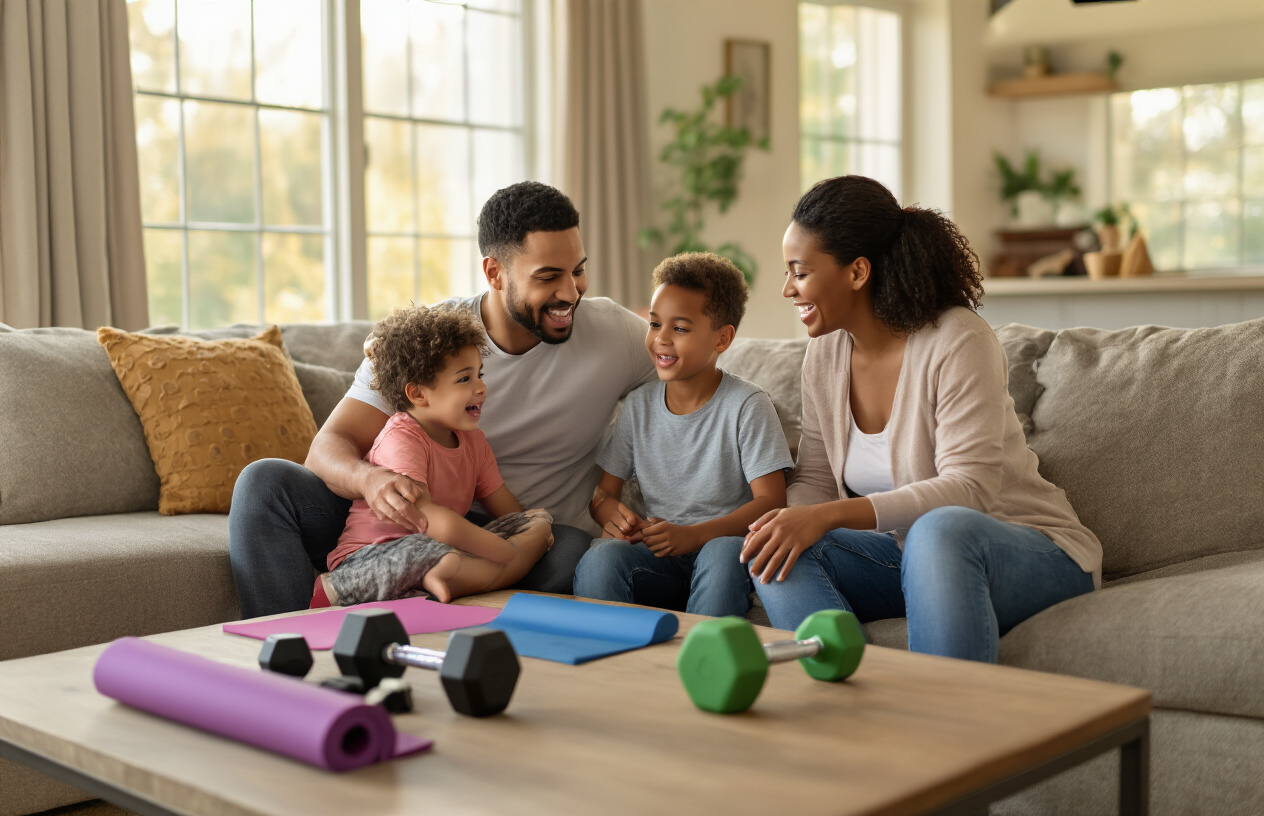
Physical activity creates a ripple effect of wellness throughout your household. When families move together, everyone reaps distinct advantages based on their age and developmental stage. Children who engage in regular physical activity show improved concentration in school, better sleep patterns, and stronger immune systems. Their growing bodies develop proper bone density, muscle strength, and cardiovascular health that sets the foundation for lifelong wellness.
Parents experience stress reduction, increased energy levels, and better mood regulation when they stay active. Regular movement helps combat the mental fatigue that comes from work and daily responsibilities. Even 20-30 minutes of family activity can significantly lower cortisol levels and boost endorphins, making everyone feel more positive and connected.
Grandparents and older family members benefit from improved balance, flexibility, and cognitive function. Low-impact activities like walking or gentle stretching help maintain mobility and independence while reducing the risk of falls and age-related health issues.
| Age Group | Primary Benefits | Recommended Activities |
|---|---|---|
| Children (5-12) | Bone development, focus, coordination | Tag, dancing, bike riding |
| Teens (13-18) | Stress management, body confidence | Sports, hiking, martial arts |
| Adults | Energy, stress relief, heart health | Walking, swimming, strength training |
| Seniors | Balance, mobility, mental sharpness | Tai chi, gardening, water aerobics |
Building stronger family bonds through shared activities
Moving together creates unique opportunities for connection that simply don’t exist during sedentary family time. When you’re hiking a trail or playing catch in the backyard, conversations flow more naturally. Kids often open up about their day or share concerns while walking side by side, something that rarely happens during screen time.
Shared physical challenges build trust and teamwork. Whether you’re learning to skateboard together or tackling a rock climbing wall, family members support each other through fears and celebrate victories as a unit. These experiences create lasting memories that strengthen relationships far beyond the activity itself.
Physical activities also level the playing field between family members. A parent might discover their child excels at balance during yoga, or a teenager might patiently teach grandma how to use resistance bands. These role reversals build mutual respect and appreciation for each person’s unique strengths.
Regular family fitness time establishes consistent bonding opportunities in busy schedules. Unlike movie nights or dinner conversations that can be interrupted by phones or distractions, physical activities demand presence and engagement from everyone involved.
Creating positive lifestyle habits that last a lifetime
Children learn by watching and mimicking their parents’ behaviors. When they see family members prioritizing movement and treating it as enjoyable rather than a chore, they internalize these attitudes. Kids who grow up in active families are significantly more likely to remain physically active throughout their adult lives.
The habits formed during family fitness time extend beyond exercise itself. Children learn goal-setting when working toward hiking longer distances or mastering new skills. They develop resilience by pushing through challenges and celebrating small improvements. These character traits serve them well in academics, relationships, and future careers.
Family fitness also teaches healthy coping mechanisms. Instead of turning to food, screens, or other passive activities when stressed, family members learn to use movement as a natural mood regulator. This creates a powerful alternative to unhealthy stress management patterns that often develop in sedentary households.
The social aspect of family fitness builds communication skills and emotional intelligence. Family members learn to encourage each other, work through frustrations together, and celebrate collective achievements. These interpersonal skills become invaluable as children mature and form their own relationships outside the family unit.
Getting Started with Age-Appropriate Activities
Fun Exercises for Toddlers and Preschoolers
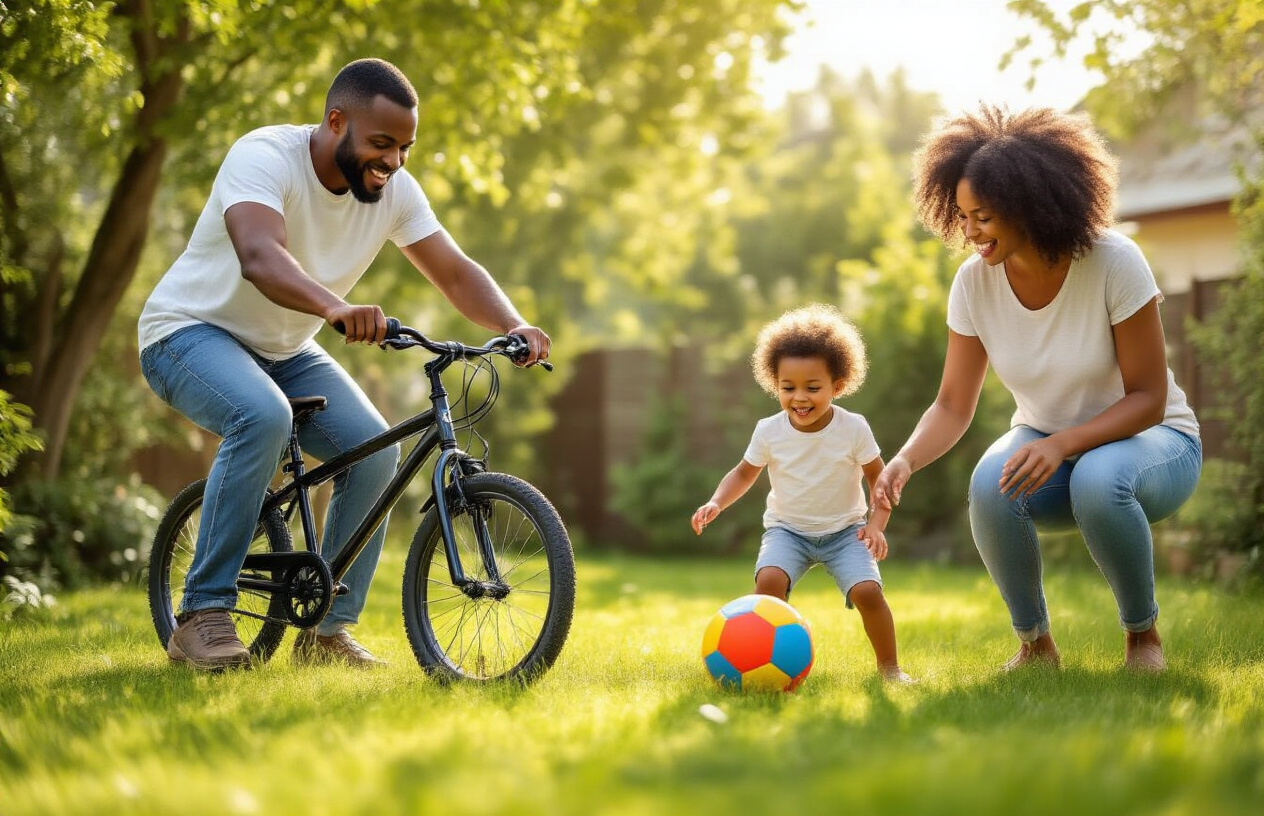
Young children learn through play, making movement activities an adventure rather than exercise. Simple games like “animal walks” teach coordination while keeping kids giggling – try bear crawls, frog jumps, or elephant stomps around the living room. Dance parties work magic for burning energy, especially when parents join in with silly moves and favorite songs.
Obstacle courses using pillows, blankets, and household items create exciting challenges. Set up tunnels to crawl through, lines to balance on, or targets for gentle throwing games. These activities develop gross motor skills while feeling like pure fun.
Nature walks turn into treasure hunts when toddlers search for colorful leaves, smooth rocks, or interesting shapes. Playground visits offer climbing, sliding, and running opportunities that build strength naturally. Swimming pools or sprinklers provide sensory-rich movement experiences during warmer months.
Keep activities short – 15 to 20 minutes works best for this age group. Rotate between active and quiet activities to prevent overwhelm. Remember that toddlers and preschoolers mirror adult enthusiasm, so your excitement becomes contagious.
Engaging Physical Activities for School-Age Children
School-age kids crave structured activities with clear goals and social interaction. Team sports like soccer, basketball, or baseball teach cooperation while developing specific skills. Many children this age enjoy the challenge of improving their performance and learning new techniques.
Individual activities work well too – martial arts builds discipline and confidence, while swimming provides full-body conditioning. Bike riding opens up neighborhood exploration and family adventure possibilities. Rock climbing walls at local gyms offer problem-solving combined with physical challenge.
Technology can become an ally rather than enemy. Active video games that require movement, fitness apps designed for kids, or family step-counting challenges blend screen time with physical activity. Geocaching turns walks into real-world treasure hunting using GPS coordinates.
Seasonal activities keep things fresh year-round. Winter brings sledding, ice skating, and snowball fights. Spring and summer offer hiking, camping, and water activities. Fall provides leaf-raking games and apple-picking adventures.
School-age children often enjoy helping plan family activities, giving them ownership in the process. Let them research new parks, choose hiking trails, or suggest modifications to games that make them more interesting.
Motivating Teenagers to Stay Active
Teenagers face unique challenges with body image, peer pressure, and busy schedules. Finding activities that feel authentic rather than forced becomes crucial. Many teens respond well to fitness activities that don’t feel like traditional exercise – dancing, martial arts, or recreational sports leagues provide social connection alongside movement.
Gym memberships or home workout equipment might appeal to teens interested in strength training or specific fitness goals. YouTube workout videos let them exercise privately while learning proper form. Rock climbing, skateboarding, or parkour attract teens seeking alternative activities outside mainstream sports.
Friend involvement makes a huge difference. Encourage teens to invite friends for active outings – hiking, beach volleyball, or even walking around the mall. Group fitness classes designed for teens create peer connections around healthy habits.
Technology integration works particularly well with this age group. Fitness tracking apps, online challenges, or virtual reality games that require movement can spark interest. Some teens enjoy documenting their fitness journey on social media, creating accountability and motivation.
Respect their growing independence by offering choices rather than mandates. Present options and let them decide what appeals to them. Sometimes the best approach involves modeling active behavior yourself rather than direct encouragement.
Suitable Exercises for Parents and Grandparents
Adults need activities that fit busy schedules while addressing age-specific health concerns. Low-impact options like walking, swimming, or yoga protect joints while providing cardiovascular benefits. These activities also accommodate various fitness levels within the family.
Strength training becomes increasingly important with age, but doesn’t require expensive equipment. Resistance bands, light weights, or bodyweight exercises maintain muscle mass and bone density. Gardening provides functional strength training disguised as a productive hobby.
Many adults find group activities more motivating than solo workouts. Community center classes, walking groups, or recreational sports leagues offer social interaction alongside exercise benefits. Dancing classes provide cardio work while learning new skills together.
Home-based options work well for busy schedules. Online workout videos, exercise bikes, or simple routines can happen during early mornings or after children’s bedtime. Even 10-minute sessions provide health benefits when done consistently.
Grandparents might prefer gentler activities like tai chi, water aerobics, or seated exercises. These options maintain mobility and independence while being safe and enjoyable. Many find that staying active helps them keep up with energetic grandchildren during family gatherings.
Balance training becomes especially important for older adults. Simple exercises like standing on one foot or walking heel-to-toe can be practiced anywhere and significantly reduce fall risk.
Making Physical Activity Fun and Accessible
Turning Household Chores into Fitness Opportunities
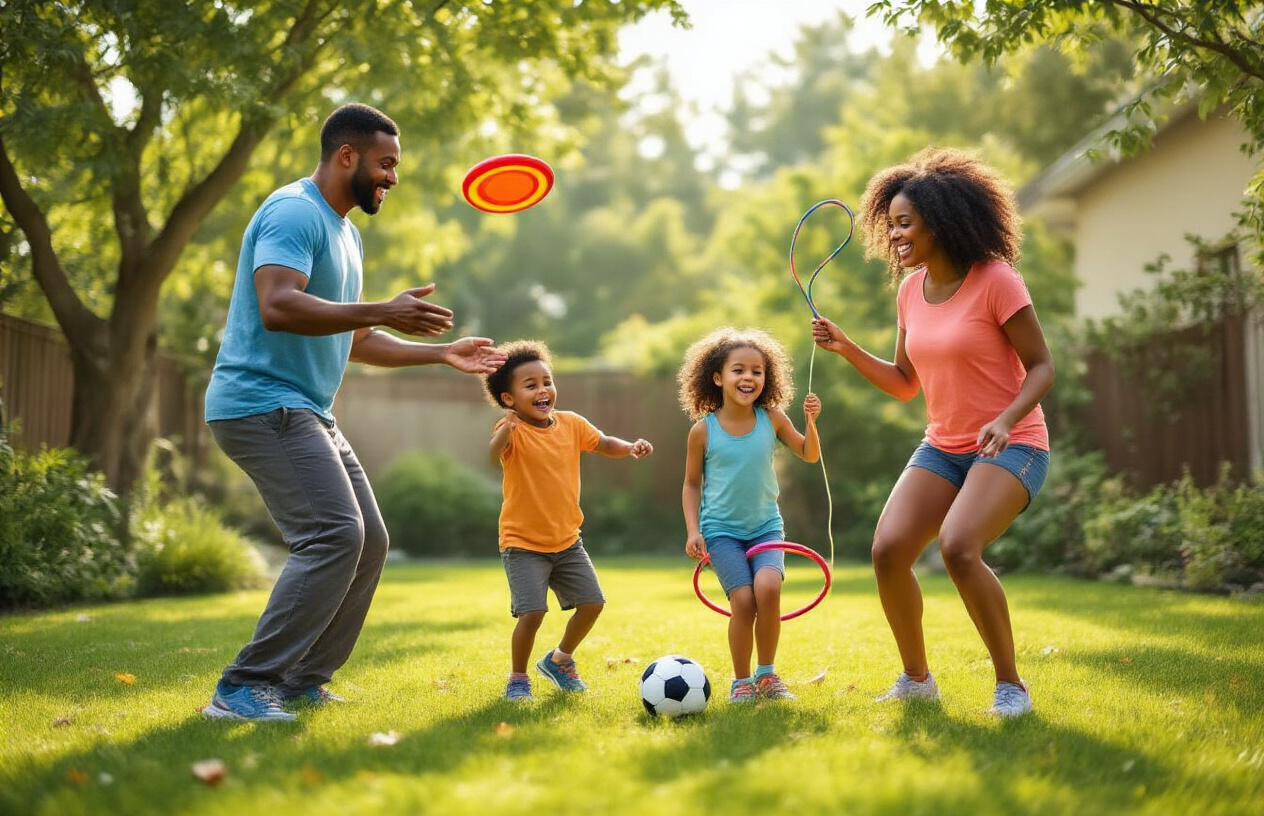
Transform mundane cleaning tasks into exciting family workouts that benefit both your home and health. Vacuuming becomes a cardio session when you pick up the pace and add lunges while pushing the machine forward. Challenge kids to see who can dust furniture the fastest while doing squats between each piece.
Laundry day offers multiple exercise opportunities. Turn carrying baskets upstairs into strength training by taking two steps at a time or adding calf raises on each landing. Folding clothes becomes a stretching session when you sit on the floor and practice different positions while matching socks.
Yard work provides excellent full-body workouts disguised as home maintenance. Raking leaves engages core muscles and provides cardio, especially when family members race to fill their designated areas first. Gardening activities like digging, planting, and weeding offer natural resistance training while teaching children about nature.
Kitchen cleanup can include dance moves while washing dishes or wall push-ups during waiting periods. Even grocery shopping becomes active when families park farther away, take stairs instead of elevators, and let kids help carry lighter bags.
The key lies in reframing chores as movement opportunities rather than burdens. This approach teaches children that physical activity doesn’t require special equipment or gym memberships – it can happen anywhere, anytime.
Using Technology and Apps to Gamify Exercise
Modern technology offers countless ways to make family fitness engaging and interactive. Fitness apps designed for families track everyone’s progress and create friendly competition through leaderboards and achievement badges. Popular apps like Pokemon Go encourage outdoor exploration while walking, turning neighborhood strolls into treasure hunts.
Dance video games transform living rooms into dance floors where family members can learn new moves, compete for high scores, and burn calories simultaneously. Virtual reality fitness games provide immersive experiences that feel more like play than exercise, particularly appealing to tech-savvy children and teens.
Step-counting apps create daily challenges where family members compete to reach target goals. Parents can set up reward systems where reaching weekly step goals earns screen time or special privileges. Yoga and stretching apps offer guided family sessions that can be done together in the morning or before bedtime.
Online fitness classes specifically designed for families provide structured workouts that accommodate different fitness levels. These platforms often include modifications for various ages and abilities, ensuring everyone can participate safely.
Wearable devices add another layer of gamification by tracking heart rate, calories burned, and active minutes. Children love seeing their stats improve over time, and parents can use this data to celebrate achievements and identify areas for improvement.
Creating Friendly Family Competitions and Challenges
Family fitness competitions spark excitement and motivation while building stronger relationships through shared goals. Weekly challenges can range from simple activities like “who can hold a plank the longest” to more complex month-long initiatives tracking overall activity levels.
Create themed weeks focusing on different activities – swimming week, hiking week, or bike riding week. Each family member can suggest activities for their designated week, ensuring everyone feels included in the planning process. Keep scorecards visible on refrigerators or family bulletin boards to maintain engagement.
Seasonal challenges align with natural activity patterns. Summer might feature outdoor challenges like longest bike ride or most swimming laps, while winter could focus on indoor activities like yoga sequences or stair climbing contests. Spring cleaning competitions combine household tasks with physical activity goals.
Age-appropriate modifications ensure fair competition. Younger children might compete in different categories or receive handicaps that level the playing field. Consider effort-based rewards rather than purely performance-based ones to encourage participation over perfection.
Team-based challenges where family members pair up or work together toward common goals build cooperation skills. Examples include family walks where everyone must finish together or household task relays where each person completes a different active chore.
Document achievements through photos, videos, or family fitness journals. These records become treasured memories and provide motivation during less active periods. Celebrate milestones with non-food rewards like special outings, new equipment, or extra privileges that reinforce the value of staying active together.
Overcoming Common Barriers to Family Exercise
Working Around Busy Schedules and Time Constraints
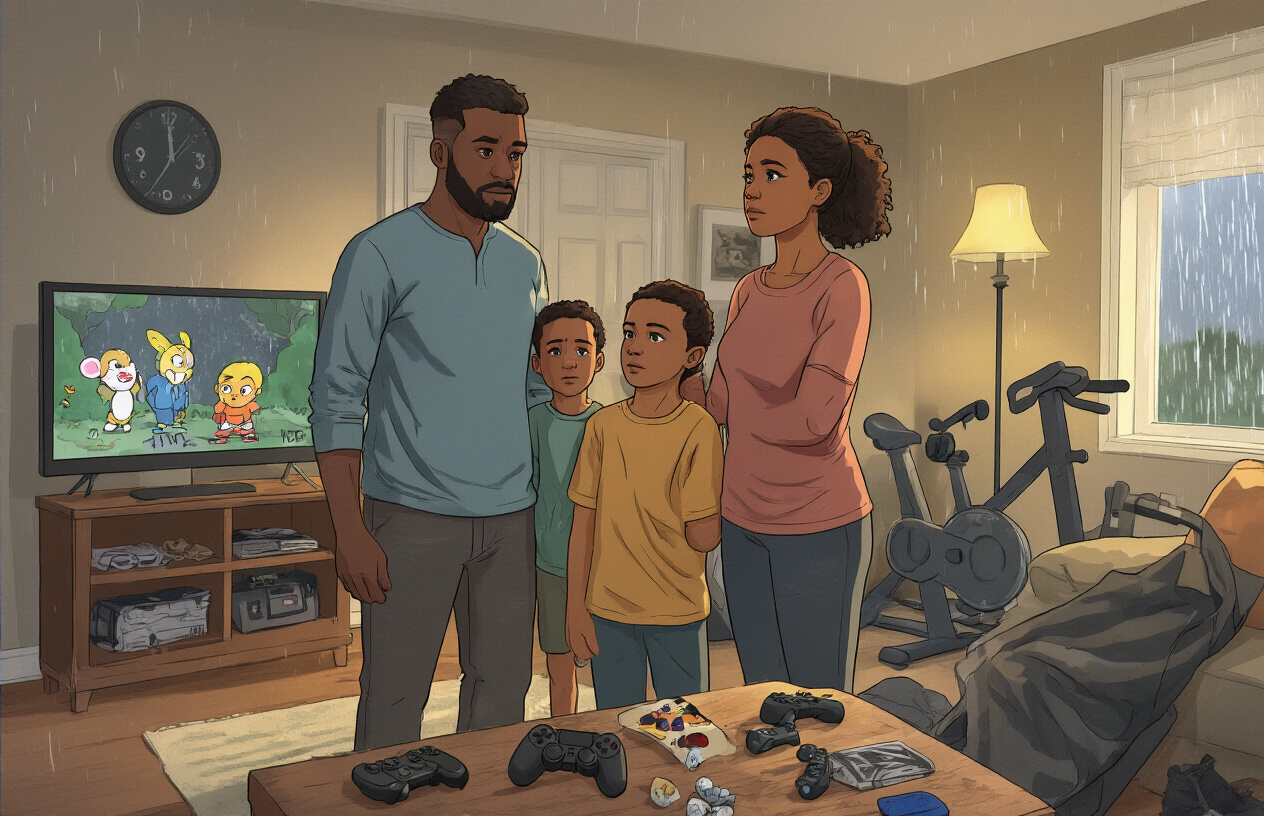
Modern families juggle work deadlines, school activities, and countless commitments that seem to squeeze out time for exercise. The key is rethinking what counts as family fitness time. Instead of carving out dedicated hour-long workout sessions, weave movement into your existing routine.
Turn household chores into mini-workouts by having dance-offs while cleaning or racing to see who can carry groceries fastest. Walk or bike to nearby errands instead of driving. Park farther away when shopping to sneak in extra steps together. Weekend activities like hiking, swimming, or playing catch at the park combine family bonding with physical activity.
Early mornings work well for some families – a 20-minute walk before school and work can energize everyone’s day. Others prefer after-dinner activities like neighborhood strolls or backyard games. Even 10-minute movement breaks scattered throughout busy days add up significantly over time.
Managing Different Fitness Levels Within the Family
Families naturally include members at various fitness stages – from energetic toddlers to less active grandparents. The secret lies in choosing activities that scale naturally for different abilities.
Swimming allows everyone to participate at their comfort level. Young children can splash and play while teens swim laps and adults do water aerobics. Walking trails accommodate different paces – faster walkers can loop back to encourage slower family members.
Team sports like basketball or volleyball work when you modify rules. Lower the net, use softer balls, or create teams that mix abilities. Cycling accommodates various skill levels through route selection and bike types. Consider tandem bikes for younger children or those less confident on two wheels.
| Activity | Beginner Modification | Advanced Challenge |
|---|---|---|
| Hiking | Short, flat trails | Steep terrain, longer distances |
| Dancing | Simple steps, slower songs | Complex choreography, faster tempo |
| Yoga | Basic poses, props for support | Advanced poses, longer sessions |
Dealing with Resistance from Reluctant Family Members
Some family members view exercise as punishment rather than pleasure. Discovering their interests and motivations helps overcome this resistance. Maybe your teenager loves music – try dance workouts or running with upbeat playlists. Perhaps your spouse enjoys competition – family fitness challenges or games might spark interest.
Avoid using exercise as consequence for poor behavior, which creates negative associations. Instead, frame physical activity as family fun time or adventures. Let resistant members choose activities occasionally, giving them ownership in the process.
Start small with reluctant participants. A five-minute evening walk is less intimidating than an hour-long gym session. Gradually increase duration and intensity as they build confidence and enjoyment. Celebrate small victories and focus on how good everyone feels after moving together.
Consider their specific concerns. Some people feel self-conscious about their fitness level or appearance. Choose private settings like your backyard or less crowded times at public spaces. Others worry about keeping up – reassure them that family fitness is about spending time together, not competing.
Budget-Friendly Alternatives to Expensive Gym Memberships
Family fitness doesn’t require expensive equipment or memberships. Your neighborhood offers free opportunities like parks, trails, and playgrounds. Many communities provide free outdoor fitness classes, walking groups, or sports leagues.
Create a home gym using everyday items. Water bottles become weights, stairs turn into cardio equipment, and your living room transforms into a yoga studio. YouTube offers thousands of free workout videos for all ages and fitness levels. Library systems often loan fitness DVDs and books with exercise routines.
Seasonal activities maximize your investment. Winter brings sledding, ice skating, and snowball fights. Summer offers swimming at public pools, hiking, and outdoor sports. Spring and fall provide perfect weather for bicycling and nature walks.
Community centers frequently offer affordable family programs. Schools sometimes open gymnasiums for public use during non-school hours. Religious organizations may have recreational facilities available to members and visitors.
Consider equipment that serves multiple purposes and family members. A basketball hoop in the driveway provides years of entertainment. Jump ropes work for all ages. Resistance bands take up minimal storage space while offering full-body workouts.
Organize activities with other families to share costs and increase motivation. Group purchases of sports equipment become more affordable. Families can rotate hosting active playdates, sharing the planning responsibility while children stay engaged through social interaction.
Creating Sustainable Family Fitness Routines
Establishing Regular Weekly Activity Schedules
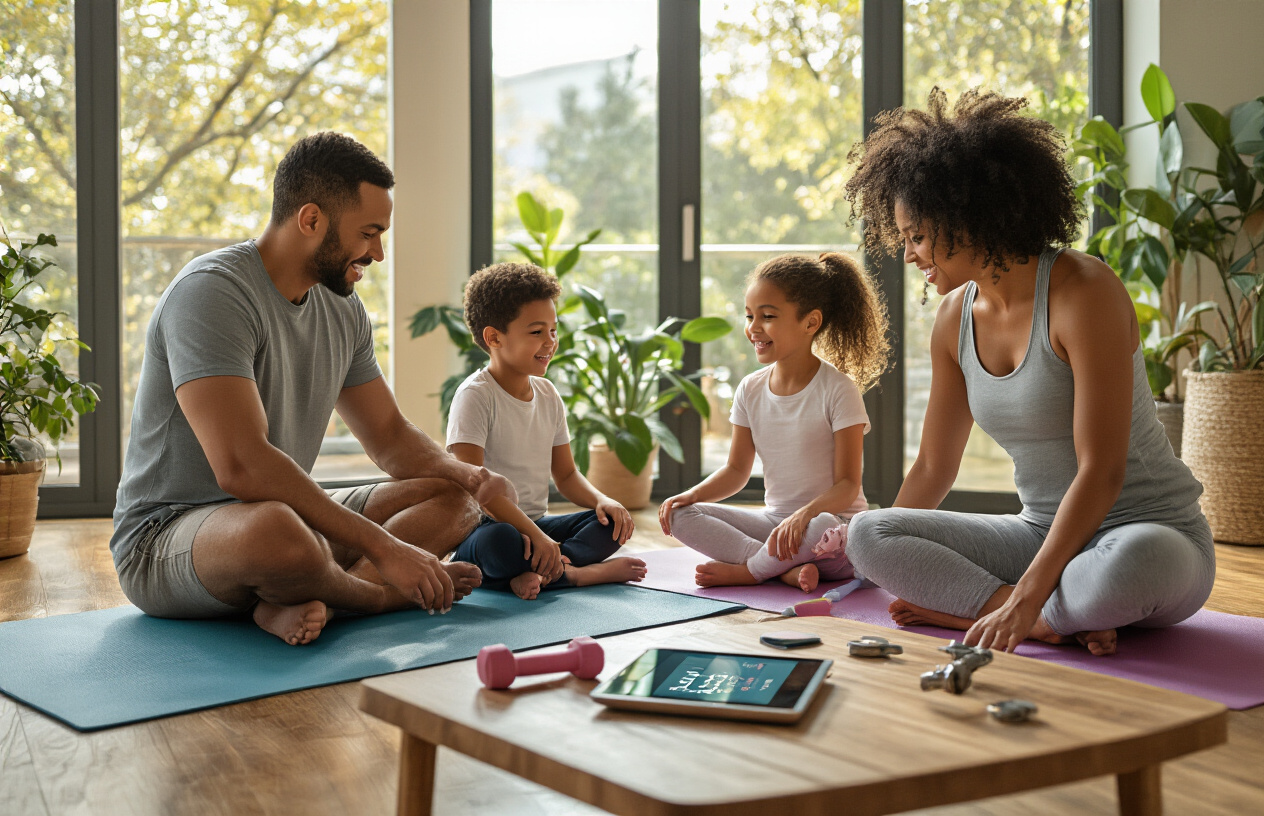
Building a consistent routine starts with mapping out your family’s natural rhythms and finding realistic windows for movement. Look at your current weekly schedule and identify 30-60 minute blocks where everyone can participate without rushing. Many families find success with weekend morning activities when energy levels are high, while others prefer after-dinner walks on weekdays.
Create a visual family calendar that shows planned activities for each week. Color-code different types of movement – green for outdoor adventures, blue for indoor workouts, yellow for recreational sports. This visual approach helps younger children anticipate and get excited about upcoming activities while giving older family members ownership over the schedule.
Start with 3-4 planned activities per week, leaving room for spontaneous movement. Consistency beats intensity when building habits. A 20-minute family dance session every Tuesday evening will create more lasting change than sporadic two-hour hiking marathons that exhaust everyone.
Include buffer time around activities to prevent the schedule from feeling rushed. If you plan a bike ride for Saturday morning, block out time for bike checks, water bottle filling, and post-activity snacks. This preparation reduces stress and increases the likelihood everyone will want to participate again.
Adapting Activities for Different Seasons and Weather
Weather changes don’t have to derail your family’s fitness momentum. Smart families develop seasonal rotation systems that keep movement consistent year-round. Create four seasonal activity lists that match your local climate patterns and your family’s interests.
| Season | Indoor Alternatives | Outdoor Options | Equipment Needed |
|---|---|---|---|
| Spring | Yoga videos, dance parties | Nature walks, gardening | Yoga mats, speakers |
| Summer | Swimming at local pools | Beach volleyball, hiking | Sunscreen, water bottles |
| Fall | Home workouts, martial arts | Apple picking, leaf raking | Exercise bands, gloves |
| Winter | Indoor rock climbing, bowling | Sledding, snowshoeing | Warm layers, proper footwear |
Rainy day backup plans prevent weather from becoming an excuse. Keep a list of 10-15 indoor activities that require minimal setup. YouTube workout videos, living room obstacle courses, and stair climbing challenges work well for most families.
Consider investing in basic weather gear that extends your outdoor season. Quality rain jackets, warm layers, and proper footwear can turn “bad weather” days into adventure opportunities. Children often enjoy puddle jumping and snow play more than adults expect.
Tracking Progress and Celebrating Milestones Together
Progress tracking works best when it focuses on participation and effort rather than performance metrics. Create a simple family activity log that records what you did together, who participated, and how everyone felt afterward. This approach celebrates showing up consistently rather than achieving specific fitness benchmarks.
Use sticker charts for younger children and check-off systems for teens and adults. Monthly family meetings can review the activity log and identify patterns – which activities got everyone excited, which days worked best, and what obstacles kept you from participating.
Set milestone celebrations that reinforce your commitment to family fitness. After completing your first month of regular activities, plan a special adventure like a new hiking trail or a family fun run. These celebrations create positive associations with staying active together.
Photo documentation adds a fun element to progress tracking. Take family selfies during activities and create monthly photo collages. Children love seeing themselves grow stronger and more confident over time, while adults appreciate visual reminders of quality time spent together.
Building Accountability Systems That Work for Everyone
Effective family accountability goes beyond simple reminders – it creates mutual support systems where everyone feels responsible for the group’s success. Assign rotating “activity leader” roles where different family members take turns planning and leading weekly activities. This approach gives everyone ownership and prevents parents from shouldering all the organizational burden.
Partner systems work well within families of four or more. Pair siblings together or match parents with children to create smaller accountability units. These pairs check in with each other daily and provide encouragement when motivation wanes.
Weekly family check-ins create space for honest communication about what’s working and what isn’t. Ask specific questions: “Which activity made you feel strongest this week?” or “What made it hard to participate on Tuesday?” These conversations help identify barriers before they become major obstacles.
Create consequence systems that focus on problem-solving rather than punishment. If someone consistently skips family activities, work together to understand the underlying issue. Maybe the timing doesn’t work, the activities don’t match their interests, or they need different types of encouragement. Adjust the approach rather than forcing participation, which often backfires and creates resentment around physical activity.
Getting your whole family moving together creates healthy habits that last a lifetime while strengthening the bonds between you and your loved ones. The key is starting small with activities everyone can enjoy, removing barriers that get in the way, and making exercise feel like play rather than work. When kids see their parents being active, they naturally want to join in and develop a positive relationship with fitness from an early age.
Remember that consistency beats intensity when it comes to family fitness. Pick a few activities your family genuinely enjoys and build them into your weekly routine. Whether it’s dancing in the living room, hiking local trails, or playing catch in the backyard, the goal is to move together and have fun doing it. Start today by choosing one simple activity you can do as a family this week – your future selves will thank you for laying this important foundation.