Orange blossom tea offers a fragrant escape from your daily routine while delivering surprising health benefits that many tea lovers don’t know about. This delicate floral brew, made from the blossoms of orange trees, has been soothing people for centuries and continues to gain popularity among health-conscious tea drinkers and those seeking natural wellness solutions.
This guide is perfect for curious tea enthusiasts, people exploring herbal remedies, and anyone wanting to add a new healthy beverage to their routine. You’ll discover the science-backed health benefits that make orange blossom tea worth trying, learn about important safety considerations to keep in mind, and get simple preparation methods that guarantee the perfect cup every time.
What Orange Blossom Tea Is and Its Origins
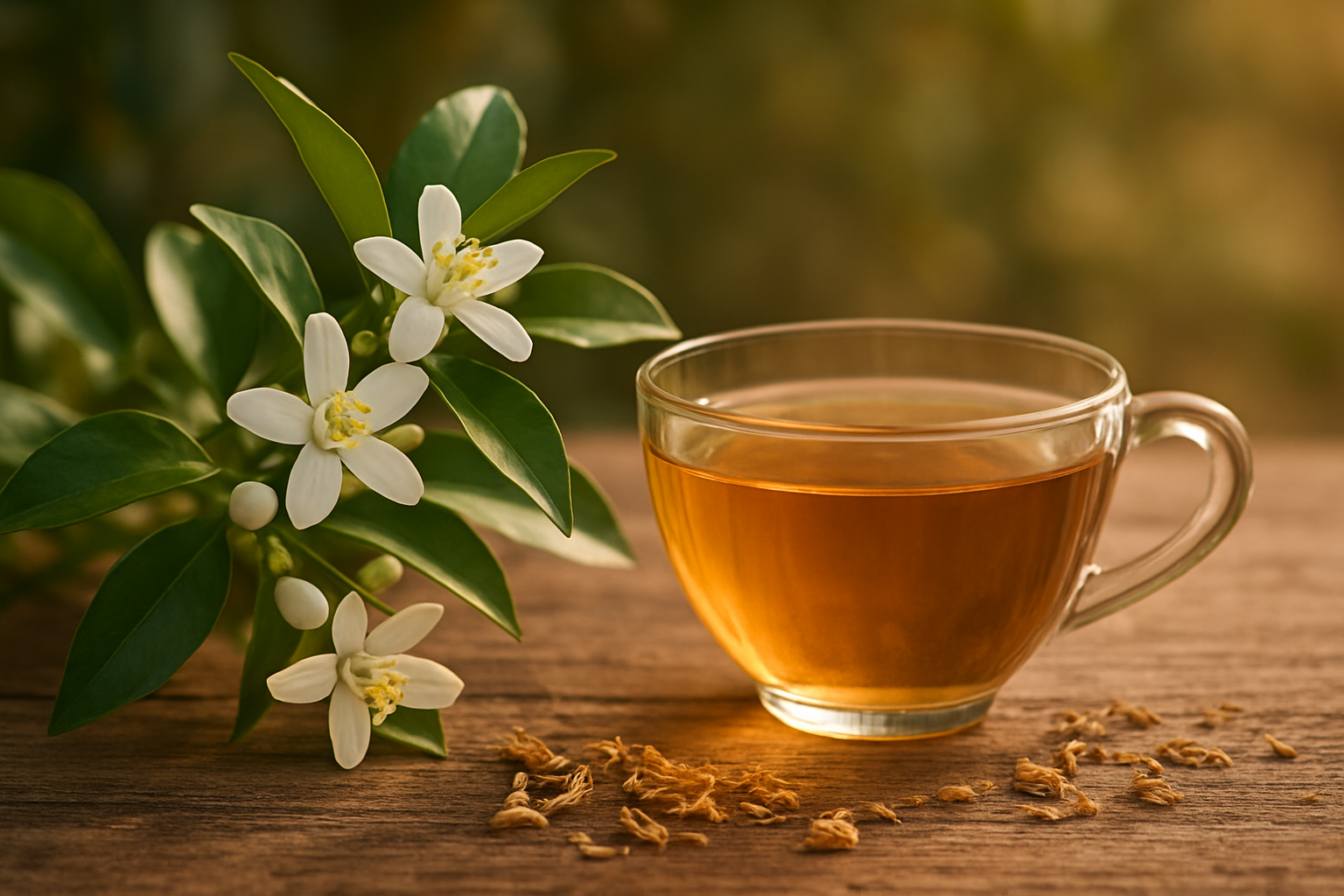
Definition and Botanical Source of Orange Blossom Tea
Orange blossom tea comes from the delicate white flowers of the bitter orange tree, scientifically known as Citrus aurantium. These fragrant blossoms are carefully harvested before they fully open, typically in late spring when their essential oil content reaches peak concentration. The tea can be made from fresh or dried flowers, though dried blossoms are more commonly used for commercial preparations.
The bitter orange tree differs from the sweet orange variety we commonly eat. Native to Southeast Asia, this evergreen tree produces highly aromatic flowers that have been prized for centuries. The blossoms contain volatile oils, including linalool, limonene, and nerol, which give the tea its distinctive therapeutic properties and enchanting scent.
Orange blossom tea is also known by several other names, including neroli tea when referring specifically to the essential oil component, and fleur d’oranger in French culinary traditions. The flowers can be used alone or blended with other herbs like chamomile or lavender to create custom wellness teas.
Traditional Uses Across Different Cultures
Mediterranean cultures have embraced orange blossom tea for over a thousand years. In Morocco, the preparation of orange blossom water and tea holds deep cultural significance, often served during special occasions and religious ceremonies. Moroccan families traditionally use the tea to welcome guests and celebrate life’s milestones.
French cuisine has long incorporated orange blossoms into both culinary and medicinal practices. The famous French orange blossom water, used in pastries and beverages, stems from the same tradition that created orange blossom tea. French herbalists historically prescribed the tea for nervous conditions and sleep disorders.
Spanish and Italian regions with citrus groves developed their own orange blossom tea traditions. In Spain, particularly in Andalusia, the tea became associated with bridal ceremonies and was believed to bring good fortune to newlyweds. Italian monasteries cultivated orange trees and used the blossoms medicinally.
Middle Eastern cultures, particularly in Lebanon and Syria, integrated orange blossom tea into their daily wellness routines. The tea was often given to children to help with restlessness and to adults seeking natural stress relief.
| Culture | Traditional Use | Ceremonial Significance |
|---|---|---|
| Moroccan | Guest welcome, relaxation | Religious ceremonies |
| French | Sleep aid, nervousness | Culinary traditions |
| Spanish | Bridal ceremonies | Wedding blessings |
| Middle Eastern | Daily wellness, children’s health | Family gatherings |
Flavor Profile and Aromatic Characteristics
Orange blossom tea offers a uniquely complex sensory experience that captivates tea enthusiasts worldwide. The flavor profile is surprisingly subtle yet distinctive, with floral notes that dance on the palate without overwhelming sweetness. Unlike the citrusy taste you might expect, the tea delivers gentle, honey-like undertones paired with a delicate bitterness that comes from the natural tannins in the flowers.
The aroma represents the tea’s most compelling characteristic. When you first open a container of dried orange blossoms, you’re greeted with an intensely perfumed scent that’s both calming and invigorating. The fragrance carries notes of:
- Primary scent: Sweet, floral perfume
- Secondary notes: Light citrus zest
- Base aroma: Soft, powdery undertones
When brewed, the tea produces a pale golden liquor with a crystal-clear appearance. The taste experience begins with a light, almost ethereal quality that gradually reveals deeper floral layers. Many describe the flavor as reminiscent of jasmine tea but with more complexity and a cleaner finish.
The aftertaste lingers pleasantly, leaving a subtle sweetness that doesn’t require additional honey or sugar. This natural sweetness comes from the flowers’ nectar content, making orange blossom tea naturally appealing to those who typically find herbal teas too bitter or bland.
The tea’s mouthfeel is smooth and light-bodied, creating a soothing drinking experience that many find naturally calming. The combination of aroma and taste works together to create what many describe as a meditative tea-drinking experience.
Proven Health Benefits of Orange Blossom Tea
Stress reduction and anxiety relief properties
Orange blossom tea contains natural compounds called flavonoids, particularly hesperidin and neohesperidin, which have been shown to interact with neurotransmitters in the brain responsible for mood regulation. These compounds help reduce cortisol levels, the primary stress hormone that can wreak havoc on both mental and physical well-being. Regular consumption of orange blossom tea activates the parasympathetic nervous system, promoting a sense of calm and relaxation.
The tea’s aromatic properties also contribute to stress relief through aromatherapy effects. The gentle citrus scent contains linalool, a terpene known for its anxiolytic properties. When you sip orange blossom tea, you’re not just consuming beneficial compounds but also inhaling therapeutic aromatics that signal your brain to downshift from high-stress states. Many people find that incorporating this tea into their evening routine helps them transition from the demands of daily life to a more peaceful mindset.
Sleep quality improvement and insomnia management
Orange blossom tea acts as a natural sleep aid without the harsh side effects associated with pharmaceutical options. The tea contains mild sedative compounds that help regulate your circadian rhythm and prepare your body for restorative sleep. Unlike caffeinated beverages, orange blossom tea actually promotes drowsiness and helps quiet racing thoughts that often keep people awake at night.
The magnesium content in orange blossoms plays a crucial role in sleep regulation by helping muscles relax and supporting the production of GABA, a neurotransmitter that promotes sleepiness. Drinking a warm cup about 30-45 minutes before bedtime creates an optimal window for these compounds to take effect. The ritual of preparing and slowly sipping the tea also sends psychological signals to your body that it’s time to wind down, making it easier to fall asleep naturally.
Digestive health support and stomach soothing
The anti-inflammatory properties of orange blossom tea make it particularly effective for calming digestive upset and reducing stomach irritation. The tea contains pectin, a soluble fiber that helps regulate bowel movements and promotes the growth of beneficial gut bacteria. This prebiotic effect supports overall digestive health and can help alleviate symptoms of irritable bowel syndrome and other digestive disorders.
Orange blossom tea’s antispasmodic properties help relax the smooth muscles in your digestive tract, reducing cramping and bloating. The warm liquid also stimulates digestive enzymes and bile production, which improves your body’s ability to break down fats and absorb nutrients. Many people find relief from nausea, heartburn, and indigestion by sipping orange blossom tea after meals or during times of digestive distress.
Antioxidant protection against free radicals
Orange blossoms are packed with powerful antioxidants, including vitamin C, flavonoids, and phenolic compounds that actively combat oxidative stress in your body. These antioxidants neutralize free radicals—unstable molecules that can damage cells and contribute to aging, inflammation, and chronic diseases. The antioxidant capacity of orange blossom tea rivals that of many well-known superfoods, making it an accessible way to boost your daily antioxidant intake.
Regular consumption of orange blossom tea helps protect your skin from environmental damage and may slow visible signs of aging. The antioxidants also support cardiovascular health by preventing the oxidation of LDL cholesterol, which can lead to arterial plaque buildup. These protective compounds work synergistically, meaning their combined effect is greater than the sum of their individual benefits.
Immune system strengthening benefits
The vitamin C content in orange blossom tea provides direct immune system support by stimulating white blood cell production and enhancing your body’s natural defense mechanisms. Orange blossoms also contain antimicrobial compounds that can help fight off bacterial and viral infections before they take hold in your system.
The tea’s anti-inflammatory properties reduce chronic inflammation throughout the body, which can weaken immune function over time. By keeping inflammation in check, orange blossom tea allows your immune system to focus its energy on fighting actual threats rather than dealing with ongoing internal stress. The zinc and other trace minerals present in the tea further support immune cell function and help maintain the integrity of your body’s first line of defense—your skin and mucous membranes.
Potential Risks and Safety Considerations
Allergic Reactions and Citrus Sensitivities
Orange blossom tea can trigger allergic reactions in people sensitive to citrus fruits or flowers from the Rutaceae family. If you have a history of reactions to oranges, lemons, grapefruits, or other citrus fruits, you should approach orange blossom tea with caution. Common allergic symptoms include:
- Skin reactions like hives, rash, or itching
- Respiratory issues such as sneezing, runny nose, or difficulty breathing
- Digestive problems including nausea, stomach cramps, or diarrhea
- In severe cases, anaphylaxis requiring immediate medical attention
People with pollen allergies may also experience cross-reactivity, especially during citrus blooming seasons. Start with small amounts to test your tolerance, and discontinue use immediately if any adverse reactions occur.
Medication Interactions to Be Aware Of
Orange blossom tea contains natural compounds that can interact with certain medications. The flavonoids and essential oils present in the tea may affect how your body processes specific drugs:
Blood Pressure Medications: The tea’s mild hypotensive effects might enhance the action of blood pressure medications, potentially causing blood pressure to drop too low.
Sedatives and Anti-anxiety Medications: Orange blossom’s calming properties could amplify the effects of benzodiazepines, sleep aids, or other central nervous system depressants.
Blood Thinning Medications: Some compounds may interact with anticoagulants like warfarin, affecting clotting times.
Always consult your healthcare provider before adding orange blossom tea to your routine if you take prescription medications. Keep a gap of at least two hours between taking medications and drinking the tea to minimize potential interactions.
Pregnancy and Breastfeeding Precautions
Pregnant and breastfeeding women should exercise special caution with orange blossom tea. While citrus fruits are generally safe during pregnancy, concentrated herbal preparations like orange blossom tea lack comprehensive safety data for expectant mothers.
During Pregnancy: The tea’s relaxing effects might be beneficial for stress management, but its impact on hormone levels and uterine activity hasn’t been thoroughly studied. Some herbal teas can stimulate uterine contractions or affect fetal development.
While Breastfeeding: Essential oils and active compounds from orange blossoms can pass into breast milk, potentially affecting your baby. Infants’ digestive and nervous systems are still developing, making them more sensitive to herbal compounds.
The safest approach is to avoid orange blossom tea during pregnancy and breastfeeding unless specifically recommended by your healthcare provider. If you’re trying to conceive, discuss herbal tea consumption with your doctor as part of your preconception planning.
Step-by-Step Tea Preparation Methods
Traditional Hot Brewing Technique with Timing and Temperature
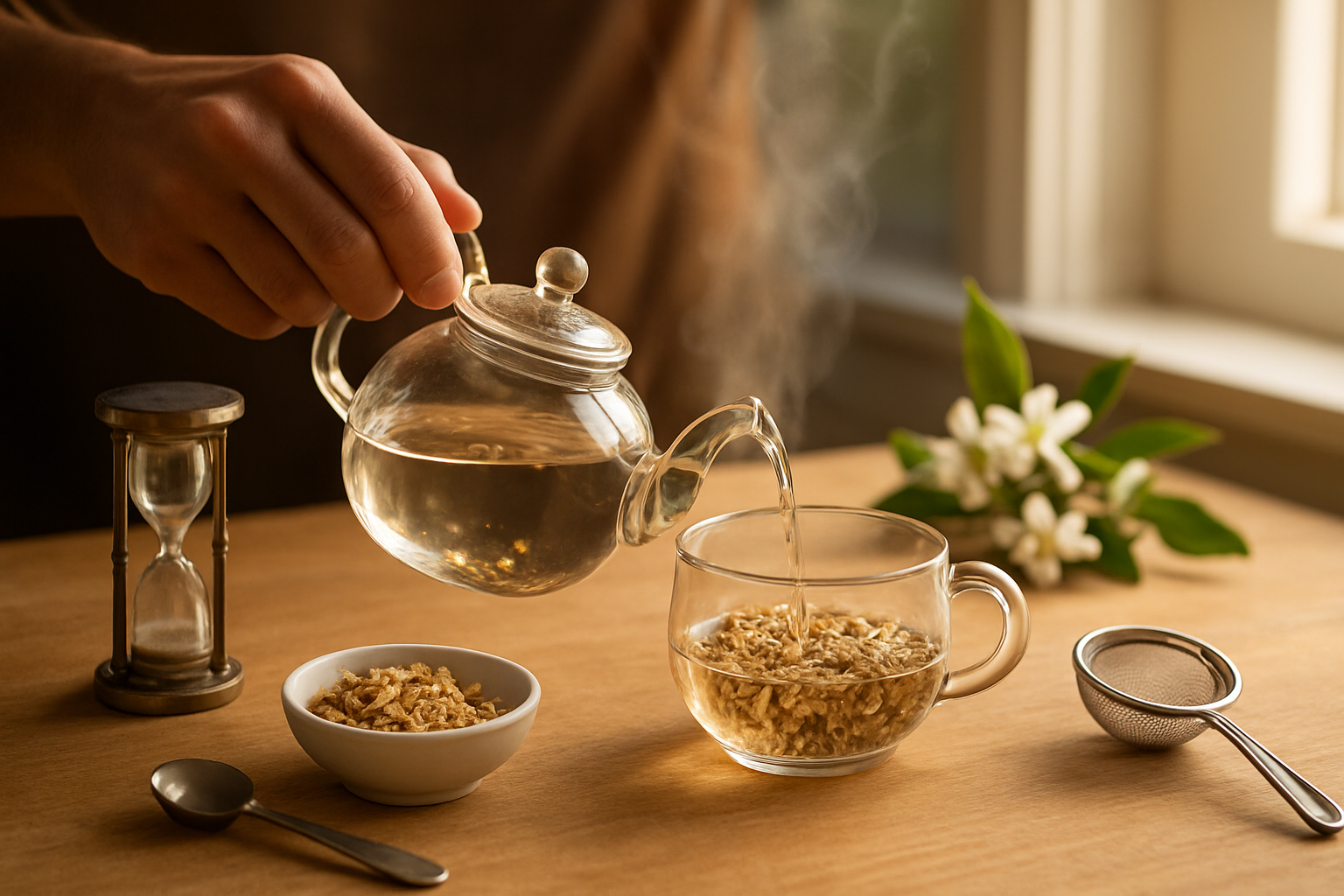
The key to extracting the delicate floral essence from orange blossom petals lies in precise water temperature and steeping time. Heat your water to 185°F (85°C), which is slightly cooler than boiling. This temperature prevents the delicate volatile oils from evaporating and avoids bitter compounds that emerge at higher temperatures.
Use one tablespoon of dried orange blossom petals or two tablespoons of fresh petals per cup of water. Pour the heated water over the petals and steep for 5-7 minutes. Cover the teapot or cup during steeping to trap the aromatic oils. For a stronger flavor, increase the amount of petals rather than extending the steeping time, which can introduce unwanted bitterness.
Fresh petals require slightly less steeping time (4-5 minutes) compared to dried ones. Always strain the tea immediately after the recommended time to prevent over-extraction.
Cold Brewing Method for Refreshing Iced Tea
Cold brewing creates a smoother, less acidic orange blossom tea that highlights the floral notes beautifully. Combine 1/4 cup of dried petals with 4 cups of cold, filtered water in a glass pitcher or jar. Stir gently to distribute the petals evenly.
Refrigerate the mixture for 6-12 hours, depending on your desired strength. The longer steeping time compensates for the lower temperature’s reduced extraction rate. Strain through a fine-mesh sieve or cheesecloth, pressing the petals gently to extract remaining liquid.
Cold-brewed orange blossom tea stays fresh in the refrigerator for up to 3 days. Serve over ice with a slice of orange or a sprig of fresh mint for extra refreshment.
Optimal Water-to-Tea Ratios for Perfect Strength
Finding your ideal strength depends on personal preference and intended use. For a light, delicate tea suitable for evening consumption, use 1 teaspoon of dried petals per cup of water. This creates a subtle floral note perfect for relaxation.
A medium strength tea requires 1 tablespoon per cup, delivering balanced flavor that pairs well with light meals or afternoon breaks. For therapeutic purposes or when you want pronounced floral intensity, increase to 1.5 tablespoons per cup.
| Strength Level | Dried Petals | Fresh Petals | Best For |
|---|---|---|---|
| Light | 1 tsp per cup | 2 tsp per cup | Evening relaxation |
| Medium | 1 tbsp per cup | 2 tbsp per cup | Daily enjoyment |
| Strong | 1.5 tbsp per cup | 3 tbsp per cup | Therapeutic use |
Storage Tips for Maintaining Freshness
Proper storage preserves the delicate compounds that give orange blossom tea its distinctive aroma and potential health benefits. Store dried petals in airtight glass containers away from direct sunlight, heat, and moisture. Dark-colored glass jars work best as they filter harmful UV rays.
Keep containers in a cool, dry pantry or cupboard where temperatures remain consistent. Avoid storing near stoves, dishwashers, or other heat sources. Properly stored dried orange blossom petals maintain their potency for 12-18 months.
Fresh petals should be used immediately or dried for future use. To dry fresh petals, spread them on a clean cloth in a well-ventilated area away from direct sunlight. Turn them daily until completely dry, which typically takes 3-5 days. Once dried, transfer to airtight containers following the same storage guidelines.
Label containers with the date of storage to track freshness. If the petals lose their characteristic sweet fragrance or develop any musty odors, discard them and purchase fresh supplies.
Maximizing Benefits Through Proper Consumption
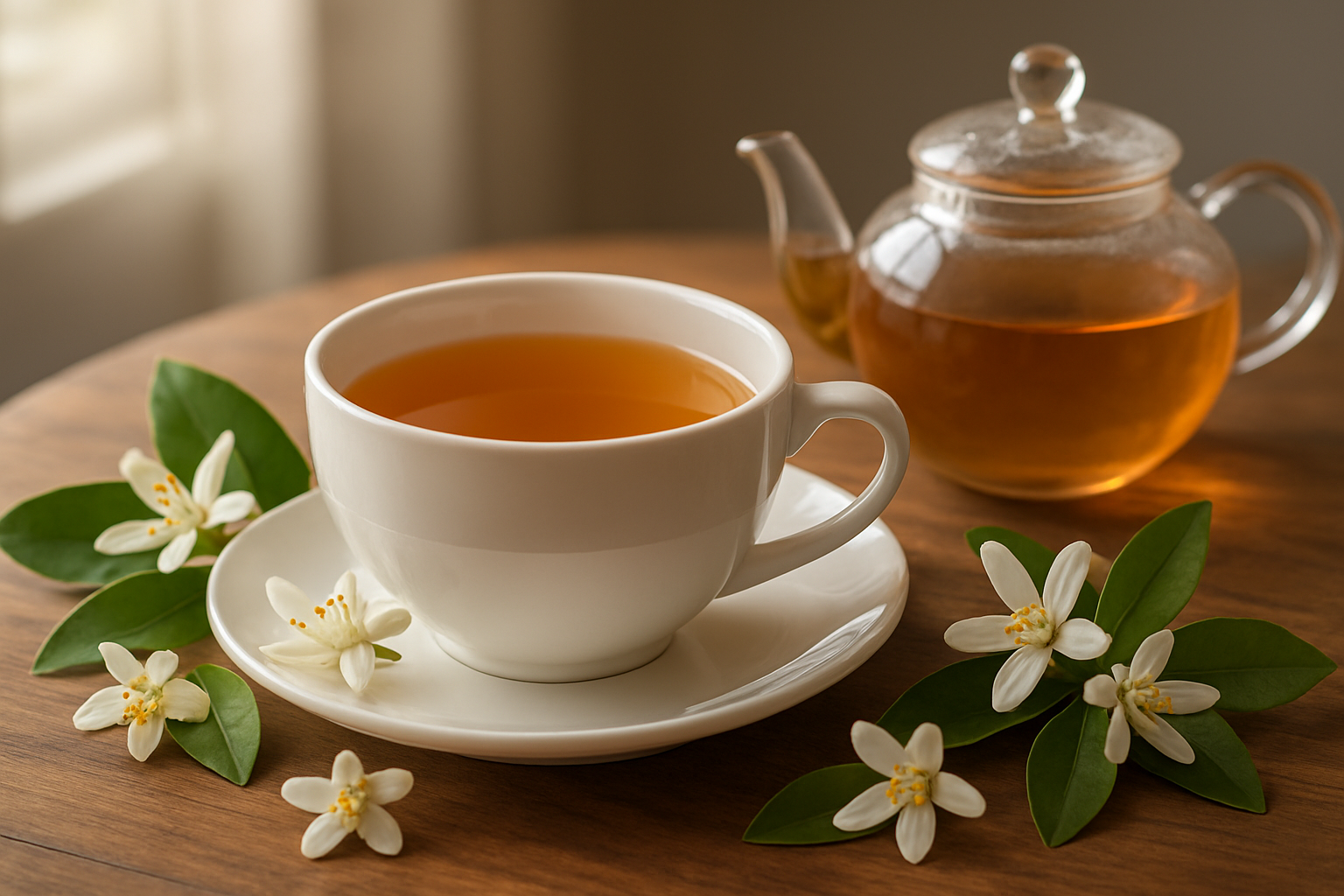
Best Times of Day to Drink Orange Blossom Tea
Timing plays a crucial role in getting the most from your orange blossom tea. The best periods to enjoy this fragrant beverage align with your body’s natural rhythms and specific health goals.
Evening consumption stands out as the optimal time, particularly 30-60 minutes before bedtime. The tea’s natural sedative compounds work with your circadian rhythm to promote deeper sleep quality. Many tea enthusiasts report falling asleep faster and experiencing fewer night wakings when they establish this evening ritual.
Mid-afternoon presents another excellent window, especially between 2-4 PM when many people experience an energy dip. Rather than reaching for caffeine, orange blossom tea provides gentle relaxation without disrupting nighttime sleep patterns. This timing helps combat afternoon stress while maintaining evening sleepiness.
Morning consumption works well for those dealing with anxiety or digestive issues, as the tea’s anti-inflammatory properties can set a calming tone for the day. However, avoid drinking it immediately upon waking, as your cortisol levels are naturally elevated then.
Recommended Daily Intake Amounts
The sweet spot for orange blossom tea consumption ranges from 1-3 cups daily, with most people finding 2 cups ideal for consistent benefits without overdoing it.
Standard serving size should be 1 cup (8 ounces) prepared with 1-2 teaspoons of dried orange blossoms steeped for 5-7 minutes. This concentration provides therapeutic benefits without overwhelming your system.
Beginner approach: Start with 1 cup daily for the first week to assess your body’s response. Some people are more sensitive to the tea’s relaxing effects and may feel drowsy with larger amounts initially.
Maximum safe intake tops out at 3-4 cups daily. Exceeding this amount may lead to excessive drowsiness or mild digestive upset in sensitive individuals.
Special considerations apply to certain groups:
- Pregnant women should limit intake to 1 cup daily and consult healthcare providers
- People taking sedative medications should start with half portions
- Those with citrus allergies should begin with very small amounts
Complementary Ingredients That Enhance Effects
Strategic additions can amplify orange blossom tea’s natural benefits while creating more complex flavor profiles.
Honey serves as the perfect natural sweetener, bringing antibacterial properties and enhanced digestive support. Raw, unprocessed honey works best, added after steeping to preserve beneficial enzymes.
Chamomile creates a powerhouse relaxation blend when combined with orange blossom. Mix equal parts of both flowers for enhanced sleep-promoting effects. This combination works particularly well for people dealing with insomnia or high stress levels.
Lemon balm pairs beautifully with orange blossom for anxiety relief and digestive comfort. The combination provides gentle mood support without causing daytime drowsiness.
Fresh mint leaves add cooling properties and digestive benefits while creating a refreshing taste. This combination works especially well for afternoon consumption or hot weather.
Lavender intensifies the calming effects but should be used sparingly – just a pinch per cup prevents the blend from becoming overpowering.
Ginger root transforms the tea into a digestive tonic, perfect for after meals or when dealing with nausea. Use fresh grated ginger for best results.
| Ingredient | Amount per Cup | Primary Benefit | Best Timing |
|---|---|---|---|
| Honey | 1 teaspoon | Antimicrobial support | Any time |
| Chamomile | Equal parts | Enhanced relaxation | Evening |
| Lemon balm | 1/2 teaspoon | Anxiety relief | Afternoon/evening |
| Fresh mint | 3-4 leaves | Digestive support | After meals |
| Lavender | Small pinch | Deep relaxation | Bedtime |
| Ginger | 1/4 teaspoon grated | Digestive comfort | With meals |
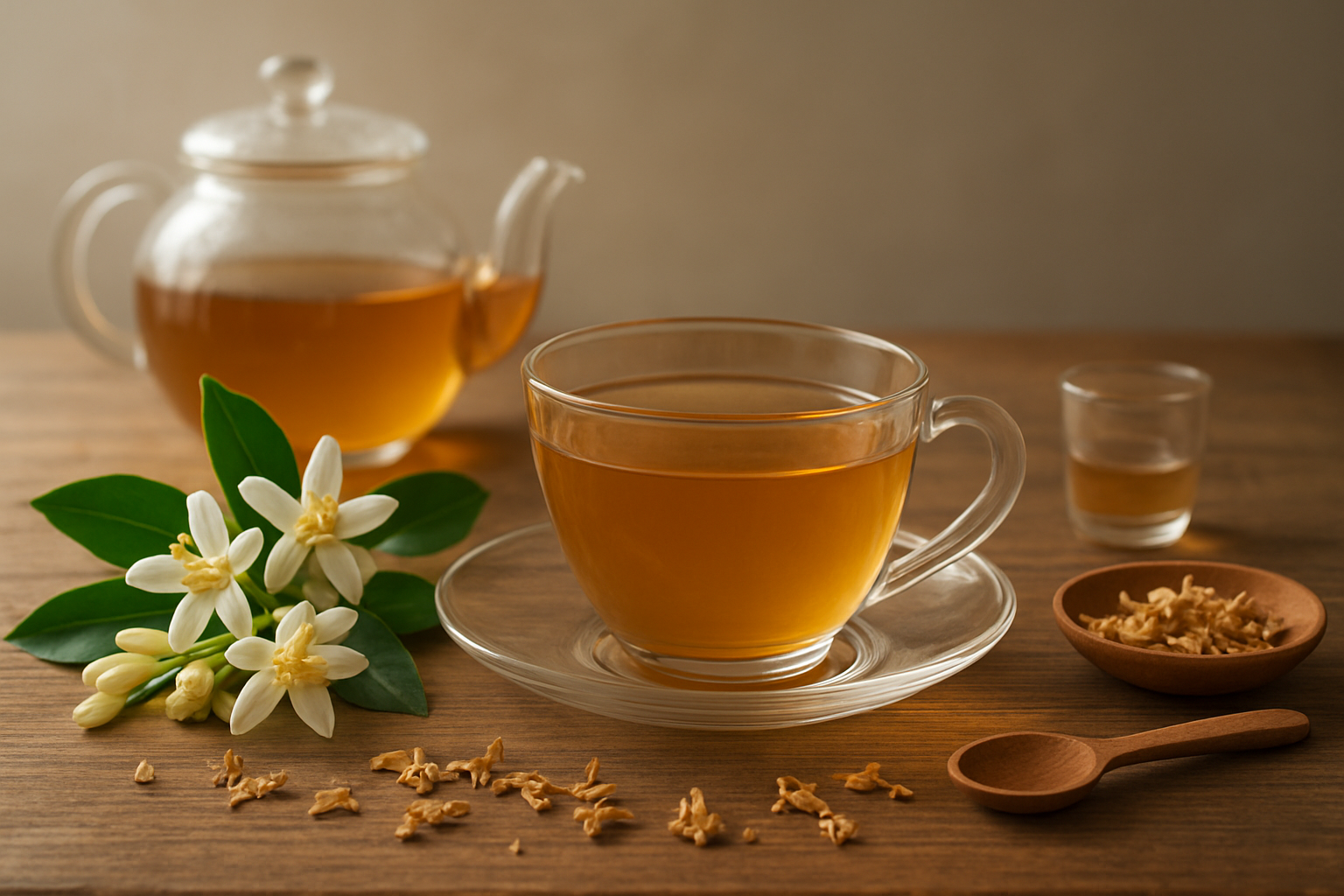
Orange blossom tea offers a delightful way to support your wellness routine while enjoying a fragrant, soothing drink. From promoting better sleep and reducing anxiety to supporting digestive health, this floral tea brings real benefits when consumed mindfully. Just remember to start with small amounts if you’re new to herbal teas, and always check with your healthcare provider if you’re pregnant, nursing, or taking medications.
Getting the most from your orange blossom tea comes down to proper preparation and timing. Steep those delicate petals for just 3-5 minutes in hot water, and consider enjoying a cup about an hour before bedtime for the best relaxation effects. With its gentle nature and proven benefits, orange blossom tea can become a treasured part of your daily self-care ritual – just listen to your body and adjust your intake as needed.