Vitamin K2 is getting serious attention from health enthusiasts, medical professionals, and anyone looking to optimize their bone and heart health naturally. This lesser-known nutrient works differently than its cousin vitamin K1, playing crucial roles your body can’t perform without it.
This guide is for people who want to understand what makes vitamin K2 special and how to get enough of it. You’ll discover the key differences between vitamin K2 and K1 that affect your health outcomes. We’ll also explore the best food sources to boost your intake naturally and help you spot the warning signs of deficiency before they become bigger problems.
Understanding Vitamin K2’s Unique Health Benefits
Superior Bone Density Support Compared to Other Vitamins
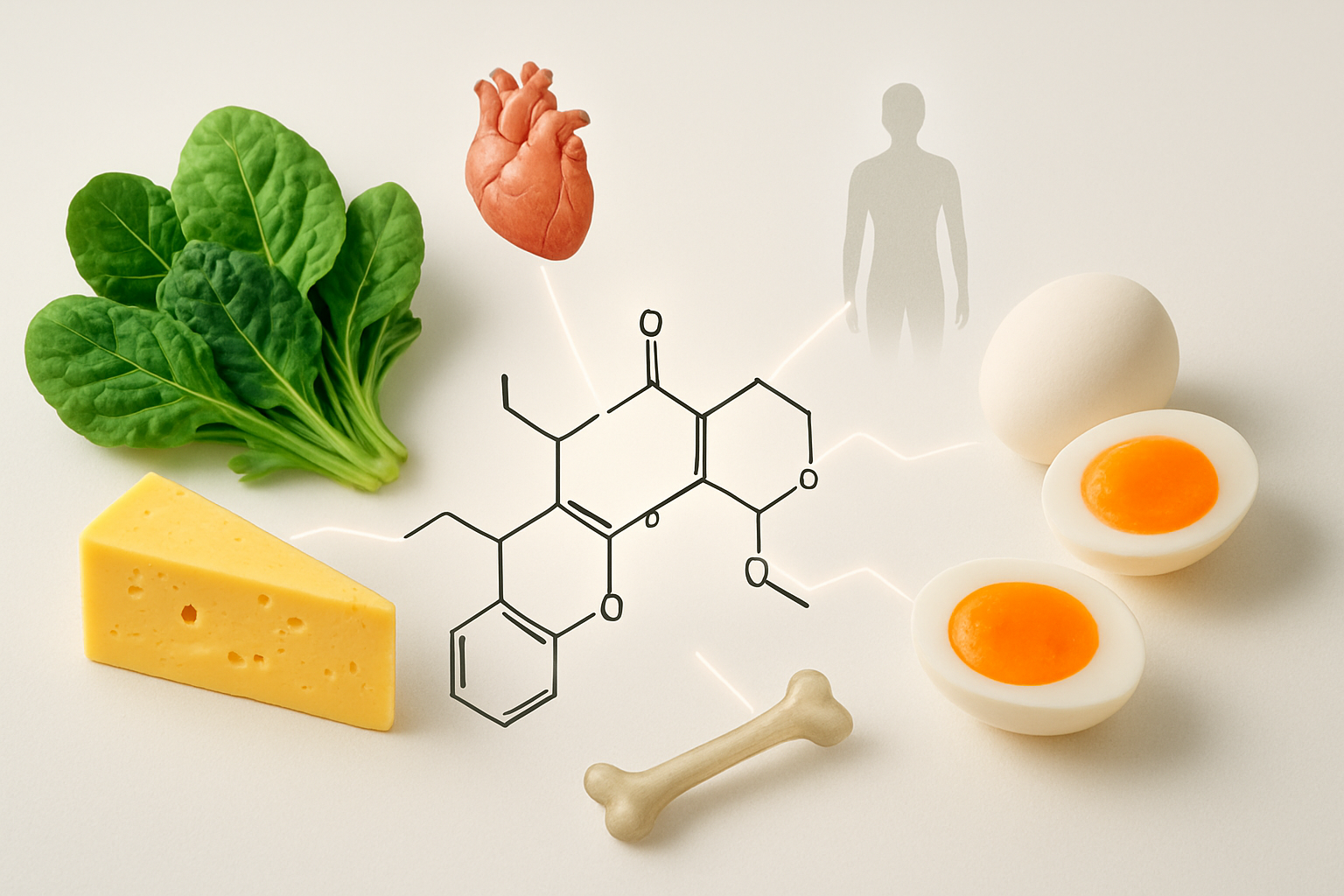
Vitamin K2 stands out as a bone health powerhouse, working in ways that calcium and vitamin D simply can’t match on their own. While most people focus on calcium intake for strong bones, K2 acts like a traffic director, making sure that calcium actually gets deposited into your bones instead of floating around in your bloodstream or settling in unwanted places.
The magic happens through a protein called osteocalcin, which K2 activates. Think of osteocalcin as a construction foreman that guides calcium to build strong bone matrix. Without adequate K2, this protein remains inactive, leaving calcium unable to properly integrate into bone tissue. Studies show that people with higher K2 intake have significantly better bone mineral density and reduced fracture risk compared to those relying solely on calcium and vitamin D supplementation.
Japanese research has been particularly revealing, showing that populations consuming high amounts of K2-rich natto have exceptionally low rates of osteoporosis despite relatively low calcium intake. The vitamin works synergistically with vitamin D3, creating a powerful combination that not only helps absorb calcium but ensures it reaches the right destination.
Enhanced Cardiovascular Protection Through Calcium Regulation
Your heart and arteries benefit tremendously from K2’s calcium-regulating abilities. When calcium builds up in arterial walls, it creates dangerous plaque that can lead to heart disease and stroke. K2 prevents this calcium misplacement through a protein called matrix Gla protein (MGP), which acts like a bouncer, keeping calcium out of soft tissues where it doesn’t belong.
The Rotterdam Study, following over 4,800 participants for seven years, found that those with the highest K2 intake had 52% lower risk of severe arterial calcification and 41% lower risk of coronary heart disease. These aren’t small numbers – they represent significant protection for your cardiovascular system.
K2 also helps maintain arterial flexibility and proper blood flow. When arteries remain soft and elastic, your heart doesn’t have to work as hard to pump blood throughout your body. This translates to better blood pressure control and reduced strain on your cardiovascular system overall.
Improved Dental Health and Cavity Prevention
Your teeth contain the same calcium-dependent structures as your bones, making K2 equally important for dental health. The vitamin activates osteocalcin in tooth dentin, helping maintain strong tooth structure from the inside out. People with adequate K2 levels typically have harder, more resistant tooth enamel and fewer cavities.
K2 also supports the health of your jawbone, which anchors your teeth. A strong jawbone means better tooth stability and reduced risk of tooth loss as you age. Some research suggests that K2 may even help with tooth remineralization, potentially reversing early stages of decay when combined with proper oral hygiene.
The connection between K2 and dental health goes beyond just cavity prevention. The vitamin supports healthy gum tissue and may reduce inflammation in the mouth, creating an environment less favorable for harmful bacteria growth.
Optimal Blood Clotting Function for Injury Recovery
When you get a cut or injury, K2 plays a critical role in your body’s natural healing response. The vitamin activates several clotting factors in your liver, including prothrombin, which converts to thrombin during the clotting cascade. This process stops bleeding and begins the repair process at injury sites.
Unlike blood-thinning medications that can interfere with normal clotting, K2 helps maintain the delicate balance between proper clotting when needed and preventing unwanted clot formation. People with adequate K2 levels typically experience normal healing times and appropriate clot formation after injuries or surgical procedures.
K2 also supports the production of other clotting proteins like factors VII, IX, and X, creating a comprehensive clotting system that responds appropriately to different types of injuries. This balanced approach helps prevent both excessive bleeding and dangerous clot formation in healthy blood vessels.
Top Food Sources for Natural Vitamin K2 Intake
Fermented foods that maximize K2 absorption
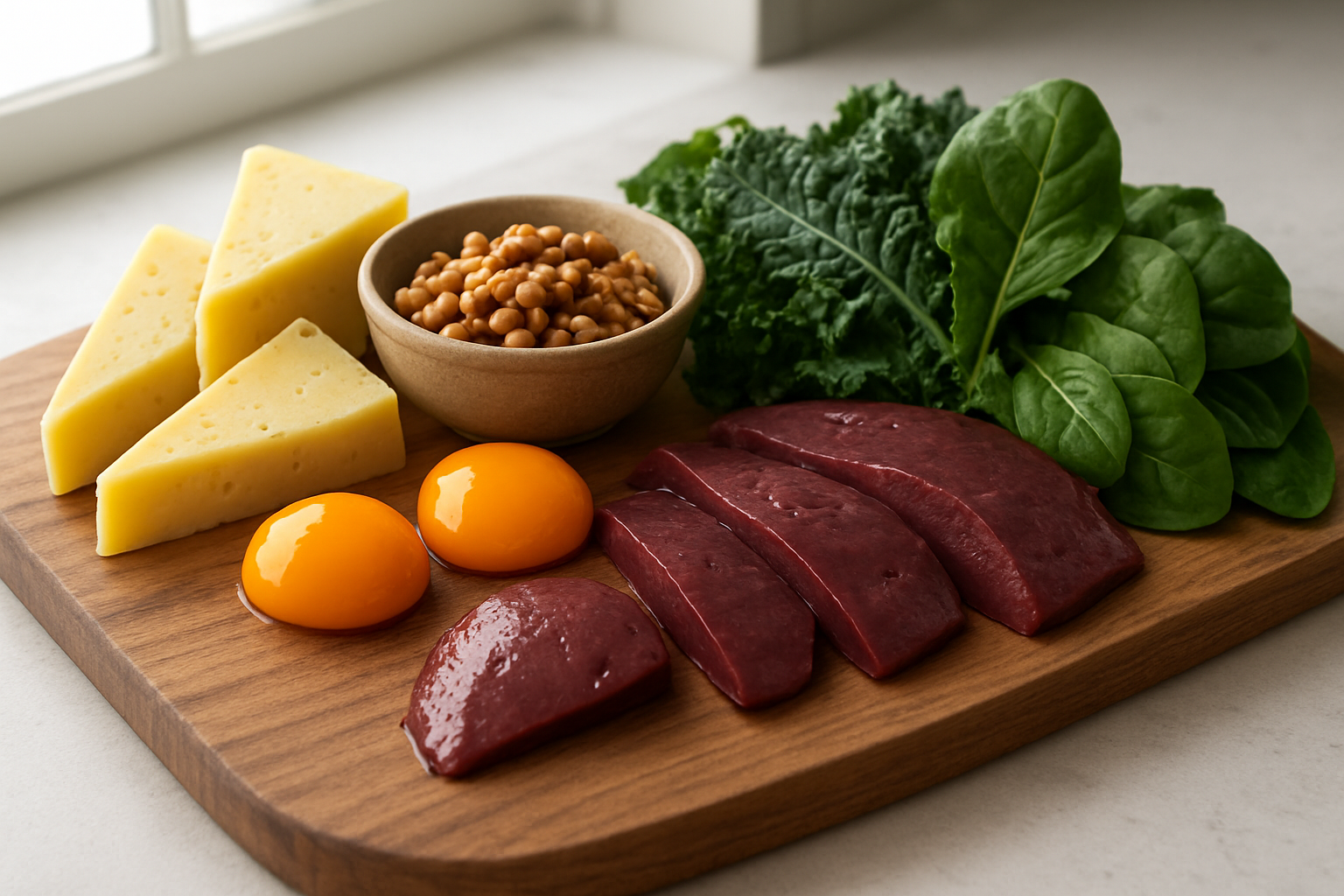
Fermented dairy products lead the pack when it comes to vitamin K2 content. Natto, a traditional Japanese fermented soybean dish, contains astronomical levels of vitamin K2 – specifically the MK-7 form that stays active in your bloodstream longer than other types. Just one serving provides more K2 than most people get in an entire week from other sources.
European cheeses, particularly aged varieties like Gouda, Edam, and Munster, offer excellent K2 concentrations. The longer the aging process, the higher the K2 content becomes as beneficial bacteria continue producing this vital nutrient. Hard cheeses typically contain more K2 than soft varieties, with some aged Gouda containing up to 75 mcg per ounce.
Sauerkraut and other fermented vegetables provide modest amounts of K2, though significantly less than fermented dairy. The fermentation process creates an environment where K2-producing bacteria thrive, making these foods valuable additions to your diet beyond their probiotic benefits.
Grass-fed animal products with highest concentrations
Animals that graze on fresh grass produce significantly higher levels of vitamin K2 in their tissues compared to grain-fed counterparts. Grass-fed butter stands out as an exceptional source, containing about four times more K2 than conventional butter. The deep yellow color of grass-fed butter often indicates higher nutrient density, including K2.
Organ meats from grass-fed animals, particularly liver and kidney, contain substantial K2 amounts. While these foods might not appeal to everyone’s palate, they represent some of nature’s most concentrated sources of bioavailable nutrients.
Grass-fed beef and lamb also provide meaningful K2 amounts, though levels vary based on seasonal grazing patterns. Spring and summer meat typically contains higher K2 levels when animals have access to rapidly growing, nutrient-dense pasture.
Free-range egg yolks from pasture-raised chickens offer another excellent source, with the bright orange yolks indicating higher nutrient content including K2. The difference between conventional and pasture-raised eggs becomes obvious when you crack them side by side.
Traditional foods from cultures with excellent longevity
Japanese cuisine features several K2-rich foods that may contribute to the population’s remarkable longevity. Beyond natto, traditional miso and certain types of Japanese pickles contain varying amounts of K2. The regular consumption of these fermented foods creates a dietary pattern that naturally supports vitamin K2 intake.
Mediterranean cultures have historically consumed aged cheeses, organ meats, and grass-fed dairy products as dietary staples. The traditional Mediterranean diet includes foods like aged sheep’s milk cheese and grass-fed goat products, both excellent K2 sources that modern research links to cardiovascular health benefits.
Northern European populations traditionally relied heavily on fermented dairy products, aged cheeses, and organ meats during long winters. These foods provided essential nutrients including K2 when fresh vegetables weren’t available. Dutch and French cheese-making traditions developed over centuries specifically because these foods could be stored while maintaining nutritional value.
| Food Source | K2 Content (mcg per serving) | Best Form Available |
|---|---|---|
| Natto (100g) | 1000+ | MK-7 |
| Aged Gouda (1 oz) | 75 | MK-4, MK-7 |
| Grass-fed butter (1 tbsp) | 15 | MK-4 |
| Chicken liver (100g) | 14 | MK-4 |
| Egg yolk (1 large) | 6 | MK-4 |
Vitamin K2 vs K1: Why the Difference Matters for Your Health
Distinct metabolic pathways and body utilization
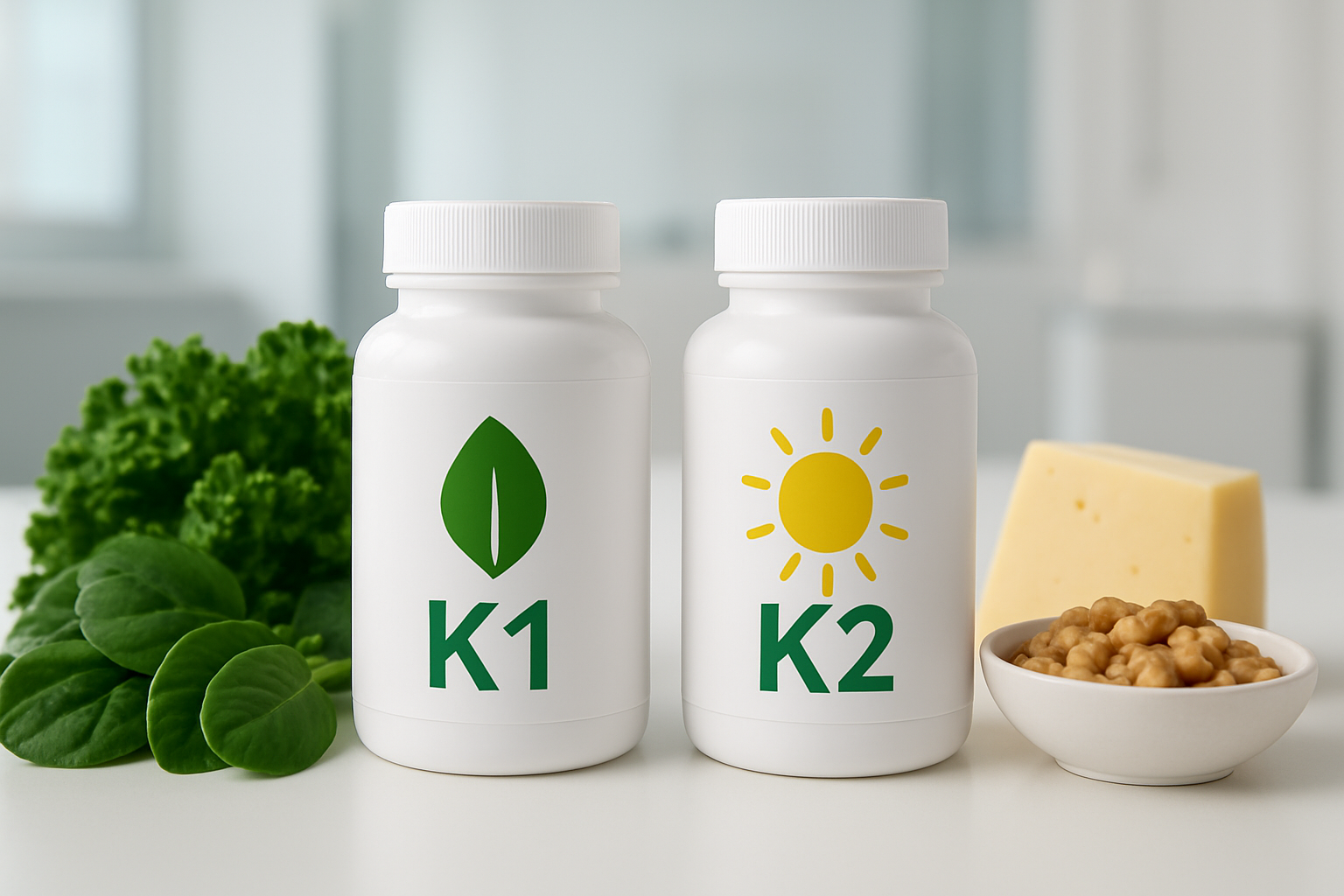
Vitamin K1 and K2 take completely different journeys through your body once consumed. K1, primarily found in leafy greens, heads straight to your liver where it supports blood clotting proteins. Your liver holds onto most of this K1, using what it needs and storing the rest for emergency clotting situations.
K2 operates differently. After absorption, it bypasses the liver and travels through your bloodstream to reach various tissues throughout your body. This vitamin has a longer half-life, staying active in your system for days rather than hours. K2 concentrates in areas like your bones, arteries, and soft tissues, where it activates specific proteins that K1 simply cannot reach effectively.
The transport proteins also differ between these forms. K1 relies heavily on chylomicrons for initial transport, while K2 uses VLDL particles more efficiently, allowing better distribution to peripheral tissues. This explains why K2 shows superior bioavailability and tissue penetration compared to K1.
Targeted health benefits unique to each form
While K1 excels at maintaining proper blood coagulation, K2 shines in areas that K1 cannot touch effectively. K2 activates osteocalcin, a protein essential for binding calcium to your bone matrix. Without adequate K2, calcium floats around your bloodstream instead of strengthening your bones.
K2 also activates matrix Gla protein (MGP), which prevents calcium from depositing in your arteries and soft tissues. This dual action – moving calcium into bones while keeping it out of arteries – makes K2 unique for cardiovascular health. Studies show people with higher K2 intake have significantly lower rates of arterial calcification.
Brain health represents another area where K2 stands apart. This vitamin supports myelin synthesis and protects against oxidative stress in neural tissues. K1 shows minimal activity in brain tissue, making K2 particularly valuable for cognitive function and neuroprotection.
Optimal dosing strategies for maximum effectiveness
| Vitamin Form | Daily Dose Range | Best Timing | Food Pairing |
|---|---|---|---|
| K1 | 90-120 mcg | With largest meal | Any fat source |
| K2 (MK-4) | 1,000-15,000 mcg | Split into 2-3 doses | High-fat meals |
| K2 (MK-7) | 100-200 mcg | Once daily | Moderate fat content |
K1 requires modest doses since your body primarily needs it for clotting functions. Most people get adequate K1 from a varied diet including leafy greens. Supplementation rarely exceeds 120 mcg daily unless addressing specific deficiencies.
K2 dosing varies dramatically based on the specific form. MK-4 requires much higher doses due to its shorter half-life and rapid tissue uptake. Japanese studies used 15,000 mcg daily for bone health with excellent safety profiles. MK-7, with its longer half-life, achieves similar benefits at much lower doses.
Timing matters more for K2 than K1. MK-4’s short duration means splitting doses throughout the day maximizes tissue exposure. MK-7’s extended activity allows once-daily dosing, preferably with your largest meal for optimal absorption.
Fat intake significantly impacts both forms, but K2 shows greater sensitivity to fat content. Consuming K2 with at least 10 grams of fat increases absorption by up to 300% compared to taking it on an empty stomach.
Recognizing and Addressing Vitamin K2 Deficiency

Common Warning Signs Most People Overlook
Most people miss the early signs of vitamin K2 deficiency because they’re subtle and often blamed on other factors. Frequent nosebleeds without obvious cause can signal low K2 levels, as this vitamin plays a key role in blood clotting. Easy bruising from minor bumps that wouldn’t normally leave marks is another red flag many people dismiss as normal aging or clumsiness.
Dental issues often provide the clearest early warnings. If you notice increased cavities despite good oral hygiene, or if your gums bleed more during brushing, your body might be struggling with inadequate K2. Tooth sensitivity that develops without explanation can also point to deficiency, as K2 helps maintain tooth structure and enamel strength.
Joint stiffness that seems worse in the morning or after sitting for long periods might not just be aging. K2 deficiency can affect calcium distribution, leading to deposits in soft tissues rather than bones where calcium belongs. Muscle cramps, especially in the calves at night, can indicate poor calcium regulation related to insufficient K2 levels.
Risk Factors That Increase Your Deficiency Likelihood
Certain lifestyle and health factors dramatically increase your chances of developing K2 deficiency. People following strict vegetarian or vegan diets face higher risk because the most bioavailable forms of K2 come from animal products and fermented foods. While plants contain vitamin K1, the conversion to K2 in humans is extremely inefficient.
Long-term antibiotic use disrupts gut bacteria that produce small amounts of K2, creating a double problem by reducing both dietary absorption and internal production. Digestive disorders like Crohn’s disease, celiac disease, or chronic diarrhea prevent proper K2 absorption even when dietary intake seems adequate.
Age becomes a significant factor after 50, as stomach acid production decreases and medication use increases. Many common medications interfere with K2 metabolism, including:
- Cholesterol-lowering statins
- Proton pump inhibitors for heartburn
- Blood thinners like warfarin
- Some antibiotics and antifungals
Geographic location matters too. People living in areas with limited access to grass-fed dairy, organ meats, or fermented foods face higher deficiency rates. Modern food processing removes much of the K2 content from traditional sources.
Simple Testing Methods to Assess Your K2 Status
Testing for K2 status isn’t as straightforward as checking vitamin D levels, but several markers can give you valuable insights. The most reliable test measures undercarboxylated osteocalcin (ucOC), a protein that requires K2 to function properly. High ucOC levels suggest your body lacks sufficient K2 to activate this bone-building protein.
Another useful marker is the Matrix Gla Protein (MGP) test. Like osteocalcin, MGP needs K2 for activation. Elevated inactive MGP levels indicate poor K2 status and increased risk of arterial calcification. Some labs offer comprehensive K2 panels that include both markers.
Direct measurement of K2 blood levels exists but has limitations. K2 has a short half-life in blood, so levels fluctuate based on recent meals and supplement timing. The test might miss deficiency if taken shortly after consuming K2-rich foods.
Working with a functional medicine practitioner or knowledgeable healthcare provider helps interpret these results correctly. They can correlate test findings with your symptoms, diet, and health history to create a complete picture of your K2 status.
Health Consequences of Prolonged Deficiency
Extended K2 deficiency sets off a cascade of health problems that worsen over time. The most serious consequence involves calcium regulation breakdown, where calcium ends up in arteries instead of bones. This creates a dangerous double problem: weakened bones and hardened arteries.
Cardiovascular health suffers significantly. Studies show people with low K2 levels have 57% higher risk of dying from heart disease. Arterial calcification makes blood vessels rigid and less able to respond to changing blood pressure demands. This increases stroke risk and puts extra strain on the heart.
Bone health deteriorates even when calcium intake seems adequate. Without sufficient K2, the body cannot properly direct calcium into bone matrix. Hip fracture risk increases substantially, especially in postmenopausal women. Existing osteoporosis medications become less effective when K2 levels remain low.
Dental problems escalate beyond simple cavities. Severe K2 deficiency can contribute to periodontal disease, tooth loss, and jaw bone deterioration. The connection between oral health and heart disease becomes more pronounced when K2 deficiency affects both systems.
Cancer risk may increase with prolonged deficiency. Some research suggests adequate K2 levels help prevent certain cancers, particularly liver and prostate cancers, though more studies are needed to confirm these protective effects.
Timeline for Correcting Deficiency with Supplementation
Correcting K2 deficiency takes patience because the body needs time to rebuild depleted stores and reverse damage. Most people notice the first improvements within 2-4 weeks of starting quality supplementation. These early changes typically involve better energy levels and reduced bruising.
Cardiovascular improvements follow a longer timeline. Research shows arterial flexibility begins improving after 6-12 weeks of consistent K2 supplementation. Blood clotting function normalizes during this same period, assuming no interfering medications.
Bone health improvements require the longest commitment. Meaningful increases in bone density typically take 6-12 months to show up on DEXA scans. The bone remodeling process moves slowly, breaking down old bone and building new, stronger bone tissue with proper calcium placement.
Dental health improvements become noticeable after 3-6 months. Gum bleeding usually decreases first, followed by reduced tooth sensitivity and fewer new cavities during regular dental checkups.
The most dramatic improvements occur in the first year, but benefits continue building for up to two years with consistent supplementation. Starting doses typically range from 100-200 mcg daily, though some people need higher amounts based on their deficiency severity and individual absorption factors. Regular monitoring through follow-up testing helps optimize dosing and track progress.
Choosing the Right Vitamin K2 Supplement for Maximum Results
MK-4 vs MK-7 forms and their specific advantages
The two most popular vitamin K2 supplements come in MK-4 and MK-7 forms, each offering distinct benefits based on how your body processes them. MK-4 has a shorter half-life, meaning it gets absorbed and used quickly but also leaves your system faster. This makes it ideal for people who need immediate support for bone health or want to take multiple smaller doses throughout the day.
MK-7, on the other hand, stays in your bloodstream much longer – up to 72 hours compared to MK-4’s few hours. This extended presence means you can take it once daily and still maintain steady vitamin K2 levels. MK-7 also shows better absorption rates and reaches higher blood concentrations with smaller doses.
For cardiovascular health, MK-7 typically performs better due to its longer duration in the body, allowing more time to activate proteins that prevent arterial calcification. MK-4 excels when you’re targeting bone health specifically, as it directly supports osteoblast function and can be taken in therapeutic doses for osteoporosis management.
Dosage recommendations for different health goals
Your vitamin K2 needs vary significantly depending on what health benefits you’re targeting. For general wellness and preventive care, 100-200 mcg daily of MK-7 provides adequate support for both bone and heart health. This amount works well for most adults who eat a reasonably balanced diet but want extra insurance against deficiency.
Bone health support requires higher doses, especially if you’re dealing with osteoporosis or significant bone density loss. Studies show that 45 mg (45,000 mcg) of MK-4 taken three times daily can significantly improve bone strength and reduce fracture risk. For MK-7, doses of 180-360 mcg daily have shown positive effects on bone formation markers.
Cardiovascular protection typically responds well to 180-200 mcg of MK-7 daily, with some studies using up to 360 mcg for people with existing arterial calcification. If you’re taking high-dose vitamin D supplements (over 2,000 IU daily), consider increasing your K2 intake to 200-400 mcg to ensure proper calcium metabolism.
Age also influences dosing needs. Adults over 50 often benefit from higher amounts due to decreased absorption and increased requirements for bone maintenance.
Quality markers that ensure supplement effectiveness
Not all vitamin K2 supplements deliver the same results, making quality assessment essential for getting your money’s worth. Look for supplements that specify the exact form of K2 they contain – reputable manufacturers clearly label whether they use MK-4, MK-7, or a combination, along with the precise amounts of each.
Third-party testing marks a significant quality indicator. Supplements bearing USP, NSF, or ConsumerLab certifications have undergone independent verification for purity, potency, and contaminant screening. These tests check for heavy metals, bacteria, and other harmful substances that can compromise both safety and effectiveness.
Pay attention to the source of MK-7 in particular. Natural MK-7 derived from natto (fermented soybeans) generally provides better bioavailability than synthetic versions. Some manufacturers use chickpea-derived MK-7 as an alternative that offers similar benefits without soy concerns.
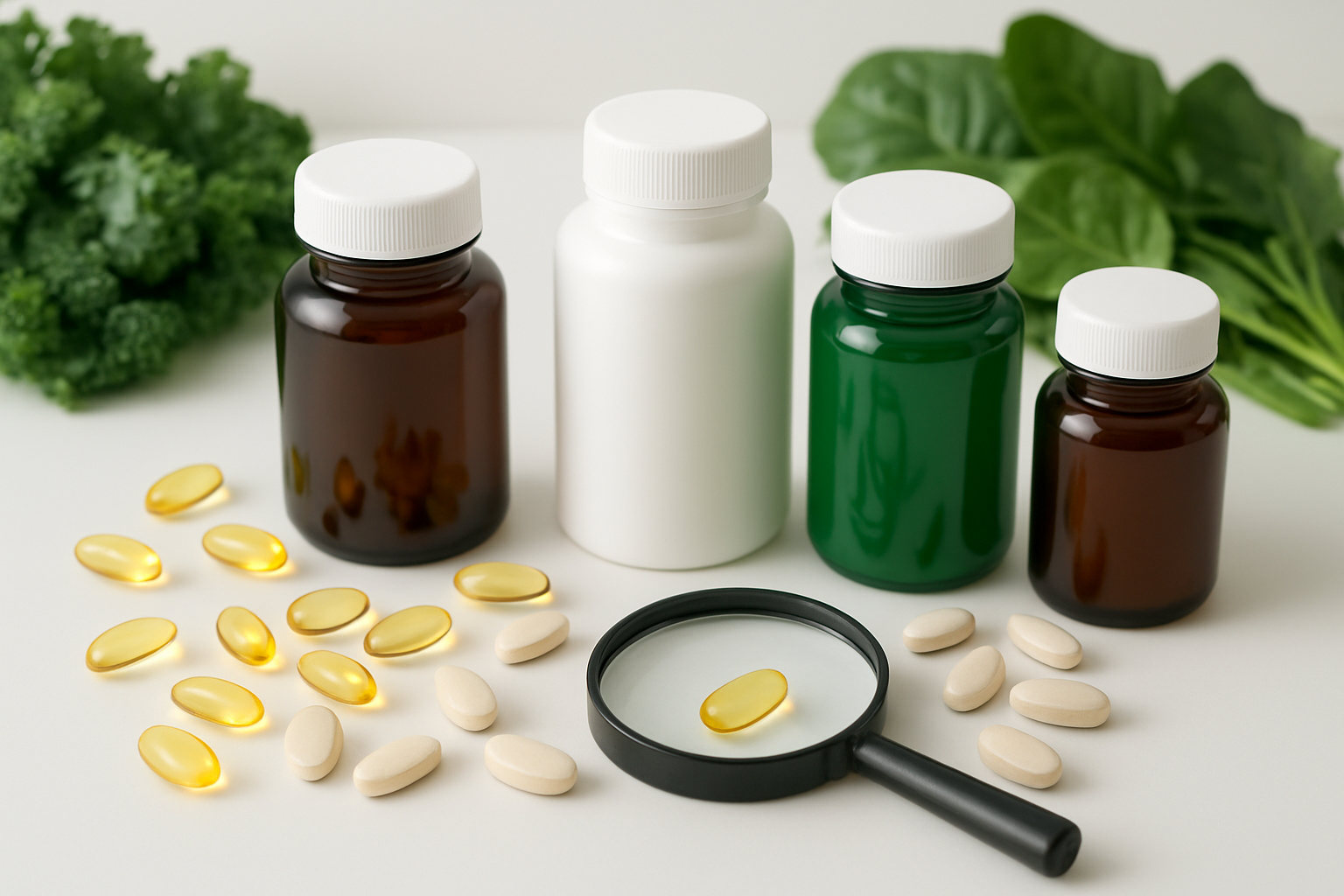
Packaging matters more than you might think. Vitamin K2 degrades when exposed to light and air, so quality supplements come in dark, airtight containers. Avoid products in clear bottles or those that have been sitting on shelves in bright retail environments for extended periods.
Check expiration dates and manufacturing dates. Vitamin K2 remains stable for about two years when properly stored, but potency begins declining after that point.
Potential interactions with medications and other supplements
Vitamin K2 supplements can significantly affect certain medications, making timing and dosage coordination critical for your safety. Warfarin and other blood-thinning medications pose the most serious interaction risk. These drugs work by blocking vitamin K activity, so adding K2 supplements can reduce their effectiveness and increase clotting risk.
If you take blood thinners, don’t stop or start K2 supplements without medical supervision. Some doctors recommend maintaining consistent K2 intake rather than avoiding it entirely, then adjusting medication doses accordingly. This approach requires regular blood monitoring and close communication with your healthcare provider.
Antibiotics can interfere with K2 production by gut bacteria, potentially increasing your supplement needs temporarily. Broad-spectrum antibiotics are particularly disruptive, sometimes requiring higher K2 doses for several weeks after treatment ends.
High-dose vitamin A (over 10,000 IU daily) can interfere with vitamin K2 absorption and function. If you take both supplements, space them several hours apart and consider whether you actually need such high vitamin A amounts.
Calcium supplements work synergistically with K2, but timing matters. Taking them together enhances calcium’s proper utilization, but very high calcium doses (over 1,000 mg at once) might compete with K2 absorption. Spread large calcium doses throughout the day when possible.
Vitamin E in doses exceeding 400 IU can potentially interfere with vitamin K function, though this interaction remains somewhat controversial among researchers. Monitor your vitamin E intake if you’re taking therapeutic K2 doses.

Vitamin K2 plays a crucial role in keeping your bones strong and your heart healthy, working differently than its cousin K1 to direct calcium where it belongs. Getting enough through foods like fermented dairy, organ meats, and natto can make a real difference, but many people still fall short of optimal levels without realizing it.
If you’re not getting K2 from your diet regularly, a quality supplement with MK-7 form offers the best absorption and longest-lasting benefits. Pay attention to signs like poor bone health or cardiovascular concerns, and consider adding this often-overlooked nutrient to your wellness routine. Your bones and arteries will thank you for taking this simple but powerful step toward better long-term health.