Jojoba oil has become a game-changer for anyone wanting healthier, more radiant skin without breaking the bank or dealing with harsh chemicals. This natural powerhouse works for all skin types – from dry and sensitive to oily and acne-prone – making it perfect for skincare beginners and beauty enthusiasts alike.
Unlike other oils that can clog pores or leave you feeling greasy, jojoba oil offers something special. We’ll explore what makes this golden liquid so unique compared to other skincare ingredients, plus how it delivers serious moisturizing benefits without that heavy, oily feeling most people hate. You’ll also discover why dermatologists recommend jojoba oil for anti-aging and how it can calm irritated skin while fitting seamlessly into any routine.
Unique Properties That Make Jojoba Oil Superior for Skin Health
Molecular Structure Mimics Natural Sebum Production
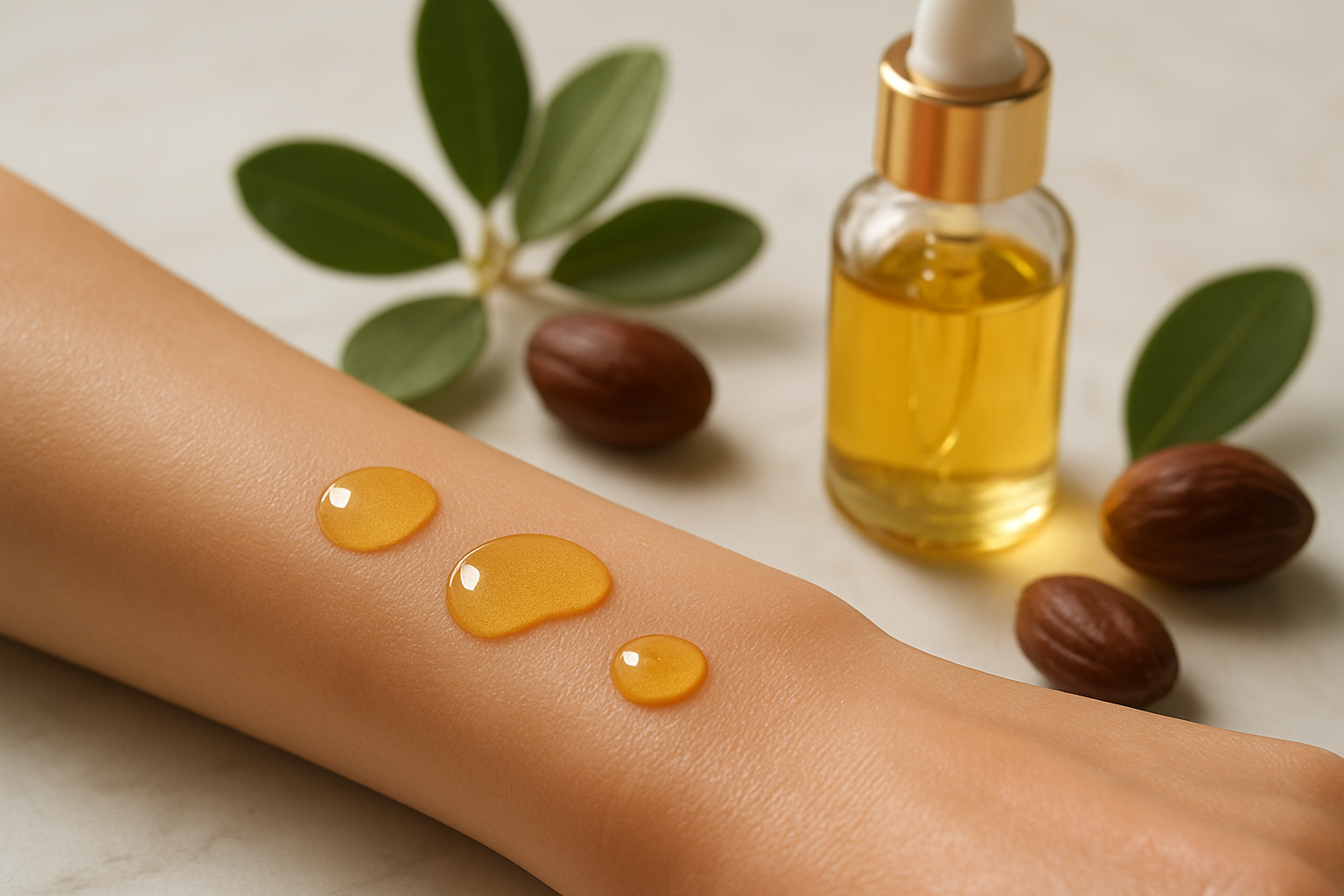
Jojoba oil stands out from other skincare ingredients because it’s technically not an oil at all—it’s a liquid wax ester. This unique composition makes it remarkably similar to the sebum your skin naturally produces. Your skin recognizes jojoba oil as familiar, allowing it to absorb quickly without triggering overproduction of natural oils.
When you apply jojoba oil, your skin doesn’t fight against it or try to create barriers. Instead, it works harmoniously with your natural sebum production. This means your skin can maintain its optimal moisture balance without becoming overly oily or excessively dry. The molecular structure allows jojoba oil to penetrate deeply into skin layers, delivering hydration where it’s needed most.
Non-Comedogenic Formula Prevents Clogged Pores
One of the biggest concerns with facial oils is whether they’ll clog pores and cause breakouts. Jojoba oil eliminates this worry with its non-comedogenic properties. The lightweight molecular structure won’t sit on your skin’s surface or block pores like heavier oils might.
Even people prone to acne can safely incorporate jojoba oil into their routines. The oil actually helps regulate sebum production, which can reduce the likelihood of clogged pores forming in the first place. Many users find that consistent jojoba oil application leads to fewer blackheads and clearer skin overall.
Long Shelf Life and Oxidation Resistance
Unlike many plant-based oils that turn rancid quickly, jojoba oil boasts impressive stability. Its natural composition resists oxidation, giving it a shelf life of several years when stored properly. This stability means the oil maintains its beneficial properties over time without developing the unpleasant smell or texture changes common in other oils.
The oxidation resistance also benefits your skin directly. When oils break down on your skin, they can cause irritation and free radical damage. Jojoba oil’s stability means it continues protecting and nourishing your skin rather than potentially causing harm through degradation.
Suitable for All Skin Types Including Sensitive Skin
Jojoba oil’s gentle nature makes it universally compatible with different skin types. Whether you have dry, oily, combination, or sensitive skin, jojoba oil adapts to your skin’s specific needs without causing adverse reactions.
For sensitive skin types, jojoba oil provides relief without the risk of irritation that comes with many synthetic ingredients. Its hypoallergenic properties make it safe for people with conditions like eczema or rosacea. The oil’s anti-inflammatory compounds can actually help calm existing skin irritation while providing protective moisture.
People with oily skin benefit from jojoba oil’s ability to signal their skin to produce less sebum, while those with dry skin enjoy deep, lasting hydration that doesn’t feel heavy or greasy.
Deep Moisturizing Benefits Without Greasy Residue
Penetrates skin barrier for lasting hydration
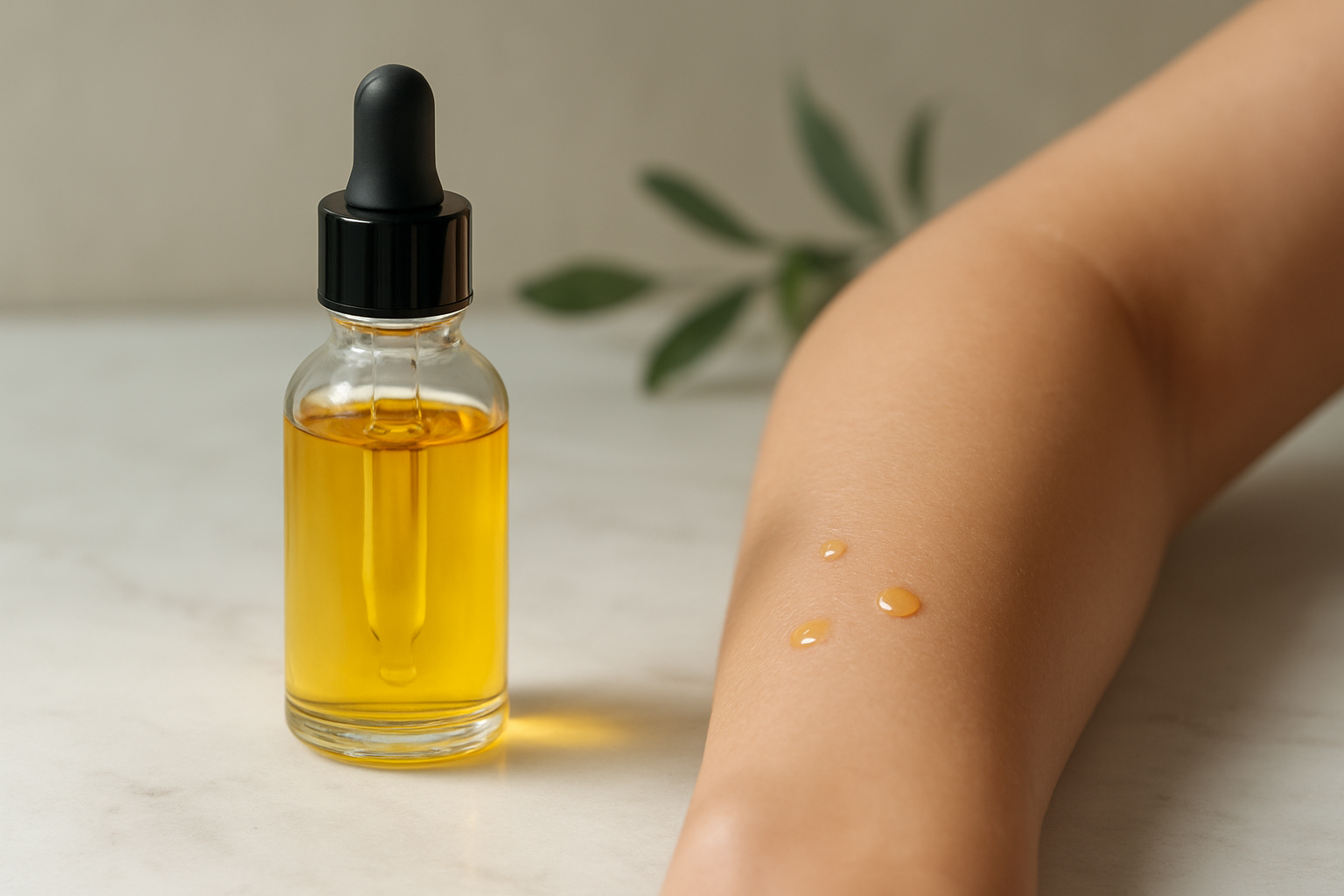
Jojoba oil’s molecular structure closely mimics human sebum, making it incredibly effective at penetrating deep into the skin layers. Unlike many heavy oils that sit on the surface, jojoba oil molecules are small enough to pass through the skin barrier and deliver moisture where it’s needed most. This deep penetration means hydration lasts throughout the day, reducing the need for constant reapplication.
The oil works by filling in microscopic gaps between skin cells, creating a smooth pathway for moisture to reach the deeper dermal layers. This process helps restore the skin’s natural moisture balance and supports the repair of damaged barrier function. When applied regularly, jojoba oil actually trains your skin to retain moisture more effectively on its own.
Balances oil production in both dry and oily skin
One of jojoba oil’s most remarkable qualities is its ability to regulate sebum production regardless of your skin type. For those with oily skin, the oil signals to sebaceous glands that sufficient moisture is present, naturally reducing excess oil production. This prevents the overcompensation that often occurs when oily skin is stripped of its natural oils.
Dry skin benefits equally as jojoba oil provides the moisture that sebaceous glands struggle to produce. The oil’s composition tricks the skin into thinking it has produced enough natural oil, creating a balanced environment. This dual action makes jojoba oil suitable for combination skin types, where different areas of the face have varying moisture needs.
Creates protective moisture barrier
Jojoba oil forms a breathable protective layer on the skin’s surface that locks in moisture while allowing the skin to function normally. This barrier doesn’t clog pores or interfere with the skin’s natural processes. Instead, it acts as a shield against environmental stressors like wind, pollution, and dry air that can strip away natural moisture.
The protective barrier also helps prevent transepidermal water loss, which is a major cause of dry, flaky skin. By maintaining optimal moisture levels, this barrier keeps skin plump, supple, and healthy-looking throughout the day.
Lightweight texture absorbs quickly
Despite its moisturizing power, jojoba oil has a surprisingly light texture that absorbs rapidly into the skin. The oil doesn’t leave behind the heavy, greasy feeling associated with many moisturizing products. This quick absorption makes it perfect for morning routines when you need effective hydration without interfering with makeup application.
The lightweight nature also makes it comfortable for year-round use, even in humid climates where heavier products might feel overwhelming. You can apply jojoba oil and immediately feel its benefits without waiting for it to sink in or worrying about transferring onto clothing.
Anti-Aging and Skin Repair Properties
Stimulates collagen production for firmer skin
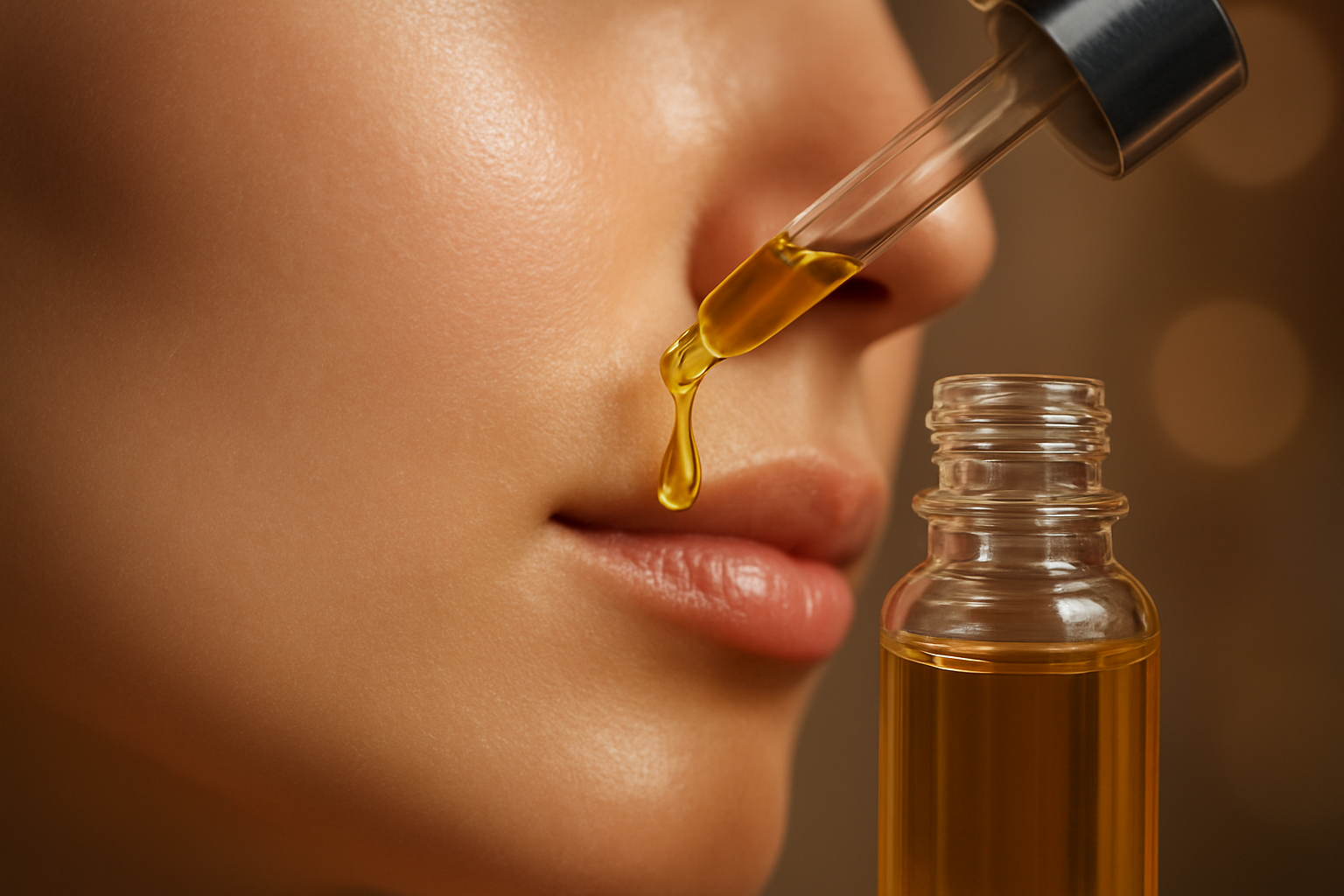
Jojoba oil contains natural compounds that actively encourage your skin to produce more collagen, the protein responsible for maintaining skin’s firmness and elasticity. Rich in antioxidants like vitamin E and essential fatty acids, this golden oil helps protect existing collagen from breaking down while supporting the creation of new fibers. When you apply jojoba oil regularly, its molecular structure allows it to penetrate deeply into the skin layers where collagen synthesis occurs.
The oil’s unique composition includes ceramides and omega fatty acids that signal skin cells to ramp up collagen production. This process happens gradually but consistently, leading to visibly firmer skin texture over time. Many users notice improved skin bounce and reduced sagging after incorporating jojoba oil into their daily routine for several weeks.
Reduces appearance of fine lines and wrinkles
Fine lines and wrinkles become less noticeable when jojoba oil delivers intense hydration to the deeper layers of your skin. The oil’s ability to mimic natural sebum means it fills in microscopic gaps in the skin barrier, creating a plumping effect that smooths out surface imperfections. This immediate visual improvement combines with long-term benefits as the oil continues working beneath the surface.
Regular application helps prevent new wrinkles from forming by maintaining optimal moisture levels and protecting against environmental damage. The antioxidants in jojoba oil neutralize free radicals that accelerate skin aging, while its emollient properties keep skin supple and resistant to creasing. Areas prone to expression lines, like around the eyes and mouth, respond particularly well to consistent jojoba oil treatment.
Promotes cellular regeneration and healing
Your skin’s natural repair mechanisms get a significant boost from jojoba oil’s regenerative properties. The oil contains compounds that accelerate cell turnover, helping damaged skin cells shed more efficiently while encouraging healthy new cells to take their place. This process reveals fresher, more youthful-looking skin and helps fade age spots, sun damage, and other signs of environmental wear.
Jojoba oil also supports the skin’s healing processes by providing essential nutrients that cells need for optimal function. Its anti-inflammatory properties reduce irritation that can slow down repair, while its protective barrier helps shield newly formed cells from further damage. This creates an ideal environment for skin renewal, making jojoba oil an excellent choice for anyone looking to improve their skin’s overall health and appearance.
Soothing Treatment for Common Skin Concerns
Calms inflammation and redness
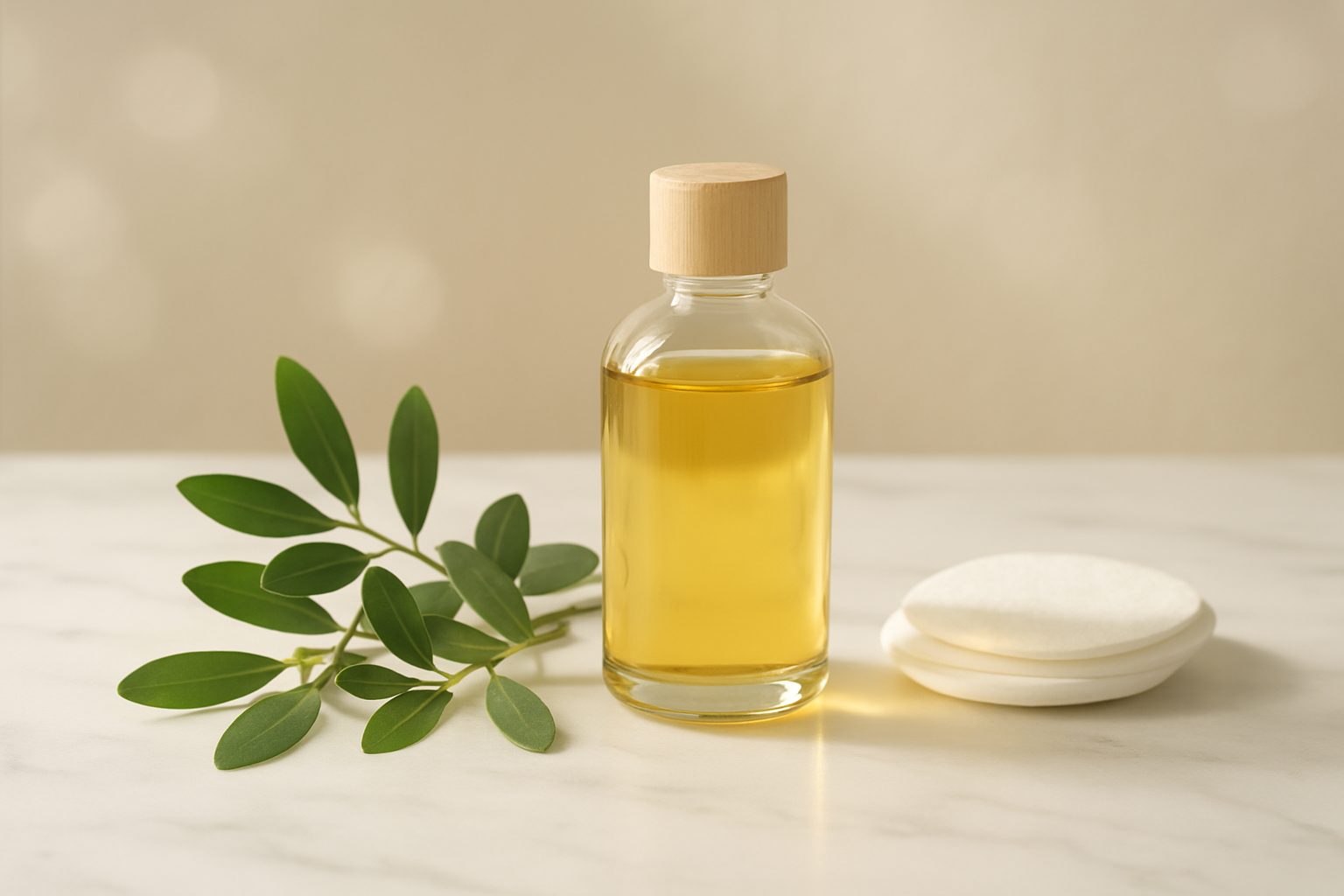
Jojoba oil’s natural anti-inflammatory compounds work like a gentle balm for irritated skin. When your face feels hot and looks angry red, this golden liquid steps in to cool things down. The oil contains vitamin E and other antioxidants that target the root causes of inflammation, helping to restore your skin’s natural calm. Unlike harsh chemical treatments that can sometimes make redness worse, jojoba oil respects your skin’s delicate balance while delivering powerful soothing effects.
Reduces acne breakouts and blemishes
Your skin might rebel against heavy creams, but jojoba oil speaks its language fluently. This oil closely mimics your skin’s natural sebum, which means it won’t clog pores or trigger new breakouts. Instead, it helps regulate oil production and creates an environment where acne-causing bacteria struggle to thrive. The antimicrobial properties of jojoba oil work quietly in the background, clearing existing blemishes while preventing new ones from forming. Many people notice clearer skin within just a few weeks of consistent use.
Alleviates eczema and dermatitis symptoms
Dry, itchy patches don’t stand a chance against jojoba oil’s healing touch. The oil penetrates deep into compromised skin barriers, delivering moisture where it’s needed most. Its gentle nature makes it perfect for sensitive conditions like eczema and dermatitis, where other products might cause stinging or burning. Regular application helps strengthen the skin barrier, reducing flare-ups and creating a protective shield against environmental irritants.
Heals minor cuts and skin irritations
Small scrapes and irritations heal faster with jojoba oil’s help. The oil creates a protective layer over wounds while allowing skin to breathe and regenerate naturally. Its antibacterial properties keep harmful microbes at bay, while vitamins and minerals nourish the healing process. Whether you’re dealing with razor burn, insect bites, or minor scratches, a few drops of jojoba oil can speed recovery and minimize discomfort.
Minimizes appearance of scars and stretch marks
Time and patience work wonders when combined with jojoba oil’s regenerative properties. The oil helps improve skin elasticity and promotes healthy cell turnover, gradually softening the appearance of scars and stretch marks. While dramatic changes take time, consistent daily application can lead to smoother, more even-toned skin. The key lies in jojoba oil’s ability to penetrate deeply and support your skin’s natural repair mechanisms from within.
Versatile Application Methods for Maximum Results
Use as Standalone Facial Moisturizer
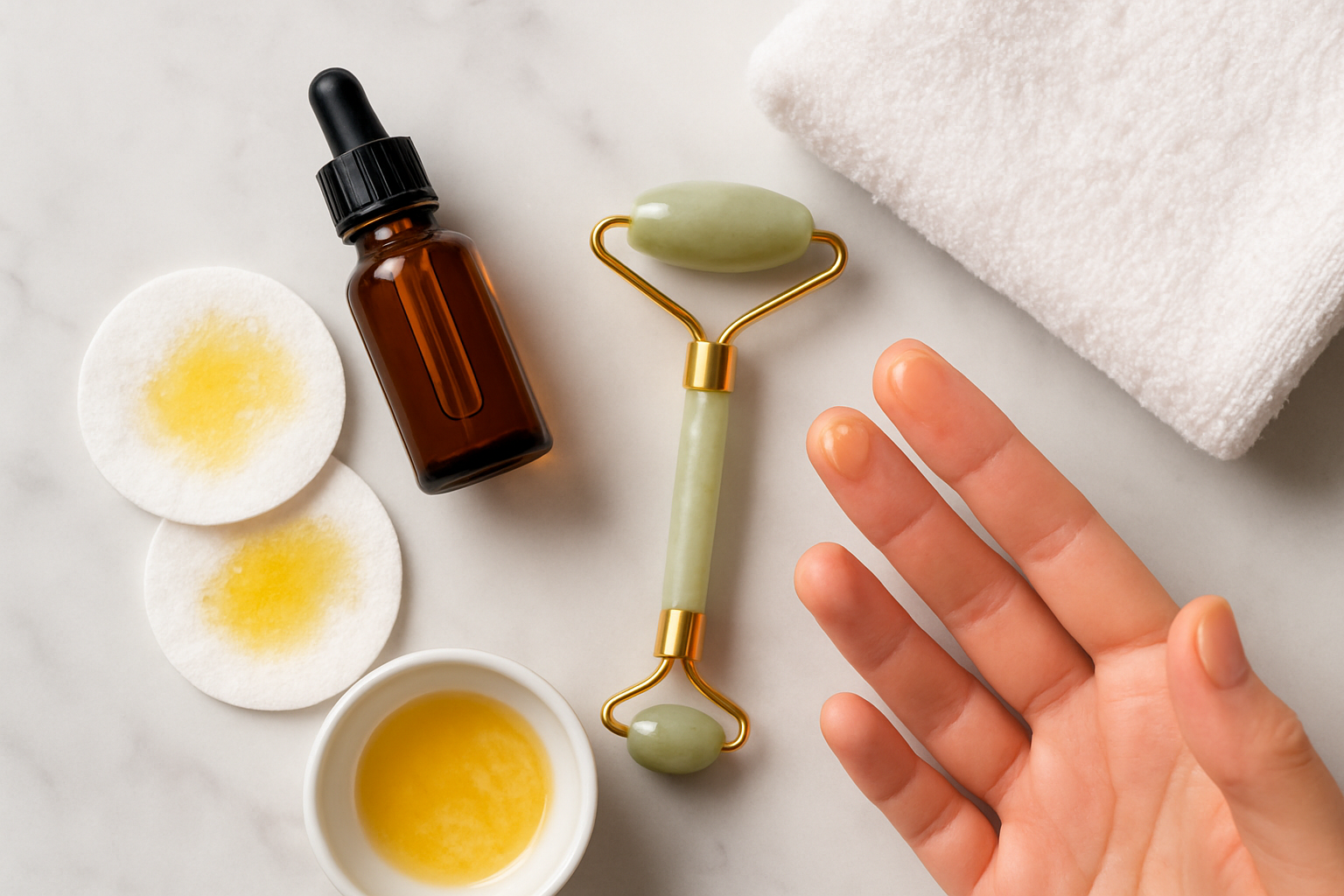
Jojoba oil works beautifully on its own as your primary facial moisturizer, especially for those who prefer minimalist skincare routines. Apply 3-4 drops to clean, slightly damp skin and gently press into your face using upward motions. The key is starting with less—you can always add more if needed. Your skin will absorb the oil quickly without leaving that heavy, greasy feeling that many facial oils create.
For best results, apply jojoba oil twice daily after cleansing. Morning application provides a protective barrier against environmental stressors, while evening use allows the oil to work its regenerative magic overnight. People with oily skin often worry about using pure oils, but jojoba oil actually helps balance sebum production rather than adding excess oil to your complexion.
Mix with Existing Serums and Creams
Blending jojoba oil with your current skincare products amplifies their effectiveness while adding extra nourishment. Add 1-2 drops to your vitamin C serum, hyaluronic acid, or night cream before application. This technique works particularly well with active ingredients like retinol or glycolic acid, as jojoba oil helps buffer potential irritation while maintaining the products’ potency.
You can also create custom face masks by mixing jojoba oil with clay masks or honey treatments. The oil prevents these ingredients from over-drying your skin while boosting their moisturizing properties. For foundation users, mixing a drop of jojoba oil with your makeup creates a dewy, natural finish that lasts throughout the day.
Apply as Overnight Treatment Oil
Nighttime presents the perfect opportunity to use jojoba oil as an intensive repair treatment. Apply a slightly more generous amount—about 4-5 drops—to clean skin before bed. This extended contact time allows the oil to penetrate deeply and support your skin’s natural overnight renewal process.
The overnight method works exceptionally well for addressing specific concerns like fine lines, dry patches, or uneven skin texture. Your skin does most of its healing and regeneration while you sleep, making this the ideal time for jojoba oil to deliver maximum benefits. Wake up to noticeably softer, more radiant skin that feels thoroughly nourished.
Incorporate into Cleansing Routine
The oil cleansing method using jojoba oil effectively removes makeup, sunscreen, and daily buildup while maintaining your skin’s natural moisture barrier. Massage 1-2 teaspoons of jojoba oil into dry skin for about a minute, then remove with a warm, damp washcloth. This gentle approach dissolves impurities without stripping essential oils from your complexion.
You can also use jojoba oil as a pre-cleanse step before your regular face wash, which works particularly well for waterproof makeup removal. For those with sensitive skin, this double-cleansing approach ensures thorough cleaning without irritation or excessive dryness that harsh cleansers often cause.
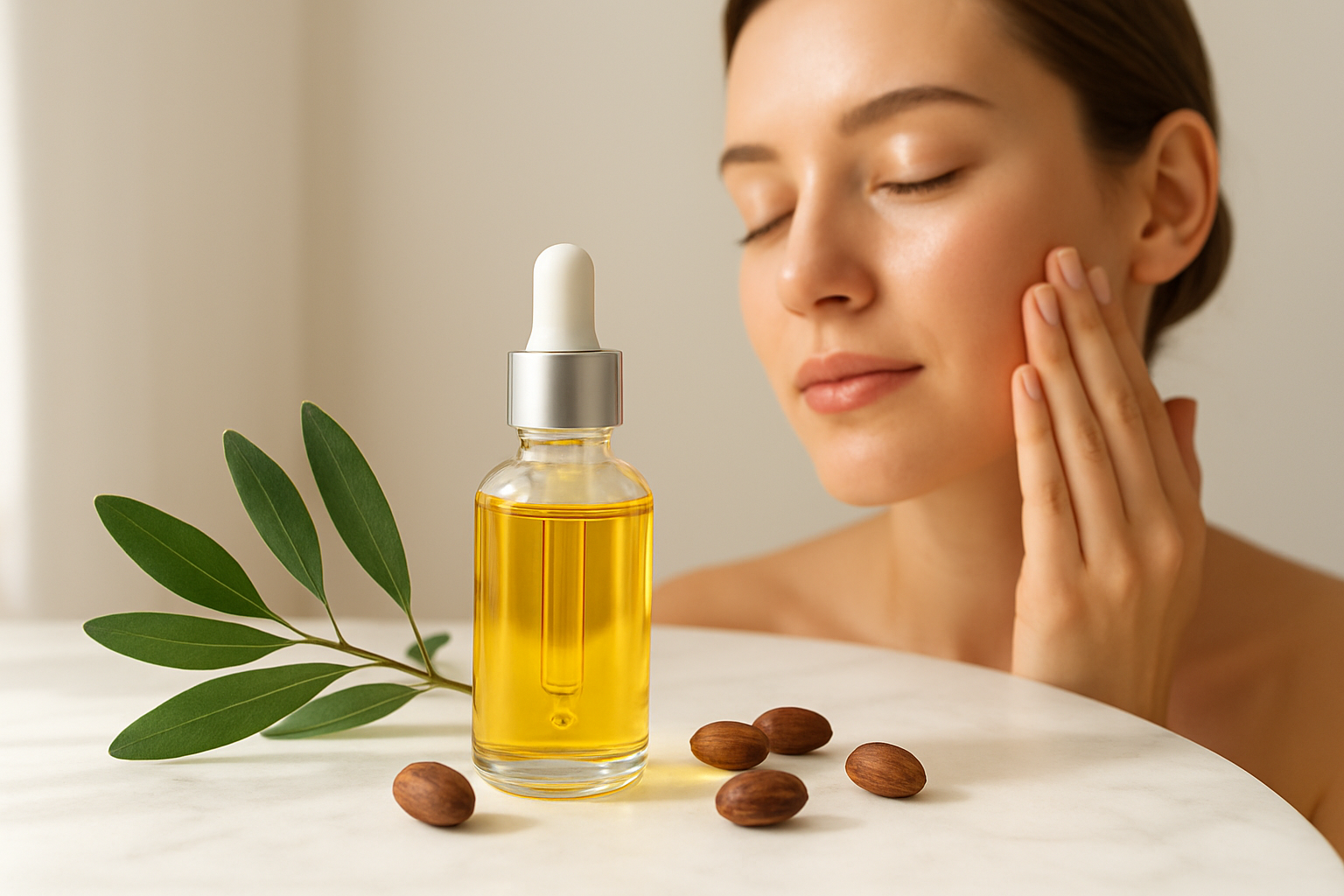
Jojoba oil stands out as a game-changer in skincare because it works with your skin instead of against it. Its unique molecular structure means it absorbs quickly without leaving that annoying greasy feeling, while delivering deep hydration that lasts. The anti-aging benefits and gentle healing properties make it perfect for tackling everything from fine lines to irritated skin, no matter what skin type you have.
Ready to give your skincare routine a natural upgrade? Start by adding a few drops of pure jojoba oil to your evening routine and watch how your skin responds. You can use it as a standalone moisturizer, mix it with your current products, or even apply it as a gentle makeup remover. Your skin will thank you for choosing something that actually mimics what it naturally produces.