Argan oil has become a must-have beauty ingredient for anyone dealing with dry hair, dull skin, or signs of aging. This liquid gold from Morocco delivers deep moisturizing power that works for all hair types and skin concerns, making it perfect for beauty enthusiasts, skincare beginners, and anyone seeking natural alternatives to chemical-heavy products.
You’ll discover how argan oil transforms damaged hair by restoring shine, reducing frizz, and protecting against heat styling damage. We’ll also explore its skin benefits, including how it fights fine lines, soothes irritation, and creates a healthy glow without clogging pores.
This guide covers proven application techniques for both hair and skin care, plus expert tips to help you choose quality products and avoid common mistakes that reduce effectiveness.
What Makes Argan Oil a Powerful Beauty Solution
Rich Vitamin E Content for Antioxidant Protection
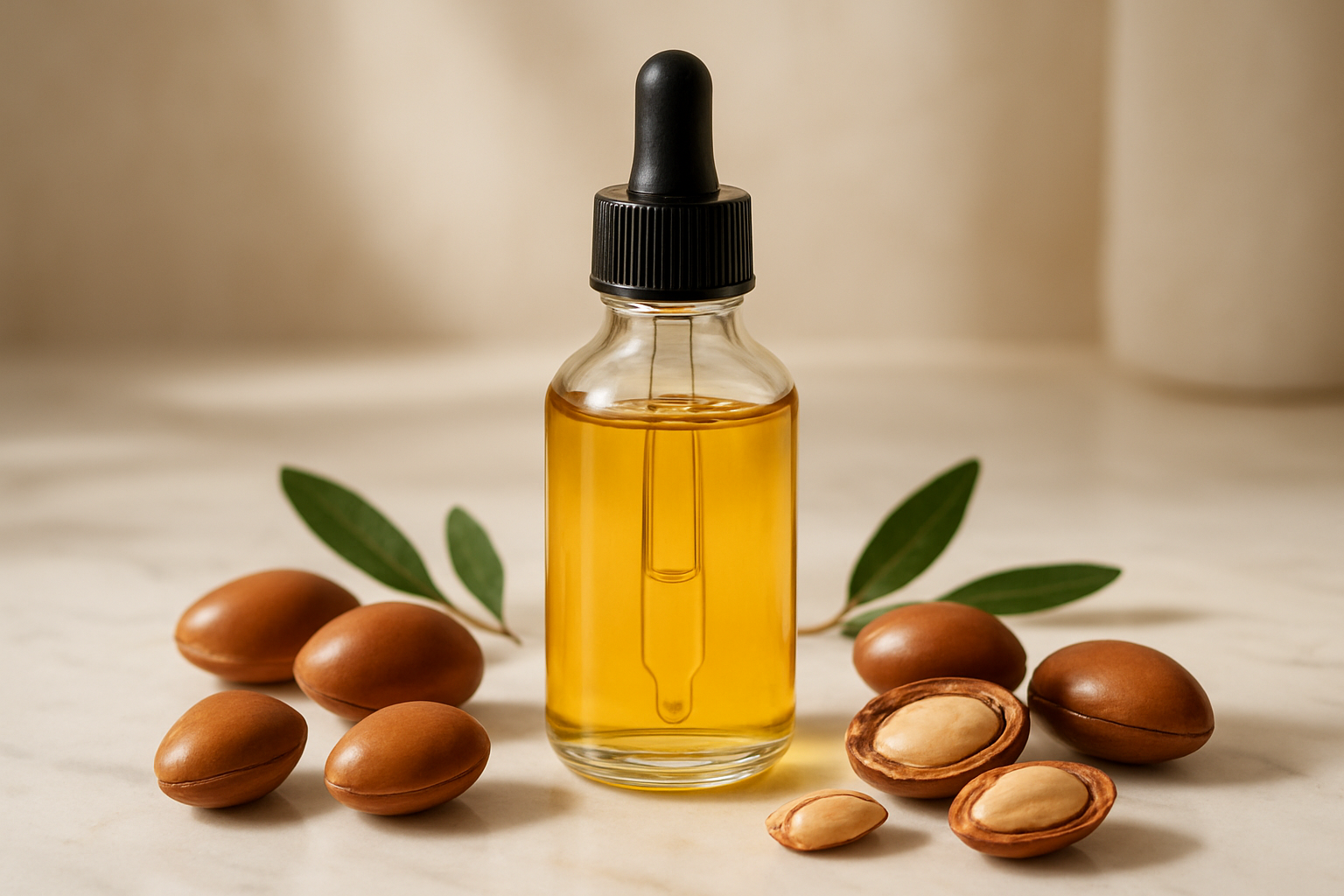
Argan oil packs an impressive punch when it comes to vitamin E concentration, containing nearly twice the amount found in olive oil. This powerhouse vitamin acts as your skin and hair’s personal bodyguard against environmental damage. Free radicals from pollution, UV rays, and daily stress constantly attack your cells, breaking down collagen and causing premature aging. Vitamin E steps in as a natural shield, neutralizing these harmful molecules before they can wreak havoc.
The tocopherols in argan oil don’t just protect – they actively repair existing damage. Your hair follicles benefit from this protection, leading to stronger strands that resist breakage and split ends. For your skin, this antioxidant boost means fewer fine lines, improved texture, and a natural glow that comes from healthy, protected cells.
Essential Fatty Acids That Nourish and Repair
The secret behind argan oil’s transformative effects lies in its unique fatty acid profile. Oleic acid makes up about 45% of the oil, allowing it to penetrate deeply into hair shafts and skin layers. This deep absorption means real nourishment reaches where it’s needed most, not just surface-level moisture that washes away.
Linoleic acid, another key component, helps repair damaged hair cuticles and strengthens your skin’s natural barrier function. This fatty acid is particularly valuable because many people’s diets lack sufficient amounts, making topical application through argan oil especially beneficial.
The omega-6 and omega-9 fatty acids work together to:
- Restore elasticity to brittle hair
- Smooth rough skin patches
- Lock in moisture for long-lasting hydration
- Support natural cell regeneration processes
Lightweight Texture That Absorbs Quickly
Unlike heavier oils that leave you feeling greasy, argan oil has a remarkably light consistency that sinks into skin and hair almost immediately. This quick absorption makes it perfect for daily use without the worry of clogged pores or weighed-down hair.
The molecular structure of argan oil closely matches your skin’s natural sebum, which explains why it absorbs so effortlessly. Your skin recognizes it as familiar, welcoming the nourishment without resistance. This compatibility means you can apply argan oil to your face without triggering breakouts – even those with oily or acne-prone skin often find it helpful rather than problematic.
For hair application, this lightweight nature means you can use it on damp or dry hair without creating that heavy, oily appearance that other natural oils sometimes produce. The result is silky, manageable hair that looks naturally healthy rather than artificially coated.
Pure Source from Moroccan Argan Trees
Authentic argan oil comes exclusively from the kernels of argan trees that grow wild in Morocco’s southwestern regions. These ancient trees, some over 200 years old, have adapted to harsh desert conditions by developing incredibly nutrient-dense nuts. The traditional extraction process involves hand-cracking the nuts and cold-pressing the kernels – a labor-intensive method that preserves all the beneficial compounds.
This geographic exclusivity means genuine argan oil carries the concentrated benefits of a plant that has evolved specifically to thrive in challenging conditions. The trees’ resilience translates directly into the oil’s ability to protect and strengthen your hair and skin against environmental stressors.
Women’s cooperatives in Morocco have perfected these extraction techniques over generations, ensuring that pure argan oil maintains its full spectrum of vitamins, antioxidants, and fatty acids. This traditional processing preserves the oil’s golden color and subtle, nutty aroma – signs of quality that mass-produced alternatives simply cannot replicate.
Transform Your Hair with Argan Oil Benefits
Eliminate Frizz and Boost Natural Shine
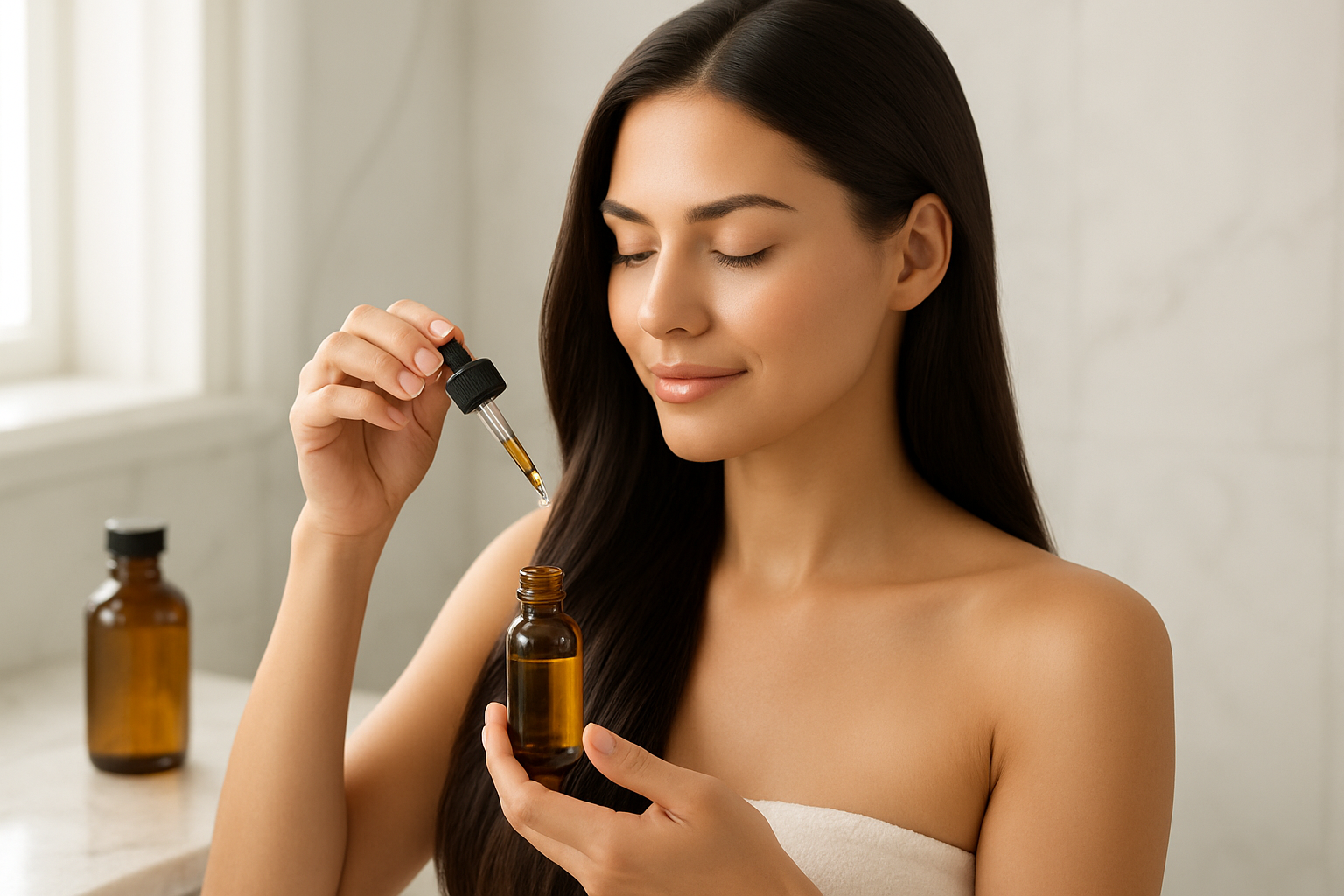
Argan oil works like magic on frizzy hair because of its unique molecular structure. The small molecules penetrate deep into the hair shaft, smoothing down the cuticles that cause that unwanted frizz. When you apply just a few drops to damp hair, you’re creating a protective barrier that locks in moisture and keeps humidity from wreaking havoc on your style.
The natural vitamin E and fatty acids in argan oil reflect light beautifully, giving your hair that glossy finish you see in hair commercials. Unlike synthetic shine products that sit on top of your hair, argan oil actually improves your hair’s health while making it look gorgeous. Start with a tiny amount – about the size of a pea for shoulder-length hair – and work it through from mid-length to ends.
Repair Damaged Hair from Heat and Chemical Treatments
Heat styling and chemical processes strip away your hair’s natural proteins and moisture, leaving it brittle and weak. Argan oil contains antioxidants that help repair this damage at the cellular level. The oleic acid in the oil helps restore the hair’s natural lipid barrier, while linoleic acid strengthens the hair shaft.
For deep repair, create a weekly treatment by mixing equal parts argan oil with coconut oil. Apply this mixture to your hair, focusing on the most damaged areas, and leave it on for at least 30 minutes before shampooing. You’ll notice softer, stronger hair after just a few treatments. The oil penetrates damaged cuticles and fills in microscopic gaps, essentially “gluing” your hair back together.
Stimulate Healthy Hair Growth and Scalp Health
A healthy scalp is the foundation for strong hair growth, and argan oil delivers the nutrients your follicles need to thrive. The oil’s anti-inflammatory properties soothe irritated scalp conditions like dandruff and dermatitis. Massaging argan oil into your scalp increases blood circulation, bringing fresh oxygen and nutrients to hair follicles.
The vitamin E in argan oil acts as a powerful antioxidant, protecting follicles from free radical damage that can slow hair growth. Regular scalp massages with argan oil can help extend the growth phase of your hair cycle, meaning longer, thicker hair over time. Mix a few drops with rosemary essential oil for an extra growth boost – rosemary has been shown to be as effective as minoxidil for hair growth.
Protect Against Environmental Damage and UV Rays
Your hair faces daily attacks from pollution, wind, and UV radiation. Argan oil creates a protective shield around each strand, preventing environmental toxins from penetrating the hair shaft. The natural SPF properties of argan oil help block harmful UV rays that can fade color and weaken hair structure.
This protection is especially important if you spend time outdoors or live in a polluted city. Apply a light layer of argan oil before going outside, focusing on the ends and surface of your hair where damage is most visible. The oil’s antioxidants neutralize free radicals from pollution before they can cause oxidative stress to your hair.
Add Moisture Without Weighing Hair Down
One of argan oil’s biggest advantages over other hair oils is its lightweight texture. The oil absorbs quickly into the hair shaft without leaving a greasy residue, making it perfect for all hair types, including fine hair that gets weighed down easily by heavier oils like castor or olive oil.
The key is using the right amount for your hair type. Fine hair needs just 2-3 drops, while thick or curly hair can handle up to a teaspoon. Apply to damp hair for best absorption, or use a tiny amount on dry hair for touch-ups and added shine. The oil’s natural composition closely mimics your hair’s sebum, so it integrates seamlessly without disrupting your hair’s natural balance.
Achieve Radiant Skin Through Argan Oil Properties
Deep Moisturization for All Skin Types
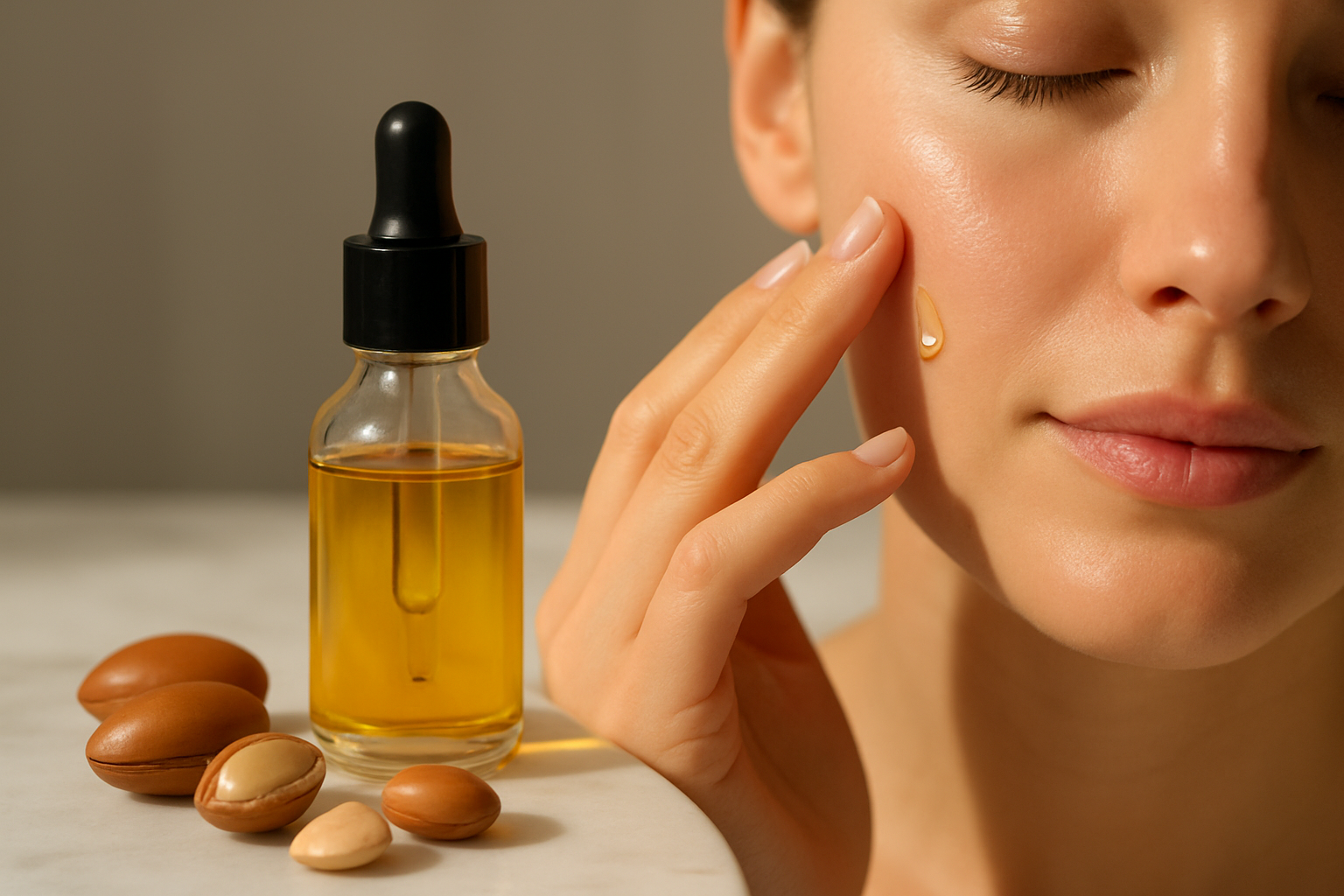
Argan oil works like a moisture magnet for your skin, thanks to its unique molecular structure that mirrors your skin’s natural sebum. This liquid gold contains essential fatty acids, including oleic, linoleic, and palmitic acids, which penetrate deep into skin layers without leaving a greasy residue.
Unlike heavy creams that sit on your skin’s surface, argan oil absorbs quickly and works from within. People with oily skin often worry about adding more oil, but argan oil actually helps balance sebum production. Your skin recognizes it as similar to its own natural oils, so it doesn’t trigger excess oil production.
For dry skin types, argan oil provides long-lasting hydration that goes beyond surface-level moisture. The vitamin E content creates a protective barrier that locks in moisture for hours. Those with sensitive skin benefit from its gentle, non-comedogenic properties that won’t clog pores or cause breakouts.
The oil’s lightweight texture makes it perfect for layering under makeup or mixing with your regular moisturizer. Apply 2-3 drops to damp skin for best absorption, or mix a drop into your foundation for a natural, dewy finish.
Reduce Fine Lines and Signs of Aging
Argan oil packs a powerful anti-aging punch through its rich concentration of antioxidants and essential nutrients. Vitamin E, polyphenols, and ferulic acid work together to fight free radical damage that accelerates aging. These compounds protect your skin cells from environmental stressors like pollution and UV exposure.
The oil’s natural retinol-like effects come from its ability to boost cell regeneration without the irritation associated with synthetic retinoids. Regular use helps smooth existing fine lines while preventing new ones from forming. The fatty acids support collagen production, keeping skin firm and elastic.
Squalene, naturally present in argan oil, helps maintain skin’s youthful plumpness. This compound decreases as we age, making argan oil an excellent way to replenish what time takes away. Users often notice improved skin texture and reduced appearance of crow’s feet within 4-6 weeks of consistent use.
Apply argan oil as a nighttime treatment, gently pressing it into areas prone to fine lines. The overnight repair process allows the nutrients to work deeply while you sleep.
Calm Inflammation and Irritated Skin
Argan oil’s anti-inflammatory properties make it a game-changer for sensitive and problematic skin conditions. The oil contains compounds like tocopherols and sterols that naturally reduce redness and calm irritated skin. These work by interrupting the inflammatory cascade that causes skin reactions.
People dealing with eczema, dermatitis, or rosacea often find relief with gentle argan oil application. The oil’s natural healing properties help repair damaged skin barriers while providing soothing comfort. Unlike harsh chemical treatments, argan oil supports your skin’s natural healing process.
The oil’s antimicrobial properties also help with acne-related inflammation. Rather than drying out blemishes, it provides the right kind of moisture that helps skin heal faster. This approach prevents the cycle of over-drying and compensatory oil production that often worsens acne.
For immediate relief from irritation, apply a thin layer of pure argan oil to affected areas. The cooling sensation provides instant comfort while the healing compounds get to work. Combine with aloe vera gel for extra soothing power, or use it alone for a simple, effective treatment.
Proven Hair Care Applications and Techniques
Pre-Shampoo Treatment for Maximum Nourishment
Applying argan oil before shampooing creates a protective barrier that prevents harsh cleansers from stripping your hair’s natural moisture. This technique works especially well for damaged, chemically processed, or naturally dry hair types.
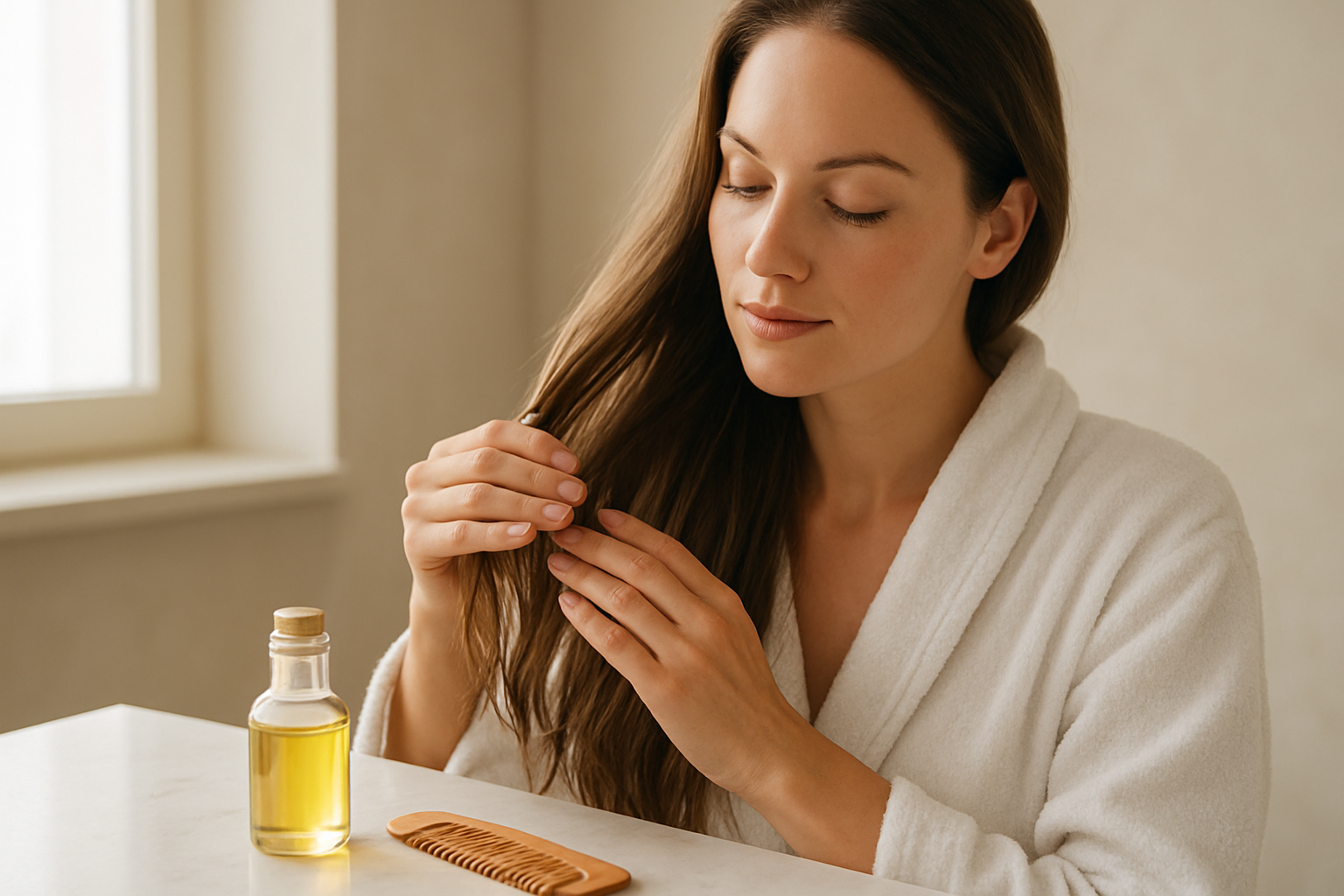
Start with damp hair and warm 2-3 tablespoons of argan oil between your palms. Work the oil through your hair from mid-length to ends, focusing on the driest sections. For fine hair, use less oil and concentrate only on the ends. Coarse or thick hair can handle more generous application throughout the length.
Gently massage the oil into your strands and wrap your hair in a warm towel for 20-30 minutes. The heat helps the oil penetrate deeper into the hair shaft. After treatment, shampoo as usual – you might need to lather twice to remove all residue. This method leaves hair incredibly soft and manageable while reducing breakage during washing.
Leave-In Conditioner for Daily Protection
Daily environmental stressors like pollution, UV rays, and humidity can damage your hair structure over time. Using argan oil as a leave-in conditioner creates an ongoing shield against these elements while maintaining healthy moisture levels.
After washing and towel-drying your hair, apply 3-5 drops of argan oil to your palms. Rub hands together and smooth over damp hair, avoiding the roots if you have oily scalp tendencies. The key is using just enough oil to coat each strand without weighing hair down.
For different hair types, adjust your application:
- Fine hair: Use 2-3 drops, apply only to ends
- Medium hair: Use 4-5 drops, apply from mid-length down
- Thick hair: Use 6-8 drops, distribute evenly through lengths
This technique reduces frizz, adds natural shine, and makes hair more manageable throughout the day. Your hair will feel softer and look healthier with consistent daily use.
Scalp Massage Oil for Growth Stimulation
Massaging argan oil into your scalp improves blood circulation, which can support healthy hair growth while nourishing hair follicles. This practice also helps remove buildup and dead skin cells that might clog follicles.
Section your hair into parts and apply small amounts of oil directly to your scalp using a dropper or your fingertips. Use gentle circular motions to massage the oil in, spending about 5 minutes working across your entire scalp. Pay extra attention to areas where you notice thinning or slower growth.
The massage technique matters just as much as the oil itself. Apply gentle pressure – you want to stimulate circulation without irritating sensitive scalp skin. Some people prefer doing this treatment before bed, leaving the oil in overnight and washing out in the morning. Others massage oil in 30 minutes before shampooing for easier cleanup.
Regular scalp massages with argan oil can help create optimal conditions for hair growth while keeping your scalp healthy and balanced.
Heat Protectant Before Styling
Heat styling tools can reach temperatures over 400°F, which breaks down hair proteins and strips away moisture. Argan oil creates a protective coating that reduces heat damage while adding smoothness and shine to styled hair.
Apply argan oil to clean, damp hair before blow-drying or using any heated tools. Start with just a few drops – you can always add more if needed. Focus on your hair’s mid-lengths and ends, which are most vulnerable to heat damage.
Different styling tools require different application methods:
| Styling Tool | Oil Amount | Application Method |
|---|---|---|
| Blow dryer | 3-4 drops | Apply to damp hair, comb through |
| Flat iron | 2-3 drops | Apply to dry hair in sections |
| Curling iron | 2-3 drops | Apply to each section before curling |
| Hot rollers | 4-5 drops | Apply before setting hair |
The oil helps your styling tools glide smoothly through your hair while reducing static and frizz. Your finished style will look shinier and feel softer, plus your hair experiences less damage from regular heat styling.
Essential Skincare Methods and Daily Routines
Facial Moisturizer for Morning and Evening Use
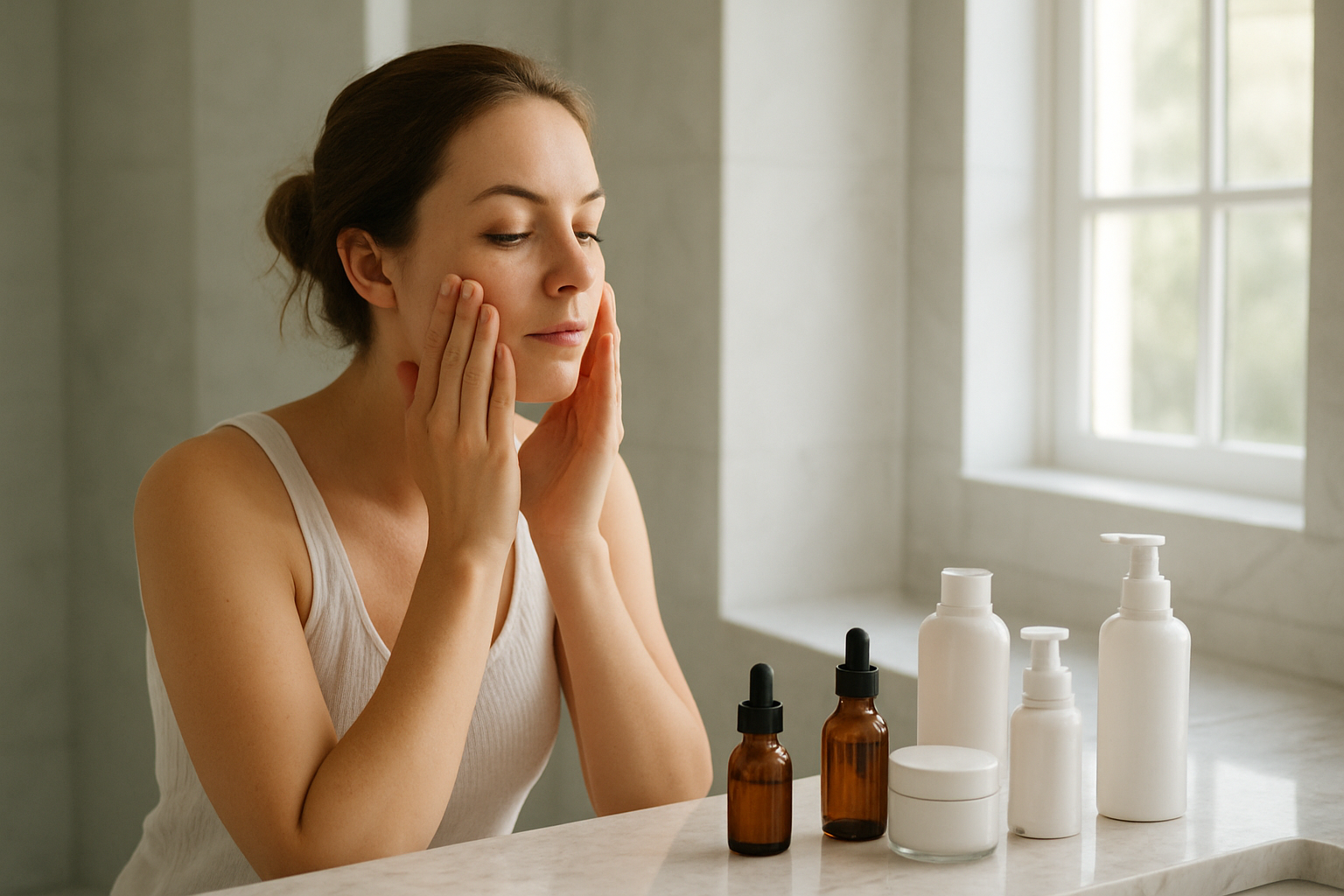
Argan oil works beautifully as a natural facial moisturizer that adapts to your skin’s needs throughout the day. For morning application, use just 2-3 drops warmed between your palms and gently press into clean skin. The lightweight formula absorbs quickly without leaving a greasy residue, making it perfect under makeup or sunscreen.
Evening routines benefit from a slightly more generous application. After cleansing, apply 3-4 drops to slightly damp skin for enhanced absorption. The oil’s vitamin E content helps repair daily environmental damage while you sleep, promoting cellular regeneration and maintaining your skin’s natural barrier function.
For those with combination skin, focus application on drier areas like cheeks and jawline while using minimal amounts in the T-zone. Oily skin types should start with just one drop and gradually increase based on skin response.
Under-Eye Treatment for Dark Circles and Puffiness
The delicate under-eye area requires gentle yet effective care, making argan oil an ideal solution for addressing dark circles and morning puffiness. Its anti-inflammatory properties help reduce swelling while improving circulation to diminish dark circles over time.
Apply a tiny amount using your ring finger – the weakest digit that won’t apply excessive pressure. Gently tap the oil from the inner corner outward, avoiding direct contact with the eyes. The natural vitamin K in argan oil helps strengthen capillary walls, reducing the appearance of dark circles with consistent use.
For best results, apply before bedtime and allow the oil to work overnight. Morning application should be minimal to prevent makeup from sliding. Store your argan oil in the refrigerator for an extra cooling effect that helps reduce puffiness more effectively.
Body Oil for Smooth and Supple Skin
Transform your entire body care routine by incorporating argan oil as an all-over moisturizer. Apply to slightly damp skin immediately after showering to lock in moisture and create a protective barrier against environmental stressors.
Pay special attention to naturally dry areas like elbows, knees, and heels where skin tends to crack or become rough. The oil’s fatty acid profile closely mimics natural skin lipids, allowing for deep penetration without clogging pores.
Create a luxurious spa experience by mixing argan oil with a few drops of your favorite essential oils. Lavender promotes relaxation for evening use, while citrus oils energize morning routines. For stubborn dry patches, apply pure argan oil and cover with cotton socks or gloves overnight for intensive treatment.
Cuticle and Nail Strengthening Treatment
Brittle nails and damaged cuticles benefit tremendously from argan oil’s nourishing properties. The oil penetrates deeply into nail beds, strengthening the nail matrix and promoting healthy growth while softening stubborn cuticles.
Massage a small amount into each nail bed and cuticle area daily, preferably before bedtime when hands are less active. The vitamin E and essential fatty acids work to repair damaged nail plates and prevent splitting or peeling.
For intensive treatment, soak fingertips in warm argan oil for 10 minutes weekly. This deep conditioning treatment restores flexibility to brittle nails and helps heal hangnails or torn cuticles. Regular use creates stronger, more flexible nails that resist breaking and maintain a healthy shine.
Makeup Remover for Gentle Cleansing
Argan oil excels as a natural makeup remover, effectively dissolving even waterproof formulas without harsh rubbing or chemical ingredients. Its gentle nature makes it suitable for sensitive eyes and skin while providing nourishment during the cleansing process.
Apply oil to dry skin and gently massage in circular motions to dissolve makeup. Pay special attention to mascara and eyeliner, allowing the oil time to break down stubborn products. Remove with a warm, damp cloth or follow with your regular cleanser for a double-cleanse routine.
The oil’s antioxidant properties protect skin during makeup removal while maintaining the natural moisture barrier. Unlike conventional makeup removers that can strip skin of natural oils, argan oil leaves skin soft, hydrated, and balanced after cleansing.
Expert Tips for Maximum Results and Safety

Choose Pure, Cold-Pressed Argan Oil Quality
Finding authentic argan oil can feel like searching for treasure in a sea of knockoffs. The beauty market overflows with products claiming to contain argan oil, but many contain fillers, additives, or heavily processed versions that lack the therapeutic benefits you’re after.
Look for 100% pure, organic argan oil that’s been cold-pressed. This extraction method preserves the oil’s natural vitamin E, fatty acids, and antioxidants that make it so effective. The label should list only one ingredient: Argania Spinosa Kernel Oil. If you see other ingredients, especially silicones or synthetic fragrances, keep shopping.
Genuine argan oil has a distinctive golden color and a subtle, nutty scent. Avoid oils that are completely odorless or smell artificial – these red flags signal heavy processing or synthetic alternatives. The texture should feel lightweight and absorb readily into skin without leaving a greasy residue.
Price serves as another quality indicator. Authentic argan oil costs more because the argan trees grow exclusively in Morocco, and the traditional extraction process requires significant labor. If you find argan oil priced suspiciously low, question its authenticity.
Reputable brands often include harvest dates and cooperative information on their packaging. Many legitimate producers work directly with Moroccan women’s cooperatives, supporting fair trade practices while ensuring product quality.
Start with Small Amounts to Test Skin Sensitivity
Your skin’s unique chemistry determines how well it responds to new products, and argan oil is no exception. Even though argan oil is generally well-tolerated across different skin types, patch testing prevents uncomfortable reactions and helps you gauge the right amount for your needs.
Apply a small drop of argan oil to your inner wrist or behind your ear. Wait 24-48 hours to observe any reactions. Look for redness, itching, burning, or unusual irritation. Most people experience no adverse effects, but those with tree nut allergies should exercise extra caution, though argan oil allergies remain rare.
Start with just 2-3 drops for facial applications or a dime-sized amount for hair treatments. You can always add more, but removing excess oil proves much more challenging. Many beginners make the mistake of applying too much, leading to clogged pores or greasy-looking hair.
For hair care, begin with applying oil only to the ends and mid-lengths, avoiding the scalp area initially. This approach helps you understand how your hair absorbs the oil without overwhelming your roots. Gradually work your way up as you become comfortable with the product.
Pay attention to how your skin and hair respond over the first week. Some people notice improvements immediately, while others need consistent use for several weeks to see significant changes.
Store Properly to Maintain Oil Effectiveness
Argan oil’s beneficial properties deteriorate quickly when exposed to light, heat, and air. Proper storage protects your investment and ensures maximum potency throughout the product’s lifespan.
Keep your argan oil in a cool, dark place away from direct sunlight. Heat breaks down the oil’s molecular structure, reducing its effectiveness and potentially creating rancid flavors and odors. A bathroom cabinet or bedroom dresser drawer works perfectly, but avoid storing it near heating vents or sunny windows.
Dark glass bottles provide the best protection against light damage. Many quality argan oils come packaged in amber or cobalt blue glass containers specifically for this reason. If your oil comes in clear glass, transfer it to a dark container or wrap the bottle in aluminum foil.
Tightly seal the cap after each use to minimize air exposure. Oxygen causes oxidation, which degrades the oil’s beneficial compounds and can lead to rancidity. Consider purchasing smaller bottles if you use argan oil infrequently – fresh oil always works better than old oil.
Check expiration dates and use opened bottles within 6-12 months for optimal results. Fresh argan oil maintains its golden color and nutty scent, while rancid oil develops a sharp, unpleasant smell and may appear cloudy or darkened.
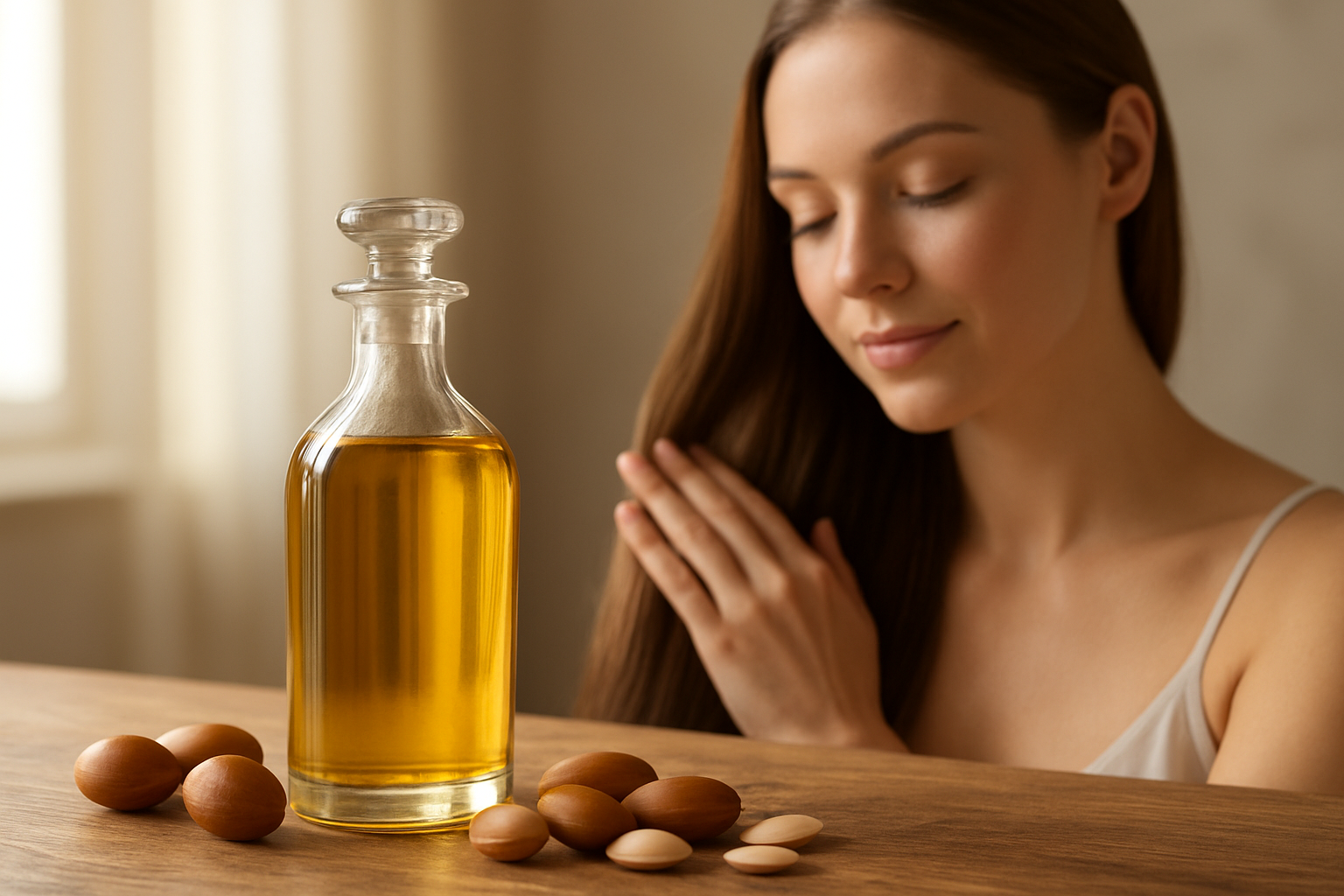
Argan oil stands out as one of nature’s most versatile beauty solutions, packed with essential fatty acids, vitamin E, and antioxidants that deliver real results for both hair and skin. From restoring moisture to damaged hair and adding natural shine, to protecting your skin from environmental damage and reducing signs of aging, this liquid gold offers benefits that go far beyond basic moisturizing. The key lies in choosing high-quality, pure argan oil and applying it correctly using the techniques we’ve covered.
Ready to transform your beauty routine? Start small by incorporating argan oil into one or two areas of your daily regimen, whether that’s a few drops on damp hair or a gentle massage into your face before bed. Remember to patch test first, especially if you have sensitive skin, and always buy from reputable sources to ensure you’re getting authentic oil. With consistent use and the right application methods, argan oil can become your go-to solution for healthier hair and glowing skin that looks naturally radiant.