Lavender essential oil offers a natural solution for common skin and hair concerns that many people face daily. This gentle yet powerful oil can help soothe irritated skin, promote healthy hair growth, and create a relaxing self-care routine.
This guide is perfect for anyone seeking natural alternatives to commercial beauty products, from skincare enthusiasts to those dealing with scalp issues or simply wanting to add aromatherapy benefits to their routine.
We’ll explore how lavender oil’s anti-inflammatory and antimicrobial properties can transform your skin health, tackle stubborn hair and scalp problems, and share safe application methods that maximize results while protecting your skin. You’ll also discover simple DIY recipes that let you create effective treatments at home using ingredients you likely already have.
Understanding Lavender Essential Oil’s Powerful Properties
Natural Antibacterial and Antifungal Compounds
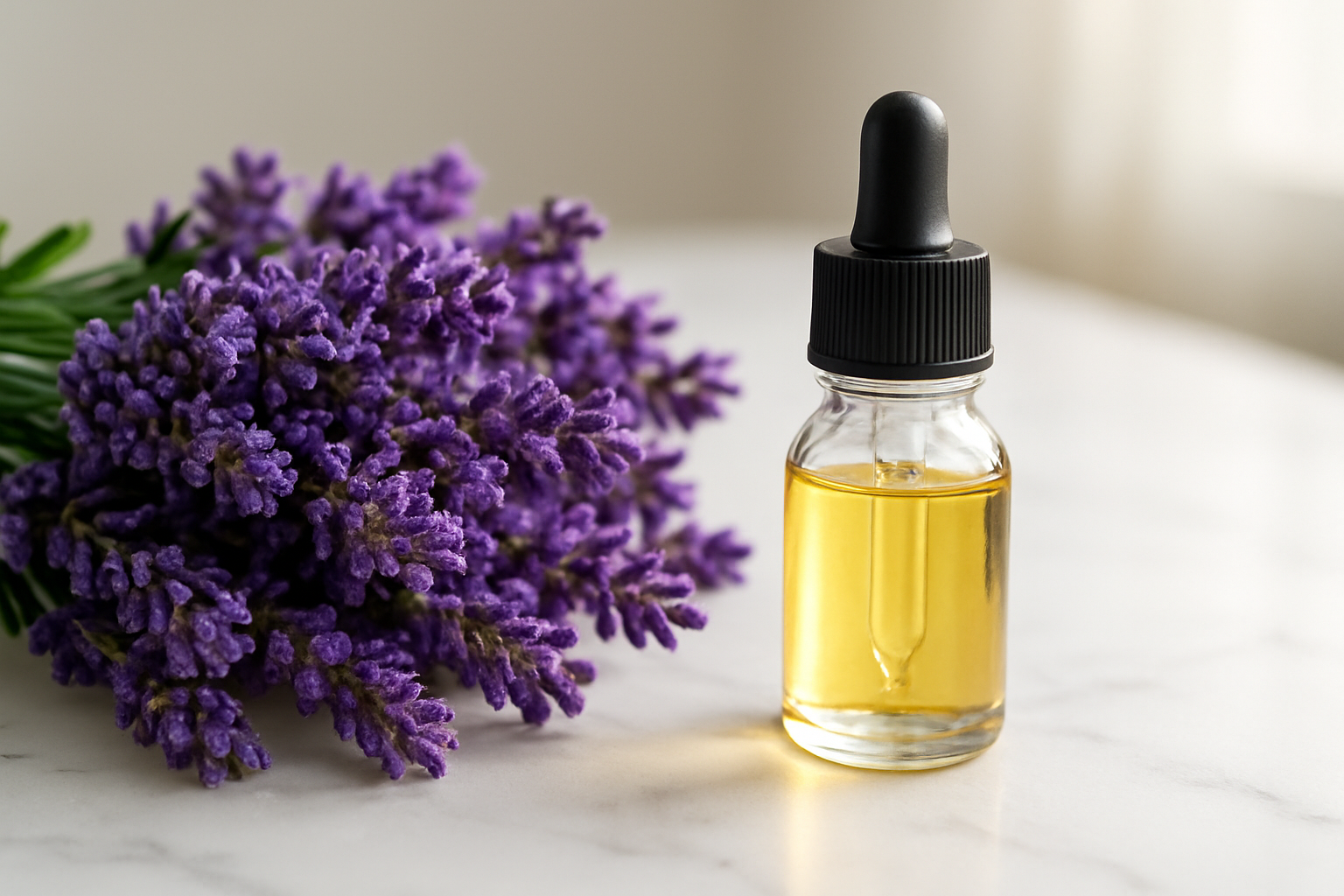
Lavender essential oil contains powerful antimicrobial compounds that make it a natural warrior against harmful bacteria and fungi. The primary active components include linalool, camphor, and 1,8-cineole, which work together to create an inhospitable environment for pathogens. These compounds disrupt bacterial cell walls and interfere with fungal growth cycles, making lavender oil particularly effective against common skin concerns like acne-causing bacteria and fungal infections.
Clinical studies have demonstrated lavender oil’s effectiveness against Staphylococcus aureus, Escherichia coli, and Candida albicans. This antimicrobial activity translates to cleaner pores, reduced breakouts, and protection against scalp conditions caused by bacterial overgrowth. The oil’s gentle nature means it provides these benefits without the harsh side effects often associated with synthetic antimicrobials.
Anti-Inflammatory Benefits for Sensitive Skin
Lavender oil’s anti-inflammatory properties stem from compounds like linalyl acetate and beta-caryophyllene, which calm irritated skin and reduce redness. These molecules work by inhibiting inflammatory pathways and reducing the production of inflammatory mediators. For people with sensitive skin, rosacea, or eczema, lavender oil offers relief without causing additional irritation.
The oil’s soothing effects extend to healing minor cuts, insect bites, and sun-damaged skin. Its ability to reduce inflammation also helps minimize the appearance of scars and blemishes over time. When applied to the scalp, these anti-inflammatory properties can alleviate itchiness and irritation that often accompany dandruff or dermatitis.
Rich Antioxidant Content for Cellular Protection
Lavender essential oil is packed with antioxidants that protect skin cells from free radical damage caused by environmental stressors, UV exposure, and pollution. Key antioxidant compounds include rosmarinic acid, luteolin, and various phenolic compounds that neutralize harmful molecules before they can damage cellular structures.
This antioxidant protection helps prevent premature aging, maintains skin elasticity, and supports the natural repair processes. Regular use can help minimize fine lines, age spots, and other signs of oxidative stress. For hair health, these antioxidants protect follicles from damage and support healthy growth cycles.
Soothing Aromatherapy Effects on Stress Levels
The calming scent of lavender oil triggers neurological responses that reduce cortisol levels and promote relaxation. When stress decreases, your body can better allocate resources to skin repair and hair growth. High stress levels often manifest as skin problems, hair loss, and premature aging, making lavender’s stress-reducing properties valuable for overall beauty health.
Inhaling lavender oil activates the limbic system, which controls emotions and stress responses. This creates a cascade of beneficial effects throughout the body, improving sleep quality, reducing anxiety, and supporting the body’s natural healing processes.
Transform Your Skin Health with Lavender Oil
Accelerate Acne Healing and Prevent Breakouts
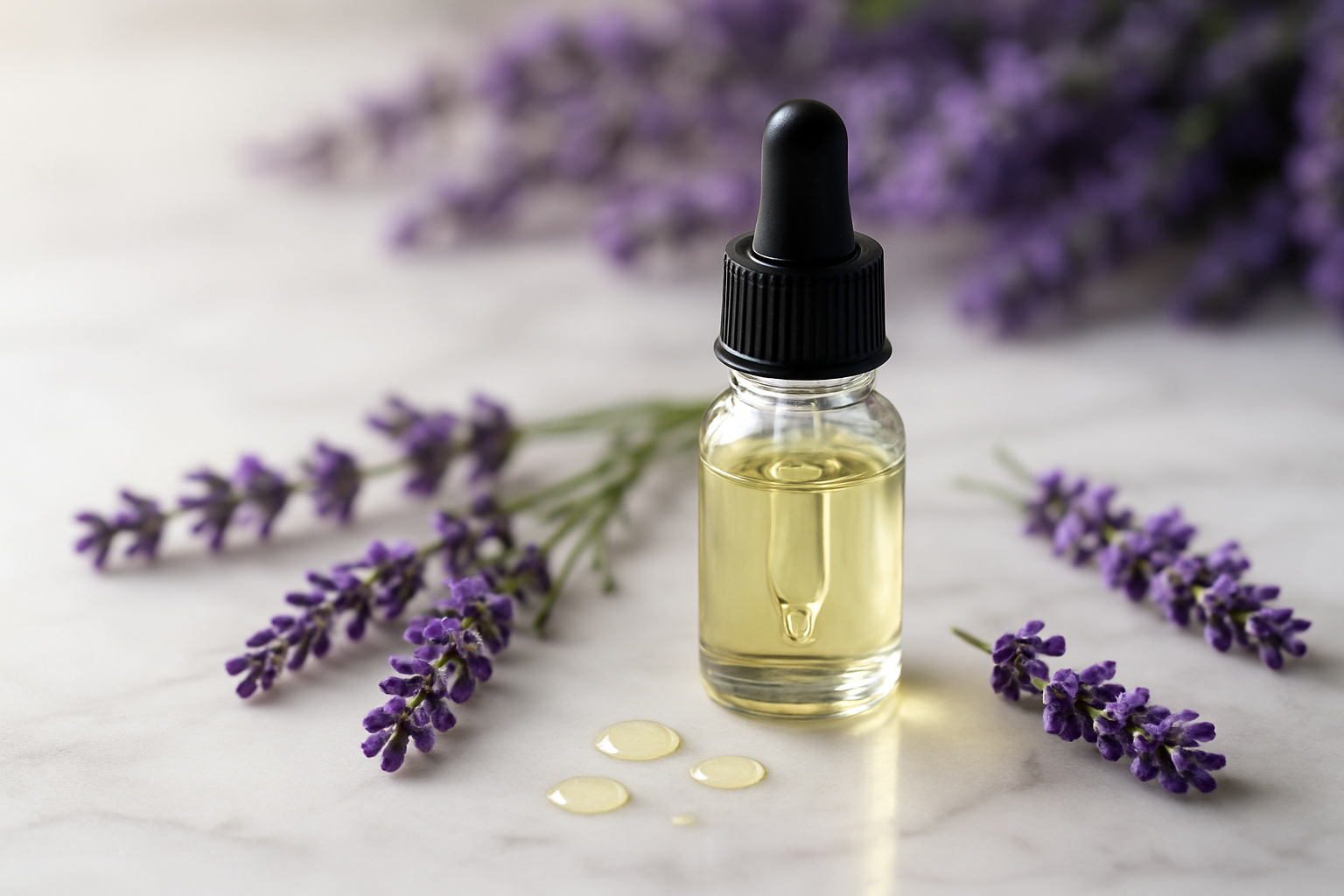
Lavender oil’s antimicrobial properties make it a powerful ally against acne-causing bacteria. The oil contains compounds like linalool and linalyl acetate that effectively combat Propionibacterium acnes, the primary bacteria responsible for inflammatory acne. Unlike harsh chemical treatments that can strip your skin’s natural moisture barrier, lavender oil gently reduces bacterial growth while maintaining skin hydration.
The anti-inflammatory properties of lavender oil help calm redness and swelling associated with active breakouts. When applied correctly, it can reduce the size and severity of pimples within 24-48 hours. The oil also helps regulate sebum production, preventing the excess oil buildup that leads to clogged pores and future breakouts.
For best results, dilute lavender oil with a carrier oil like jojoba or sweet almond oil before applying to affected areas. This prevents irritation while delivering the oil’s healing compounds directly to problem spots.
Reduce Signs of Aging and Fine Lines
Lavender essential oil contains powerful antioxidants that protect skin cells from free radical damage, one of the primary causes of premature aging. These antioxidants help preserve collagen and elastin fibers, keeping skin firm and elastic. Regular use can visibly reduce the appearance of fine lines around the eyes and mouth.
The oil’s ability to promote cellular regeneration means it actively helps repair damaged skin tissue. This regenerative property makes it particularly effective for addressing early signs of aging before they become more pronounced. Lavender oil also improves blood circulation when massaged into the skin, delivering nutrients and oxygen to skin cells more efficiently.
Studies show that lavender oil can increase collagen synthesis, which naturally decreases as we age. By supporting your skin’s natural collagen production, lavender oil helps maintain a youthful, plump appearance. The oil’s moisturizing properties also help plump fine lines temporarily while working on long-term skin improvement.
Calm Eczema and Dermatitis Flare-ups
People with sensitive skin conditions like eczema and dermatitis often struggle to find gentle yet effective treatments. Lavender oil’s anti-inflammatory and antimicrobial properties make it an excellent natural option for managing these chronic conditions. The oil helps reduce the intense itching that characterizes eczema flare-ups, providing much-needed relief without the side effects of topical steroids.
Lavender oil’s ability to repair damaged skin barriers is particularly beneficial for eczema sufferers, whose skin often lacks proper moisture retention. The oil helps restore the skin’s protective barrier while reducing inflammation that can trigger flare-ups. Its antimicrobial properties also prevent secondary infections that can develop when damaged skin is scratched.
Clinical observations suggest that lavender oil can reduce both the frequency and severity of eczema episodes when used consistently as part of a gentle skincare routine. Always perform a patch test first and start with highly diluted concentrations to ensure your skin tolerates the oil well.
Even Skin Tone and Fade Dark Spots
Lavender oil contains natural compounds that help inhibit melanin production, making it effective for fading dark spots, age spots, and post-inflammatory hyperpigmentation from acne scars. The oil works gradually to even out skin tone without causing the irritation often associated with chemical brightening agents.
The regenerative properties of lavender oil help accelerate the natural skin cell turnover process, bringing fresh, evenly pigmented cells to the surface more quickly. This process helps fade existing dark spots while preventing new ones from forming. The oil’s antioxidant content also protects against UV damage that can worsen hyperpigmentation.
For targeting specific dark spots, create a concentrated treatment by mixing one drop of lavender oil with a small amount of rosehip seed oil or vitamin E oil. Apply this mixture directly to dark spots twice daily for best results. Consistency is key – visible improvements typically appear after 4-6 weeks of regular use.
Enhance Overnight Skin Repair Processes
Your skin’s natural repair mechanisms are most active during sleep, making nighttime the perfect opportunity to harness lavender oil’s therapeutic benefits. The oil’s aromatherapeutic properties promote deeper, more restorative sleep, which directly impacts skin health and appearance. Quality sleep is essential for proper cellular regeneration and collagen production.
Lavender oil enhances your skin’s natural overnight repair by increasing blood flow to the skin’s surface and delivering essential nutrients to regenerating cells. The oil’s moisturizing properties work throughout the night to prevent moisture loss and maintain optimal hydration levels for healing.
Creating a bedtime skincare routine with lavender oil can transform your complexion over time. Mix 2-3 drops with your regular night moisturizer or facial oil, focusing on areas that need extra attention. The gentle, continuous treatment throughout the night allows the oil’s active compounds to penetrate deeply and work effectively without interference from environmental stressors.
The calming scent of lavender also reduces cortisol levels, the stress hormone that can negatively impact skin health and accelerate aging. Lower stress levels mean better skin repair and a more radiant complexion when you wake up.
Revitalize Hair Growth and Scalp Health
Stimulate Blood Circulation for Faster Hair Growth
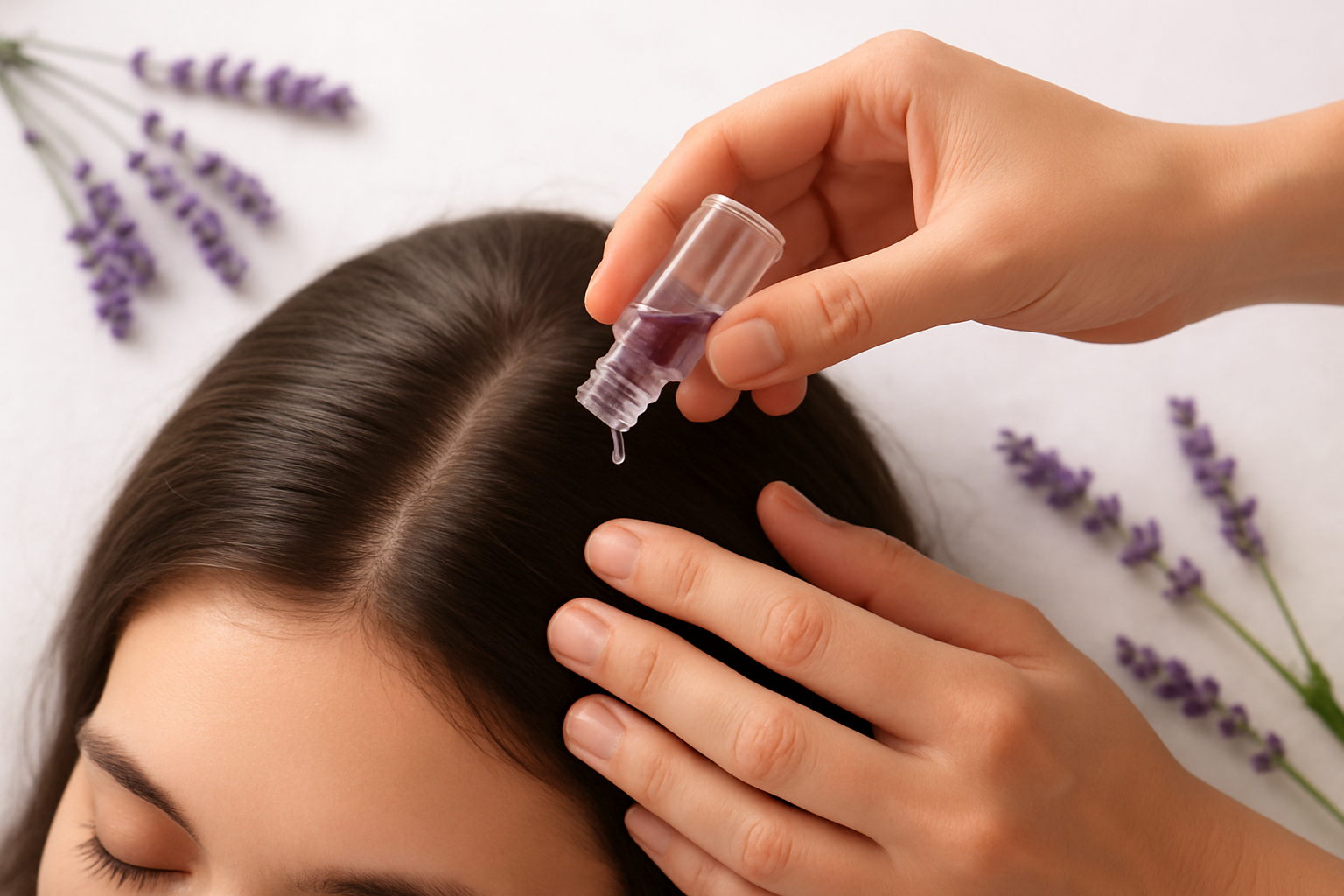
Lavender essential oil works as a natural vasodilator, which means it helps widen blood vessels and improve circulation throughout the scalp. When you massage diluted lavender oil into your scalp, the increased blood flow delivers more oxygen and nutrients directly to your hair follicles. This enhanced nutrient delivery creates the perfect environment for healthy hair growth.
Regular scalp massages with lavender oil can boost hair growth rates by up to 44% according to recent studies. The oil’s active compounds, particularly linalool and linalyl acetate, penetrate the skin and stimulate the hair follicles at a cellular level. This process encourages dormant follicles to enter the active growth phase while extending the growth period for existing hairs.
For best results, mix 3-4 drops of lavender oil with a carrier oil like jojoba or coconut oil. Gently massage this blend into your scalp using circular motions for 5-10 minutes before shampooing. The warming sensation you feel indicates increased blood flow working its magic on your hair follicles.
Combat Dandruff and Itchy Scalp Conditions
Dandruff and scalp irritation often stem from fungal overgrowth, excess oil production, or inflammatory conditions. Lavender oil’s natural antifungal and antimicrobial properties make it an excellent remedy for these common scalp issues. The oil contains compounds that effectively combat Malassezia, the yeast responsible for most dandruff cases.
The anti-inflammatory properties of lavender oil help calm irritated scalp tissue and reduce the redness, itching, and flaking associated with various scalp conditions. Unlike harsh chemical treatments, lavender oil soothes the scalp while addressing the root cause of the problem.
Create a simple anti-dandruff treatment by adding 10 drops of lavender oil to 2 tablespoons of warm olive oil. Apply this mixture to your scalp, leave it on for 30 minutes, then wash with a gentle shampoo. The moisturizing properties of this blend also help restore your scalp’s natural balance, preventing future flare-ups.
For ongoing maintenance, add a few drops of lavender oil to your regular shampoo. This daily application helps maintain a healthy scalp environment while keeping dandruff at bay.
Strengthen Hair Follicles to Prevent Breakage
Weak hair follicles lead to brittle, easily damaged hair that breaks off before reaching its full length potential. Lavender oil strengthens hair follicles by improving the structural integrity of the hair shaft and providing essential nutrients that support healthy hair development.
The oil’s rich concentration of antioxidants protects hair follicles from environmental damage and oxidative stress. These protective compounds shield your hair from UV rays, pollution, and styling damage that can weaken the hair structure over time. Regular use of lavender oil creates a protective barrier around each hair strand.
Lavender oil also helps regulate sebum production on the scalp. When sebum levels are balanced, hair follicles remain healthy and strong without becoming clogged or overly dry. This optimal environment allows hair to grow longer and stronger before naturally shedding.
To strengthen your hair follicles, create a weekly deep conditioning treatment using lavender oil. Mix 5 drops of lavender oil with 2 tablespoons of coconut oil and apply from roots to tips. Cover with a shower cap and leave on for 45 minutes before washing out. This intensive treatment penetrates deep into the hair shaft, reinforcing its structure and preventing future breakage.
Safe Application Methods for Maximum Benefits
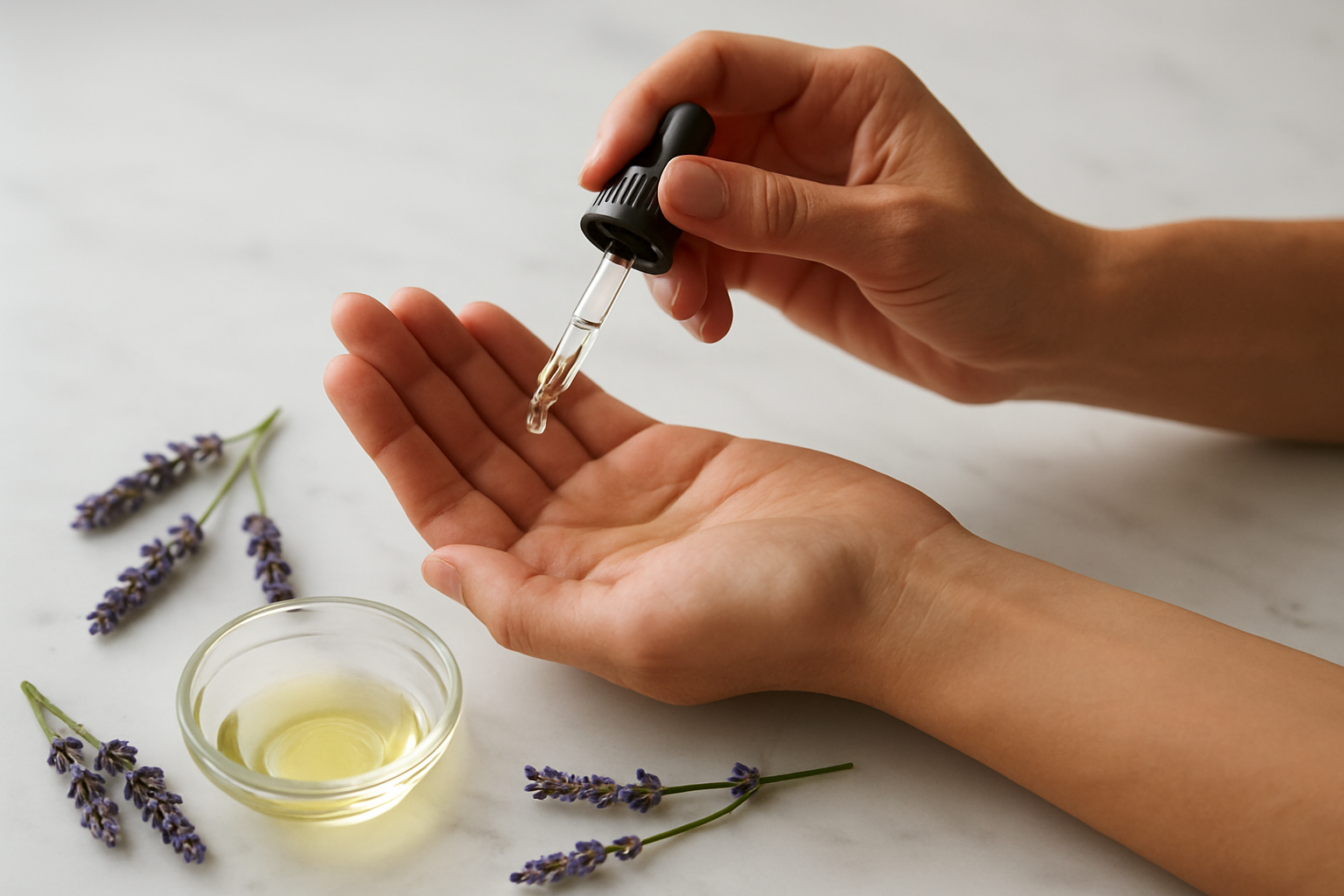
Proper dilution ratios with carrier oils
Lavender essential oil should never be applied directly to your skin in its pure form. The concentrated nature can cause irritation, burns, or allergic reactions, even with its gentle reputation. Always mix it with a carrier oil to create a safe and effective blend.
For facial applications, stick to a 1% dilution ratio – that’s roughly 1 drop of lavender oil per teaspoon of carrier oil. Sweet almond, jojoba, or rosehip seed oil work beautifully for face treatments. Body applications can handle a slightly stronger 2-3% dilution, which translates to 2-3 drops per teaspoon of carrier oil. Coconut, grapeseed, or argan oil make excellent choices for larger areas.
Hair and scalp treatments benefit from a 2% dilution mixed with oils like coconut, castor, or sweet almond oil. For children over 6 years old, reduce the concentration to 0.5-1% to protect their sensitive skin.
| Application Area | Dilution Ratio | Drops per Teaspoon | Best Carrier Oils |
|---|---|---|---|
| Face | 1% | 1 drop | Jojoba, rosehip, sweet almond |
| Body | 2-3% | 2-3 drops | Coconut, grapeseed, argan |
| Hair/Scalp | 2% | 2 drops | Coconut, castor, sweet almond |
| Children (6+) | 0.5-1% | 1/2-1 drop | Sweet almond, jojoba |
Patch testing techniques before full use
Your skin’s reaction to lavender oil can vary based on your sensitivity, the oil’s quality, and your current skin condition. Testing a small area first prevents widespread irritation or allergic reactions that could take days to resolve.
Choose an inconspicuous spot like the inside of your wrist or behind your ear. Clean the area gently with water and pat dry. Apply a small amount of your diluted lavender mixture – about the size of a pinhead – and cover with a bandage if desired.
Wait 24-48 hours and check for any redness, swelling, itching, or burning sensations. Some people experience delayed reactions, so don’t rush this step. If you notice any adverse effects, wash the area immediately with cool water and avoid using that particular oil or dilution ratio.
Repeat patch testing whenever you try a new brand of lavender oil, change your carrier oil, or increase your dilution strength. Your skin’s sensitivity can change due to hormones, medications, stress, or seasonal factors.
Best times of day for topical application
Timing your lavender oil application can significantly impact its effectiveness and your overall experience. The oil’s natural properties work differently throughout your daily routine, so strategic application maximizes benefits while minimizing potential issues.
Evening applications work best for relaxation and skin repair. Apply diluted lavender oil 30-60 minutes before bedtime to take advantage of its calming properties. Your skin enters repair mode during sleep, making nighttime ideal for anti-aging and healing treatments. The oil’s scent can also improve sleep quality and duration.
Morning applications should be lighter and focused on specific concerns rather than full-face or body treatments. Lavender oil can increase photosensitivity in some people, making your skin more susceptible to sun damage. If applying in the morning, use lower concentrations and always follow with broad-spectrum sunscreen.
Hair treatments work well in the evening, allowing the oil to penetrate overnight before washing out the next morning. Weekend applications give you flexibility for longer treatment times without worrying about work or social commitments.
Avoid applying lavender oil right before exercise, hot showers, or swimming, as heat and water can increase absorption rates unpredictably.
Storage tips to maintain oil potency
Proper storage dramatically extends your lavender oil’s shelf life and maintains its therapeutic properties. Heat, light, and oxygen are the primary enemies that break down the delicate compounds responsible for the oil’s benefits.
Store your lavender oil in dark glass bottles, preferably amber or cobalt blue, which filter out harmful UV rays. Avoid clear glass or plastic containers that allow light penetration and potential chemical interactions. Keep bottles tightly sealed when not in use to minimize oxygen exposure.
Temperature consistency matters more than specific temperatures. Choose a cool, dry location away from windows, heaters, or appliances that generate heat. A medicine cabinet, bedroom drawer, or pantry works better than a bathroom where temperature and humidity fluctuate.
Properly stored lavender essential oil maintains its potency for 2-4 years, while carrier oils have shorter lifespans. Jojoba oil lasts longest at 3-5 years, while others like sweet almond or grapeseed oil should be used within 1-2 years. Pre-mixed blends should be used within 6-12 months.
Check your oils regularly for signs of deterioration: cloudy appearance, rancid smell, or separation. Label bottles with purchase or blend dates to track freshness and rotate your stock accordingly.
DIY Recipes for Skin and Hair Treatments
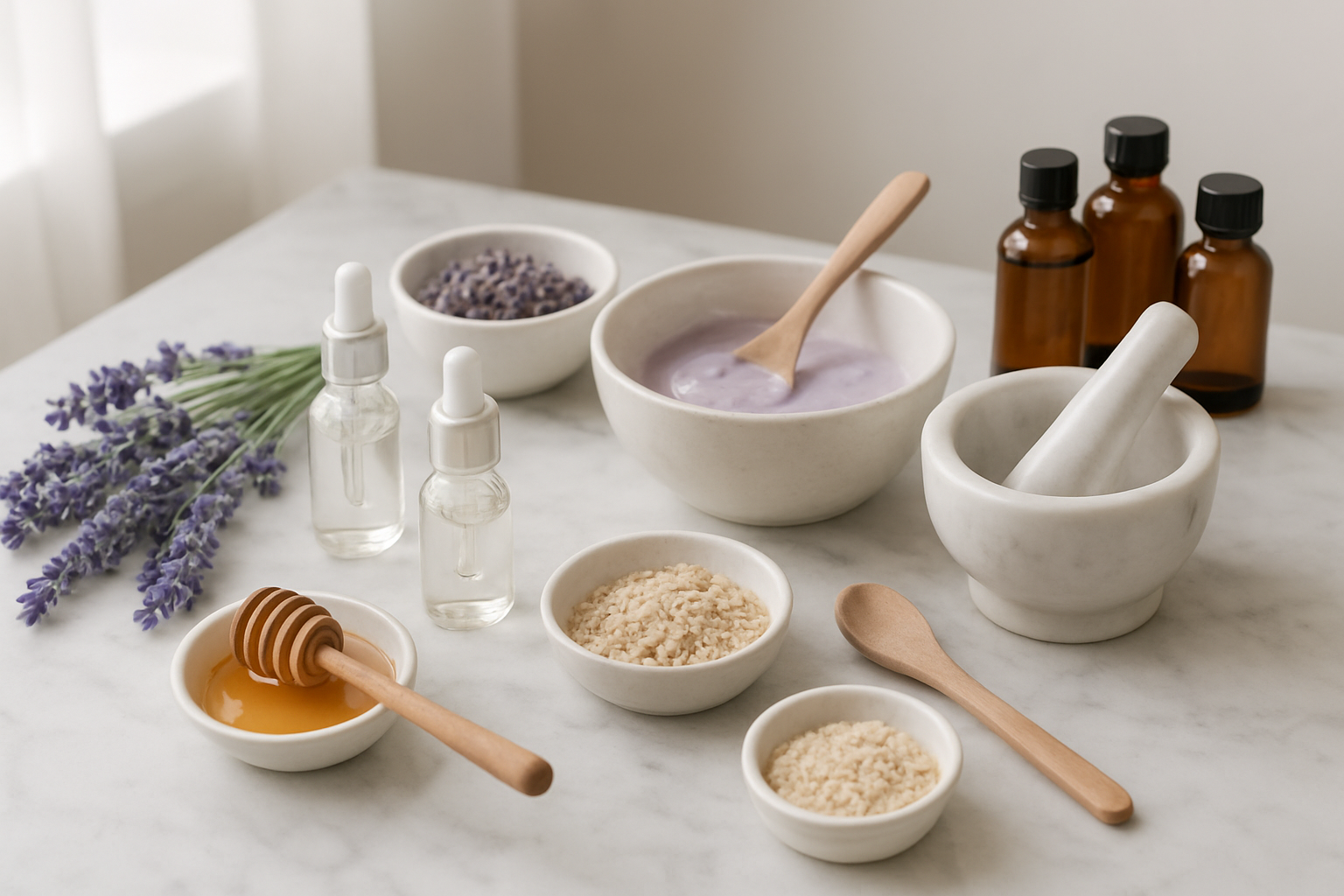
Lavender Face Mask for Glowing Complexion
Creating your own lavender face mask brings spa-quality results to your bathroom. Start with two tablespoons of bentonite clay as your base, which draws impurities from pores while tightening skin. Add three drops of lavender essential oil, one teaspoon of raw honey for moisture, and enough rose water to form a smooth paste.
Mix these ingredients in a glass bowl using a wooden spoon – avoid metal tools as they can react with the clay. Apply the mask evenly to clean skin, avoiding the delicate eye area. Let it work for 10-15 minutes until it feels tight but not uncomfortably dry.
The honey in this recipe provides natural antibacterial properties while keeping skin hydrated. Rose water adds gentle astringent benefits and complements lavender’s calming effects perfectly. For sensitive skin types, substitute the bentonite clay with oatmeal flour for a gentler option.
Rinse with lukewarm water and follow with your regular moisturizer. Use this treatment twice weekly for best results. You’ll notice softer, more radiant skin after just a few applications.
Hair Growth Serum with Lavender Blend
This powerhouse serum combines multiple essential oils to stimulate circulation and encourage healthy hair growth. Mix two ounces of jojoba oil with eight drops of lavender essential oil, four drops of rosemary oil, and three drops of peppermint oil in a dark glass dropper bottle.
Jojoba oil serves as the perfect carrier because it closely mimics your scalp’s natural sebum production. Rosemary oil increases blood flow to hair follicles, while peppermint creates a tingling sensation that awakens dormant roots. Lavender ties everything together with its stress-reducing properties – and stress reduction directly impacts hair health.
Apply this serum to your scalp three times per week before bedtime. Part your hair into sections and use the dropper to distribute the oil evenly across your scalp. Massage gently with your fingertips for two minutes to boost absorption and circulation.
Leave the serum on overnight and shampoo as normal in the morning. Some people see results within six weeks, though most notice improved hair texture and reduced breakage within the first month. Store your serum in a cool, dark place to maintain potency.
Relaxing Bath Soak for Full-Body Benefits
Transform your regular bath into a therapeutic retreat with this simple lavender blend. Combine one cup of Epsom salts, half a cup of baking soda, and ten drops of lavender essential oil in a large mixing bowl. The Epsom salts ease muscle tension and reduce inflammation, while baking soda softens water and soothes irritated skin.
Add two tablespoons of coconut oil to prevent the essential oil from evaporating too quickly and to moisturize your skin during the soak. Some people prefer adding dried lavender buds for visual appeal, but strain them out afterward to avoid clogging your drain.
Store this mixture in an airtight jar and use three to four tablespoons per bath. Draw warm water – not hot, as excessive heat can irritate skin and cause the essential oils to dissipate rapidly. Soak for 15-20 minutes while taking deep breaths to maximize aromatherapy benefits.
This bath treatment works wonders for athletes dealing with sore muscles, office workers with tension headaches, or anyone struggling with sleep issues. The magnesium in Epsom salts supports muscle recovery, while lavender’s natural sedative properties prepare your body for restful sleep.
Lavender essential oil stands out as one of nature’s most versatile beauty solutions, offering proven benefits for both skin and hair health. From its anti-inflammatory properties that soothe irritated skin to its ability to promote healthy hair growth and maintain scalp balance, this purple powerhouse deserves a spot in your daily routine. The key lies in understanding proper application methods and dilution techniques to unlock its full potential safely.
Ready to give your skin and hair the natural boost they deserve? Start with simple DIY recipes like adding a few drops to your favorite carrier oil or creating your own lavender-infused face masks. Your skin will thank you for the gentle care, and your hair will reward you with improved strength and shine. The best part? You’re choosing a natural, time-tested solution that’s been trusted for generations.