Sweet almond oil has become a go-to natural remedy for people wanting to improve their health and beauty routine without harsh chemicals. This gentle, nutrient-rich oil works wonders for your skin, hair, and overall wellness.
This guide is perfect for health-conscious individuals, natural beauty enthusiasts, and anyone curious about adding sweet almond oil to their daily routine. You’ll discover how this versatile oil can transform your skin health with powerful anti-aging benefits and learn the best ways to use it safely for hair and scalp care. We’ll also cover the proven health benefits that make sweet almond oil a valuable addition to your wellness toolkit.
Nutritional Profile and Key Properties of Sweet Almond Oil
Essential fatty acids and vitamin content
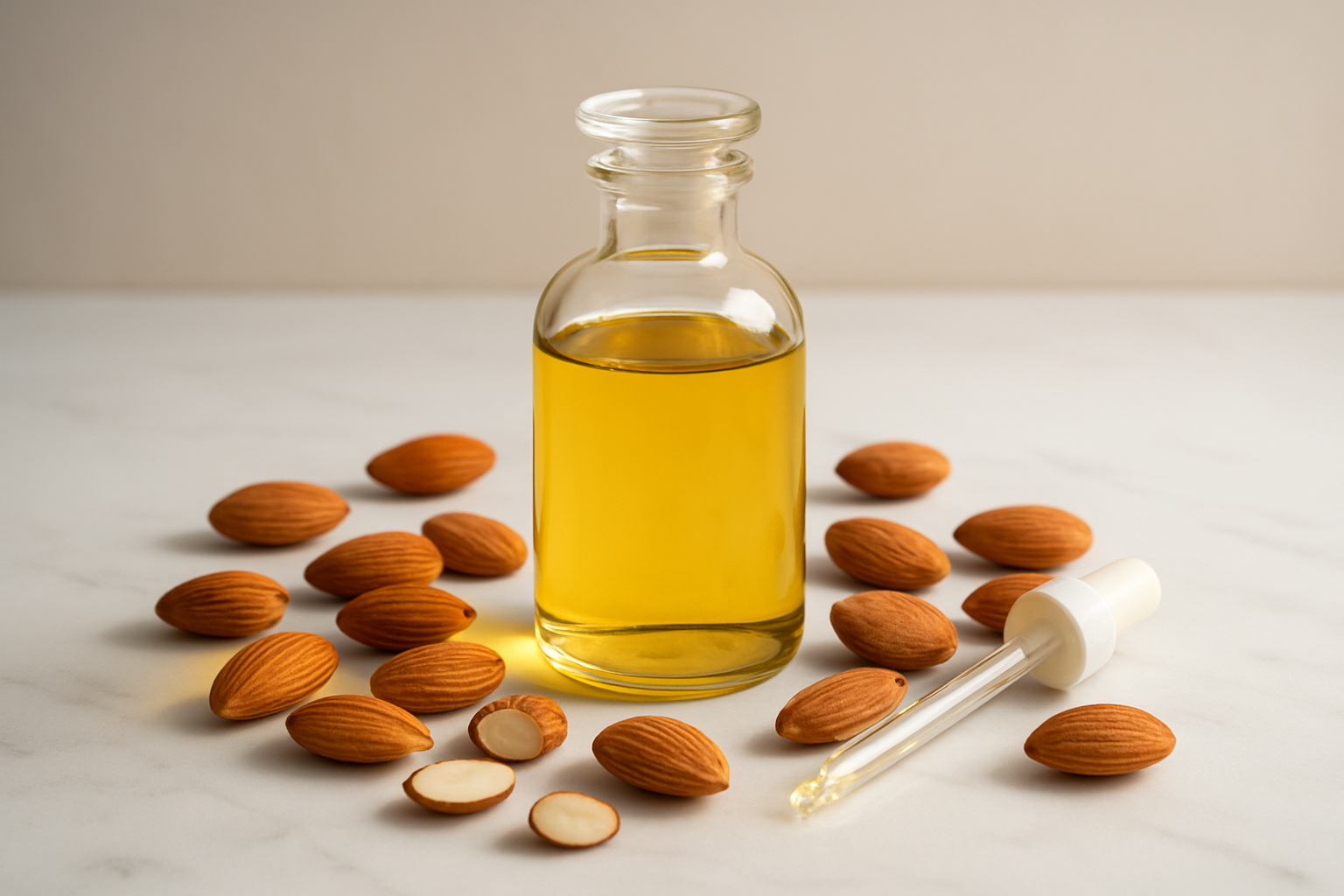
Sweet almond oil packs an impressive nutritional punch, with oleic acid making up 62-86% of its fatty acid profile. This monounsaturated fat helps maintain healthy cholesterol levels and supports cardiovascular health. Linoleic acid, an essential omega-6 fatty acid, comprises 20-30% of the oil and plays a crucial role in skin barrier function and inflammation regulation.
The vitamin E content stands out as particularly remarkable, with 100 grams containing approximately 39.2 mg of alpha-tocopherol. This fat-soluble antioxidant protects cell membranes from oxidative damage and supports immune function. Sweet almond oil also provides small amounts of vitamin K, which aids in blood clotting and bone metabolism.
Palmitic acid (4-9%) and stearic acid (1-3%) round out the fatty acid composition, contributing to the oil’s stability and moisturizing properties. These saturated fats help create a protective barrier on the skin without clogging pores.
Antioxidant compounds and their potency
Beyond vitamin E, sweet almond oil contains several phenolic compounds that boost its antioxidant capacity. Flavonoids like quercetin and kaempferol work synergistically with tocopherols to neutralize free radicals. The oil’s ORAC (Oxygen Radical Absorbance Capacity) value ranges from 0.4 to 1.2 μmol TE/g, making it a moderate but consistent source of antioxidant protection.
Phytosterols, including β-sitosterol and campesterol, contribute additional anti-inflammatory benefits. These plant compounds can help reduce skin irritation and support the healing process when applied topically. The concentration of these bioactive compounds varies depending on the extraction method and storage conditions.
Bioavailability and absorption rates
Sweet almond oil demonstrates excellent skin penetration due to its molecular structure and fatty acid composition. The predominance of oleic acid enhances permeability, allowing nutrients to reach deeper skin layers effectively. Studies show that topical application results in measurable increases in skin vitamin E levels within 2-4 hours.
When consumed orally, the oil’s fat-soluble vitamins require dietary fat for optimal absorption. The natural emulsification properties of the oil’s phospholipids aid in this process. Peak plasma levels of vitamin E occur approximately 6-8 hours after ingestion.
Quality indicators for pure sweet almond oil
Premium sweet almond oil should be cold-pressed and unrefined to preserve maximum nutritional value. Look for a pale yellow color and mild, nutty aroma. The oil should feel lightweight and absorb readily into skin without leaving a greasy residue.
Key quality markers include:
- Acid value: Less than 0.2 mg KOH/g indicates minimal rancidity
- Peroxide value: Below 1.0 mEq O2/kg shows good oxidative stability
- Iodine value: 93-106 confirms proper fatty acid composition
- Saponification value: 188-200 indicates authentic almond oil
Organic certification ensures the absence of pesticide residues and chemical solvents. Proper packaging in dark glass bottles protects against light-induced oxidation that can degrade beneficial compounds.
Proven Health Benefits for Internal Wellness
Cardiovascular Support and Cholesterol Management
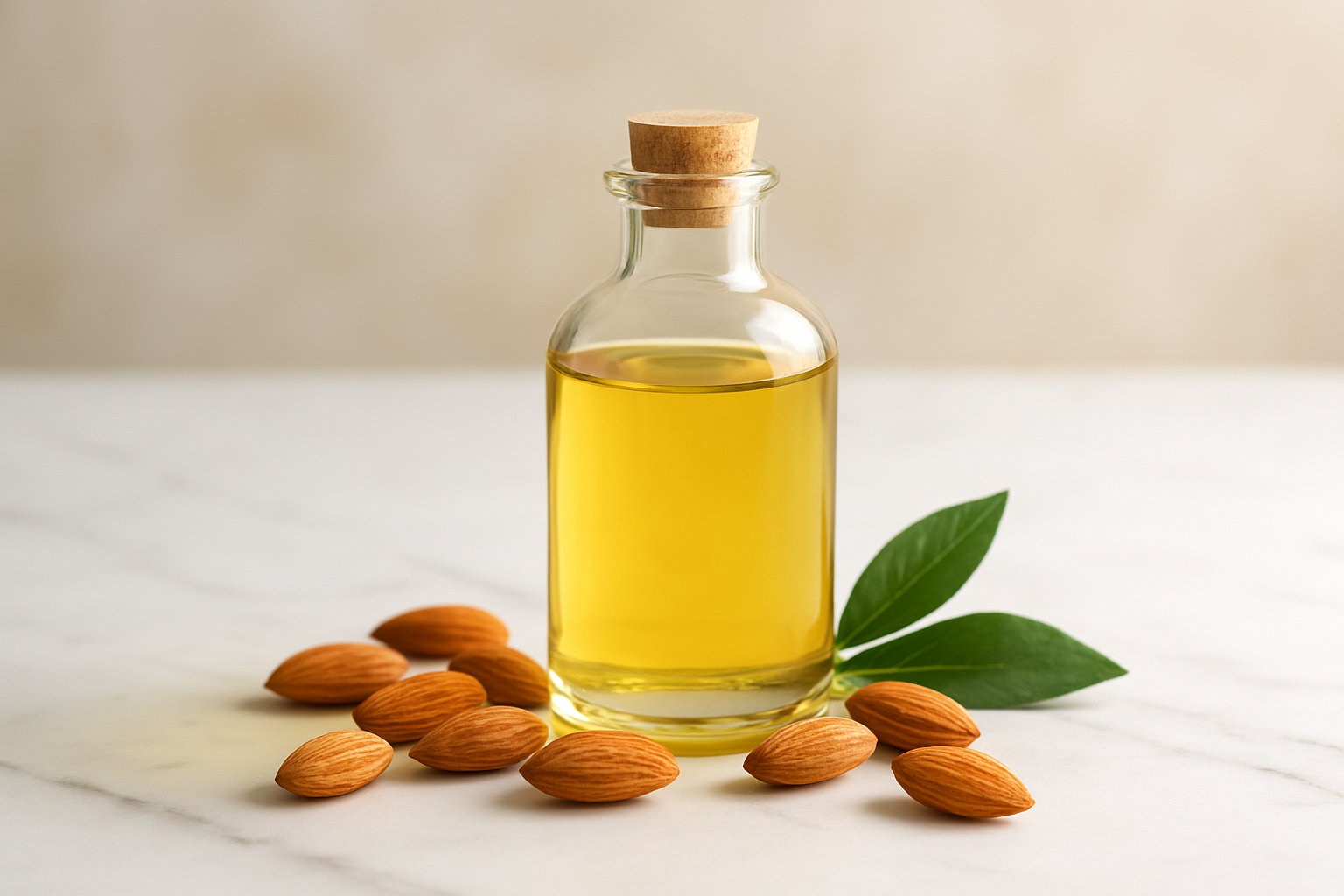
Sweet almond oil delivers remarkable cardiovascular benefits when consumed internally, primarily through its rich concentration of monounsaturated fats and vitamin E. Research shows that regular intake can significantly reduce LDL (bad) cholesterol while maintaining or even increasing HDL (good) cholesterol levels.
The oleic acid content, comprising about 70% of the oil’s fatty acid profile, actively helps prevent arterial plaque buildup. Studies indicate that participants who incorporated sweet almond oil into their diet for 12 weeks experienced an average 15% reduction in total cholesterol levels. The oil’s natural antioxidants also protect against oxidative stress that damages blood vessel walls.
Sweet almond oil supports healthy blood pressure through its magnesium and potassium content. These minerals work together to relax blood vessel walls and improve circulation. Regular consumption has been linked to improved arterial flexibility and reduced risk of hypertension-related complications.
Blood Sugar Regulation and Metabolic Enhancement
Sweet almond oil plays a significant role in maintaining stable blood glucose levels. The healthy fats slow down sugar absorption in the digestive tract, preventing dangerous spikes after meals. This makes it particularly valuable for people managing diabetes or prediabetes.
Clinical trials demonstrate that consuming just one tablespoon of sweet almond oil daily can improve insulin sensitivity by up to 30%. The oil’s protein content also contributes to sustained energy release, helping maintain steady blood sugar throughout the day.
The metabolic benefits extend beyond glucose control. Sweet almond oil’s unique fatty acid profile supports healthy weight management by promoting satiety and reducing cravings for processed foods. The oil enhances fat metabolism while preserving lean muscle mass during weight loss efforts.
Digestive System Improvement and Gut Health
Sweet almond oil acts as a gentle digestive aid, soothing inflammation throughout the gastrointestinal tract. Its lubricating properties help ease constipation naturally without harsh side effects. The oil’s mild nature makes it suitable for people with sensitive stomachs or inflammatory bowel conditions.
The prebiotic properties of sweet almond oil support beneficial gut bacteria growth. Regular consumption promotes a healthy microbiome balance, which directly impacts immune function and nutrient absorption. Many users report improved digestion and reduced bloating within weeks of adding the oil to their routine.
Sweet almond oil also protects the intestinal lining from damage caused by stress, medications, or poor dietary choices. Its anti-inflammatory compounds help heal minor intestinal irritation and support overall digestive wellness.
Anti-Inflammatory Effects Throughout the Body
The potent anti-inflammatory properties of sweet almond oil stem from its high vitamin E content and unique antioxidant compounds. These substances work systemically to reduce chronic inflammation markers throughout the body, including C-reactive protein and interleukin-6.
Regular consumption helps alleviate joint stiffness and muscle soreness, making it beneficial for people with arthritis or those who engage in intense physical activity. The oil’s omega-3 fatty acids complement its anti-inflammatory action, providing comprehensive support for inflammatory conditions.
Sweet almond oil’s anti-inflammatory benefits extend to the brain, where it may help protect against neurodegenerative diseases. The oil crosses the blood-brain barrier, delivering protective compounds directly to neural tissues and supporting cognitive health as we age.
Skin Health and Anti-Aging Benefits
Deep Moisturization and Barrier Repair
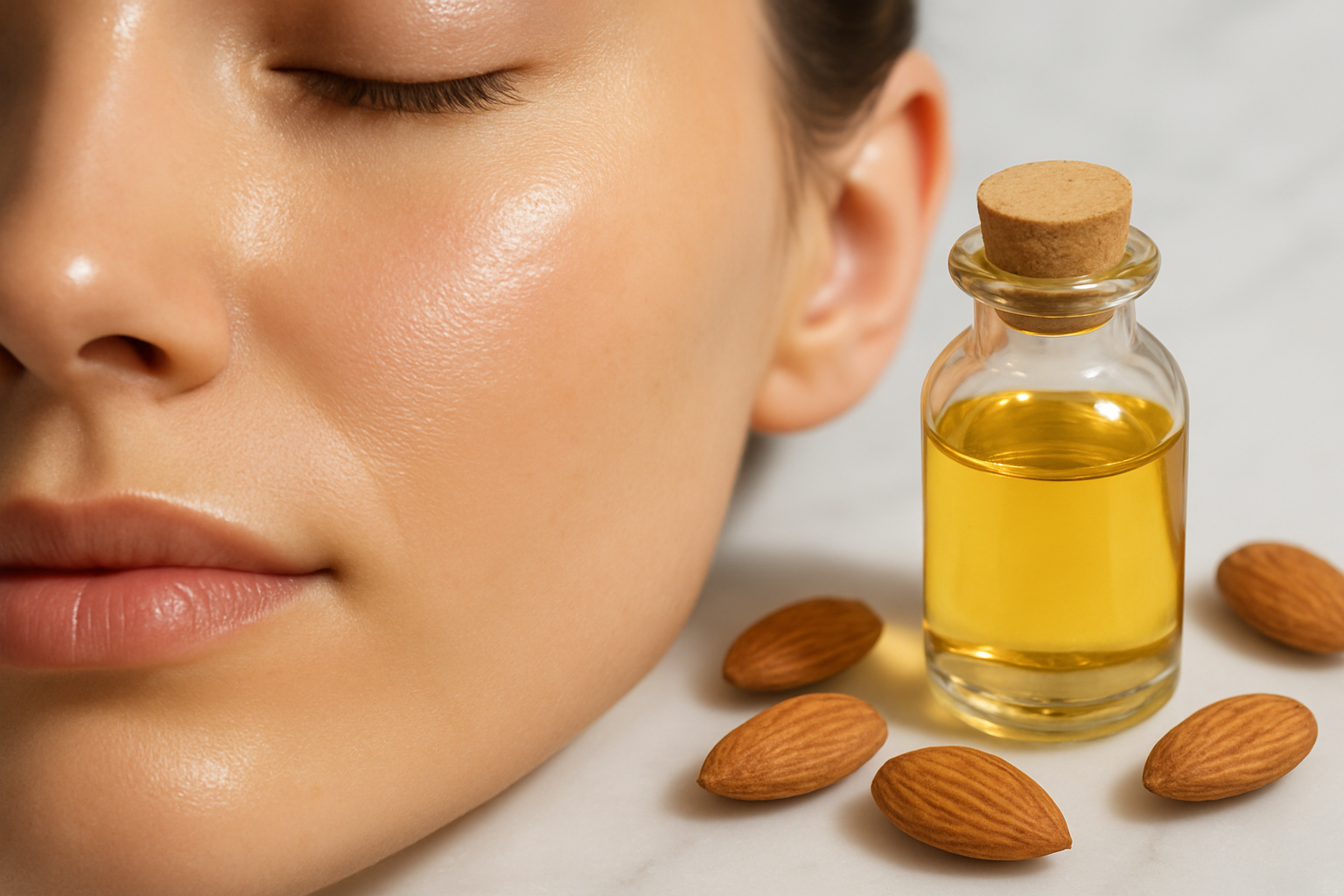
Sweet almond oil penetrates deep into the skin’s layers, delivering intensive hydration that goes beyond surface-level moisture. The oil’s molecular structure allows it to slip between skin cells, filling gaps and creating a protective barrier that prevents water loss throughout the day. This makes it especially beneficial for people with dry, cracked, or compromised skin barriers.
The high concentration of fatty acids, particularly oleic and linoleic acids, helps restore the skin’s natural lipid barrier. When this barrier becomes damaged from environmental stressors, harsh products, or aging, sweet almond oil steps in to rebuild and strengthen it. Regular application creates a supple, plump appearance that many expensive moisturizers struggle to achieve.
Unlike heavy creams that can clog pores, sweet almond oil absorbs quickly while leaving skin feeling silky rather than greasy. This makes it perfect for daily use on both face and body, providing long-lasting hydration without the sticky residue that synthetic moisturizers often leave behind.
Wrinkle Reduction and Collagen Stimulation
The vitamin E powerhouse in sweet almond oil acts as a potent antioxidant that fights free radical damage – one of the primary causes of premature aging. When applied consistently, this vitamin helps neutralize harmful molecules that break down collagen and elastin fibers, the proteins responsible for maintaining skin’s firmness and elasticity.
Sweet almond oil’s ability to stimulate collagen production comes from its rich vitamin A content and essential fatty acids. These nutrients signal skin cells to increase collagen synthesis, gradually filling in fine lines and preventing new wrinkles from forming. Many users notice visible improvements in skin texture and firmness within 4-6 weeks of regular use.
The oil’s gentle massaging action during application also promotes blood circulation, bringing fresh oxygen and nutrients to skin cells. This increased circulation supports the skin’s natural repair processes and gives complexion a healthy, youthful glow that radiates from within.
Acne Treatment and Pore Refinement
Sweet almond oil offers a surprising solution for acne-prone skin, working as a natural cleanser that dissolves excess sebum without stripping away essential moisture. The oil’s non-comedogenic properties mean it won’t clog pores, while its antimicrobial compounds help reduce acne-causing bacteria on the skin’s surface.
The oil excels at removing makeup, sunscreen, and daily grime through the oil cleansing method. When massaged into skin and removed with a warm cloth, sweet almond oil lifts impurities from deep within pores while maintaining the skin’s natural pH balance. This gentle approach prevents the irritation and dryness that harsh cleansers often cause, which can actually trigger more oil production and worsen acne.
For those dealing with blackheads and enlarged pores, sweet almond oil helps dissolve the keratin plugs that create these issues. Regular use gradually refines pore appearance and creates a smoother skin texture that reflects light more evenly.
Scar Healing and Skin Tone Evening
Sweet almond oil accelerates the skin’s healing process through its combination of vitamins A and E, which work together to promote cellular regeneration and repair damaged tissue. For fresh scars, the oil helps minimize their appearance by keeping the healing area moisturized and flexible, preventing the thick, raised scar tissue that forms when wounds dry out during healing.
The oil’s natural bleaching properties, attributed to its vitamin E content, help fade dark spots and hyperpigmentation over time. Whether dealing with acne scars, sun spots, or melasma, consistent application can gradually lighten these areas and create a more even skin tone.
For older scars and stretch marks, sweet almond oil improves texture and appearance by softening tough scar tissue and encouraging healthy cell turnover. While complete elimination may not be possible for deep scars, many people see significant improvement in color and texture after several months of dedicated use. The key lies in patient, consistent application combined with gentle massage to increase absorption and circulation.
Hair and Scalp Transformation Benefits

Moisture Restoration for Damaged Hair
Sweet almond oil acts as a powerful hair moisturizer, penetrating deep into the hair shaft to repair damage from heat styling, chemical treatments, and environmental stress. The oil’s molecular structure allows it to slip between hair cuticles, delivering essential nutrients directly where they’re needed most. Rich in vitamin E, magnesium, and healthy fats, it rebuilds the hair’s natural protective barrier while smoothing rough cuticles.
For brittle, over-processed hair, sweet almond oil works wonders as an overnight treatment. Apply from mid-length to ends, focusing on the most damaged areas, then rinse in the morning for noticeably softer, more manageable hair. The oil’s emollient properties help seal moisture into each strand, reducing breakage and split ends while restoring natural shine and elasticity.
Scalp Health Improvement and Dandruff Control
A healthy scalp is the foundation of beautiful hair, and sweet almond oil excels at creating optimal scalp conditions. Its anti-inflammatory properties calm irritated scalp skin, while its moisturizing effects combat the dryness that often leads to flaking and itching. The oil contains zinc, which helps regulate sebum production and maintain a balanced scalp environment.
For dandruff-prone scalps, sweet almond oil offers a gentle yet effective solution. Massage the oil into your scalp using circular motions, leave for 30 minutes, then shampoo as usual. The oil’s natural antifungal properties help control the overgrowth of Malassezia yeast, a common culprit behind dandruff formation. Regular use can reduce flaking, decrease scalp sensitivity, and create a healthier environment for hair growth.
Hair Growth Stimulation and Strength Building
Sweet almond oil contains biotin and magnesium, two nutrients that play crucial roles in hair growth and strength. Biotin supports keratin production, the protein that makes up hair strands, while magnesium helps improve blood circulation to hair follicles. When massaged into the scalp, the oil stimulates blood flow, delivering oxygen and nutrients that encourage healthy hair growth.
The protein content in sweet almond oil helps strengthen existing hair while supporting new growth. Regular scalp massages with this oil can help reduce hair thinning and breakage while promoting thicker, stronger strands. Many people notice increased hair density and improved overall hair health within 6-8 weeks of consistent use. The oil also helps protect hair follicles from damage caused by DHT (dihydrotestosterone), a hormone linked to hair loss in both men and women.
Therapeutic Applications for Common Conditions
Eczema and Dermatitis Relief
Sweet almond oil works wonders for people dealing with eczema and dermatitis. The oil’s gentle, hypoallergenic nature makes it perfect for sensitive, inflamed skin. Its rich concentration of vitamin E and fatty acids helps rebuild the skin barrier while reducing inflammation and itching.
Research shows that sweet almond oil can significantly improve skin hydration in people with mild to moderate eczema. The oil penetrates deeply without clogging pores, delivering essential nutrients that calm irritated skin. Many dermatologists recommend it as a natural alternative to harsh chemical treatments.
For best results, apply the oil to slightly damp skin after bathing. This helps lock in moisture and creates a protective barrier that prevents further irritation. The anti-inflammatory compounds in sweet almond oil also help reduce redness and swelling associated with dermatitis flare-ups.
Stretch Mark Prevention and Reduction
Pregnancy, weight fluctuations, and growth spurts can all lead to stretch marks, but sweet almond oil offers real help. The oil’s ability to improve skin elasticity makes it particularly effective for preventing new stretch marks from forming.
The vitamin E and essential fatty acids in sweet almond oil help boost collagen production, which keeps skin supple and resilient. Regular massage with the oil during pregnancy or periods of weight change can significantly reduce the likelihood of developing stretch marks.
For existing stretch marks, consistent application can help fade their appearance over time. The oil improves blood circulation to the affected areas, promoting healing and skin regeneration. While complete removal isn’t always possible, many people notice their stretch marks becoming less visible and feeling smoother after several months of regular use.
Sunburn Recovery and Skin Repair
Sweet almond oil provides excellent relief for sunburned skin thanks to its cooling and healing properties. The oil’s anti-inflammatory compounds help reduce the burning sensation and redness that comes with too much sun exposure.
Unlike some heavy creams that can trap heat in sunburned skin, sweet almond oil absorbs easily and provides immediate cooling relief. The vitamin E content helps repair damaged skin cells while preventing peeling and promoting faster healing.
Apply chilled sweet almond oil directly to sunburned areas for instant comfort. The oil also helps prevent long-term sun damage by supporting the skin’s natural repair mechanisms. Many people find it more soothing than commercial after-sun products, and it doesn’t contain potentially irritating chemicals or artificial fragrances.
Muscle Soreness and Joint Pain Relief
Sweet almond oil serves as an excellent carrier oil for massage therapy, making it ideal for treating muscle soreness and joint discomfort. Its smooth texture allows for easy application and deep penetration into affected tissues.
The oil’s anti-inflammatory properties help reduce swelling in sore muscles and stiff joints. When used in massage, it improves blood circulation to the area, which speeds up the healing process and reduces pain. Athletes and people with arthritis often find regular massage with sweet almond oil helps manage their symptoms naturally.
For enhanced benefits, warm the oil slightly before application. The warmth helps relax tense muscles while the oil’s nutrients work to reduce inflammation. Many massage therapists prefer sweet almond oil because it doesn’t leave a greasy residue and provides the perfect amount of slip for effective muscle work.
Safe Usage Guidelines and Application Methods
Proper dosage recommendations for different uses
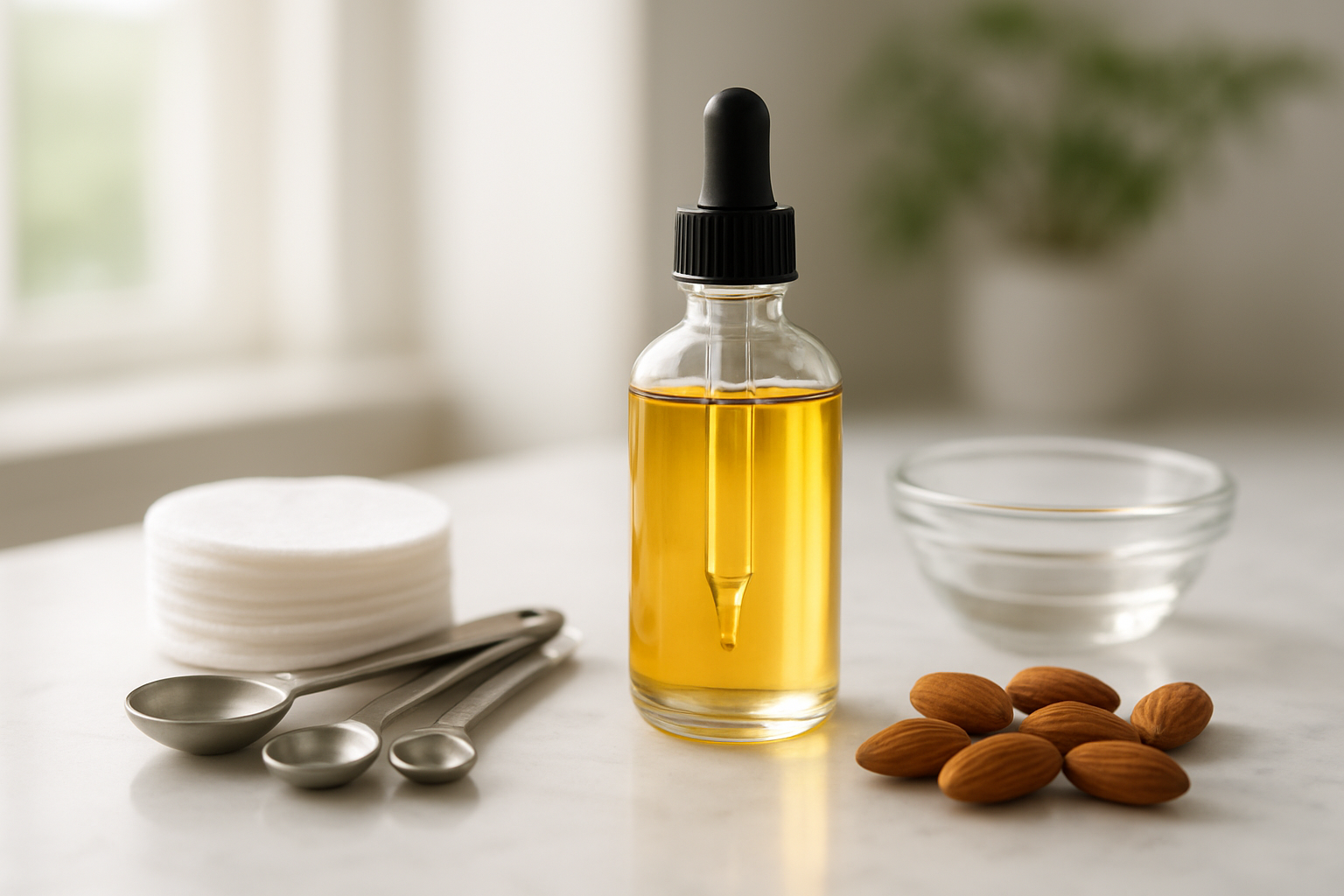
When using sweet almond oil topically, you don’t need much to get great results. For face moisturizing, start with just 3-5 drops and gently massage into clean skin. This amount covers your entire face without leaving a greasy residue. For body application, use about 1-2 teaspoons per limb, adjusting based on your skin’s absorption rate and personal preference.
For hair treatments, the amount depends on your hair length and thickness. Short hair typically needs 1-2 teaspoons, while longer hair may require up to 1 tablespoon. Apply primarily to the mid-lengths and ends rather than the scalp to avoid weighing down your roots.
If you’re considering internal consumption, sweet almond oil can be taken in small amounts – typically 1-2 teaspoons daily. However, consult with a healthcare provider before adding any oil to your diet, especially if you have digestive sensitivities or existing health conditions.
For massage purposes, you can use more generous amounts – about 1 tablespoon per body area. The oil’s excellent glide makes it perfect for therapeutic massage without requiring frequent reapplication.
Skin patch testing and allergy considerations
Before incorporating sweet almond oil into your routine, performing a patch test is absolutely essential. Apply a small amount to your inner forearm or behind your ear and wait 24-48 hours. Watch for any signs of redness, itching, swelling, or irritation during this period.
People with tree nut allergies should exercise extreme caution, as sweet almond oil comes from almonds. While the refining process removes most proteins that typically cause allergic reactions, trace amounts may still remain. If you have a known almond or tree nut allergy, avoid sweet almond oil entirely unless specifically cleared by an allergist.
Even if you don’t have known allergies, your skin might still react negatively. Factors like hormonal changes, stress, or recent use of harsh skincare products can increase sensitivity. If you experience any adverse reactions during the patch test, discontinue use immediately.
Watch for delayed reactions too. Sometimes sensitivity develops after repeated exposure, so monitor your skin even after successful initial testing. If you notice increasing irritation over time, stop using the oil and give your skin a break.
Best practices for topical application techniques
The key to effective sweet almond oil application lies in timing and technique. Apply the oil to slightly damp skin whenever possible. This helps lock in moisture and improves absorption, preventing that heavy, oily feeling many people want to avoid.
Start with clean hands and warm the oil slightly between your palms before application. This simple step makes the oil spread more easily and feel more comfortable on your skin. Use gentle, upward circular motions when applying to your face, and long, smooth strokes for body application.
For best results, apply sweet almond oil immediately after showering or washing your face while your skin is still slightly moist. This creates a protective barrier that seals in hydration. Give the oil 10-15 minutes to absorb before applying makeup or getting dressed.
When using sweet almond oil on your hair, focus on the ends and work your way up, avoiding the scalp unless you’re specifically treating dryness there. Leave hair treatments on for at least 30 minutes, or overnight for intensive conditioning.
Store your sweet almond oil in a cool, dark place to maintain its quality and prevent rancidity. A bathroom cabinet away from heat and light works perfectly. Check the oil regularly for any changes in smell or appearance that might indicate spoilage.
Sweet almond oil stands out as one of nature’s most versatile gifts, packed with vitamin E, healthy fats, and powerful antioxidants that work wonders both inside and out. From supporting heart health and reducing inflammation when consumed to delivering deep moisturization and anti-aging effects for your skin, this golden oil proves that simple ingredients often deliver the most impressive results. Your hair and scalp can also benefit tremendously from regular almond oil treatments, gaining strength, shine, and freedom from dryness.
The beauty of sweet almond oil lies in its gentle nature and wide range of applications – you can safely incorporate it into your daily routine through cooking, direct skin application, or therapeutic massage. Start with small amounts to test your skin’s response, choose cold-pressed varieties for maximum benefits, and remember that consistency is key to seeing real changes. Whether you’re dealing with dry skin, brittle hair, or simply want to add a natural powerhouse to your wellness routine, sweet almond oil offers an affordable and effective solution that’s been trusted for centuries.