Avocado oil has become a game-changer for people seeking natural solutions for healthier skin and hair. This nutrient-rich oil offers proven benefits that go beyond basic moisturizing, making it perfect for anyone dealing with dry skin, damaged hair, or those who prefer clean beauty alternatives to chemical-laden products.
This guide covers the science-backed benefits of avocado oil for skin and hair, plus practical ways to use it in your daily routine. You’ll discover how this versatile oil can transform your skin’s texture and boost hair growth, along with safe application methods that deliver real results.
Nutritional Profile of Avocado Oil for Beauty Applications

Essential fatty acids that nourish skin and hair
Avocado oil stands out in the beauty world thanks to its impressive lineup of essential fatty acids that your skin and hair absolutely love. The star player here is oleic acid, making up about 60-70% of the oil’s composition. This omega-9 fatty acid works like a natural moisturizer, creating a protective barrier that keeps your skin soft and prevents water loss. Your hair follicles drink this up too, helping to strengthen strands from root to tip.
Linoleic acid, an omega-6 fatty acid, plays a supporting role at around 10-15% of the oil’s makeup. This little powerhouse helps maintain your skin’s natural barrier function and can actually help regulate oil production. For those dealing with acne-prone skin, linoleic acid helps prevent clogged pores while keeping everything balanced.
Palmitic acid rounds out the trio at about 15-20%, working as an emollient that smooths and softens both skin and hair. These three fatty acids work together like a well-coordinated team, each bringing unique benefits that complement the others perfectly.
Vitamin E content for antioxidant protection
The vitamin E content in avocado oil is seriously impressive, packing more punch per tablespoon than many other beauty oils. This fat-soluble vitamin acts like a shield against free radicals – those unstable molecules that love to wreak havoc on your skin cells and hair follicles. When you apply avocado oil, you’re basically giving your skin and hair their own personal bodyguard.
Alpha-tocopherol, the most active form of vitamin E found in avocado oil, penetrates deep into skin layers where it can neutralize oxidative stress. This translates to fewer fine lines, better skin texture, and protection against environmental damage from pollution and UV exposure. Your hair benefits too, as vitamin E protects the hair shaft from damage and helps maintain that natural shine.
The beauty of vitamin E in avocado oil is that it works both immediately and over time. You’ll notice softer, more supple skin right away, while the long-term antioxidant protection builds up your skin’s defense system against premature aging.
Vitamin K benefits for skin healing
Vitamin K might not get as much attention as vitamin E, but it’s quietly doing some amazing work for your skin. Avocado oil contains a decent amount of this fat-soluble vitamin, which plays a crucial role in blood clotting and wound healing. When applied topically, vitamin K can help speed up the healing process for minor cuts, scrapes, and even those annoying little nicks from shaving.
Dark circles under your eyes? Vitamin K comes to the rescue there too. It helps strengthen the tiny blood vessels under the delicate eye area, reducing the appearance of those stubborn dark circles that make you look tired even when you’re not. The vitamin works by improving circulation and reducing inflammation in these sensitive areas.
For anyone dealing with bruises, stretch marks, or minor skin irritations, the vitamin K in avocado oil can help fade these imperfections more quickly than letting them heal on their own. It’s like having a natural healing accelerator in your beauty routine.
Oleic acid penetration properties
Here’s where avocado oil really shines – its oleic acid content gives it almost magical penetration abilities. Unlike some oils that just sit on top of your skin feeling greasy, oleic acid has this amazing ability to slip between skin cells and actually get absorbed. This means all those nutrients and beneficial compounds don’t just hang out on the surface; they get delivered exactly where they need to go.
This penetration power makes avocado oil perfect for dry, damaged skin that needs deep hydration. The oleic acid literally opens up pathways through your skin’s outer layer, allowing moisture and nutrients to reach deeper layers. For your hair, this means the oil can actually penetrate the hair shaft instead of just coating it, leading to real repair and strengthening from the inside out.
The molecular structure of oleic acid is similar to the natural oils your skin produces, which is why your skin recognizes it as friendly and lets it in so easily. This compatibility means less irritation and better absorption, making avocado oil suitable even for sensitive skin types.
Proven Skin Benefits of Avocado Oil
Deep moisturization for dry and cracked skin
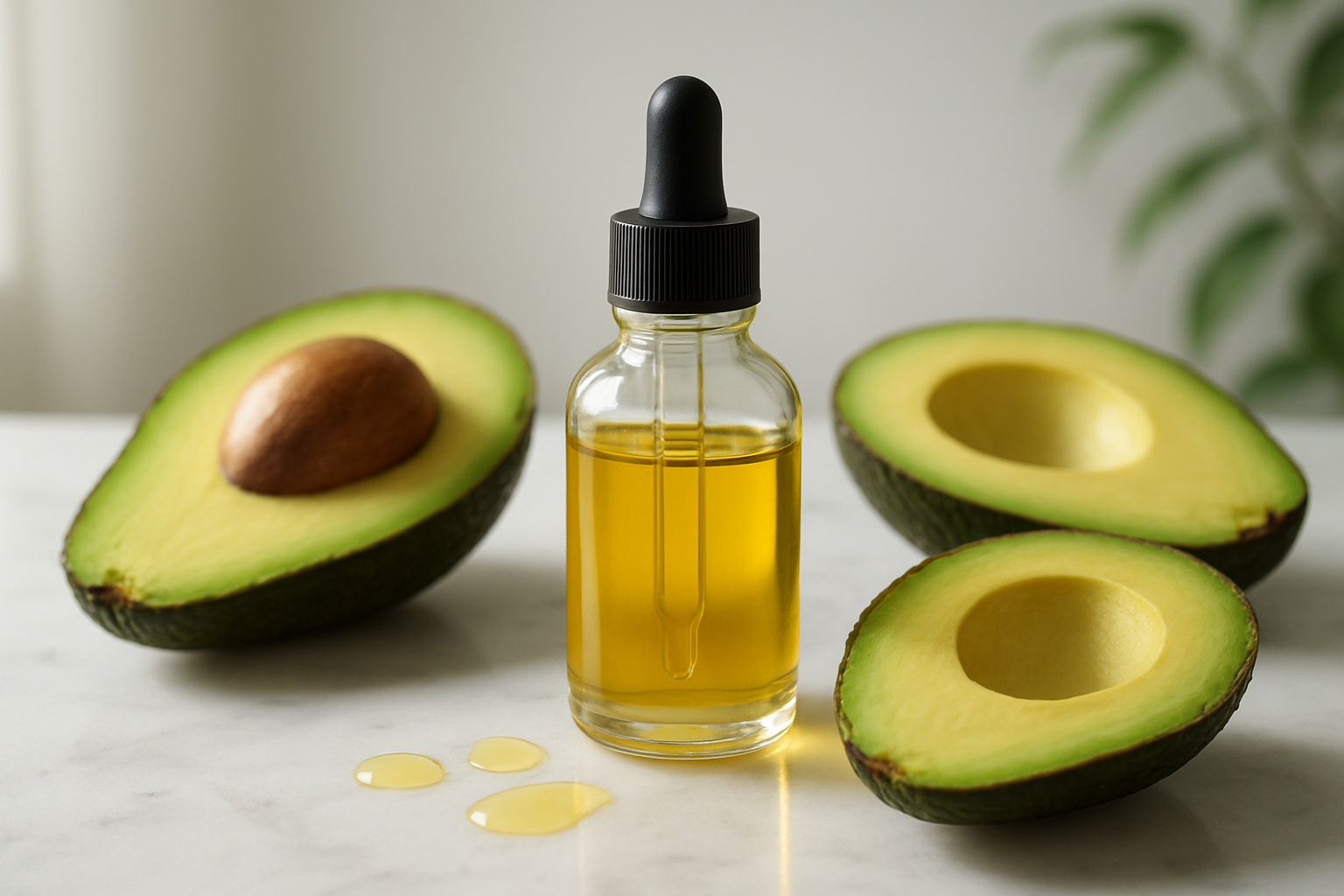
Avocado oil stands out as an exceptional moisturizer because of its unique ability to penetrate deep into the skin layers rather than sitting on the surface. The oil contains high levels of oleic acid, a monounsaturated fat that creates tiny pathways through the skin barrier, allowing moisture to reach where it’s needed most. This makes it particularly effective for treating severely dry, flaky, or cracked skin on areas like elbows, knees, and heels.
Unlike many commercial moisturizers that provide temporary relief, avocado oil creates lasting hydration by strengthening the skin’s natural barrier function. The oil’s rich texture helps seal in moisture while its nutrients repair damaged skin cells. People with conditions like eczema or dermatitis often find that avocado oil provides relief without the irritation that synthetic ingredients can cause.
For maximum moisturizing benefits, apply avocado oil to slightly damp skin. The water helps the oil spread more easily while trapping additional moisture beneath the oil layer.
Anti-inflammatory properties for sensitive skin conditions
The anti-inflammatory compounds in avocado oil make it a gentle yet effective treatment for various skin irritations. Omega-3 fatty acids work alongside antioxidants like vitamin E to calm redness, reduce swelling, and soothe irritated skin. These properties make avocado oil particularly valuable for people dealing with conditions like rosacea, psoriasis, or general skin sensitivity.
Research shows that avocado oil can help reduce the inflammatory response that leads to skin damage and premature aging. The oil’s anti-inflammatory effects also support faster healing of minor cuts, scratches, and other skin injuries. Unlike harsh topical treatments, avocado oil provides relief without causing additional irritation or drying out the skin.
Regular application can help break the cycle of inflammation and irritation that many people experience with sensitive skin conditions. The oil’s gentle nature means it can be used daily without building up tolerance or causing dependency.
Collagen production stimulation for anti-aging effects
Avocado oil contains compounds that actively support collagen synthesis, making it a powerful anti-aging ingredient. The oil’s vitamin C content works with amino acids to help skin cells produce new collagen, while vitamin E protects existing collagen from breaking down due to free radical damage. This dual action helps maintain skin firmness and elasticity over time.
The monounsaturated fats in avocado oil also support the skin’s natural repair processes. These healthy fats provide the building blocks that skin cells need to regenerate and maintain their structure. Regular use can help reduce the appearance of fine lines and wrinkles while improving overall skin texture and tone.
Studies indicate that topical application of avocado oil can increase collagen production by up to 35% in some individuals. The oil works best when applied consistently over several weeks, as collagen production is a gradual process that requires sustained nutritional support.
Sun damage protection and repair
While avocado oil shouldn’t replace dedicated sunscreen, it does offer modest natural sun protection with an SPF of around 4-15. More importantly, the oil excels at repairing existing sun damage through its rich antioxidant profile. Vitamins A, C, and E work together to neutralize free radicals created by UV exposure and help reverse cellular damage.
The oil’s ability to penetrate deeply allows these protective compounds to reach damaged cells in the lower layers of skin. This deeper penetration helps repair sun spots, reduce hyperpigmentation, and restore a more even skin tone. The regenerative properties also support the natural skin renewal process, helping damaged cells shed more effectively.
For post-sun care, avocado oil provides superior moisture and healing compared to many commercial after-sun products. Its anti-inflammatory properties help reduce sunburn pain and redness while promoting faster healing.
Acne-fighting properties without clogging pores
Despite being an oil, avocado oil has a low comedogenic rating, meaning it’s unlikely to clog pores or cause breakouts. The oil’s antimicrobial properties help fight acne-causing bacteria naturally, while its anti-inflammatory effects reduce the redness and swelling associated with active breakouts.
Avocado oil helps balance skin oil production rather than adding to excess sebum. The linoleic acid content helps regulate the skin’s natural oil production, while the oil’s moisturizing properties prevent the over-drying that can trigger increased oil production. This makes it suitable even for people with oily or acne-prone skin.
The oil also helps fade acne scars and hyperpigmentation through its regenerative properties. Regular application can help speed up cell turnover, revealing fresh, healthy skin underneath damaged areas. Unlike harsh acne treatments that can cause dryness and irritation, avocado oil treats breakouts while maintaining skin health and comfort.
Hair Health and Growth Benefits

Scalp Moisturization and Dandruff Reduction
Avocado oil penetrates deep into the scalp tissue, delivering essential fatty acids that restore moisture balance and create a healthier environment for hair growth. The oil’s rich concentration of oleic acid allows it to slip through the hair cuticle and reach the scalp’s deeper layers, where it nourishes sebaceous glands and reduces inflammation that often contributes to dandruff formation.
Regular scalp massage with avocado oil helps dissolve excess sebum and dead skin cells that can accumulate and cause flaking. The oil’s antimicrobial properties work against the Malassezia fungus, a common culprit behind persistent dandruff. Unlike harsh chemical treatments that can strip natural oils and worsen dryness, avocado oil provides gentle yet effective relief while maintaining the scalp’s natural protective barrier.
People with sensitive scalps particularly benefit from avocado oil’s non-irritating formula. The vitamin E content acts as a natural antioxidant, protecting scalp cells from environmental damage and promoting healthy cell turnover. This creates conditions where dandruff becomes less likely to develop and existing issues gradually resolve.
Hair Shaft Strengthening and Breakage Prevention
The protein content in avocado oil helps rebuild damaged hair cuticles and fills in microscopic gaps along the hair shaft. This repair process strengthens individual strands from root to tip, making them more resilient against everyday stressors like brushing, styling, and environmental exposure.
Amino acids present in avocado oil mirror those found naturally in hair keratin, allowing for better absorption and integration into the hair structure. This compatibility means the oil doesn’t just coat the hair surface but actually becomes part of the hair’s internal matrix, providing lasting strength improvements.
Split ends and mid-shaft breaks occur less frequently when hair receives regular avocado oil treatments. The oil’s molecular structure allows it to penetrate deeply enough to reinforce weak points before they develop into visible damage. Hair that’s been chemically processed or heat-damaged shows particularly dramatic improvements in elasticity and resistance to breakage after consistent avocado oil application.
Natural Shine Enhancement Without Greasiness
Avocado oil creates luminous shine by smoothing the hair cuticle and reflecting light more evenly across each strand. Unlike heavier oils that can weigh hair down or leave greasy residues, avocado oil’s medium-weight consistency absorbs well while still providing visible gloss enhancement.
The oil works by filling in rough spots along the cuticle surface, creating a smoother pathway for light reflection. This natural approach to shine enhancement doesn’t require synthetic silicones or chemical coatings that can build up over time. Hair maintains its natural movement and texture while appearing healthier and more vibrant.
Different hair types respond uniquely to avocado oil’s shine-boosting properties. Fine hair benefits from light applications that add luster without heaviness, while coarse or curly hair can handle more generous amounts for maximum smoothing and shine effects. The key lies in adjusting application techniques rather than switching to different products.
Heat Protection for Styled Hair
Avocado oil forms a protective film around each hair strand that helps buffer against high temperatures from styling tools. The oil’s high smoke point means it remains stable under heat exposure, preventing the breakdown that can occur with less heat-resistant oils and leave hair more vulnerable to damage.
Pre-styling application of avocado oil creates a barrier that reduces moisture loss during heat styling. This protection mechanism helps prevent the brittle, dry texture that often results from frequent blow-drying, flat ironing, or curling. Hair maintains better flexibility and natural moisture levels even with regular heat tool use.
The oil’s heat protection extends beyond immediate styling sessions. Regular use builds up the hair’s natural defense system, making it more resilient to thermal damage over time. This cumulative protection helps maintain hair health even for people who style their hair daily or use high-temperature tools professionally.
Practical Application Methods for Skin Care
Direct application as a facial moisturizer
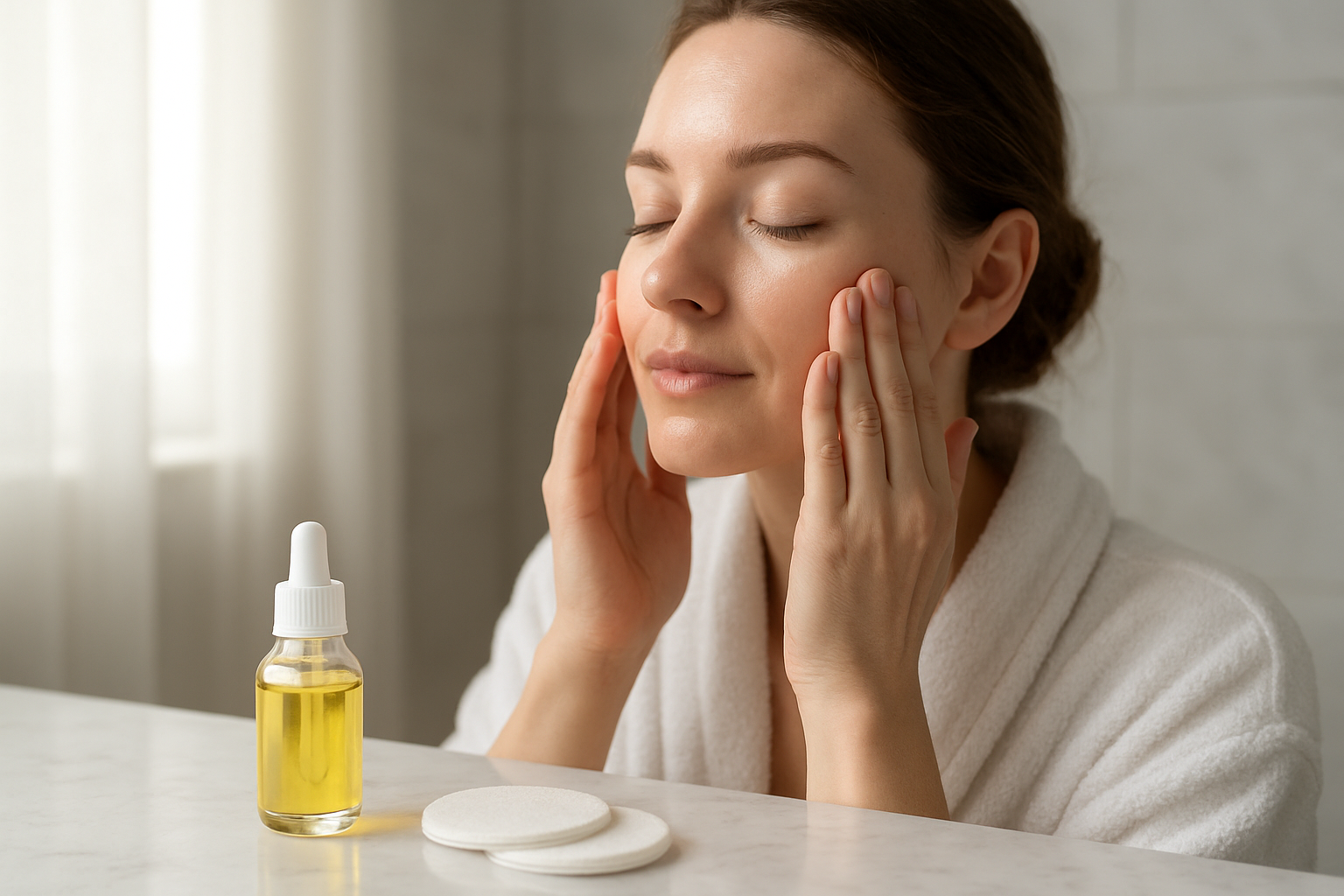
Applying avocado oil directly to your face as a moisturizer offers one of the simplest and most effective ways to harness its nourishing properties. Start with clean skin and warm 2-3 drops of cold-pressed avocado oil between your palms before gently patting it onto your face using upward circular motions. The oil absorbs quickly without leaving a greasy residue, making it suitable for both morning and evening routines.
For dry or mature skin, use avocado oil as the final step in your skincare routine to lock in moisture from previous products. Those with combination skin should focus application on drier areas like cheeks and forehead while avoiding the T-zone. The oil’s natural vitamin E content provides antioxidant protection against environmental damage while its omega-3 fatty acids help maintain the skin barrier.
Apply gentle pressure when massaging the oil into your skin to boost circulation and enhance absorption. Pay special attention to areas prone to fine lines, such as around the eyes and mouth, where avocado oil’s penetrating properties can help plump and smooth the skin.
DIY face mask recipes with avocado oil
Creating homemade face masks with avocado oil allows you to customize treatments for your specific skin needs while maximizing the oil’s beneficial properties.
Hydrating Honey Mask
- 1 tablespoon avocado oil
- 2 tablespoons raw honey
- 1 teaspoon oatmeal (finely ground)
Mix ingredients until smooth and apply to clean skin for 15-20 minutes. This combination deeply moisturizes while honey’s antibacterial properties help prevent breakouts.
Anti-Aging Vitamin C Mask
- 1 tablespoon avocado oil
- 1 teaspoon vitamin C powder
- 2 tablespoons plain Greek yogurt
Blend until creamy and leave on for 10-15 minutes. The vitamin C brightens skin tone while yogurt’s lactic acid gently exfoliates.
Soothing Clay Mask
- 1 tablespoon avocado oil
- 2 tablespoons bentonite clay
- Enough water or rose water to form a paste
Perfect for sensitive or inflamed skin, this mask draws out impurities while avocado oil prevents over-drying.
Always patch test new ingredients and remove masks with warm water followed by a gentle cleanser.
Body oil massage techniques for maximum absorption
Proper massage techniques significantly improve avocado oil absorption and enhance its moisturizing benefits across your entire body. Start with slightly damp skin after showering, as this helps trap moisture and creates an optimal environment for oil penetration.
Preparation and Application
Warm the oil slightly by placing the bottle in warm water for a few minutes, or warm it between your palms. Begin with small amounts – typically 1-2 teaspoons per body section – as avocado oil spreads easily and a little goes a long way.
Massage Techniques
Use long, sweeping strokes on arms and legs, working from extremities toward the heart to support circulation. Apply firm but gentle pressure, allowing the oil to absorb gradually rather than rushing the process. For areas with thicker skin like elbows and knees, spend extra time massaging in circular motions to break down rough patches.
Timing and Frequency
The best time for body oil application is within three minutes of showering when skin is still slightly moist. For very dry skin, daily application works best, while normal skin types may benefit from every other day use. Allow 10-15 minutes for complete absorption before dressing to prevent oil transfer to clothing.
Focus extra attention on commonly neglected areas like heels, elbows, and the back of arms where skin tends to be drier and can benefit most from avocado oil’s deep moisturizing properties.
Effective Hair Treatment Techniques
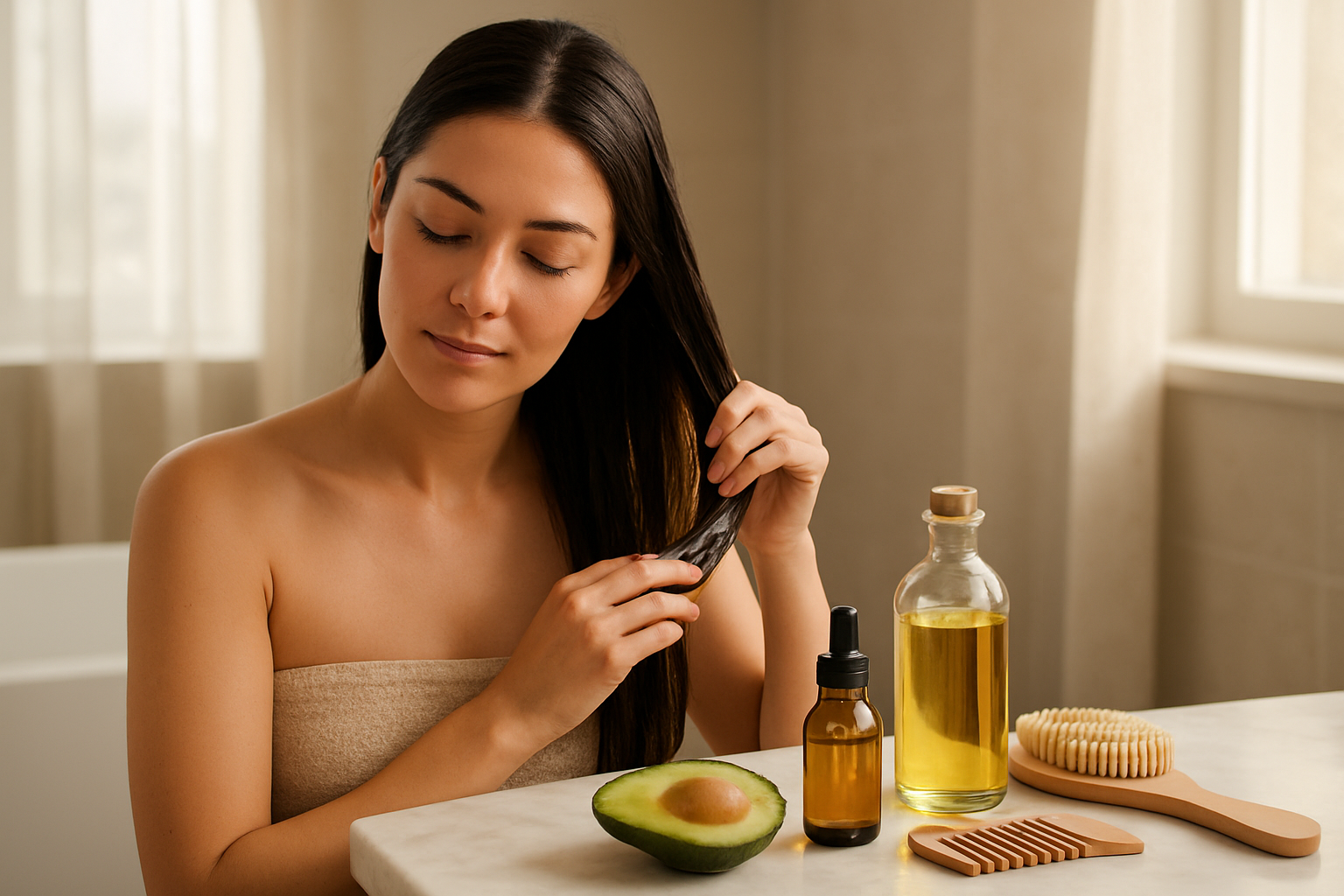
Pre-shampoo Deep Conditioning Treatments
Start with clean, detangled hair for the best results. Warm 2-3 tablespoons of avocado oil in your palms or microwave it for 10-15 seconds until it’s comfortably warm. Section your hair into manageable portions and apply the oil from mid-length to the ends, focusing on the driest areas. The natural fats in avocado oil penetrate the hair shaft more effectively when applied before shampooing, creating a protective barrier that prevents excessive moisture loss during washing.
Wrap your hair in a plastic cap or damp warm towel and leave the treatment for 20-45 minutes. For severely damaged hair, extend this to 60 minutes. The heat helps open the hair cuticles, allowing deeper penetration of the oil’s nutrients. Rinse thoroughly with lukewarm water before applying shampoo. You might need to shampoo twice to remove all residue, but your hair will feel noticeably softer and more manageable.
Leave-in Hair Oil Application Methods
Mix a few drops of avocado oil with your regular leave-in conditioner or apply it directly to damp hair. The key is using the right amount – start with 3-4 drops for fine hair or up to a teaspoon for thick, coarse hair. Rub the oil between your palms to warm it, then gently press it into your hair, avoiding the roots to prevent greasiness.
Focus on the ends and areas prone to breakage. For curly or textured hair, apply the oil in sections using the “praying hands” method – smooth your palms down each section from mid-length to ends. This technique helps seal the cuticles and reduces frizz. The lightweight nature of avocado oil makes it perfect for daily use without weighing hair down.
Scalp Massage Routines for Circulation Improvement
Begin with dry or slightly damp hair. Pour a tablespoon of avocado oil into your palm and warm it by rubbing your hands together. Using your fingertips, not your nails, start massaging the oil into your scalp using circular motions. Work from the hairline back toward the crown, applying gentle but firm pressure.
Spend 5-10 minutes on this massage, paying extra attention to areas where hair appears thinner. The massage stimulates blood flow to hair follicles, potentially promoting healthier growth. Include pressure point techniques by pressing firmly on the temples and the base of the skull for 10 seconds each. Regular scalp massages with avocado oil can help reduce tension and create an optimal environment for hair growth.
Weekly Intensive Hair Mask Protocols
Create a power-packed mask by combining 3 tablespoons of avocado oil with 1 mashed ripe avocado and a tablespoon of honey. This combination provides deep moisture, protein, and vitamins that strengthen hair structure. Apply this mixture generously throughout clean, towel-dried hair, ensuring every strand is coated.
Cover with a shower cap and wrap a warm towel around your head. Leave the mask on for 30-60 minutes, refreshing the warm towel as it cools. For extra nourishment, add a beaten egg yolk to the mixture for protein or a few drops of essential oils like rosemary for additional scalp benefits. Rinse thoroughly with cool water and follow with a gentle shampoo. Use this intensive treatment weekly to maintain healthy, lustrous hair.
Safety Considerations and Best Practices

Patch testing procedures before first use
Before applying avocado oil to your skin or scalp, always perform a patch test to check for allergic reactions or sensitivity. Apply a small amount of the oil to a clean area on the inside of your wrist or behind your ear. Gently massage the oil into the skin and wait 24-48 hours to observe any reactions.
Watch for signs like redness, itching, swelling, burning sensations, or rash development. If you experience any of these symptoms, remove the oil immediately with a gentle cleanser and avoid using avocado oil on your skin or hair. People with latex allergies should be particularly cautious, as some individuals may experience cross-reactivity with avocado products.
Even if you’ve used other plant oils without issues, avocado oil has unique compounds that could trigger different responses. Start with the smallest possible amount during testing – just a few drops will suffice. If no reaction occurs after 48 hours, you can gradually introduce the oil into your beauty routine.
Proper storage methods to maintain oil quality
Store avocado oil in a cool, dark place away from direct sunlight and heat sources. A pantry, bathroom cabinet, or refrigerator works well for maintaining oil stability. Dark glass bottles provide the best protection against light damage, which can cause the oil to become rancid and lose its beneficial properties.
Keep the bottle tightly sealed when not in use to prevent oxidation from air exposure. Avoid storing the oil in areas with temperature fluctuations, like near windows, heating vents, or in cars. High-quality avocado oil typically lasts 12-24 months when stored properly, but always check for changes in smell, color, or texture before use.
Cold storage can extend shelf life but may cause the oil to solidify slightly. Simply bring it to room temperature before use – this won’t affect the oil’s quality. Never use oils that smell off, appear cloudy, or have developed an unusual consistency.
Choosing cold-pressed versus refined varieties
Cold-pressed avocado oil offers superior benefits for skin and hair care compared to refined versions. The cold-pressing process preserves more vitamins, antioxidants, and beneficial fatty acids that your skin and hair need. This unrefined oil maintains its natural green color and mild, nutty aroma.
| Feature | Cold-Pressed | Refined |
|---|---|---|
| Nutrient content | High | Reduced |
| Color | Natural green | Light yellow |
| Processing | Minimal heat | High heat treatment |
| Antioxidants | Preserved | Partially destroyed |
| Price | Higher | Lower |
Refined avocado oil undergoes heat treatment and chemical processing that strips away many nutrients. While it has a longer shelf life and neutral scent, it provides fewer skin and hair benefits. The refining process removes chlorophyll, carotenoids, and other compounds that give cold-pressed oil its therapeutic properties.
For maximum beauty benefits, choose organic, cold-pressed avocado oil from reputable brands. Read labels carefully – terms like “virgin” or “extra virgin” indicate minimal processing. Avoid oils with additives or those that don’t specify their extraction method.

Avocado oil stands out as one of nature’s most versatile beauty ingredients, packed with vitamins A, D, and E that your skin and hair absolutely love. From deeply moisturizing dry skin to strengthening brittle hair strands, this golden oil delivers real results you can see and feel. The best part is how simple it is to work into your daily routine – whether you’re mixing a few drops into your regular moisturizer or creating a weekly hair mask.
Ready to give your beauty routine a natural upgrade? Start small by adding a drop or two of avocado oil to your nighttime skincare routine and see how your skin responds. Remember to always patch test first and choose cold-pressed, unrefined oil for the best results. Your skin and hair deserve the nourishing benefits that only come from nature’s most nutrient-rich ingredients.