Sandalwood oil has earned its reputation as a skincare powerhouse for good reason. This ancient beauty secret offers remarkable benefits for your skin, from reducing signs of aging to calming irritation and providing deep hydration.
This guide is perfect for skincare enthusiasts, natural beauty lovers, and anyone curious about adding this versatile essential oil to their routine safely and effectively.
We’ll explore the proven skin benefits of sandalwood oil, including its anti-aging and healing properties that can transform your complexion. You’ll also learn the essential safety guidelines and proper application techniques to help you get the most from this precious oil without risking irritation or adverse reactions.
Understanding Sandalwood Oil and Its Skin-Enhancing Properties
What Makes Sandalwood Oil Unique for Skincare
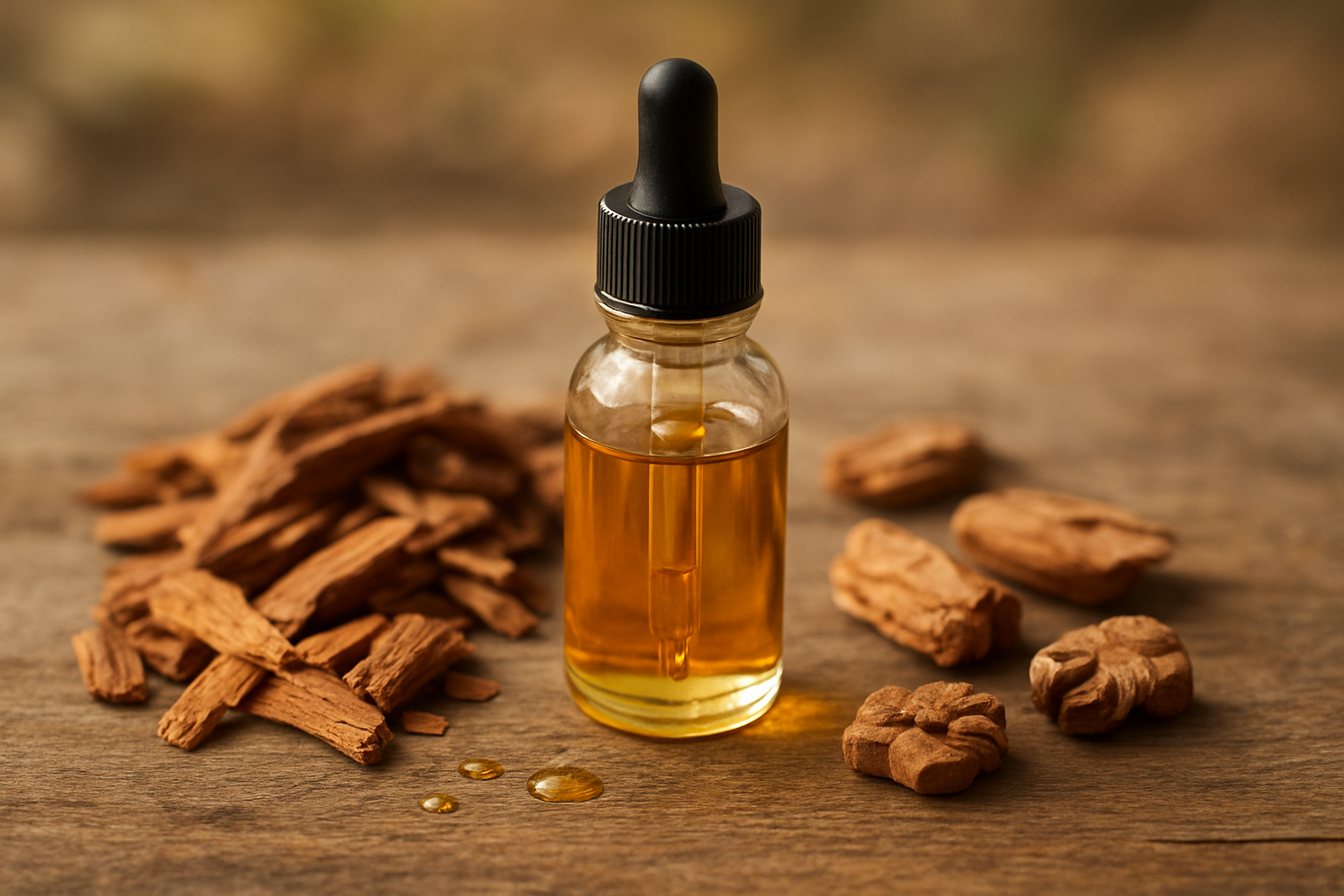
Sandalwood oil stands apart from other essential oils because of its incredible stability and skin compatibility. While many essential oils can irritate sensitive skin, sandalwood oil actually calms inflammation and reduces redness. The oil comes from the heartwood of the Santalum tree, which takes 15-30 years to mature, creating a concentrated essence packed with beneficial compounds.
The oil’s molecular structure allows it to penetrate deep into skin layers without clogging pores. Unlike heavy carrier oils that sit on the surface, sandalwood oil absorbs quickly while delivering therapeutic benefits to the dermis. This unique penetration ability makes it effective for treating both surface-level concerns and deeper skin issues.
Sandalwood oil also has natural astringent properties that help tighten and tone skin without over-drying. The oil balances sebum production, making it suitable for both dry and oily skin types. Its antimicrobial properties fight bacteria that cause breakouts, while its anti-inflammatory compounds soothe existing irritation.
Active Compounds That Deliver Skin Benefits
The power of sandalwood oil lies in its rich concentration of alpha and beta santalol, which make up 90% of the oil’s composition. Alpha santalol, the primary component, provides the oil’s distinctive woody aroma and most of its therapeutic benefits. This compound has proven anti-inflammatory effects that reduce skin irritation and promote healing.
Beta santalol works alongside alpha santalol to deliver antimicrobial benefits. These compounds disrupt bacterial cell walls, preventing acne-causing bacteria from multiplying. They also inhibit the growth of fungi that can cause skin infections.
Sandalwood oil contains natural antioxidants including santalenes and bergamotenes. These compounds neutralize free radicals that damage skin cells and accelerate aging. The antioxidants help preserve collagen and elastin, maintaining skin’s firmness and elasticity.
The oil also contains compounds called sesquiterpenes, which have natural sedative effects. When applied to skin, these compounds can reduce stress-related skin problems and promote cellular regeneration during rest periods.
Different Types of Sandalwood Oil and Their Potency
Indian Sandalwood (Santalum album) represents the gold standard for therapeutic use. This variety contains the highest concentration of santalol compounds, typically 45-55%. Indian sandalwood oil has the most potent anti-aging and healing properties but comes with a premium price due to strict harvesting regulations.
Australian Sandalwood (Santalum spicatum) offers a more accessible alternative with 20-25% santalol content. While less potent than Indian sandalwood, it still provides significant skin benefits at a fraction of the cost. Australian sandalwood works well for daily moisturizing and gentle anti-aging treatments.
Hawaiian Sandalwood (Santalum paniculatum) contains moderate santalol levels around 30-35%. This variety has excellent skin-soothing properties and works particularly well for sensitive skin conditions. The Hawaiian variety has a lighter, sweeter scent that many people prefer for facial applications.
Synthetic sandalwood oils flood the market but lack the complex compound profile of genuine sandalwood. These synthetic versions may smell similar but don’t deliver the same therapeutic benefits. Always verify authenticity through reputable suppliers who provide gas chromatography reports showing santalol content percentages.
Anti-Aging Benefits That Transform Your Skin
Reduces Fine Lines and Wrinkles Naturally
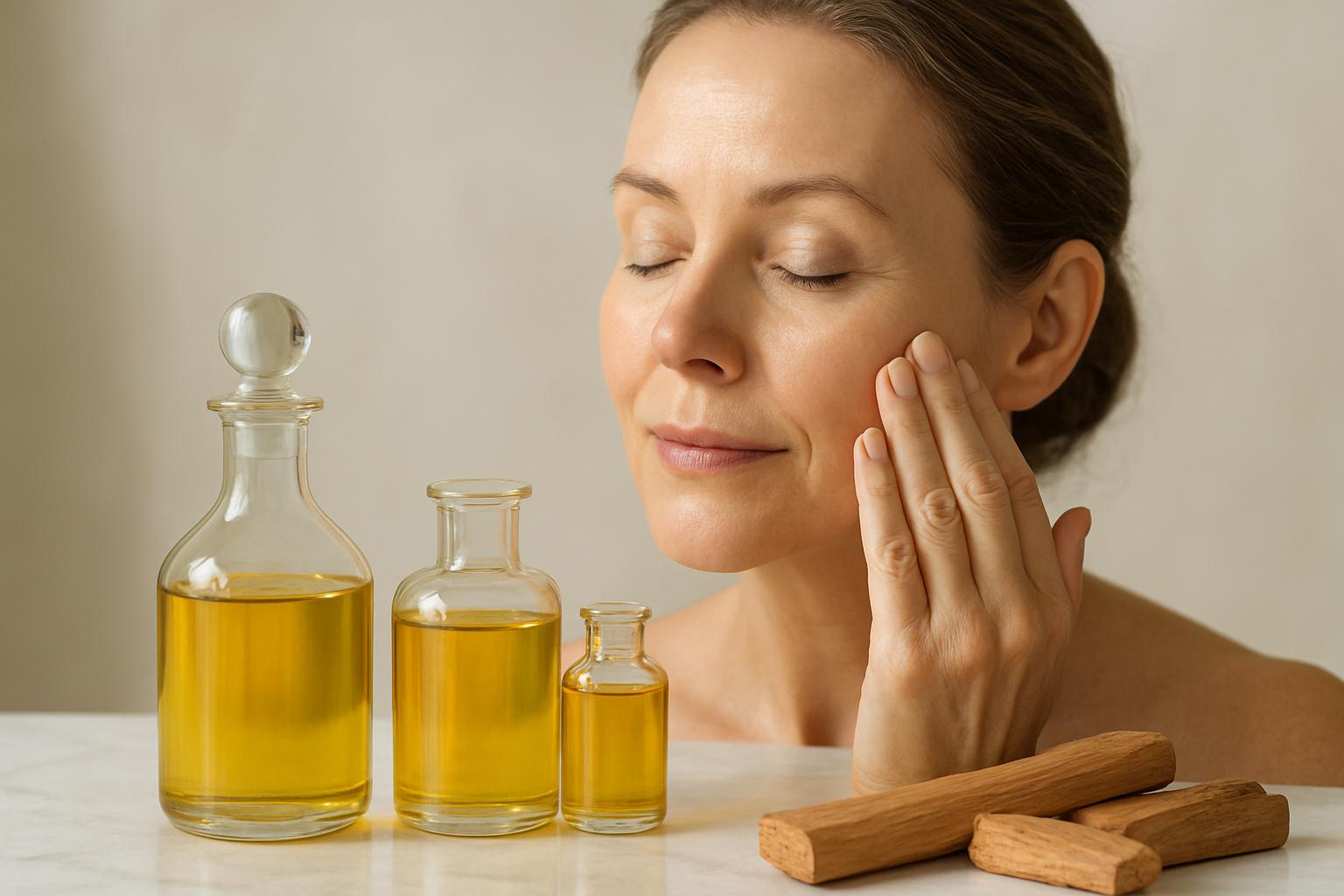
Sandalwood oil works like a natural time machine for your skin. Its powerful alpha-santalol compounds penetrate deep into the dermis, where they get busy repairing damaged cells and promoting healthy skin regeneration. When you apply sandalwood oil regularly, it encourages your skin to shed old, damaged cells faster while building fresh, younger-looking skin underneath.
The oil’s anti-inflammatory properties help smooth out expression lines and soften deeper wrinkles. Unlike harsh chemical treatments that can irritate your skin, sandalwood oil gently coaxes your complexion back to its youthful state. Many users notice visible improvements in their crow’s feet, forehead lines, and smile lines within just a few weeks of consistent use.
What makes sandalwood oil special is its ability to work on multiple levels. While it’s smoothing existing lines, it’s also preventing new ones from forming by protecting your skin from free radical damage and environmental stressors.
Boosts Collagen Production for Firmer Skin
Your skin naturally produces less collagen as you age, leading to sagging and loss of firmness. Sandalwood oil acts as a collagen catalyst, stimulating your skin’s natural production processes. The oil contains compounds that signal your fibroblasts – the cells responsible for collagen synthesis – to ramp up their activity.
Regular application of sandalwood oil helps restore the structural protein matrix that keeps your skin plump, tight, and youthful. You’ll start noticing firmer skin around your jawline, cheeks, and neck area where sagging tends to be most noticeable. The process happens gradually but consistently, giving you natural-looking results without the need for invasive procedures.
The collagen-boosting effects become more pronounced over time. Many people report that their skin feels noticeably tighter and more resilient after 6-8 weeks of regular sandalwood oil use.
Improves Skin Elasticity and Texture
Elasticity is what allows your skin to bounce back when stretched or pressed. Sandalwood oil helps restore this springy quality by strengthening the elastin fibers in your skin. When these fibers are healthy and abundant, your skin maintains its shape better and recovers quickly from facial expressions.
The oil also works to refine your skin’s texture by promoting cellular turnover and improving hydration levels. Rough patches, enlarged pores, and uneven surfaces gradually smooth out as the oil nourishes your skin from within. You’ll notice your makeup applies more evenly and your skin feels softer to the touch.
Sandalwood oil’s emollient properties fill in microscopic gaps between skin cells, creating a smoother, more refined surface. This improved texture reflects light better, giving your skin a natural, healthy glow that looks youthful and radiant.
Evens Out Skin Tone and Reduces Age Spots
Dark spots, sun damage, and uneven pigmentation can add years to your appearance. Sandalwood oil contains natural skin-brightening compounds that help fade these imperfections over time. The oil works by gently inhibiting excess melanin production while promoting the turnover of pigmented skin cells.
Unlike harsh bleaching agents, sandalwood oil brightens your complexion gradually and safely. It helps break up clusters of melanin that create age spots and works to prevent new discoloration from forming. Your skin tone becomes more uniform and radiant as the oil continues to work its magic.
The lightening effects are most noticeable on surface-level pigmentation issues. Deeper melasma or very old age spots may take longer to fade, but consistent use typically shows improvement in most types of hyperpigmentation. Your overall complexion will appear more luminous and even-toned with regular application.
Healing and Soothing Properties for Problem Skin
Calms Inflammation and Reduces Redness
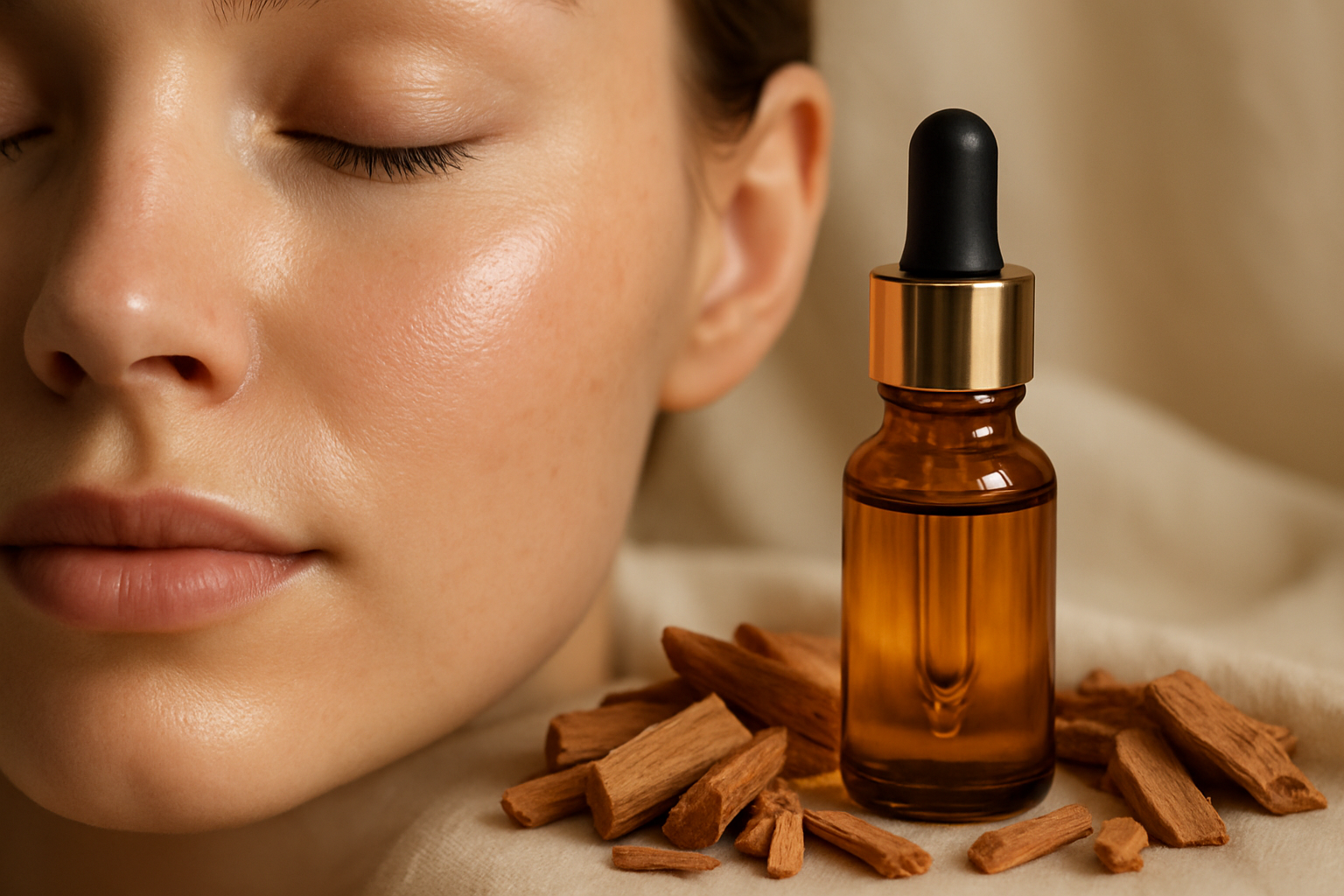
Sandalwood oil works like nature’s gentle firefighter for inflamed skin. Its powerful anti-inflammatory compounds, particularly santalols, actively reduce swelling and calm angry, irritated skin conditions. When your skin feels hot, tight, or looks red from eczema, dermatitis, or environmental irritants, sandalwood oil steps in to restore balance.
The oil’s cooling properties provide immediate relief from burning sensations while its bioactive molecules penetrate deep into skin layers to address inflammation at its source. This dual action makes it particularly effective for sensitive skin types that react poorly to harsh treatments. Regular application creates a protective barrier that prevents inflammatory triggers from causing future flare-ups.
People with rosacea find sandalwood oil especially beneficial because it reduces the characteristic redness and flushing without causing additional irritation. Unlike synthetic anti-inflammatory ingredients that can sometimes worsen sensitive skin, sandalwood oil’s gentle nature makes it suitable for daily use even on the most reactive complexions.
Accelerates Wound Healing and Scar Reduction
Sandalwood oil transforms the way your skin repairs itself by boosting cellular regeneration and improving blood circulation to damaged areas. Its unique molecular structure promotes faster healing of minor cuts, scrapes, and blemishes while minimizing the risk of infection through its natural antimicrobial properties.
The oil stimulates collagen production, which is essential for proper wound closure and scar prevention. As new skin cells form, sandalwood oil ensures they develop in an organized pattern rather than the chaotic formation that leads to raised or discolored scars. This process works particularly well on fresh wounds, where early intervention can dramatically improve final healing outcomes.
For existing scars, sandalwood oil gradually breaks down excess scar tissue while encouraging healthy cell turnover. The oil’s emollient properties keep the area moisturized, preventing the tight, rigid texture that makes scars more visible. Many users notice significant fading of acne scars, surgical marks, and other blemishes after consistent application over several months.
Treats Acne and Prevents Future Breakouts
Sandalwood oil attacks acne from multiple angles, making it one of the most comprehensive natural acne treatments available. Its antibacterial properties specifically target Propionibacterium acnes, the bacteria responsible for inflammatory acne, while its anti-inflammatory effects reduce the swelling and redness associated with breakouts.
Unlike harsh acne medications that strip skin of natural oils, sandalwood oil balances sebum production without over-drying. This prevents the rebound oil production that often makes acne worse with traditional treatments. The oil’s astringent properties gently tighten pores and remove excess oil without disrupting the skin’s protective barrier.
Regular use creates an environment where acne-causing bacteria cannot thrive while maintaining healthy skin flora. The oil’s ability to regulate hormonal fluctuations that trigger breakouts makes it particularly effective for adult acne and hormonal acne patterns. Users often see improvements in both active breakouts and overall skin clarity within 2-3 weeks of consistent application.
Moisturizing and Nourishing Effects for All Skin Types
Deep Hydration Without Clogging Pores
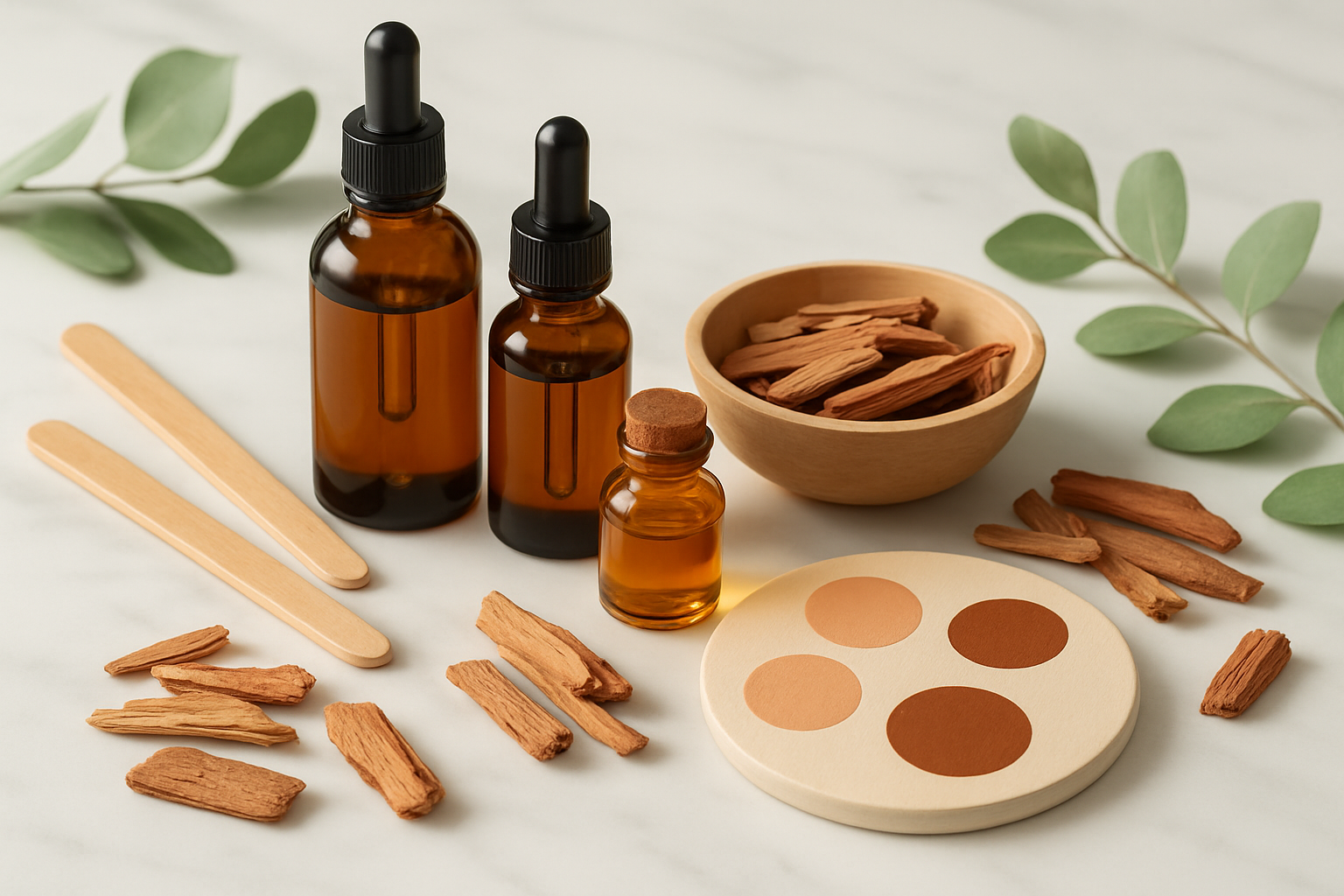
Sandalwood oil delivers exceptional moisture to your skin while maintaining a lightweight, non-greasy texture that won’t block your pores. Unlike heavy creams or synthetic moisturizers that can sit on your skin’s surface, sandalwood oil penetrates deeply into the dermal layers, providing hydration where it’s needed most. The oil’s molecular structure allows it to absorb quickly without leaving residue, making it perfect for those who struggle with oily or combination skin types.
The antimicrobial properties of sandalwood oil also prevent bacterial buildup that commonly occurs with pore-clogging products. This makes it an excellent choice for acne-prone individuals who need moisture but can’t risk breakouts. The oil works by delivering essential fatty acids and nutrients directly to skin cells, promoting healthy cell turnover while maintaining optimal hydration levels.
Balances Natural Oil Production
Your skin produces sebum naturally, but stress, hormones, and environmental factors can throw this delicate balance off track. Sandalwood oil acts as a natural regulator, helping normalize your skin’s oil production regardless of your skin type. For those with oily skin, regular application can actually reduce excess sebum production by signaling to your sebaceous glands that adequate moisture is present.
Dry skin benefits equally, as the oil provides the moisture your skin craves while encouraging your natural oil production to resume normal function. This balancing effect occurs through the oil’s interaction with your skin’s lipid barrier, where it helps restore the natural pH levels that keep your complexion healthy and glowing.
Strengthens Skin Barrier Function
Your skin barrier is your first line of defense against environmental damage, pollution, and moisture loss. Sandalwood oil contains powerful compounds like santalol and santalene that actively repair and strengthen this protective layer. These components work by filling in microscopic gaps between skin cells, creating a more robust barrier that retains moisture and blocks harmful elements.
Regular use of sandalwood oil helps rebuild damaged barrier function caused by over-cleansing, harsh weather, or aging. The oil’s emollient properties smooth rough patches while its healing compounds repair cellular damage at the surface level. This strengthened barrier translates to skin that feels softer, looks more radiant, and maintains moisture levels throughout the day.
Provides Long-Lasting Moisture Retention
One of sandalwood oil’s most impressive qualities is its ability to lock in moisture for extended periods. The oil forms a protective film on your skin that prevents water loss while allowing your skin to breathe naturally. This occlusive effect works differently from synthetic barriers, as the natural compounds in sandalwood oil actually improve your skin’s ability to hold onto moisture over time.
The oil’s humectant properties draw moisture from the environment into your skin, while its emollient qualities keep that moisture sealed in place. This dual action means you’ll notice your skin staying hydrated longer between applications, reducing the need for frequent reapplication throughout the day. Many users report that their skin feels supple and moisturized even 12-24 hours after applying sandalwood oil.
Safe Application Methods and Techniques
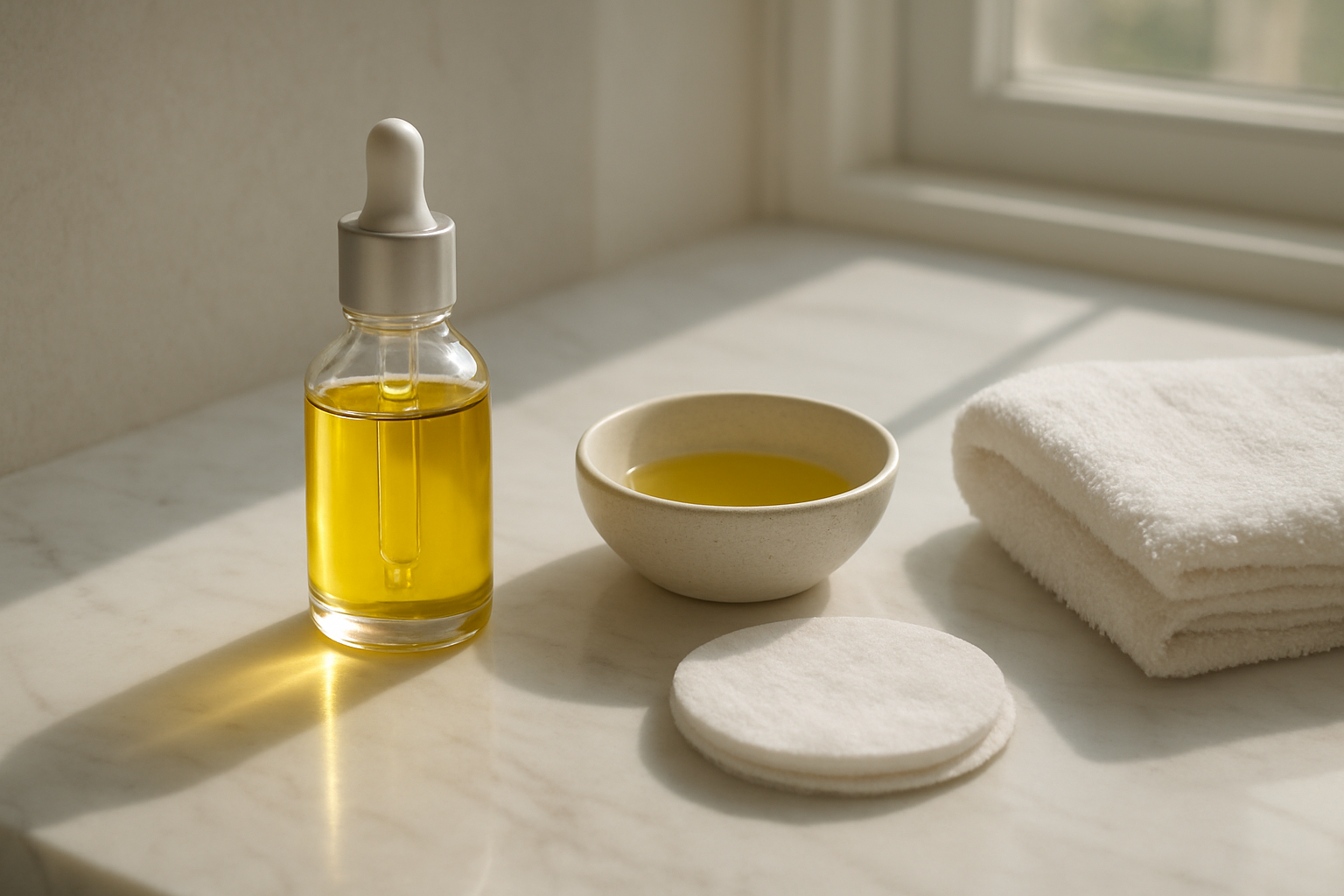
Proper Dilution Ratios for Different Skin Types
Sandalwood oil packs serious punch, so you can’t just slap it on your skin straight from the bottle. The golden rule is never using more than a 2-3% dilution for facial applications. Here’s what works best for each skin type:
Sensitive skin: Start with a super gentle 0.5-1% dilution. Mix 1-2 drops of sandalwood oil with 1 teaspoon (about 5ml) of carrier oil. Your skin will thank you for taking it slow.
Normal to dry skin: You can handle a 1-2% dilution safely. That means 3-6 drops per teaspoon of carrier oil. This gives you the benefits without overwhelming your skin’s natural barrier.
Oily or acne-prone skin: Stick to 1.5-2% dilution (4-6 drops per teaspoon). Even though oily skin seems tougher, sandalwood’s potency means less is definitely more.
Mature skin: A 2% dilution works well since mature skin often tolerates essential oils better. Use 6 drops per teaspoon of carrier oil for anti-aging benefits.
Always do a patch test first. Apply your diluted mixture to the inside of your wrist and wait 24 hours. No redness, itching, or irritation means you’re good to go.
Best Carrier Oils to Mix with Sandalwood
Choosing the right carrier oil makes all the difference in how sandalwood performs on your skin. Each carrier brings its own skin benefits while helping sandalwood absorb properly.
Jojoba oil tops the list because it’s technically a wax that mimics your skin’s natural sebum. It absorbs quickly without leaving greasiness and works for every skin type. Perfect for daily face applications.
Sweet almond oil offers lightweight moisturizing that pairs beautifully with sandalwood’s soothing properties. Great for sensitive skin and excellent for body applications where you need more coverage.
Rosehip seed oil brings vitamin C and essential fatty acids to the party. When combined with sandalwood’s anti-aging properties, you get a powerhouse blend for mature skin and scar treatment.
Argan oil provides deep nourishment without clogging pores. Its high vitamin E content enhances sandalwood’s healing benefits, making it ideal for damaged or sun-exposed skin.
Grapeseed oil works wonderfully for oily skin types. It’s light, absorbs fast, and won’t interfere with sandalwood’s natural astringent qualities.
For acne-prone skin, try hemp seed oil. Its anti-inflammatory properties complement sandalwood’s bacteria-fighting abilities without triggering breakouts.
Step-by-Step Application Process for Maximum Benefits
Getting the most from sandalwood oil means following a specific routine that maximizes absorption and effectiveness.
Start with clean skin. Wash your face or body with a gentle cleanser and pat dry. Slightly damp skin actually helps essential oil blends absorb better, so don’t worry about being completely dry.
Prepare your blend fresh. Mix your sandalwood oil with chosen carrier oil in a small glass bowl or directly in your palm. Fresh mixing ensures potency and prevents oxidation that can happen in pre-made blends.
Warm the oil between your palms before applying. This simple step increases absorption and feels more comfortable on your skin. The warmth also releases sandalwood’s aromatic compounds for aromatherapy benefits.
Apply using gentle upward strokes. Start from your neck and work upward for facial applications. Use circular motions on your body. Don’t rub aggressively – let the oil do the work.
Time your application right. Evening works best since sandalwood can make skin slightly photosensitive. If using during the day, always follow with SPF protection.
Allow 10-15 minutes for full absorption before applying other products. This gives sandalwood time to penetrate deeply and work its magic on your skin cells.
Use consistently for 4-6 weeks to see real results. Sandalwood’s benefits build over time, so patience pays off with noticeably smoother, calmer skin.
Essential Safety Precautions and Guidelines
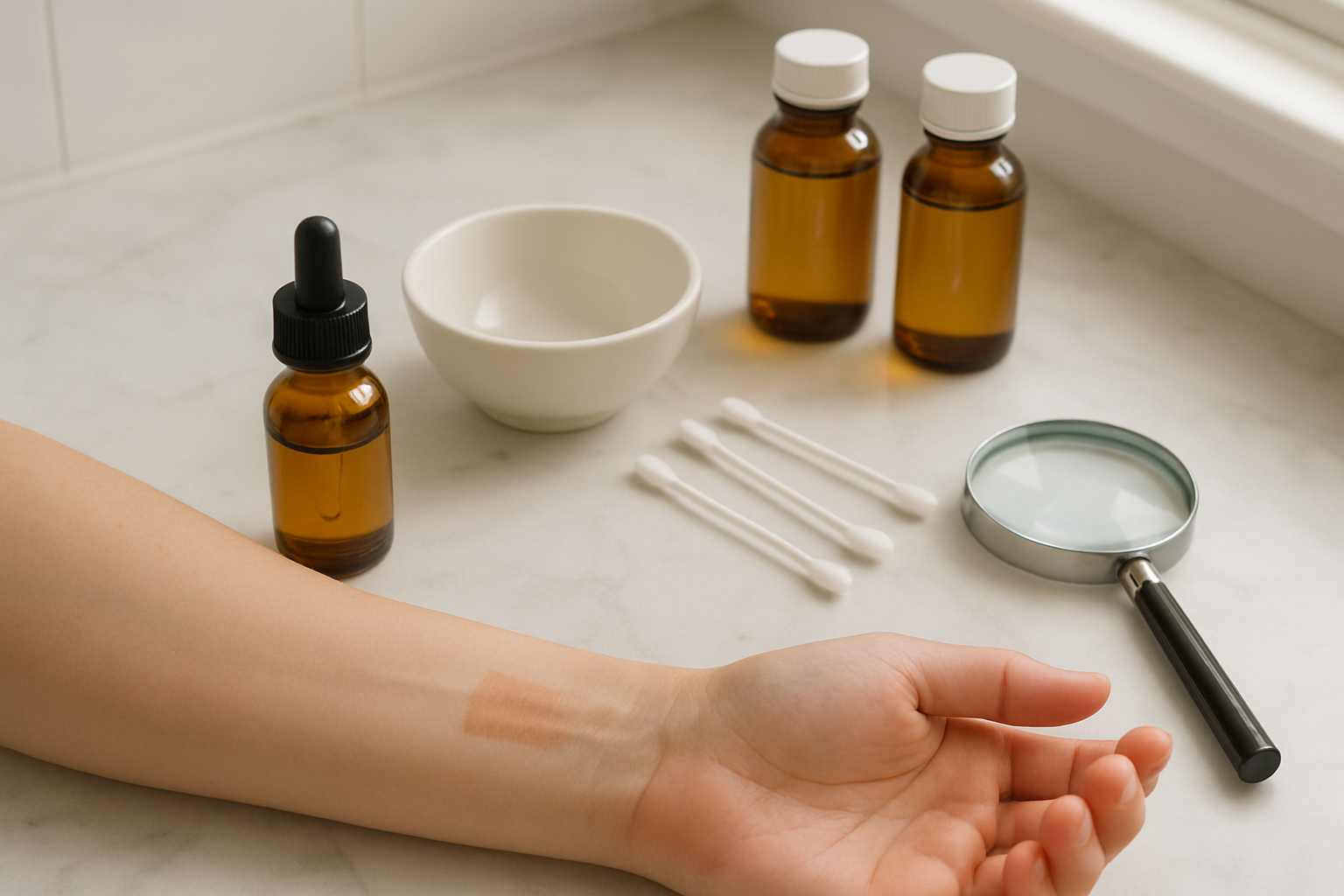
Patch Testing to Avoid Allergic Reactions
Before applying sandalwood oil to your face or larger areas of skin, performing a patch test is absolutely crucial. Even pure, high-quality sandalwood oil can trigger reactions in some people, regardless of whether they’ve used other essential oils without problems.
Choose a small, inconspicuous area like the inside of your wrist or behind your ear. Mix one drop of sandalwood oil with a teaspoon of carrier oil like jojoba or sweet almond oil. Apply this diluted mixture to your test area and cover with a bandage. Leave it on for 24 hours without getting the area wet.
Watch for any signs of irritation during this period – redness, itching, burning, swelling, or bumps. If you notice any of these symptoms, remove the bandage immediately and wash the area thoroughly with soap and cool water. This means sandalwood oil isn’t suitable for your skin type.
If your skin shows no reaction after 24 hours, you can proceed with using sandalwood oil on your face and body. However, always start with the lowest concentration and gradually increase if your skin tolerates it well.
Recommended Usage Frequency and Amounts
Sandalwood oil packs a powerful punch, so less is definitely more when it comes to application frequency and quantity. For facial use, limit application to 2-3 times per week initially, then adjust based on how your skin responds.
The ideal dilution ratio for facial application is 1-2 drops of sandalwood oil per teaspoon of carrier oil. This creates approximately a 0.5-1% dilution, which provides benefits without overwhelming your skin. For body use, you can increase this to 3-4 drops per teaspoon of carrier oil.
New users should start with once-weekly applications for the first month. This allows your skin to gradually adjust to the oil’s potent compounds. Pay attention to how your skin looks and feels after each use. If you experience any dryness, tightness, or irritation, reduce the frequency or dilution strength.
Daily use isn’t recommended for most people, especially those with sensitive skin. Even weekly use can be sufficient for many skin types to experience sandalwood’s benefits. Remember, essential oils are concentrated plant compounds that can disrupt your skin’s natural balance if overused.
When to Avoid Sandalwood Oil Use
Several situations call for avoiding sandalwood oil entirely. Pregnant and breastfeeding women should skip sandalwood oil, as there isn’t enough research to confirm its safety during these periods. The hormonal changes during pregnancy can also make skin more reactive to new products.
People with active skin conditions like severe eczema, psoriasis flare-ups, or open wounds should wait until their skin heals before introducing sandalwood oil. The oil might aggravate these conditions or slow healing.
If you’re taking photosensitizing medications or have recently undergone chemical peels, laser treatments, or other intensive skincare procedures, hold off on using sandalwood oil. Your skin needs time to recover and may be more susceptible to irritation.
Those with known allergies to other members of the sandalwood family or who have experienced reactions to other essential oils should exercise extreme caution or avoid use altogether. Children under 12 should not use undiluted essential oils on their skin.
Signs of Sensitivity or Adverse Reactions
Recognizing the early warning signs of sensitivity can prevent more serious reactions. Immediate signs include stinging, burning, or tingling sensations that don’t subside within a few minutes of application. While some initial tingling is normal, persistent discomfort signals a problem.
Visual symptoms to watch for include redness that extends beyond the application area, small bumps or hives, excessive dryness, or peeling skin. These reactions can appear anywhere from minutes to several hours after application.
Delayed reactions might show up 24-48 hours later as persistent redness, swelling, or small blisters. Some people develop contact dermatitis, which appears as a rash in the exact shape of where the oil was applied.
Systemic reactions, though rare, can include headaches, nausea, or respiratory symptoms like congestion or difficulty breathing. These require immediate medical attention and indicate you should permanently avoid sandalwood oil.
If you experience any adverse reactions, immediately wash the affected area with cool water and mild soap. Apply a cold compress to reduce inflammation and avoid using any other skincare products until symptoms completely resolve. Severe reactions warrant a call to your healthcare provider or dermatologist.
Maximizing Results with Proper Storage and Selection
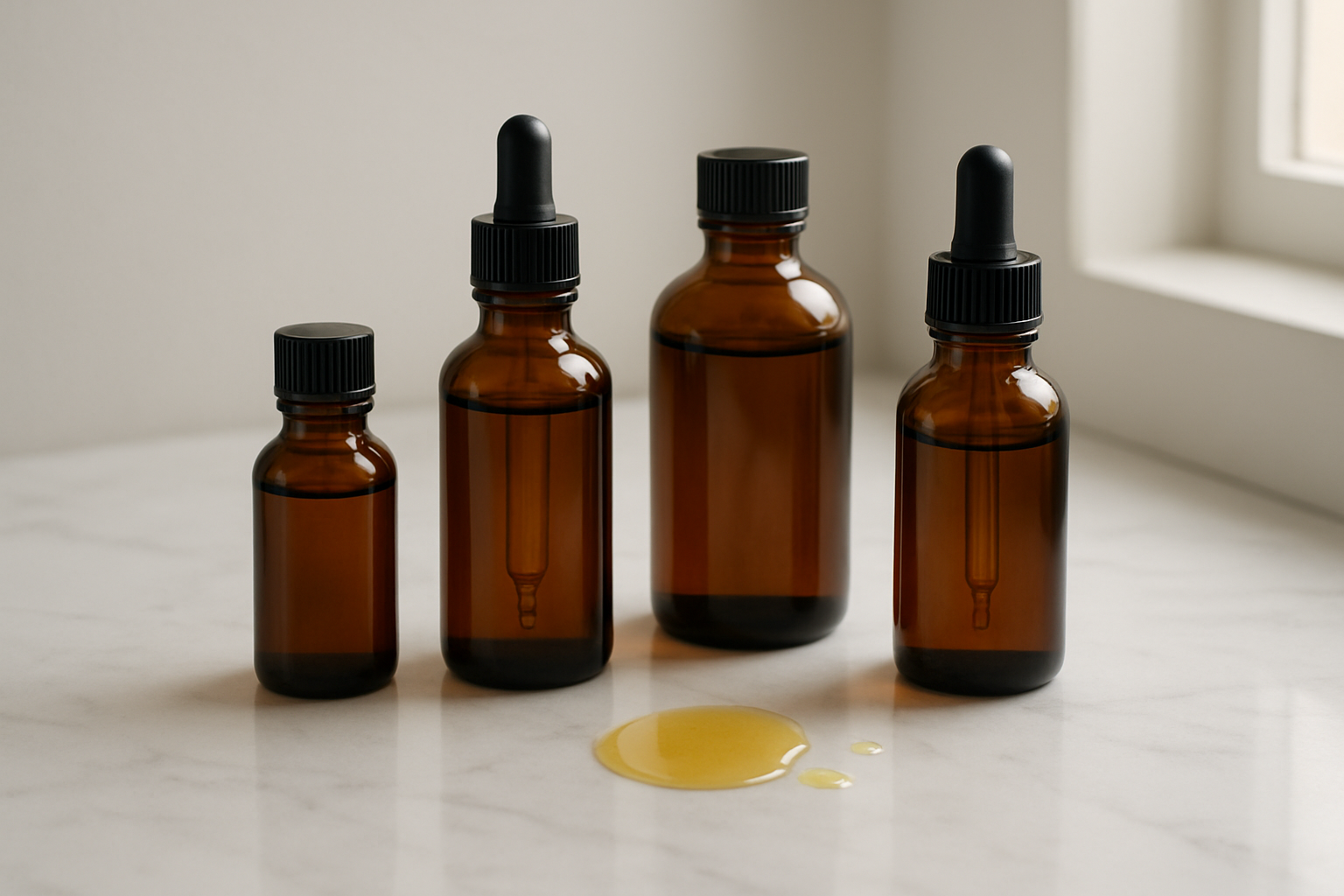
How to Choose High-Quality Sandalwood Oil
When shopping for sandalwood oil, the source and species make all the difference in your skincare results. Look for Santalum album (Indian sandalwood) or Santalum spicatum (Australian sandalwood), as these varieties contain the highest concentrations of beneficial compounds. Avoid synthetic versions or oils labeled simply as “sandalwood fragrance” – they won’t deliver the therapeutic benefits your skin needs.
Check the extraction method on the label. Steam distillation and CO2 extraction produce the purest oils, preserving the delicate compounds that make sandalwood so effective for skincare. Cold-pressed oils retain more nutrients but may have shorter shelf lives.
Color and scent provide instant quality clues. Authentic sandalwood oil ranges from pale yellow to light amber, never completely clear or dark brown. The aroma should be warm, woody, and slightly sweet – harsh or overpowering scents suggest poor quality or additives.
Price reflects quality more than you might expect. Real sandalwood oil costs significantly more than most essential oils because the trees grow slowly and require sustainable harvesting practices. Extremely cheap options likely contain dilutions or synthetic components.
Look for reputable suppliers who provide detailed information about their sourcing, extraction methods, and third-party testing results. Organic certification adds another layer of quality assurance.
Storage Tips to Maintain Oil Potency
Proper storage dramatically extends your sandalwood oil’s effectiveness and prevents costly waste. Store bottles in a cool, dark place away from direct sunlight, which breaks down the active compounds over time. Your medicine cabinet or a dedicated drawer works perfectly – avoid bathroom counters where temperature fluctuations occur.
Temperature stability matters more than you might think. Keep your oil between 60-70°F (15-21°C) when possible. Extreme heat accelerates oxidation, while freezing can alter the oil’s molecular structure. A consistent environment preserves potency longer.
Choose the right container for long-term storage. Dark glass bottles (amber or cobalt blue) protect against light damage better than clear glass or plastic. Ensure the cap seals tightly – oxygen exposure reduces effectiveness and can cause the oil to become rancid.
Keep the original bottle size small or transfer portions to smaller containers. Each time you open a large bottle, oxygen enters and begins degradation. Using multiple small bottles minimizes this exposure and maintains freshness.
| Storage Factor | Best Practice | Avoid |
|---|---|---|
| Location | Cool, dark cupboard | Bathroom counter |
| Temperature | 60-70°F (15-21°C) | Direct heat/cold |
| Container | Dark glass bottles | Clear containers |
| Air exposure | Minimal opening | Frequent access to large bottles |
Combining Sandalwood with Other Beneficial Ingredients
Sandalwood oil pairs beautifully with carrier oils that enhance its skin benefits. Jojoba oil creates an excellent base because it closely mimics skin’s natural sebum and absorbs quickly. Sweet almond oil works wonderfully for dry skin types, while grapeseed oil suits oily or acne-prone skin perfectly.
For anti-aging benefits, blend sandalwood with rosehip seed oil and a drop of frankincense. This combination targets fine lines, improves skin texture, and promotes cellular regeneration. The ratios matter – use 2-3 drops of sandalwood per tablespoon of carrier oil, adding just 1 drop of frankincense.
Soothing irritated or inflamed skin becomes easier when you combine sandalwood with chamomile or lavender oils. These gentle additions calm redness and reduce sensitivity without overwhelming delicate skin. Mix equal parts sandalwood and chamomile in your chosen carrier oil.
Create powerful moisturizing blends by adding sandalwood to natural ingredients like aloe vera gel, honey, or coconut oil. These combinations provide deep hydration while delivering sandalwood’s therapeutic benefits. A few drops in your regular moisturizer transforms your daily routine.
Effective Combination Formulas:
- Evening repair: 3 drops sandalwood + 2 drops rosehip + 1 tbsp jojoba oil
- Sensitive skin soother: 2 drops sandalwood + 2 drops chamomile + 1 tbsp sweet almond oil
- Daily moisturizer boost: 2-3 drops sandalwood mixed into your regular face cream
- Spot treatment: 1 drop sandalwood + 1 drop tea tree oil + carrier oil for blemishes
Sandalwood oil offers a natural way to address multiple skin concerns, from fighting signs of aging to healing problematic areas and keeping your skin well-moisturized. Its anti-inflammatory and antimicrobial properties make it suitable for almost everyone, whether you’re dealing with acne, dryness, or just want to maintain healthy skin. The key is using it correctly – always dilute it with a carrier oil, do a patch test first, and choose high-quality, authentic products.
Start small and see how your skin responds before making sandalwood oil a regular part of your routine. Store it properly in a cool, dark place to maintain its potency, and remember that a little goes a long way. With consistent use and the right approach, you can unlock the centuries-old secret that has kept skin looking radiant and healthy across cultures worldwide.