Thinking about making the switch to a plant-based lifestyle but don’t know where to start? This guide to going vegan for the first time is designed for curious beginners who want practical, actionable advice without the overwhelm.
Going vegan doesn’t have to mean diving headfirst into complicated recipes or expensive specialty products. Many people think plant-based eating is restrictive or nutritionally risky, but with the right approach, you can transition smoothly while actually expanding your food horizons.
In this guide, we’ll break down what veganism really means beyond just avoiding meat and dairy, then walk you through essential nutritional knowledge so you can fuel your body properly. You’ll also discover smart grocery shopping strategies that save time and money, plus simple meal planning techniques that make eating vegan feel effortless rather than stressful.
Understanding What Veganism Really Means
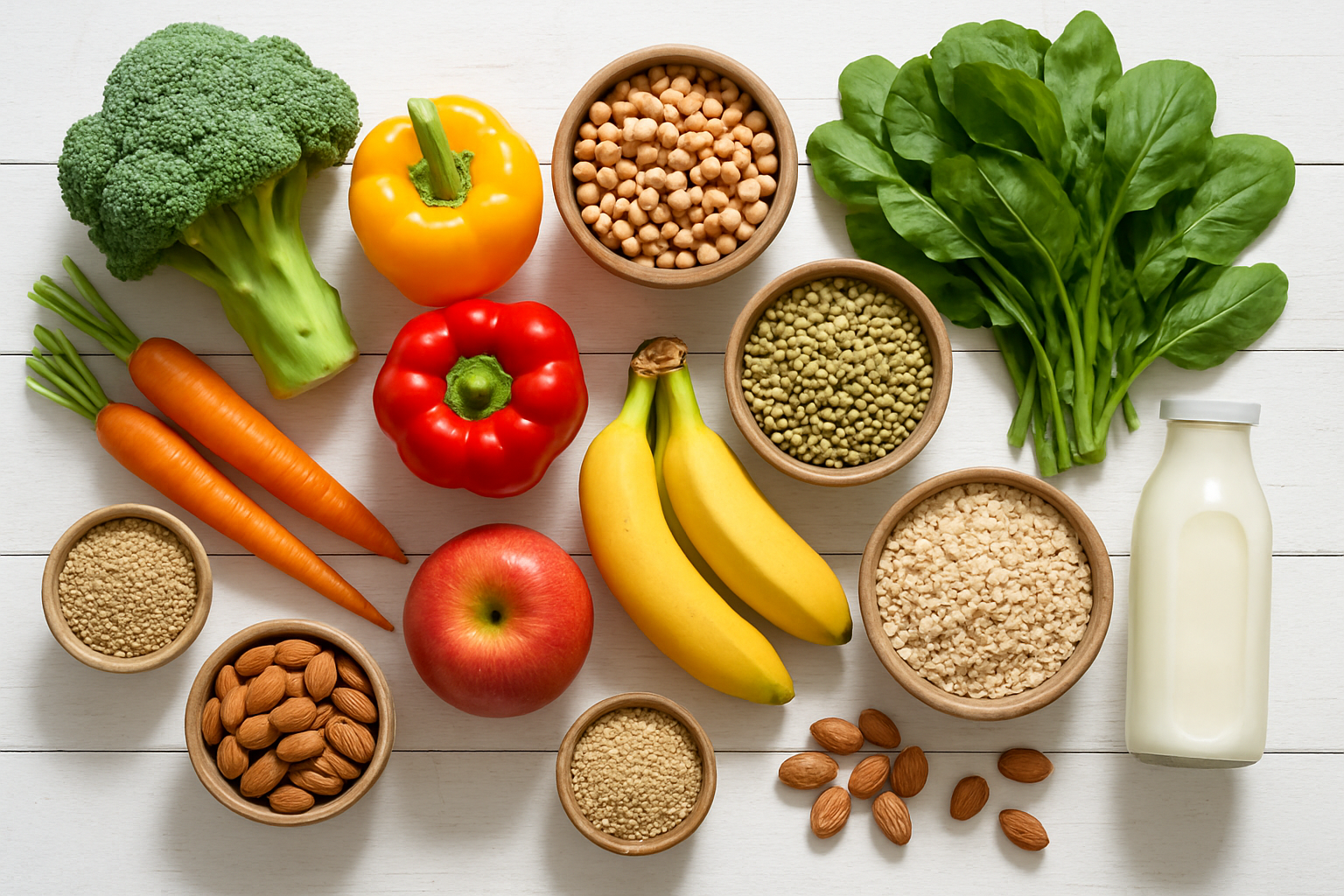
Plant-Based Diet Fundamentals
Veganism centers around eliminating all animal products from your diet. This means saying goodbye to meat, poultry, fish, dairy, eggs, and honey. Instead, you’ll build your meals around fruits, vegetables, grains, legumes, nuts, and seeds. Think of these as your new building blocks for creating satisfying, nutritious meals.
The beauty of plant-based eating lies in its incredible variety. You’re not just eating salads all day – you can enjoy hearty lentil stews, creamy cashew-based pasta sauces, protein-packed quinoa bowls, and even decadent chocolate desserts made with avocado or aquafaba. Many people discover foods they never knew existed when they start exploring plant-based options.
Your protein needs get met through combinations of legumes, grains, nuts, and seeds. Beans and lentils become your best friends, while tofu, tempeh, and seitan offer versatile protein sources that absorb flavors beautifully. Don’t worry about getting “complete” proteins at every meal – your body naturally combines amino acids throughout the day.
Lifestyle Changes Beyond Food
Veganism extends beyond your plate into everyday choices. Your wardrobe gets a makeover as you phase out leather shoes, wool sweaters, and silk scarves in favor of plant-based or synthetic alternatives. The good news? Today’s vegan fashion options are stylish, durable, and often more affordable.
Personal care products need attention too. Many shampoos, cosmetics, and skincare items contain animal-derived ingredients or undergo animal testing. Look for cruelty-free labels and familiarize yourself with common animal ingredients like lanolin, carmine, and beeswax.
Household items also come under scrutiny. Some cleaning products, candles, and even certain toilet papers use animal products in their manufacturing process. Start reading labels and seek out vegan alternatives – many companies now clearly mark their products as vegan-friendly.
Entertainment choices might shift as well. Some vegans choose to avoid zoos, aquariums, or events that exploit animals for entertainment. This personal choice varies among individuals, and you’ll develop your own comfort level over time.
Common Misconceptions to Avoid
The biggest myth surrounding veganism is that you’ll automatically become nutrient deficient. While certain nutrients require attention – particularly B12, iron, and omega-3 fatty acids – a well-planned vegan diet provides everything your body needs. Millions of healthy vegans worldwide prove this daily.
Another misconception is that vegan food tastes bland or boring. This stereotype crumbles quickly when you discover the explosion of flavors available in plant-based cuisine. Spices, herbs, marinades, and cooking techniques create incredibly satisfying meals that even omnivores crave.
People often assume veganism is expensive, but this isn’t necessarily true. While specialty vegan products can cost more, staples like rice, beans, lentils, and seasonal vegetables are among the most budget-friendly foods available. Your grocery bill might actually decrease when you stop buying expensive meat and dairy products.
The “all-or-nothing” mentality trips up many beginners. You don’t need to transform overnight or achieve perfection immediately. Many successful vegans started by making gradual changes, and even small steps toward plant-based living make a positive impact.
Finally, don’t believe you need to become a cooking expert overnight. Simple meals work perfectly well, and your culinary skills will naturally develop as you explore new ingredients and techniques.
Essential Nutritional Knowledge for New Vegans
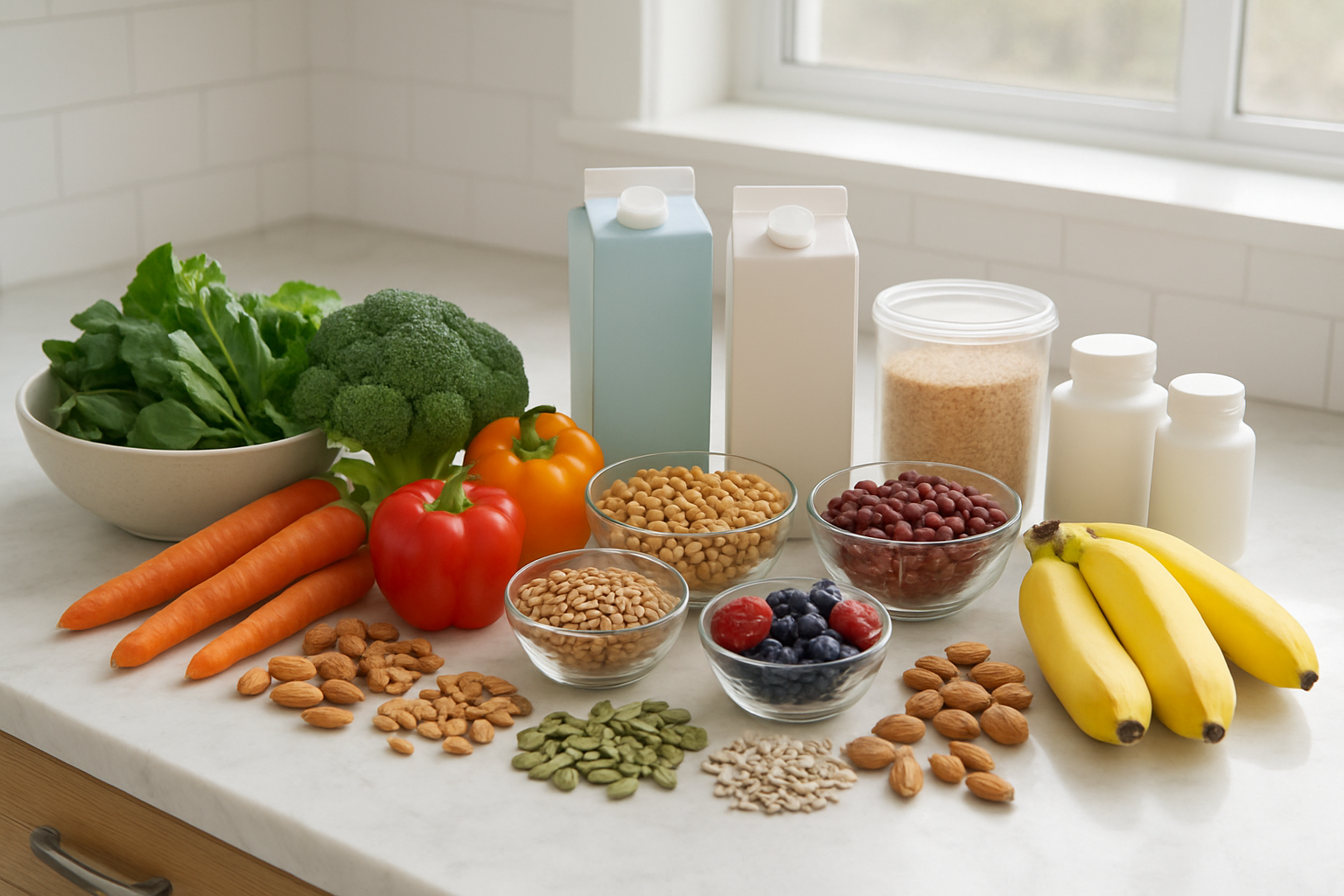
Key Nutrients to Monitor
When you switch to a plant-based diet, certain nutrients deserve extra attention to keep your body running smoothly. While a well-planned vegan diet can provide everything you need, knowing which nutrients to track helps you stay on top of your health game.
Vitamin B12 tops the list since it’s primarily found in animal products. Your body stores B12 for years, but those reserves eventually run out without regular intake.
Iron needs monitoring because plant-based iron (non-heme iron) gets absorbed differently than iron from meat sources. Women, especially those who menstruate, should pay particular attention to their iron levels.
Omega-3 fatty acids often come from fish in traditional diets, but plenty of plant sources can fill this gap. Your brain and heart depend on these healthy fats.
Calcium might seem tricky without dairy, but many plant foods pack more calcium per serving than milk. Dark leafy greens, tahini, and fortified plant milks are powerhouse sources.
Zinc supports immune function and wound healing. Legumes, nuts, and seeds provide solid amounts, though your body absorbs plant-based zinc less efficiently.
Vitamin D affects vegans and non-vegans alike, especially those in northern climates. Sun exposure and supplementation often become necessary regardless of diet choice.
Regular blood tests help track these nutrients, giving you concrete data about how your body responds to plant-based eating.
Protein Sources That Satisfy
Forget the tired question “Where do you get your protein?” Plant-based protein options are abundant, delicious, and surprisingly satisfying. The key lies in understanding which sources pack the most nutritional punch.
Legumes form the backbone of vegan protein intake. Black beans, chickpeas, lentils, and split peas deliver 15-18 grams of protein per cooked cup. They’re also loaded with fiber, keeping you full for hours.
Quinoa stands out as a complete protein, containing all nine essential amino acids your body can’t produce. One cooked cup provides about 8 grams of protein plus complex carbohydrates for sustained energy.
Nuts and seeds offer protein plus healthy fats. Hemp seeds pack 10 grams of protein in just 3 tablespoons, while almonds provide 6 grams per ounce. Nut butters make these nutrients easy to incorporate into meals.
Tofu and tempeh are soy-based protein champions. Firm tofu delivers 20 grams per half-cup serving, while tempeh provides 15 grams with added probiotics from fermentation.
Whole grains contribute more protein than people realize. Brown rice, oats, and whole wheat pasta all add meaningful amounts to your daily total.
The magic happens when you combine different protein sources throughout the day. Your body pools amino acids, so you don’t need to stress about creating “complete” proteins at every meal.
Vitamin B12 and Supplementation Basics
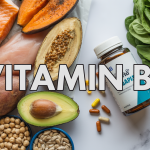
B12 supplementation isn’t optional for vegans – it’s essential for long-term health. This vitamin keeps your nervous system functioning properly and helps create red blood cells. Without enough B12, you risk serious health problems including nerve damage and anemia.
Cyanocobalamin and methylcobalamin are the two main forms of B12 supplements. Cyanocobalamin costs less and stays stable longer, making it the most common choice. Methylcobalamin is the active form your body uses, though both work effectively.
Dosage matters more than you might think. Most experts recommend either 250 micrograms daily or 2,500 micrograms twice weekly. Your body absorbs small amounts more efficiently than large doses, but both strategies work when followed consistently.
Fortified foods can supplement your B12 intake but shouldn’t be your only source. Nutritional yeast, plant milks, and cereals often contain B12, but amounts vary widely between brands. Check labels carefully and don’t rely on these foods alone.
Blood testing reveals your true B12 status. Standard B12 blood tests can miss deficiencies, so ask for methylmalonic acid (MMA) testing for more accurate results. Test annually or if you experience symptoms like fatigue, tingling, or mood changes.
Start supplementing immediately when going vegan. Your body stores B12 for years, but those reserves deplete gradually without dietary sources.
Iron Absorption Maximization Tips
Getting enough iron on a vegan diet requires strategy, not just eating iron-rich foods. Plant-based iron absorption depends heavily on what you eat alongside iron sources and how you prepare your meals.
Vitamin C transforms iron absorption. Pairing iron-rich foods with vitamin C sources can triple the amount your body absorbs. Add bell peppers to lentil dishes, squeeze lemon on spinach, or eat strawberries with iron-fortified cereal.
| Iron-Rich Food | Vitamin C Pairing | Absorption Boost |
|---|---|---|
| Spinach | Lemon juice | 3x increase |
| Lentils | Bell peppers | 2-3x increase |
| Tofu | Broccoli | 2x increase |
| Fortified cereal | Orange juice | 3-4x increase |
Avoid iron blockers during iron-rich meals. Coffee, tea, and calcium supplements can reduce iron absorption by up to 60%. Wait at least two hours after eating iron-rich foods before having your morning coffee or evening tea.
Cast iron cooking adds extra iron to your food, especially when cooking acidic dishes like tomato sauce. The longer cooking time and higher acidity levels increase iron transfer from pan to food.
Soaking and sprouting legumes and grains reduces compounds that inhibit iron absorption. Soak beans overnight before cooking, and try sprouted versions of lentils and chickpeas when available.
Raw versus cooked affects iron availability differently across foods. Cooking spinach increases available iron, while raw vegetables paired with vitamin C often provide better absorption rates.
Monitor your energy levels and consider blood testing if you experience persistent fatigue, as iron deficiency can develop gradually.
Smart Grocery Shopping Strategies
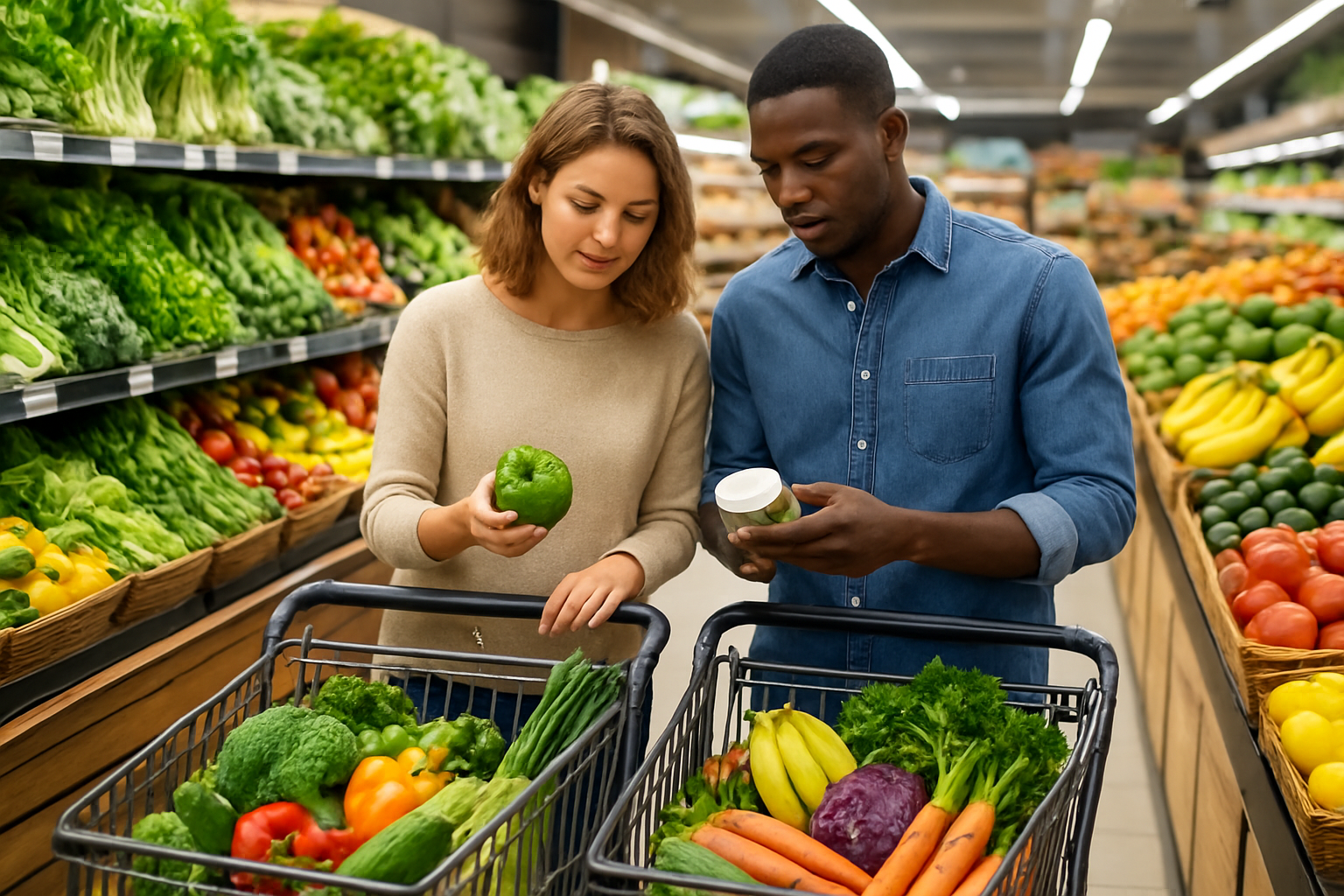
Reading Labels Like a Pro
Decoding ingredient lists becomes second nature once you know what to look for. Start by scanning the allergen information first – many products clearly state “Contains: milk” or “Contains: eggs” which makes your job easier. When that’s not available, dive into the ingredients list and watch for sneaky animal-derived additives.
Common culprits include casein (milk protein), whey, albumin (egg protein), and gelatin. Less obvious ingredients like L-cysteine (often from duck feathers), carmine (red dye from insects), and vitamin D3 (usually from sheep’s wool) can catch new vegans off guard. Download a vegan ingredient checker app or bookmark a reliable online list to reference while shopping.
Pay attention to processing statements too. Terms like “may contain milk” or “processed in a facility that also processes eggs” indicate potential cross-contamination but are generally acceptable for most vegans since they’re warnings for people with severe allergies rather than intentional ingredients.
Budget-Friendly Vegan Staples
Building a cost-effective vegan pantry starts with focusing on whole foods rather than specialty products. Dried legumes like lentils, chickpeas, and black beans cost pennies per serving and provide excellent protein. Buy them in bulk for even better savings.
Rice, oats, quinoa, and pasta form the foundation of countless meals and keep well in storage. Seasonal vegetables and fruits offer the best value – frozen options work perfectly for smoothies and cooked dishes while maintaining nutrition.
| Staple Category | Budget Options | Cost per Serving |
|---|---|---|
| Proteins | Dried beans, lentils, tofu | $0.25-$0.75 |
| Grains | Rice, oats, pasta | $0.15-$0.50 |
| Vegetables | Seasonal, frozen | $0.30-$1.00 |
| Fats | Peanut butter, olive oil | $0.20-$0.60 |
Nuts and seeds provide healthy fats and protein but can be pricey. Buy them in bulk, store properly, and use strategically as toppings rather than main ingredients to stretch your dollar.
Finding Hidden Animal Products
Animal ingredients hide in the most unexpected places, making vigilance essential for new vegans. White sugar often uses bone char in processing, though many brands now use alternative methods. Check company websites or look for organic or “vegan” labeled sugars to be safe.
Wine and beer frequently use animal-derived fining agents like egg whites or fish bladder during production. Fortunately, many breweries and wineries now clearly label their vegan options, and apps like Barnivore can help you check specific brands.
Bread seems innocent but often contains milk, eggs, or honey. Artisanal breads at bakeries may brush crusts with egg wash for shine. Even some crackers and chips use milk powder for flavoring.
Personal care items sold in grocery stores also merit attention. Many shampoos contain keratin from animal hair, and some vitamins use gelatin capsules or animal-derived vitamin D3.
Best Places to Shop for Vegan Foods
Your regular grocery store likely stocks more vegan options than you realize. Focus on the produce section, dried goods aisles, and international foods section where you’ll find coconut milk, tahini, and diverse grains at reasonable prices.
Natural food stores and co-ops often offer bulk bins, reducing packaging waste and costs. They typically carry specialty items like nutritional yeast, plant-based milk alternatives, and vegan versions of familiar products. Many offer member discounts that offset higher base prices.
Ethnic markets present treasure troves of accidentally vegan foods. Asian markets stock various tofu types, rice papers, and vegetable-based sauces. Middle Eastern stores offer tahini, dried fruits, and legumes. Mexican markets feature fresh peppers, hominy, and masa harina.
Online shopping works well for shelf-stable specialty items, especially when buying in bulk. Compare prices including shipping costs, and consider subscription services for regularly used items like plant milk or protein powder.
Farmers markets connect you directly with growers and often offer competitive prices on seasonal produce. Many vendors grow organically even without certification, and you can ask specific questions about growing practices.
Simple Meal Planning for Beginners
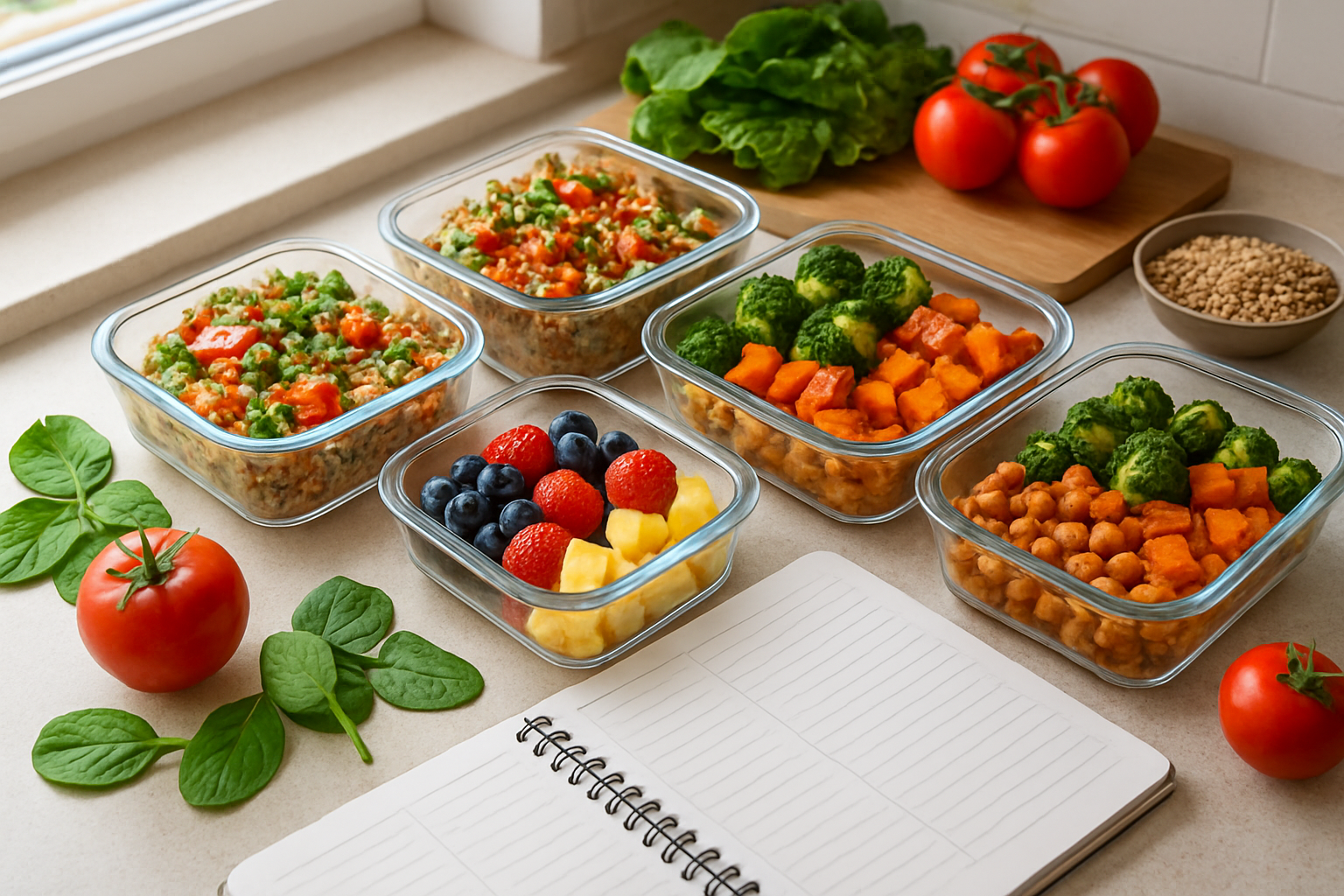
Week-Long Menu Templates
Creating a structured meal plan takes the guesswork out of daily cooking decisions and ensures you’re getting balanced nutrition throughout the week. Start with a basic template that includes three meals and two snacks per day, focusing on simple recipes you can easily repeat.
Monday to Sunday Framework:
- Breakfast: Rotate between oatmeal with fruit, smoothie bowls, and avocado toast
- Lunch: Build around grain bowls, hearty salads, or soup and sandwich combos
- Dinner: Alternate pasta dishes, stir-fries, and one-pot meals
- Snacks: Fresh fruit, nuts, hummus with vegetables, or energy balls
Keep a master list of 7-10 go-to meals you enjoy making. This prevents decision fatigue and allows you to shop efficiently. For your first month, stick to familiar flavors and gradually introduce new ingredients each week.
Sample Week Template:
- Monday: Chickpea curry with rice
- Tuesday: Pasta with marinara and vegetables
- Wednesday: Buddha bowl with quinoa
- Thursday: Lentil soup with crusty bread
- Friday: Stir-fried tofu with noodles
- Saturday: Black bean tacos
- Sunday: Vegetable chili
Batch Cooking Time-Savers
Spending 2-3 hours on Sunday preparing ingredients and base recipes transforms your entire week. Focus on cooking versatile staples that work across multiple meals rather than complete dishes.
Essential Batch Prep Items:
- Grains: Cook large batches of quinoa, brown rice, or farro
- Legumes: Prepare dried beans, lentils, or chickpeas in bulk
- Vegetables: Roast sheet pans of mixed vegetables
- Proteins: Bake seasoned tofu, prepare tempeh, or make bean-based patties
Store prepped ingredients in glass containers and label them with dates. Cooked grains and legumes last 4-5 days in the refrigerator and freeze well for up to three months. Roasted vegetables maintain their quality for 3-4 days and add instant nutrition to any meal.
Create “mix and match” components where one batch of quinoa becomes the base for grain bowls, stuffed peppers, or cold salads. Roasted vegetables work equally well in pasta dishes, wraps, or as side dishes with different seasonings.
Quick Emergency Meal Ideas
Every new vegan needs a arsenal of 15-minute meals for busy days or when meal prep falls through. These recipes use pantry staples and require minimal cooking skills.
Pantry-Based Meals:
- Pasta aglio e olio with nutritional yeast and red pepper flakes
- Chickpea salad with canned beans, vegetables, and tahini dressing
- Peanut butter noodles using pasta, peanut butter, soy sauce, and sriracha
- Bean and avocado toast with white beans, mashed avocado, and lemon
Fresh and Fast Options:
- Smoothie bowls with frozen fruit, plant milk, and toppings
- Caprese salad using tomatoes, vegan mozzarella, and basil
- Hummus wrap with vegetables and greens
- Overnight oats prepared the night before
Keep your freezer stocked with pre-cooked grains, frozen vegetables, and plant-based proteins like veggie burgers or pre-seasoned tofu. These ingredients create satisfying meals in under 20 minutes without requiring fresh produce shopping.
Stock up on shelf-stable items like canned beans, pasta, rice, nuts, seeds, and your favorite sauces. This foundation ensures you can always create something delicious, even when your fresh ingredients run low.
Overcoming Common Challenges

Dealing with Social Pressure
Family dinners, work events, and friend gatherings can feel like navigating a minefield when you’re newly vegan. People often react with curiosity, skepticism, or even hostility to your dietary choices. The key is staying confident without being preachy.
When faced with questions like “Where do you get your protein?” or “Plants have feelings too,” keep your responses short and friendly. A simple “I feel great eating this way” often works better than launching into a detailed explanation about amino acids or environmental impact. You don’t owe anyone a dissertation on your personal choices.
Prepare for food-centered social events by eating beforehand or bringing a delicious vegan dish to share. This prevents you from feeling left out and shows others that vegan food can be incredibly tasty. Many people’s resistance melts away after trying well-made vegan brownies or a hearty lentil bolognese.
Set boundaries early. If certain family members or friends consistently make negative comments, calmly let them know that while they don’t have to agree with your choices, you expect basic respect. Most people will back off once they realize their jokes aren’t landing.
Handling Cravings Effectively
Cravings for familiar non-vegan foods are completely normal during your transition. Your taste buds and brain are literally rewiring themselves, which takes time and patience.
Create satisfying alternatives rather than trying to ignore cravings entirely. Missing cheese? Try cashew-based mac and cheese or nutritional yeast on pasta. Craving a burger? Experiment with black bean patties, Beyond Burgers, or portobello mushroom caps. The goal isn’t perfect replication but finding new favorites that satisfy similar taste and texture preferences.
Keep emergency snacks handy for unexpected cravings. Dark chocolate, nuts, fruit, or vegan jerky can prevent you from making impulsive food choices when hunger strikes. Meal prep becomes your best friend here – having ready-to-eat vegan meals eliminates the temptation to order something non-vegan out of convenience.
Remember that cravings often peak around weeks 2-4 of your transition, then gradually diminish. Your taste preferences will actually change over time. Many long-term vegans find that foods they once craved now seem unappealing or overly heavy.
Managing Energy Levels During Transition
Energy dips during your first few weeks of veganism are common but manageable. Your digestive system is adjusting to higher fiber intake and different macronutrient ratios, which can temporarily affect how you feel.
Focus on getting enough calories – this is where many new vegans stumble. Plant foods are generally less calorie-dense than animal products, so you might need to eat larger portions or more frequent meals. Don’t be afraid of healthy fats from avocados, nuts, and olive oil, which provide sustained energy.
Iron absorption becomes crucial for maintaining energy levels. Pair iron-rich foods like spinach, lentils, and fortified cereals with vitamin C sources such as citrus fruits, bell peppers, or tomatoes. Avoid drinking tea or coffee with iron-rich meals, as these can inhibit absorption.
B12 deficiency can cause fatigue, so start supplementing immediately rather than waiting for blood tests. This isn’t optional – it’s essential for your health and energy levels. Most experts recommend 250-500 mcg daily or 2500 mcg weekly.
Stay hydrated and maintain regular sleep schedules. The increased fiber in your diet means your body needs more water to process food efficiently.
Finding Vegan Options When Eating Out
Restaurant dining doesn’t have to become a source of stress. Many cuisines are naturally vegan-friendly or easily adaptable. Mediterranean, Mexican, Indian, Thai, and Middle Eastern restaurants typically offer numerous plant-based options.
Master the art of menu modification. Most dishes can be tweaked – pasta without cheese, stir-fry without fish sauce, salads without meat or dairy. Don’t hesitate to ask servers about ingredients or preparation methods. Many restaurants are happy to accommodate dietary preferences when asked politely.
Use technology to your advantage. Apps like HappyCow help locate vegan-friendly restaurants worldwide, while many chain restaurants now list vegan options on their websites or apps. Even fast-food chains increasingly offer plant-based alternatives.
| Restaurant Type | Easy Vegan Options |
|---|---|
| Italian | Pasta marinara, bruschetta, minestrone |
| Mexican | Bean burritos, guacamole, veggie fajitas |
| Asian | Vegetable stir-fries, tofu dishes, spring rolls |
| American | Veggie burgers, salads, baked potatoes |
When in doubt, ethnic cuisines often provide the most variety and flavor for vegan diners compared to traditional American fare.
Building Your Vegan Kitchen Arsenal
Must-Have Pantry Essentials
Your pantry forms the backbone of successful vegan cooking, and stocking it right saves you countless trips to the store. Start with protein-rich legumes like black beans, chickpeas, lentils, and kidney beans – these versatile ingredients become the foundation for soups, curries, salads, and even burger patties. Keep both canned and dried versions on hand for convenience and economy.
Grains deserve equal attention in your pantry lineup. Quinoa, brown rice, oats, and whole wheat pasta provide essential nutrients and keep you satisfied. Don’t overlook specialty grains like bulgur, barley, and farro – they add variety and interesting textures to your meals.
Nuts and seeds pack serious nutritional punch while adding crunch and flavor. Stock almonds, walnuts, cashews, sunflower seeds, chia seeds, and hemp hearts. These work beautifully in smoothies, salads, or as standalone snacks. Tahini and various nut butters expand your sauce-making possibilities dramatically.
Nutritional yeast deserves special mention as your secret weapon for cheesy, umami flavors. This golden powder transforms simple dishes into restaurant-quality meals. Keep coconut milk, vegetable broth, and quality olive oil nearby for cooking foundations.
Spices and seasonings make or break vegan cooking. Cumin, turmeric, smoked paprika, garlic powder, and good-quality salt create flavor profiles that rival any meat-based dish. Fresh herbs like basil and cilantro should rotate through your refrigerator regularly.
Kitchen Tools That Make Life Easier
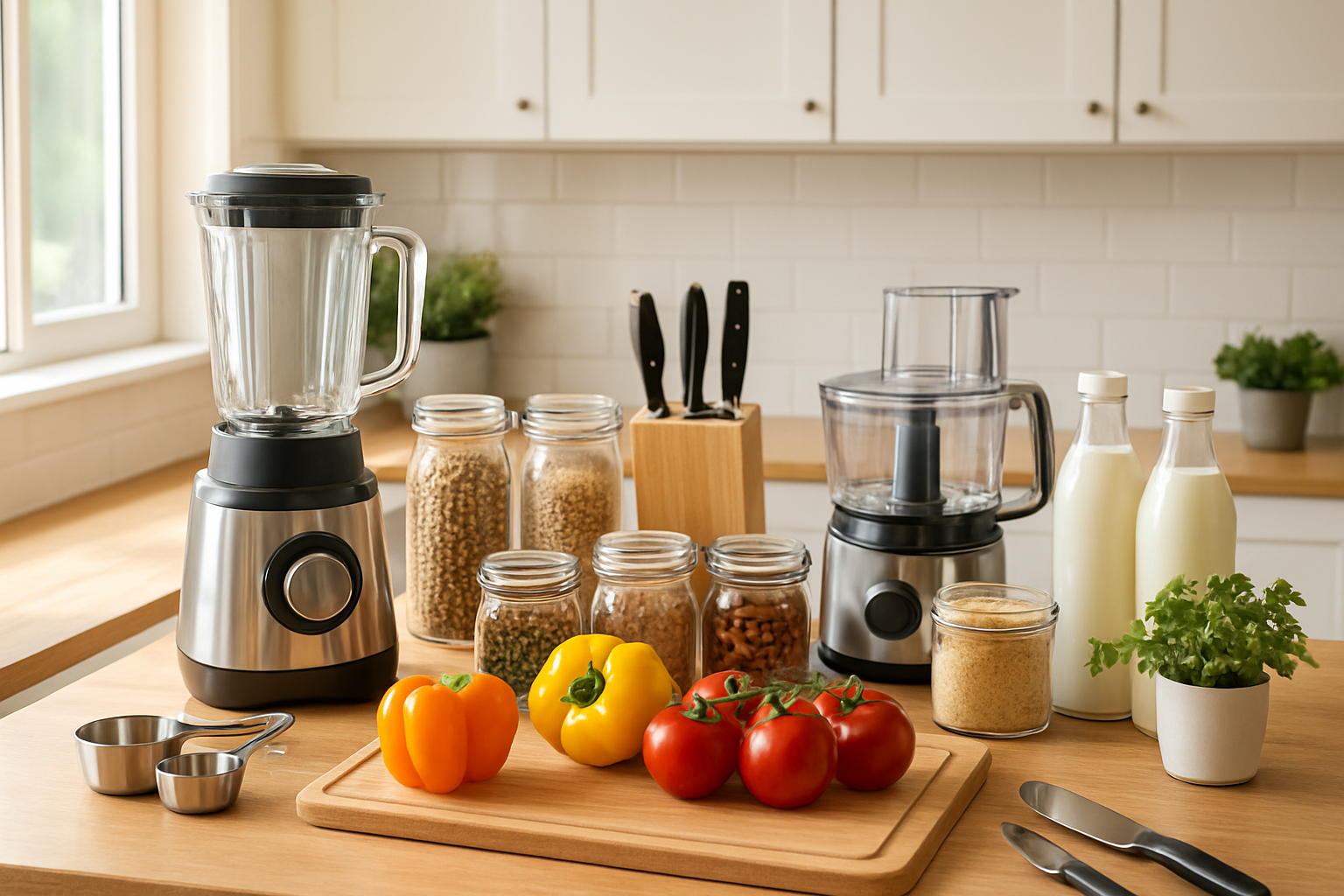
The right tools transform cooking from a chore into genuine enjoyment. A high-quality blender ranks as your most valuable investment – it creates silky smoothies, creamy sauces, and perfect soups. Look for models with strong motors that handle frozen fruits and tough vegetables without struggle.
Food processors complement blenders perfectly by handling different textures. They excel at making hummus, chopping vegetables quickly, and creating nut-based cheeses. A good processor saves hours of manual prep work weekly.
Sharp knives make vegetable preparation faster and safer. Invest in one excellent chef’s knife rather than buying a whole set. Pair it with a reliable cutting board – bamboo or wood work best and stay gentler on your knife edges.
Cast iron skillets distribute heat evenly and develop natural non-stick surfaces over time. They’re perfect for searing vegetables, making cornbread, and even baking. A Dutch oven serves double duty for soups, stews, bread baking, and braising.
Smaller tools matter too. A quality can opener, garlic press, and microplane grater speed up daily tasks. Silicone spatulas won’t scratch your pans, and a good set of measuring cups ensures consistent results. Don’t forget storage containers – glass versions keep ingredients fresh while avoiding plastic concerns.
Meat and Dairy Alternatives Worth Trying
Today’s plant-based alternatives rival their animal counterparts in taste and texture. Beyond Meat and Impossible Foods create convincing ground meat substitutes perfect for tacos, spaghetti sauce, and burgers. These products work especially well during your transition period when familiar textures help bridge the gap.
Tofu remains the classic protein substitute, but preparation makes all the difference. Extra-firm tofu holds its shape in stir-fries, while silken versions blend seamlessly into smoothies and desserts. Press tofu before cooking to remove excess water and improve texture dramatically.
Tempeh offers a nutty flavor and firm bite that works beautifully marinated and grilled. This fermented soybean product provides probiotics along with protein. Seitan, made from wheat protein, delivers a chewy texture that satisfies former meat lovers.
Plant-based milks have exploded in variety and quality. Oat milk froths beautifully for coffee drinks, almond milk works well in cereals, and soy milk provides the most protein. Cashew cream creates incredibly rich sauces and desserts.
Vegan cheeses continue improving rapidly. Miyoko’s and Kite Hill offer cultured options with complex flavors, while Daiya melts well for pizza and grilled sandwiches. Nutritional yeast still reigns supreme for that cheesy flavor in homemade sauces.
Plant-based yogurts made from coconut, almond, or soy provide probiotics and creamy textures. Many brands now offer Greek-style thickness and various flavors that satisfy any craving.
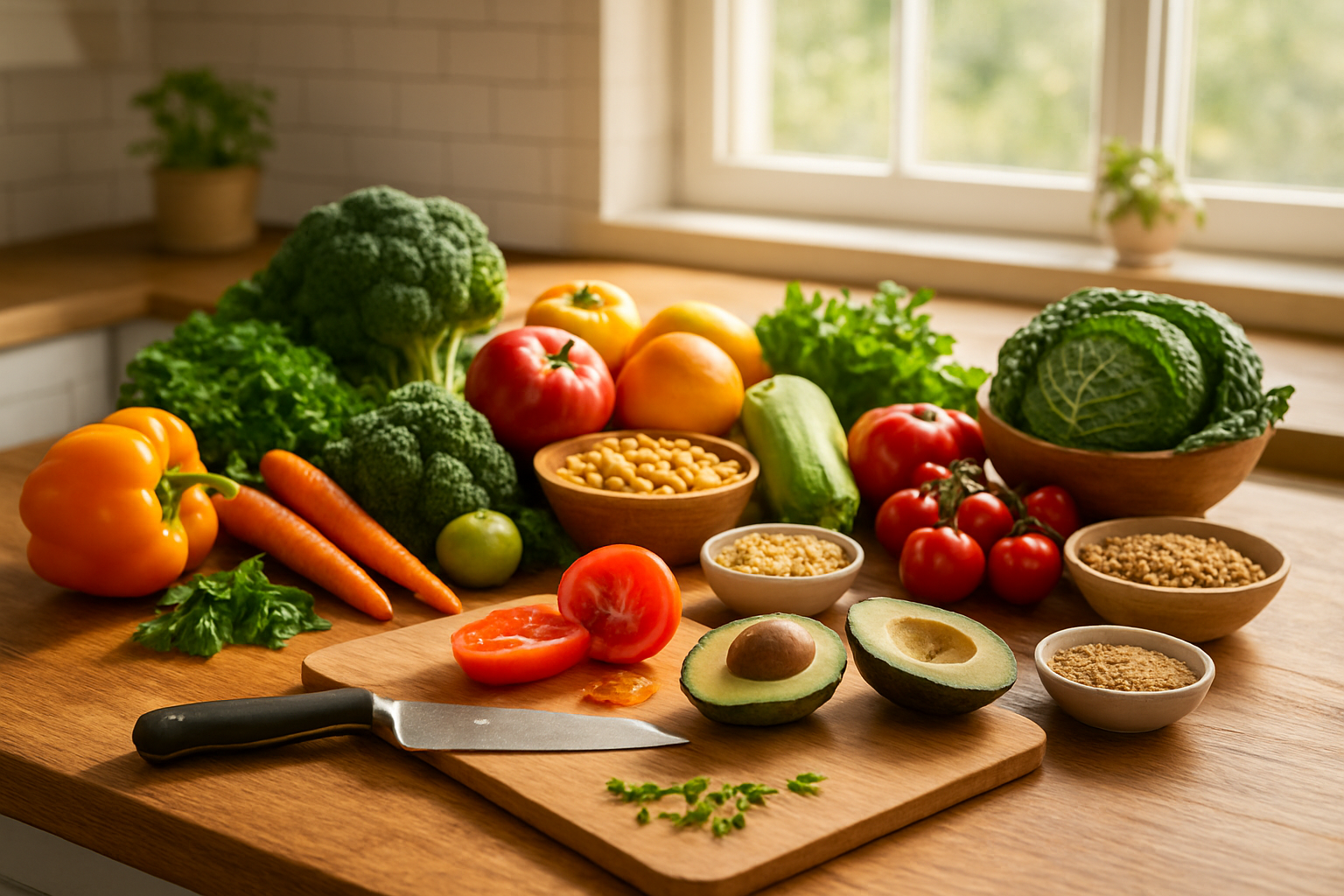
Making the switch to veganism doesn’t have to feel overwhelming when you break it down into manageable steps. Focus on learning the basics of plant-based nutrition, stock your kitchen with versatile staples, and start with simple meal plans that work for your lifestyle. Remember that every small change counts, and you don’t need to be perfect from day one.
The key is giving yourself time to adjust and finding what works best for you. Connect with other vegans online or in your community for support, experiment with new recipes, and don’t be too hard on yourself if you make mistakes along the way. Your journey toward a plant-based lifestyle is a personal one, and with the right knowledge and preparation, you’ll discover just how rewarding and delicious vegan living can be.