Not all vegan diets are created equal. If you’re plant-based curious or already committed to veganism but want to fine-tune your approach, understanding the different types of vegan diets can help you find what works best for your body and lifestyle.
This guide is perfect for new vegans exploring their options, experienced plant-eaters considering a change, or anyone researching vegan nutrition for health reasons. We’ll break down the most popular approaches so you can make an informed choice about your eating style.
We’ll explore whole food plant-based eating and its focus on unprocessed foods, plus dive into specialized approaches like raw vegan and high-carb low-fat diets. You’ll also learn about more restrictive combinations like keto vegan and gluten-free vegan lifestyles, complete with their unique benefits and considerations.
Whole Food Plant-Based Diet Benefits
Maximize nutrient density through unprocessed foods
Whole food plant-based eating puts nutrient density front and center by focusing on foods in their natural state. When you choose a crisp apple over apple juice or brown rice over white, you’re getting the complete package of vitamins, minerals, fiber, and antioxidants that nature intended. These unprocessed foods pack more nutritional punch per calorie because they haven’t been stripped of their beneficial compounds during manufacturing.
Think about how many nutrients get lost when wheat becomes white flour, or when an orange gets turned into juice. Processing removes the fiber, reduces vitamin content, and concentrates sugars while eliminating protective phytonutrients. Whole foods deliver these nutrients in perfect synergy – the vitamin C in bell peppers works better alongside their natural bioflavonoids, and the iron in spinach absorbs more efficiently with its natural vitamin C content.
Your body recognizes whole foods and knows exactly how to extract their nutrients. The fiber matrix in fruits slows sugar absorption, the protein in legumes comes with complementary amino acids, and the healthy fats in nuts and seeds help you absorb fat-soluble vitamins. This natural packaging system maximizes bioavailability, meaning your body actually gets to use more of the good stuff you’re eating.
Eliminate refined sugars and oils for optimal health
Cutting out refined sugars and processed oils creates space for your taste buds to appreciate the natural sweetness in dates, the richness of tahini, and the satisfying taste of whole grains. When you remove these concentrated calories, you stop riding the blood sugar rollercoaster that leaves you hungry again within hours.
Refined sugars spike insulin levels rapidly, promoting fat storage and creating cravings for more sweet foods. Processed oils, even seemingly healthy ones, are calorie-dense and stripped of the fiber and nutrients found in their whole food sources. A handful of olives provides healthy fats along with antioxidants and fiber, while olive oil gives you concentrated calories without the beneficial compounds.
Without these processed additions, your meals become more satisfying and your energy levels stabilize throughout the day. Your liver doesn’t have to work overtime processing refined fructose, and your arteries aren’t bombarded with inflammatory oils. The natural sugars in fruits come packaged with fiber that slows absorption, while the fats in nuts and seeds provide sustained energy without the inflammatory response triggered by processed oils.
Reduce chronic disease risk with natural ingredients
Whole plant foods contain thousands of protective compounds that work together to fight inflammation and support your body’s natural defense systems. These phytonutrients, found only in plants, help neutralize free radicals, support immune function, and even help repair cellular damage.
The deep purple of blueberries signals anthocyanins that support brain health, while the vibrant orange of sweet potatoes indicates beta-carotene for eye health and immune support. Cruciferous vegetables like broccoli and kale contain sulforaphane, which activates your body’s natural detoxification pathways. These protective compounds can’t be replicated in supplements – they work best in their natural food matrix.
Research consistently shows that people eating whole food plant-based diets have lower rates of heart disease, type 2 diabetes, and certain cancers. The high fiber content supports healthy gut bacteria, which influences everything from mood to immune function. The naturally low sodium and high potassium content helps maintain healthy blood pressure, while the absence of cholesterol and saturated fat from animal products supports cardiovascular health.
Achieve sustainable weight management effortlessly
Weight management becomes surprisingly straightforward when you eat foods that are naturally high in fiber and water content but relatively low in calories. You can eat generous portions of vegetables, fruits, whole grains, and legumes while naturally staying within a healthy calorie range because these foods are inherently filling.
The fiber in whole plant foods triggers satiety signals before you overeat, and the bulk helps you feel physically satisfied after meals. Beans and lentils provide protein and fiber that keep you full for hours, while the complex carbohydrates in whole grains provide steady energy without the crash that comes from refined foods.
Your metabolism runs more efficiently on whole plant foods because your body doesn’t have to work as hard to process them. The thermic effect of food – the energy required to digest, absorb, and process what you eat – is higher for whole foods than processed ones. This means you actually burn more calories just by eating foods in their natural state, creating a subtle but significant advantage for maintaining a healthy weight over time.
Raw Vegan Diet Advantages
Preserve Maximum Enzyme Content in Foods
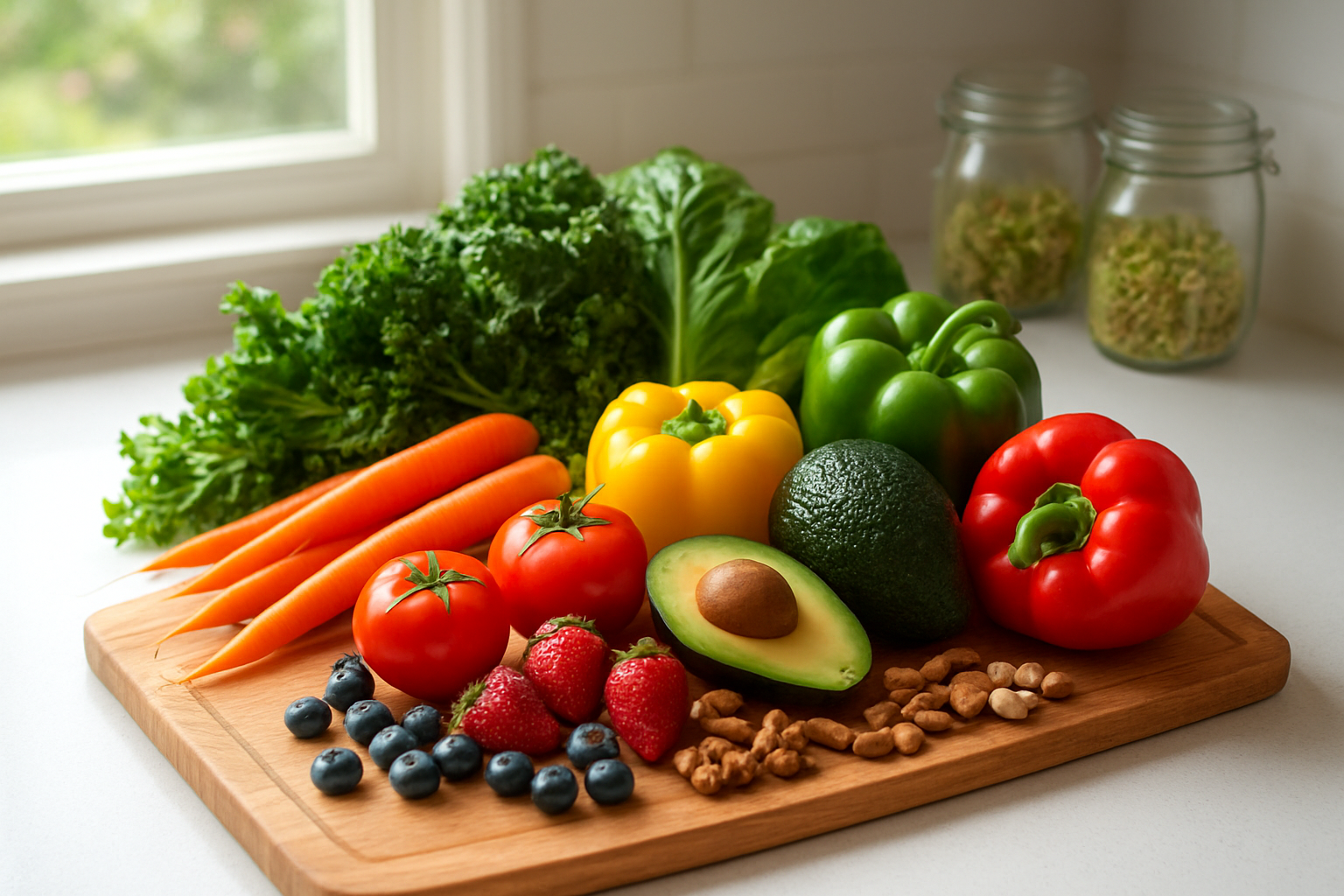
Raw foods contain natural enzymes that help break down proteins, carbohydrates, and fats during digestion. When you heat food above 118°F (48°C), these delicate enzymes get destroyed, which raw vegans believe forces your body to work harder to produce its own digestive enzymes. Fresh fruits, vegetables, nuts, and seeds in their uncooked state retain their complete enzyme profile.
These food enzymes include amylase for carbohydrate digestion, lipase for fat breakdown, and protease for protein processing. Raw vegans often notice improved digestion when switching from cooked to raw foods because their meals come pre-loaded with these digestive helpers. Sprouted grains and legumes become particularly enzyme-rich, making nutrients more bioavailable than their cooked counterparts.
Boost Energy Levels Through Living Nutrition
People following raw vegan diets frequently report sustained energy throughout the day without the typical afternoon crashes. Fresh, unprocessed plant foods deliver nutrients in their most natural form, allowing for quick absorption and steady blood sugar levels. Unlike processed foods that spike glucose rapidly, raw fruits provide natural sugars alongside fiber, which moderates energy release.
Raw foods require less energy for digestion compared to heavy, cooked meals. Your body doesn’t have to work as hard breaking down simple, whole foods, leaving more energy available for daily activities. Many raw vegans experience clearer thinking and better focus, attributing this mental clarity to the high water content and abundant micronutrients found in fresh produce.
The combination of natural sugars from fruits, healthy fats from nuts and avocados, and complex carbohydrates from vegetables creates a balanced energy profile that supports consistent vitality without relying on caffeine or stimulants.
Enhance Digestive Health Naturally
Raw plant foods contain high amounts of water and fiber, both essential for healthy digestion. The natural fiber in raw vegetables and fruits acts like a gentle broom, sweeping through your intestines and promoting regular bowel movements. This helps prevent constipation and maintains healthy gut bacteria populations.
Fermented raw foods like sauerkraut, kimchi, and nut-based cheese alternatives introduce beneficial probiotics that support digestive balance. These living cultures help break down food particles and create an environment where healthy bacteria can thrive.
Raw foods also contain prebiotics – the fiber that feeds good gut bacteria. When you eat raw garlic, onions, dandelion greens, and other prebiotic-rich plants, you’re essentially fertilizing your beneficial gut microbes. This creates a positive cycle where better digestion leads to improved nutrient absorption, which supports overall health and energy levels.
High-Carb Low-Fat Vegan Approach
Fuel Athletic Performance with Clean Carbohydrates
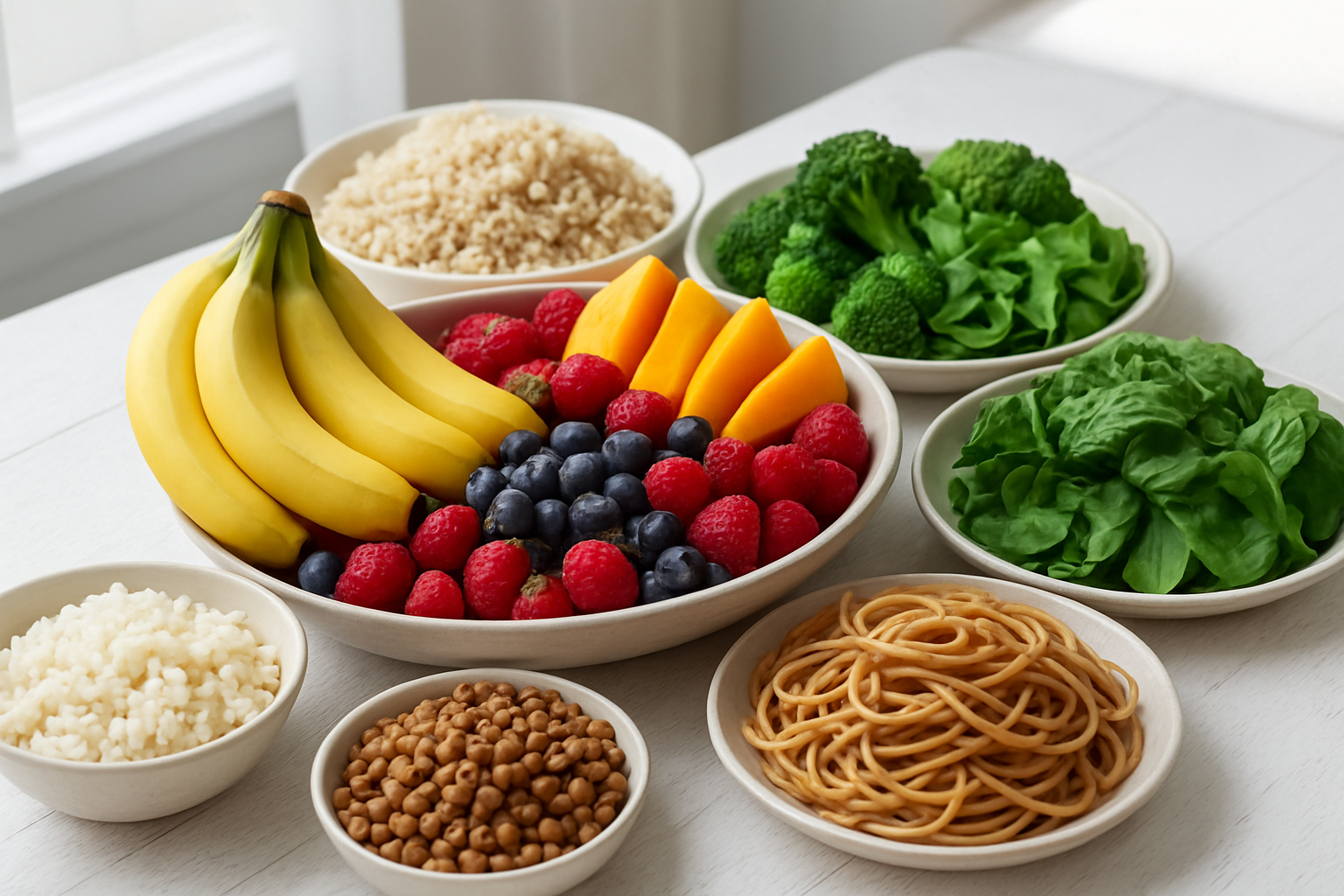
Athletes following a high-carb low-fat vegan approach tap into an incredibly efficient energy source. Complex carbohydrates from whole plant foods like oats, quinoa, sweet potatoes, and brown rice provide sustained energy that doesn’t spike and crash like refined sugars. These foods deliver glycogen directly to muscles, making them perfect pre-workout fuel.
Plant-based athletes often report enhanced endurance and faster recovery times when they prioritize carbohydrates over fats. Think about marathon runners from Kenya and Ethiopia – their traditional diets center around high-carb foods like ugali and injera, supporting their world-class performance. The key lies in choosing nutrient-dense carbs that come packed with vitamins, minerals, and fiber rather than empty calories.
Maintain Stable Blood Sugar Levels
Complex carbohydrates paired with fiber create a steady release of glucose into the bloodstream. Foods like legumes, whole grains, and starchy vegetables prevent the dramatic blood sugar swings that lead to energy crashes and cravings.
When you eat a meal rich in refined carbs or high in fat, your blood sugar can spike quickly and then plummet, leaving you hungry and tired. High-carb low-fat vegan meals, however, provide consistent energy levels throughout the day. The fiber in whole plant foods slows digestion, creating a time-release effect that keeps blood glucose stable for hours.
Support Brain Function with Glucose-Rich Foods
Your brain runs almost exclusively on glucose, making carbohydrates essential for optimal cognitive function. While your body can create glucose from other sources through gluconeogenesis, this process requires extra energy and can leave you feeling mentally foggy.
Plant-based carbohydrates deliver clean glucose without the inflammatory compounds found in many animal products. Foods like bananas, dates, and whole grains provide immediate brain fuel, while complex carbs offer sustained mental clarity. Many people following this approach report improved focus, better memory, and enhanced mood stability compared to low-carb diets that can leave the brain glucose-deprived.
Achieve Lasting Satiety Without Calorie Restriction
High-carb low-fat vegan eating naturally promotes satiety through volume and fiber content. Plant foods are generally lower in calories per gram than fatty foods, allowing you to eat larger portions while maintaining a healthy weight.
The combination of complex carbohydrates and fiber triggers satiety hormones that signal fullness to your brain. Unlike restrictive diets that leave you constantly hungry, this approach lets you eat until satisfied. Large salads, hearty grain bowls, and fruit-based meals provide physical fullness that lasts for hours.
Optimize Metabolic Efficiency
Your body preferentially burns carbohydrates for energy, making this macronutrient the most metabolically efficient fuel source. When you eat adequate carbs, your metabolism can function at its peak without having to work harder to convert fats or proteins into usable energy.
This metabolic efficiency shows up as increased energy levels, better temperature regulation, and improved thyroid function. Many people transitioning to high-carb low-fat vegan eating notice their hands and feet stay warmer, their sleep improves, and their resting heart rate normalizes – all signs of a healthy, efficient metabolism.
Keto Vegan Diet Strategy
Combine plant-based eating with ketosis benefits
The keto vegan approach merges two seemingly opposite dietary philosophies into a powerful health strategy. While traditional ketogenic diets rely heavily on animal products for fat content, this plant-based version proves you can achieve ketosis using exclusively vegan foods. Your body enters the same metabolic state where it burns fat for fuel instead of carbohydrates, but without any animal-derived ingredients.
This combination offers unique advantages that neither approach provides alone. You get the mental clarity, stable energy, and weight management benefits of ketosis while maintaining the anti-inflammatory properties and ethical benefits of veganism. Many people report improved focus and sustained energy levels throughout the day, along with better digestive health compared to standard ketogenic diets.
The transition period requires careful planning since your usual vegan staples like grains, legumes, and most fruits become limited. Your carbohydrate intake needs to stay below 20-25 grams daily to maintain ketosis, which means saying goodbye to quinoa bowls and bean-heavy meals temporarily. However, the metabolic benefits kick in within 2-4 weeks once your body adapts to using ketones as its primary fuel source.
Access clean protein sources without animal products
Meeting protein needs on a keto vegan diet requires strategic food choices since many plant-based proteins come bundled with carbohydrates. Hemp hearts become your best friend, delivering 10 grams of protein per 3 tablespoons with only 2 net carbs. These nutty seeds blend seamlessly into smoothies or work as a crunchy salad topping.
Tofu and tempeh serve as versatile protein foundations for your meals. Extra-firm tofu contains about 10 grams of protein per 3.5-ounce serving with minimal carbs, especially when you press out excess water. Tempeh offers a more complex flavor profile and slightly higher protein content, making it perfect for stir-fries or crumbled into cauliflower rice dishes.
Plant-based protein powders fill gaps when whole foods fall short. Look for blends that combine pea, hemp, and pumpkin seed proteins while keeping carbohydrate content under 5 grams per serving. These powders work well in fat-rich smoothies with coconut milk and avocado.
| Protein Source | Protein (per serving) | Net Carbs | Best Uses |
|---|---|---|---|
| Hemp Hearts (3 tbsp) | 10g | 2g | Smoothies, salads |
| Tofu (3.5 oz) | 10g | 3g | Stir-fries, scrambles |
| Tempeh (3 oz) | 16g | 7g | Main dishes |
| Pea Protein (1 scoop) | 20g | 2g | Smoothies |
Maintain ketogenic macros using plant fats
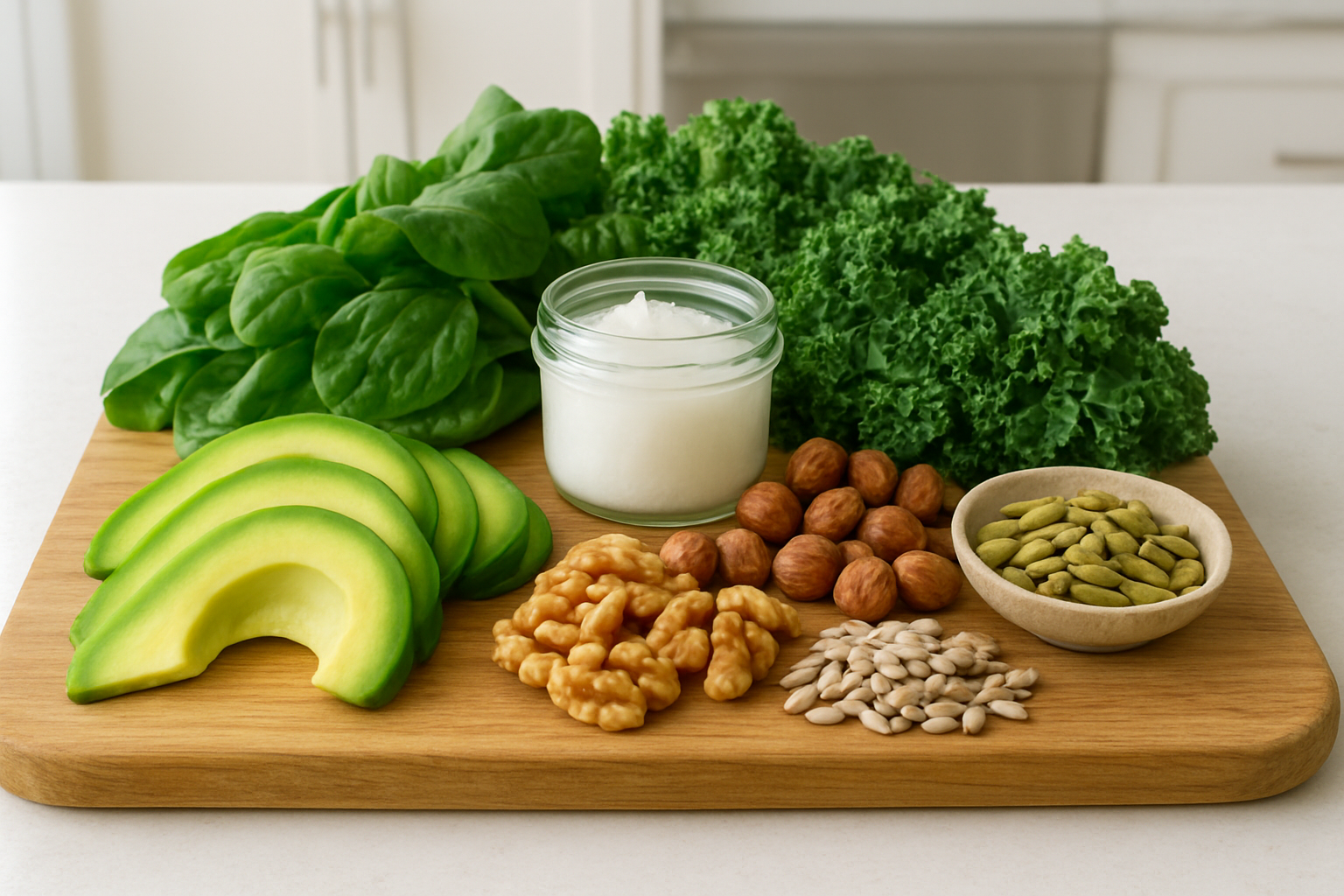
Your macronutrient breakdown needs to hit approximately 75% fat, 20% protein, and 5% carbohydrates to stay in ketosis. Plant-based fats become the cornerstone of every meal and snack. Avocados provide the perfect combination of healthy monounsaturated fats and fiber, with half a large avocado containing about 15 grams of fat and only 2 net carbs.
Coconut products reign supreme in the keto vegan kitchen. Full-fat coconut milk transforms into creamy curries and smoothie bases, while coconut oil works for high-heat cooking. MCT oil, derived from coconuts, provides quick-absorbing fats that your body converts directly to ketones, making it ideal for morning coffee or pre-workout drinks.
Nuts and seeds require careful portion control since some varieties pack hidden carbs. Macadamia nuts offer the highest fat-to-carb ratio at 21 grams of fat and only 2 net carbs per ounce. Pecans and Brazil nuts follow closely behind. Chia seeds and flaxseeds add omega-3 fatty acids while keeping carbs minimal when used in puddings or as egg replacements in baking.
Olive oil becomes your cooking staple for lower-temperature preparations, while tahini and almond butter (in moderation) add richness to sauces and dressings. The key lies in tracking your intake carefully since plant fats can be less satiating than animal fats, making it easier to overconsume calories while maintaining proper macros.
Gluten-Free Vegan Lifestyle
Eliminate inflammatory grains for sensitive individuals
People with celiac disease, gluten sensitivity, or inflammatory conditions often find relief by removing wheat, barley, rye, and oats from their meals. Traditional grains can trigger digestive upset, joint pain, brain fog, and skin issues in susceptible individuals. When you combine vegan eating with gluten-free choices, you create a powerful anti-inflammatory approach that supports healing.
Many folks discover that eliminating gluten while staying plant-based helps reduce chronic inflammation markers in their blood work. The combination works particularly well for those dealing with autoimmune conditions, where both animal proteins and gluten can act as dietary triggers.
Discover nutrient-rich grain alternatives
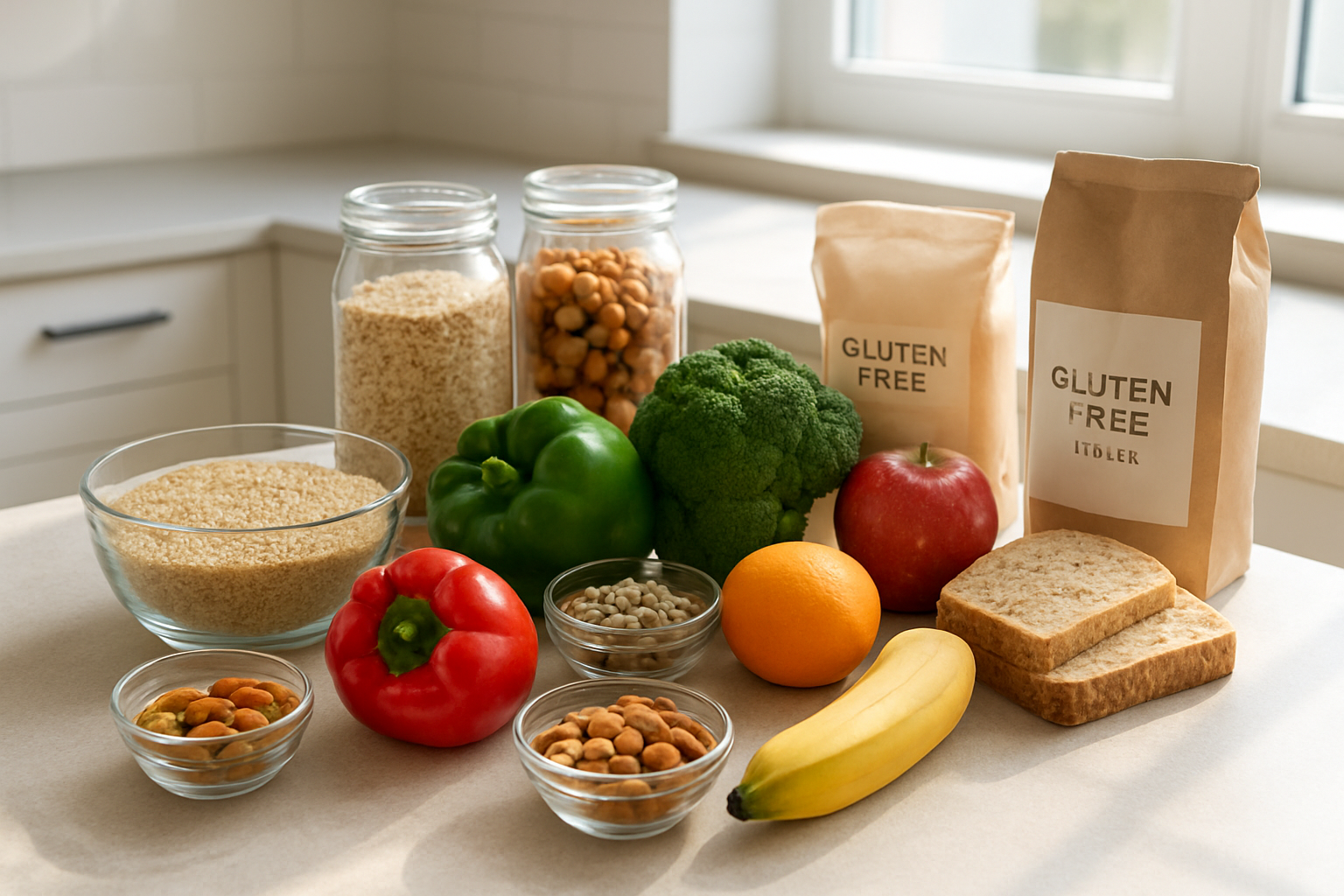
Quinoa stands out as a complete protein powerhouse, containing all nine essential amino acids your body needs. This ancient seed cooks like rice but delivers significantly more nutrition per serving. Buckwheat, despite its name, contains zero wheat and provides excellent fiber plus heart-healthy rutin.
Amaranth brings impressive calcium content to your plate, while millet offers easy digestibility and B-vitamins. Brown rice remains a reliable staple, but branching out to wild rice adds antioxidants and a nutty flavor profile.
| Grain Alternative | Protein per Cup | Key Nutrients | Cooking Time |
|---|---|---|---|
| Quinoa | 8g | Complete amino acids, iron | 15 minutes |
| Buckwheat | 6g | Rutin, magnesium | 18 minutes |
| Amaranth | 9g | Calcium, lysine | 25 minutes |
| Millet | 6g | B-vitamins, phosphorus | 20 minutes |
Improve digestive comfort and gut health
Removing gluten often leads to immediate improvements in bloating, gas, and irregular bowel movements. Your gut lining gets a chance to heal when inflammatory proteins are eliminated, allowing better nutrient absorption from plant foods.
The high fiber content in gluten-free whole grains and legumes feeds beneficial gut bacteria, creating a healthier microbiome. Many people report clearer thinking and better energy levels within weeks of adopting this approach.
Prebiotic-rich foods like Jerusalem artichokes, garlic, and onions become even more beneficial when your digestive system isn’t dealing with gluten-related inflammation.
Expand culinary creativity with diverse ingredients
Gluten-free vegan cooking opens doors to cuisines you might not have explored before. Asian rice noodles, Mexican corn tortillas, and Indian chickpea flour create authentic dishes without compromise.
Coconut flour adds tropical sweetness to baked goods, while almond flour provides richness and protein. Tapioca starch creates perfectly chewy textures in homemade breads and pizza crusts.
Root vegetables become flour alternatives – sweet potato can be spiralized into noodles, while cassava transforms into versatile wraps. These ingredients bring unique flavors and textures that wheat-based products simply can’t match.
Bean-based pastas made from lentils or chickpeas deliver more protein than traditional varieties while keeping meals completely plant-based and gluten-free.

The plant-based world offers incredible variety, from whole food diets packed with nutrients to raw approaches that maximize enzyme intake. High-carb low-fat vegan eating can boost energy levels, while keto vegan strategies help those seeking fat-burning benefits without animal products. Gluten-free vegan lifestyles prove that dietary restrictions don’t have to limit your plant-based journey.
Your perfect vegan approach depends on your health goals, lifestyle, and personal preferences. Start by experimenting with one style for a few weeks and see how your body responds. Remember that you can always combine elements from different approaches or switch between them as your needs change. The most sustainable vegan diet is the one that makes you feel energized, satisfied, and excited about your food choices every single day.