Veganism goes far beyond just avoiding meat – it’s a complete lifestyle choice that eliminates all animal products from your diet, clothing, and daily routines. This guide is perfect for curious beginners, people considering the switch, and anyone who wants to understand what veganism really means.
We’ll break down the core philosophy behind veganism and explore the different types of approaches people take. You’ll also discover the main benefits that draw millions to this lifestyle and learn the truth behind common myths that might be holding you back from giving it a try.
Understanding the Core Definition and Philosophy

Plant-based lifestyle eliminating all animal products
At its most basic level, veganism means cutting out all animal products from your diet and lifestyle. This goes way beyond just skipping meat – we’re talking about dairy, eggs, honey, gelatin, and even seemingly innocent ingredients like whey protein or carmine food coloring. Many people think veganism is just about food, but it actually extends to clothing, cosmetics, household products, and entertainment choices too.
The typical vegan avoids leather shoes, wool sweaters, silk scarves, and beauty products tested on animals. They read ingredient labels religiously, checking for hidden animal-derived components in everything from wine (which sometimes uses egg whites for filtering) to certain vitamins (many contain gelatin capsules).
Ethical stance against animal exploitation
The ethical foundation of veganism centers on the belief that animals deserve to live free from human exploitation. This perspective sees animals as sentient beings capable of experiencing pain, fear, joy, and other emotions – not as commodities or resources for human use.
Ethical vegans argue that we don’t need animal products to thrive, so causing unnecessary suffering becomes a moral issue. They point to factory farming conditions, where billions of animals live in cramped, stressful environments before slaughter. But the ethical concern doesn’t stop at food production – it includes opposing practices like using animals for entertainment in circuses, keeping them in zoos, or subjecting them to painful experiments for cosmetic testing.
This ethical stance often drives people to research how their purchasing decisions affect animal welfare across all industries, from fashion to pharmaceuticals.
Environmental consciousness driving daily choices
The environmental aspect of veganism focuses on how animal agriculture impacts our planet. Livestock farming contributes significantly to greenhouse gas emissions, with cattle producing methane through digestion. The numbers are pretty staggering – producing one pound of beef requires about 1,800 gallons of water, compared to roughly 39 gallons for a pound of vegetables.
Land use presents another major concern. Vast areas of forest get cleared to create pastureland or grow crops specifically for feeding livestock. This deforestation destroys natural habitats and reduces the planet’s capacity to absorb carbon dioxide.
Environmentally-motivated vegans see their food choices as daily votes for a more sustainable world. They often extend this consciousness to other areas, choosing products with minimal packaging, supporting renewable energy, and reducing overall consumption.
Health-focused approach to nutrition
Health-conscious people often adopt veganism after learning about the potential benefits of plant-based eating. Research suggests that well-planned vegan diets can reduce risks of heart disease, certain cancers, type 2 diabetes, and obesity. Plant foods typically contain more fiber, antioxidants, and phytonutrients while being lower in saturated fat and cholesterol.
The health approach to veganism emphasizes eating whole, minimally processed foods – think quinoa bowls loaded with colorful vegetables rather than vegan junk food. These individuals often track their nutrient intake, making sure they get adequate protein, vitamin B12, iron, and omega-3 fatty acids from plant sources.
Many health-focused vegans report increased energy levels, better digestion, and improved overall well-being after making the switch, though individual experiences vary widely.
Types of Veganism and Different Approaches
Ethical veganism for animal rights
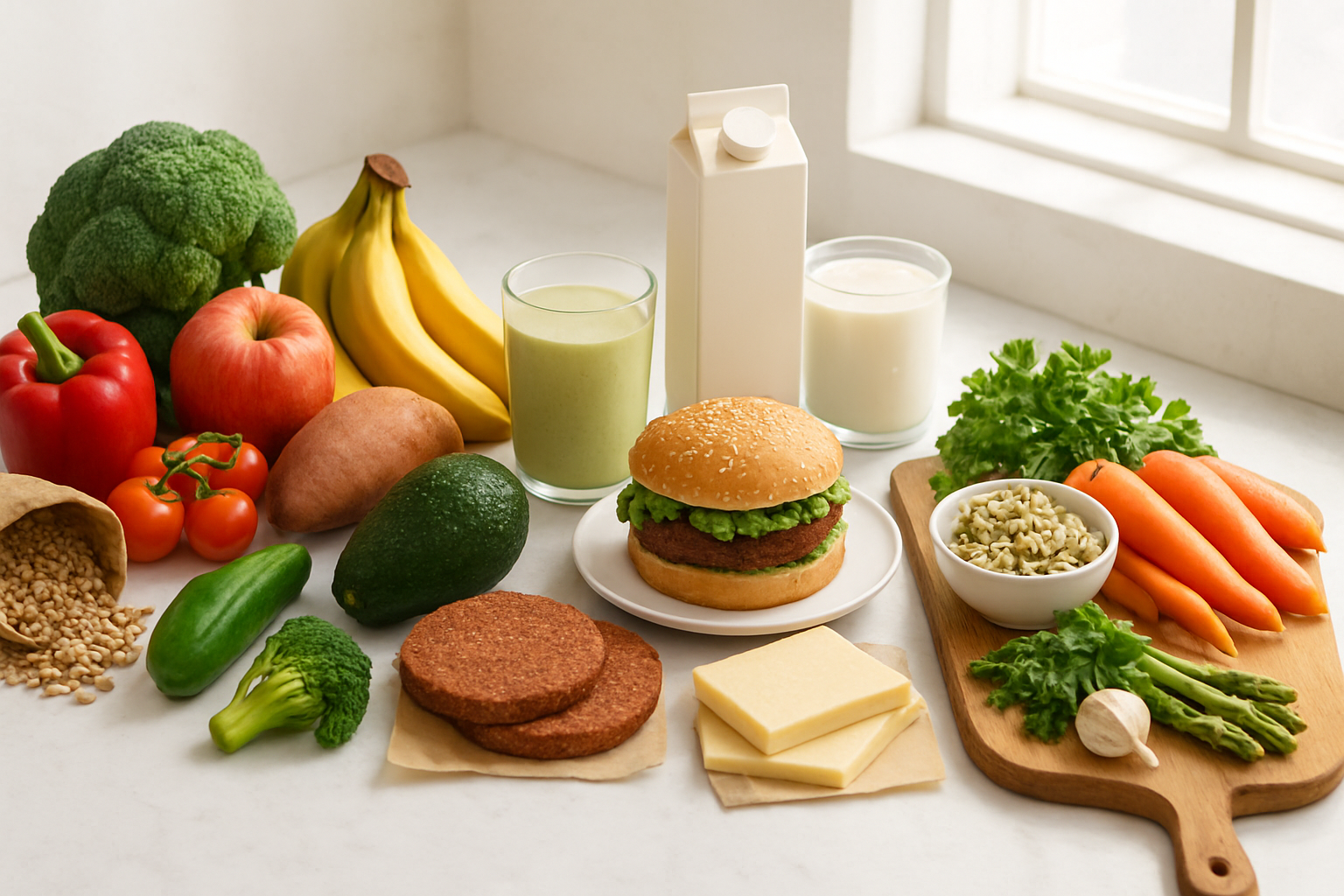
Ethical vegans choose this lifestyle primarily to prevent animal suffering and exploitation. These individuals believe animals have inherent rights and should not be used as commodities for human consumption, entertainment, or products. Ethical vegans extend their choices beyond food, avoiding leather, wool, silk, cosmetics tested on animals, and entertainment that uses animals like circuses or marine parks.
The philosophy runs deeper than dietary preferences. Ethical vegans view animals as sentient beings capable of experiencing pain, fear, and joy. They reject the idea that humans have the right to breed, confine, and kill animals for any purpose. This approach often stems from exposure to factory farming conditions, slaughterhouse practices, or philosophical arguments about animal rights.
Many ethical vegans become activists, supporting animal welfare organizations, participating in peaceful protests, or educating others about animal rights issues. They research companies’ practices before purchasing products and choose brands that align with their values. This type of veganism tends to be the most comprehensive, as practitioners examine every aspect of their lifestyle through the lens of animal welfare.
Environmental veganism for planet protection
Environmental vegans adopt plant-based living to reduce their ecological footprint and combat climate change. These individuals recognize that animal agriculture contributes significantly to greenhouse gas emissions, deforestation, water pollution, and resource depletion.
The livestock industry produces approximately 14.5% of global greenhouse gas emissions, more than the entire transportation sector. Environmental vegans understand that producing animal protein requires substantially more land, water, and energy compared to plant proteins. For example, producing one pound of beef requires about 1,800 gallons of water, while producing one pound of vegetables needs only 39 gallons.
| Resource Impact | Animal Products | Plant Products |
|---|---|---|
| Land use | 77% of agricultural land | 23% of agricultural land |
| Protein output | 18% of calories, 37% of protein | 82% of calories, 63% of protein |
| Water usage | Significantly higher | Significantly lower |
Environmental vegans often focus on local, seasonal produce to further minimize their carbon footprint. They may grow their own food, compost organic waste, and choose packaging-free options when possible. This approach appeals to people concerned about climate change, ocean pollution, and preserving natural habitats for wildlife.
Health-focused plant-based eating
Health-focused plant-based eaters prioritize nutrition and disease prevention over ethical or environmental concerns. These individuals choose veganism after learning about potential health benefits, such as reduced risks of heart disease, type 2 diabetes, certain cancers, and obesity.
Research consistently shows that well-planned vegan diets can provide all necessary nutrients while supporting optimal health. Plant-based diets are typically higher in fiber, antioxidants, and phytonutrients while being lower in saturated fat and cholesterol. Many health-focused vegans report increased energy levels, improved digestion, clearer skin, and better sleep quality.
This group often emphasizes whole foods over processed alternatives. They might avoid vegan junk food, focusing instead on vegetables, fruits, legumes, whole grains, nuts, and seeds. Some health-focused individuals adopt more flexible approaches, occasionally consuming small amounts of animal products if they believe it benefits their health.
Health-motivated vegans frequently track their nutrient intake, supplement strategically (especially B12 and vitamin D), and work with healthcare providers to monitor their wellness markers. They may be drawn to specific variations like raw veganism, high-carb low-fat approaches, or Mediterranean-style plant-based eating patterns.
Key Benefits of Adopting a Vegan Lifestyle
Improved cardiovascular and overall health outcomes
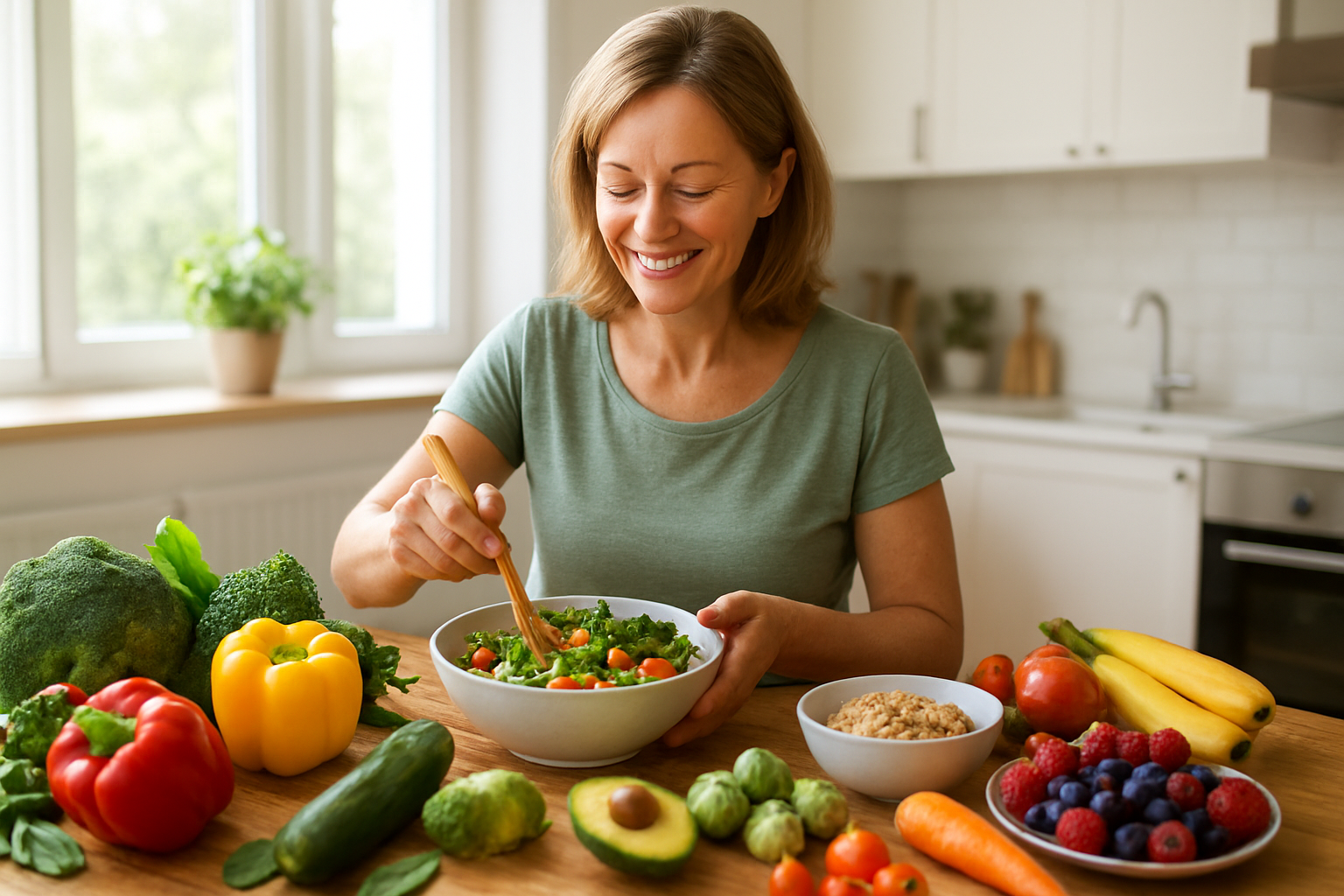
Plant-based diets consistently show remarkable benefits for heart health. Studies reveal that vegans typically have lower blood pressure, reduced cholesterol levels, and significantly decreased risk of heart disease compared to meat-eaters. The abundance of fiber, antioxidants, and phytonutrients in plant foods helps reduce inflammation throughout the body while supporting optimal circulation.
Many people notice improvements in their blood work within weeks of transitioning to veganism. The elimination of saturated fats from animal products, combined with increased intake of heart-protective compounds from fruits, vegetables, and whole grains, creates an ideal environment for cardiovascular wellness. Weight management also becomes easier, as plant-based foods tend to be naturally lower in calories while providing greater satiety through fiber content.
Reduced environmental footprint and carbon emissions
Animal agriculture generates approximately 14.5% of global greenhouse gas emissions, making dietary choices a powerful tool for environmental action. Switching to plant-based eating dramatically reduces your personal carbon footprint – studies show vegans produce roughly 75% fewer carbon emissions from food compared to heavy meat-eaters.
Water conservation represents another significant benefit. Producing one pound of beef requires about 1,800 gallons of water, while plant proteins need far less. Land usage also drops substantially, as growing crops directly for human consumption uses approximately 75% less land than raising animals for food. Deforestation, soil degradation, and water pollution all decrease when demand for animal products reduces.
Prevention of animal suffering and exploitation
Modern factory farming confines billions of animals in cramped, unnatural conditions where they cannot express normal behaviors. By choosing vegan options, you withdraw support from industries that treat sentient beings as production units rather than living creatures capable of pain, fear, and joy.
Dairy and egg industries also involve significant animal welfare concerns, including forced impregnation, separation of mothers from offspring, and culling of male animals deemed economically worthless. Even farms marketed as “humane” or “free-range” often fall short of providing genuinely compassionate treatment.
Enhanced energy levels and mental clarity
Many vegans report sustained energy throughout the day without the crashes associated with heavy animal-based meals. Plant foods digest more easily, requiring less energy for processing while providing steady glucose release. The high fiber content helps stabilize blood sugar levels, preventing the energy rollercoaster that processed and animal-heavy diets often create.
Mental clarity improvements likely stem from increased blood flow to the brain, reduced inflammation, and optimal nutrient absorption. B-vitamins from fortified foods and nutritional yeast, omega-3s from algae sources, and antioxidants from colorful produce all support cognitive function.
Lower risk of chronic diseases
Research consistently links plant-based diets with reduced rates of type 2 diabetes, certain cancers, and autoimmune conditions. The World Health Organization has classified processed meats as carcinogenic, while red meat receives a “probably carcinogenic” designation. Removing these foods while increasing protective plant compounds creates a powerful disease-prevention strategy.
Diabetes management becomes significantly easier on vegan diets due to improved insulin sensitivity and weight control. Many people reduce or eliminate diabetes medications under medical supervision after adopting plant-based eating. Cancer protection comes from antioxidants, fiber, and phytochemicals that help neutralize harmful free radicals and support healthy cell division.
Common Misconceptions and Myths Debunked

Protein Deficiency Concerns Addressed
The biggest worry people have about going vegan is getting enough protein. This fear stems from outdated nutritional beliefs that animal products are the only “complete” protein sources. The truth is, you can easily meet all your protein needs on a plant-based diet.
Plant foods like quinoa, hemp seeds, chia seeds, and buckwheat contain all nine essential amino acids your body needs. Even if you eat foods with “incomplete” proteins, your body combines amino acids from different sources throughout the day. Eating beans with rice, hummus with whole grain pita, or peanut butter on whole wheat bread creates complete protein profiles.
Many plant foods pack serious protein punch:
- Lentils: 18g per cup
- Chickpeas: 15g per cup
- Hemp hearts: 10g per 3 tablespoons
- Nutritional yeast: 8g per 2 tablespoons
- Spirulina: 8g per 2 tablespoons
Professional athletes like tennis champion Venus Williams, NFL player Cam Newton, and ultramarathon runner Scott Jurek thrive on plant-based diets. The American Dietetic Association confirms that well-planned vegan diets provide adequate protein for all life stages, including pregnancy and athletic performance.
Expensive Lifestyle Myth Dispelled
People often assume veganism costs more because they focus on specialty products and restaurant meals. While some vegan alternatives can be pricey, the foundation of a plant-based diet consists of the cheapest foods in the grocery store.
Staples like rice, beans, lentils, potatoes, oats, bananas, and seasonal vegetables cost significantly less than meat, dairy, and eggs. A pound of dried beans provides more protein than a pound of chicken at half the price. Buying ingredients in bulk, shopping at farmers markets, and cooking at home dramatically reduces costs.
Here’s a cost comparison of common protein sources per serving:
| Food Item | Cost per 20g protein |
|---|---|
| Lentils | $0.50 |
| Black beans | $0.55 |
| Chicken breast | $1.25 |
| Ground beef | $1.80 |
| Salmon | $3.50 |
Even factoring in occasional splurges on plant-based meats or artisanal nut cheeses, most people spend 10-15% less on groceries after switching to a plant-based diet. The key is building meals around whole foods rather than processed alternatives.
Taste and Variety Limitations Clarified
The idea that vegan food lacks flavor or variety couldn’t be further from reality. Traditional cuisines worldwide feature incredible plant-based dishes that have satisfied people for thousands of years. Indian dal, Mexican bean tacos, Italian pasta with marinara, Thai curries, and Mediterranean mezze plates showcase the natural diversity of plant foods.
Modern vegan cooking has exploded with creativity and innovation. Plant-based versions of comfort foods now rival their animal-based counterparts in taste and texture. Cashew-based cheeses develop complex flavors through fermentation. Mushrooms provide umami depth that satisfies savory cravings. Jackfruit and seitan create satisfying meat-like textures.
Spices, herbs, marinades, and cooking techniques unlock endless flavor possibilities. Smoky paprika, nutritional yeast, coconut aminos, miso paste, and tahini add richness and complexity to simple ingredients. Roasting vegetables brings out natural sweetness, while fermentation creates tangy, probiotic-rich foods.
Many people discover they eat more varied diets after going vegan because they explore new ingredients and cooking methods. Instead of rotating between chicken, beef, and pork, they experiment with dozens of beans, grains, vegetables, fruits, nuts, and seeds they never tried before.
Practical Steps to Transition Successfully

Gradual Transition Strategies That Work
Making the switch doesn’t have to happen overnight. Start by picking one meal to make completely plant-based – many people find breakfast easiest since options like oatmeal, smoothies, and avocado toast are naturally vegan. Once you’re comfortable with that, move on to lunch, then dinner.
The “crowding out” method works brilliantly too. Instead of focusing on what you can’t eat, pack your meals with delicious plant foods. Add more vegetables, grains, legumes, and fruits to every meal. You’ll naturally eat less animal products without feeling deprived.
Try “Meatless Mondays” or dedicate specific days of the week to plant-based eating. This creates a routine while giving you flexibility. Some people prefer the category approach – cutting out red meat first, then poultry, then fish, and finally dairy and eggs.
Essential Nutrients and Supplementation Guidance
Vitamin B12 is the only nutrient you absolutely need to supplement as a vegan. Take a weekly dose of 2,500 mcg or daily doses of 10-25 mcg. Don’t skip this – B12 deficiency can cause serious neurological problems.
Focus on these key nutrients in your daily meals:
- Protein: Beans, lentils, quinoa, tofu, tempeh, nuts, and seeds
- Iron: Dark leafy greens, lentils, fortified cereals (pair with vitamin C foods)
- Calcium: Fortified plant milks, tahini, kale, broccoli, figs
- Omega-3s: Flaxseeds, chia seeds, walnuts, algae supplements
- Zinc: Pumpkin seeds, cashews, chickpeas, oats
Consider vitamin D if you don’t get enough sun exposure, and omega-3 algae oil if you don’t eat omega-3 rich foods regularly.
Shopping Tips for Plant-Based Alternatives
Start shopping the perimeter of the store where fresh produce lives. Fill half your cart with colorful fruits and vegetables before moving to other sections. Frozen vegetables and fruits are just as nutritious and often more budget-friendly.
Stock up on pantry staples that form the backbone of plant-based cooking:
| Grains | Legumes | Nuts & Seeds |
|---|---|---|
| Brown rice | Black beans | Almonds |
| Quinoa | Chickpeas | Cashews |
| Oats | Lentils | Chia seeds |
| Whole wheat pasta | Split peas | Flaxseeds |
For meat alternatives, read labels carefully. Look for options with simple ingredients and adequate protein. Tofu, tempeh, and legume-based products are often healthier than highly processed alternatives.
Plant milks vary widely in nutrition. Unsweetened soy milk typically has the most protein, while oat milk works best in coffee. Always choose fortified versions with calcium, vitamin D, and B12.
Social Situations and Dining Out Solutions
Restaurant research makes everything smoother. Check menus online beforehand and don’t hesitate to call ahead. Most restaurants can accommodate plant-based requests, even if they don’t have obvious vegan options. Ethnic cuisines like Thai, Indian, Mediterranean, and Mexican often have naturally vegan dishes.
Master the art of polite menu modification. Ask for pasta with marinara instead of cream sauce, veggie burgers without cheese, or salads without meat. Many chefs enjoy the creative challenge of preparing something special.
For social gatherings, offer to bring a dish you can eat. Make something so delicious that everyone wants to try it – this sparks natural conversations about plant-based eating without being preachy. Keep explanations simple and positive when people ask about your choices.
Family dinners can be tricky initially. Suggest restaurants with varied menus or offer to cook family meals featuring naturally plant-based dishes like stir-fries, pasta primavera, or hearty soups. Show them how flavorful and satisfying vegan food can be through your cooking rather than lengthy discussions.
Always pack snacks for long outings. Nuts, fruit, energy bars, or crackers prevent hangry moments when vegan options aren’t available. This preparation keeps you comfortable and shows others that plant-based eating doesn’t have to be complicated or restrictive.
Veganism is much more than just avoiding meat – it’s a lifestyle choice that reflects your values about animal rights, environmental protection, and personal health. The different approaches to veganism mean you can find a path that works for your unique situation, whether you’re focused on ethics, health, or the planet. The benefits go beyond what many people realize, from reducing your carbon footprint to potentially improving your energy levels and overall health.
Don’t let the myths and misconceptions hold you back from exploring what veganism could mean for you. Start small with one or two plant-based meals a week, experiment with new recipes, and connect with others who’ve made the transition. Remember, there’s no perfect way to be vegan – what matters is taking steps that align with your values and feel sustainable for your lifestyle. Every plant-based choice you make is a positive step forward.