Nutmeg adds warm flavor to your favorite dishes, but this common spice packs surprising health benefits and serious risks that most home cooks don’t know about. This guide is for anyone using nutmeg in cooking, baking, or exploring natural remedies who wants to understand both its therapeutic potential and safety concerns.
You’ll discover nutmeg’s impressive nutritional profile and active compounds that give it medicinal properties. We’ll explore the science-backed health benefits of regular nutmeg consumption, from digestive support to sleep improvement. Most importantly, you’ll learn about the potential health risks and side effects that can occur with improper use, plus safe dosage guidelines to help you enjoy nutmeg’s benefits without the dangers.
Nutritional Profile and Active Compounds in Nutmeg
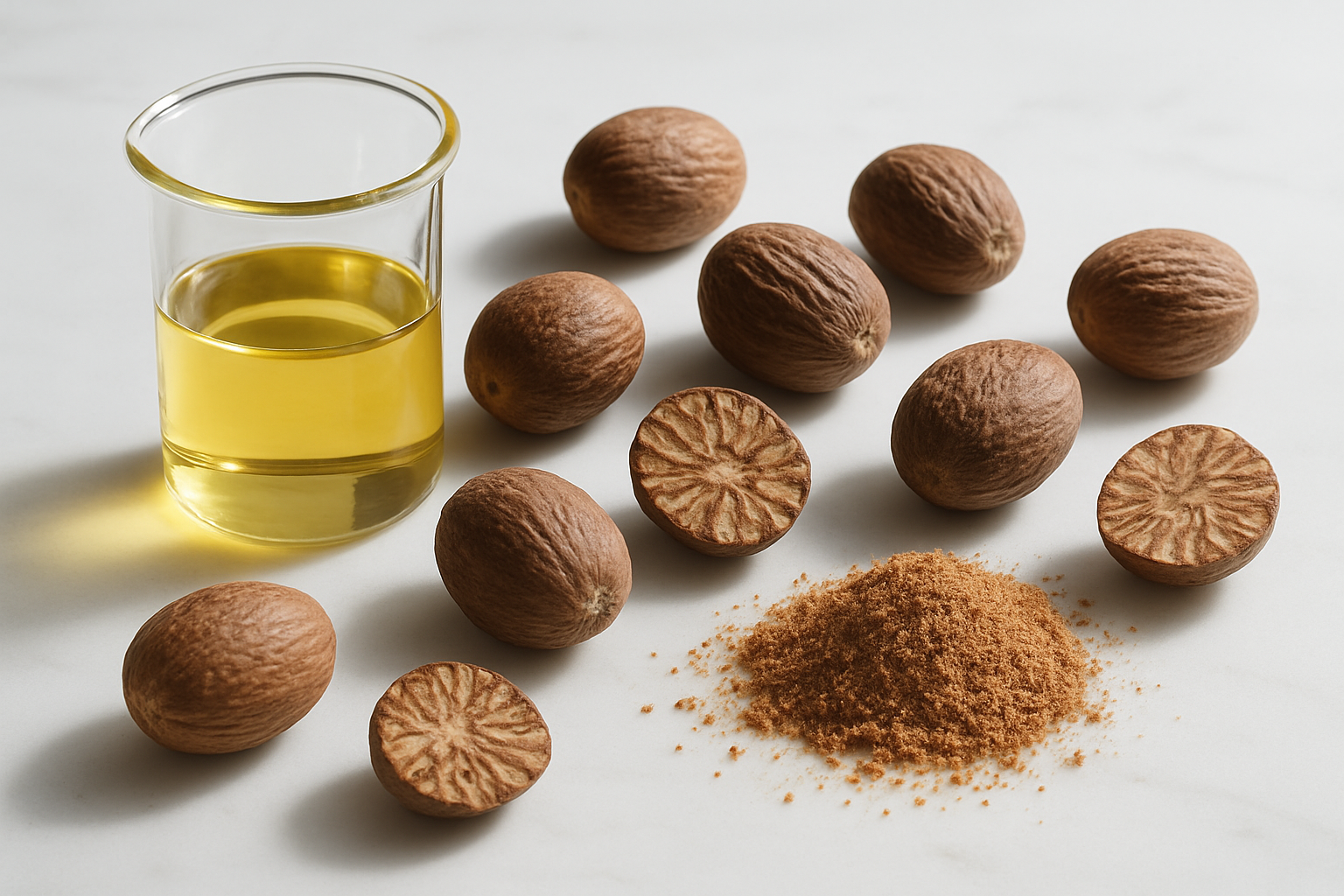
Essential oils and their therapeutic properties
Nutmeg contains a complex array of essential oils that contribute to its distinctive aroma and powerful therapeutic effects. The most abundant essential oils include myristicin, elemicin, safrole, and eugenol, which collectively make up about 7-16% of the spice’s total weight.
Myristicin serves as the primary bioactive compound, offering antimicrobial and anti-inflammatory properties. This oil helps combat harmful bacteria and fungi while reducing inflammation throughout the body. Elemicin works synergistically with myristicin, providing additional antimicrobial benefits and contributing to nutmeg’s natural pain-relieving effects.
Eugenol, also found in cloves, delivers potent antioxidant properties that protect cells from oxidative stress and free radical damage. This compound also provides natural analgesic effects, making nutmeg useful for managing minor aches and pains. Safrole, though present in smaller quantities, contributes to nutmeg’s digestive benefits and helps stimulate appetite.
The volatile oil fraction also contains pinene, camphene, and dipentene, which enhance the spice’s respiratory benefits and contribute to its traditional use in treating coughs and congestion. These compounds work together to create nutmeg’s characteristic warming sensation and support circulation throughout the body.
Vitamin and mineral content breakdown
Nutmeg packs impressive nutritional density despite typically being consumed in small quantities. One teaspoon (2.2 grams) of ground nutmeg provides a concentrated source of essential micronutrients that support various bodily functions.
| Nutrient | Amount per tsp | % Daily Value |
|---|---|---|
| Manganese | 0.3 mg | 13% |
| Copper | 0.1 mg | 11% |
| Magnesium | 4 mg | 1% |
| Fiber | 0.5 g | 2% |
| Iron | 0.1 mg | 1% |
| Potassium | 8 mg | <1% |
Manganese stands out as nutmeg’s most significant mineral contribution, supporting bone health, wound healing, and metabolism of carbohydrates and proteins. This trace mineral also plays a crucial role in antioxidant enzyme function, helping protect cells from damage.
The copper content supports iron absorption, collagen formation, and nervous system function. Magnesium contributes to muscle and nerve function while supporting heart rhythm regulation. Though present in smaller amounts, these minerals work together to support overall health.
Nutmeg also contains modest amounts of B-vitamins, including folate, riboflavin, and niacin. These vitamins support energy metabolism, red blood cell formation, and nervous system health. The spice provides small amounts of vitamin C, contributing to immune function and collagen synthesis.
Myristicin and elemicin concentration levels
Myristicin represents the most studied and pharmacologically active compound in nutmeg, typically comprising 4-8% of the essential oil content. This phenylpropene compound varies in concentration based on nutmeg’s origin, processing method, and storage conditions. East Indian nutmeg generally contains higher myristicin levels compared to West Indian varieties.
Fresh, whole nutmeg contains the highest myristicin concentrations, with levels decreasing over time once ground. Proper storage in airtight containers away from light and heat helps preserve these active compounds. The concentration peaks in the seed’s outer layers, which explains why freshly grated nutmeg provides more potent effects than pre-ground versions.
Elemicin complements myristicin’s effects, typically present at 2-4% of the essential oil content. This compound enhances nutmeg’s sedative properties and contributes to its traditional use for promoting relaxation and sleep. The ratio of myristicin to elemicin influences the overall psychoactive potential of different nutmeg varieties.
Both compounds demonstrate dose-dependent effects, providing therapeutic benefits at culinary doses while potentially causing adverse reactions at excessive amounts. Research shows that myristicin levels above 5mg per kilogram of body weight may produce unwanted side effects, highlighting the importance of moderate consumption.
The bioavailability of these compounds increases when nutmeg is consumed with fats, as both myristicin and elemicin are lipophilic molecules. This explains why traditional preparations often combine nutmeg with milk, butter, or other fatty ingredients to enhance absorption and effectiveness.
Proven Health Benefits of Regular Nutmeg Consumption
Digestive System Support and Stomach Comfort
Nutmeg has been trusted for centuries as a natural remedy for digestive troubles, and modern research backs up this traditional wisdom. The spice contains compounds that help relax the smooth muscles in your digestive tract, making it easier for food to move through your system. When you’re dealing with bloating, gas, or that uncomfortable feeling after a heavy meal, nutmeg can provide gentle relief.
The essential oils in nutmeg, particularly myristicin and elemicin, work together to stimulate digestive enzymes. This means your body breaks down food more efficiently, reducing the likelihood of indigestion and stomach discomfort. Many people find that adding a pinch of nutmeg to warm milk or tea before bed helps settle their stomach and promotes better sleep.
Nutmeg also acts as a natural carminative, which is a fancy way of saying it helps reduce gas buildup in your intestines. If you’re prone to stomach cramps or digestive spasms, the antispasmodic properties of nutmeg can help calm those uncomfortable contractions.
Anti-inflammatory Properties for Joint Health
The anti-inflammatory compounds in nutmeg make it a valuable ally for anyone dealing with joint pain or stiffness. Research shows that nutmeg contains several bioactive compounds, including eugenol and isoeugenol, which help reduce inflammation throughout the body. These compounds work by blocking certain enzymes that trigger inflammatory responses.
Regular consumption of small amounts of nutmeg may help people with arthritis or other inflammatory joint conditions experience less pain and improved mobility. The spice’s anti-inflammatory effects aren’t limited to joints either – they can benefit your entire cardiovascular system and help reduce chronic inflammation that contributes to various health problems.
Traditional medicine practitioners have long used nutmeg oil topically for muscle and joint pain relief. When applied to the skin, the warming sensation and anti-inflammatory compounds can penetrate deep into tissues, providing localized pain relief. However, topical use requires careful dilution to avoid skin irritation.
Cognitive Function Enhancement and Memory Support
Your brain can benefit significantly from nutmeg’s unique blend of compounds. The spice contains natural substances that may help improve memory, focus, and overall cognitive function. Myristicin, one of nutmeg’s primary active compounds, has shown promise in laboratory studies for protecting brain cells from oxidative stress and inflammation.
Some research suggests that nutmeg may help increase levels of certain neurotransmitters, including dopamine and serotonin, which play important roles in mood regulation and cognitive performance. People who regularly include small amounts of nutmeg in their diet often report feeling more mentally alert and experiencing better concentration.
The antioxidants in nutmeg also help protect your brain from age-related decline. These compounds fight off free radicals that can damage brain cells over time, potentially reducing the risk of neurodegenerative conditions. While nutmeg isn’t a miracle cure, incorporating it into a brain-healthy diet alongside other nutritious foods may contribute to better long-term cognitive health.
Natural Antibacterial and Antifungal Protection
Nutmeg serves as a natural defense system against harmful bacteria and fungi. Laboratory studies have demonstrated that nutmeg extract can effectively fight against several types of bacteria, including some that cause food poisoning and dental problems. The essential oils in nutmeg disrupt the cell walls of harmful microorganisms, preventing them from multiplying and causing infections.
This antimicrobial activity makes nutmeg particularly valuable for oral health. The spice can help reduce bacteria in your mouth that contribute to bad breath, tooth decay, and gum disease. Some traditional cultures still use nutmeg as a natural tooth cleaner and breath freshener.
The antifungal properties of nutmeg are equally impressive. Studies show that certain compounds in nutmeg can inhibit the growth of various fungi, including those responsible for skin infections and food spoilage. This natural protection extends to your digestive system, where nutmeg may help maintain a healthy balance of microorganisms and prevent the overgrowth of harmful yeasts and fungi.
These protective qualities make nutmeg a valuable addition to food preservation methods and natural health practices, though it should complement, not replace, proper hygiene and medical care when needed.
Potential Health Risks and Side Effects
Toxicity Symptoms from Excessive Consumption
When people consume nutmeg in large amounts, typically more than 2-3 teaspoons at once, the body can experience serious toxic reactions. The culprit behind these symptoms is myristicin, a compound that becomes dangerous at high doses.
Early signs of nutmeg toxicity include nausea, vomiting, and stomach pain. These digestive symptoms usually appear within 1-3 hours after consuming large amounts. As the toxicity progresses, people often experience dizziness, confusion, and severe headaches.
More serious symptoms can develop over the next several hours, including:
- Rapid heartbeat and elevated blood pressure
- Extreme drowsiness or agitation
- Difficulty breathing
- Seizures in severe cases
- Complete disorientation and memory problems
The toxic effects can last anywhere from 12 to 48 hours, making this a prolonged and uncomfortable experience. What makes nutmeg toxicity particularly dangerous is that people often don’t realize they’ve consumed too much until symptoms are already severe.
Psychoactive Effects and Hallucination Risks
Nutmeg contains several compounds that can alter brain function when consumed in large quantities. Myristicin and elemicin are the main psychoactive components that can produce mind-altering effects similar to some recreational drugs.
People who consume excessive amounts of nutmeg often report experiencing:
- Visual and auditory hallucinations
- Feelings of detachment from reality
- Paranoia and anxiety attacks
- Time distortion and confusion
- Intense fear or panic
These psychoactive effects typically begin 3-6 hours after consumption and can persist for up to two days. The experience is generally described as unpleasant and unpredictable, with many people reporting feeling completely out of control.
The risk is especially high among teenagers and young adults who might experiment with nutmeg as a legal way to get high. Unlike other substances, nutmeg’s effects are delayed, leading some people to consume even more before the first dose takes effect, dramatically increasing their risk of severe toxicity.
Drug Interactions with Common Medications
Nutmeg can interfere with several types of medications, creating potentially dangerous interactions. The spice affects liver enzymes responsible for breaking down many drugs, which can alter how medications work in your body.
Blood Thinners: Nutmeg may increase the effects of anticoagulant medications like warfarin, raising the risk of excessive bleeding. People taking blood thinners should be particularly careful about consuming nutmeg supplements or large amounts of the spice.
Diabetes Medications: Since nutmeg can lower blood sugar levels, it may amplify the effects of diabetes medications, potentially causing dangerous drops in blood glucose.
Sedatives and Sleep Medications: Nutmeg’s natural sedative properties can enhance the effects of sleeping pills, anti-anxiety medications, and other central nervous system depressants, leading to excessive drowsiness or breathing problems.
Antidepressants: The compounds in nutmeg may interact with certain antidepressants, particularly MAO inhibitors, potentially causing dangerous increases in blood pressure or serotonin syndrome.
Always talk with your doctor or pharmacist before using nutmeg supplements if you take any prescription medications regularly.
Pregnancy and Breastfeeding Safety Concerns
Pregnant and breastfeeding women need to be extra cautious with nutmeg consumption. While small culinary amounts are generally considered safe, larger quantities pose significant risks to both mother and baby.
During pregnancy, excessive nutmeg intake may trigger uterine contractions and potentially lead to miscarriage or preterm labor. The psychoactive compounds can also cross the placenta, potentially affecting fetal brain development.
Specific pregnancy risks include:
- Increased risk of bleeding during delivery
- Potential interference with fetal heart rate
- Possible birth defects if consumed regularly in large amounts
- Complications during labor and delivery
For breastfeeding mothers, the active compounds in nutmeg can pass into breast milk, potentially affecting the nursing infant’s nervous system. Babies may experience unusual drowsiness, feeding difficulties, or changes in sleep patterns.
Most healthcare providers recommend limiting nutmeg to normal cooking amounts during pregnancy and breastfeeding – typically no more than a pinch or small sprinkle in recipes. Nutmeg supplements and large therapeutic doses should be completely avoided during these periods.
Women trying to conceive should also be aware that some traditional medicine systems have used nutmeg as an abortifacient, so it’s best to err on the side of caution and stick to minimal culinary use only.
Safe Dosage Guidelines and Consumption Methods
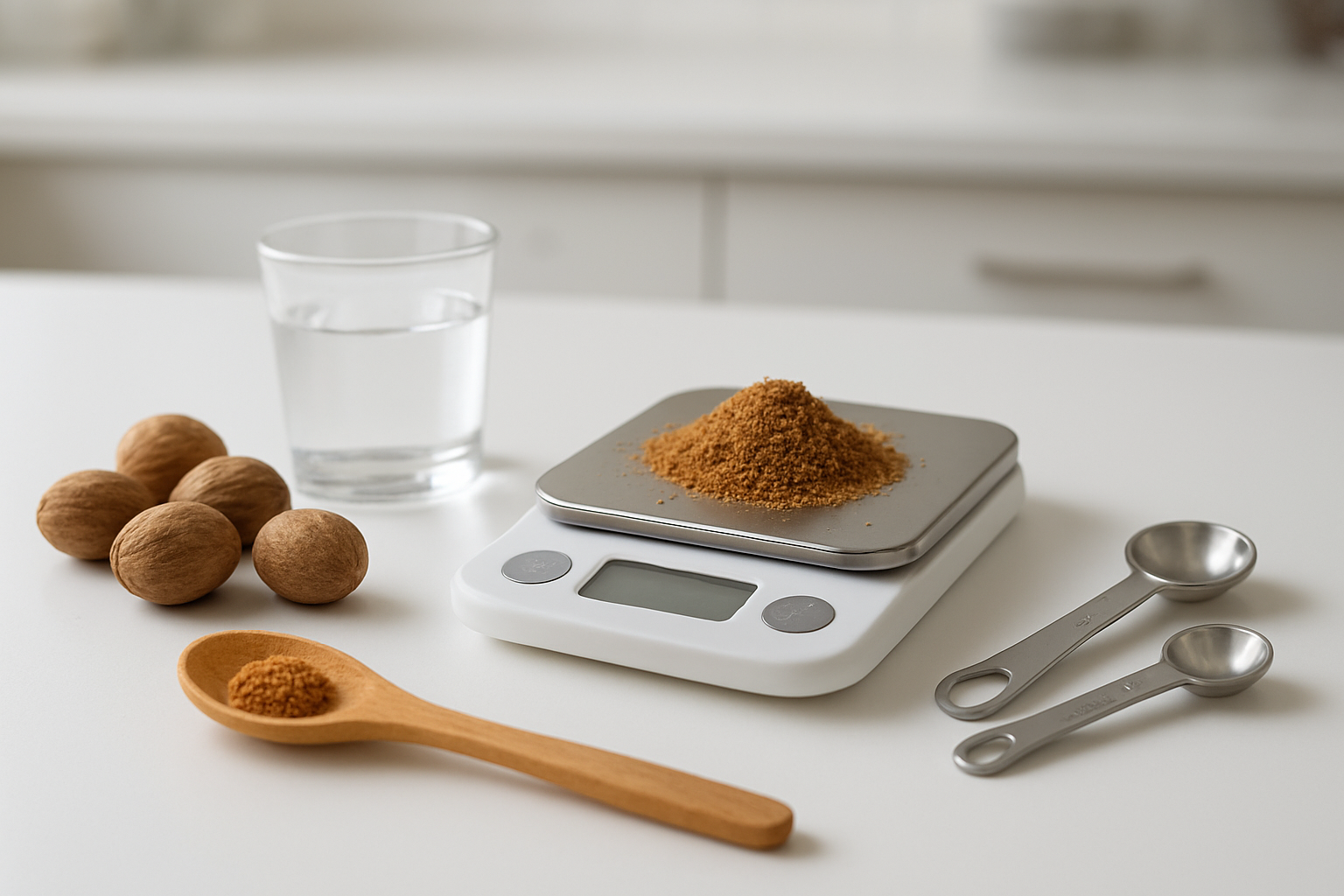
Recommended Daily Intake Limits for Adults
Most health experts agree that nutmeg should be consumed in small amounts to enjoy its benefits safely. The typical culinary dose ranges from 1/8 to 1/4 teaspoon per day, which equals roughly 0.5 to 1 gram. This amount provides the therapeutic compounds without risking toxic effects.
For medicinal purposes, some practitioners recommend up to 1-2 grams daily, but this should only be done under professional guidance. Pregnant women should limit intake to culinary amounts only, as higher doses may trigger uterine contractions. Children require even smaller portions – typically half the adult dose or less.
The key lies in understanding that nutmeg’s active compound, myristicin, becomes problematic at doses exceeding 5 grams. Even 2-3 grams can cause mild symptoms in sensitive individuals. Stick to pinches rather than spoonfuls, and you’ll stay well within safe limits.
Proper Preparation Techniques to Maximize Benefits
Fresh ground nutmeg delivers the most potent health benefits compared to pre-ground varieties. Whole nutmeg seeds retain their essential oils and active compounds for months when stored properly. Grate only what you need using a fine microplane or dedicated nutmeg grater.
Heat enhances nutmeg’s bioavailability, making warm preparations ideal. Add ground nutmeg to:
- Hot beverages: Stir into warm milk, coffee, or herbal teas
- Cooked dishes: Include in baked goods, curries, and stews during the final cooking stages
- Warm spice blends: Combine with cinnamon, ginger, and cardamom for digestive teas
Avoid prolonged high-heat exposure, which degrades beneficial compounds. Add nutmeg near the end of cooking or after removing dishes from heat. For maximum absorption, pair nutmeg with healthy fats like coconut oil or ghee, as many of its active compounds are fat-soluble.
Store whole nutmeg in airtight containers away from light and heat. Ground nutmeg loses potency quickly, so replace pre-ground varieties every six months.
Warning Signs of Nutmeg Overconsumption
Nutmeg toxicity typically develops 2-6 hours after consuming large amounts. Early symptoms often mimic food poisoning and include nausea, vomiting, and stomach pain. These digestive issues serve as your body’s first warning system.
As toxicity progresses, neurological symptoms emerge:
- Dizziness and confusion
- Rapid heartbeat and palpitations
- Excessive thirst and dry mouth
- Flushing or skin redness
- Anxiety or agitation
Severe cases may involve hallucinations, seizures, or loss of consciousness. These serious symptoms require immediate medical attention. The effects can last 12-24 hours, with some people experiencing lingering fatigue or confusion for several days.
Individual sensitivity varies significantly. Some people react to doses as small as 2 grams, while others tolerate slightly more. Age, body weight, medications, and overall health status influence susceptibility. Anyone experiencing unusual symptoms after nutmeg consumption should stop use immediately and consult healthcare providers if symptoms persist or worsen.
Recovery typically occurs without lasting effects when caught early, but prevention remains the best approach through mindful dosing.
Practical Applications for Optimal Health Benefits

Culinary uses that preserve nutritional value
Freshly grated whole nutmeg delivers maximum potency compared to pre-ground varieties. Add nutmeg at the end of cooking to protect heat-sensitive compounds like myristicin and elemicin. A light dusting over warm milk, oatmeal, or rice pudding allows the volatile oils to bloom without degrading.
Steaming and braising work exceptionally well for nutmeg-spiced dishes. These gentle cooking methods maintain the spice’s therapeutic compounds while infusing food with its distinctive flavor. Try adding a pinch to steamed vegetables or slow-cooked stews during the final 10 minutes.
Cold preparations like smoothies, no-bake energy balls, and fruit salads preserve nutmeg’s complete nutritional profile. Blend a small amount into yogurt-based drinks or sprinkle over fresh fruit to maximize bioavailability without heat exposure.
Natural remedy preparations for common ailments
Create a soothing digestive tea by steeping 1/4 teaspoon ground nutmeg in hot water for 10 minutes. This preparation helps ease bloating and stomach discomfort after heavy meals. Strain before drinking and limit to once daily.
For sleep support, warm milk with a tiny pinch of nutmeg acts as a natural relaxant. The compounds interact with neurotransmitters to promote calm without causing grogginess. Consume 30-60 minutes before bedtime for best results.
Topical preparations require extreme caution due to nutmeg’s potency. Mix a minimal amount with carrier oils like coconut or jojoba for localized pain relief. Test on a small skin patch first, as nutmeg can cause irritation in concentrated amounts.
Combining nutmeg with other beneficial spices
Cinnamon and nutmeg create a powerful anti-inflammatory combination. Both spices contain compounds that work together to reduce oxidative stress and support healthy blood sugar levels. Use this pairing in baked goods, hot beverages, and breakfast dishes.
Ginger amplifies nutmeg’s digestive benefits while adding its own anti-nausea properties. Combine these spices in golden milk recipes or warming teas for enhanced therapeutic effects. The ratio should favor ginger (2:1) since nutmeg is more concentrated.
| Spice Combination | Primary Benefits | Recommended Uses |
|---|---|---|
| Nutmeg + Cardamom | Respiratory support, breath freshening | Chai blends, desserts |
| Nutmeg + Cloves | Pain relief, antimicrobial action | Mulled drinks, preserves |
| Nutmeg + Turmeric | Anti-inflammatory, brain health | Golden milk, curry dishes |
Black pepper increases nutmeg’s bioavailability by enhancing absorption. Add just a few ground peppercorns to nutmeg-containing recipes to maximize therapeutic uptake without altering flavor significantly.
Storage methods to maintain potency and safety
Whole nutmeg seeds maintain potency for up to four years when stored properly. Keep them in airtight containers away from light, heat, and moisture. Glass jars with tight-fitting lids work better than plastic containers, which can absorb volatile oils over time.
Ground nutmeg loses potency rapidly, becoming less effective within six months. Refrigerator storage extends shelf life to about one year, while freezer storage can preserve quality for up to two years. Always use clean, dry spoons to prevent contamination.
Label containers with purchase or grinding dates to track freshness. Fresh nutmeg should have a strong, warm aroma when grated. If the scent is weak or musty, the spice has lost therapeutic value and should be replaced.
Store nutmeg separately from other strong spices to prevent flavor contamination. Cedar blocks or bay leaves in storage areas help repel insects naturally without introducing chemicals that could affect the spice’s purity.

Nutmeg brings impressive health benefits to the table when you use it the right way. From its powerful antioxidants and anti-inflammatory compounds to its ability to support digestion and brain health, this aromatic spice can be a valuable addition to your wellness routine. The key lies in understanding that moderation is everything – while small culinary amounts offer therapeutic benefits, overdoing it can lead to serious side effects including nausea, hallucinations, and even toxicity.
Smart nutmeg use means sticking to recommended dosages of about 1-2 teaspoons per day and choosing high-quality, fresh spice for maximum benefits. Whether you’re sprinkling it into your morning coffee, adding it to baked goods, or using it in savory dishes, you can enjoy nutmeg’s health perks safely. Pay attention to your body’s response and consult with a healthcare provider if you have existing health conditions or take medications. When used mindfully, nutmeg transforms from just another spice in your cabinet into a natural tool for better health.