Cinnamon has become a popular daily supplement, but many people wonder if this sweet spice is actually safe for everyday use. This guide is for health-conscious individuals who want to understand the real benefits and potential risks of adding cinnamon to their daily routine.
You’ll discover the key differences between cinnamon varieties and what nutrients they provide your body. We’ll also examine the proven health benefits of regular cinnamon consumption, from blood sugar support to anti-inflammatory effects. Finally, you’ll learn about potential side effects and how to determine safe daily dosage guidelines that work for your lifestyle.
By the end, you’ll have the knowledge to make an informed decision about whether daily cinnamon use is right for you.
Understanding Cinnamon Types and Their Nutritional Profile
Ceylon vs Cassia Cinnamon Differences
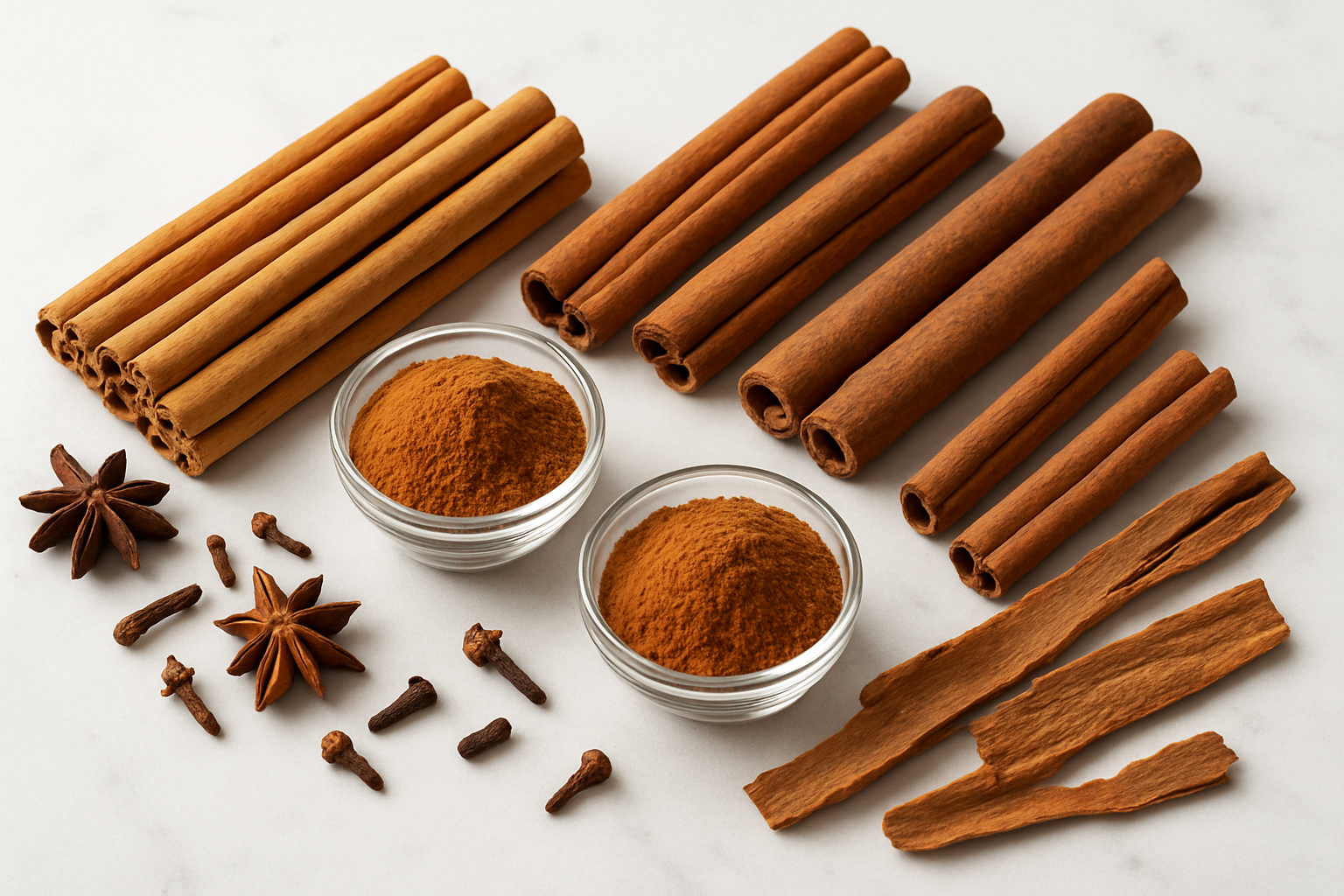
Most people grab whatever cinnamon they find at the grocery store without realizing there are two main types with significantly different properties. Ceylon cinnamon, often called “true cinnamon,” comes from the bark of Cinnamomum verum trees native to Sri Lanka. Cassia cinnamon, the more common variety found in most supermarkets, originates from Cinnamomum cassia trees primarily grown in China, Indonesia, and Vietnam.
The differences go beyond origin. Ceylon cinnamon has a delicate, sweet flavor with subtle citrus notes, while Cassia delivers a stronger, more pungent taste with higher heat intensity. Visually, Ceylon bark forms thin, papery layers that crumble easily, whereas Cassia bark is thicker and harder with a reddish-brown color.
Price also sets them apart. Ceylon cinnamon costs significantly more due to limited growing regions and more labor-intensive harvesting methods. You’ll typically find Ceylon cinnamon in health food stores or specialty spice shops, while Cassia dominates mainstream grocery aisles.
| Feature | Ceylon Cinnamon | Cassia Cinnamon |
|---|---|---|
| Origin | Sri Lanka | China, Indonesia, Vietnam |
| Flavor | Mild, sweet, citrusy | Strong, spicy, pungent |
| Texture | Thin, fragile layers | Thick, hard bark |
| Color | Light tan | Dark reddish-brown |
| Price | Higher | Lower |
| Availability | Specialty stores | Common in supermarkets |
Essential Nutrients and Compounds in Cinnamon
Cinnamon packs an impressive nutritional punch in a small package. A single teaspoon contains manganese, calcium, iron, and vitamin K, though the amounts are relatively modest. The real power lies in its bioactive compounds that give cinnamon its distinctive properties and potential health benefits.
Cinnamaldehyde stands as the star compound, responsible for cinnamon’s characteristic aroma and flavor. This powerful compound makes up 65-75% of Ceylon cinnamon’s essential oil and shows antimicrobial and anti-inflammatory properties in research studies. Eugenol, another significant component, contributes to cinnamon’s warm, spicy notes and possesses antioxidant qualities.
Cinnamon also contains proanthocyanidins, the same antioxidants found in red wine and dark chocolate. These compounds help protect cells from oxidative stress and may support cardiovascular health. The spice provides catechins and epicatechins, flavonoids that research links to improved insulin sensitivity and glucose metabolism.
Essential oils in cinnamon include linalool, caryophyllene, and pinene, each contributing to the complex flavor profile and potential therapeutic effects. The antioxidant capacity of cinnamon ranks among the highest of all spices, with values comparable to oregano and cloves.
Coumarin Content Variations Between Types
Coumarin content represents the most critical difference between cinnamon types, especially for daily consumption considerations. This naturally occurring compound gives certain plants their sweet, vanilla-like scent but can pose health risks in large amounts.
Cassia cinnamon contains significantly higher coumarin levels, ranging from 2,000 to 5,000 parts per million. Ceylon cinnamon contains dramatically less, typically between 5 to 87 parts per million – roughly 50 to 100 times lower than Cassia varieties. This massive difference becomes crucial when considering regular consumption.
European food safety authorities have established tolerable daily intake levels for coumarin at 0.1 mg per kilogram of body weight. For a 150-pound adult, this translates to about 6.8 mg daily. A single teaspoon of Cassia cinnamon can contain 5-12 mg of coumarin, potentially approaching or exceeding safe limits, while the same amount of Ceylon cinnamon typically contains less than 0.5 mg.
High coumarin intake may stress the liver and interfere with blood clotting mechanisms. People taking blood-thinning medications face particular concerns with excessive Cassia consumption. The stark coumarin difference explains why many health professionals recommend Ceylon cinnamon for regular use, despite its higher cost.
Different Cassia varieties also show coumarin variations. Indonesian Cassia typically contains the highest levels, followed by Chinese Cassia, with Vietnamese Cassia showing somewhat lower amounts but still significantly higher than Ceylon.
Proven Health Benefits of Regular Cinnamon Consumption
Blood Sugar Regulation and Diabetes Management
Cinnamon has earned significant attention for its ability to help control blood sugar levels, making it particularly valuable for people with diabetes or prediabetes. Research shows that cinnamon can improve insulin sensitivity, allowing cells to better respond to insulin and absorb glucose more effectively. This means your body can process sugar more efficiently after meals.
Several studies have demonstrated that regular cinnamon consumption can reduce fasting blood glucose levels by 10-29%. The active compounds in cinnamon, particularly cinnamaldehyde and procyanidin type-A polymers, work by mimicking insulin’s effects and increasing glucose uptake by cells. Even a small daily amount can make a noticeable difference in blood sugar control.
For people with type 2 diabetes, adding cinnamon to their routine has shown promising results in clinical trials. Participants who consumed 1-6 grams of cinnamon daily experienced significant reductions in both fasting glucose and HbA1c levels – a marker of long-term blood sugar control. The spice also helps slow down the digestion of carbohydrates, preventing sharp spikes in blood sugar after meals.
Anti-Inflammatory and Antioxidant Properties
Cinnamon packs a powerful punch when it comes to fighting inflammation and oxidative stress in your body. The spice contains over 40 different antioxidant compounds, making it one of the most antioxidant-rich foods available. These antioxidants help neutralize harmful free radicals that can damage cells and contribute to aging and disease.
The anti-inflammatory effects of cinnamon are particularly impressive. Chronic inflammation plays a role in many serious health conditions, including heart disease, cancer, and arthritis. Cinnamon’s bioactive compounds can help reduce inflammatory markers in the blood, potentially lowering your risk of developing these conditions.
Studies have shown that cinnamon extract can significantly reduce levels of C-reactive protein (CRP), a key marker of inflammation in the body. Regular consumption has also been linked to decreased production of inflammatory cytokines, the chemical messengers that trigger inflammation throughout your system.
The antioxidant capacity of cinnamon is so strong that it ranks among the top seven most antioxidant-rich foods, surpassing many fruits and vegetables. This makes it an excellent addition to your daily routine for overall health protection.
Heart Health and Cholesterol Improvement
Your cardiovascular system can benefit significantly from regular cinnamon consumption. Research indicates that cinnamon can help improve several markers of heart health, including cholesterol levels, blood pressure, and overall cardiovascular function.
Multiple studies have shown that cinnamon can reduce total cholesterol levels by 7-27% and LDL (bad) cholesterol by 9-30%. At the same time, it may help increase HDL (good) cholesterol levels, creating a more favorable cholesterol profile that supports heart health. These improvements can be seen with doses as low as 120mg per day.
Cinnamon also shows promise in helping to lower blood pressure. The spice contains compounds that can help relax blood vessels and improve circulation. Some studies have found that regular cinnamon consumption can reduce systolic blood pressure by 5-6 mmHg, which may seem small but can translate to meaningful health benefits over time.
The heart-protective effects extend beyond cholesterol and blood pressure. Cinnamon’s anti-inflammatory and antioxidant properties help protect the cardiovascular system from damage caused by oxidative stress. This comprehensive approach to heart health makes cinnamon a valuable ally in maintaining cardiovascular wellness.
Brain Function and Memory Enhancement
Emerging research suggests that cinnamon may offer significant benefits for brain health and cognitive function. The spice contains compounds that can cross the blood-brain barrier, potentially protecting neurons and supporting mental performance.
Studies have shown that cinnamon extract can help protect against neurodegenerative diseases like Alzheimer’s and Parkinson’s. The spice appears to reduce the formation of harmful protein aggregates in the brain that are associated with these conditions. Animal studies have demonstrated improved memory and learning abilities in subjects given cinnamon supplements.
The cognitive benefits may be due to cinnamon’s ability to improve blood flow to the brain and reduce inflammation in neural tissue. Better circulation means more oxygen and nutrients reach brain cells, supporting optimal mental function. Some research has also suggested that simply smelling cinnamon can provide immediate cognitive benefits, improving attention and memory performance.
Regular cinnamon consumption has been associated with better processing speed and working memory in human studies. While more research is needed to fully understand these effects, the current evidence suggests that this common spice could play a role in maintaining sharp mental function as we age.
Potential Risks and Side Effects of Daily Cinnamon Use
Liver Damage from High Coumarin Intake
Cassia cinnamon contains significant levels of coumarin, a natural compound that can cause serious liver problems when consumed regularly in large amounts. Your liver processes coumarin through specific enzymes, but daily intake of high doses can overwhelm this system and lead to hepatotoxicity.
Studies show that consuming more than 0.1 mg of coumarin per kilogram of body weight daily increases the risk of liver damage. For a 150-pound adult, this translates to roughly one teaspoon of cassia cinnamon powder daily. People who sprinkle cinnamon on their morning oatmeal, add it to smoothies, and take cinnamon supplements might easily exceed this threshold without realizing it.
Early signs of coumarin-induced liver damage include:
- Fatigue and weakness
- Abdominal pain, especially in the upper right area
- Loss of appetite
- Nausea and vomiting
- Yellowing of skin or eyes (jaundice)
The good news is that Ceylon cinnamon contains virtually no coumarin, making it a safer choice for daily consumption. However, cassia cinnamon remains the most common variety found in grocery stores and supplements, so checking labels becomes crucial for regular users.
Blood Thinning Effects and Medication Interactions
Cinnamon naturally contains compounds that can thin your blood by reducing platelet aggregation – essentially making your blood less likely to clot. While this might sound beneficial for heart health, it creates potentially dangerous interactions with certain medications and medical conditions.
People taking blood-thinning medications like warfarin, aspirin, or clopidogrel face increased bleeding risks when combining these drugs with daily cinnamon consumption. Even seemingly minor injuries could result in excessive bleeding, and surgical procedures might require stopping cinnamon use weeks in advance.
Common medication interactions include:
| Medication Type | Interaction Risk | Recommended Action |
|---|---|---|
| Blood thinners | High | Consult doctor before use |
| Diabetes medications | Moderate | Monitor blood sugar closely |
| Heart medications | Moderate | Regular monitoring needed |
| Liver medications | High | Avoid high doses |
Cinnamon can also lower blood sugar levels, which becomes problematic for diabetics taking insulin or other glucose-lowering medications. This double effect can cause dangerous drops in blood sugar, leading to hypoglycemia, confusion, dizziness, and even loss of consciousness.
Allergic Reactions and Skin Sensitivities
Cinnamon allergies affect more people than you might expect, and symptoms can range from mild irritation to severe allergic reactions. Contact dermatitis is the most common reaction, especially from cinnamon essential oil or when handling large amounts of cinnamon powder.
Skin reactions typically appear as:
- Red, itchy rashes where cinnamon touched the skin
- Burning sensations in the mouth or on lips
- Swelling of facial features
- Hives or welts on various body parts
Some people develop oral allergy syndrome when eating cinnamon, experiencing tingling, swelling, or burning in their mouth and throat. This reaction can worsen with continued exposure and might eventually progress to more severe symptoms.
Respiratory reactions can occur when inhaling cinnamon powder, causing coughing, wheezing, throat irritation, or even asthma attacks in sensitive individuals. The popular “cinnamon challenge” highlighted these dangers when participants experienced severe respiratory distress from inhaling concentrated cinnamon powder.
Cross-reactivity with other spices is also possible. People allergic to cinnamon might react to similar compounds found in nutmeg, cloves, or certain tree pollens. This makes identifying triggers more complex and requires careful attention to ingredient lists in processed foods, cosmetics, and personal care products.
Safe Daily Dosage Guidelines and Consumption Methods
Recommended Daily Amounts for Different Cinnamon Types
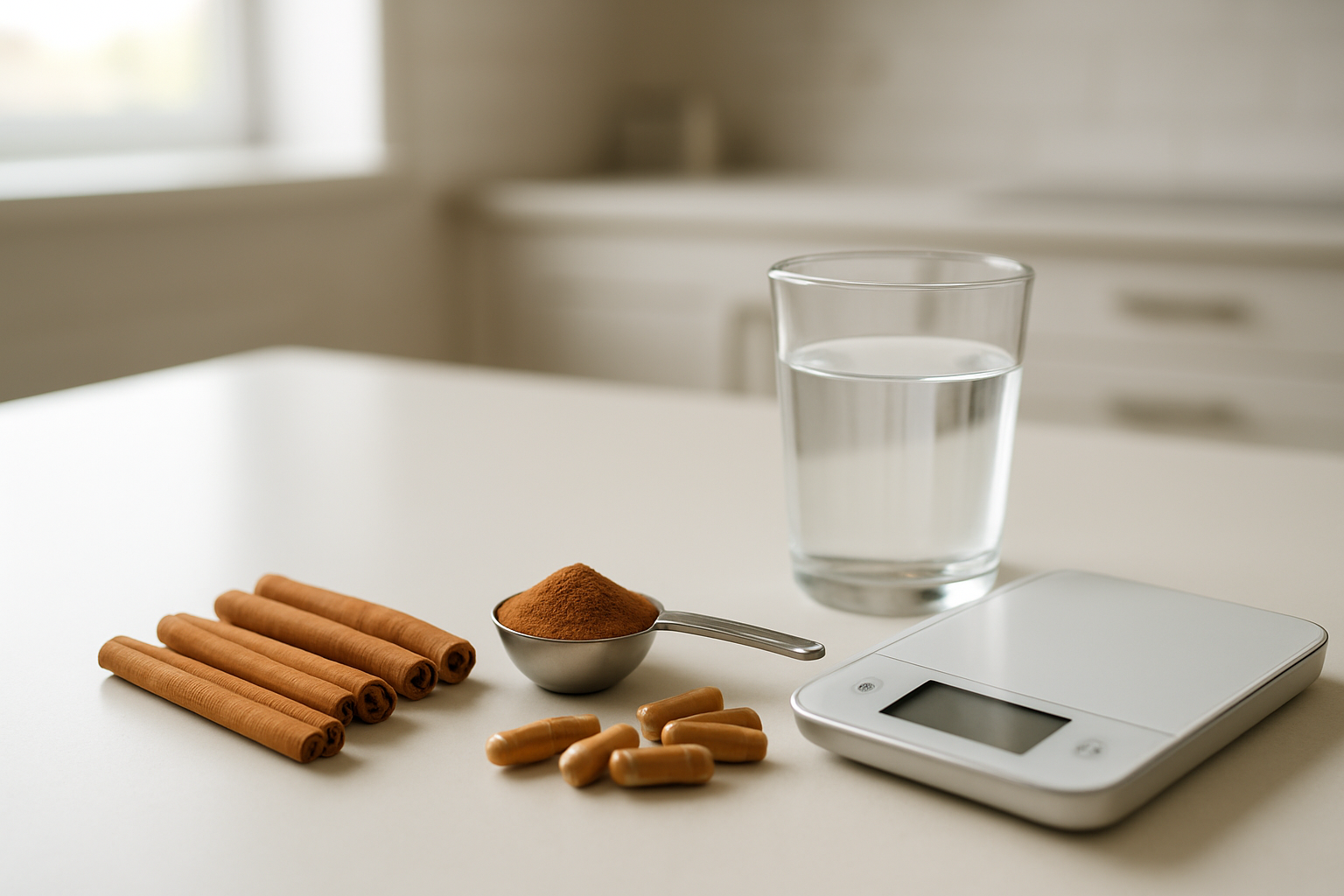
Ceylon cinnamon stands out as the safer choice for daily consumption, with most health experts suggesting 1-6 grams per day as a reasonable range. This translates to roughly 1/2 to 1 teaspoon of ground cinnamon daily. Since Ceylon cinnamon contains minimal coumarin levels, you can comfortably stay within this range without worrying about liver toxicity.
Cassia cinnamon requires much more caution due to its high coumarin content. The European Food Safety Authority recommends limiting coumarin intake to 0.1 mg per kilogram of body weight daily. For a 150-pound adult, this means no more than 0.5 teaspoons of cassia cinnamon per day, and even less for smaller individuals.
| Cinnamon Type | Daily Limit | Coumarin Content | Safety Level |
|---|---|---|---|
| Ceylon | 1-6 grams | Very low | High |
| Cassia | 0.5-2 grams | High | Moderate |
| Saigon | 0.25-1 gram | Very high | Low |
| Korintje | 0.5-1.5 grams | High | Moderate |
Best Ways to Incorporate Cinnamon into Your Diet
Adding cinnamon to your morning coffee or tea creates an easy daily routine while providing antioxidant benefits. Sprinkle it over oatmeal, yogurt, or smoothie bowls for a metabolism boost that tastes great too.
Baking with cinnamon works well, but remember that heat can reduce some of its beneficial compounds. Raw applications often provide better health benefits. Try mixing cinnamon into nut butter, adding it to homemade energy balls, or creating a simple cinnamon honey mixture for toast.
Cinnamon supplements offer precise dosing, but whole spice provides additional fiber and nutrients. If you choose supplements, look for Ceylon cinnamon extract and follow manufacturer guidelines carefully.
Consider these practical daily options:
- Morning smoothies with 1/4 teaspoon
- Cinnamon-spiced apple slices as snacks
- Golden milk with turmeric and cinnamon
- Homemade granola with measured amounts
- Cinnamon bark tea for evening relaxation
Warning Signs of Excessive Consumption
Your body sends clear signals when you’ve had too much cinnamon. Mouth sores or burning sensations often appear first, especially with cassia varieties. These uncomfortable ulcers can make eating and drinking painful.
Digestive upset including nausea, stomach pain, or diarrhea indicates you’ve crossed your tolerance threshold. Some people experience headaches or dizziness after consuming large amounts, particularly on an empty stomach.
Skin reactions like rashes or contact dermatitis can develop in sensitive individuals. If you work with cinnamon powder regularly, watch for respiratory irritation including coughing or throat tightness.
Blood sugar drops too low in some people, causing shakiness, confusion, or weakness. This happens more often when combining large cinnamon amounts with diabetes medications.
Liver-related symptoms take longer to develop but are more serious. Watch for:
- Unusual fatigue or weakness
- Loss of appetite
- Yellowing of skin or eyes
- Dark urine
- Abdominal pain on the right side
Stop cinnamon consumption immediately if any concerning symptoms appear and consult your healthcare provider.
Special Considerations for Pregnant Women and Children
Pregnancy changes how your body processes many substances, including cinnamon. Small culinary amounts remain safe for most pregnant women, but medicinal doses require medical supervision. The coumarin in cassia cinnamon poses particular risks during pregnancy, potentially affecting liver function when the organ is already working harder.
Stick to food-level amounts during pregnancy – think a dash in your morning latte rather than therapeutic doses. Ceylon cinnamon offers a safer option if you want regular consumption. Always discuss supplement use with your obstetrician, especially if you have gestational diabetes.
Breastfeeding mothers should exercise similar caution. While small amounts won’t harm nursing babies, large doses might affect milk production or cause digestive upset in sensitive infants.
Children’s smaller body weights mean they reach unsafe coumarin levels much faster than adults. A 50-pound child should limit cassia cinnamon to about 1/4 teaspoon daily maximum. Kids often love cinnamon’s sweet taste, making it easy to overconsume through treats and snacks.
Watch children carefully for adverse reactions, as they may not communicate symptoms clearly. Start with tiny amounts and observe their response. Ceylon cinnamon provides a much safer option for regular use in children’s diets.
Special medical conditions require extra attention. Children with liver problems, bleeding disorders, or diabetes need medical clearance before regular cinnamon consumption.
Making Informed Decisions About Daily Cinnamon Use

Consulting Healthcare Providers Before Regular Use
Before making cinnamon a regular part of your daily routine, talking with your doctor or healthcare provider is a smart move. This becomes especially important if you’re already taking medications, as cinnamon can interact with certain drugs. Blood thinners, diabetes medications, and heart medications are the main ones to watch out for. Your doctor knows your medical history and current medications better than anyone, so they can spot potential problems before they happen.
People with diabetes need to be extra careful since cinnamon can lower blood sugar levels. While this might sound like a good thing, it could cause your blood sugar to drop too low if you’re already taking diabetes medications. Your healthcare provider can help adjust dosages or create a monitoring plan that keeps you safe while still letting you enjoy cinnamon’s benefits.
Pregnant and breastfeeding women should definitely check with their doctors first. The same goes for people with liver conditions, since cassia cinnamon contains coumarin, which can stress the liver when consumed regularly in large amounts. Children also process supplements differently than adults, so pediatric guidance is valuable for families wanting to include cinnamon in their kids’ diets.
Choosing High-Quality Cinnamon Products
Not all cinnamon products are created equal, and picking the right ones can make a huge difference in both safety and effectiveness. Ceylon cinnamon, often called “true cinnamon,” contains much less coumarin than cassia cinnamon. This makes Ceylon the