Turmeric has earned its reputation as a golden superfood, but understanding its proper uses, benefits, side effects, and safe dosage can help you make informed decisions about adding this spice to your wellness routine.
This comprehensive guide is designed for health-conscious individuals, supplement users, and anyone curious about turmeric’s therapeutic potential. You’ll discover the science-backed health benefits that have made turmeric a staple in both traditional medicine and modern research. We’ll also cover the potential side effects and health risks you should know about, plus safe dosage guidelines to help you use turmeric effectively and safely.
What is Turmeric and Its Active Compounds
Understanding Turmeric as a Golden Spice
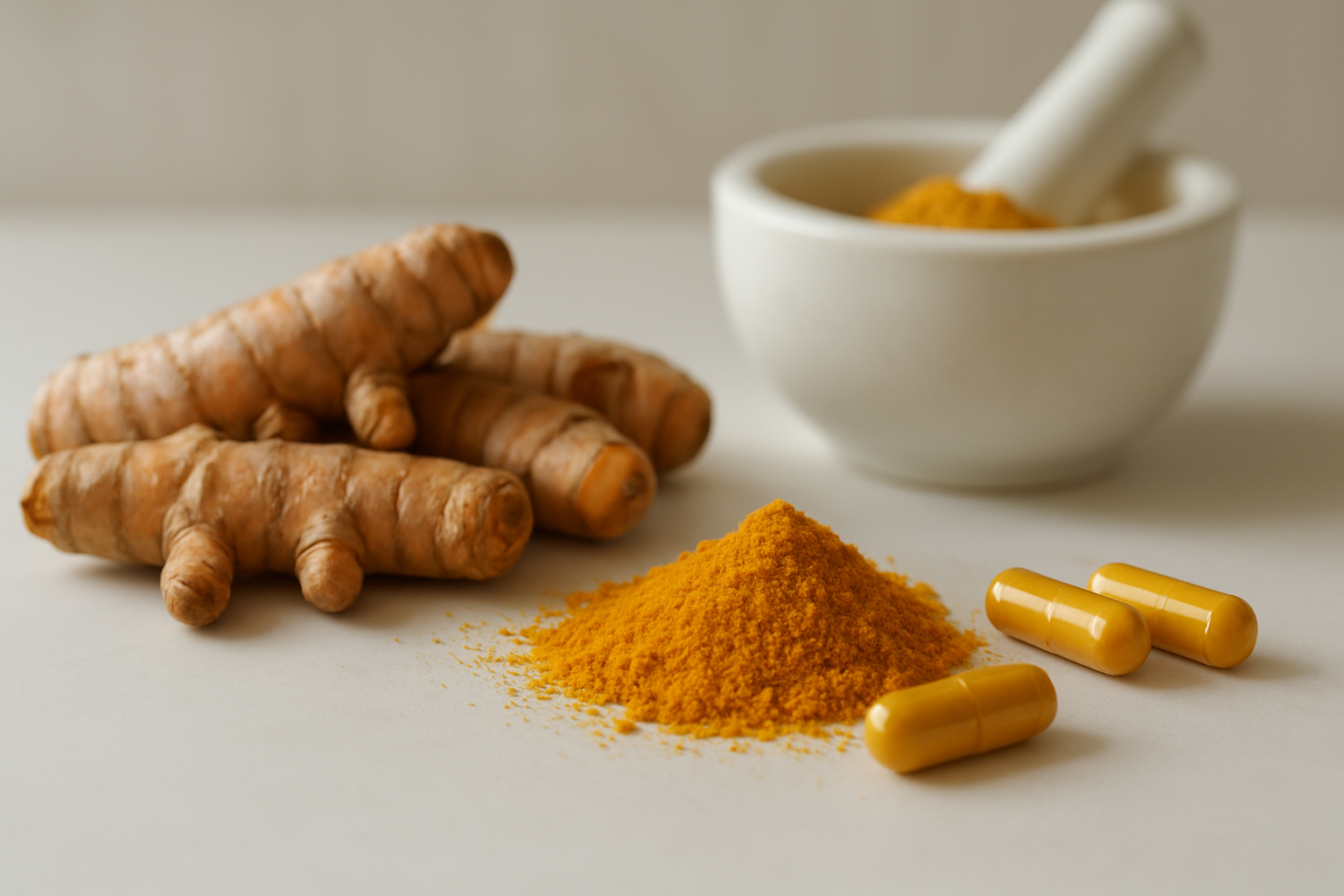
Turmeric stands out as one of nature’s most vibrant and recognizable spices, earning its nickname “golden spice” from its distinctive bright yellow-orange color. This rhizome belongs to the ginger family (Zingiberaceae) and grows primarily in tropical regions of Asia, with India being the largest producer and consumer worldwide.
The spice comes from the underground stems of the Curcuma longa plant, which are harvested, boiled, dried, and ground into the familiar powder found in kitchens and supplement stores. Fresh turmeric root resembles ginger but displays that characteristic golden hue when cut open, revealing the source of its potent coloring properties.
Beyond its culinary applications, turmeric has served as a natural dye for centuries, staining everything from Buddhist monks’ robes to traditional Indian textiles. The spice’s intense color comes from its rich concentration of bioactive compounds, making it far more than just a flavoring agent.
Curcumin: The Powerhouse Component
Curcumin represents the most studied and celebrated compound within turmeric, typically comprising 2-8% of most turmeric preparations. This polyphenolic compound gives turmeric its signature color and accounts for many of its therapeutic properties that have captured the attention of researchers worldwide.
The curcumin molecule belongs to a group called curcuminoids, which are responsible for turmeric’s anti-inflammatory, antioxidant, and antimicrobial effects. However, curcumin faces significant bioavailability challenges when consumed alone, as the digestive system rapidly breaks it down and eliminates it from the body.
This absorption issue has led to the development of various enhanced curcumin formulations, including:
- Curcumin with piperine (black pepper extract) – increases absorption by up to 2000%
- Liposomal curcumin – encapsulated in fat molecules for better uptake
- Curcumin phytosomes – bound to phospholipids for improved delivery
- BCM-95 – a patented complex with turmeric essential oils
Other Beneficial Compounds in Turmeric
While curcumin gets most of the spotlight, turmeric contains numerous other bioactive compounds that contribute to its therapeutic profile. These supporting players work synergistically with curcumin to create what researchers call the “entourage effect.”
Demethoxycurcumin and bisdemethoxycurcumin are two additional curcuminoids that possess anti-inflammatory and antioxidant properties, though they’re present in smaller concentrations than curcumin itself.
Turmerones, including ar-turmerone, α-turmerone, and β-turmerone, are volatile oils that give turmeric its distinctive aroma and may support brain health and neurogeneration. These compounds are often lost during standard curcumin extraction processes but remain present in whole turmeric preparations.
Essential oils in turmeric contain over 300 chemical constituents, including zingiberene, curcumene, and β-sesquiphellandrene, which contribute to the spice’s antimicrobial and digestive benefits.
Proteins, carbohydrates, and fiber round out turmeric’s nutritional profile, providing additional health benefits beyond the concentrated bioactive compounds.
Traditional vs Modern Forms of Turmeric
The contrast between traditional and modern turmeric preparations reflects different philosophies about how to harness the spice’s benefits most effectively.
| Traditional Forms | Modern Forms |
|---|---|
| Whole fresh root | Standardized curcumin extracts |
| Ground powder | Curcumin supplements with enhancers |
| Turmeric paste | Liposomal formulations |
| Golden milk preparations | Time-release capsules |
| Turmeric tea | Topical curcumin creams |
Traditional preparations typically use the whole turmeric root or powder, often combined with other spices like black pepper, ginger, or coconut oil. These preparations maintain the full spectrum of turmeric’s compounds and have been refined through centuries of use in Ayurvedic and traditional Chinese medicine.
Modern formulations focus on maximizing curcumin concentration and bioavailability through various technological approaches. While these may deliver higher doses of specific compounds, they sometimes sacrifice the synergistic benefits of the whole plant.
Many health experts now recommend a balanced approach that includes both traditional culinary uses and targeted supplementation when specific therapeutic effects are desired. This strategy allows people to benefit from turmeric’s full spectrum of compounds while addressing the bioavailability challenges that limit curcumin’s effectiveness when consumed in food alone.
Primary Uses of Turmeric Throughout History
Culinary Applications in Global Cuisines
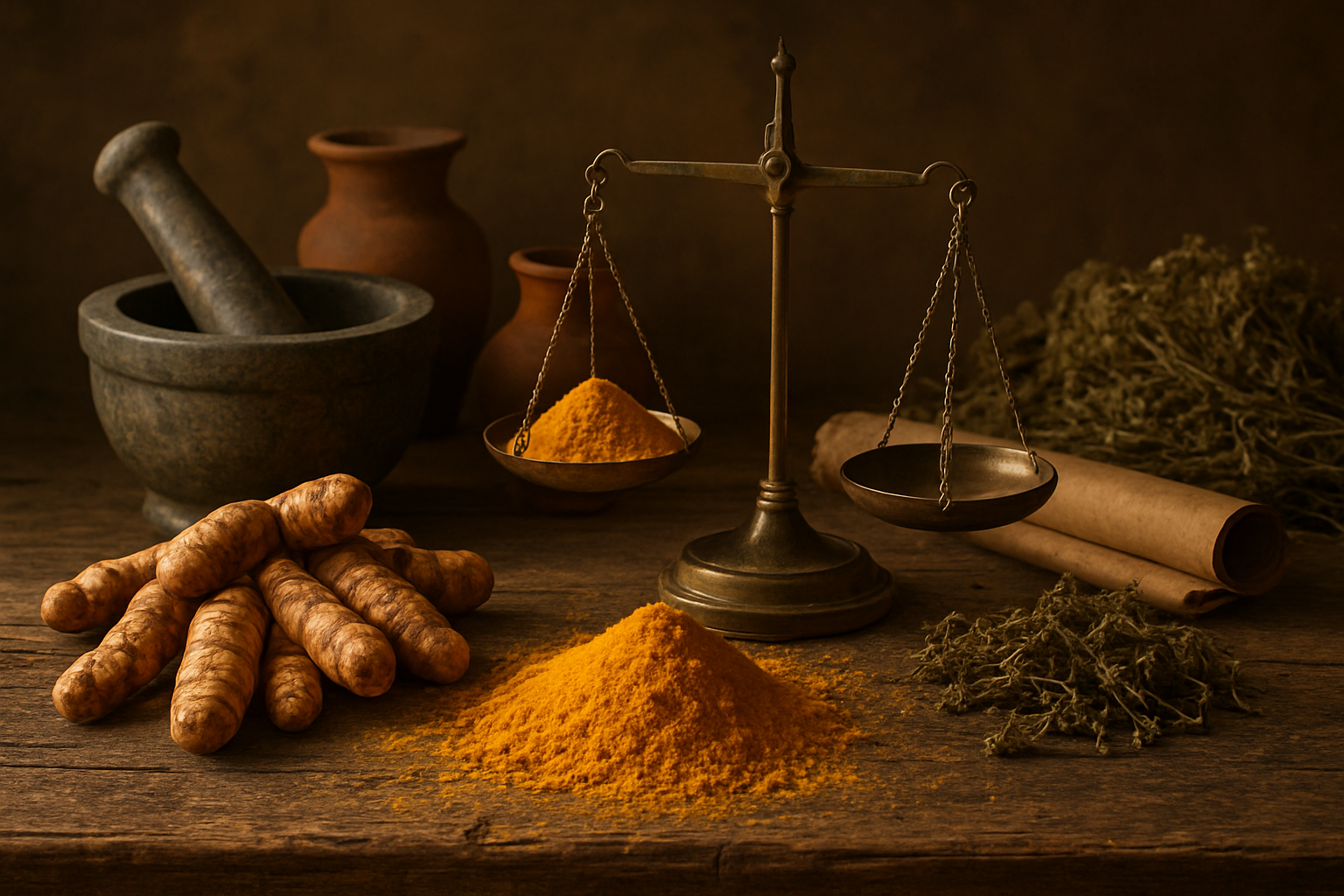
Turmeric has been the golden thread weaving through diverse culinary traditions for thousands of years. In Indian cuisine, this vibrant spice forms the backbone of countless dishes, from simple dal to complex biryanis. The warm, earthy flavor with subtle bitter notes makes turmeric indispensable in curry powders, garam masala, and regional spice blends across the Indian subcontinent.
Persian and Middle Eastern cooks have long prized turmeric for its ability to transform rice dishes into golden masterpieces. Saffron may get the glory, but turmeric provides that beautiful yellow hue at a fraction of the cost. Thai cuisine relies heavily on fresh turmeric root in curry pastes, particularly in yellow curries where it pairs beautifully with coconut milk and lemongrass.
African cuisines, especially in Morocco and Ethiopia, incorporate turmeric into tagines and berbere spice mixtures. The spice traveled ancient trade routes, establishing itself as a staple ingredient across continents. Even today, Caribbean jerk seasonings and Vietnamese pho broths wouldn’t be the same without turmeric’s distinctive contribution.
Modern Western kitchens have embraced turmeric’s versatility, adding it to everything from smoothies and lattes to roasted vegetables and marinades. The spice’s ability to complement both sweet and savory preparations has made it a favorite among contemporary chefs seeking to add depth and color to their creations.
Traditional Medicine and Ayurvedic Practices
Ancient healing systems recognized turmeric’s therapeutic potential long before modern science could explain why. In Ayurveda, turmeric holds the Sanskrit name “haridra” and is classified as having bitter, pungent, and astringent tastes with heating energy. Ayurvedic practitioners have prescribed turmeric for digestive issues, skin conditions, and joint problems for over 4,000 years.
Traditional Chinese Medicine incorporates turmeric as “jiang huang,” primarily using it to move blood and qi, reduce swelling, and alleviate pain. Ancient Chinese texts describe turmeric’s ability to clear blood stasis and support liver function, applications that align surprisingly well with contemporary research findings.
Indigenous healing traditions across Southeast Asia have used turmeric paste for wound healing, viewing the golden root as nature’s antiseptic. Traditional healers would create turmeric poultices for cuts, burns, and infections, often combining it with other healing herbs and oils.
Persian and Arabic medical texts from the medieval period documented turmeric’s use for stomach ailments and as a general tonic. These ancient physicians understood that turmeric could stimulate appetite and support overall digestive health, observations that modern gastroenterology continues to validate.
Women in many traditional cultures turned to turmeric for various health concerns, using it to regulate menstrual cycles and support postpartum recovery. This wisdom passed down through generations reflects an intuitive understanding of turmeric’s anti-inflammatory properties.
Natural Food Coloring and Preservation
Before synthetic dyes dominated the market, turmeric served as nature’s most reliable yellow colorant. Ancient civilizations discovered that this humble root could transform pale foods into appealing golden hues while simultaneously extending their shelf life. This dual functionality made turmeric invaluable in societies without refrigeration.
Food preservation represented turmeric’s most practical historical application. The curcumin compounds naturally inhibit bacterial growth and prevent oxidation, allowing foods to remain fresh longer in tropical climates. Traditional pickle-making across South Asia relies heavily on turmeric’s preservative qualities, creating condiments that can last months without spoilage.
Cheese makers in medieval Europe sometimes used turmeric to achieve consistent coloring, though saffron remained the preferred choice when cost wasn’t a concern. Buddhist monks adopted turmeric for dyeing their robes, appreciating both its vibrant color and symbolic significance representing wisdom and enlightenment.
Ancient textile industries recognized turmeric’s coloring potential beyond food applications. Indian artisans created beautiful yellow fabrics using turmeric-based dyes, though these colors proved less permanent than other natural dyes. The practice continues today in traditional textile communities seeking natural alternatives to chemical dyes.
Even butter and margarine manufacturers have historically used turmeric to achieve that appealing golden color consumers expect. This practice bridges ancient wisdom with modern food processing, demonstrating turmeric’s enduring relevance in our food systems.
Science-Backed Health Benefits of Turmeric
Powerful Anti-Inflammatory Properties
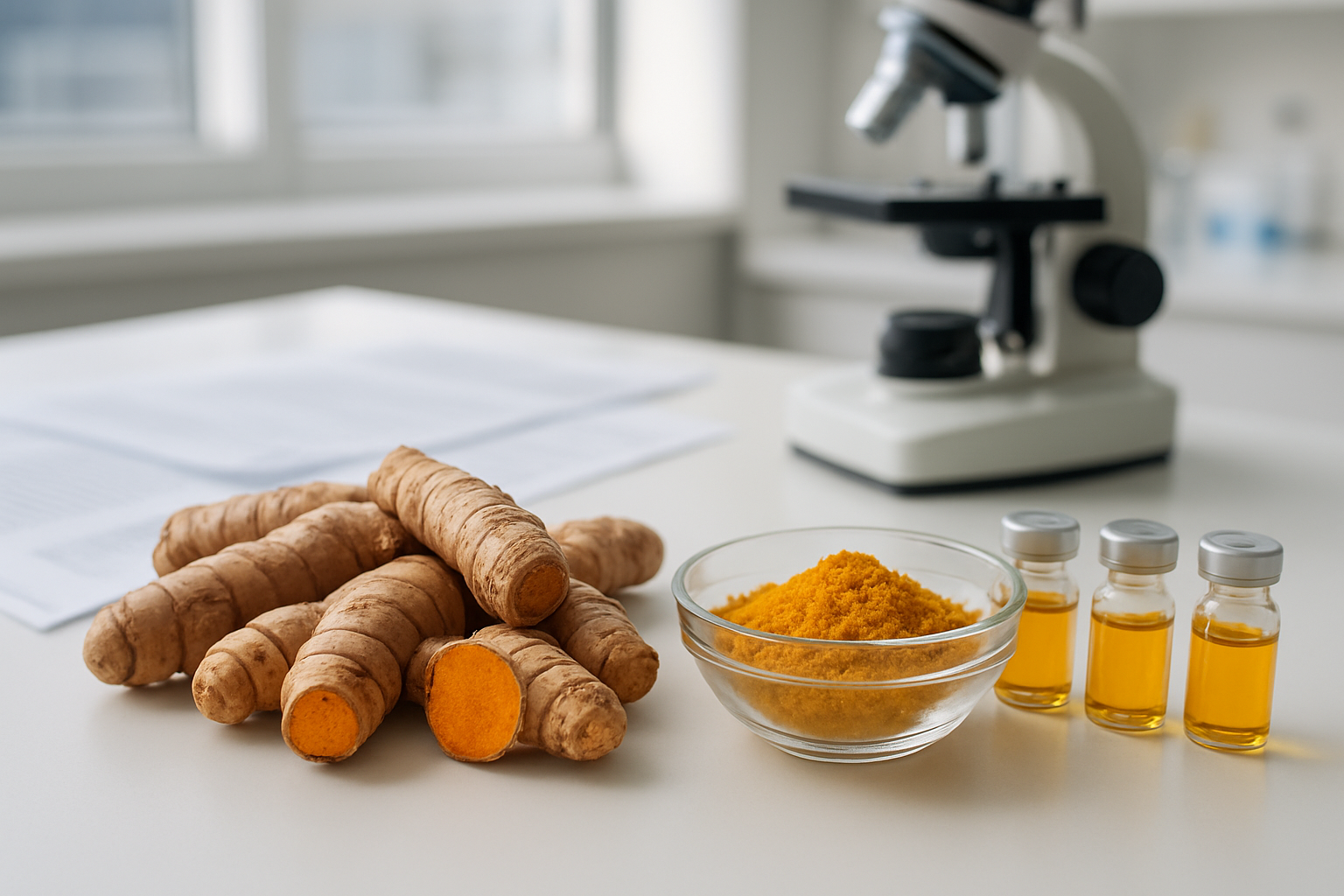
Curcumin, turmeric’s primary active compound, works like a natural fire extinguisher for inflammation in your body. Multiple studies show it can be as effective as some anti-inflammatory medications, but without the harsh side effects. The compound blocks several inflammatory pathways, including the notorious NF-kappaB pathway that triggers chronic inflammation linked to heart disease, cancer, and Alzheimer’s.
Clinical trials have demonstrated curcumin’s ability to reduce inflammatory markers like C-reactive protein (CRP) and interleukin-6. A 2019 meta-analysis of 15 randomized controlled trials found that curcumin supplementation significantly lowered CRP levels in participants. What makes this particularly impressive is that chronic inflammation is the root cause of many age-related diseases, making turmeric a powerful preventive tool.
Antioxidant Protection Against Free Radicals
Your body constantly battles free radicals – unstable molecules that damage cells and accelerate aging. Turmeric acts like a cellular bodyguard, neutralizing these harmful compounds before they wreak havoc. Curcumin’s antioxidant capacity is measured to be significantly higher than vitamins C and E.
The compound works in two ways: it directly scavenges free radicals and boosts your body’s own antioxidant enzyme production. Research shows curcumin increases levels of glutathione, catalase, and superoxide dismutase – your body’s natural defense squad against oxidative stress. This dual action makes turmeric particularly effective at protecting DNA, proteins, and lipids from oxidative damage.
Joint Health and Arthritis Relief
Arthritis pain affects millions of people worldwide, and turmeric offers genuine relief backed by solid research. Studies comparing curcumin to non-steroidal anti-inflammatory drugs (NSAIDs) show remarkable results. A 2014 study found that 500mg of curcumin daily was as effective as 50mg of diclofenac (a common arthritis medication) for reducing pain and improving mobility in knee osteoarthritis patients.
The magic happens because curcumin targets multiple inflammatory pathways simultaneously. It inhibits enzymes that break down cartilage while reducing the inflammatory molecules that cause joint pain and stiffness. Patients typically report improvements in:
- Morning stiffness reduction
- Increased range of motion
- Decreased joint tenderness
- Better overall mobility
- Reduced need for pain medications
Brain Function and Memory Enhancement
Your brain loves turmeric, and the feeling is mutual. Curcumin crosses the blood-brain barrier and delivers neuroprotective benefits that could help prevent cognitive decline. Research suggests it increases levels of brain-derived neurotrophic factor (BDNF), a protein that promotes new brain cell growth and protects existing neurons.
Studies on aging populations show promising results for memory and attention. A 2018 UCLA study found that adults taking curcumin supplements for 18 months showed significant improvements in memory tests and had better mood scores compared to placebo groups. Brain scans revealed less protein buildup associated with Alzheimer’s disease in the curcumin group.
The compound also appears to boost neuroplasticity – your brain’s ability to form new connections and adapt. This could explain why some people report feeling mentally sharper and more focused when taking turmeric regularly.
Heart Health and Cardiovascular Support
Cardiovascular disease remains the leading cause of death globally, but turmeric offers multiple layers of heart protection. Research shows curcumin improves endothelial function – the health of your blood vessel lining. When your endothelium works properly, it helps regulate blood pressure, prevents blood clots, and keeps arteries flexible.
A landmark study published in the American Journal of Cardiology found that curcumin supplementation reduced the risk of heart attack after bypass surgery by 65%. The compound achieves this by:
- Reducing LDL (bad) cholesterol oxidation
- Improving HDL (good) cholesterol levels
- Lowering triglycerides
- Reducing arterial plaque formation
- Supporting healthy blood pressure levels
Clinical trials show that taking 150-180mg of curcumin daily for 8 weeks can improve several cardiovascular risk markers. The anti-inflammatory effects also protect against atherosclerosis, the buildup of fatty deposits in arteries that leads to heart attacks and strokes.
Additional Therapeutic Benefits and Applications
Digestive Health and Gut Support
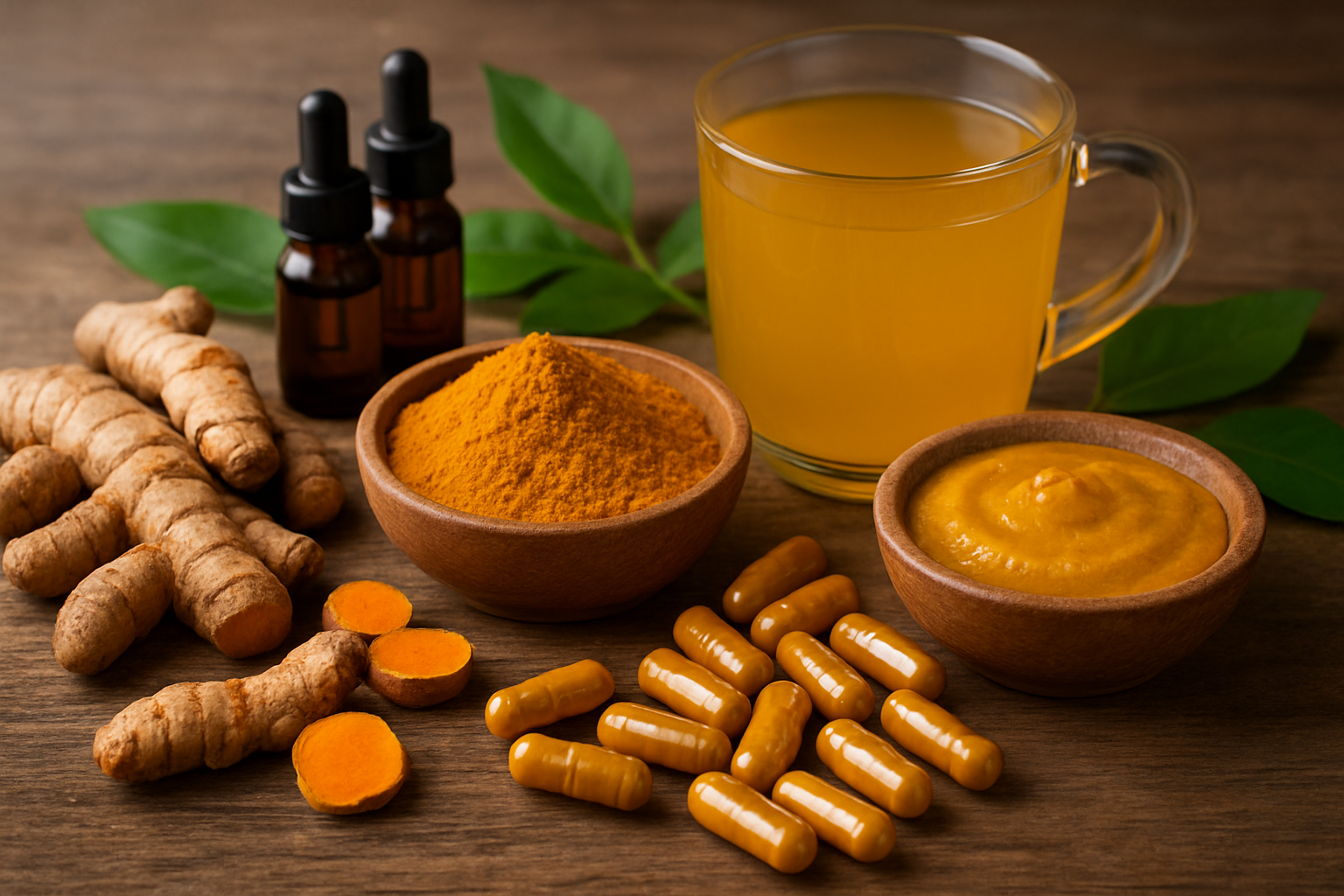
Turmeric has been a go-to remedy for digestive issues for thousands of years, and modern research shows why our ancestors were onto something. The active compound curcumin helps stimulate bile production in the liver, which breaks down fats more efficiently and reduces that uncomfortable bloated feeling after meals. People dealing with indigestion, gas, or general stomach discomfort often find relief when they add turmeric to their routine.
The spice also works as a gentle anti-inflammatory agent in the digestive tract. This means it can help calm irritated gut lining and may provide support for people with inflammatory bowel conditions. Some studies suggest that turmeric’s compounds help maintain the delicate balance of gut bacteria, promoting the growth of beneficial microbes while keeping harmful ones in check.
Many people notice improved digestion when they take turmeric with meals, especially those high in fat. The bile-stimulating properties make it particularly useful for anyone who struggles with sluggish digestion or feels heavy after eating. Traditional preparations often combine turmeric with black pepper, which enhances absorption and amplifies the digestive benefits.
Skin Health and Wound Healing
Your skin can benefit tremendously from turmeric’s healing properties, both when applied topically and taken internally. The anti-inflammatory and antimicrobial effects help address various skin concerns, from acne breakouts to minor cuts and scrapes. Turmeric paste has been used traditionally to speed up wound healing, reduce scarring, and fight off bacteria that might cause infections.
For acne-prone skin, turmeric’s ability to reduce inflammation can help calm angry breakouts and prevent new ones from forming. The spice also contains antioxidants that protect skin cells from damage caused by free radicals and environmental stressors. Many people create simple face masks using turmeric powder mixed with honey or yogurt to achieve a natural glow and address skin irritation.
The wound-healing properties come from turmeric’s ability to boost collagen production and improve blood circulation to affected areas. This means cuts heal faster, bruises fade more quickly, and skin maintains better elasticity over time. Some research even suggests that turmeric might help with more serious skin conditions like psoriasis and eczema, though anyone dealing with chronic skin issues should work with a healthcare provider.
Immune System Strengthening
Turmeric acts like a natural shield for your immune system, helping your body defend against infections and illnesses. The curcumin content has powerful antimicrobial properties that can fight off bacteria, viruses, and fungi before they cause problems. This makes turmeric particularly valuable during cold and flu season or when you’re feeling run down.
The spice works by modulating immune responses rather than simply boosting them. This balanced approach means it can help an underactive immune system become more responsive while preventing an overactive one from attacking healthy tissues. People who take turmeric regularly often report getting sick less frequently and recovering faster when they do catch something.
Turmeric also supports the production of important immune cells and helps maintain healthy inflammation levels throughout the body. Chronic low-level inflammation can weaken immune function over time, so turmeric’s anti-inflammatory effects create a better environment for immune cells to do their job effectively. The antioxidant properties protect immune cells from damage, keeping them strong and ready to respond when threats appear.
Regular consumption may help reduce the severity and duration of common illnesses while supporting overall vitality and energy levels.
Potential Side Effects and Health Risks
Gastrointestinal Issues and Stomach Irritation
Turmeric can cause digestive discomfort, especially when taken on an empty stomach or in large amounts. Many people experience nausea, stomach pain, or indigestion after consuming turmeric supplements. The spice naturally stimulates stomach acid production, which can lead to heartburn and acid reflux in sensitive individuals.
People with existing stomach ulcers or gastroesophageal reflux disease (GERD) often find their symptoms worsen with turmeric use. The compound curcumin can irritate the stomach lining, particularly when concentrated in supplement form. Starting with small doses and taking turmeric with food helps minimize these effects.
Diarrhea is another common complaint, especially with high doses exceeding 1,000mg daily. Some users report bloating and gas, which typically subsides as the body adjusts to regular turmeric consumption.
Blood Thinning and Medication Interactions
Turmeric acts as a natural blood thinner, which creates serious interaction risks with prescription medications. The spice enhances the effects of anticoagulant drugs like warfarin, increasing bleeding risk significantly. Even common medications like aspirin and ibuprofen become more potent when combined with turmeric.
People taking diabetes medications face additional concerns, as turmeric can lower blood sugar levels, potentially causing hypoglycemia when combined with diabetes drugs. The interaction becomes particularly dangerous during surgery, where excessive bleeding can occur.
Blood pressure medications also interact with turmeric, sometimes causing blood pressure to drop too low. Anyone taking prescription medications should consult their healthcare provider before adding turmeric supplements to their routine.
Gallbladder and Kidney Stone Concerns
Turmeric contains high levels of oxalates, compounds that can contribute to kidney stone formation in susceptible individuals. People with a history of kidney stones should exercise caution, as regular turmeric consumption can increase oxalate levels in urine.
The spice also stimulates bile production, which can trigger gallbladder attacks in people with gallstones. Those with existing gallbladder conditions may experience severe pain and complications when consuming turmeric regularly. The increased bile flow can cause existing stones to shift, potentially blocking bile ducts.
Individuals with kidney disease should monitor their turmeric intake carefully, as the kidneys process oxalates, and compromised kidney function can lead to oxalate buildup.
Allergic Reactions and Skin Sensitivity
Though relatively uncommon, turmeric allergies can cause serious reactions ranging from mild skin irritation to severe anaphylaxis. Contact dermatitis often develops in people who handle turmeric frequently, causing red, itchy rashes on the hands and arms.
Some individuals experience hives, swelling, or breathing difficulties after consuming turmeric. These allergic responses can be immediate or delayed, making it challenging to identify turmeric as the culprit.
Topical turmeric applications can cause skin staining and increased photosensitivity, making skin more susceptible to sunburn. People with sensitive skin may develop burning sensations or persistent yellow discoloration that takes weeks to fade completely.
Safe Dosage Guidelines and Best Practices
Recommended Daily Intake for Different Forms
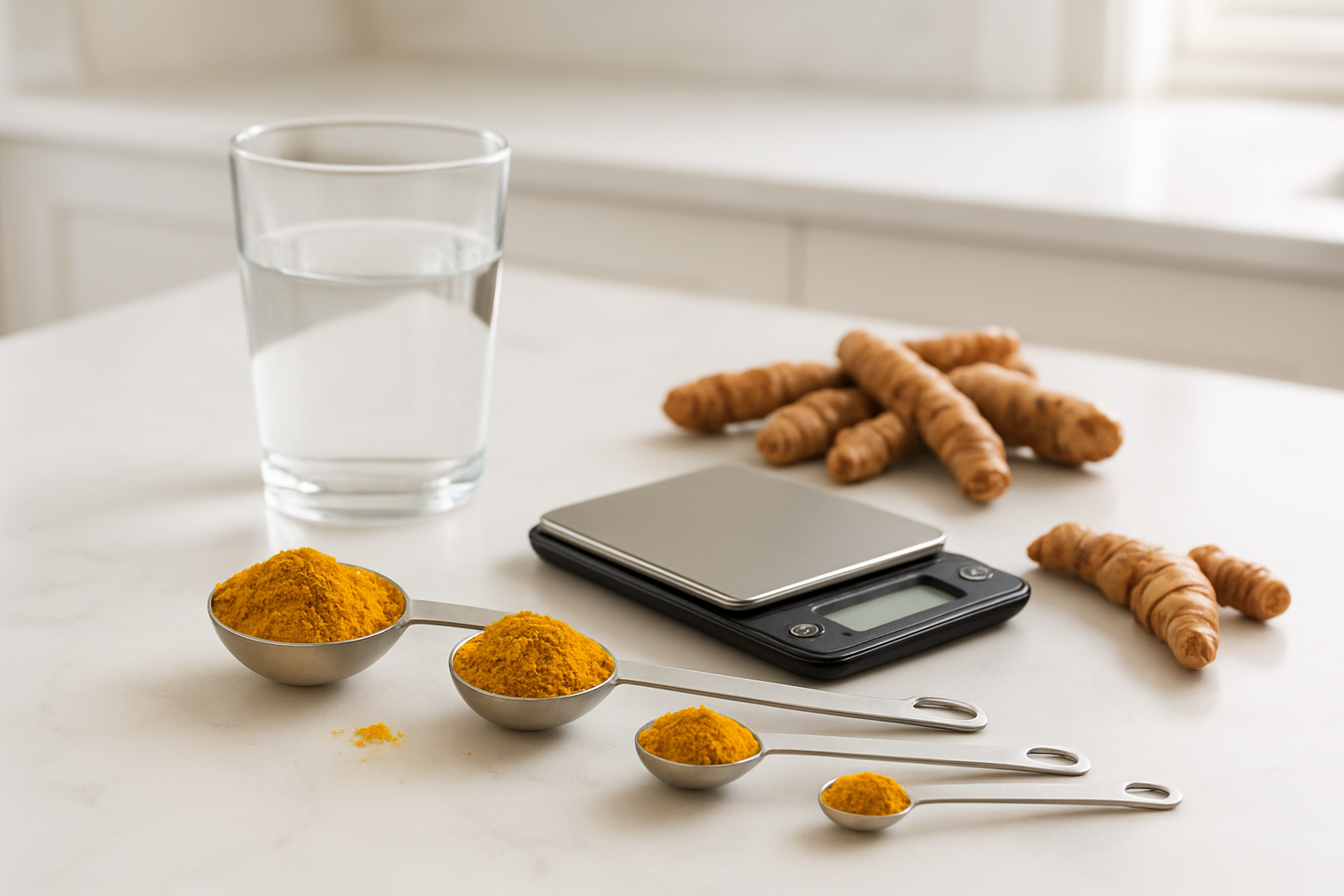
The amount of turmeric you should take depends heavily on which form you’re using. Fresh turmeric root allows for larger quantities – typically 1 to 3 grams daily, which translates to about a teaspoon of grated fresh root. This form contains lower concentrations of curcumin but offers a broader spectrum of beneficial compounds.
Turmeric powder follows similar guidelines, with 1-3 grams daily being the standard recommendation. When cooking with turmeric powder, you’re likely consuming much smaller amounts, which is perfectly safe and beneficial for long-term use.
Curcumin supplements require more careful attention to dosing. Most studies showing therapeutic benefits used 500-1000 mg of curcumin extract daily. Some formulations contain up to 95% curcumin, making them significantly more potent than whole turmeric. Standard curcumin supplements typically recommend 400-600 mg taken 1-3 times daily with meals.
| Form | Daily Dose | Curcumin Content |
|---|---|---|
| Fresh root | 1-3 grams | 2-3% |
| Dried powder | 1-3 grams | 3-5% |
| Curcumin extract | 500-1000 mg | 95% |
| Standardized supplements | 400-600 mg | 10-95% |
Optimal Timing and Absorption Enhancement
Curcumin has notoriously poor bioavailability when taken alone. Your body absorbs only small amounts, and what does get absorbed is quickly metabolized by the liver. Smart timing and combination strategies can dramatically improve absorption.
Taking turmeric with meals containing fat significantly enhances absorption since curcumin is fat-soluble. Adding black pepper containing piperine can increase absorption by up to 2000%. Many commercial supplements now include piperine specifically for this reason.
The best times to take turmeric supplements are:
- With breakfast and dinner for general health maintenance
- 30 minutes before meals for digestive benefits
- After workouts when using for inflammation management
- Consistently at the same times daily for therapeutic purposes
Dividing your daily dose into two or three smaller portions throughout the day maintains more stable blood levels compared to taking everything at once.
Duration Limits for Supplementation
While culinary use of turmeric poses virtually no time restrictions, therapeutic supplementation requires more consideration. For general wellness, continuous use appears safe for most people when staying within recommended dosages.
Therapeutic doses for specific conditions typically follow these patterns:
- Acute inflammation: 2-4 weeks of higher doses, then reduce
- Joint health: 8-12 week cycles with 2-week breaks
- Digestive support: 4-6 weeks initially, then as needed
- General antioxidant support: Continuous low-dose use is acceptable
Taking supplement breaks every few months allows you to assess whether you still need the higher therapeutic doses or if you can maintain benefits with lower amounts.
Special Considerations for Different Age Groups
Children under 18 should stick to culinary amounts of turmeric rather than supplements unless specifically recommended by a pediatrician. Their developing systems handle most nutrients differently than adults.
Adults 18-65 can generally follow standard dosing guidelines, but those with existing health conditions need medical guidance before starting therapeutic doses.
Seniors over 65 often benefit from starting with lower doses and gradually increasing. Age-related changes in liver and kidney function can affect how the body processes curcumin. They’re also more likely to be taking medications that could interact with higher doses of turmeric.
Pregnant and breastfeeding women should avoid therapeutic doses entirely, though normal cooking amounts remain safe. The concentrated compounds in supplements could potentially stimulate the uterus or affect hormone levels.
People with gallstones, kidney stones, or bleeding disorders need special caution with any supplemental amounts, regardless of age.
Who Should Avoid or Use Caution with Turmeric

Pregnancy and Breastfeeding Considerations
Pregnant women should avoid turmeric supplements entirely, though small amounts used in cooking remain safe. During pregnancy, turmeric can stimulate the uterus and potentially trigger contractions, which may increase the risk of miscarriage or premature labor. The compound curcumin can cross the placental barrier and may affect fetal development in ways that aren’t fully understood yet.
Research shows that high doses of turmeric might act as a uterine stimulant, similar to certain labor-inducing medications. This makes it particularly risky during the first trimester when the pregnancy is most vulnerable. Even in later stages, the potential for triggering early contractions makes supplemental turmeric a concern.
Breastfeeding mothers also face uncertainties with turmeric supplements. While small amounts from food sources appear safe, concentrated supplements can pass through breast milk to the baby. Since infants have immature digestive and metabolic systems, they may not process curcumin effectively, potentially leading to digestive upset or other complications.
The lack of comprehensive safety studies in pregnant and nursing women means the risks remain largely unknown. Healthcare providers typically recommend avoiding all herbal supplements during these critical periods unless specifically prescribed and monitored by a qualified medical professional.
Pre-Surgery and Blood Disorder Precautions
Turmeric significantly affects blood clotting mechanisms, making it dangerous before surgical procedures. The herb inhibits platelet aggregation and can prolong bleeding time, similar to blood-thinning medications. Patients should stop taking turmeric supplements at least two weeks before any scheduled surgery, including minor dental procedures.
People with bleeding disorders like hemophilia, von Willebrand disease, or thrombocytopenia should avoid turmeric supplements completely. These conditions already impair normal blood clotting, and adding turmeric can worsen bleeding risks and make it difficult to control hemorrhaging.
The anticoagulant effects of turmeric can be particularly problematic during emergency surgeries where there’s no time to clear the herb from the system. Even seemingly minor procedures like tooth extractions or endoscopies can result in excessive bleeding when turmeric is present in therapeutic doses.
Recovery times may also extend when turmeric interferes with normal healing processes. Proper blood clotting is essential for wound healing, and disrupting this process can lead to complications, infections, or delayed recovery. Surgeons need to know about any turmeric use to properly assess bleeding risks and plan accordingly.
Medication Interactions to Watch For
Turmeric creates serious interactions with blood-thinning medications like warfarin, heparin, clopidogrel, and aspirin. Combining these can lead to dangerous bleeding episodes, including internal hemorrhaging. The interaction occurs because turmeric amplifies the effects of these medications, making blood clotting extremely difficult.
Diabetes medications present another major concern when combined with turmeric. The herb can lower blood sugar levels, and when paired with insulin or oral hypoglycemic drugs, it may cause severe hypoglycemia. Symptoms include dizziness, confusion, rapid heartbeat, and in extreme cases, loss of consciousness requiring emergency treatment.
Stomach acid reducers and antacids can have unexpected interactions with turmeric. The herb may increase stomach acid production while these medications work to reduce it, potentially causing digestive distress, ulcers, or reducing the effectiveness of acid-blocking drugs.
| Medication Type | Interaction Risk | Potential Effects |
|---|---|---|
| Blood thinners | High | Excessive bleeding, hemorrhaging |
| Diabetes drugs | High | Dangerous blood sugar drops |
| Iron supplements | Moderate | Reduced iron absorption |
| Chemotherapy drugs | Variable | Altered drug effectiveness |
Chemotherapy patients need special attention since turmeric might interfere with certain cancer treatments or enhance others unpredictably. The herb’s antioxidant properties could potentially protect cancer cells from some treatments while making others more effective. Only oncologists should make decisions about turmeric use during cancer treatment.
Turmeric stands out as one of nature’s most impressive healing spices, backed by centuries of traditional use and modern scientific research. From fighting inflammation and supporting joint health to potentially protecting your heart and brain, this golden root offers real benefits when used properly. The key is understanding that while turmeric is generally safe for most people, it can interact with certain medications and isn’t right for everyone.
Before adding turmeric supplements to your routine, talk with your healthcare provider, especially if you take blood thinners, have gallstones, or are pregnant. Start with small amounts and pay attention to how your body responds. When used wisely and with proper guidance, turmeric can be a valuable addition to your wellness toolkit – just remember that no single supplement is a magic cure, and the best results come from combining turmeric with a healthy lifestyle overall.