Cardamom, the aromatic spice beloved in cuisines worldwide, offers more than just flavor to your favorite dishes. This comprehensive guide examines the health benefits and potential harms of cardamom to help you make informed decisions about adding this spice to your wellness routine.
This article is perfect for health-conscious individuals, home cooks exploring natural remedies, and anyone curious about cardamom’s impact on their well-being. We’ll dive deep into cardamom’s proven health benefits, from heart health support to digestive relief. You’ll also discover potential side effects and interactions to watch for, plus practical guidelines for safe daily use.
By the end, you’ll know exactly how to enjoy cardamom’s therapeutic properties while avoiding common pitfalls that could affect your health.
Nutritional Profile and Active Compounds in Cardamom
Essential Oils and Volatile Compounds That Provide Therapeutic Effects
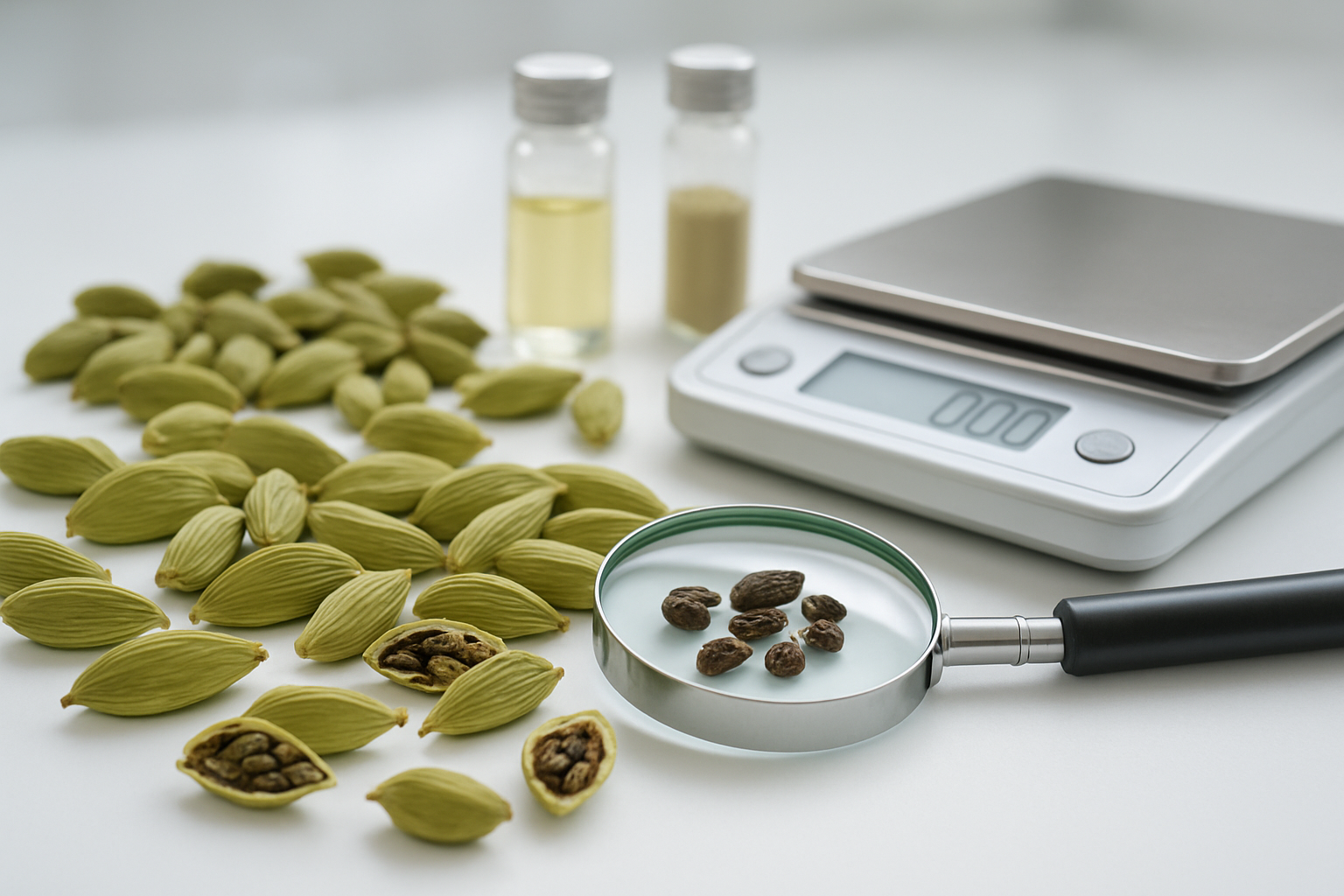
Cardamom’s distinctive aroma and therapeutic benefits come from its rich concentration of essential oils, primarily located in the seed coat. These volatile compounds make up roughly 2-10% of the spice’s total weight, with cineole (eucalyptol) being the most abundant at 20-50% of the essential oil content. This compound gives cardamom its cooling sensation and contributes to its respiratory and digestive benefits.
α-terpinyl acetate, another major component at 25-35%, provides the sweet floral notes and exhibits anti-inflammatory properties. Linalool, comprising 2-6% of the essential oil, offers calming effects and antimicrobial activity. The spice also contains significant amounts of sabinene, myrcene, α-pinene, and β-pinene, each contributing unique therapeutic properties.
These volatile compounds work synergistically to create cardamom’s medicinal effects. The monoterpenes present help explain why traditional medicine systems have used cardamom for digestive issues, respiratory problems, and circulation enhancement. The concentration of these oils varies based on the cardamom variety, with green cardamom typically containing higher levels of cineole, while black cardamom has more camphor-like compounds.
Vitamin and Mineral Content Supporting Overall Health
While cardamom is used in small quantities as a spice, it packs impressive nutritional density. A tablespoon (6 grams) of ground cardamom provides meaningful amounts of several essential nutrients that support bodily functions.
The mineral profile includes significant manganese content, with one tablespoon providing about 80% of the daily recommended value. Manganese plays a crucial role in bone formation, wound healing, and metabolizing carbohydrates and cholesterol. Iron content reaches approximately 14% of daily needs per tablespoon, supporting oxygen transport and energy metabolism.
Cardamom also delivers notable amounts of:
- Magnesium: 5% daily value, supporting muscle and nerve function
- Zinc: 4% daily value, essential for immune function and wound healing
- Potassium: Supporting heart health and blood pressure regulation
- Calcium: Contributing to bone health
- Phosphorus: Working with calcium for bone and teeth maintenance
The B-vitamin content includes riboflavin, niacin, and vitamin C, though in smaller amounts. These vitamins support energy metabolism, nervous system function, and immune health. The fiber content, while modest due to typical serving sizes, contributes to digestive health when consumed regularly.
Antioxidant Properties and Their Role in Disease Prevention
Cardamom ranks among the top spices for antioxidant capacity, with an ORAC (Oxygen Radical Absorbance Capacity) value exceeding many common antioxidant-rich foods. This powerful antioxidant activity comes from multiple compound classes working together to neutralize free radicals and reduce oxidative stress.
Flavonoids represent the largest group of antioxidant compounds in cardamom, including quercetin, kaempferol, and luteolin. These compounds protect cells from damage, reduce inflammation, and may help prevent chronic diseases. Phenolic acids, another important group, contribute to cardamom’s ability to scavenge harmful free radicals.
The spice contains unique antioxidant enzymes and compounds that protect against lipid peroxidation – the process where free radicals damage cell membranes. This protection extends to cardiovascular health, potentially reducing the risk of heart disease by preventing the oxidation of cholesterol.
Research shows cardamom’s antioxidants may help protect against:
- Cellular aging and DNA damage
- Inflammatory conditions
- Certain types of cancer
- Neurodegenerative diseases
- Metabolic disorders
The synergistic effect of cardamom’s various antioxidant compounds creates a more powerful protective effect than individual compounds alone, making whole cardamom consumption more beneficial than isolated extracts for disease prevention.
Proven Health Benefits of Regular Cardamom Consumption
Digestive Health Improvement and Stomach Soothing Properties
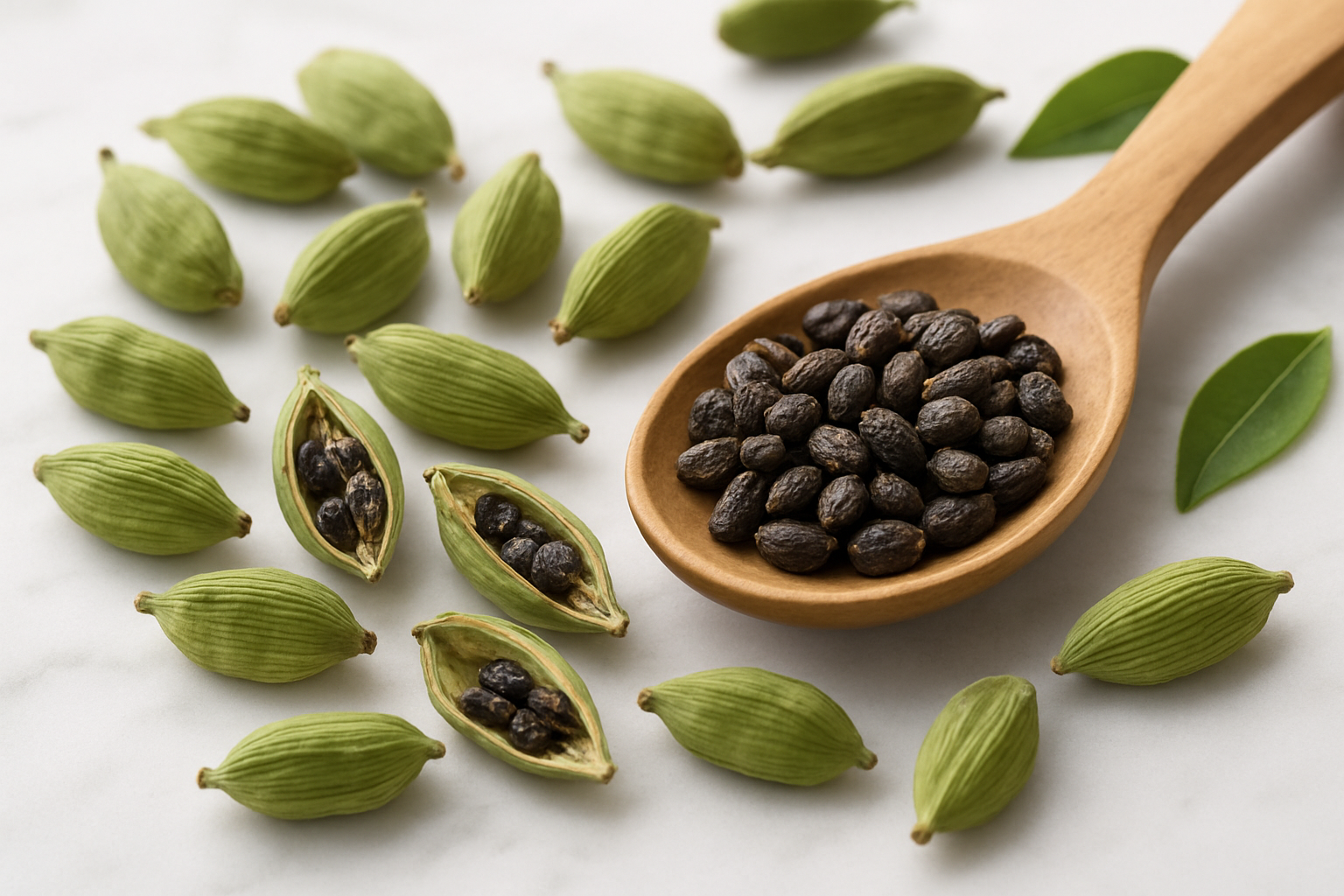
Cardamom has earned its reputation as a digestive powerhouse through centuries of traditional use backed by modern scientific validation. The spice contains volatile oils like cineole, terpineol, and limonene that directly stimulate digestive enzyme production, helping your body break down food more efficiently.
Regular cardamom consumption can significantly reduce bloating, gas, and indigestion. The essential oils work by relaxing the smooth muscles in your digestive tract, allowing trapped gas to escape naturally. Many people find that chewing cardamom pods after meals prevents that uncomfortable heavy feeling that often follows large dinners.
The spice also demonstrates powerful anti-spasmodic properties, making it particularly effective for those dealing with irritable bowel syndrome or general stomach cramping. Research shows that cardamom can increase gastric motility, helping food move through your system at an optimal pace while reducing the likelihood of constipation.
Cardamom’s antimicrobial compounds help maintain healthy gut bacteria balance by suppressing harmful microorganisms while supporting beneficial flora growth. This creates an optimal environment for nutrient absorption and overall digestive wellness.
Heart Health Support Through Blood Pressure Regulation
Cardamom offers remarkable cardiovascular benefits, particularly in blood pressure management. Clinical studies have consistently shown that regular cardamom supplementation can lead to significant reductions in both systolic and diastolic blood pressure readings.
The spice works through multiple mechanisms to support heart health. Its potassium content helps balance sodium levels in your body, reducing fluid retention that contributes to elevated blood pressure. The antioxidants in cardamom, particularly flavonoids and phenolic compounds, protect blood vessels from oxidative damage that can lead to hardening and narrowing of arteries.
Research involving participants with stage 1 hypertension showed that consuming 3 grams of cardamom powder daily for 12 weeks resulted in substantial blood pressure improvements. Participants experienced average reductions of 10-15 mmHg in systolic pressure and 5-8 mmHg in diastolic pressure.
Cardamom also supports healthy cholesterol levels by increasing HDL (good) cholesterol while reducing LDL (bad) cholesterol oxidation. The fiber content helps bind cholesterol in the digestive system, preventing its absorption into the bloodstream. These combined effects create a comprehensive approach to cardiovascular protection that goes beyond simple blood pressure management.
Anti-inflammatory Effects Reducing Chronic Disease Risk
The anti-inflammatory properties of cardamom represent one of its most significant health contributions. Chronic inflammation underlies many serious health conditions, including arthritis, heart disease, cancer, and neurodegenerative disorders. Cardamom’s bioactive compounds actively combat this inflammatory cascade.
The spice contains powerful anti-inflammatory agents like sabinene, myrcene, and α-terpineol that inhibit pro-inflammatory enzymes and cytokines. These compounds work similarly to non-steroidal anti-inflammatory drugs but without the associated side effects.
Studies have demonstrated that cardamom extract can reduce inflammatory markers like C-reactive protein, interleukin-6, and tumor necrosis factor-alpha. Regular consumption helps maintain lower baseline inflammation levels throughout your body, creating an environment less conducive to chronic disease development.
The antioxidant capacity of cardamom further amplifies its anti-inflammatory effects by neutralizing free radicals that trigger inflammatory responses. This dual action makes cardamom particularly valuable for people at risk of inflammatory conditions or those looking to prevent age-related inflammatory damage.
Blood Sugar Control and Diabetes Management Support
Cardamom demonstrates promising benefits for blood sugar regulation and diabetes management. The spice contains compounds that improve insulin sensitivity and glucose uptake by cells, helping maintain stable blood sugar levels throughout the day.
Research indicates that cardamom can slow carbohydrate absorption in the small intestine, preventing rapid spikes in blood glucose after meals. This mechanism proves particularly beneficial for people with pre-diabetes or type 2 diabetes who struggle with postprandial glucose control.
The manganese content in cardamom plays a crucial role in glucose metabolism by supporting enzyme functions involved in carbohydrate processing. Studies have shown that regular cardamom consumption can improve glucose tolerance and reduce fasting blood sugar levels over time.
Animal studies suggest that cardamom may help protect pancreatic beta cells from damage caused by high blood sugar levels. These cells produce insulin, so protecting their function becomes critical for long-term diabetes management. The antioxidant properties of cardamom contribute to this protective effect by reducing oxidative stress on pancreatic tissue.
Respiratory Health Benefits and Congestion Relief
Cardamom’s volatile oils make it exceptionally effective for respiratory health support. The warming spice has been used traditionally to treat coughs, colds, bronchitis, and asthma, with modern research confirming many of these applications.
The essential oils in cardamom, particularly eucalyptol and camphor, act as natural expectorants, helping loosen and expel mucus from the respiratory tract. This makes breathing easier during respiratory infections and helps clear congestion more quickly.
Cardamom’s anti-inflammatory properties extend to the respiratory system, where they can reduce inflammation in airways and bronchial passages. This proves particularly beneficial for people with asthma or chronic obstructive pulmonary disease, as reduced inflammation can lead to improved breathing capacity.
The spice also demonstrates antimicrobial activity against respiratory pathogens, including certain bacteria and viruses that cause upper respiratory infections. Regular cardamom consumption during cold and flu season may help reduce infection severity and duration while supporting your body’s natural immune response against respiratory threats.
Potential Side Effects and Health Risks

Allergic Reactions and Sensitivity Symptoms to Watch For
Cardamom allergies, while uncommon, can trigger serious reactions in sensitive individuals. The most immediate concern is contact dermatitis, which shows up as red, itchy skin patches where cardamom has touched the body. This happens more often when handling whole pods or ground spice during cooking.
Respiratory symptoms present another significant risk. Some people experience sneezing, runny nose, or even asthma-like symptoms when exposed to cardamom’s volatile oils. These reactions can range from mild irritation to severe breathing difficulties requiring immediate medical attention.
Food allergies to cardamom can cause digestive upset, including nausea, stomach cramps, and diarrhea. More severe cases might involve swelling of the face, lips, or throat, along with difficulty swallowing. Cross-reactivity with other spices in the ginger family means people allergic to ginger or turmeric should exercise extra caution with cardamom.
Watch for delayed allergic reactions too. Some individuals develop symptoms hours after consumption, making it harder to identify cardamom as the culprit. Keep a food diary if you suspect sensitivity issues.
Drug Interactions with Common Medications
Cardamom can significantly affect how certain medications work in your body. Blood thinning medications like warfarin pose the biggest concern, as cardamom may enhance their effects and increase bleeding risk. Regular cardamom consumption while on these drugs could lead to dangerous bleeding episodes.
Diabetes medications require careful monitoring when combined with cardamom. The spice naturally lowers blood sugar levels, which can amplify the effects of insulin or oral diabetes drugs. This interaction might cause blood sugar to drop too low, leading to hypoglycemic episodes with symptoms like dizziness, confusion, and weakness.
Blood pressure medications also interact with cardamom’s cardiovascular effects. Since cardamom can lower blood pressure naturally, combining it with antihypertensive drugs might cause blood pressure to fall dangerously low. People taking these medications should monitor their blood pressure more frequently when increasing cardamom intake.
Gallstone medications present another area of concern. Cardamom stimulates bile production, which could interfere with treatments designed to dissolve gallstones or manage gallbladder conditions.
| Medication Type | Potential Risk | Monitoring Needed |
|---|---|---|
| Blood Thinners | Increased bleeding | Regular blood tests |
| Diabetes Drugs | Low blood sugar | Frequent glucose checks |
| Blood Pressure Meds | Hypotension | Daily BP monitoring |
| Gallstone Treatments | Treatment interference | Medical supervision |
Gastrointestinal Distress from Excessive Consumption
Heavy cardamom consumption can wreak havoc on your digestive system. The spice contains compounds that stimulate digestive juices and bile production. While beneficial in small amounts, excessive intake overwhelms the digestive tract and causes uncomfortable symptoms.
Heartburn tops the list of complaints from cardamom overuse. The spice’s oils can relax the lower esophageal sphincter, allowing stomach acid to flow back up into the esophagus. People with existing acid reflux conditions are particularly vulnerable to this effect.
Stomach irritation develops when cardamom’s active compounds overwhelm the stomach lining. This leads to burning sensations, nausea, and general abdominal discomfort. The irritation can be especially pronounced on an empty stomach.
Diarrhea and loose stools result from cardamom’s stimulating effect on intestinal contractions. High doses essentially speed up digestion beyond normal limits, preventing proper water absorption in the colon. This effect can lead to dehydration if not addressed quickly.
Some people experience cramping and bloating from excessive cardamom intake. The spice can cause gas to build up in the digestive tract, leading to uncomfortable pressure and pain. These symptoms typically resolve once cardamom consumption returns to normal levels, but the discomfort can persist for several hours or even days depending on the amount consumed.
Safe Usage Guidelines and Recommended Dosages
Daily Intake Limits for Optimal Health Benefits
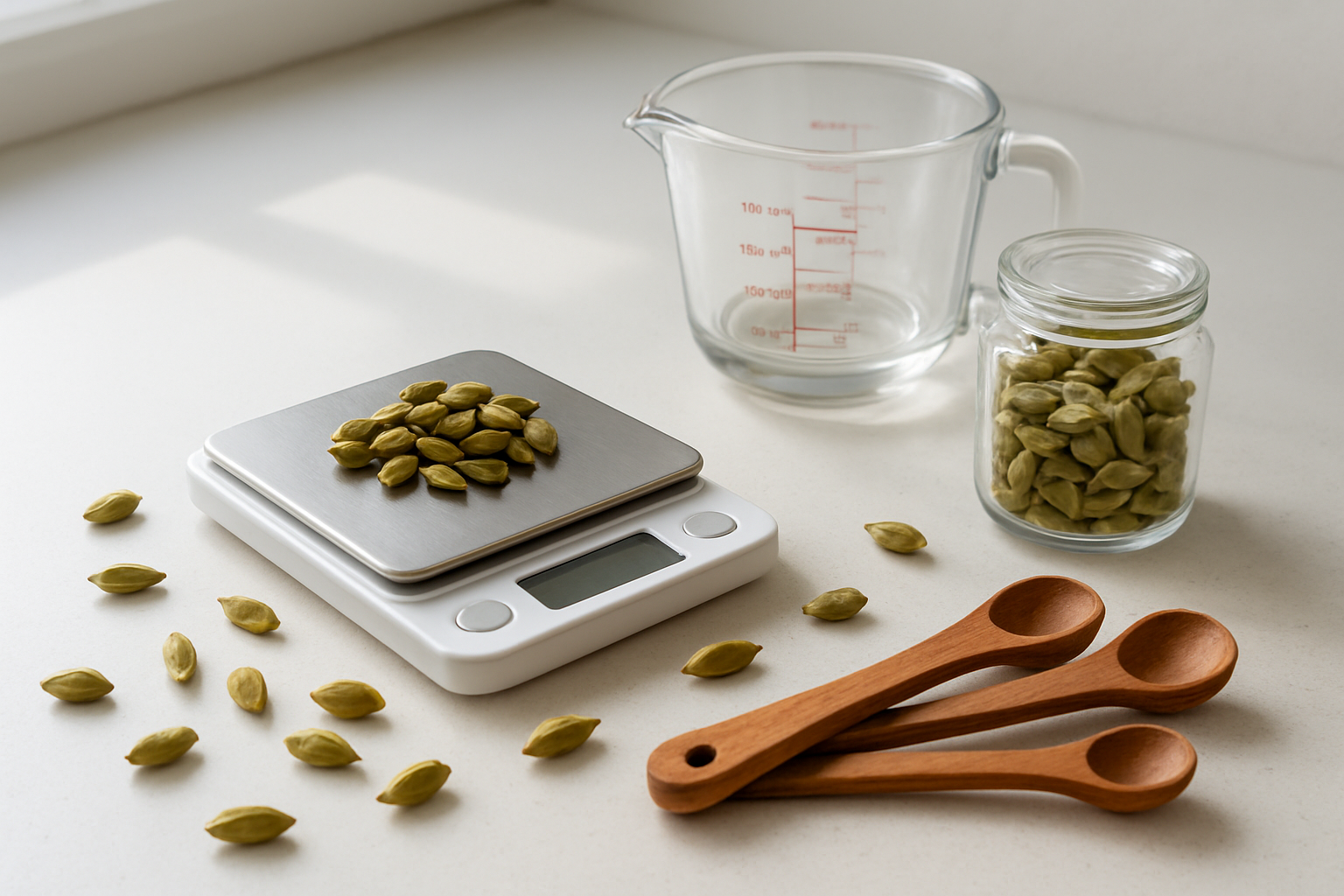
The sweet spot for cardamom consumption typically falls between 1-3 grams per day for most adults. This translates to roughly half a teaspoon of ground cardamom powder or 6-8 whole pods. Research shows this amount provides therapeutic benefits without triggering unwanted side effects.
Going beyond 5 grams daily can lead to digestive upset, including nausea and stomach irritation. Some people experience headaches or skin reactions when consuming excessive amounts. Starting with smaller doses—around 0.5 grams daily—allows your body to adjust before gradually increasing intake.
Different Forms of Cardamom and Their Potency Levels
Cardamom’s potency varies significantly across different preparations:
| Form | Potency Level | Recommended Daily Amount |
|---|---|---|
| Whole pods | Medium | 6-8 pods |
| Ground powder | High | 0.5-1 teaspoon |
| Essential oil | Very High | 1-2 drops |
| Tea/infusion | Low-Medium | 2-3 cups |
| Supplements | Varies | Follow package instructions |
Essential oils pack the most concentrated punch—just one drop equals several whole pods in terms of active compounds. Ground powder offers convenience with moderate potency, while whole pods provide the most balanced flavor profile with controlled release of oils.
Fresh pods generally contain higher levels of volatile oils compared to pre-ground powder, which loses potency over time. Store-bought supplements vary wildly in concentration, making it crucial to check labels for standardized extract percentages.
Special Considerations for Pregnant and Breastfeeding Women
Pregnant women can safely enjoy cardamom in culinary amounts—the small quantities used in cooking and baking pose no risks. However, medicinal doses require more caution. Limiting intake to 1-2 grams daily during pregnancy helps avoid potential complications.
Cardamom contains compounds that may stimulate uterine contractions in very high doses, though this risk only emerges with excessive consumption well beyond normal dietary levels. The spice actually offers benefits during pregnancy, including nausea relief and digestive support.
Breastfeeding mothers can continue using cardamom normally. The spice may even enhance milk production in some women, though individual responses vary. Watch for any signs of digestive upset in nursing babies, as some infants show sensitivity to strong flavors passed through breast milk.
Guidelines for Children and Elderly Users
Children over two years old can safely consume cardamom, but in much smaller quantities. Start with tiny pinches—about 0.1 grams daily—and observe for reactions. Kids often enjoy cardamom’s sweet, warming flavor in milk-based drinks or baked goods.
Avoid giving cardamom essential oils to children under 12, as their concentrated nature can overwhelm young digestive systems. Stick to whole pods or light dustings of ground spice in food preparations.
Elderly users often benefit from cardamom’s digestive properties, but may need to reduce intake if taking multiple medications. The spice can interact with certain blood thinners and diabetes medications, potentially affecting drug absorption rates.
Senior adults with existing digestive conditions should start with very small amounts—around 0.25 grams daily—to gauge tolerance. Those with gallstones should consult healthcare providers before regular use, as cardamom may trigger gallbladder contractions.
Maximizing Benefits While Minimizing Risks
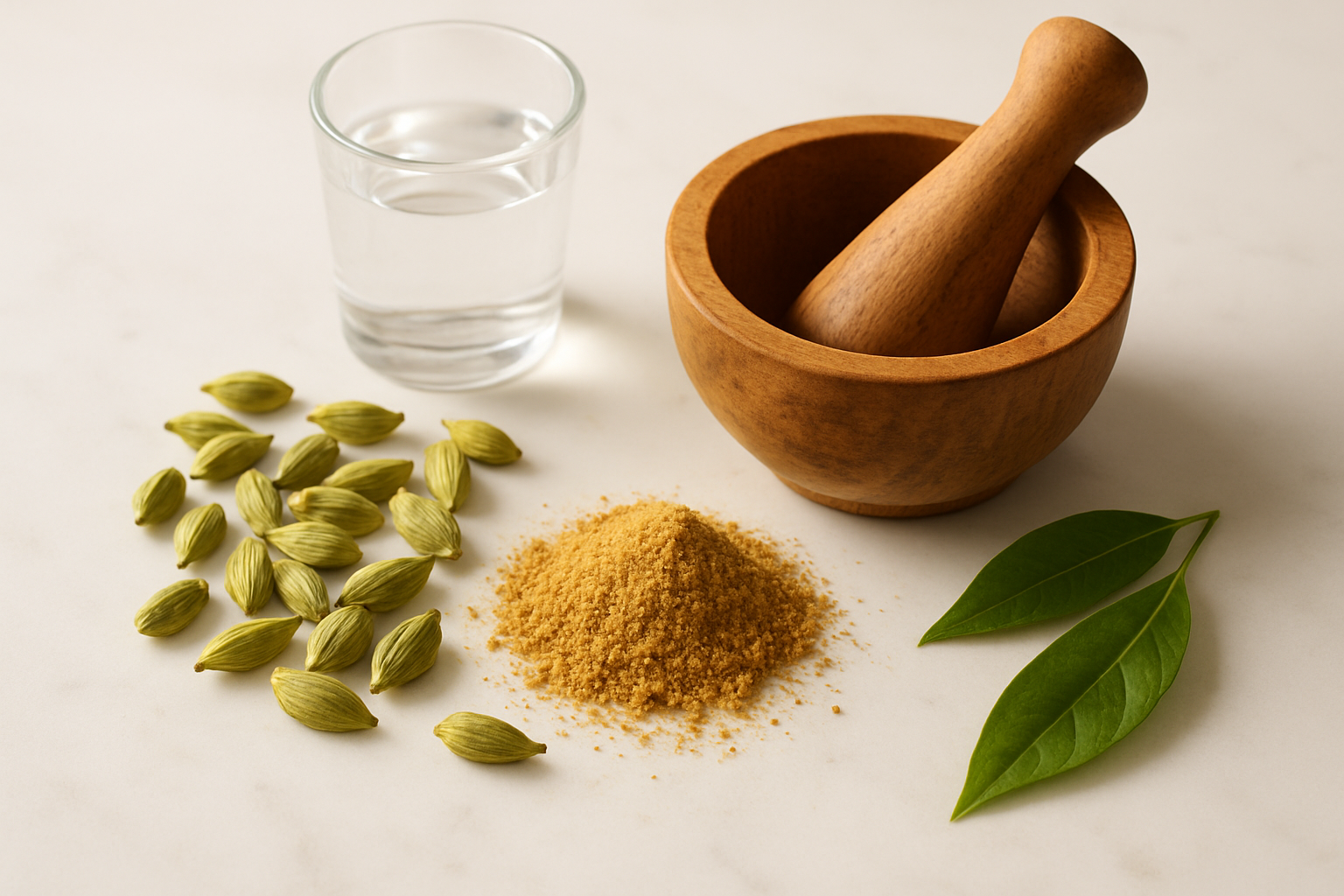
Best practices for incorporating cardamom into your diet
Start small when adding cardamom to your daily routine. Begin with just a pinch in your morning coffee or tea and gradually increase the amount as your body adjusts. This spice works beautifully in both sweet and savory dishes, giving you plenty of creative options.
For cooking, whole cardamom pods deliver the most potent flavor and health benefits. Crush them lightly before adding to rice dishes, curries, or stews. Ground cardamom works well in baked goods, smoothies, and quick preparations. Add it to oatmeal, yogurt, or homemade energy balls for an easy nutritional boost.
Consider making cardamom tea by steeping 2-3 crushed pods in hot water for 5-10 minutes. This gentle preparation helps you control your intake while enjoying digestive benefits. You can also create cardamom-infused honey by mixing ground cardamom with raw honey and letting it sit for a few days.
Timing matters too. Consuming cardamom with meals can aid digestion, while having it in the evening may help with relaxation and sleep quality. Avoid taking large amounts on an empty stomach, as this might cause mild digestive upset in sensitive individuals.
Warning signs that indicate you should reduce consumption
Your body will usually signal when you’ve had too much cardamom. Digestive discomfort like nausea, stomach cramping, or loose stools often appears first when you exceed your personal tolerance level. These symptoms typically develop within a few hours of consumption.
Watch for skin reactions if you’re new to regular cardamom use. Some people develop mild rashes, itching, or hives when they consume too much. These allergic responses are relatively rare but worth monitoring during your first few weeks of increased intake.
Heart palpitations or unusual changes in heart rhythm deserve immediate attention. While cardamom generally supports heart health, excessive amounts might affect people who are sensitive to its compounds or those taking certain medications.
Headaches, dizziness, or feeling unusually jittery can also indicate overconsumption. These neurological symptoms are your body’s way of saying to dial back the amount. Pregnant women should pay special attention to these warning signs and consult their healthcare provider if any symptoms persist.
Sleep disturbances or increased anxiety might develop with very high intake levels. If you notice changes in your sleep patterns or mood after increasing cardamom consumption, reduce your intake and see if symptoms improve.
Quality selection tips for purchasing pure cardamom products
Green cardamom pods should feel firm and plump with a vibrant green color when you’re shopping for the highest quality. Avoid pods that look bleached, feel hollow, or have a dull appearance. Fresh pods will release a strong, sweet aroma when you crush them slightly between your fingers.
Check the origin when possible. Guatemala and India produce some of the finest cardamom, with distinct flavor profiles that can enhance different types of dishes. Guatemalan cardamom tends to be more intense and resinous, while Indian varieties offer a sweeter, more floral note.
For ground cardamom, buy from reputable spice companies that provide harvest dates or use-by information. Pre-ground cardamom loses its potency quickly, so purchase small amounts that you’ll use within 6-12 months. Store both whole pods and ground cardamom in airtight containers away from light and heat.
Organic certification matters with cardamom since conventional growing methods often involve heavy pesticide use. Look for USDA organic labels or similar certifications from other countries. Fair trade options support sustainable farming practices and often result in higher quality products.
Avoid cardamom that’s been treated with sulfur dioxide for preservation, especially if you have sulfite sensitivities. Read ingredient lists carefully on packaged products, as some manufacturers add fillers or artificial flavoring to extend their cardamom blends.
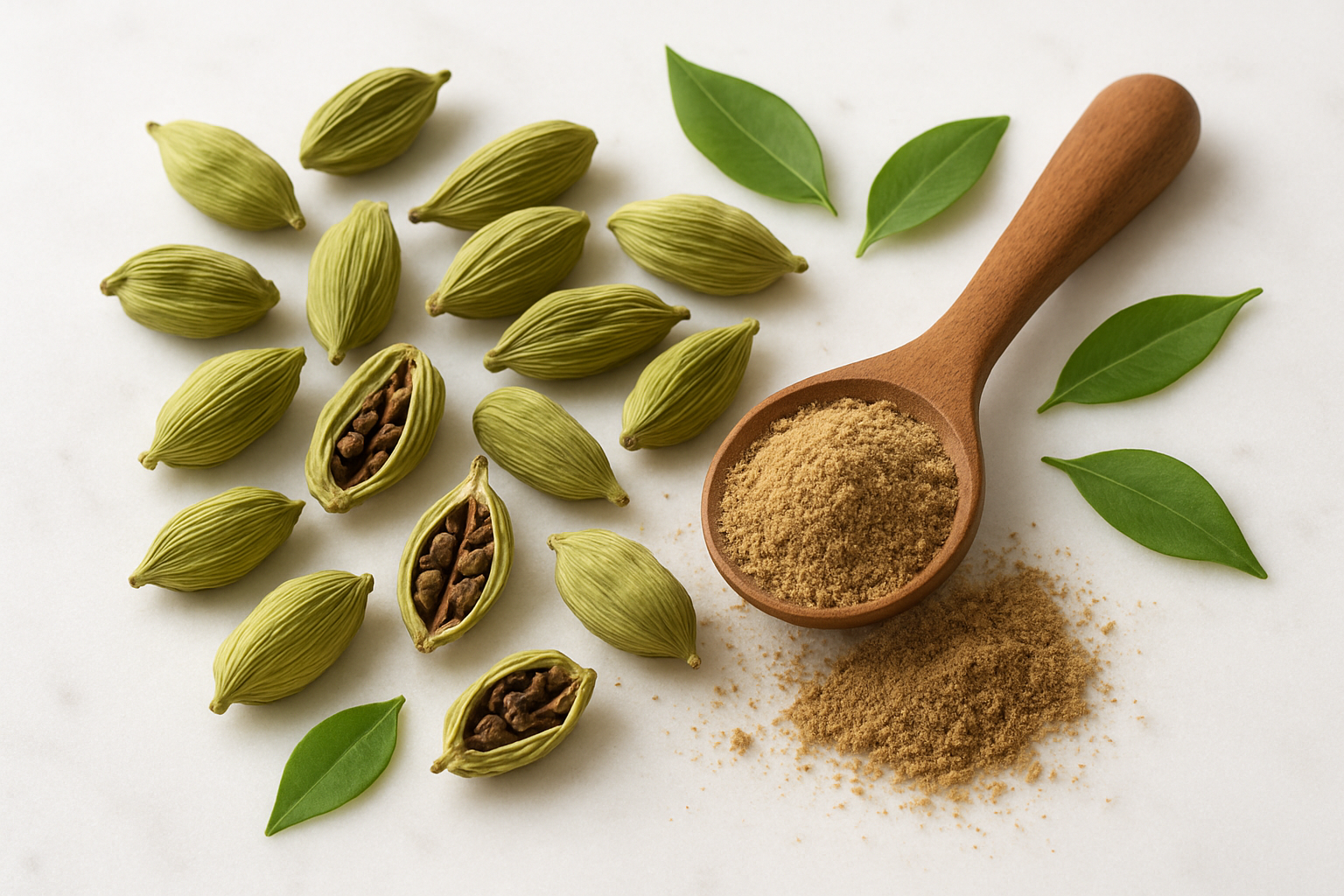
Cardamom offers impressive health benefits thanks to its rich blend of antioxidants, essential oils, and anti-inflammatory compounds. Regular consumption can support digestive health, help manage blood pressure, and provide antimicrobial protection. The spice also shows promise for heart health and blood sugar management, making it a valuable addition to your daily routine.
Like any potent spice, cardamom comes with some cautions. Those with gallstones, certain heart conditions, or medication interactions should consult their healthcare provider before adding large amounts to their diet. Start with small quantities – about half a teaspoon of ground cardamom daily is generally safe for most people. You can easily incorporate this aromatic spice into your tea, coffee, baked goods, or savory dishes to enjoy its benefits while keeping risks minimal. Listen to your body and adjust accordingly to make cardamom work best for your health goals.