Peppers bring incredible variety to your kitchen, from sweet bell peppers that add crunch to salads to fiery habaneros that pack serious heat. This guide is perfect for home cooks, gardeners, and anyone curious about expanding their pepper knowledge beyond the basic bell pepper.
We’ll explore sweet peppers that work beautifully in everyday meals, medium heat varieties that add bold flavor without overwhelming spice, and specialty peppers that can transform your cooking into gourmet experiences. You’ll learn which peppers work best for specific dishes, how to handle different heat levels safely, and discover new varieties that might become your next kitchen favorites.
Sweet Peppers for Everyday Cooking
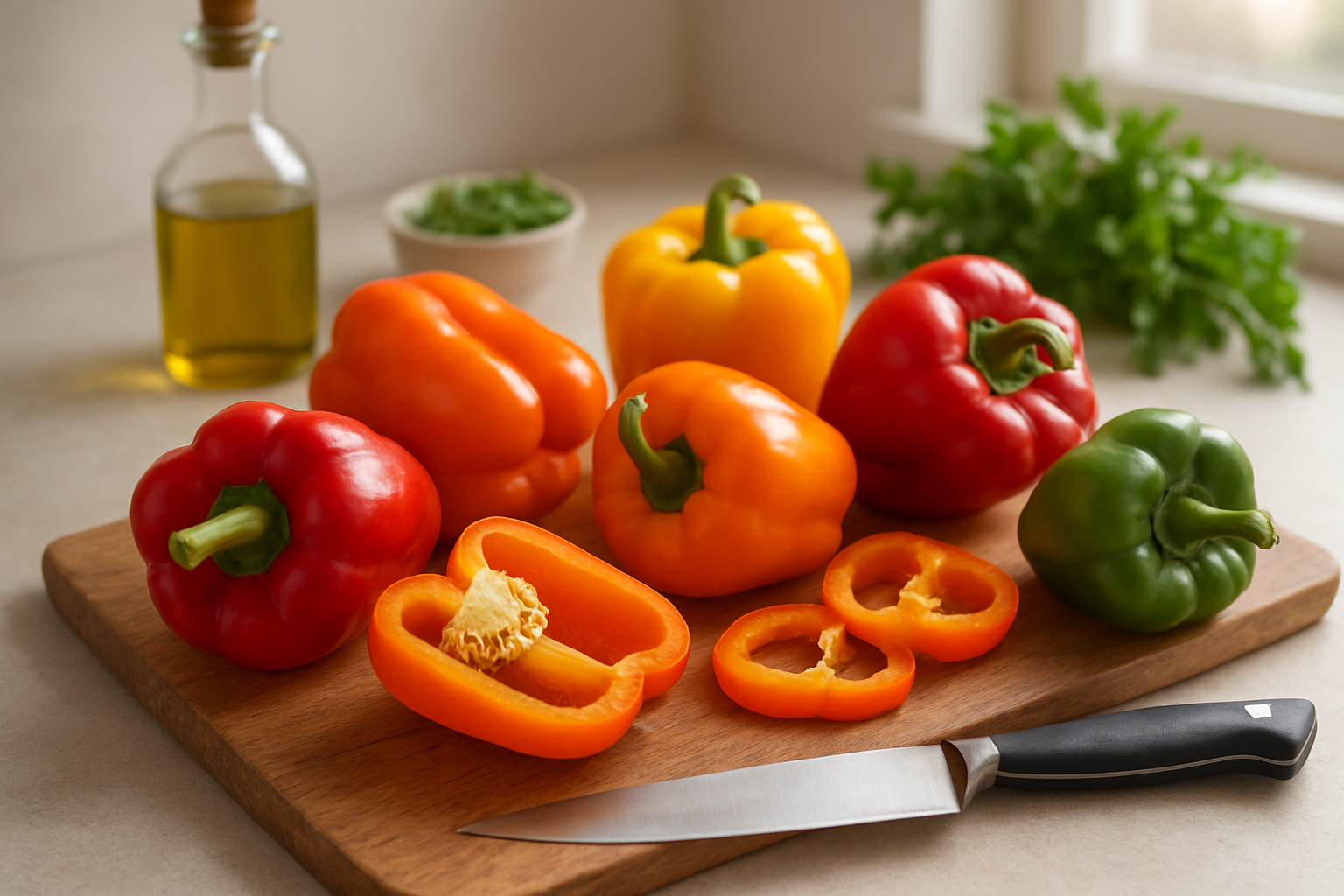
Bell Peppers – Perfect for Stuffing and Roasting
Bell peppers are the workhorses of the sweet pepper family, offering incredible versatility and zero heat. These thick-walled beauties come in vibrant colors – green, red, yellow, orange, and even purple – with red peppers being the sweetest since they’ve had more time to ripen on the vine. Their hollow interior makes them natural vessels for stuffing with rice, meat, or vegetarian fillings.
When roasting bell peppers, their sugars caramelize beautifully, creating a smoky-sweet flavor that transforms simple dishes. Try charring them over an open flame or under the broiler until the skin blisters, then steam them in a covered bowl to loosen the skin for easy peeling. Roasted red peppers become silky and intense, perfect for pasta sauces, soups, or antipasto platters.
Raw bell peppers add satisfying crunch to salads, stir-fries, and crudité platters. Their mild, slightly sweet flavor won’t overpower other ingredients, making them ideal for everyday cooking. Green bells have a slightly more vegetal taste, while red, yellow, and orange varieties offer varying degrees of sweetness.
Mini Sweet Peppers – Ideal for Snacking and Appetizers
These colorful little gems pack all the sweetness of full-sized bell peppers into bite-sized packages. Mini sweet peppers have thin, tender skins that don’t require peeling, making them perfect grab-and-go snacks straight from the bag. Their natural sweetness rivals that of candy, but with beneficial nutrients and fiber.
For appetizers, these peppers shine when stuffed with cream cheese, goat cheese, or herbed ricotta. Their small size makes them ideal for party platters where guests want manageable, mess-free bites. Try slicing them into rings for colorful salad toppers or sautéing them quickly as a side dish that maintains their bright color and slight crunch.
Kids love these peppers because of their sweet taste and fun size. They’re also excellent for meal prep – wash a bag on Sunday and you’ll have healthy snacks ready all week. Unlike larger peppers, minis cook quickly in stir-fries without becoming soggy, making them perfect for quick weeknight meals.
Banana Peppers – Great for Sandwiches and Salads
Banana peppers bring mild tang and subtle heat to dishes without overwhelming delicate flavors. Their elongated, curved shape resembles their namesake fruit, and they range from pale yellow to bright yellow-green. Fresh banana peppers have a crisp texture with just a hint of spice – barely registering on the heat scale but offering more complexity than completely sweet varieties.
These peppers are sandwich shop favorites for good reason. Their mild heat and pleasant crunch complement deli meats, cheese, and other sandwich fillings without dominating the flavor profile. They pickle beautifully, developing a tangy bite that cuts through rich, fatty foods. Pickled banana peppers are essential for Italian beef sandwiches, pizza toppings, and Mediterranean dishes.
Raw banana peppers add color and mild heat to salads, particularly Greek and Italian varieties. Their thin walls cook quickly, making them excellent for quick sautés or adding to pasta dishes in the final minutes of cooking. When shopping, look for firm peppers with glossy skin and avoid any with soft spots or wrinkled areas.
Pimento Peppers – Essential for Cheese Making and Garnishing
Pimento peppers are the sweet, aromatic hearts of many Southern and Spanish dishes. These small, heart-shaped red peppers have incredibly thick flesh and an almost fruity sweetness that makes them indispensable for certain culinary applications. Most people know them as the red stuffing in green olives, but their uses extend far beyond that classic pairing.
Pimentos are the secret ingredient in authentic pimento cheese, the beloved Southern spread that graces everything from crackers to grilled cheese sandwiches. Their natural sweetness balances the sharpness of aged cheddar, while their vibrant red color creates visual appeal. When making homemade pimento cheese, jarred pimentos work perfectly since they’re already roasted and peeled.
These peppers also star in Spanish cuisine, particularly in dishes like romesco sauce and as garnishes for tapas. Their thick walls hold up well to roasting, developing complex, concentrated flavors. Fresh pimentos can be difficult to find in regular grocery stores, but jarred varieties maintain their sweet flavor and tender texture. They’re excellent chopped into deviled eggs, potato salad, or any dish that needs a pop of sweet pepper flavor without heat.
Mild Heat Peppers for Flavor Enhancement
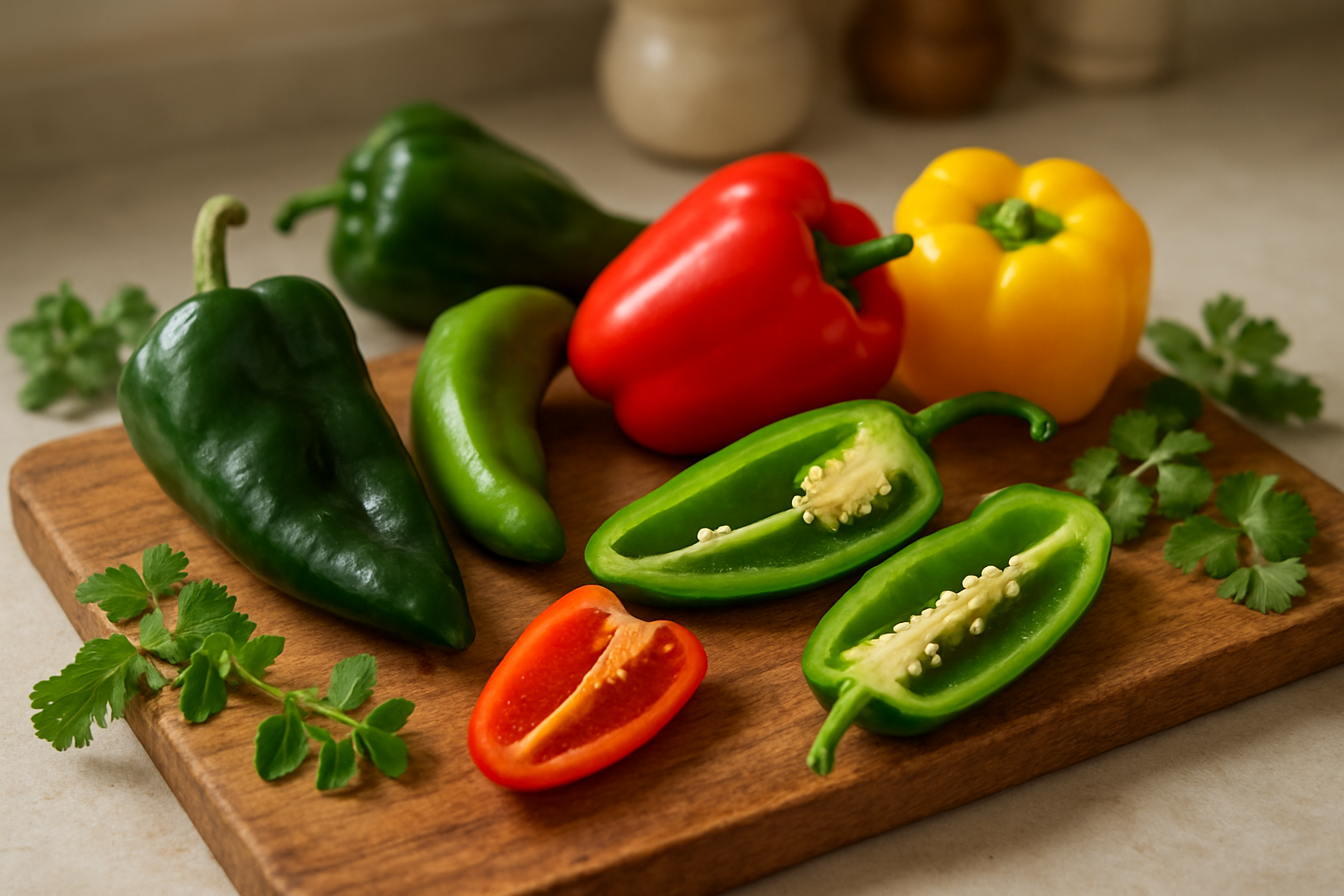
Poblano Peppers – Best for Mexican Dishes and Chiles Rellenos
Poblano peppers bring that perfect balance of mild warmth and rich, earthy flavor that makes Mexican cuisine so irresistible. These dark green, heart-shaped beauties register between 1,000-2,000 Scoville units, making them accessible to most palates while still delivering a gentle kick. Their thick walls and spacious interior make them the go-to choice for stuffed pepper dishes.
The classic chile relleno showcases poblanos at their finest. Their sturdy structure holds up beautifully when stuffed with cheese, meat, or beans, then battered and fried to golden perfection. When roasted, poblanos develop a smoky sweetness that transforms simple dishes into restaurant-quality meals. Try roasting them over an open flame until the skin blisters, then peel away the charred exterior to reveal tender, flavorful flesh underneath.
Fresh poblanos work wonderfully in salsas, soups, and stews. They add depth without overwhelming heat, making them perfect for family-friendly Mexican dishes. When dried, poblanos become ancho peppers, but fresh poblanos offer a brighter, more vegetal flavor that pairs beautifully with corn, tomatoes, and cilantro.
Anaheim Peppers – Perfect for Southwestern Cuisine
Anaheim peppers, also called New Mexico chiles, are the backbone of authentic Southwestern cooking. These long, slender peppers pack just enough heat (500-2,500 Scoville units) to wake up your taste buds without sending you running for milk. Their versatility makes them a kitchen staple for anyone serious about Southwestern flavors.
Green Anaheims shine when roasted and peeled, revealing a sweet, slightly tangy flesh with subtle heat. They’re absolutely essential for green chile stew, a New Mexican comfort food that showcases the pepper’s ability to build complex flavor layers. The roasting process caramelizes their natural sugars while adding that distinctive smoky character that defines authentic Southwestern cuisine.
Fresh Anaheims work beautifully in salsas, where their mild heat allows other flavors to shine through. They’re excellent stuffed with cheese for chile rellenos or diced into scrambled eggs for a morning kick. When red-ripe and dried, they become the paprika-colored chile powder that gives Southwestern dishes their characteristic warm, earthy flavor.
Their thin skin makes them easy to work with, whether you’re roasting, grilling, or using them fresh. Unlike thicker-walled peppers, Anaheims cook quickly and evenly, making them perfect for quick weeknight meals.
Hungarian Wax Peppers – Excellent for Pickling and Preserving
Hungarian wax peppers are the unsung heroes of the pickle jar. These pale yellow beauties offer a bright, crisp heat level of 5,000-10,000 Scoville units that cuts through rich foods beautifully. Their waxy skin and firm flesh make them ideal candidates for pickling, where they maintain their crunch and develop complex tangy flavors.
The pickling process transforms Hungarian wax peppers into versatile condiments that elevate everything from sandwiches to charcuterie boards. Their moderate heat level means they add excitement without overwhelming delicate flavors. Quick-pickled Hungarian wax peppers are ready in just a few hours and keep their bright yellow color, making them as visually appealing as they are delicious.
Beyond pickling, these peppers excel in fresh applications where their crisp texture shines. They’re fantastic sliced thin for salads or chopped into relishes. Their heat builds gradually, making them perfect for those who want more intensity than bell peppers but less fire than jalapeños.
Hungarian wax peppers also freeze exceptionally well, maintaining their texture better than many other pepper varieties. This makes them perfect for batch cooking and meal prep, where their consistent heat and flavor can brighten up soups, stews, and casseroles throughout the year.
Medium Heat Peppers for Bold Cooking
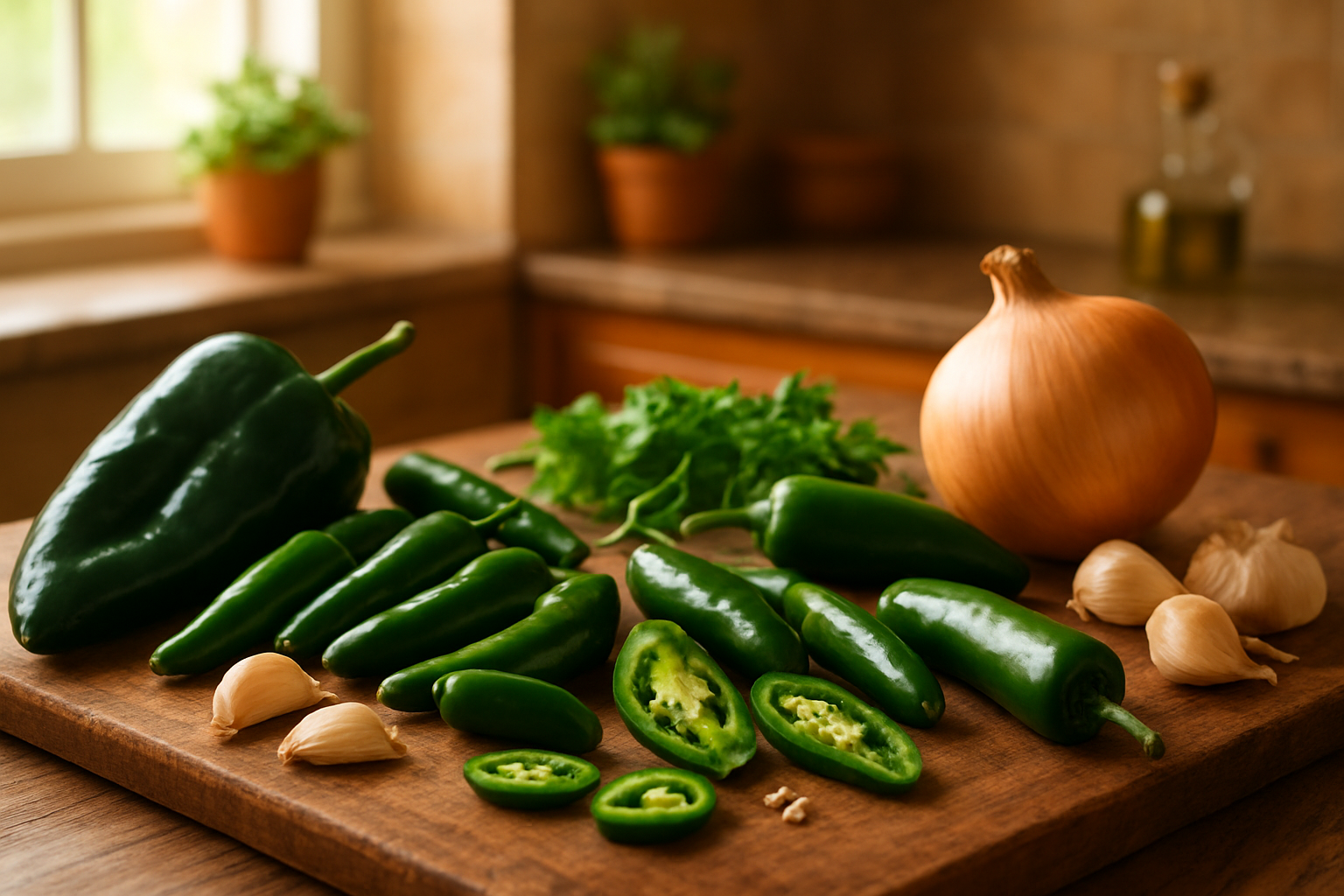
Jalapeño Peppers – Versatile for Fresh Salsas and Cooking
Jalapeños pack just the right amount of punch for most home cooks, hitting between 2,500 to 8,000 Scoville Heat Units. These green gems bring a bright, grassy flavor that complements everything from Mexican classics to modern fusion dishes. Fresh jalapeños work beautifully in pico de gallo, where their crisp texture and moderate heat balance perfectly with tomatoes and onions.
The real magic happens when you explore different preparation methods. Roasting jalapeños develops a deeper, slightly sweet flavor that elevates salsas and sauces. Pickling them creates tangy rings perfect for nachos, burgers, and sandwiches. You can also stuff them with cream cheese and wrap in bacon for an irresistible appetizer that disappears at every party.
When cooking with jalapeños, remember that most of the heat lives in the seeds and white membrane. Remove these for milder dishes, or keep them in when you want more fire. These peppers freeze exceptionally well – just slice and store in freezer bags for year-round use.
Serrano Peppers – Ideal for Hot Sauces and Asian Dishes
Serrano peppers bring serious heat with their 10,000 to 25,000 Scoville rating, making them perfect for cooks who want to turn up the temperature without overwhelming other flavors. These slender, bright green peppers deliver a clean, sharp heat that cuts through rich foods beautifully.
Asian cuisines embrace serranos for their ability to add intensity without masking delicate flavors. They work wonderfully in Thai curries, Vietnamese pho, and Chinese stir-fries. The pepper’s thin skin breaks down easily during cooking, distributing heat evenly throughout the dish.
Hot sauce makers love serranos because they provide substantial heat while maintaining a fresh, bright flavor profile. Unlike some peppers that can taste bitter when processed, serranos hold their crisp character even after blending. They also shine in fresh applications – finely minced serrano adds incredible depth to guacamole and ceviche.
Fresno Peppers – Great for Adding Heat to Any Meal
Fresno peppers offer the perfect middle ground between jalapeños and serranos, typically ranging from 2,500 to 10,000 Scoville units. These red beauties bring a fruity sweetness that develops as they ripen, creating complex flavor layers that enhance rather than dominate dishes.
Their versatility makes them kitchen workhorses. Raw Fresnos add bright heat to salads and sandwiches, while roasted ones develop caramelized notes that pair beautifully with grilled meats. They work particularly well in Mediterranean and California-style cooking, where their balanced heat complements fresh ingredients.
The pepper’s thick walls make them excellent for stuffing, while their moderate size works perfectly for slicing into rings. Fresno peppers also dry well, concentrating their fruity flavors into a more intense seasoning. Whether you’re making a quick salsa or slow-cooking a stew, these adaptable peppers deliver consistent results.
Chipotle Peppers – Perfect for Smoky BBQ Flavors
Chipotle peppers are actually smoke-dried jalapeños, transforming from fresh and bright to deep and complex. This smoking process creates an entirely different flavor profile – rich, earthy, and intensely smoky with moderate heat that builds slowly on the palate.
BBQ enthusiasts can’t get enough of chipotles because they add authentic smokehouse flavor without needing actual wood smoke. They work magnificently in dry rubs for ribs and brisket, creating a crusty bark that’s packed with flavor. The peppers also shine in marinades, where their deep flavor penetrates meat during long soaks.
You’ll typically find chipotles in two forms: whole dried peppers and canned in adobo sauce. The canned version offers convenience and adds the tangy adobo sauce as a bonus flavoring agent. Both forms rehydrate beautifully in warm liquid, creating pastes and sauces that transform everything from mayonnaise to chocolate desserts. Their smoky intensity means a little goes a long way – start with small amounts and build up to your preferred heat level.
Hot Peppers for Serious Heat Lovers
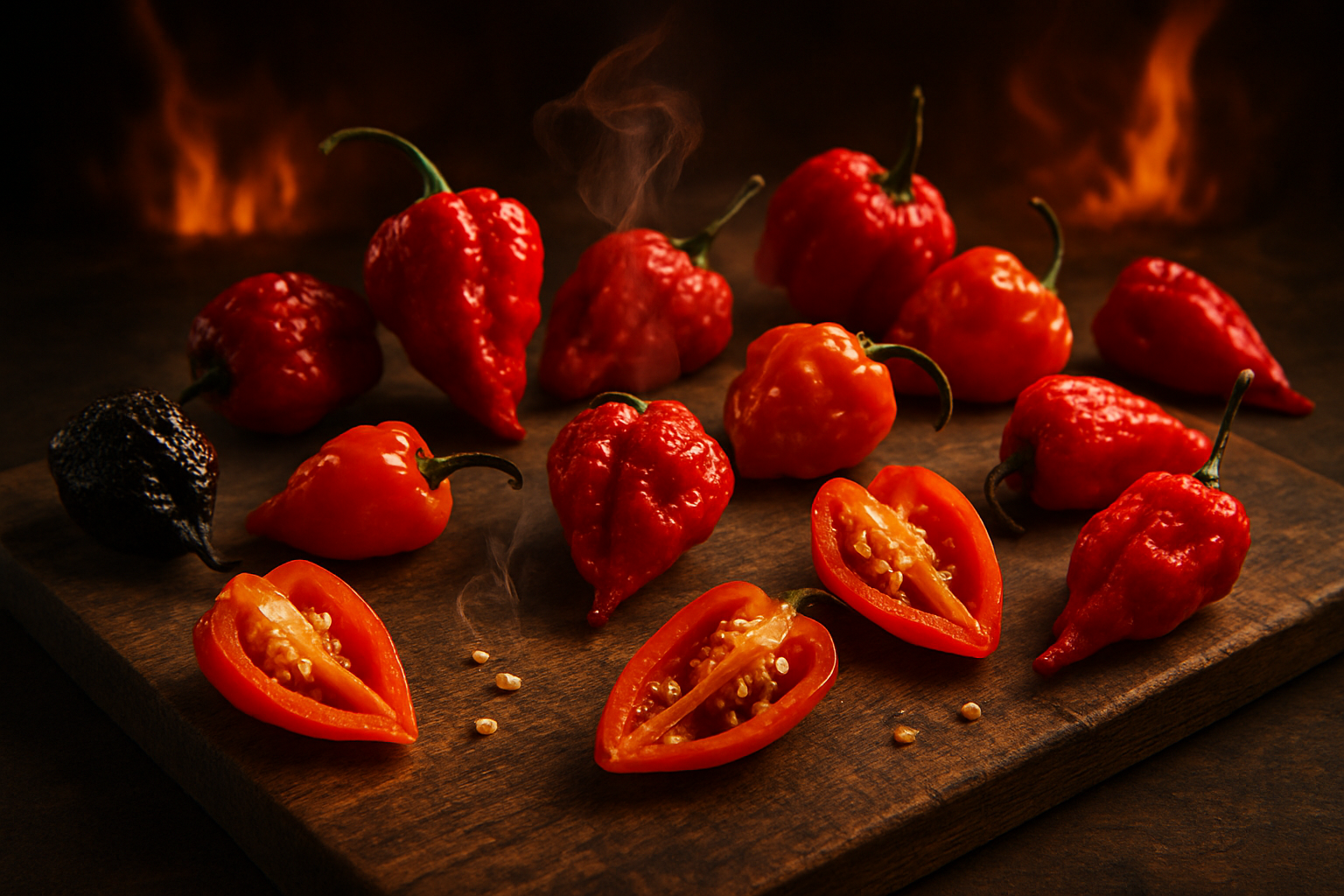
Cayenne Peppers – Essential for Spice Blends and Medicinal Uses
Cayenne peppers pack serious heat at 30,000 to 50,000 Scoville units, making them the go-to choice for anyone looking to add real fire to their cooking. These slender red peppers dry beautifully and transform into the cayenne powder found in spice racks worldwide. The beauty of cayenne lies in its clean, straightforward heat that doesn’t mask other flavors – it simply amplifies them.
Beyond their culinary applications, cayenne peppers have earned recognition for their medicinal properties. The active compound capsaicin promotes circulation, provides natural pain relief, and may boost metabolism. Many people swear by cayenne’s ability to clear sinuses and support digestive health. Traditional medicine has used these peppers for centuries to treat various ailments.
In the kitchen, cayenne peppers work exceptionally well in spice rubs for barbecue, hot sauces, and curry blends. They’re perfect for making homemade chili powder or adding heat to soups and stews. Fresh cayenne peppers can be chopped into salsas or pickled for later use.
Thai Bird’s Eye Chilies – Perfect for Authentic Asian Cooking
Thai bird’s eye chilies might look innocent with their tiny size, but these miniature powerhouses deliver explosive heat ranging from 50,000 to 100,000 Scoville units. Don’t let their cute appearance fool you – just one small pepper can transform an entire dish from mild to mouth-searing.
These peppers are absolutely essential for authentic Thai, Vietnamese, and Cambodian cuisine. Their bright, clean heat complements the complex flavor profiles of Southeast Asian cooking perfectly. Unlike some hot peppers that can overpower delicate ingredients, bird’s eye chilies add heat while allowing other flavors like lemongrass, fish sauce, and coconut milk to shine through.
Fresh bird’s eye chilies work wonderfully in som tam (green papaya salad), larb, and various curry pastes. When dried, they become the foundation for many Asian chili oils and hot sauces. The peppers can be used whole for maximum heat or sliced thinly for more controlled spiciness. Many cooks prefer to muddle them gently in mortar and pestle to release their oils without creating overwhelming heat.
Habanero Peppers – Excellent for Extreme Heat and Fruity Flavor
Habaneros bring both intensity and complexity to the table with their heat levels ranging from 100,000 to 350,000 Scoville units. What sets habaneros apart from other extremely hot peppers is their distinctive fruity flavor that adds tropical notes alongside the serious heat. This combination makes them favorites among hot sauce enthusiasts and chefs who want depth, not just fire.
These lantern-shaped peppers come in various colors including orange, red, yellow, and chocolate brown. Each variety offers slightly different flavor profiles, but all share that characteristic fruity sweetness that balances their intense heat. Orange habaneros tend to have bright, citrusy notes, while chocolate habaneros offer deeper, smokier flavors.
Habaneros excel in Caribbean and Central American cooking, where they’re used in everything from jerk seasoning to hot pepper jellies. They make exceptional hot sauces when combined with fruits like mango or pineapple. When cooking with habaneros, remember that a little goes a long way – start with small amounts and build up the heat gradually. These peppers also freeze well, making them convenient for year-round use in smaller quantities.
Specialty and Exotic Peppers for Gourmet Cooking
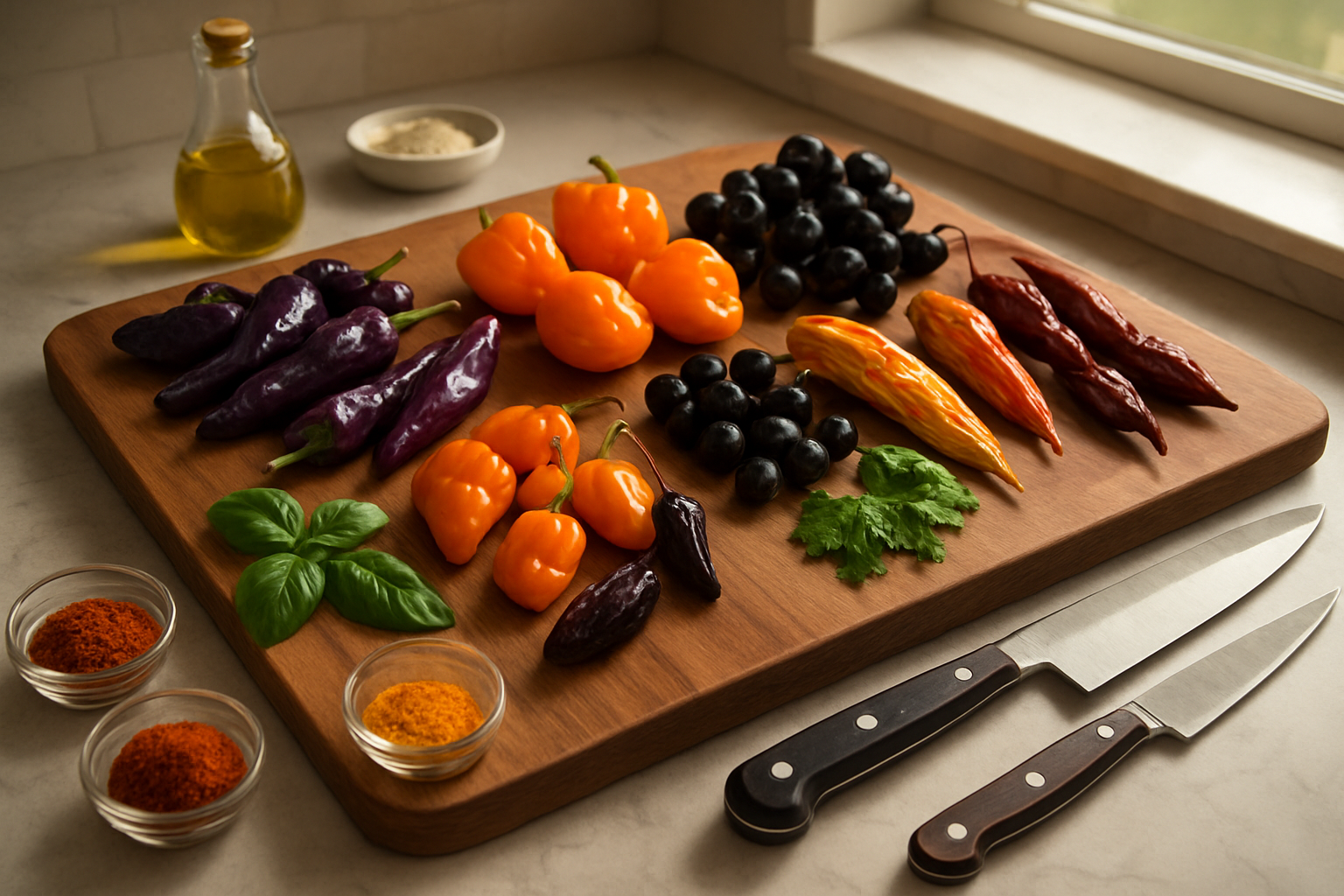
Ghost Peppers – Ultimate Challenge for Heat Enthusiasts
Ghost peppers, officially known as bhut jolokia, reign supreme in the world of super-hot chilies with a staggering heat level reaching over 1 million Scoville units. Native to Northeast India, these wrinkled, lantern-shaped peppers pack an intense fruity flavor beneath their notorious burn that builds slowly and lingers for what feels like eternity.
Professional chefs and extreme heat enthusiasts use ghost peppers sparingly in specialty sauces, where just a tiny amount transforms ordinary condiments into fiery masterpieces. When working with ghost peppers, always wear gloves and work in well-ventilated areas. A single pepper can season multiple gallons of sauce or curry.
These peppers shine in traditional Indian dishes like bhut jolokia chicken curry or fermented into achaar (pickle). Modern applications include infusing oils, creating signature hot sauces for restaurants, or adding microscopic amounts to chocolate desserts for an unexpected kick. The key lies in respecting their power – start with amounts smaller than a pinhead and build gradually.
Scotch Bonnet Peppers – Authentic Caribbean Cuisine Essential
Scotch bonnets bring the authentic soul of Caribbean cooking with their distinctive bonnet shape and vibrant colors ranging from yellow to bright red. These peppers deliver serious heat (100,000-350,000 Scoville units) balanced by a sweet, fruity flavor profile that’s absolutely essential for genuine Caribbean dishes.
Jamaican jerk seasoning wouldn’t exist without scotch bonnets. They provide the signature heat and tropical fruitiness that defines this iconic marinade for chicken, pork, and fish. The peppers work beautifully in rice and peas, curry goat, escovitch fish, and pepper sauce – a table condiment found in every Caribbean household.
When preparing scotch bonnets, many cooks add whole peppers to stews and curries for flavor without overwhelming heat, removing them before serving. For authentic pepper sauce, blend them with vinegar, garlic, and tropical fruits like mango or pineapple. Their natural sweetness pairs exceptionally well with seafood and tropical ingredients.
Shishito Peppers – Perfect for Japanese-Style Grilling
Shishito peppers have become darlings of modern gastronomy, beloved for their mild heat and addictive blistered preparation. These slender, wrinkled Japanese peppers typically measure 2-4 inches long and offer mostly mild flavor with occasional surprise spicy specimens – roughly one in ten packs unexpected heat.
The classic preparation couldn’t be simpler: toss whole peppers with oil and coarse salt, then char them quickly over high heat until blistered and tender. This method creates an irresistible combination of smoky, sweet flavors with tender texture. Japanese izakayas serve them as popular drinking snacks alongside cold beer.
Beyond traditional grilling, shishitos work wonderfully tempura-battered and fried, stuffed with cheese or seafood, or quick-sautéed with garlic and soy sauce. Their mild nature makes them perfect gateway peppers for heat-sensitive diners, while their elegant appearance elevates any plate presentation.
Padron Peppers – Ideal Spanish Tapas and Mediterranean Dishes
Padron peppers embody the essence of Spanish tapas culture with their simple yet sophisticated appeal. These small, bright green peppers from Spain’s Galicia region share shishitos’ unpredictable heat pattern – most are mild and sweet, but occasional fiery surprises keep diners guessing.
The traditional Spanish preparation involves quickly frying whole peppers in olive oil until blistered, then finishing with coarse sea salt. This creates the perfect tapas dish: pimientos de Padrón, often accompanied by the saying “Os pementos de Padrón, uns pican e outros non” (Padrón peppers, some are hot and some are not).
Padrons excel in Mediterranean applications beyond basic frying. They’re magnificent roasted with other vegetables, stuffed with goat cheese and herbs, or incorporated into tortilla española. Their sweet, grassy flavor complements Spanish cheeses, cured meats, and seafood beautifully. Many chefs char them on wood-fired grills for additional smoky complexity, serving them as elegant appetizers or side dishes that capture the relaxed sophistication of Spanish dining culture.
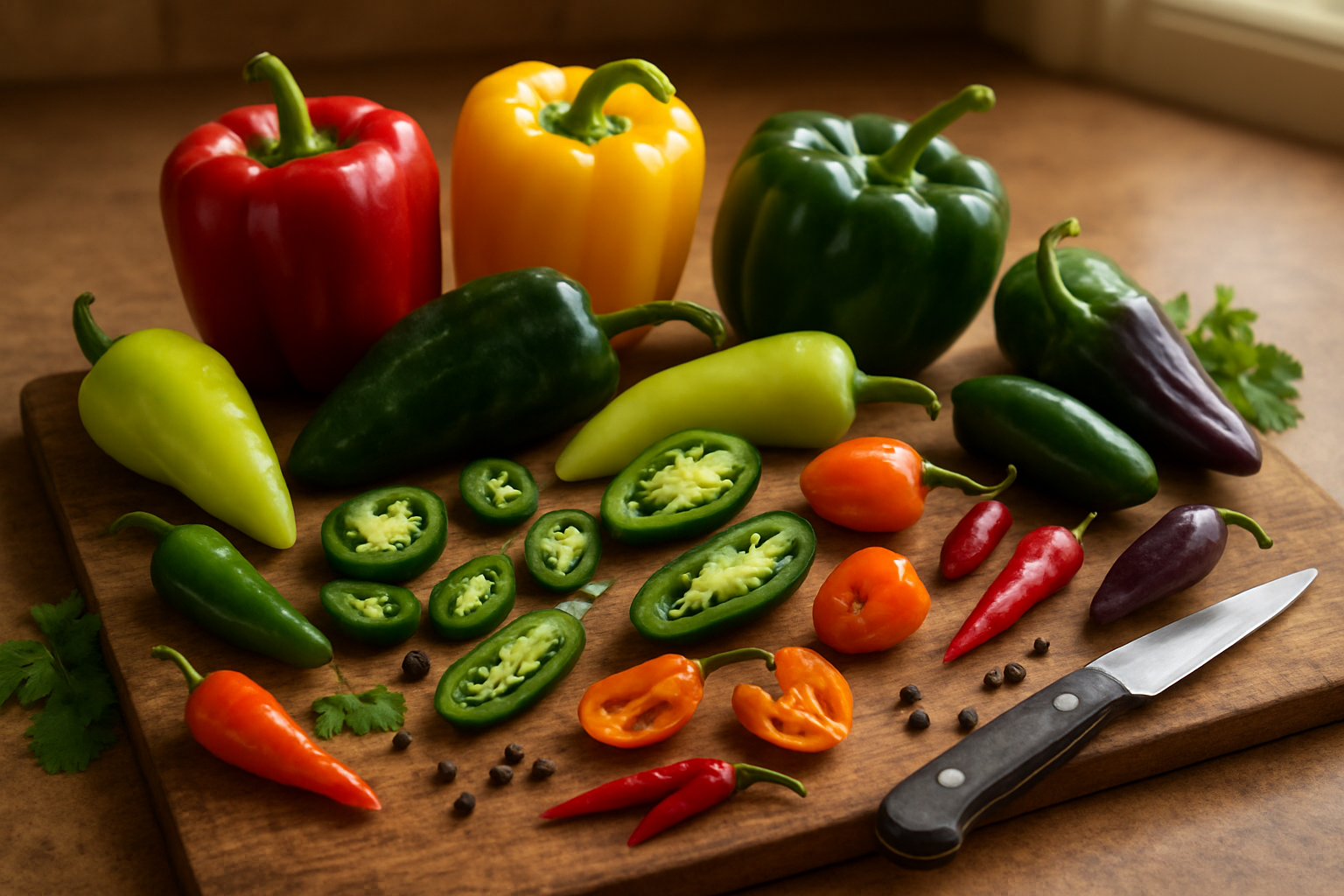
Peppers offer an incredible range of flavors and heat levels that can transform any dish from ordinary to extraordinary. From sweet bell peppers that add crunch and color to your everyday stir-fries, to the fiery kick of habaneros that’ll wake up your taste buds, there’s a perfect pepper for every palate and cooking style. The mild varieties like poblanos and Anaheim peppers give you that authentic pepper flavor without overwhelming heat, while medium-heat options like jalapeños and serranos bring just the right amount of spice to elevate your favorite recipes.
Don’t be afraid to experiment with different pepper varieties in your cooking. Start with milder options if you’re heat-sensitive, or dive straight into the specialty peppers if you’re feeling adventurous. Keep a few different types on hand – fresh, dried, or even pickled – so you can add depth and complexity to everything from soups and sauces to marinades and salsas. Your taste buds will thank you for the variety, and your cooking will never be boring again.