Black pepper isn’t just a kitchen staple sitting on your spice rack – it’s a powerhouse ingredient with surprising health benefits and important safety considerations you should know about. This comprehensive guide helps home cooks, health enthusiasts, and anyone curious about natural wellness understand how to use black pepper safely and effectively.
We’ll explore black pepper’s impressive nutritional profile and the active compounds that make it so beneficial for your health. You’ll also discover the potential side effects and health risks that come with overconsumption, plus get clear guidelines on safe usage and recommended dosages to maximize benefits while avoiding problems.
From enhancing your favorite recipes to supporting your wellness goals, black pepper offers more than just flavor – but like any potent spice, it’s important to use it wisely.
Understanding Black Pepper’s Nutritional Profile and Active Compounds
Essential nutrients and vitamins found in black pepper
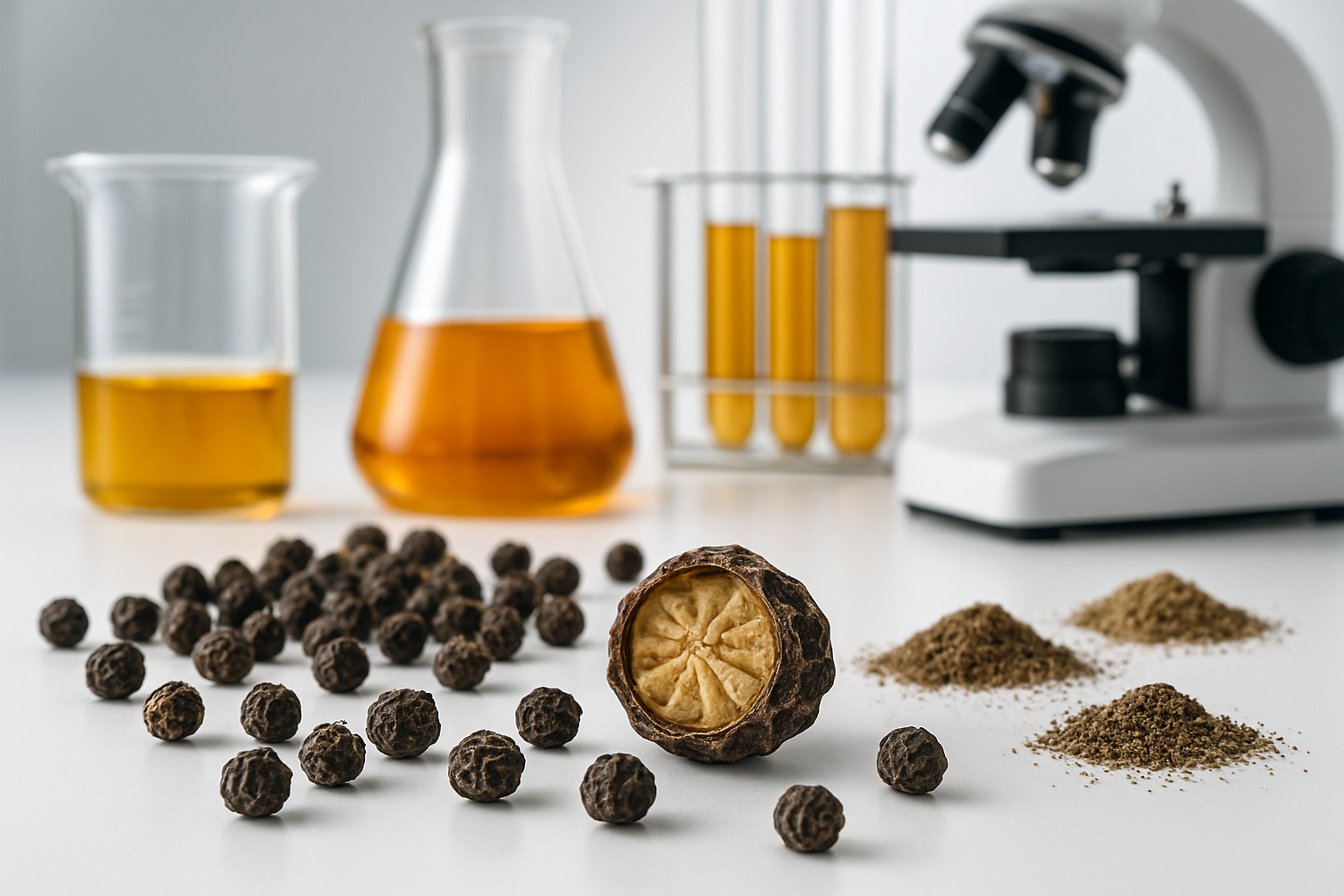
Black pepper packs more nutrition than most people realize. Just one tablespoon of ground black pepper delivers surprising amounts of essential nutrients. You’ll get about 16 calories along with significant doses of manganese, providing roughly 18% of your daily needs. This mineral plays a key role in bone development, wound healing, and metabolism.
The vitamin K content stands out too, offering about 13% of your daily requirement per tablespoon. This vitamin helps with blood clotting and bone health. Black pepper also contains smaller but meaningful amounts of iron, dietary fiber, and vitamin C. The iron supports oxygen transport in your blood, while the fiber aids digestion.
What makes black pepper special is its concentration of nutrients relative to the small amounts typically consumed. Even a pinch adds measurable nutrition to your meals, making it one of the most nutrient-dense seasonings available.
Piperine: The primary bioactive compound responsible for health benefits
Piperine gives black pepper its distinctive bite and serves as the powerhouse behind most health benefits. This alkaloid makes up about 5-9% of black pepper by weight, with freshly ground pepper containing higher concentrations than pre-ground varieties.
The compound works by inhibiting certain enzymes in your digestive system, which creates some fascinating effects. Piperine dramatically increases the absorption of many nutrients and medications – sometimes by up to 2000%. This is why you’ll often see black pepper paired with turmeric supplements, as piperine boosts curcumin absorption significantly.
Research shows piperine may support brain function by increasing levels of neurotransmitters like serotonin and dopamine. It also demonstrates anti-inflammatory properties and may help regulate blood sugar levels. The compound’s thermogenic properties can slightly boost metabolism, contributing to its traditional use in weight management approaches.
Antioxidants and phytochemicals that boost wellness
Beyond piperine, black pepper contains an impressive array of antioxidant compounds that protect your cells from damage. These include flavonoids like quercetin and kaempferol, which help fight inflammation throughout your body.
The spice contains phenolic compounds that scavenge harmful free radicals. These antioxidants work together to support cardiovascular health and may help reduce the risk of chronic diseases. Black pepper’s essential oils, including beta-caryophyllene and limonene, contribute additional therapeutic properties.
Beta-caryophyllene particularly interests researchers because it interacts with cannabinoid receptors in your body, potentially offering anti-inflammatory and pain-relieving effects. The combination of these various compounds creates what scientists call a “synergistic effect,” where the whole becomes greater than the sum of its parts.
How black pepper’s nutritional density compares to other spices
When stacked against other common spices, black pepper holds its own nutritionally. Here’s how it compares:
| Spice (1 tbsp) | Manganese (% DV) | Iron (% DV) | Fiber (g) | Antioxidant Score* |
|---|---|---|---|---|
| Black Pepper | 18% | 6% | 1.8 | 27,618 |
| Cinnamon | 22% | 4% | 4.1 | 267,536 |
| Turmeric | 26% | 16% | 2.8 | 159,277 |
| Oregano | 9% | 11% | 1.5 | 175,295 |
*ORAC values (Oxygen Radical Absorbance Capacity)
While cinnamon and turmeric score higher in antioxidant capacity, black pepper’s unique advantage lies in piperine’s ability to enhance the absorption of nutrients from other foods. This bioenhancement quality makes black pepper a valuable addition to any spice collection.
Black pepper also offers more manganese than most spices except turmeric and cinnamon. The iron content surpasses many herbs, making it helpful for people watching their iron intake. Unlike some potent spices that can only be used sparingly, black pepper’s mild flavor profile allows for regular use without overwhelming dishes.
Culinary Uses and Flavor Enhancement Applications
Traditional cooking applications across global cuisines
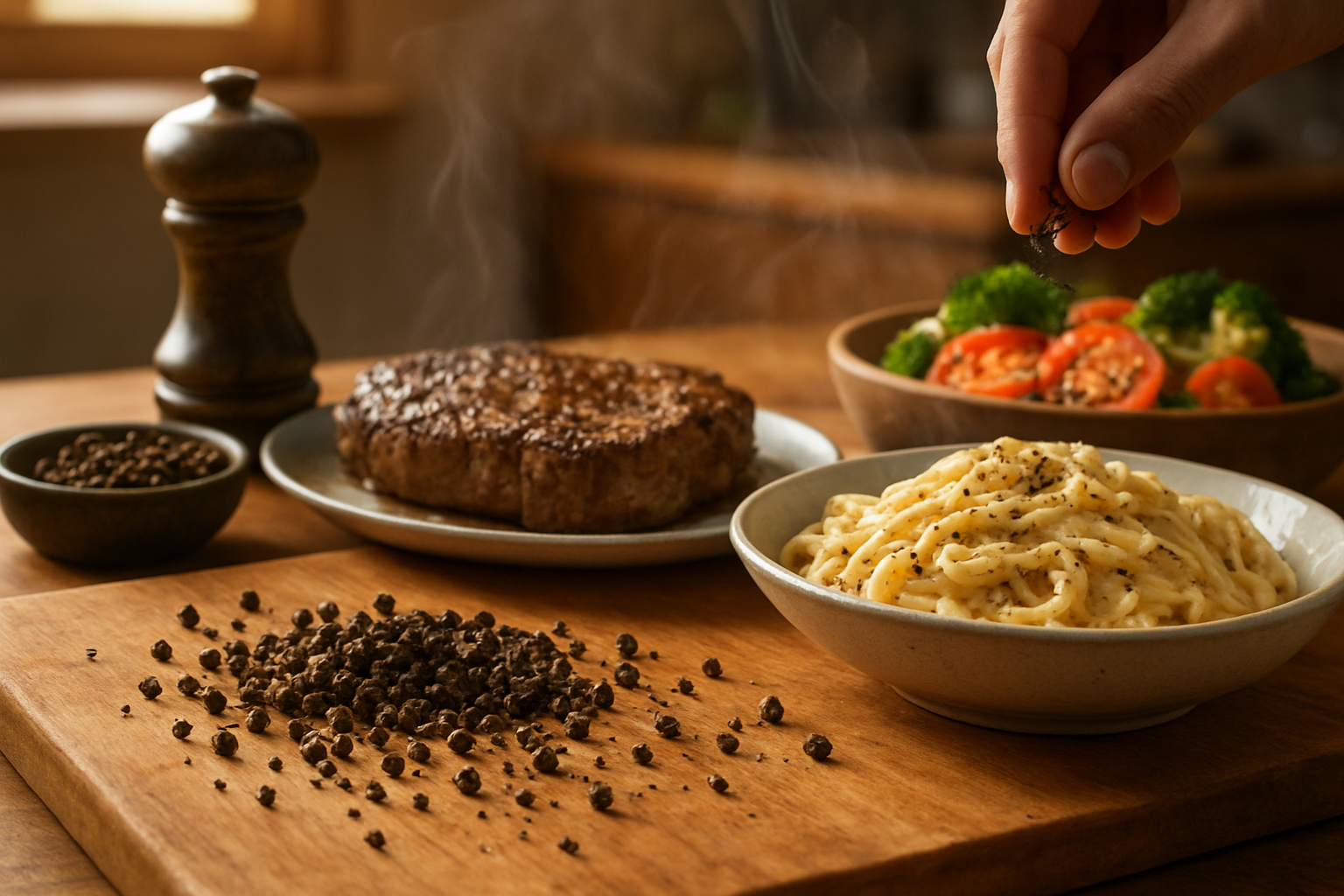
Black pepper stands as one of the most universal spices across world cuisines, earning its reputation as the “king of spices” through centuries of culinary excellence. In European cooking, freshly cracked black pepper transforms simple dishes like carbonara, steak au poivre, and roasted vegetables into restaurant-quality meals. The spice’s sharp, piney heat balances rich cream sauces and enhances the natural flavors of meats without overpowering them.
Asian cuisines showcase black pepper’s versatility in countless preparations. Vietnamese pho relies on white pepper (black pepper with the hull removed) for its signature warmth, while Thai stir-fries use whole peppercorns to create bursts of intense flavor. Indian cooking incorporates black pepper into garam masala, the foundational spice blend that appears in curries, rice dishes, and meat preparations. Chinese five-spice powder wouldn’t exist without black pepper’s distinctive bite.
Middle Eastern and North African cuisines blend black pepper with warm spices like cinnamon and cardamom in dishes such as Moroccan tagines and Lebanese kibbeh. The spice cuts through rich lamb and provides complexity to grain-based salads like tabbouleh. Even in simple applications, black pepper elevates everyday cooking – a pinch added to scrambled eggs or fresh fruit creates unexpected depth that professional chefs have relied on for generations.
Food preservation and natural antimicrobial properties
Black pepper’s role in food preservation extends far beyond flavor enhancement, offering natural antimicrobial protection that ancient civilizations discovered through necessity. The spice contains piperine, a powerful alkaloid that inhibits bacterial growth and prevents food spoilage. This property made black pepper invaluable during times when refrigeration didn’t exist, helping preserve meat, dairy, and other perishable foods.
Modern food science confirms what traditional cooks knew instinctively – black pepper effectively fights harmful bacteria like E. coli, Salmonella, and Staphylococcus aureus. When used in marinades, the spice creates an inhospitable environment for pathogens while tenderizing proteins through its mild enzymatic action. Ground black pepper mixed with salt creates a natural preservative blend that works particularly well for cured meats and aged cheeses.
The antimicrobial benefits extend to everyday cooking practices. Adding black pepper to raw preparations like tartare or ceviche provides an extra layer of food safety. Oil infusions with black pepper maintain their quality longer than plain oils, while pepper-seasoned stocks and broths resist spoilage more effectively. Home cooks can leverage these properties by incorporating black pepper into pickling brines, where it works alongside acids to preserve vegetables while contributing its characteristic warmth and complexity to the final product.
Pairing black pepper with other spices for maximum flavor impact
The art of spice pairing reaches its peak when black pepper meets complementary flavors, creating combinations that transform ordinary dishes into extraordinary experiences. Salt and black pepper form the most fundamental pairing in Western cooking, but this barely scratches the surface of pepper’s potential partnerships. Garlic and black pepper create an aromatic foundation that enhances everything from roasted chicken to pasta dishes, while the combination of black pepper and lemon zest brings brightness and heat to seafood and vegetables.
Warm spices like cinnamon, nutmeg, and allspice blend beautifully with black pepper in both sweet and savory applications. This combination shines in spice rubs for pork and beef, adding complexity to barbecue preparations and roasted meats. Fresh herbs pair exceptionally well with black pepper – thyme and pepper complement roasted potatoes, while rosemary and pepper elevate lamb dishes to new heights.
| Spice Combination | Best Applications | Flavor Profile |
|---|---|---|
| Black Pepper + Cardamom | Coffee, desserts, rice dishes | Warm, aromatic, slightly sweet |
| Black Pepper + Paprika | Grilled meats, roasted vegetables | Smoky, mild heat, earthy |
| Black Pepper + Fennel | Sausages, fish, Mediterranean dishes | Licorice notes with sharp heat |
| Black Pepper + Coriander | Curries, marinades, spice rubs | Citrusy, warm, complex |
Advanced cooks experiment with black pepper in unexpected sweet applications, pairing it with chocolate in truffles or adding it to strawberry preparations where the heat enhances the fruit’s natural sweetness. The key lies in understanding that black pepper doesn’t just add heat – it amplifies and balances other flavors, making it an indispensable tool in any serious cook’s spice arsenal.
Proven Health Benefits for Your Body and Mind
Enhanced Nutrient Absorption and Bioavailability of Other Foods
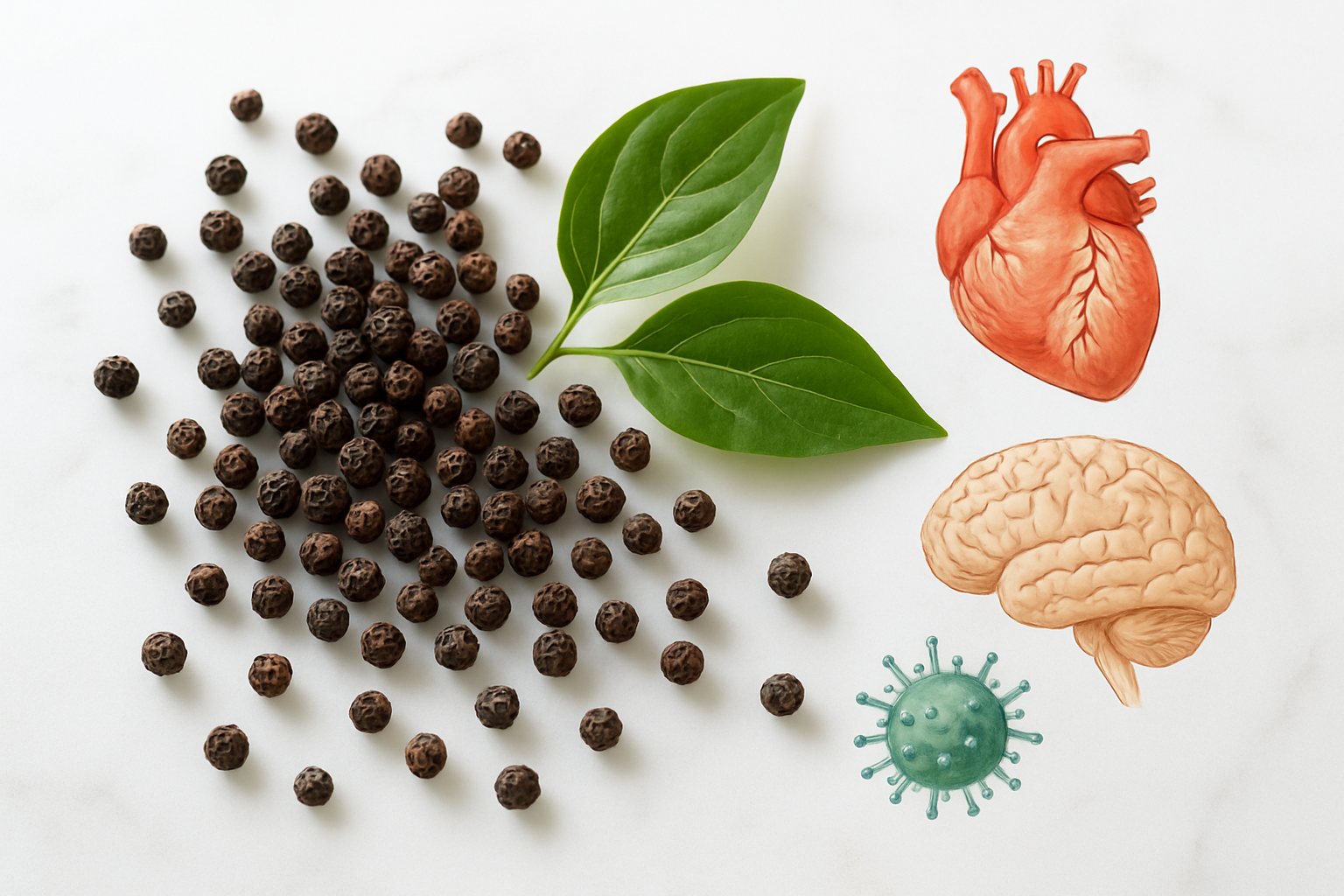
Black pepper’s most impressive superpower lies in its ability to help your body absorb nutrients more effectively. The secret weapon here is piperine, which can increase the bioavailability of various vitamins, minerals, and beneficial compounds by up to 2,000%. This means your body can actually use more of the good stuff from the foods you eat.
Piperine works by temporarily inhibiting certain liver enzymes that normally break down nutrients before they can be fully absorbed. This gives your digestive system more time to extract maximum value from your meals. The most famous example is turmeric – adding just a pinch of black pepper to turmeric can boost curcumin absorption by an astounding 2,000%.
Beyond turmeric, black pepper enhances the absorption of:
- Beta-carotene from colorful vegetables
- Selenium from nuts and seeds
- B-vitamins from whole grains
- Resveratrol from red wine and grapes
- Green tea catechins from tea
Anti-inflammatory Properties That Reduce Chronic Disease Risk
Chronic inflammation acts like a slow-burning fire in your body, contributing to heart disease, diabetes, arthritis, and even certain cancers. Black pepper’s anti-inflammatory compounds help put out this fire naturally.
Piperine directly blocks the production of inflammatory markers like TNF-alpha and interleukin-6. Studies show regular black pepper consumption can reduce C-reactive protein levels – a key marker doctors use to assess inflammation in the body.
The anti-inflammatory effects extend to:
- Joint health: Reducing stiffness and pain in arthritis sufferers
- Heart protection: Lowering inflammation that damages blood vessels
- Skin health: Calming inflammatory skin conditions
- Respiratory support: Easing inflammation in airways
Digestive Health Improvement and Gut Function Optimization
Your digestive system gets a significant boost from black pepper’s natural properties. The spice stimulates the production of digestive enzymes, helping break down proteins, fats, and carbohydrates more efficiently. This means less bloating, gas, and digestive discomfort after meals.
Black pepper also increases stomach acid production, which might sound concerning but is actually beneficial for most people. Proper stomach acid levels are essential for:
- Breaking down proteins completely
- Absorbing minerals like iron, zinc, and B12
- Killing harmful bacteria and parasites
- Preventing food from fermenting in your gut
Research indicates black pepper can help restore healthy gut bacteria balance while reducing harmful bacterial overgrowth. The spice’s antimicrobial properties specifically target problematic bacteria while supporting beneficial strains.
Brain Health Support and Cognitive Function Enhancement
Your brain craves the compounds found in black pepper. Piperine crosses the blood-brain barrier easily, where it provides direct neuroprotective benefits. Studies show it can improve memory formation, enhance focus, and potentially slow age-related cognitive decline.
The brain benefits include:
- Memory enhancement: Improved recall and learning capacity
- Mood regulation: Natural support for serotonin and dopamine production
- Stress reduction: Lower cortisol levels and better stress response
- Neuroprotection: Defense against oxidative damage to brain cells
Animal studies suggest piperine might help prevent the formation of amyloid plaques associated with Alzheimer’s disease, though human trials are still needed to confirm these effects.
Weight Management and Metabolism Boosting Effects
Black pepper can give your weight management efforts a natural edge. Piperine activates thermogenesis – the process where your body burns calories to produce heat. This temporary metabolic boost can increase calorie burning for several hours after consuming black pepper.
The weight management benefits work through multiple pathways:
- Fat cell formation: Piperine blocks the formation of new fat cells
- Appetite control: Helps regulate hunger hormones
- Energy expenditure: Increases the calories burned during digestion
- Blood sugar balance: Improves insulin sensitivity and glucose metabolism
Regular consumption of black pepper as part of a balanced diet can support healthy weight maintenance without extreme measures or restrictive eating patterns.
Potential Side Effects and Health Risks to Consider
Gastrointestinal Irritation in Sensitive Individuals
Black pepper can be tough on your stomach, especially if you’re already dealing with digestive issues. The piperine compound that gives black pepper its signature kick can irritate the lining of your stomach and intestines. People with peptic ulcers, gastritis, or inflammatory bowel conditions like Crohn’s disease often find that even small amounts of black pepper trigger uncomfortable symptoms.
Common digestive reactions include:
- Burning sensation in the stomach
- Heartburn and acid reflux
- Nausea and stomach cramping
- Diarrhea or loose stools
- Worsening of existing ulcer symptoms
If you have a sensitive stomach, start with tiny amounts to test your tolerance. Ground black pepper tends to be more irritating than whole peppercorns since the oils are more concentrated when freshly crushed.
Drug Interactions and Medication Absorption Concerns
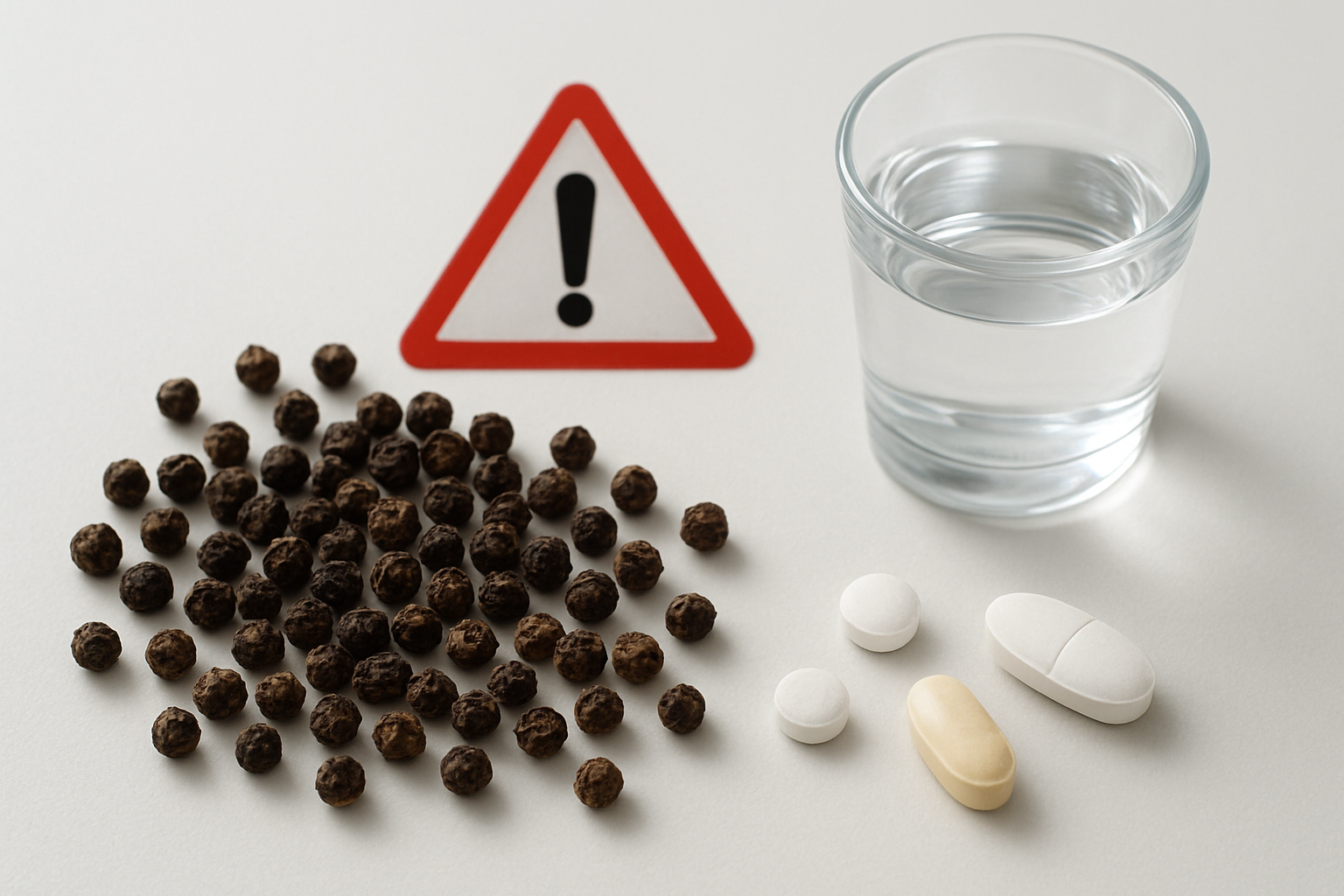
Black pepper’s piperine doesn’t just enhance the flavor of your food – it also changes how your body processes medications. This compound blocks certain enzymes in your liver and intestines that normally break down drugs, causing some medications to stay in your system longer than intended.
Medications That May Be Affected:
- Blood thinners (warfarin)
- Seizure medications (phenytoin)
- Heart medications (propranolol)
- Some antibiotics
- Anti-inflammatory drugs
The interaction can go both ways – some drugs become more potent (potentially dangerous), while others might be absorbed too quickly. If you take prescription medications regularly, especially those with narrow therapeutic windows, talk to your pharmacist about black pepper consumption.
Allergic Reactions and Respiratory Issues
True black pepper allergies are rare, but they do happen. Some people experience cross-reactivity if they’re already allergic to other plants in the Piperaceae family. When allergic reactions occur, they can range from mild skin irritation to serious respiratory problems.
Warning Signs Include:
- Skin rashes or hives
- Itching around the mouth or throat
- Sneezing fits or runny nose
- Difficulty breathing or wheezing
- Swelling of lips, tongue, or throat
Inhaling ground black pepper can trigger asthma attacks in sensitive individuals. The fine particles irritate airways and can cause severe coughing spells or breathing difficulties. People with existing respiratory conditions should be extra careful when handling freshly ground pepper in the kitchen.
Safe Usage Guidelines and Recommended Dosages
Daily Consumption Limits for Optimal Health Benefits
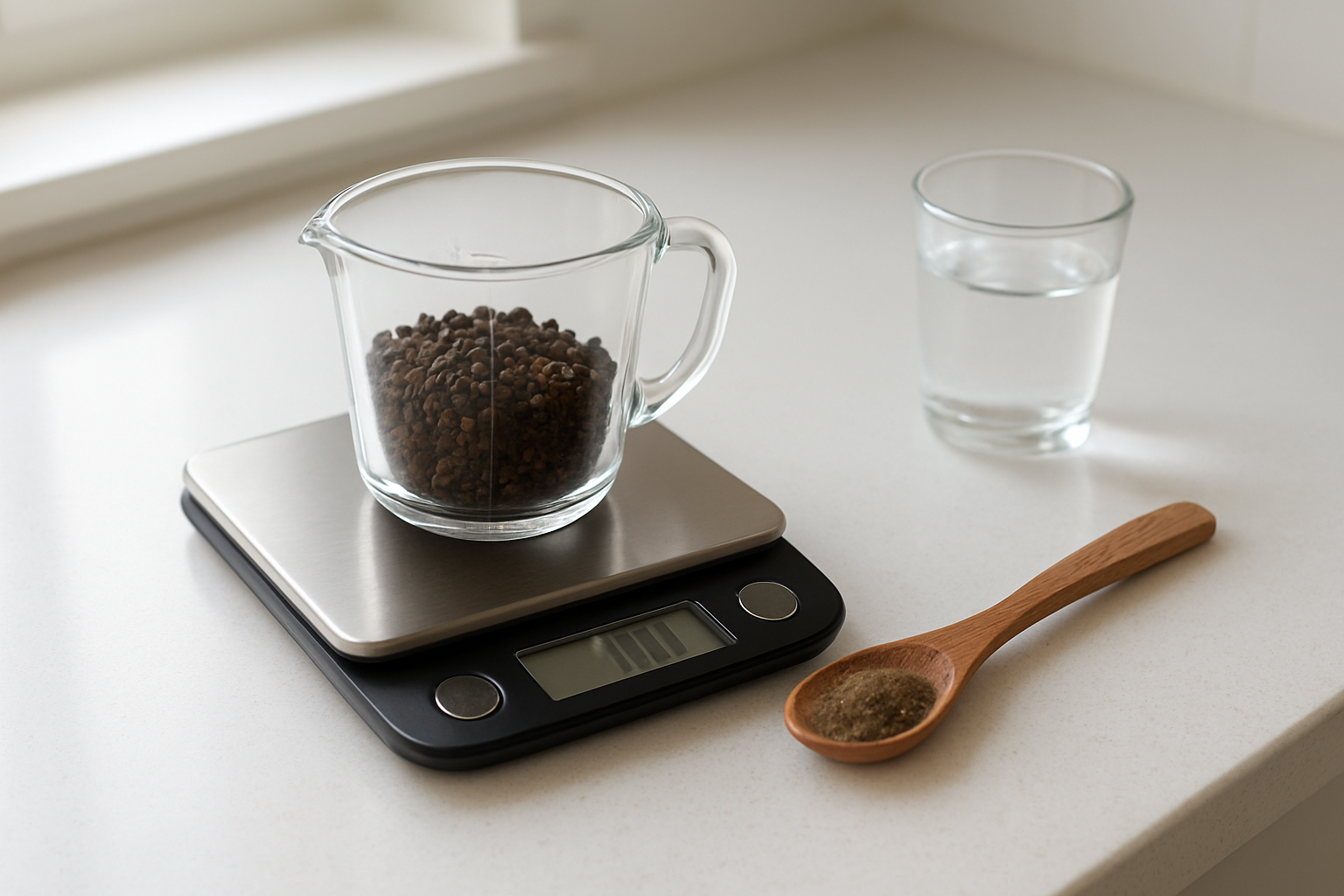
Most healthy adults can safely consume 1-2 teaspoons (2-4 grams) of ground black pepper daily without experiencing adverse effects. This amount provides enough piperine to deliver therapeutic benefits while staying well within safety thresholds. The upper limit typically ranges from 5-7 grams per day for most people, though individual tolerance varies significantly.
Fresh-cracked pepper delivers maximum potency compared to pre-ground varieties that may have lost essential oils during storage. When using black pepper supplements containing concentrated piperine, follow manufacturer guidelines strictly, as these products contain much higher concentrations than culinary pepper.
Start with smaller amounts if you’re new to regular pepper consumption. Your digestive system needs time to adjust to increased piperine intake. Watch for any stomach discomfort, heartburn, or digestive upset as signs you may need to reduce your intake.
Special Considerations for Pregnant and Breastfeeding Women
Pregnant women should limit black pepper to normal culinary amounts rather than therapeutic doses. While cooking with pepper poses no known risks during pregnancy, concentrated supplements or excessive consumption could potentially stimulate uterine contractions or cause digestive distress.
Breastfeeding mothers can safely use moderate amounts of black pepper in cooking. The spice may even provide antioxidant benefits that transfer to breast milk. However, very large amounts might make breast milk taste different or cause digestive sensitivity in some infants.
Women planning pregnancy or currently pregnant should consult healthcare providers before using black pepper supplements or dramatically increasing dietary intake beyond typical cooking amounts.
Guidelines for Children and Elderly Individuals
Children over age 2 can safely consume small amounts of black pepper mixed into age-appropriate foods. Start with just a pinch and gradually increase based on tolerance and preference. Young palates often find pepper too intense, so introduction should be gradual and mixed with familiar flavors.
Elderly adults may experience enhanced benefits from black pepper’s nutrient absorption properties, particularly for fat-soluble vitamins. However, those taking multiple medications should exercise extra caution, as piperine can affect drug metabolism rates.
Seniors with sensitive digestive systems should monitor their response to increased pepper intake, as aging can make the stomach lining more reactive to spicy compounds.
How to Identify High-Quality Black Pepper Products
Premium black pepper exhibits several key characteristics that distinguish it from inferior products. Look for whole peppercorns that appear uniform in size with minimal broken pieces or dust. High-quality peppercorns should feel firm and heavy, with wrinkled, dark surfaces that aren’t overly dry or brittle.
The aroma test reveals quality immediately – fresh peppercorns release a sharp, pungent fragrance when crushed between your fingers. Stale or low-grade pepper lacks this intense aromatic punch and may smell musty or flat.
Quality Indicators:
- Origin labeling (Tellicherry, Malabar, or Kampot varieties are premium)
- Recent harvest dates when available
- Minimal processing and no added preservatives
- Organic certification to avoid pesticide residues
- Sealed packaging that protects from light and moisture
Avoid pre-ground pepper that’s been sitting on shelves for extended periods. Ground pepper loses volatile oils rapidly, reducing both flavor and therapeutic compounds. Purchase whole peppercorns and grind them fresh using a quality mill for maximum potency and taste.
Single-origin peppers often command higher prices but deliver superior flavor profiles and consistent piperine content compared to blended products from multiple sources.
Black pepper deserves its place as the “king of spices” for good reason. Beyond making your food taste amazing, this common kitchen staple packs impressive health benefits like better nutrient absorption, anti-inflammatory effects, and potential brain health support. The piperine compound that gives black pepper its kick also helps your body get more from vitamins and minerals you eat.
While black pepper is generally safe for most people, moderation is key. Stick to typical cooking amounts unless you’re using it for specific health purposes, and always check with your doctor if you’re taking medications or have digestive issues. Adding more black pepper to your meals is one of the easiest ways to boost both flavor and nutrition in your daily diet.