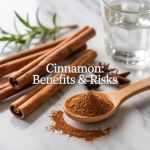
Cinnamon does more than make your morning coffee smell amazing. This popular spice packs serious health benefits, from controlling blood sugar to fighting inflammation. But like any powerful ingredient, cinnamon comes with potential side effects you should know about.
This guide is for anyone curious about adding more cinnamon to their daily routine, managing health conditions naturally, or simply wanting to understand what this spice actually does in your body.
We’ll explore the different types of cinnamon and what makes each one unique nutritionally. You’ll discover the science-backed health benefits that make cinnamon worth including in your diet. Finally, we’ll cover the potential risks and how much cinnamon is actually safe to consume daily.
Types of Cinnamon and Their Nutritional Profiles
Ceylon Cinnamon: The True Cinnamon with Superior Quality
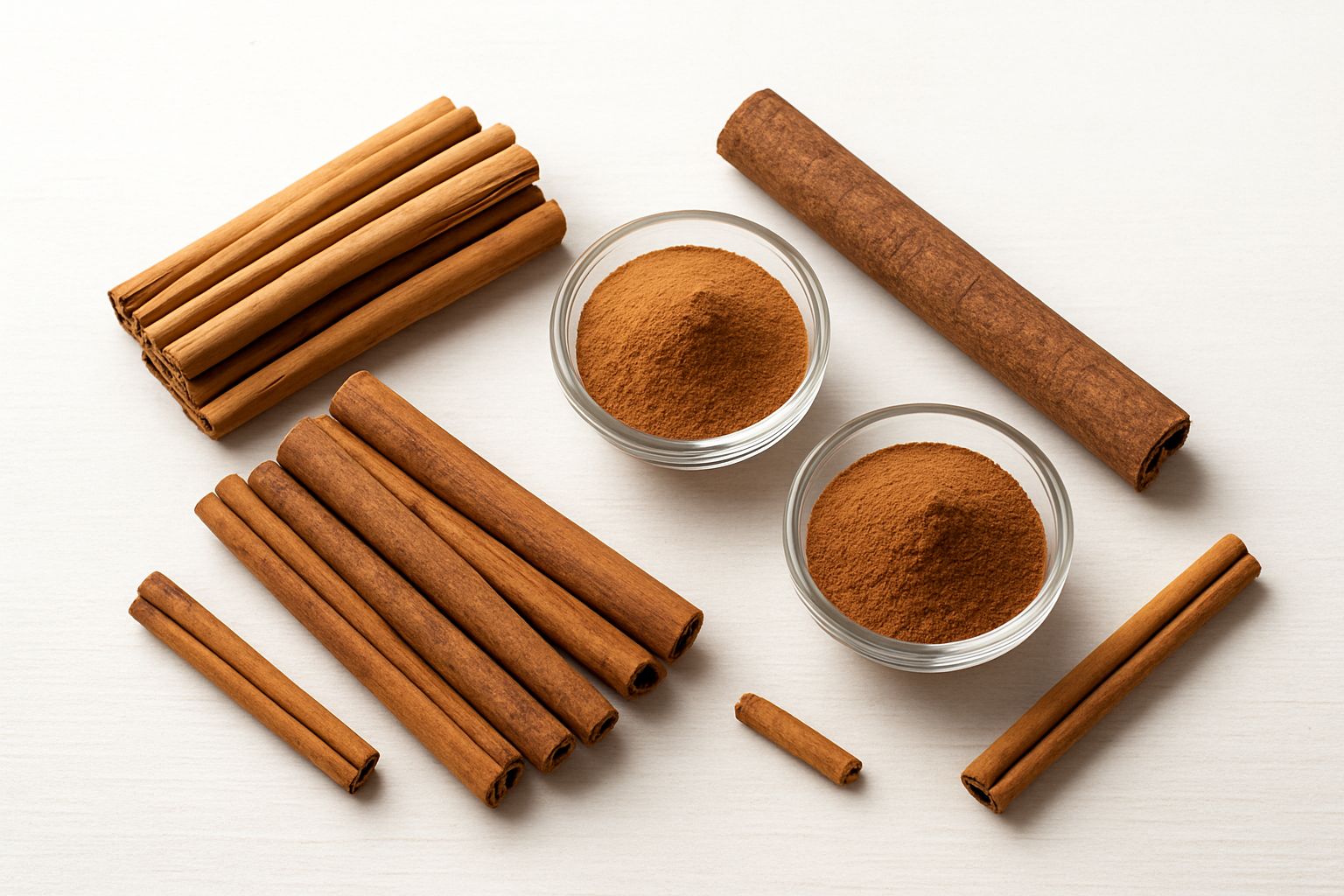
Ceylon cinnamon, scientifically known as Cinnamomum verum, comes from the bark of trees native to Sri Lanka and southern India. This variety stands out as the gold standard among cinnamon types due to its delicate, sweet flavor and light tan color. When you examine Ceylon cinnamon sticks, you’ll notice their thin, papery bark that easily crumbles between your fingers.
The most significant advantage of Ceylon cinnamon lies in its extremely low coumarin content – typically less than 0.004% by weight. Coumarin is a naturally occurring compound that can be harmful in large quantities, making Ceylon cinnamon the safer choice for regular consumption. This variety also contains higher levels of eugenol, a powerful antioxidant compound that gives cinnamon its distinctive aroma and many of its therapeutic properties.
Ceylon cinnamon commands a premium price in the market, often costing three to four times more than common cassia cinnamon. However, its superior quality and safety profile make it the preferred choice for health-conscious consumers who plan to use cinnamon regularly as a supplement or in cooking.
Cassia Cinnamon: The Common Variety with Higher Coumarin Content
Cassia cinnamon represents about 95% of the cinnamon sold worldwide and includes several subspecies: Chinese cassia (Cinnamomum cassia), Indonesian cassia (Cinnamomum burmannii), and Saigon cassia (Cinnamomum loureiroi). You’ll recognize cassia cinnamon by its reddish-brown color, stronger flavor, and thicker, harder bark that forms tight curls.
The primary concern with cassia cinnamon is its significantly higher coumarin content, which ranges from 0.31% to 6.97% depending on the specific variety. Saigon cassia contains the highest levels, while Indonesian cassia has moderate amounts. This elevated coumarin content means that regular consumption of large quantities could potentially lead to liver damage over time.
Despite these concerns, cassia cinnamon still offers substantial health benefits and remains safe when used in typical culinary amounts. Many studies showing cinnamon’s positive effects on blood sugar control have actually used cassia varieties, particularly Chinese cassia, demonstrating that this common type still provides therapeutic value.
Essential Nutrients and Antioxidants Found in Cinnamon
Cinnamon packs a surprising nutritional punch despite being used in small quantities. A single teaspoon of ground cinnamon provides approximately 6 calories while delivering meaningful amounts of several essential nutrients:
Key Nutrients per teaspoon:
- Manganese: 0.4mg (22% daily value)
- Fiber: 1.4g
- Iron: 0.2mg
- Calcium: 26mg
- Vitamin K: 0.8mcg
The real nutritional power of cinnamon comes from its impressive array of antioxidants and bioactive compounds:
Primary Antioxidant Compounds:
- Cinnamaldehyde: Responsible for cinnamon’s distinctive flavor and many health benefits
- Eugenol: Provides anti-inflammatory and antimicrobial properties
- Coumarin: Present in higher amounts in cassia varieties
- Procyanidin: A powerful flavonoid antioxidant
- Catechins: Similar to those found in green tea
Research shows that cinnamon ranks among the top seven antioxidant-rich spices, with an ORAC (Oxygen Radical Absorbance Capacity) value that surpasses many fruits and vegetables. These antioxidants help protect cells from oxidative stress and may contribute to cinnamon’s anti-inflammatory effects.
Daily Recommended Intake Guidelines for Maximum Benefits
Finding the right balance for cinnamon consumption depends on several factors, including the type of cinnamon you choose and your individual health goals. Health experts generally recommend different dosages based on whether you’re using Ceylon or cassia cinnamon.
Ceylon Cinnamon Dosage:
- Daily culinary use: 1-2 teaspoons without concern
- Therapeutic dosage: Up to 6 grams (about 2 teaspoons) daily
- Supplement form: 500mg to 2g daily in divided doses
Cassia Cinnamon Dosage:
- Daily culinary use: 1/2 to 1 teaspoon maximum
- Therapeutic dosage: 1-3 grams daily (due to coumarin content)
- Supplement form: 500mg to 1g daily with breaks between cycles
The European Food Safety Authority has established a tolerable daily intake of coumarin at 0.1mg per kilogram of body weight. For a 150-pound adult, this translates to roughly 7mg of coumarin daily. Since cassia cinnamon can contain up to 63mg of coumarin per ounce, moderation is key when using this variety regularly.
Timing and Method Recommendations:
- Take cinnamon with meals to minimize potential stomach irritation
- Divide daily doses into 2-3 portions throughout the day
- Consider cycling on and off cinnamon supplements (2 weeks on, 1 week off)
- Start with smaller amounts and gradually increase to assess tolerance
Pregnant women should limit cinnamon intake to normal culinary amounts, while individuals taking blood sugar medications should consult healthcare providers before using therapeutic doses, as cinnamon can enhance the effects of diabetes medications.
Proven Health Benefits of Regular Cinnamon Consumption
Blood Sugar Control and Diabetes Management
Cinnamon’s ability to help regulate blood sugar levels has caught the attention of researchers and health enthusiasts alike. The spice contains compounds called polyphenols that work similarly to insulin, helping cells absorb glucose more effectively. Studies have shown that consuming just half a teaspoon of cinnamon daily can reduce blood sugar levels by 10-29% in people with type 2 diabetes.
The magic happens through several mechanisms. Cinnamon slows down the breakdown of carbohydrates in your digestive tract, which means glucose enters your bloodstream more gradually rather than causing sudden spikes. It also increases insulin sensitivity, allowing your cells to use glucose more efficiently. For people managing diabetes or prediabetes, this can translate to better long-term blood sugar control and reduced reliance on medication.
Clinical trials have consistently demonstrated cinnamon’s effectiveness. In one study, participants who took cinnamon extract for 12 weeks saw their fasting blood glucose drop by an average of 23 mg/dL. The spice also appears to reduce hemoglobin A1C levels, which measure average blood sugar over several months.
Heart Health Improvement and Cholesterol Reduction
Your heart gets significant benefits from regular cinnamon consumption. The spice contains powerful antioxidants and compounds that support cardiovascular health in multiple ways. Research shows that adding cinnamon to your diet can reduce several risk factors associated with heart disease.
Cinnamon helps lower LDL (bad) cholesterol while maintaining or even slightly increasing HDL (good) cholesterol levels. Studies have found reductions of 7-27% in total cholesterol and 16-30% in LDL cholesterol among people who consumed cinnamon regularly. The spice also helps reduce triglyceride levels, another important marker for heart health.
Blood pressure benefits add another layer of cardiovascular protection. Cinnamon’s compounds help relax blood vessels and improve circulation, leading to modest but meaningful reductions in both systolic and diastolic blood pressure. The antioxidants in cinnamon also protect against oxidative stress, which can damage blood vessels and contribute to atherosclerosis.
| Heart Health Benefit | Average Improvement |
|---|---|
| LDL Cholesterol | 16-30% reduction |
| Total Cholesterol | 7-27% reduction |
| Triglycerides | 23-30% reduction |
| Blood Pressure | 2-6 mmHg reduction |
Anti-inflammatory Properties for Better Overall Health
Chronic inflammation lies at the root of many health problems, from arthritis to heart disease. Cinnamon packs a powerful anti-inflammatory punch that can help your body fight this silent threat. The spice contains cinnamaldehyde, the compound responsible for both its distinctive aroma and impressive anti-inflammatory effects.
These anti-inflammatory properties work throughout your body, potentially reducing pain and swelling in joints, improving digestive health, and supporting immune function. People with inflammatory conditions like rheumatoid arthritis often report reduced joint pain and stiffness when incorporating cinnamon into their daily routine.
The antioxidants in cinnamon also play a crucial role in fighting inflammation. They neutralize free radicals that can trigger inflammatory responses and damage cells. This protective effect may help reduce the risk of chronic diseases and support healthy aging.
Research has shown that cinnamon’s anti-inflammatory effects are comparable to some over-the-counter anti-inflammatory medications, but without the potential side effects. Regular consumption may help lower C-reactive protein (CRP) levels, a key marker of inflammation in the body.
Brain Function Enhancement and Memory Support
Cinnamon’s benefits extend to your brain, where it may help improve cognitive function and protect against age-related mental decline. The spice contains compounds that can cross the blood-brain barrier, directly supporting brain health and function.
Studies suggest that cinnamon may help improve memory, attention, and overall cognitive performance. The antioxidants in cinnamon protect brain cells from damage caused by free radicals and inflammation, which are linked to neurodegenerative diseases like Alzheimer’s and Parkinson’s.
Animal studies have shown particularly promising results. Mice given cinnamon extract demonstrated improved learning ability and memory retention. While human studies are still limited, early research indicates that people who regularly consume cinnamon may have better working memory and faster information processing speeds.
The spice may also help regulate neurotransmitters like dopamine and serotonin, which play important roles in mood, motivation, and cognitive function. This could explain why some people report feeling more alert and focused after consuming cinnamon.
Weight Management and Metabolism Boost
Cinnamon can be a valuable ally in your weight management efforts. The spice helps boost metabolism and may make it easier to maintain a healthy weight through several mechanisms.
Blood sugar stabilization plays a key role here. By preventing dramatic blood sugar spikes and crashes, cinnamon helps reduce cravings for sugary and high-carbohydrate foods. This can make it easier to stick to a healthy eating plan and avoid impulsive snacking.
The spice also appears to increase thermogenesis, the process by which your body burns calories to produce heat. This means you may burn slightly more calories throughout the day, even at rest. While the effect isn’t dramatic, it can contribute to gradual, sustainable weight loss over time.
Cinnamon may also help reduce the accumulation of belly fat, which is particularly harmful to health. Studies have shown that people who consume cinnamon regularly tend to have smaller waist circumferences and lower body fat percentages compared to those who don’t.
The appetite-suppressing effects of cinnamon shouldn’t be overlooked either. The spice can help you feel fuller for longer periods, reducing overall calorie intake naturally. Adding cinnamon to meals or snacks may help control portion sizes and reduce between-meal hunger.
Antimicrobial and Disease-Fighting Properties
Natural Antibacterial and Antifungal Effects
Cinnamon packs serious antimicrobial punch thanks to its powerhouse compounds like cinnamaldehyde, eugenol, and cinnamic acid. These natural chemicals work like tiny warriors, disrupting bacterial cell walls and preventing harmful microorganisms from multiplying in your body.
Research shows cinnamon can take on some tough opponents, including E. coli, Salmonella, and Staphylococcus aureus – bacteria that cause everything from food poisoning to skin infections. The spice also battles fungal infections effectively, particularly Candida species that can cause yeast infections and oral thrush.
What makes cinnamon especially impressive is how it targets these pathogens without harming your beneficial gut bacteria. Unlike synthetic antibiotics that can wipe out good and bad bacteria indiscriminately, cinnamon’s antimicrobial action appears more selective.
Studies have demonstrated that even small amounts of cinnamon extract can inhibit bacterial growth in laboratory settings. Some research suggests that combining cinnamon with honey creates an even more potent antimicrobial blend, as both ingredients have complementary infection-fighting properties.
Immune System Strengthening Capabilities
Your immune system gets a significant boost when you regularly include cinnamon in your diet. The spice contains polyphenols and other bioactive compounds that help modulate immune responses and keep your body’s defense mechanisms running smoothly.
Cinnamon helps activate immune cells called macrophages, which act like your body’s cleanup crew, engulfing and destroying harmful invaders. These cells become more efficient at identifying and eliminating threats when supported by cinnamon’s bioactive compounds.
The spice also supports the production of cytokines – chemical messengers that coordinate immune responses. This helps your body mount faster, more effective defenses against infections and other health threats.
Regular cinnamon consumption may help reduce the frequency and severity of common illnesses like colds and flu. Some people report fewer sick days and quicker recovery times when they make cinnamon a regular part of their wellness routine.
| Immune Benefit | How Cinnamon Helps |
|---|---|
| Enhanced macrophage activity | Activates immune cells for better pathogen removal |
| Improved cytokine production | Coordinates more effective immune responses |
| Reduced inflammation | Balances immune system reactions |
| Faster recovery | Supports tissue repair and healing processes |
Cancer Prevention Potential Through Antioxidants
Cinnamon’s impressive antioxidant profile makes it a valuable ally in cancer prevention strategies. The spice ranks among the top antioxidant-rich foods, containing compounds that neutralize free radicals – unstable molecules that can damage DNA and potentially trigger cancerous changes in cells.
The primary antioxidants in cinnamon include proanthocyanidins, catechins, and phenolic acids. These compounds work together to create a protective shield against oxidative stress, which plays a major role in cancer development.
Laboratory studies have shown promising results regarding cinnamon’s anti-cancer potential. Research indicates that cinnamon extracts may help:
- Slow tumor growth in certain cancer types
- Prevent cancer cells from spreading to other parts of the body
- Trigger programmed cell death in damaged cells
- Reduce inflammation that can contribute to cancer development
Ceylon cinnamon appears to have stronger anti-cancer properties compared to cassia cinnamon, likely due to its higher concentration of beneficial compounds and lower coumarin content.
While these findings are encouraging, remember that most research has been conducted in laboratory settings or animal studies. Human clinical trials are still needed to fully understand cinnamon’s role in cancer prevention. However, adding this antioxidant-rich spice to your diet certainly won’t hurt and may provide protective benefits alongside other healthy lifestyle choices.
The key is consistency – regular, moderate consumption of high-quality cinnamon as part of a balanced diet rich in various antioxidant sources gives you the best chance of reaping these protective benefits.
Potential Side Effects and Health Risks
Liver Damage from Excessive Coumarin Intake
Cassia cinnamon contains high levels of coumarin, a naturally occurring compound that can harm your liver when consumed in large amounts. Your liver processes coumarin through enzymes, but excessive intake overwhelms this system, leading to hepatotoxicity. Regular consumption of large quantities of cassia cinnamon – think multiple teaspoons daily – can cause liver inflammation, elevated enzyme levels, and potential long-term damage.
The European Food Safety Authority recommends limiting coumarin intake to 0.1 mg per kilogram of body weight daily. A single teaspoon of cassia cinnamon contains approximately 5-12 mg of coumarin, which already exceeds safe limits for most adults. Ceylon cinnamon contains minimal coumarin levels (0.017 mg per teaspoon), making it a safer alternative for regular consumption.
Warning signs of liver stress include fatigue, nausea, abdominal pain, and yellowing of skin or eyes. If you’re taking cinnamon supplements or consuming large amounts regularly, monitor for these symptoms and consider switching to Ceylon varieties.
Blood Sugar Complications for Diabetic Patients
While cinnamon can help regulate blood sugar, diabetic patients face unique risks when combining it with medications. Cinnamon enhances insulin sensitivity and glucose uptake by cells, which sounds beneficial but can create dangerous interactions with diabetes medications like insulin, metformin, or sulfonylureas.
The primary concern is hypoglycemia – dangerously low blood sugar levels. When cinnamon’s blood sugar-lowering effects combine with medication, glucose levels can drop too rapidly or too low. Symptoms include dizziness, sweating, confusion, rapid heartbeat, and potential loss of consciousness.
Diabetic patients should never adjust cinnamon intake without medical supervision. Blood glucose monitoring becomes even more critical when incorporating cinnamon supplements. Start with small amounts and track blood sugar responses carefully. Some people experience unpredictable glucose fluctuations, making medication timing and dosing more challenging to manage effectively.
Allergic Reactions and Skin Sensitivity Issues
Cinnamon allergies, while uncommon, can cause serious reactions ranging from mild irritation to severe anaphylaxis. Cinnamaldehyde, the compound responsible for cinnamon’s distinctive flavor and aroma, is the primary allergen. Symptoms include mouth tingling, throat swelling, hives, digestive upset, and breathing difficulties.
Contact dermatitis frequently occurs when cinnamon touches skin directly. Essential oils in cinnamon can cause redness, burning, blistering, and peeling. This reaction is particularly common with concentrated forms like essential oils, extracts, or even cinnamon powder used in face masks or topical applications.
Oral allergy syndrome affects some people, causing mouth and throat irritation when eating cinnamon. Cross-reactivity exists with other spices and plants in the same botanical families. People allergic to birch pollen may experience cinnamon sensitivity due to similar protein structures.
If you’ve never consumed significant amounts of cinnamon before, start with tiny quantities and watch for reactions. Avoid topical applications unless you’ve tested skin sensitivity first on a small area.
Interactions with Common Medications
Cinnamon can interfere with several medication categories, creating potentially dangerous interactions. Blood thinners like warfarin, aspirin, and clopidogrel become more potent when combined with cinnamon, increasing bleeding risks. Coumarin in cassia cinnamon has mild anticoagulant properties that compound these effects.
Liver-metabolized medications face altered processing when combined with high coumarin intake. This includes acetaminophen, statins, and many prescription drugs. The liver’s compromised function from coumarin exposure can lead to medication buildup or reduced effectiveness.
Heart medications, particularly those affecting rhythm or blood pressure, may interact unpredictably with cinnamon. The spice can influence cardiovascular function, potentially amplifying or reducing medication effects.
| Medication Type | Interaction Risk | Monitoring Needed |
|---|---|---|
| Blood thinners | High | INR/bleeding time |
| Diabetes drugs | High | Blood glucose |
| Liver-processed drugs | Moderate | Liver enzymes |
| Heart medications | Moderate | Blood pressure/ECG |
Always inform healthcare providers about cinnamon supplement use, especially before surgeries or when starting new medications. The safest approach involves spacing cinnamon consumption away from medication timing and choosing Ceylon varieties for regular use.
Safe Usage Guidelines and Best Practices

Optimal Daily Dosage Recommendations
Getting your cinnamon dosage right makes all the difference between reaping its benefits and experiencing unwanted side effects. Most health experts recommend staying within 0.5 to 2 grams (about 1/4 to 1 teaspoon) of ground cinnamon daily. This amount provides therapeutic benefits while minimizing risks, especially for cassia cinnamon which contains higher levels of coumarin.
For Ceylon cinnamon, you can safely consume up to 5 grams daily since it contains minimal coumarin. However, starting with smaller amounts helps your body adjust gradually. People taking blood sugar medications or blood thinners should consult their healthcare provider before adding cinnamon supplements to their routine.
Cinnamon supplements often contain concentrated extracts, so dosage recommendations differ from ground spice. Typical supplement doses range from 120mg to 6g daily, but always follow the manufacturer’s instructions. Splitting your daily dose throughout the day rather than taking it all at once helps maintain steady blood levels and reduces stomach irritation.
Choosing the Right Type of Cinnamon for Your Needs
Your health goals and risk tolerance determine which cinnamon variety works best for you. Ceylon cinnamon, often called “true cinnamon,” offers the safest option for regular consumption. Its sweet, delicate flavor and low coumarin content make it perfect for daily use in cooking or as a supplement.
Cassia cinnamon provides stronger flavor and more potent blood sugar benefits, but its high coumarin levels require careful moderation. If you have liver concerns or take medications regularly, Ceylon cinnamon offers a safer alternative. Pregnant women and children should stick to Ceylon varieties or limit cassia cinnamon to occasional culinary use.
Consider your primary health goals when choosing. For blood sugar management, both types work effectively, but Ceylon allows for higher daily doses. For antimicrobial benefits, cassia’s stronger compounds might provide advantages, though Ceylon still offers significant protective properties.
| Cinnamon Type | Best For | Daily Limit | Coumarin Content |
|---|---|---|---|
| Ceylon | Daily use, sensitive individuals | 5g | Very low |
| Cassia | Occasional use, strong flavor preference | 2g | High |
| Saigon | Culinary applications | 1g | Highest |
Proper Storage Methods to Maintain Potency
Protecting your cinnamon investment requires proper storage techniques that preserve its active compounds and flavor profile. Ground cinnamon loses potency quickly when exposed to air, light, and heat. Store it in airtight containers made of glass or food-grade plastic, keeping them in cool, dark places like pantries or spice cabinets away from stoves and windows.
Whole cinnamon sticks maintain their potency much longer than ground versions. They can last up to four years when stored properly, while ground cinnamon typically stays fresh for two to three years. Label containers with purchase dates to track freshness, and replace ground cinnamon if it loses its characteristic sweet, warm aroma or appears faded in color.
Refrigeration isn’t necessary for cinnamon storage and might actually introduce moisture that promotes mold growth. Instead, keep containers tightly sealed and consider using vacuum-sealed bags for long-term storage. Buy smaller quantities of ground cinnamon more frequently rather than large amounts that might lose potency before you use them.
For maximum freshness, grind whole cinnamon sticks just before use when possible. This approach gives you the most potent flavor and highest concentration of beneficial compounds, though it requires more preparation time.
Cinnamon offers impressive health benefits when used properly, from fighting infections to supporting overall wellness. The key is choosing the right type – Ceylon cinnamon tends to be safer for regular use than Cassia varieties, especially if you’re planning to consume it daily. The antimicrobial properties and disease-fighting compounds make it a valuable addition to your routine, but moderation remains important.
Start small with your cinnamon intake and pay attention to how your body responds. If you have liver concerns, take blood-thinning medications, or deal with other health conditions, check with your doctor before making cinnamon a regular part of your diet. When used thoughtfully, this common spice can be a simple way to boost your health naturally – just remember that even good things can cause problems when overdone.