Nuts pack serious nutritional power that can transform your health in ways you might not expect. If you’re someone who wants to eat better, lose weight, or simply feel more energetic, adding the right nuts to your daily routine could be the game-changer you’ve been looking for.
This guide breaks down the amazing health benefits of nuts for a healthy diet and shows you exactly how these small but mighty foods can boost your wellbeing. We’ll explore the essential nutrients that make nuts nutritional powerhouses, reveal how they support heart health and help with weight management, and share which specific nuts deliver the biggest health benefits for your buck.
Essential Nutrients Found in Nuts
High-Quality Plant-Based Proteins for Muscle Health
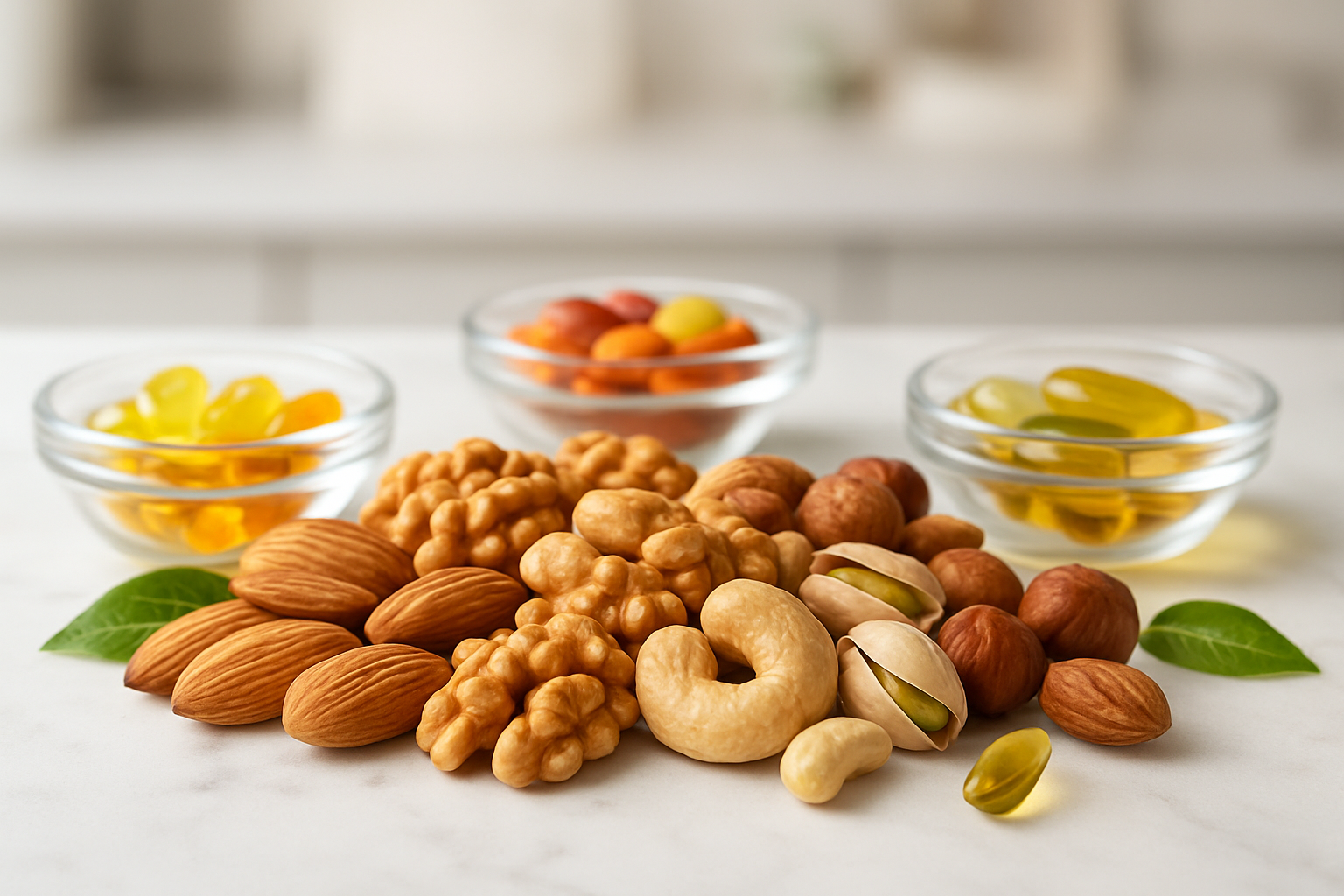
Nuts pack an impressive protein punch, making them excellent alternatives to animal-based proteins. Most nuts contain between 4-8 grams of protein per ounce, with almonds, pistachios, and peanuts leading the pack. These proteins contain all nine essential amino acids your body can’t produce on its own, though in varying amounts. What makes nut proteins special is their high biological value – your body can easily absorb and use them for muscle repair, growth, and maintenance.
The protein in nuts comes with a bonus: fiber and healthy fats that slow digestion, providing a steady release of amino acids into your bloodstream. This sustained protein delivery helps maintain muscle protein synthesis throughout the day, making nuts perfect pre or post-workout snacks.
Heart-Healthy Monounsaturated and Polyunsaturated Fats
The fats in nuts deserve serious attention – they’re the kind your heart actually loves. Monounsaturated fats, abundant in almonds, cashews, and macadamias, help lower bad cholesterol while maintaining good cholesterol levels. These fats also improve insulin sensitivity and reduce inflammation throughout your cardiovascular system.
Polyunsaturated fats, particularly omega-3 fatty acids found in walnuts, provide additional cardiovascular protection. Walnuts contain alpha-linolenic acid (ALA), a plant-based omega-3 that your body converts to the same beneficial compounds found in fish oil. Just a handful of walnuts daily can significantly improve your omega-3 status.
The fat content varies dramatically between nut types:
| Nut Type | Total Fat (per oz) | Monounsaturated % | Polyunsaturated % |
|---|---|---|---|
| Almonds | 14g | 65% | 24% |
| Walnuts | 18g | 22% | 67% |
| Cashews | 12g | 62% | 17% |
| Pistachios | 13g | 68% | 20% |
Vital Minerals Including Magnesium, Zinc, and Selenium
Nuts are mineral powerhouses, delivering nutrients that many people don’t get enough of through regular diets. Magnesium, found abundantly in almonds and cashews, supports over 300 enzymatic reactions in your body. This includes energy production, protein synthesis, and blood sugar regulation. Just one ounce of almonds provides about 20% of your daily magnesium needs.
Zinc, concentrated in cashews and pine nuts, plays crucial roles in immune function, wound healing, and protein synthesis. Brazil nuts stand out as selenium superstars – just two nuts provide your entire daily selenium requirement. This trace mineral acts as a powerful antioxidant and supports thyroid function.
Other notable minerals include:
- Copper in cashews and hazelnuts for iron absorption and collagen production
- Manganese in pecans and hazelnuts for bone health and metabolism
- Phosphorus in most nuts for strong bones and teeth
- Potassium in pistachios for heart health and blood pressure regulation
Antioxidants and Vitamin E for Cellular Protection
Nuts contain an impressive array of antioxidants that protect your cells from oxidative stress and inflammation. Vitamin E, particularly abundant in almonds and hazelnuts, acts as your body’s primary fat-soluble antioxidant. This vitamin protects cell membranes from damage caused by free radicals and supports immune system function.
Beyond vitamin E, nuts contain unique antioxidant compounds like resveratrol in pistachios, ellagic acid in walnuts, and flavonoids in pecans. These compounds work together to reduce inflammation, protect against chronic diseases, and slow cellular aging.
The antioxidant content varies significantly:
- Pecans contain the highest antioxidant levels among tree nuts
- Walnuts provide phenolic compounds that support brain health
- Pistachios offer anthocyanins that give them their purple skin
- Almonds contain flavonoids concentrated in their brown skins
The combination of vitamin E with other antioxidants creates a synergistic effect, meaning they work better together than individually. This natural antioxidant cocktail provides comprehensive cellular protection that synthetic supplements can’t match.
Cardiovascular Health Benefits
Lower Bad Cholesterol Levels Naturally
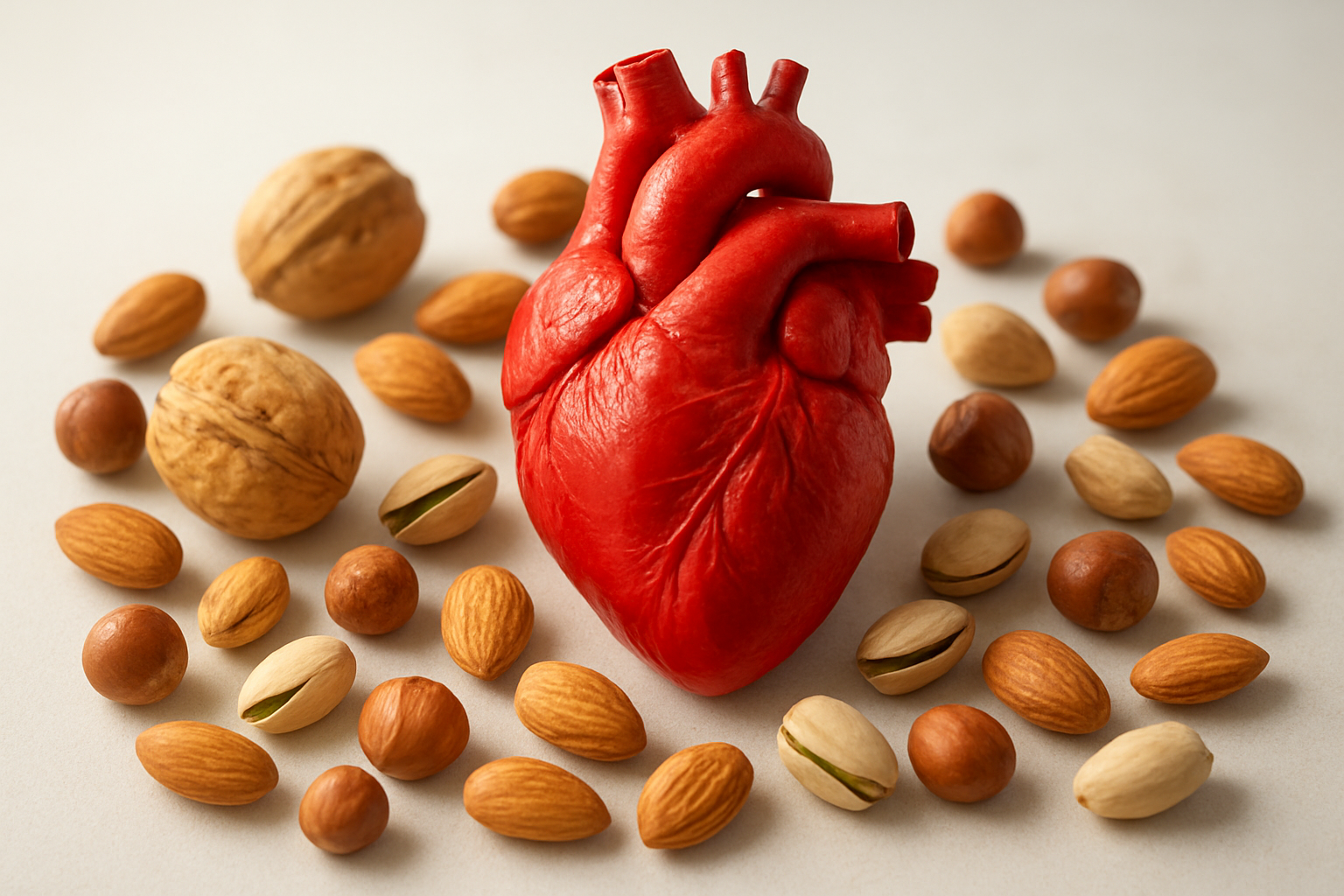
Nuts pack a powerful punch when it comes to managing cholesterol levels in your body. The monounsaturated and polyunsaturated fats found in almonds, walnuts, and pistachios work like natural cholesterol fighters, helping to reduce low-density lipoprotein (LDL) or “bad” cholesterol while boosting high-density lipoprotein (HDL) or “good” cholesterol.
Studies show that eating just 1.5 ounces of nuts daily can lower LDL cholesterol by 5-10%. Almonds are particularly effective – they contain plant sterols that block cholesterol absorption in your intestines. Walnuts bring alpha-linolenic acid (ALA) to the table, an omega-3 fatty acid that helps reduce inflammation and supports healthy cholesterol production.
The fiber content in nuts also plays a key role. Soluble fiber binds to cholesterol in your digestive system and helps eliminate it from your body before it can enter your bloodstream. This natural process makes nuts an excellent alternative to synthetic cholesterol medications for many people.
Reduce Risk of Heart Disease and Stroke
Regular nut consumption creates a protective shield around your cardiovascular system. Research involving over 200,000 participants found that people who ate nuts regularly had a 20% lower risk of developing heart disease and a 15% reduced risk of stroke.
The antioxidants in nuts, including vitamin E and flavonoids, fight oxidative stress that damages blood vessels and contributes to atherosclerosis. This buildup of plaque in arteries is a major cause of heart attacks and strokes. By eating nuts consistently, you’re essentially giving your arteries a daily dose of protection.
Nuts also improve the flexibility of your blood vessels, making it easier for blood to flow smoothly. The magnesium content helps maintain steady heart rhythms, while the potassium supports proper electrical signaling in your heart muscle.
Different nuts offer unique benefits:
- Walnuts reduce arterial stiffness
- Almonds improve endothelial function
- Hazelnuts decrease inflammatory markers
- Brazil nuts provide selenium for heart protection
Improve Blood Pressure Control
High blood pressure affects millions of people worldwide, but nuts offer a delicious solution for keeping those numbers in check. The combination of healthy fats, magnesium, potassium, and L-arginine in nuts creates a natural blood pressure management system.
Magnesium acts as a natural calcium channel blocker, helping blood vessels relax and reducing the pressure needed to pump blood throughout your body. Potassium works alongside sodium to maintain proper fluid balance, preventing excessive water retention that can spike blood pressure.
Clinical trials demonstrate impressive results. People who added 2 ounces of mixed nuts to their daily diet experienced an average reduction of 5-7 mmHg in systolic blood pressure within 8 weeks. Pistachios show particularly strong results, with some studies reporting reductions up to 11 mmHg.
The L-arginine amino acid found in nuts helps produce nitric oxide, a compound that signals blood vessels to widen. This vasodilation effect reduces the workload on your heart and creates smoother blood flow. Regular nut consumption can help maintain these benefits long-term, making them an excellent addition to any blood pressure management strategy.
Weight Management and Metabolism Support
Increase Satiety and Reduce Overeating
Nuts pack an impressive punch when it comes to keeping you satisfied between meals. The combination of healthy fats, protein, and fiber creates a powerful trio that signals your brain to feel full and content. When you snack on almonds, walnuts, or pistachios, your stomach releases hormones like cholecystokinin (CCK) that tell your brain “we’re good here” – naturally reducing the urge to reach for that second helping or afternoon snack attack.
The magic happens because nuts slow down digestion, giving your body time to register fullness before you overeat. Studies show people who include nuts in their diet consume fewer calories throughout the day compared to those who skip them entirely. The act of chewing nuts also plays a role – it takes effort and time, which helps your brain catch up with your stomach’s fullness signals.
Boost Metabolic Rate Through Protein Content
Your body works harder to process nuts than many other foods, and that’s actually great news for your metabolism. This concept, called the thermic effect of food, means your body burns extra calories just breaking down and absorbing the nutrients. Nuts contain 15-20% protein on average, and protein requires about 25% more energy to digest compared to carbs or fats.
Tree nuts like almonds and cashews are particularly effective metabolic boosters. Research indicates that people don’t absorb all the calories from nuts due to their tough cell walls – your body might only absorb 80-85% of the calories listed on the package. This means a handful of almonds labeled as 160 calories might only contribute 130-135 calories to your daily intake.
Support Healthy Weight Loss Goals
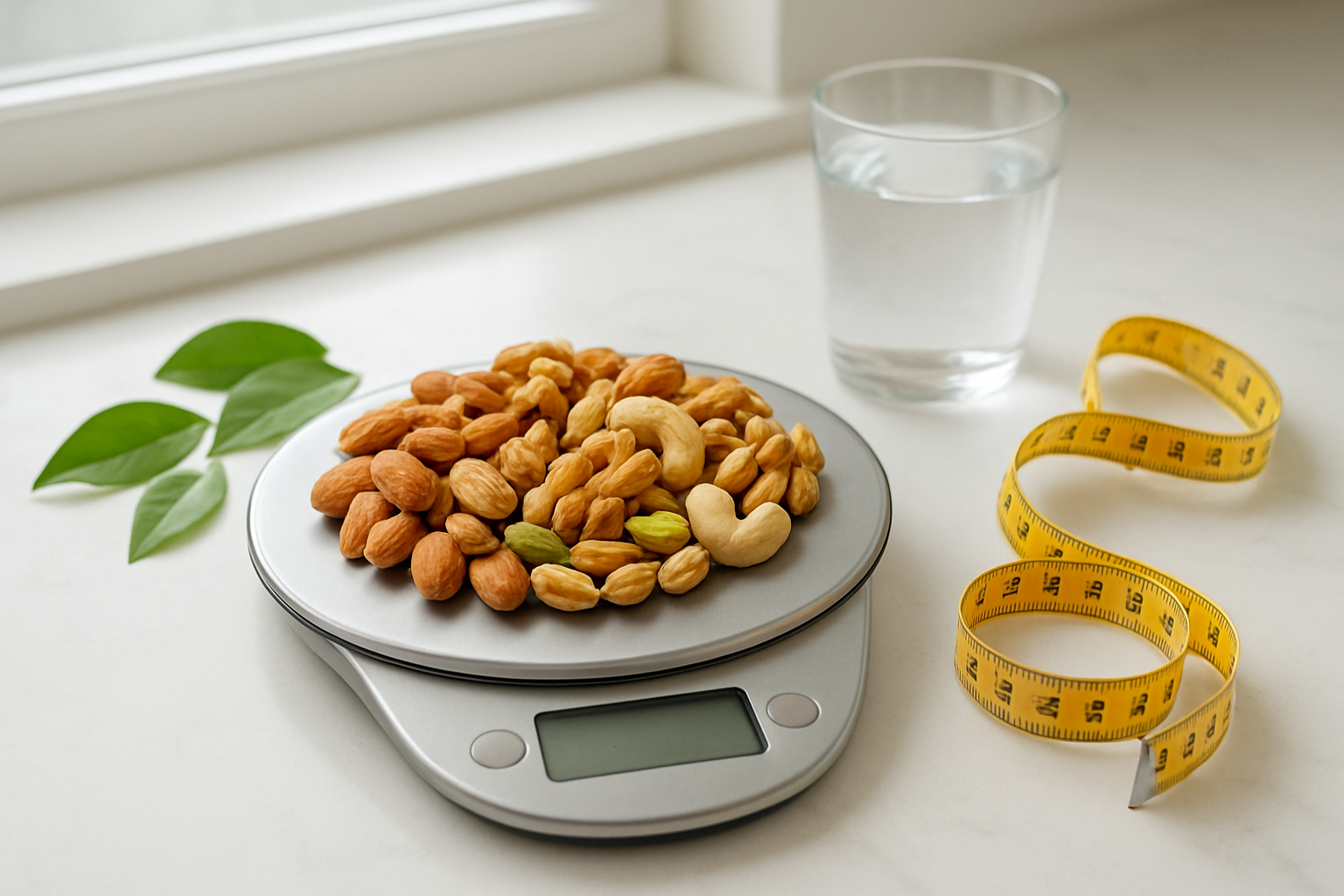
Adding nuts to a weight loss plan might seem counterintuitive given their calorie density, but research consistently shows the opposite effect. People who eat nuts regularly tend to have lower body weights and smaller waist circumferences than those who avoid them. The key lies in portion control and strategic timing.
A small portion of nuts (about 1 ounce or 28 grams) can replace less nutritious snacks without sabotaging weight loss efforts. The satisfaction factor means you’re less likely to raid the pantry later or cave to vending machine temptations. Many successful dieters use nuts as their go-to afternoon snack, finding it keeps them satisfied until dinner without the energy crash that comes from processed snack foods.
Provide Sustained Energy Without Blood Sugar Spikes
Unlike sugary snacks or refined carbs that send your blood sugar on a roller coaster ride, nuts deliver steady, reliable energy. Their low glycemic index means they release glucose slowly into your bloodstream, preventing the sharp spikes and crashes that leave you feeling tired and craving more food.
This stable energy release makes nuts perfect pre-workout fuel or mid-afternoon pick-me-ups. The healthy fats in nuts provide long-lasting energy that your body can tap into for hours, while the minimal carbohydrate content keeps insulin levels steady. Athletes often choose nuts before endurance activities because they provide sustained fuel without the digestive upset that can come from high-sugar energy foods.
Brain Function and Mental Health Enhancement
Improve Cognitive Performance and Memory
Nuts pack a powerful punch when it comes to boosting your brainpower. The omega-3 fatty acids found in walnuts, pecans, and almonds directly support neural communication by maintaining healthy cell membranes in the brain. These healthy fats help neurons fire more efficiently, leading to sharper focus and better information processing.
Regular nut consumption has been linked to improved working memory and faster cognitive processing speeds. Research shows that people who eat nuts daily perform better on memory tests and demonstrate enhanced problem-solving abilities. The vitamin E in nuts acts as a protective shield for brain cells, preventing oxidative damage that can cloud thinking and slow mental reactions.
The magnesium content in nuts also plays a crucial role in cognitive function. This mineral helps regulate neurotransmitters that control learning and memory formation. Cashews and Brazil nuts are particularly rich sources of magnesium, making them excellent choices for students or professionals who need sustained mental performance.
Support Healthy Brain Aging
Your brain changes as you age, but nuts can help slow down this process significantly. The antioxidants in nuts combat free radicals that accelerate brain aging and contribute to cognitive decline. Walnuts contain the highest levels of these protective compounds among all nuts.
Studies tracking older adults over several years reveal that those who regularly consume nuts maintain better cognitive function compared to non-nut eaters. The folate in nuts supports healthy brain tissue and helps maintain the protective coating around nerve fibers. This coating, called myelin, naturally deteriorates with age, but proper nutrition can slow this process.
Pistachios and hazelnuts contain compounds that support healthy blood flow to the brain. Better circulation means more oxygen and nutrients reach brain cells, keeping them functioning optimally as you age. The protein in nuts also provides amino acids needed to produce neurotransmitters that regulate mood and cognitive function.
Reduce Risk of Neurodegenerative Diseases
The protective effects of nuts extend to serious neurological conditions like Alzheimer’s disease and Parkinson’s disease. The combination of healthy fats, antioxidants, and minerals in nuts creates a powerful defense system against the cellular damage that triggers these conditions.
Walnuts deserve special attention for their brain-protective properties. They contain alpha-linolenic acid, an omega-3 fatty acid that reduces inflammation in the brain. Chronic inflammation is a key driver of neurodegenerative diseases, so managing it through diet can significantly lower your risk.
The selenium in Brazil nuts supports the production of glutathione, one of the body’s most important antioxidants. This compound helps clear toxic proteins from the brain that are associated with Alzheimer’s disease. Just two Brazil nuts daily can provide your entire selenium requirement.
Regular nut consumption has been associated with a 20-30% lower risk of developing dementia later in life. The polyphenols in nuts help prevent the formation of harmful protein plaques in the brain while supporting the growth of new neural connections. This dual action helps maintain cognitive resilience and may delay the onset of age-related memory problems.
Best Nuts for Maximum Health Benefits
Almonds for Heart Health and Skin Benefits
Almonds pack a serious punch when it comes to protecting your heart. These crunchy powerhouses contain high levels of monounsaturated fats, which help reduce bad cholesterol levels while boosting good cholesterol. Just one ounce provides about 6 grams of protein and 3.5 grams of fiber, making them perfect for keeping you satisfied between meals.
The vitamin E content in almonds is where they really shine for skin health. This powerful antioxidant fights free radical damage that can cause premature aging and wrinkles. Regular almond consumption can help maintain skin elasticity and provide a natural glow from within.
Magnesium in almonds supports over 300 enzymatic reactions in your body, including those that regulate blood pressure. Studies show that people who eat almonds regularly have lower systolic blood pressure compared to those who don’t.
Walnuts for Brain Function and Omega-3 Fatty Acids
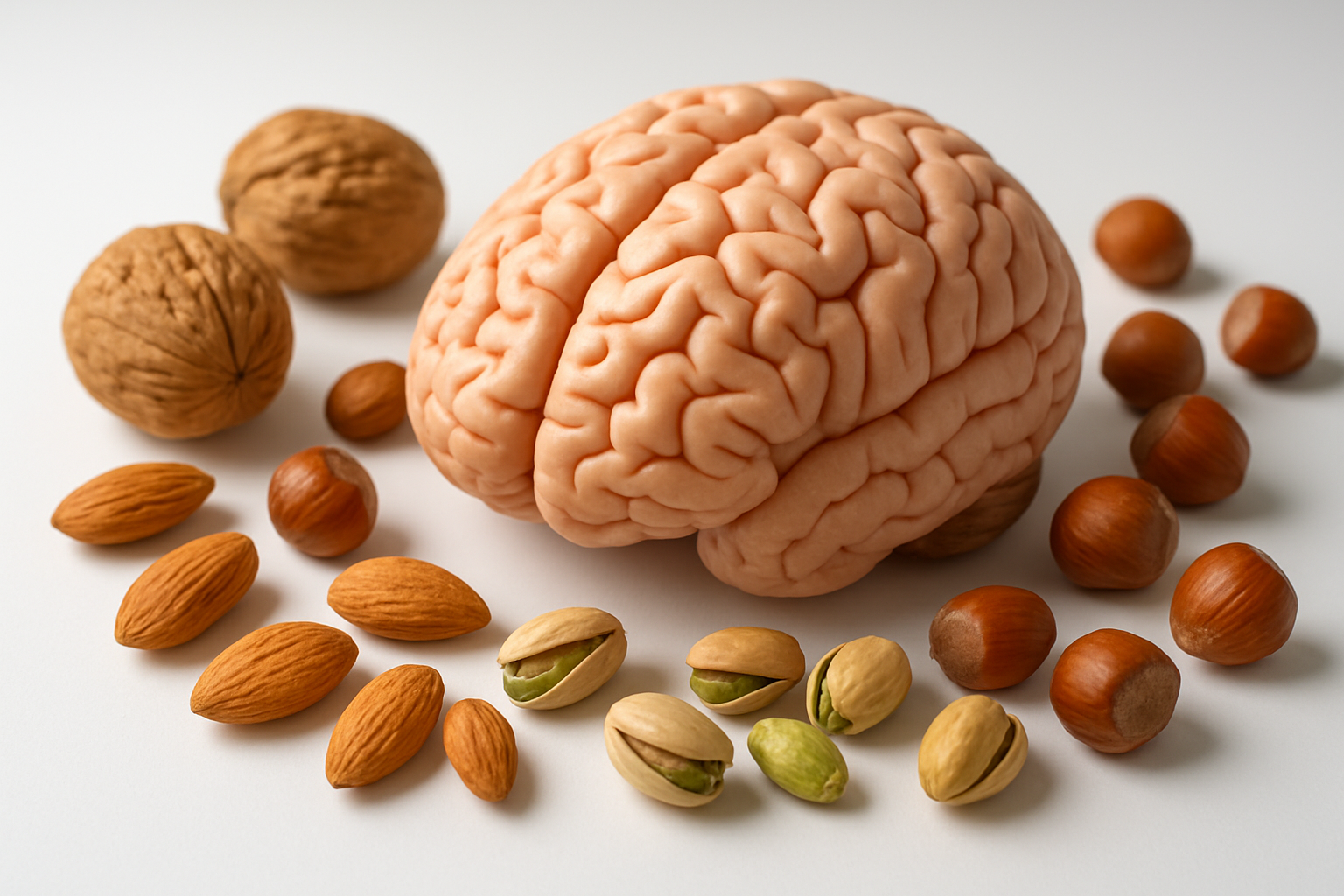
Walnuts look like tiny brains for good reason – they’re incredibly beneficial for cognitive function. These tree nuts contain the highest amount of alpha-linolenic acid (ALA) among all nuts, a plant-based omega-3 fatty acid that your brain absolutely loves.
Research indicates that eating walnuts can improve memory, processing speed, and overall cognitive performance. The omega-3s in walnuts help reduce inflammation in the brain and support the growth of new brain cells.
A quarter-cup serving delivers about 2.5 grams of ALA omega-3s, which is more than most people get from fish. This makes walnuts an excellent choice for vegetarians and vegans looking to boost their omega-3 intake naturally.
Brazil Nuts for Selenium and Thyroid Support
Brazil nuts are selenium superstars, containing more of this trace mineral than any other food. Just one Brazil nut provides your entire daily selenium requirement – around 70-90 micrograms.
Selenium plays a crucial role in thyroid function by helping produce and regulate thyroid hormones. Your thyroid controls metabolism, energy levels, and body temperature, making selenium essential for overall health.
The selenium in Brazil nuts also acts as a powerful antioxidant, protecting cells from oxidative stress and supporting immune system function. However, moderation is key – eating more than 2-3 Brazil nuts daily can lead to selenium toxicity.
Pistachios for Eye Health and Blood Sugar Control
Pistachios contain lutein and zeaxanthin, two carotenoids that accumulate in your eye’s retina and help filter harmful blue light. These compounds reduce the risk of age-related macular degeneration and cataracts.
These green nuts have a unique advantage for blood sugar management. Their combination of protein, fiber, and healthy fats helps slow glucose absorption, preventing blood sugar spikes after meals. Studies show that adding pistachios to carbohydrate-rich foods can reduce the overall glycemic response.
Pistachios also provide potassium for heart health and phosphorus for strong bones. Their shells naturally portion control your intake, making them perfect for mindful snacking.
Cashews for Bone Health and Immune Support
Cashews are copper champions, providing about 70% of your daily copper needs in just one ounce. Copper works alongside iron to help your body form red blood cells and maintain healthy immune function.
The magnesium content in cashews – about 20% of your daily needs per serving – is essential for bone health. Magnesium helps your body absorb calcium effectively and supports bone density as you age.
Cashews also contain zinc, which plays a vital role in wound healing and immune system function. Their creamy texture makes them perfect for creating dairy-free alternatives like cashew milk and cheese substitutes.
Nuts pack an incredible nutritional punch that makes them perfect for anyone wanting to boost their health. From the heart-protective fats and protein that support cardiovascular wellness to the brain-boosting compounds that enhance mental clarity, these small powerhouses deliver benefits that go way beyond their size. They help with weight management by keeping you satisfied longer, and their rich mix of vitamins, minerals, and antioxidants work together to support your body’s daily functions.
The best part about adding nuts to your diet is how easy it is to get started. Whether you grab a handful of almonds as an afternoon snack, sprinkle walnuts on your salad, or blend cashews into a smoothie, you’re giving your body fuel that actually works for you. Start small with just an ounce a day and watch how this simple change can make a real difference in how you feel and function.