Caraway seeds pack a surprising punch when it comes to flavor and health benefits. This aromatic spice, with its distinctive earthy-sweet taste, has been used for centuries in cooking and traditional medicine.
This guide is perfect for home cooks wanting to expand their spice cabinet, health-conscious individuals exploring natural wellness options, and anyone curious about this versatile seed.
We’ll explore the science-backed health benefits of caraway, from digestive support to antioxidant properties. You’ll also discover practical ways to incorporate caraway into your daily routine and learn delicious recipes that showcase this underrated spice in everything from bread to main dishes.
What Is Caraway and Why It Matters for Your Health
Origins and Traditional Uses Across Cultures
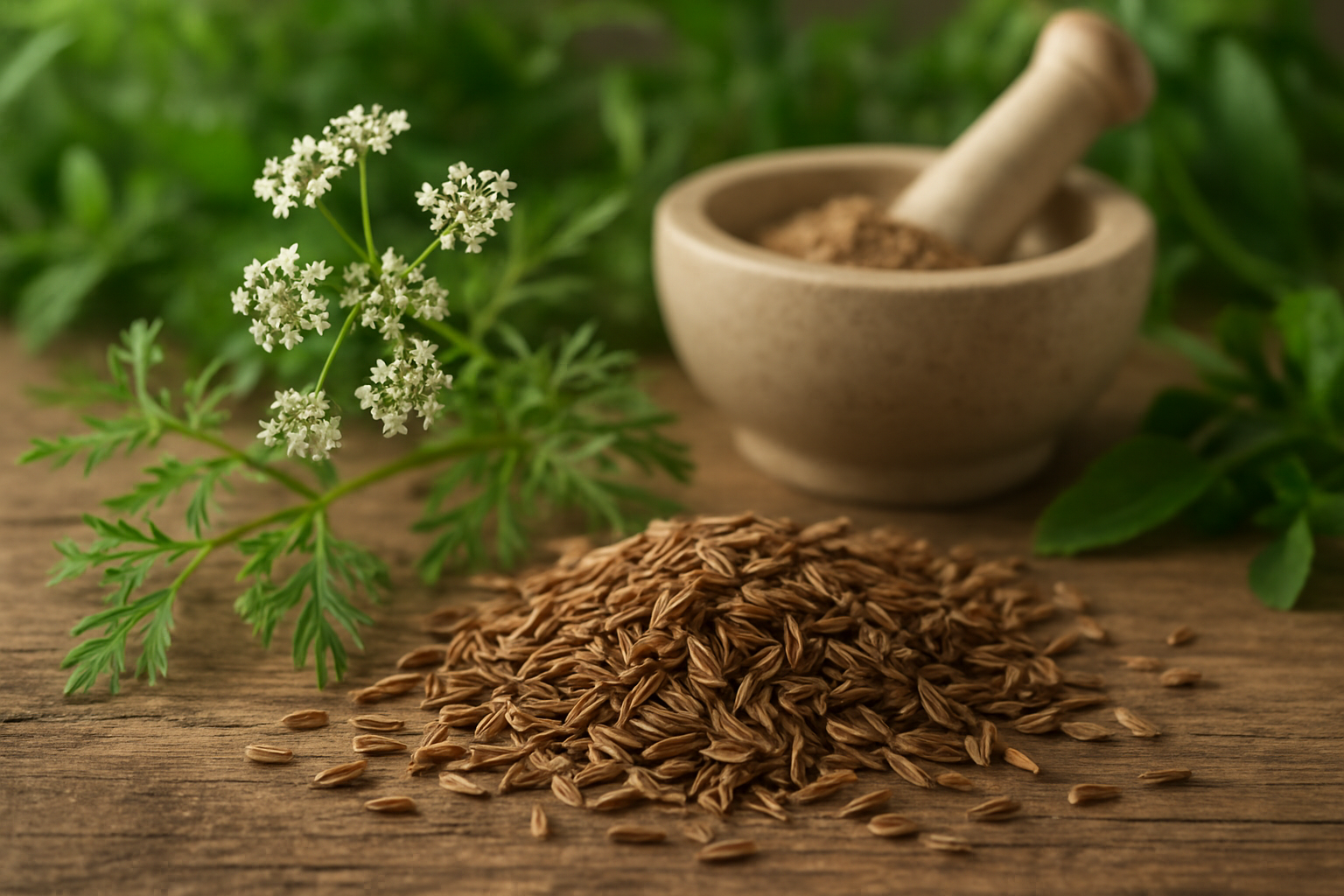
Caraway seeds come from the Carum carvi plant, a member of the parsley family that has been treasured across civilizations for over 5,000 years. Archaeological evidence shows these aromatic seeds were used in ancient Egypt, where they were discovered in tombs alongside pharaohs, believed to provide protection in the afterlife.
European cultures embraced caraway with remarkable enthusiasm. German and Austrian cuisines made it a cornerstone ingredient, infusing everything from rye bread to sauerkraut with its distinctive warm, slightly bitter flavor. Scandinavian countries incorporated caraway into their traditional aquavit spirits, while Middle Eastern cultures used it as both a culinary spice and digestive aid.
Traditional medicine systems worldwide recognized caraway’s therapeutic potential. Arab physicians prescribed it for stomach ailments and respiratory issues. European folk medicine used caraway tea to soothe colicky babies and nursing mothers. Indian Ayurvedic practices valued it for balancing digestive fire, while traditional Chinese medicine employed it to warm the stomach and regulate qi energy.
The spice traveled global trade routes, spreading from its native regions in Western Asia and Europe to become a beloved ingredient across continents. Today, major caraway-producing countries include the Netherlands, Poland, and Egypt, continuing this ancient tradition of cultivation and use.
Key Active Compounds That Deliver Health Benefits
Caraway’s impressive health benefits stem from its rich concentration of bioactive compounds, with carvone and limonene leading the charge as the primary essential oils. Carvone, making up 40-60% of caraway’s essential oil content, delivers the characteristic aroma and provides powerful antispasmodic properties that help relax digestive muscles and reduce cramping.
Limonene, the second major component at 20-30%, contributes citrusy notes while offering anti-inflammatory and antioxidant effects. This compound supports liver detoxification and may help protect against oxidative stress throughout the body.
The seeds also contain valuable phenolic compounds, including:
- Quercetin: A potent antioxidant that supports cardiovascular health
- Kaempferol: Anti-inflammatory compound that may help regulate blood sugar
- Apigenin: Calming compound with potential anti-anxiety effects
- Luteolin: Neuroprotective compound that supports brain health
Caraway provides additional therapeutic compounds like thymol and pinene, which contribute antimicrobial properties. The seeds contain dietary fiber, which works alongside these active compounds to support digestive health and promote beneficial gut bacteria growth.
These compounds work synergistically, meaning their combined effects often exceed what each would provide individually. This explains why whole caraway seeds or properly prepared extracts typically deliver more comprehensive benefits than isolated compounds.
Nutritional Profile and Essential Nutrients
Caraway seeds pack impressive nutritional density into their small size, delivering essential minerals and vitamins that support multiple body systems. A single tablespoon (6.7 grams) provides substantial amounts of several key nutrients.
| Nutrient | Amount per Tablespoon | % Daily Value |
|---|---|---|
| Manganese | 0.3 mg | 13% |
| Iron | 1.1 mg | 6% |
| Copper | 0.1 mg | 11% |
| Calcium | 46 mg | 4% |
| Magnesium | 16 mg | 4% |
| Zinc | 0.4 mg | 4% |
Mineral Powerhouse: Manganese supports bone health and wound healing while activating enzymes needed for carbohydrate metabolism. Iron prevents anemia and supports energy production, while copper aids in collagen formation and iron absorption.
Fiber Content: Caraway provides 2.6 grams of dietary fiber per tablespoon, supporting digestive health and helping maintain stable blood sugar levels. This fiber feeds beneficial gut bacteria, promoting a healthy microbiome.
Protein and Healthy Fats: The seeds contain 1.2 grams of protein and small amounts of beneficial fatty acids, including omega-6 linoleic acid that supports skin health and hormone production.
Antioxidant Vitamins: Caraway supplies vitamin C for immune support and small amounts of vitamin E, which protects cell membranes from damage. These vitamins work alongside the phenolic compounds to provide comprehensive antioxidant protection.
The seeds are naturally low in sodium and contain no cholesterol, making them heart-friendly additions to any diet. Their concentrated nutrition means even small amounts can contribute meaningfully to daily nutrient intake.
Science-Backed Health Benefits of Caraway
Digestive Support and Gut Health Enhancement
Caraway seeds work like tiny digestive champions in your stomach and intestines. Research shows that these aromatic seeds contain compounds called carminatives, which help reduce gas, bloating, and stomach discomfort. The essential oils in caraway, particularly carvone and limonene, stimulate digestive enzymes and improve the overall breakdown of food.
Studies have found that caraway can significantly reduce symptoms of functional dyspepsia – that uncomfortable feeling of fullness and stomach pain after eating. The seeds help speed up gastric emptying, meaning food moves through your digestive system more efficiently. This explains why caraway has been a go-to remedy for digestive troubles across cultures for centuries.
The antimicrobial properties of caraway also support gut health by promoting beneficial bacteria while keeping harmful microorganisms in check. Regular consumption may help maintain a healthier gut microbiome balance, which impacts everything from immune function to mood regulation.
Anti-Inflammatory Properties for Pain Relief
Caraway seeds pack a powerful anti-inflammatory punch that can help manage various types of pain and inflammation throughout the body. The active compounds in caraway, including carvacrol and thymol, work at the cellular level to reduce inflammatory markers.
Clinical studies demonstrate that caraway extract can lower levels of inflammatory cytokines – proteins that signal inflammation in the body. This makes caraway particularly beneficial for people dealing with:
- Joint pain and stiffness
- Muscle soreness
- Inflammatory digestive conditions
- General inflammatory responses
The anti-inflammatory effects work both when caraway is consumed regularly as food and when applied topically as an essential oil. Many people find that incorporating caraway into their daily routine helps manage chronic low-level inflammation that contributes to various health issues.
Antimicrobial Effects Against Harmful Bacteria
Caraway seeds act as natural antibiotics, fighting off harmful bacteria, fungi, and other microorganisms. Laboratory studies show that caraway essential oil can effectively combat several dangerous bacteria strains, including E. coli, Salmonella, and Staphylococcus aureus.
The antimicrobial power comes from specific compounds like carvone, which disrupts bacterial cell walls and prevents harmful microorganisms from multiplying. This makes caraway valuable for:
| Antimicrobial Application | Effectiveness |
|---|---|
| Food preservation | High – extends shelf life |
| Oral health | Moderate – fights bad bacteria |
| Wound healing | Moderate – prevents infection |
| Digestive health | High – maintains gut balance |
Unlike synthetic antibiotics, caraway’s antimicrobial effects don’t seem to harm beneficial bacteria in the same way, making it a gentler option for maintaining microbial balance in the body.
Blood Sugar Regulation and Metabolic Support
Caraway shows promising results for people managing blood sugar levels and metabolic health. Research indicates that compounds in caraway seeds can help improve insulin sensitivity and glucose metabolism.
Studies with diabetic participants found that regular caraway consumption led to measurable improvements in fasting blood glucose levels and HbA1c readings. The seeds appear to work by enhancing the body’s ability to use insulin effectively and slowing down sugar absorption in the digestive tract.
Beyond blood sugar control, caraway may support healthy weight management by:
- Boosting metabolism slightly
- Reducing appetite when consumed before meals
- Supporting healthy cholesterol levels
- Improving overall metabolic function
These effects make caraway a valuable addition to meal planning for anyone concerned about metabolic health or diabetes prevention.
Respiratory Health and Congestion Relief
Caraway’s essential oils provide natural relief for respiratory congestion and breathing difficulties. The expectorant properties help loosen mucus and phlegm, making it easier to clear airways naturally.
Traditional uses of caraway for respiratory health include treating coughs, bronchitis, and general chest congestion. Modern research supports these applications, showing that caraway’s volatile oils can help:
- Reduce cough frequency and intensity
- Clear nasal and chest congestion
- Support easier breathing during respiratory infections
- Provide mild bronchodilator effects
The antimicrobial properties also help fight respiratory infections at their source, while the anti-inflammatory effects reduce swelling in airways and respiratory tissues. Many people find that drinking caraway tea or inhaling steam from caraway-infused water provides quick relief during cold and flu season.
Practical Ways to Incorporate Caraway into Your Daily Routine
Whole Seeds vs Ground Caraway: When to Use Each
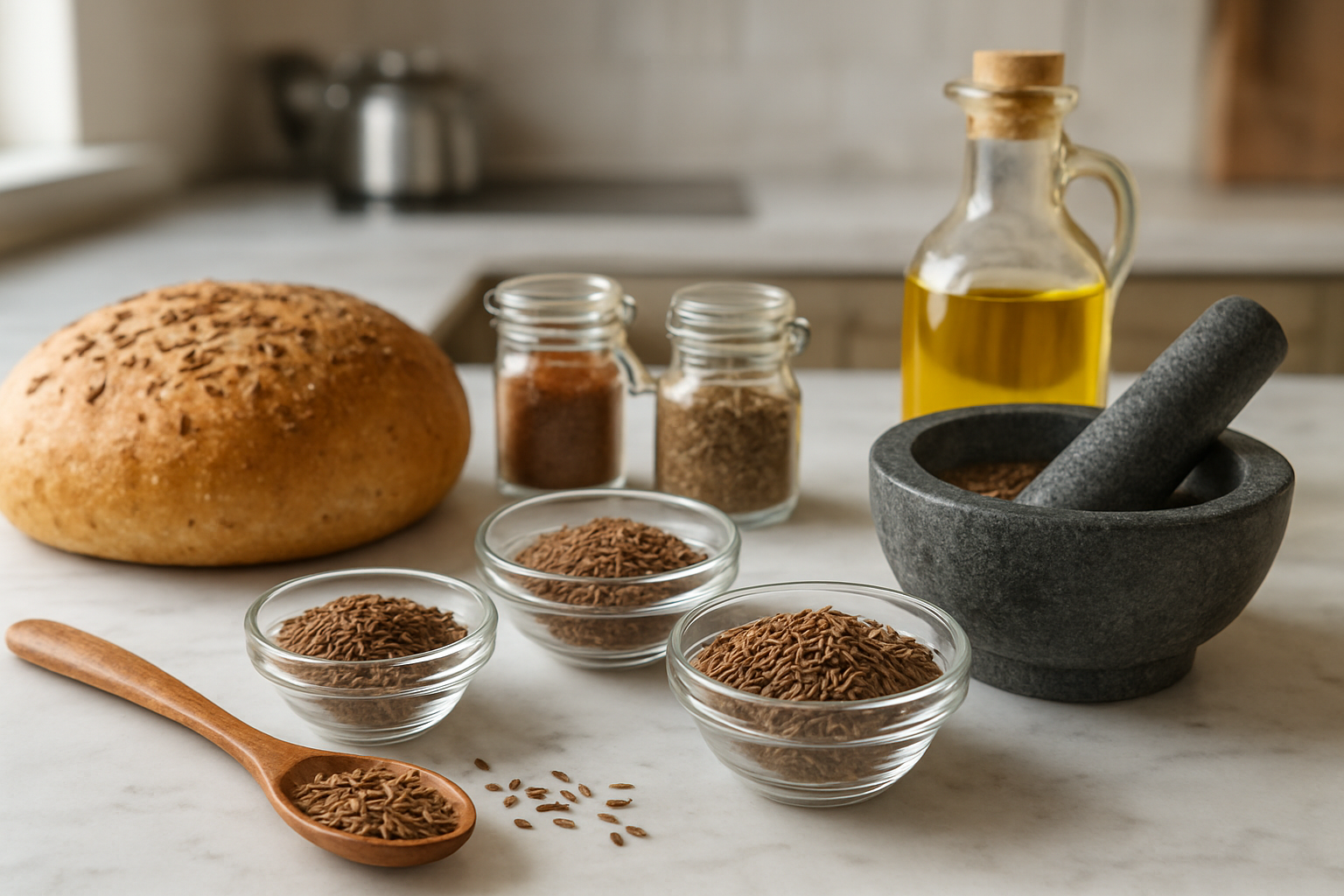
Whole caraway seeds pack more punch and stay fresh longer than their ground counterparts. The essential oils that give caraway its distinctive flavor remain locked inside whole seeds until you release them through grinding, crushing, or cooking. This makes whole seeds perfect for recipes where you want that signature licorice-anise note to develop gradually, like in slow-cooked stews, bread dough, or fermented vegetables.
Ground caraway delivers immediate flavor impact and works best when you need the spice to distribute evenly throughout a dish. Use it in spice rubs, salad dressings, or quick-cooking recipes where whole seeds might not have time to release their full flavor profile. The downside? Ground caraway loses its potency much faster, so buy it in small quantities and use within six months.
Here’s when to choose each form:
Use whole seeds for:
- Bread and pastry baking
- Pickling and fermentation
- Slow-cooked dishes and braises
- Roasting vegetables
- Making caraway tea
Use ground caraway for:
- Spice blends and rubs
- Quick marinades
- Salad dressings
- Soups that cook for less than 30 minutes
- Immediate flavor needs
Proper Storage Methods for Maximum Potency
Smart storage keeps your caraway potent and flavorful for months. Whole seeds maintain their quality for up to three years when stored correctly, while ground caraway stays fresh for about one year.
Keep both forms in airtight containers away from heat, light, and moisture. Glass jars with tight-fitting lids work best, but quality plastic containers also do the job. Store them in a cool, dark pantry rather than above the stove or near windows where temperature fluctuations and light exposure can degrade the essential oils.
Storage tips for maximum freshness:
| Storage Method | Whole Seeds | Ground Caraway |
|---|---|---|
| Pantry shelf | 2-3 years | 1 year |
| Refrigerator | 3-4 years | 1-2 years |
| Freezer | 4+ years | 2-3 years |
Label your containers with purchase dates and do the smell test regularly. Fresh caraway should have a strong, sweet, and slightly bitter aroma. If it smells musty or has no scent at all, it’s time to replace it.
Recommended Daily Dosages and Safety Guidelines
Most people can safely enjoy caraway as a culinary spice without worry. For therapeutic benefits, aim for 1-2 teaspoons of whole seeds or 1/2 to 1 teaspoon of ground caraway daily. This amount provides digestive benefits without overwhelming your system.
Caraway tea offers a gentle way to get daily benefits – steep 1 teaspoon of crushed seeds in hot water for 10 minutes. Drink one to two cups daily, preferably after meals to support digestion.
Safety considerations:
- Pregnant women should limit caraway to normal culinary amounts
- People with allergies to fennel, dill, or anise may react to caraway
- Large medicinal doses may interact with certain medications
- Start with small amounts if you’re new to caraway to gauge your tolerance
Caraway rarely causes side effects when used in cooking, but excessive amounts might cause stomach upset in sensitive individuals. If you’re taking medications or have health conditions, check with your healthcare provider before using caraway supplements or consuming large therapeutic amounts.
Culinary Applications and Cooking Techniques
Traditional European Bread and Baking Uses
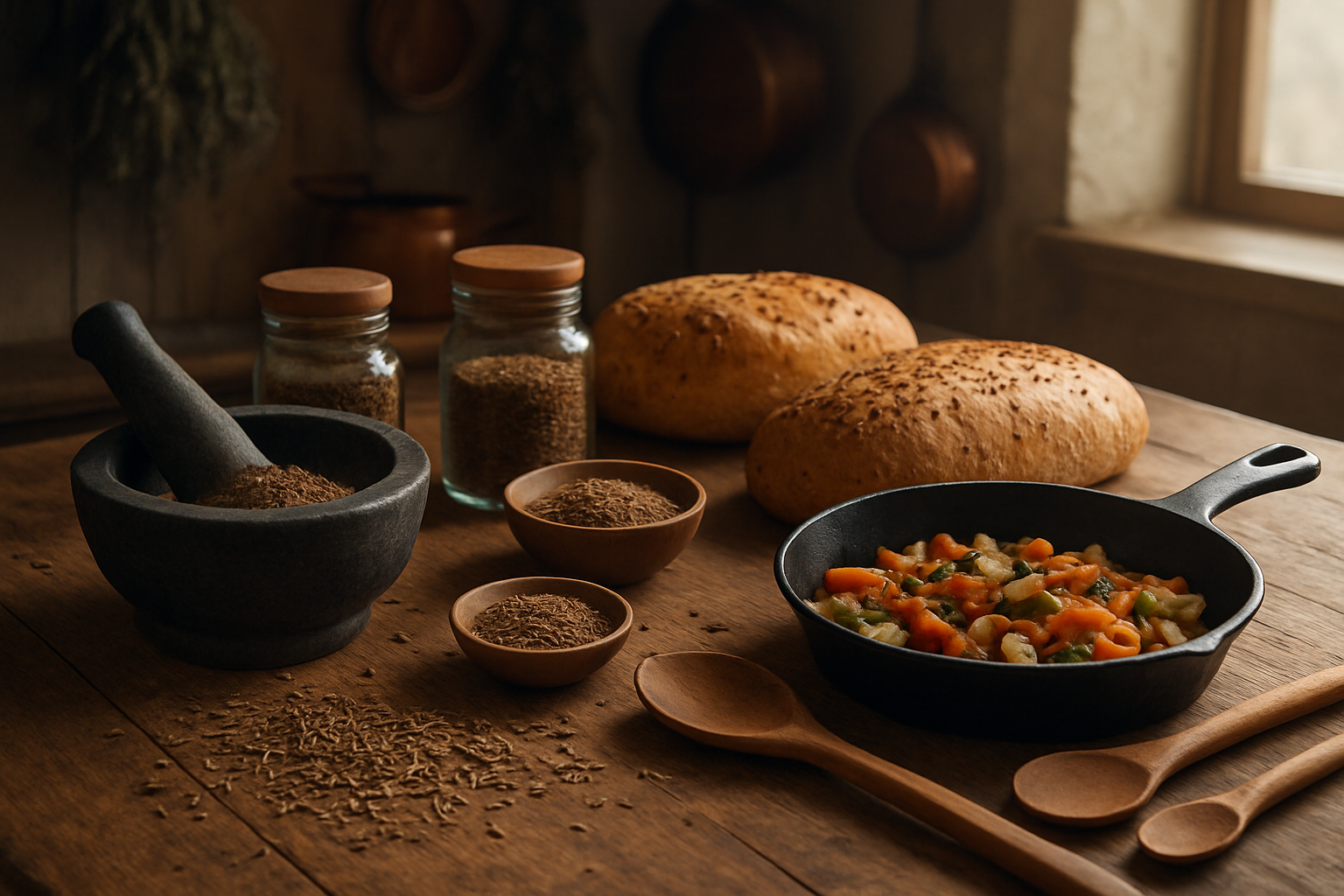
Caraway seeds have been the backbone of European baking for centuries, bringing their distinctive earthy-sweet flavor to countless traditional breads. German rye bread wouldn’t be the same without those aromatic seeds scattered throughout the dense, hearty loaves. The seeds complement rye’s robust flavor perfectly, creating that classic combination that’s become synonymous with authentic European bakeries.
Pumpernickel bread gets its characteristic taste partly from caraway, where the seeds are often ground into the dough or sprinkled on top before baking. Austrian and Hungarian bakers frequently incorporate whole caraway seeds into their sourdough recipes, creating breads with delightful textural contrast and bursts of flavor in every bite.
Beyond bread, caraway shows up in traditional European pastries like Austrian kipferl and German streusel cakes. The seeds work beautifully in savory baking applications too – think caraway-studded crackers, cheese breads, and pretzel rolls. When using caraway in baking, lightly toasting the seeds beforehand intensifies their flavor and creates a more aromatic final product.
Savory Dishes and Meat Seasonings
Caraway transforms savory dishes with its warm, slightly bitter undertones that pair exceptionally well with rich meats and hearty vegetables. Hungarian goulash traditionally features caraway as a key seasoning, where it balances the paprika’s heat and enhances the dish’s complex flavor profile. The seeds work magic with pork dishes – from braised pork shoulder to sausage-making, where caraway provides that essential European flair.
Sauerkraut and caraway are culinary soulmates. The seeds cut through the tanginess of fermented cabbage while adding aromatic depth that makes the dish irresistible. German and Austrian cooks often add caraway to roasted root vegetables, especially potatoes, turnips, and parsnips, where the seeds’ earthy notes complement the vegetables’ natural sweetness.
For meat preparations, crush caraway seeds with coarse salt to create a simple but effective rub for lamb, beef, or pork. The seeds also enhance braised dishes beautifully – add them early in the cooking process to allow their flavors to meld and deepen. Game meats particularly benefit from caraway’s distinctive taste, which helps balance their sometimes intense flavors.
Tea Preparations and Herbal Blends
Caraway tea offers both flavor and potential digestive benefits, making it a popular choice for after-dinner relaxation. To prepare basic caraway tea, crush one teaspoon of seeds lightly and steep them in hot water for 10-15 minutes. The resulting brew has a warm, slightly licorice-like flavor that many find soothing and comforting.
Caraway blends beautifully with other herbs in custom tea mixtures. Combine it with fennel seeds and peppermint for a digestive blend that’s both tasty and functional. Adding a pinch of caraway to chamomile tea creates a more complex, interesting flavor profile while potentially enhancing the tea’s calming properties.
European folk traditions often include caraway in warming winter teas. Mix caraway with ginger, cinnamon, and a touch of honey for a spiced blend that’s perfect for cold evenings. Some herbalists recommend combining caraway with dill seeds and lemon balm for a tea specifically designed to ease stomach discomfort after heavy meals.
Spice Blends and Flavor Combinations
Caraway plays well with numerous spices, creating complex blends that elevate ordinary dishes to restaurant quality. The classic combination of caraway, coriander, and fennel seeds creates a versatile blend perfect for seasoning vegetables, meats, or grain dishes. This trio brings together complementary flavors that enhance rather than compete with each other.
Middle Eastern cooking often combines caraway with cumin, creating earthy, warming spice mixtures that work beautifully with lamb, chicken, and vegetable dishes. Add paprika to this combination for a blend that’s perfect for roasted potatoes or grilled vegetables.
| Spice Combination | Best Used For | Flavor Profile |
|---|---|---|
| Caraway + Coriander + Fennel | Vegetables, fish | Fresh, bright, aromatic |
| Caraway + Cumin + Paprika | Roasted meats, potatoes | Warm, earthy, smoky |
| Caraway + Dill + Garlic | Pickled vegetables | Sharp, herbaceous |
| Caraway + Thyme + Black Pepper | Bread, crackers | Savory, complex |
Creating your own caraway spice blends allows you to control the intensity and customize flavors to your preferences. Toast whole seeds before grinding for maximum flavor impact, and store custom blends in airtight containers to maintain their potency. Start with equal parts of each spice, then adjust ratios based on your taste preferences and intended use.
Delicious Caraway Recipes for Every Meal
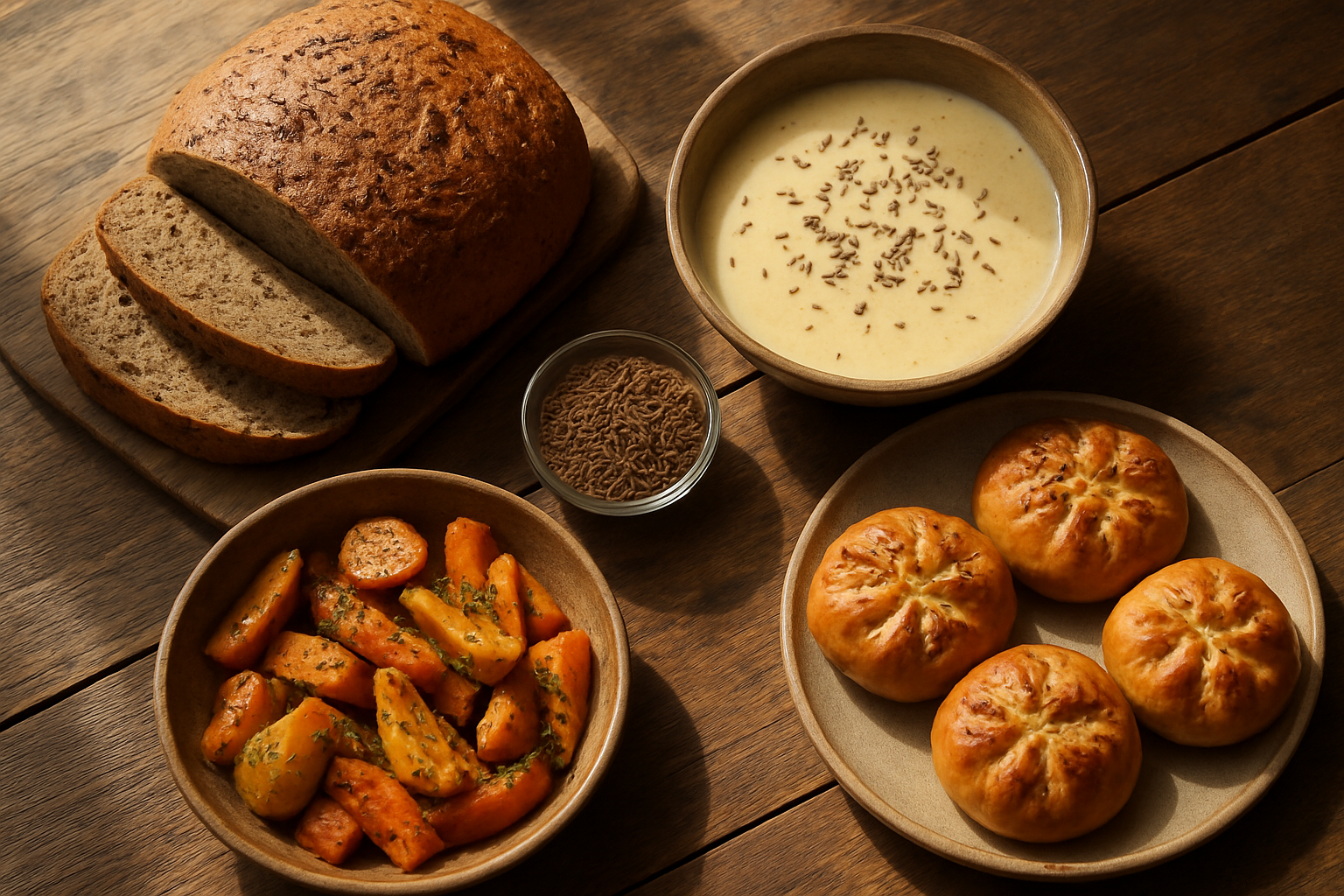
Hearty Caraway Rye Bread Recipe
This dense, flavorful bread brings together the earthy taste of rye flour with the distinctive warmth of caraway seeds. Perfect for sandwiches or served alongside soup, this recipe produces two medium loaves with a wonderfully chewy texture.
Ingredients:
- 2 cups bread flour
- 2 cups rye flour
- 2 tablespoons caraway seeds
- 1 packet active dry yeast
- 1¼ cups warm water
- 2 tablespoons molasses
- 1 tablespoon olive oil
- 1 teaspoon salt
Instructions:
- Dissolve yeast in warm water with molasses for 10 minutes until foamy
- Mix both flours, caraway seeds, and salt in a large bowl
- Add yeast mixture and olive oil, kneading for 8-10 minutes until smooth
- Rise in oiled bowl for 1 hour until doubled
- Shape into two loaves, place in greased pans, and rise 45 minutes
- Bake at 375°F for 35-40 minutes until golden brown
- Cool completely before slicing
The key to exceptional caraway rye bread lies in toasting the caraway seeds lightly before adding them to the dough. This simple step releases essential oils and intensifies the flavor profile significantly.
Warming Caraway Seed Tea Blend
Transform your evening routine with this soothing herbal blend that combines caraway’s digestive benefits with complementary herbs. This caffeine-free tea works wonderfully after heavy meals or as a bedtime ritual.
Base Blend Recipe:
- 2 tablespoons caraway seeds
- 1 tablespoon dried chamomile flowers
- 1 teaspoon fennel seeds
- ½ teaspoon dried ginger root
- ¼ teaspoon dried lemon peel
Preparation Method:
- Lightly crush caraway and fennel seeds using a mortar and pestle
- Mix all ingredients in an airtight container
- Store in a cool, dark place for up to 6 months
- Use 1 teaspoon per cup of boiling water
- Steep for 5-7 minutes, strain, and enjoy
For individual servings, add honey or a slice of fresh lemon to enhance the flavor. The gentle spice combination creates a warming sensation that’s particularly comforting during cold weather. Many people find this blend helpful for settling their stomach after dinner, making it an excellent alternative to heavier digestive aids.
Traditional Sauerkraut with Caraway Enhancement
Elevate homemade sauerkraut by incorporating caraway seeds during the fermentation process. This traditional German approach adds complexity while supporting digestive health through both probiotics and caraway’s natural properties.
Ingredients for 1 Quart:
- 2 pounds fresh cabbage, finely shredded
- 1 tablespoon sea salt
- 2 teaspoons caraway seeds
- 1 bay leaf (optional)
Fermentation Process:
- Massage shredded cabbage with salt until liquid begins forming (10-15 minutes)
- Mix in caraway seeds and bay leaf
- Pack tightly into clean glass jar, leaving 1-inch headspace
- Weight down with fermentation weight or clean stone
- Cover with cheesecloth and secure with rubber band
- Ferment at room temperature for 3-4 weeks, tasting weekly
- Refrigerate once desired tanginess develops
The caraway seeds infuse the sauerkraut with subtle warmth while their antimicrobial properties may support healthy fermentation. Check daily and press down if cabbage rises above liquid level. Properly fermented sauerkraut with caraway keeps refrigerated for several months and pairs beautifully with sausages, sandwiches, or grain bowls.
Roasted Vegetables with Caraway Seasoning
Root vegetables take on new life when seasoned with caraway’s distinctive flavor. This versatile side dish works with virtually any combination of seasonal vegetables and transforms simple ingredients into something special.
Caraway Seasoning Mix:
- 2 tablespoons caraway seeds, lightly crushed
- 1 teaspoon garlic powder
- ½ teaspoon smoked paprika
- ½ teaspoon sea salt
- ¼ teaspoon black pepper
Recommended Vegetable Combinations:
- Winter Mix: Carrots, parsnips, turnips, and red onions
- Fall Blend: Brussels sprouts, sweet potatoes, and butternut squash
- Spring Selection: New potatoes, asparagus, and baby carrots
Roasting Instructions:
- Preheat oven to 425°F
- Cut vegetables into uniform 1-2 inch pieces
- Toss with olive oil and seasoning mix
- Spread on parchment-lined baking sheet
- Roast 25-35 minutes until tender and golden
- Turn once halfway through cooking
The caraway seeds become wonderfully aromatic during roasting, creating an irresistible fragrance that fills your kitchen. Harder vegetables like carrots and potatoes need the full cooking time, while softer options like zucchini or bell peppers require only 15-20 minutes. Finish with fresh herbs like parsley or dill for added brightness.
Caraway offers a simple yet powerful way to boost your health while adding incredible flavor to your meals. From supporting digestion and reducing inflammation to potentially helping with weight management, this ancient spice delivers real benefits backed by scientific research. The best part? You don’t need to make dramatic changes to see results – just start sprinkling caraway seeds on bread, mixing them into soups, or trying one of the delicious recipes we’ve shared.
Ready to make caraway a regular part of your kitchen routine? Start small by adding a pinch to your next batch of roasted vegetables or homemade bread. Your taste buds and your body will thank you for discovering this nutritional powerhouse that’s been hiding in plain sight.