Collagen and skin health go hand in hand – this protein makes up about 75% of your skin’s structure and directly impacts how firm, smooth, and youthful your complexion looks.
This guide is for anyone curious about collagen’s role in skincare, from people in their 20s wanting to prevent early aging to those in their 40s and beyond looking to address existing fine lines and loss of elasticity.
You’ll discover how collagen actually works in your skin and why production naturally declines with age. We’ll also explore proven ways to boost your body’s natural collagen production through diet, lifestyle changes, and targeted skincare routines. Finally, you’ll learn which collagen supplements and topical treatments deliver real results versus marketing hype.
Understanding Collagen’s Role in Your Skin
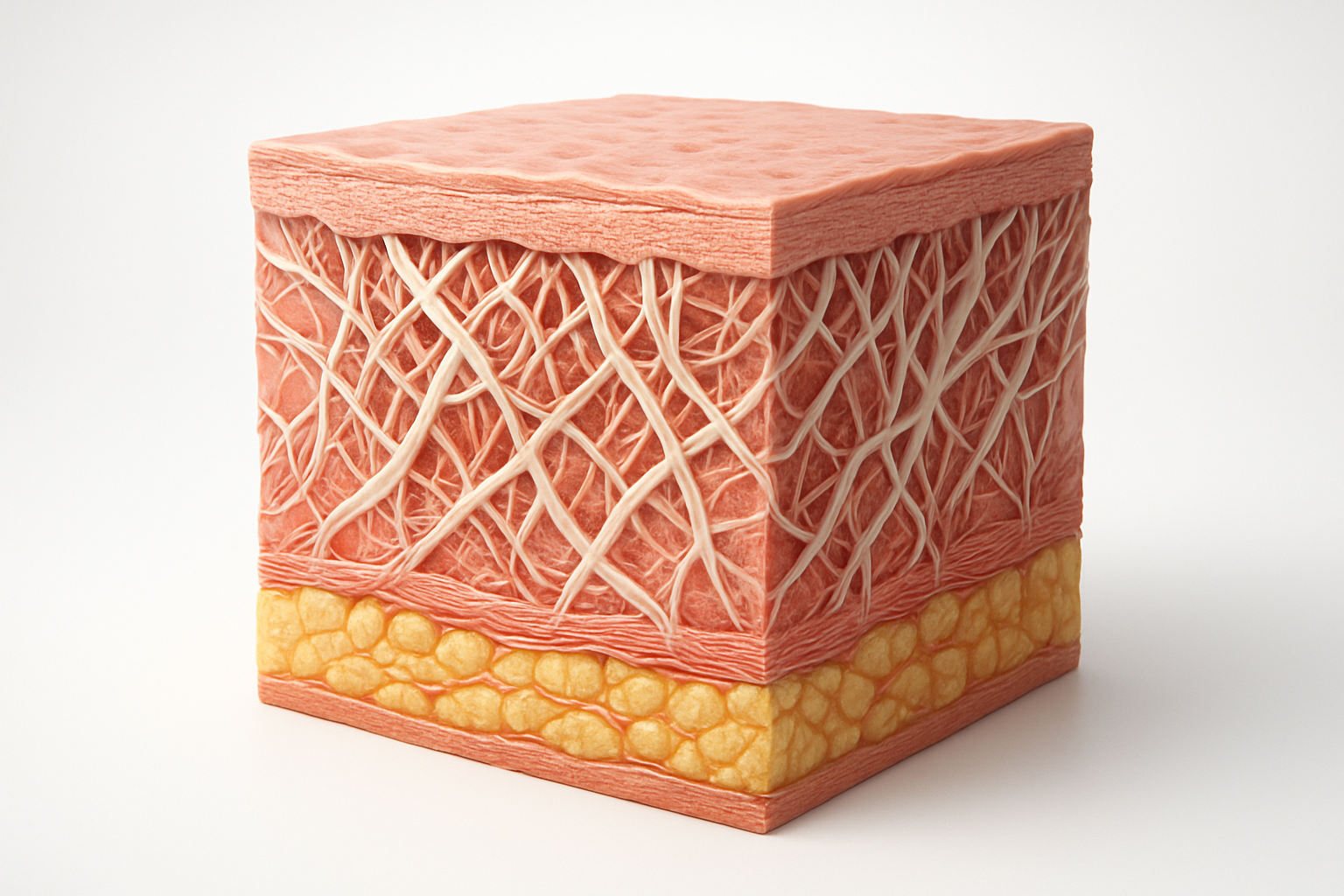
Essential protein structure that maintains skin firmness
Collagen acts as your skin’s internal scaffolding system, creating the structural foundation that keeps everything tight and smooth. Picture it like the steel framework inside a skyscraper – without it, everything would collapse. This fibrous protein forms long, rope-like chains that weave together to create a strong network throughout your dermis, the deeper layer of your skin.
These protein fibers work alongside elastin and hyaluronic acid to create what dermatologists call the extracellular matrix. Think of this matrix as your skin’s support crew, working 24/7 to maintain that plump, youthful appearance we all want to keep. When collagen levels are optimal, your skin feels firm to the touch and bounces back quickly when pressed.
The strength of collagen comes from its unique triple-helix structure, where three protein chains twist together like a braided rope. This design makes collagen incredibly durable – in fact, it’s stronger than steel wire of the same thickness. Your body produces this remarkable protein naturally, but the quality and quantity change dramatically over time.
Natural collagen production peaks and declines with age
Your collagen factory runs at full capacity during your teens and twenties, churning out fresh, high-quality protein fibers that keep your skin looking smooth and resilient. Peak production typically occurs around age 25, when your body creates collagen faster than it breaks down.
After 25, the decline begins gradually but consistently. You lose about 1-2% of your collagen each year, which might not sound like much, but it adds up quickly. By your thirties, you’ll notice the first signs – maybe a fine line around your eyes or skin that doesn’t bounce back quite as fast after a long night.
The decline accelerates after menopause for women, when hormonal changes can cause collagen loss to jump to 30% in the first five years. Men experience a steadier, more gradual decline throughout their lives. Environmental factors like sun exposure, smoking, and poor diet can speed up this natural aging process significantly.
Your body also starts producing lower-quality collagen as you age. The new collagen fibers become more fragmented and disorganized, creating weaker support structures that can’t maintain skin firmness as effectively as younger collagen.
Types of collagen most beneficial for skin health
Your skin contains several types of collagen, but three stand out as the most important for maintaining healthy, youthful-looking skin.
Type I collagen makes up about 80-90% of your skin’s collagen content and serves as the primary structural component. This type provides the basic framework that gives your skin its strength and firmness. When people talk about collagen for anti-aging, they’re usually referring to Type I.
Type III collagen works alongside Type I, comprising about 10-15% of skin collagen. It’s more flexible than Type I and helps maintain skin elasticity and smoothness. Type III is particularly abundant in younger skin and decreases more rapidly with age than other types.
Type IV collagen exists in smaller quantities but plays a crucial role in the basement membrane – the boundary between your epidermis (outer skin layer) and dermis (deeper layer). This type helps maintain skin integrity and supports proper cell function.
| Collagen Type | Percentage in Skin | Primary Function | Age-Related Changes |
|---|---|---|---|
| Type I | 80-90% | Structural support, firmness | Gradual decline after 25 |
| Type III | 10-15% | Elasticity, smoothness | Rapid decline with age |
| Type IV | <5% | Membrane integrity | Slower degradation |
How collagen supports skin elasticity and hydration
Collagen works like a moisture magnet in your skin, capable of binding up to 30 times its weight in water. This water-binding ability creates the plump, hydrated appearance that characterizes healthy, youthful skin. When collagen levels are high, your skin maintains better moisture levels naturally.
The protein’s structure creates tiny spaces within the skin matrix that act like water reservoirs. These microscopic pockets hold onto moisture molecules, preventing them from evaporating quickly and keeping your skin looking dewy and supple throughout the day.
Elasticity depends on collagen’s interaction with elastin fibers. While elastin provides the snap-back quality that lets your skin return to its original position after stretching, collagen provides the stable foundation that makes this possible. Without adequate collagen, elastin fibers lose their anchor points and become less effective.
Collagen also supports your skin’s natural renewal process by providing the structural framework needed for new cell growth. Healthy collagen networks facilitate better blood flow to skin tissues, delivering nutrients and oxygen that support cellular repair and regeneration. This improved circulation contributes to that healthy glow associated with well-maintained skin.
Boost Your Natural Collagen Production
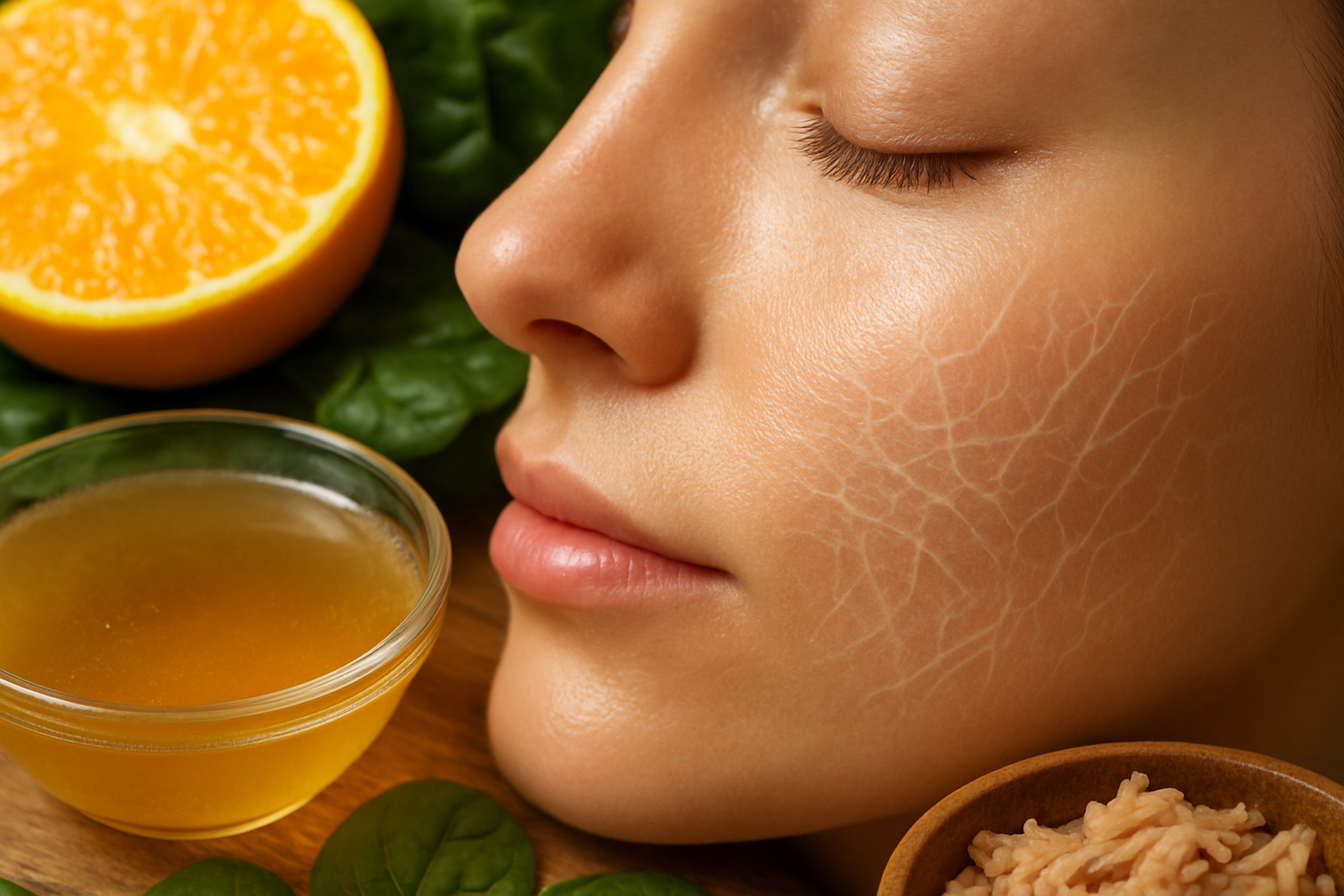
Vitamin C Rich Foods That Enhance Collagen Synthesis
Your body can’t make collagen without vitamin C – it’s like trying to build a house without a hammer. This essential nutrient works as a cofactor in collagen synthesis, helping your cells produce strong, healthy collagen fibers. Without enough vitamin C, your collagen becomes weak and unstable.
Citrus fruits like oranges, lemons, and grapefruits pack a serious vitamin C punch, but don’t stop there. Bell peppers actually contain more vitamin C per serving than most citrus fruits, especially the red and yellow varieties. Strawberries, kiwi, and papaya are delicious options that deliver high doses of this collagen-boosting vitamin.
Vegetables deserve equal attention in your collagen-building diet. Broccoli, Brussels sprouts, and cauliflower provide substantial vitamin C alongside other skin-supporting nutrients. Dark leafy greens like kale and spinach offer a double benefit – vitamin C plus folate, which supports cellular repair processes.
Rose hips, acerola cherries, and camu camu represent some of the highest natural concentrations of vitamin C available. While these might be harder to find fresh, they’re often available as powders or supplements that you can add to smoothies.
Aim for at least 90mg of vitamin C daily for men and 75mg for women, though many nutritionists suggest higher amounts for optimal collagen support. Remember that vitamin C is water-soluble, so your body doesn’t store it – consistent daily intake matters more than occasional mega-doses.
Protein Sources That Provide Collagen Building Blocks
Collagen is fundamentally a protein made up of specific amino acids, with glycine, proline, and hydroxyproline forming about 50% of its structure. Getting adequate protein from diverse sources gives your body the raw materials it needs for collagen production.
Animal proteins offer the most complete amino acid profiles for collagen synthesis. Fish, particularly those with edible bones like sardines and salmon, provide not only high-quality protein but also omega-3 fatty acids that reduce inflammation and support skin health. Chicken, especially with the skin, contains significant amounts of collagen precursors.
Bone broth deserves special mention as a collagen powerhouse. Slow-cooking bones releases gelatin and amino acids directly usable for collagen production. Making your own bone broth from chicken, beef, or fish bones ensures maximum nutrient density.
Plant-based eaters can absolutely support collagen production through strategic protein combining. Beans and legumes provide lysine and proline, while nuts and seeds contribute glycine and other essential amino acids. Quinoa stands out as a complete protein containing all nine essential amino acids.
Specific amino acid requirements for optimal collagen production include:
- Glycine: Found in bone broth, gelatin, and chicken skin
- Proline: Abundant in egg whites, dairy products, and mushrooms
- Lysine: High in fish, meat, dairy, and legumes
- Threonine: Present in poultry, fish, and lentils
Lifestyle Habits That Accelerate Collagen Breakdown
Some daily habits silently destroy your collagen faster than your body can replace it, aging your skin prematurely. Sugar tops this destructive list through a process called glycation, where sugar molecules attach to collagen fibers, making them stiff and brittle. This creates advanced glycation end products (AGEs) that directly damage skin structure.
Smoking wreaks havoc on collagen through multiple pathways. Nicotine restricts blood flow to skin tissues, reducing nutrient delivery, while the thousands of chemicals in cigarettes generate free radicals that attack collagen directly. Smokers often develop premature wrinkles around their mouth and eyes due to this collagen destruction.
Excessive sun exposure remains one of the fastest ways to break down existing collagen. UV radiation penetrates deep into skin layers, triggering enzymes called matrix metalloproteinases (MMPs) that specifically target and destroy collagen fibers. This photoaging process can be prevented with consistent sunscreen use.
Chronic stress elevates cortisol levels, which directly inhibits collagen synthesis while accelerating its breakdown. High cortisol also impairs sleep quality, and during deep sleep cycles, your body performs most of its collagen repair and regeneration work.
Alcohol consumption creates a triple threat to collagen: it dehydrates skin tissues, depletes vitamin C stores, and generates inflammation that triggers collagen-destroying enzymes. Regular heavy drinking visibly ages skin faster than moderate consumption.
Poor sleep patterns disrupt the natural repair cycles when collagen production peaks. Your skin regenerates most actively during deep sleep phases, making consistent, quality sleep essential for maintaining healthy collagen levels.
Effective Collagen Supplementation Strategies
Marine vs Bovine Collagen Supplements for Optimal Results
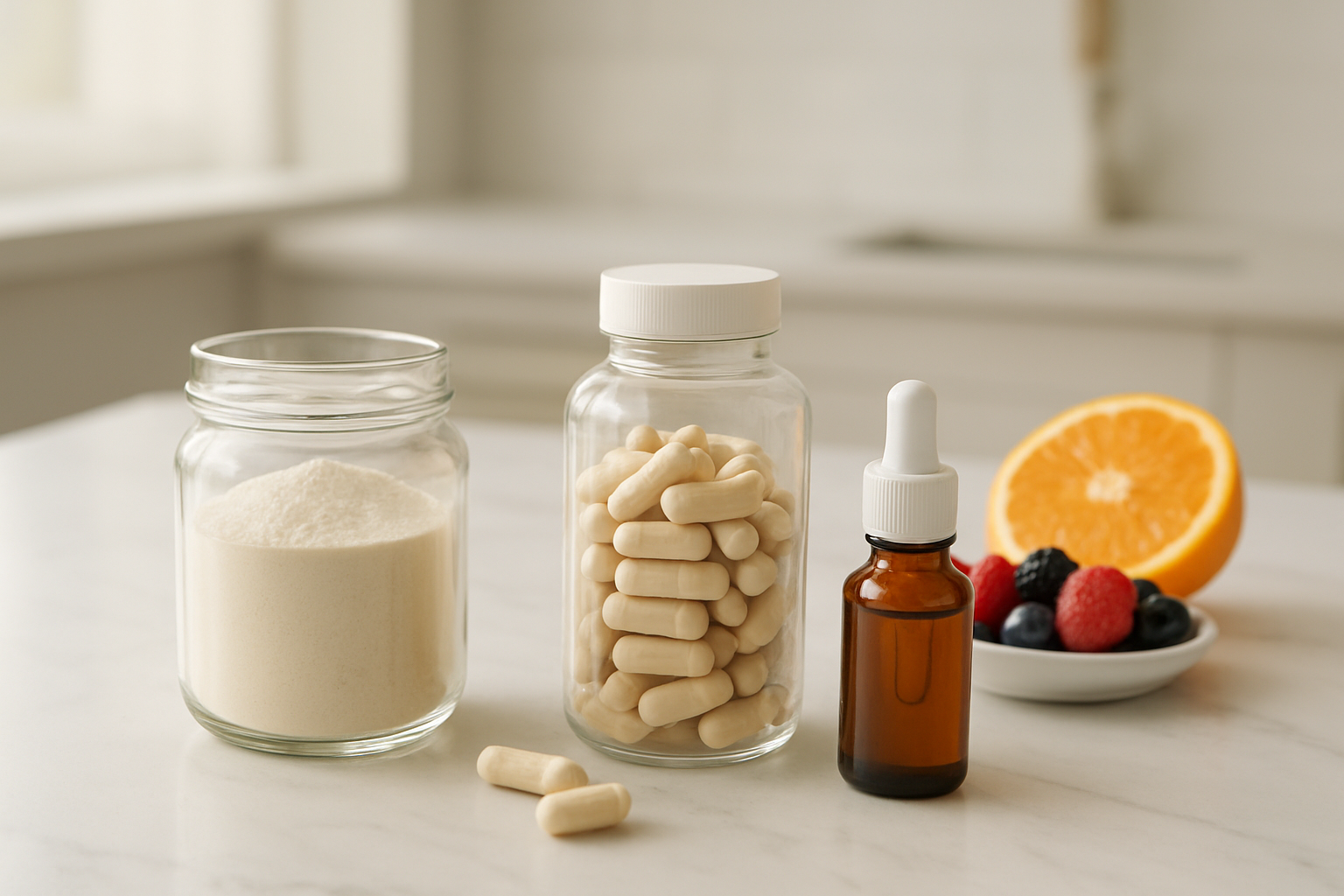
When choosing between marine and bovine collagen supplements, the differences go beyond just the source. Marine collagen, derived from fish scales and skin, offers smaller peptide molecules that your body absorbs more efficiently. This type primarily contains Type I collagen, which makes up about 80% of your skin’s collagen structure.
Bovine collagen comes from cow hides and bones, providing both Type I and Type III collagen. While the molecules are slightly larger, bovine collagen often costs less and offers broader collagen type coverage. Research shows both types improve skin hydration and elasticity, but marine collagen typically shows faster absorption rates.
| Collagen Type | Source | Primary Benefits | Absorption Rate | Cost |
|---|---|---|---|---|
| Marine | Fish | Smaller peptides, Type I focus | Higher | More expensive |
| Bovine | Cattle | Types I & III, comprehensive | Moderate | More affordable |
Your choice depends on your budget and specific needs. Marine collagen works well for targeted skin benefits, while bovine offers broader connective tissue support.
Proper Timing and Dosage for Maximum Skin Benefits
Taking 2.5-10 grams of collagen peptides daily delivers optimal skin benefits based on clinical studies. Most people see results with 5-7 grams per day, but those over 40 or with significant skin concerns may benefit from higher doses.
Timing matters for absorption. Take collagen on an empty stomach, either first thing in the morning or between meals. This prevents other proteins from competing for absorption pathways. Some people split their dose throughout the day, which can help maintain steady amino acid levels in your bloodstream.
Consistency beats perfection here. Daily supplementation for at least 8-12 weeks allows your body to build up collagen stores and start producing new collagen fibers. Missing a day here and there won’t derail your progress, but regular gaps will slow results.
Combining Collagen with Other Skin-Supporting Nutrients
Collagen works better when paired with specific nutrients that support its synthesis and function. Vitamin C stands as the most important partner – your body literally cannot make collagen without it. Take at least 65-90mg of vitamin C with your collagen supplement.
Biotin and zinc also play crucial roles in collagen production. Biotin helps with amino acid metabolism, while zinc acts as a cofactor in collagen synthesis. Adding 30-40mcg of biotin and 8-11mg of zinc creates a powerful combination.
Hyaluronic acid deserves special mention. While not directly involved in collagen production, it works synergistically to improve skin hydration and plumpness. Many people combine 50-200mg of hyaluronic acid with their collagen routine for enhanced results.
Powerful combinations to consider:
- Collagen + Vitamin C + Zinc
- Collagen + Hyaluronic acid + Biotin
- Collagen + Antioxidants (like resveratrol or astaxanthin)
Realistic Expectations and Timeline for Visible Improvements
Most people notice initial changes in skin hydration within 2-4 weeks of consistent collagen supplementation. Your skin may feel softer and more supple before you see visual improvements. Fine lines and skin elasticity improvements typically become noticeable around the 6-8 week mark.
Significant changes in skin firmness, deeper wrinkles, and overall skin quality usually require 12-16 weeks of consistent use. Remember that collagen supplementation works gradually by supporting your body’s natural collagen production processes.
Age affects results timeline. People in their 20s and 30s often see faster improvements because their natural collagen production hasn’t declined as dramatically. Those over 50 may need longer to see substantial changes but often experience more dramatic results once improvements begin.
Don’t expect miracle transformations overnight. Collagen supplements support skin health as part of a comprehensive approach that includes sun protection, proper hydration, and good nutrition. The improvements are real but gradual, building your skin’s foundation from within rather than creating instant cosmetic changes.
Topical Collagen Treatments That Actually Work
Professional treatments that stimulate collagen renewal
Dermatologists and aesthetic professionals offer several advanced treatments that trigger your skin’s natural collagen production. Radiofrequency treatments like Thermage and Ultherapy use controlled heat energy to penetrate deep skin layers, creating microscopic damage that signals your body to produce fresh collagen. Most people see gradual improvements over 3-6 months as new collagen forms.
Microneedling creates tiny punctures in your skin using ultra-fine needles, kickstarting your healing response and collagen synthesis. When combined with radiofrequency (RF microneedling), this treatment becomes even more powerful. Many clients notice firmer, smoother skin after just one session, though optimal results typically require 3-4 treatments spaced a month apart.
Laser treatments like Fraxel and CO2 lasers remove damaged skin layers while stimulating collagen renewal in deeper tissues. These treatments pack a punch but require downtime for healing. Chemical peels, particularly deeper ones with TCA or phenol, also promote collagen turnover by removing damaged surface layers.
IPL (Intense Pulsed Light) treatments target sun damage while gently encouraging collagen production. The recovery time is minimal, making it perfect for busy schedules. Professional LED light therapy sessions, especially red light wavelengths, can also boost cellular activity and collagen synthesis without any downtime.
At-home skincare products with collagen-boosting ingredients
Your daily skincare routine can significantly impact collagen production when you choose products with proven active ingredients. Retinoids remain the gold standard – these vitamin A derivatives increase cell turnover and stimulate collagen synthesis. Start with over-the-counter retinol products and gradually work up to prescription-strength tretinoin if needed.
Vitamin C serums protect existing collagen from free radical damage while supporting new collagen formation. Look for stable forms like magnesium ascorbyl phosphate or L-ascorbic acid in concentrations between 10-20%. Apply vitamin C in the morning under sunscreen for maximum protection.
Peptides act as messengers, signaling your skin to produce more collagen. Copper peptides, palmitoyl pentapeptide, and matrixyl are particularly effective. These ingredients work well in serums and moisturizers, making them easy to incorporate into any routine.
| Ingredient | Best Time to Use | Expected Results Timeline |
|---|---|---|
| Retinol | Evening | 4-12 weeks |
| Vitamin C | Morning | 6-8 weeks |
| Peptides | Morning/Evening | 8-12 weeks |
| Niacinamide | Morning/Evening | 4-8 weeks |
Niacinamide (vitamin B3) improves skin texture and supports collagen production while reducing inflammation. Alpha hydroxy acids (AHAs) like glycolic and lactic acid remove dead skin cells and stimulate collagen renewal. Hyaluronic acid doesn’t directly boost collagen but plumps skin and creates an environment where collagen can thrive.
DIY collagen masks and treatments for budget-conscious care
Creating effective collagen-supporting treatments at home doesn’t require expensive ingredients or complicated recipes. Egg white masks provide temporary tightening effects while delivering proteins that support skin structure. Whip two egg whites until foamy, apply to clean skin, and rinse after 15 minutes for instantly firmer-looking skin.
Gelatin masks offer direct collagen benefits since gelatin is derived from animal collagen. Mix one packet of unflavored gelatin with warm water or green tea, let it cool slightly, then apply to your face. As it dries, it creates a lifting effect while potentially delivering collagen precursors to your skin.
Coffee grounds mixed with coconut oil create an exfoliating scrub that stimulates circulation and removes dead skin cells. The caffeine in coffee can temporarily tighten skin, while coconut oil provides moisturizing benefits. Use this treatment 2-3 times per week for best results.
Honey and oatmeal masks combine gentle exfoliation with hydrating properties. Raw honey contains enzymes and antioxidants that support skin health, while oatmeal provides gentle physical exfoliation. Mix equal parts ground oatmeal and honey, apply for 20 minutes, then rinse with lukewarm water.
Green tea masks deliver powerful antioxidants that protect existing collagen from damage. Brew strong green tea, let it cool, then mix with clay or honey to create a paste. The polyphenols in green tea help prevent collagen breakdown while soothing inflammation.
Facial massage using simple techniques can improve circulation and support collagen production. Use gentle upward strokes with a few drops of facial oil, spending 5-10 minutes massaging your face and neck daily. This increases blood flow to skin cells and may help maintain skin elasticity over time.
Protect and Preserve Your Existing Collagen
Sun protection strategies to prevent collagen damage
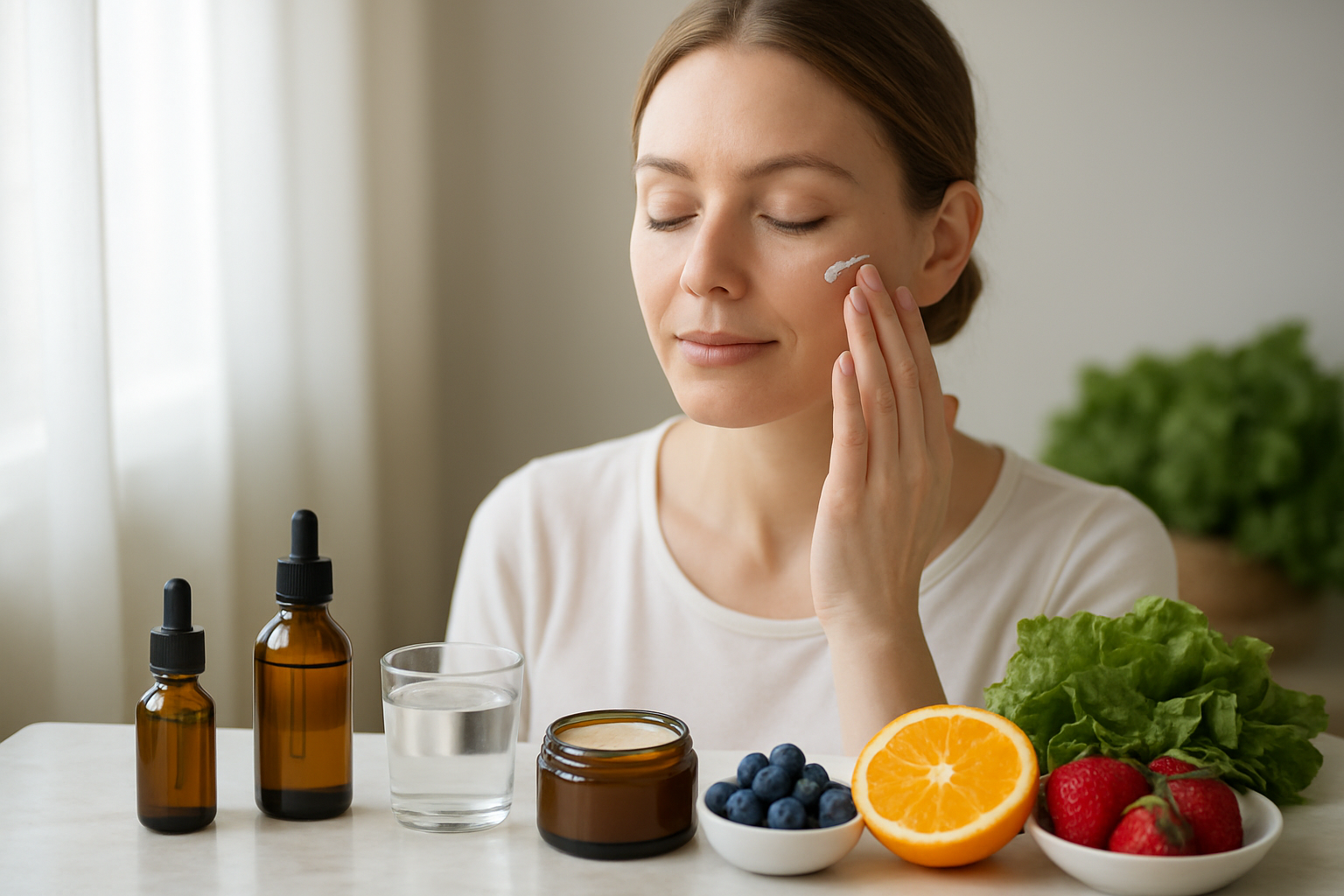
The sun’s UV rays are collagen’s biggest enemy, breaking down these precious fibers faster than your body can replace them. UVA rays penetrate deep into the dermis, triggering matrix metalloproteinases (MMPs) – enzymes that literally chop up collagen and elastin. This process happens silently, without burning or visible damage, making it particularly insidious.
Daily broad-spectrum SPF 30 or higher isn’t negotiable, even on cloudy days. UVA rays pass through clouds and glass, so your morning commute or window-side desk still exposes you to damage. Physical sunscreens with zinc oxide or titanium dioxide create a protective barrier, while chemical sunscreens absorb UV energy before it reaches your skin.
Seek shade during peak hours (10 AM to 4 PM), wear protective clothing with UPF ratings, and don’t forget often-missed spots like your neck, ears, and the backs of your hands. Antioxidants like vitamin C can boost your sun protection efforts by neutralizing free radicals that UV exposure creates.
Sunglasses protect the delicate eye area where collagen loss shows up first as crow’s feet. Wide-brimmed hats add another layer of defense for your face and neck. Remember, every sunburn ages your skin by years, while consistent protection preserves your collagen stores for decades to come.
Sleep and stress management for optimal skin repair
Your skin does its most important repair work while you sleep, producing growth hormone that stimulates collagen synthesis. During deep sleep phases, blood flow increases to the skin, delivering nutrients and removing toxins that accumulate during the day. Skimp on sleep, and this renewal process suffers dramatically.
Aim for 7-9 hours of quality sleep nightly. Sleep on a silk or satin pillowcase to reduce friction that can cause wrinkles, and consider sleeping on your back to prevent compression lines from forming. Keep your bedroom cool, dark, and quiet – conditions that promote deeper, more restorative sleep cycles.
Chronic stress floods your system with cortisol, a hormone that breaks down collagen and impairs your skin’s ability to repair itself. Cortisol also reduces hyaluronic acid production, leaving skin dehydrated and more prone to showing damage.
Manage stress through regular meditation, deep breathing exercises, or yoga. Even five minutes of mindful breathing can lower cortisol levels. Find activities that genuinely relax you – whether that’s reading, gardening, or listening to music – and make them non-negotiable parts of your routine.
Consider adaptogenic herbs like ashwagandha or rhodiola, which help regulate your stress response. Regular massage also reduces cortisol while improving circulation to deliver nutrients to your skin cells.
Exercise routines that promote healthy skin circulation
Exercise boosts circulation, delivering oxygen and nutrients to skin cells while carrying away waste products that can accelerate aging. This increased blood flow gives you that post-workout glow and supports collagen production by ensuring your skin has the building blocks it needs.
Cardiovascular exercise is particularly beneficial – activities like brisk walking, swimming, cycling, or dancing get your heart pumping and blood flowing. Aim for at least 150 minutes of moderate cardio weekly, or 75 minutes of vigorous exercise.
Strength training also plays a role by maintaining muscle mass that supports skin structure. As we age, muscle loss can make skin appear saggy, but regular resistance training helps maintain that underlying framework.
Yoga deserves special mention for skin health. Inverted poses like downward dog or legs-up-the-wall increase blood flow to your face, potentially boosting collagen production in facial skin. The stress-reducing benefits of yoga also support healthy cortisol levels.
Don’t forget about facial exercises – gentle massage and targeted movements can improve circulation in facial muscles and skin. Gua sha or facial rolling tools can enhance these benefits when used properly.
Always cleanse immediately after sweating to prevent pore-clogging and inflammation that can interfere with skin repair. Stay hydrated during and after exercise to support optimal cellular function and maintain skin plumpness.
Your skin’s collagen is basically the foundation that keeps everything looking plump, smooth, and youthful. By understanding how this protein works and taking steps to support its production through proper nutrition, quality supplements, and targeted skincare, you can make a real difference in how your skin looks and feels. The key isn’t just adding more collagen to your routine – it’s also about protecting what you already have from damage.
The best approach combines multiple strategies: eating collagen-boosting foods, choosing supplements that actually get absorbed, using topical treatments with proven ingredients, and shielding your skin from sun damage and other environmental stressors. Start with one or two changes that feel manageable for your lifestyle, whether that’s adding a daily collagen supplement or being more consistent with sunscreen. Your future self will thank you for the effort you put in today.