Type 1 diabetes is an autoimmune condition where your body stops producing insulin, affecting how you process blood sugar. This guide is designed for people recently diagnosed with Type 1 diabetes, their families, and anyone wanting to understand this lifelong condition better.
Managing Type 1 diabetes involves daily decisions about food, exercise, and medication that can feel overwhelming at first. You’ll discover practical blood sugar management techniques that fit into your routine and learn about the latest insulin therapy options that can make treatment more flexible. We’ll also cover lifestyle changes that help you feel your best while reducing the risk of long-term complications.
Living well with Type 1 diabetes is absolutely possible when you have the right information and tools to take control of your health.
Understanding Type 1 Diabetes and Its Impact on Daily Life
Recognizing the Key Differences Between Type 1 and Type 2 Diabetes
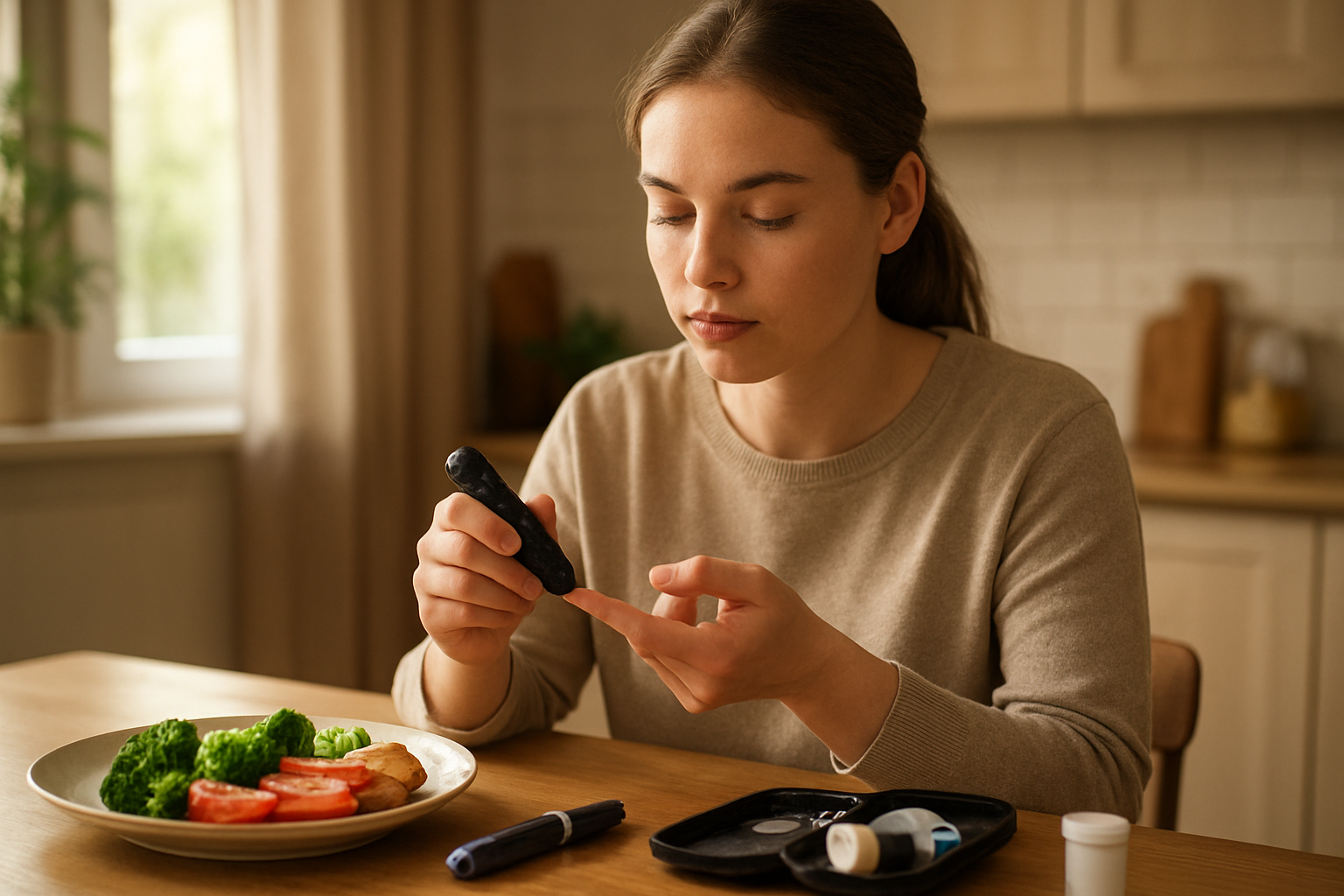
Type 1 and Type 2 diabetes share the same end result—high blood sugar—but they’re completely different conditions. Type 1 diabetes is an autoimmune disease where your body’s immune system mistakenly destroys the insulin-producing cells in your pancreas. This means your body can’t make insulin at all, requiring daily insulin injections for survival.
Type 2 diabetes works differently. Your body still produces insulin, but either doesn’t make enough or can’t use it effectively. This condition often develops gradually and is closely linked to lifestyle factors like diet, weight, and physical activity.
| Feature | Type 1 Diabetes | Type 2 Diabetes |
|---|---|---|
| Onset | Usually sudden, often in childhood/young adults | Gradual, typically after age 45 |
| Insulin Production | None (pancreas stops making insulin) | Reduced or ineffective insulin use |
| Body Weight | Often normal or underweight at diagnosis | Often overweight or obese |
| Treatment | Always requires insulin | May be managed with diet, exercise, and oral medications |
| Reversibility | Cannot be reversed | May be reversible with lifestyle changes |
Understanding these differences matters because the management approaches are completely different. While someone with Type 2 might manage their condition through diet and exercise alone, people with Type 1 diabetes need insulin every single day, regardless of their lifestyle choices.
Identifying Early Warning Signs and Symptoms
The symptoms of Type 1 diabetes often appear quickly and can be severe. Your body sends clear distress signals when it can’t produce insulin, and recognizing these signs early can be life-saving.
Classic symptoms include:
- Excessive thirst and frequent urination: When blood sugar builds up, your kidneys work overtime to filter it out, pulling water from your tissues and making you incredibly thirsty
- Unexplained weight loss: Without insulin, your body can’t use glucose for energy, so it starts breaking down fat and muscle tissue instead
- Extreme fatigue: Your cells aren’t getting the energy they need from glucose, leaving you feeling completely drained
- Blurred vision: High blood sugar levels cause the lens of your eye to swell, affecting your ability to focus
- Fruity breath odor: This happens when your body burns fat for energy, producing ketones that smell sweet or fruity
Additional warning signs:
- Nausea and vomiting
- Abdominal pain
- Rapid breathing
- Confusion or irritability
These symptoms can progress to diabetic ketoacidosis (DKA), a dangerous condition that requires immediate medical attention. DKA happens when your body starts breaking down fat at a rapid rate, producing toxic acids called ketones.
Understanding How Your Immune System Attacks Insulin-Producing Cells
Type 1 diabetes happens when your immune system goes rogue and attacks your own body. Normally, your immune system protects you from harmful invaders like viruses and bacteria. But in Type 1 diabetes, it mistakenly identifies the beta cells in your pancreas—the cells that make insulin—as foreign threats.
This autoimmune attack doesn’t happen overnight. The process can take months or even years before symptoms appear. During this time, your immune system slowly destroys more and more beta cells. You might not notice anything wrong until about 80-90% of these cells are gone.
The destruction process involves:
- Autoantibodies: Your immune system creates antibodies that specifically target beta cells
- T-cell activation: White blood cells called T-cells directly attack and kill insulin-producing cells
- Inflammatory response: The attack creates inflammation in the pancreas, further damaging healthy tissue
Scientists still don’t fully understand what triggers this autoimmune response. Some research suggests it might be a combination of genetic predisposition and environmental factors like viral infections, stress, or exposure to certain toxins.
Once the beta cells are destroyed, they don’t regenerate. This is why Type 1 diabetes is considered a permanent condition that requires lifelong insulin therapy. Your pancreas essentially becomes unable to produce the insulin your body needs to survive.
Learning Why Age and Family History Matter
Age plays a significant role in Type 1 diabetes, though it can surprise people at any stage of life. Most cases are diagnosed during childhood and teenage years, with peak diagnosis periods between ages 4-6 and 10-14. However, about 25% of Type 1 diabetes cases are diagnosed in adults, sometimes called Latent Autoimmune Diabetes in Adults (LADA).
Age-related patterns:
- Children under 5: Often have the most severe presentation with rapid onset
- School-age children: May show classic symptoms but can be misdiagnosed as flu or other illnesses
- Teenagers: Hormonal changes during puberty can make blood sugar management more challenging
- Adults: Symptoms may develop more slowly, sometimes misdiagnosed as Type 2 diabetes initially
Family history creates a complex picture. While Type 1 diabetes has a genetic component, it’s not as straightforward as inheriting brown eyes from your parents. Having a parent or sibling with Type 1 diabetes increases your risk, but most people with Type 1 diabetes don’t have any family members with the condition.
Genetic risk factors:
- If you have a parent with Type 1 diabetes, your risk is about 3-8%
- If you have a sibling with Type 1 diabetes, your risk is about 6%
- Identical twins have about a 30-50% chance of both developing the condition
Certain genetic markers, particularly specific HLA (human leukocyte antigen) types, increase susceptibility. However, having these genetic markers doesn’t guarantee you’ll develop Type 1 diabetes—many people with high-risk genetic profiles never develop the condition, while others with lower genetic risk do.
Essential Blood Sugar Management Strategies for Better Health
Mastering Blood Glucose Monitoring Techniques
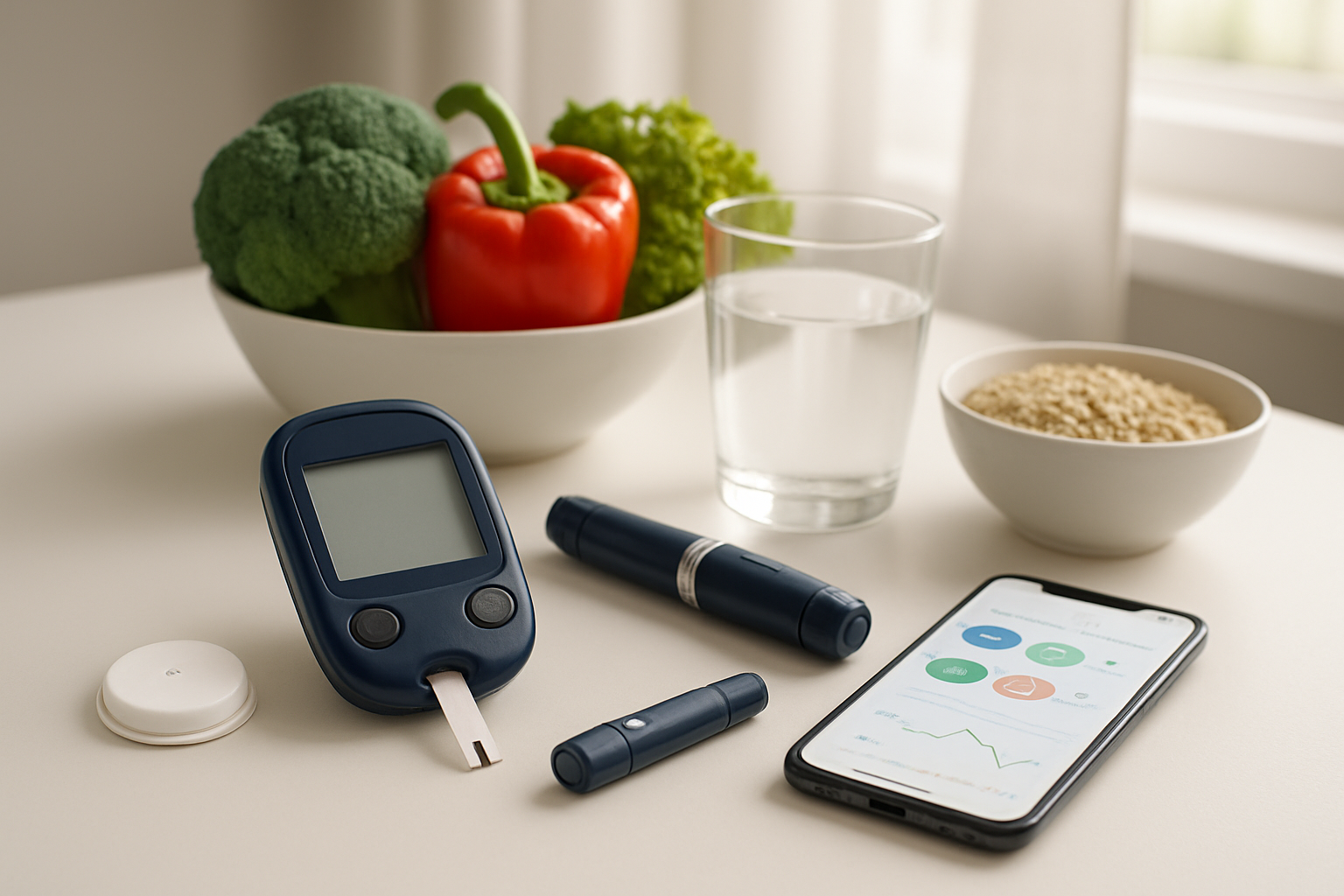
Regular blood sugar testing forms the backbone of successful diabetes management. Modern glucose meters provide accurate readings in just seconds, but getting reliable results depends on proper technique and timing.
Testing Frequency and Timing
- Before meals and 2 hours after eating
- Before bedtime and occasionally during the night
- Before, during, and after physical activity
- When feeling symptoms of high or low blood sugar
- During illness or stress periods
Proper Testing Technique
Clean your hands with warm, soapy water before testing. Rotate finger prick sites to prevent calluses and soreness. Use the sides of your fingertips rather than the center – they’re less sensitive and heal faster. Replace lancets regularly for comfort and accuracy.
Understanding Your Numbers
Target blood glucose ranges vary by individual, but general guidelines include 80-130 mg/dL before meals and less than 180 mg/dL two hours after eating. Keep a log of your readings alongside notes about food, exercise, medications, and how you’re feeling. This data helps identify patterns and triggers.
Continuous Glucose Monitors (CGMs)
CGMs provide real-time glucose readings and trends without frequent finger sticks. These devices show whether your blood sugar is rising, falling, or stable, allowing for proactive management rather than reactive responses.
Creating Effective Meal Planning and Carbohydrate Counting Systems
Carbohydrate counting gives you control over blood sugar spikes by matching insulin doses to the carbs you eat. This flexible approach lets you enjoy varied meals while maintaining stable glucose levels.
Understanding Carbohydrate Sources
Carbohydrates appear in obvious foods like bread, pasta, and fruit, but also hide in milk, yogurt, beans, and starchy vegetables. Learn to read nutrition labels carefully – total carbohydrates matter more than sugar content alone.
Calculating Your Carb-to-Insulin Ratio
Work with your healthcare team to determine your personal insulin-to-carbohydrate ratio. Common ratios range from 1:8 to 1:15, meaning one unit of insulin covers 8-15 grams of carbohydrates. This ratio may change throughout the day.
Practical Counting Methods
- The Plate Method: Fill half your plate with non-starchy vegetables, one quarter with lean protein, and one quarter with carbohydrates
- Carb Factor Method: Memorize carb counts for commonly eaten foods
- Food Scale Method: Weigh portions for precise carb counting
- Mobile Apps: Use smartphone apps that calculate carbs from food photos or barcode scanning
Sample Carb Counts
| Food Item | Serving Size | Carbohydrates |
|---|---|---|
| Apple | 1 medium | 25g |
| White rice | 1/2 cup cooked | 23g |
| Whole wheat bread | 1 slice | 12-15g |
| Milk | 1 cup | 12g |
| Banana | 1 medium | 27g |
Timing Your Meals for Optimal Blood Sugar Control
Meal timing directly impacts blood sugar stability. Consistent eating schedules help your body anticipate insulin needs and prevent dangerous glucose swings.
The Three-Meal Foundation
Space main meals 4-6 hours apart to allow blood sugar levels to return to baseline between eating periods. Skipping meals can trigger dangerous low blood sugar episodes, especially when taking insulin.
Strategic Snacking
Planned snacks between meals help prevent hypoglycemia and reduce the temptation to overeat at the next meal. Choose snacks that combine protein with complex carbohydrates for sustained energy.
Pre-Exercise Timing
Eat a small carbohydrate snack 15-30 minutes before exercise if your blood sugar is below 100 mg/dL. For longer workouts, have a more substantial snack 1-2 hours beforehand.
Managing Dawn Phenomenon
Many people with Type 1 diabetes experience rising blood sugar in the early morning hours due to natural hormone fluctuations. Eating breakfast within 1-2 hours of waking helps counteract this effect.
Bedtime Considerations
Check blood sugar before bed and aim for levels between 100-140 mg/dL. If levels are low, have a small snack containing both protein and carbohydrates to prevent overnight hypoglycemia. Avoid large meals within 3 hours of bedtime to prevent middle-of-the-night blood sugar spikes.
Special Timing Considerations
- During illness, maintain regular meal timing even if appetite is poor
- Adjust meal timing when traveling across time zones
- Plan extra snacks during high-stress periods when blood sugar tends to fluctuate more
Insulin Therapy Options That Transform Your Treatment Experience
Choosing Between Rapid-Acting and Long-Acting Insulin Types
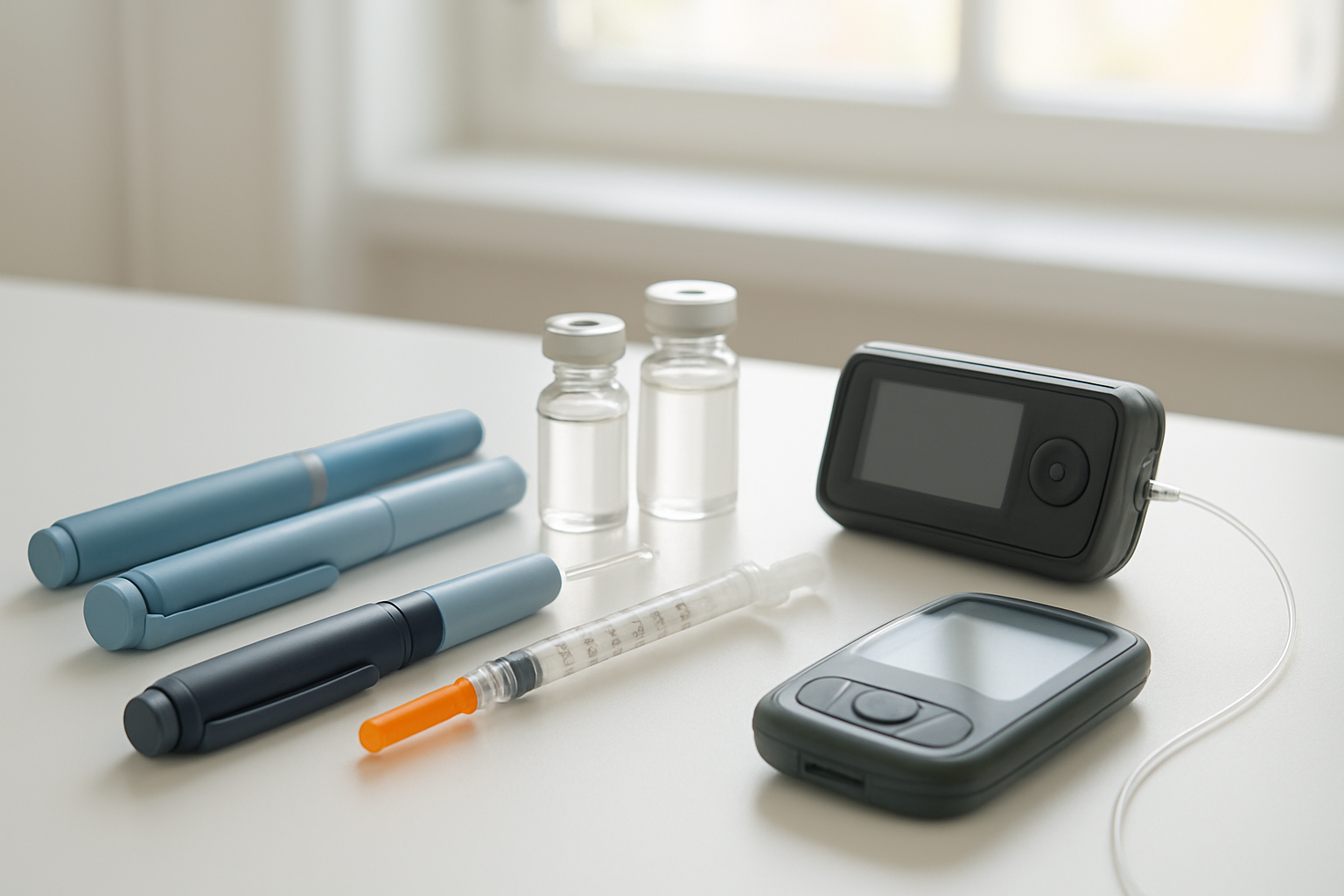
Your insulin therapy success depends on understanding how different types work in your body. Rapid-acting insulin kicks in within 15 minutes and peaks around 1-2 hours, making it perfect for covering meals. Think of it as your mealtime partner – it handles the glucose spike from food and clears out within 3-4 hours.
Long-acting insulin works like your body’s background system, providing steady coverage for 12-24 hours. This basal insulin keeps your blood sugar stable between meals and overnight. Most people need both types to mimic natural insulin production effectively.
| Insulin Type | Onset | Peak | Duration | Best For |
|---|---|---|---|---|
| Rapid-acting | 15 mins | 1-2 hours | 3-4 hours | Meals, corrections |
| Long-acting | 1-2 hours | Minimal peak | 12-24 hours | Baseline coverage |
The key is timing. Take rapid-acting insulin 15-20 minutes before eating to catch the glucose rise. Your long-acting dose works best when taken at the same time daily, creating predictable background coverage.
Maximizing Benefits of Insulin Pump Therapy
Insulin pumps deliver precise doses throughout the day, giving you flexibility that injections can’t match. These devices provide continuous subcutaneous insulin infusion, mimicking your pancreas more closely than traditional methods.
Programming different basal rates helps manage dawn phenomenon, exercise periods, and varying daily schedules. You can set higher rates for early morning hours when cortisol naturally raises blood sugar, then reduce delivery during active periods.
Bolus calculations become more accurate with pump features like:
- Built-in carb ratios and correction factors
- Active insulin tracking to prevent stacking
- Temporary basal rates for sick days or exercise
- Extended boluses for high-fat meals
Site rotation remains critical – change infusion sets every 2-3 days and rotate locations to prevent lipodystrophy. Watch for occlusions, air bubbles, and site irritation that can disrupt insulin delivery.
Perfecting Injection Techniques for Better Absorption
Proper injection technique directly impacts how well your insulin works. Choose injection sites with adequate subcutaneous fat – abdomen, thighs, upper arms, and buttocks all work well. Rotate within and between these areas to prevent tissue damage.
Needle length matters for your body type. Most adults do well with 4-6mm needles, while children might need shorter options. Pinch the skin gently and inject at a 90-degree angle, or 45 degrees if you’re lean.
Speed affects comfort and absorption. Insert the needle quickly but inject insulin slowly over 5-10 seconds. Count to 10 before removing to ensure complete delivery and reduce backflow.
Room temperature insulin causes less discomfort than cold insulin straight from the fridge. Roll the vial between your palms or let it sit out for 15 minutes before drawing up your dose.
Adjusting Dosages Based on Activity and Food Intake
Your insulin needs change based on what you eat, how much you move, and your stress levels. Carb counting becomes your foundation – most people need 1 unit of rapid-acting insulin for every 10-15 grams of carbohydrates, but your ratio might differ.
Exercise drops blood sugar for hours after you finish, sometimes up to 24 hours later. Reduce your insulin by 25-50% before moderate activity, or eat extra carbs without covering them. For longer workouts, you might need to lower your basal rate or long-acting dose.
High-fat and high-protein meals affect blood sugar differently than simple carbs. Pizza, pasta with cream sauce, and large steaks can raise glucose 3-8 hours later. Consider splitting your bolus or using an extended delivery if you have a pump.
Stress, illness, and hormones also impact your needs. Keep correction factor guidelines handy – typically 1 unit drops blood sugar by 30-50 points, but test this during stable periods to find your personal response.
Preventing and Managing Insulin Storage Issues
Heat destroys insulin faster than you might think. Never leave supplies in hot cars, direct sunlight, or near heating vents. Unopened vials stay potent in the fridge for months, but opened insulin expires after 28 days at room temperature.
Freezing damages insulin just as much as heat. If you see clumping, frosting, or crystals in your vial, throw it out. Clear insulin should stay clear – any cloudiness in rapid-acting types signals degradation.
Travel requires planning ahead. Carry insulin in your carry-on bag with a letter from your doctor. Bring extra supplies in case of delays, and research insulin availability at your destination. Time zone changes might require dosage timing adjustments.
Store backup supplies in different locations at home. Power outages, natural disasters, or simple forgetfulness can leave you without access. Keep a small emergency kit with insulin, syringes, and glucose tablets in your car, office, or trusted friend’s house.
Lifestyle Modifications That Boost Your Overall Wellness

Designing Safe and Effective Exercise Routines
Exercise becomes your powerful ally in managing Type 1 diabetes when approached with the right knowledge and preparation. Start by checking blood glucose levels before, during, and after workouts to understand how different activities affect your body. Activities like walking, swimming, and cycling offer excellent cardiovascular benefits while being easier to monitor and adjust for blood sugar fluctuations.
Timing your workouts strategically makes all the difference. Exercising 1-2 hours after meals often provides more stable glucose levels, as your body has begun processing food. Keep glucose tablets or quick-acting carbohydrates nearby during exercise sessions, and consider reducing rapid-acting insulin doses before planned activities to prevent dangerous drops in blood sugar.
Weight training deserves special attention for people with Type 1 diabetes. Building muscle mass improves insulin sensitivity and glucose uptake, creating long-term benefits for blood sugar management. Start with lighter weights and focus on proper form before increasing intensity. Your muscles will thank you, and your glucose readings will reflect the positive changes.
Managing Stress to Prevent Blood Sugar Spikes
Stress hormones like cortisol can wreak havoc on blood glucose levels, making stress management a medical necessity rather than just a lifestyle choice. When your body perceives stress, it releases hormones that trigger glucose release from the liver, often causing unexpected spikes even when you haven’t eaten.
Deep breathing exercises provide immediate stress relief and can be done anywhere. Practice the 4-7-8 technique: inhale for 4 counts, hold for 7, and exhale for 8. Regular meditation, even just 10 minutes daily, helps reset your stress response system and creates lasting improvements in glucose control.
Physical stress relief methods work wonders too. Progressive muscle relaxation, where you systematically tense and release different muscle groups, helps your body learn to distinguish between tension and relaxation. Regular massage, whether professional or self-administered, reduces cortisol levels and improves overall well-being.
Consider keeping a stress log alongside your glucose readings. You’ll likely discover patterns between stressful events and blood sugar spikes, empowering you to take proactive steps during challenging times.
Building Healthy Sleep Habits for Better Glucose Control
Sleep quality directly impacts your body’s ability to regulate blood sugar, making good sleep habits essential for diabetes management. Poor sleep increases insulin resistance and makes glucose control significantly more challenging. Adults with Type 1 diabetes should aim for 7-9 hours of quality sleep nightly.
Create a consistent bedtime routine that signals your body it’s time to wind down. Dim lights 1-2 hours before bedtime, avoid screens, and keep your bedroom cool and dark. These environmental changes help optimize natural melatonin production, which supports both sleep quality and glucose metabolism.
Managing overnight glucose levels requires special attention. Consider using a continuous glucose monitor to track nighttime patterns without disrupting sleep. Some people benefit from a small protein snack before bed to prevent overnight lows, while others need to adjust long-acting insulin timing with their healthcare provider.
Sleep disruptions from glucose alarms or bathroom trips can create a challenging cycle. Work with your diabetes team to find the right balance between safety and sleep quality. Sometimes small adjustments to evening meal timing or insulin doses can dramatically improve overnight stability.
Creating Support Networks for Long-Term Success
Building a strong support network transforms diabetes management from a solo journey into a team effort. Family members and close friends who understand your condition become invaluable allies in maintaining healthy habits and recognizing warning signs of blood sugar problems.
Diabetes support groups, whether in-person or online, connect you with others who truly understand the daily challenges you face. These communities offer practical tips, emotional support, and the reassurance that you’re not alone in managing this condition. Many people find that sharing experiences and strategies with others who have Type 1 diabetes provides motivation that healthcare providers alone cannot offer.
Don’t overlook the importance of building relationships with your healthcare team. A collaborative relationship with your endocrinologist, certified diabetes educator, and pharmacist creates a professional support network focused on your success. Regular communication helps them understand your lifestyle and adjust treatment plans accordingly.
Workplace support matters too. Educating supervisors and colleagues about Type 1 diabetes helps create an environment where you can manage your condition effectively. This might include discussing the need for regular meal times, glucose testing, and emergency procedures.
Consider finding an exercise buddy who understands your needs or family members willing to learn about hypoglycemia recognition and treatment. When people around you know how to help during emergencies, you gain confidence to live more freely while staying safe.
Preventing Serious Complications Through Proactive Care

Protecting Your Vision with Regular Eye Examinations
High blood sugar levels damage the tiny blood vessels in your retina, leading to diabetic retinopathy – the leading cause of blindness in working-age adults. Getting comprehensive dilated eye exams annually catches problems early when treatments work best. During these exams, your eye doctor checks for swelling, bleeding, and abnormal blood vessel growth that signal retinal damage.
Even if your vision seems perfect, changes happen silently in the background. Mild retinopathy shows no symptoms, making regular screenings absolutely critical. Advanced stages can cause sudden vision loss, floaters, or dark spots that significantly impact daily activities like driving or reading.
Beyond retinopathy, people with type 1 diabetes face higher risks for glaucoma and cataracts. Maintaining blood sugar levels within your target range dramatically reduces these risks, but consistent monitoring remains essential regardless of your control.
Maintaining Kidney Health Through Proper Management
Your kidneys filter waste through millions of tiny blood vessels that high glucose levels gradually damage. This condition, called diabetic nephropathy, affects up to 40% of people with type 1 diabetes but develops slowly over years.
Early kidney damage produces no symptoms, making regular urine tests for protein (microalbumin) your best early warning system. Annual screenings detect protein leakage before you notice any changes, allowing for interventions that slow progression.
Key protective strategies include:
- Keeping blood pressure below 130/80 mmHg
- Maintaining A1C levels under 7% when possible
- Taking ACE inhibitors or ARBs as prescribed
- Following a kidney-friendly diet with appropriate protein levels
- Staying well-hydrated while monitoring fluid intake
Blood pressure control proves especially important since hypertension accelerates kidney damage. Many people need multiple medications to achieve target levels, but this investment pays enormous dividends in long-term kidney health.
Preventing Nerve Damage with Consistent Blood Sugar Control
Diabetic neuropathy affects nearly 60% of people with diabetes, causing pain, numbness, and tingling that typically starts in the feet and hands. High blood sugar levels damage nerve fibers throughout your body, but peripheral neuropathy in the extremities causes the most noticeable problems.
Tight glucose control significantly reduces neuropathy risk. The landmark DCCT study showed that intensive blood sugar management cut nerve damage rates by 60% compared to standard care. This protection begins immediately – every improvement in blood sugar control helps preserve nerve function.
Daily foot inspections become critical since neuropathy reduces sensation. Look for cuts, blisters, redness, or swelling that might indicate injury or infection. Proper footwear, regular podiatrist visits, and immediate attention to foot problems prevent serious complications like ulcers or amputations.
Pain management options include medications, physical therapy, and alternative treatments like acupuncture. However, preventing nerve damage through consistent blood sugar control remains far more effective than treating established neuropathy.
Reducing Heart Disease Risk Factors
Type 1 diabetes increases cardiovascular disease risk by two to four times compared to people without diabetes. This elevated risk stems from multiple factors including blood vessel damage, inflammation, and metabolic changes that promote atherosclerosis.
Managing multiple risk factors simultaneously provides the best protection:
| Risk Factor | Target Goal | Management Strategy |
|---|---|---|
| Blood Pressure | <130/80 mmHg | Medications, low-sodium diet, exercise |
| Cholesterol | LDL <100 mg/dL | Statins, dietary changes, exercise |
| Blood Sugar | A1C <7% | Insulin optimization, CGM use |
| Weight | BMI 18.5-24.9 | Balanced diet, regular activity |
Aspirin therapy benefits many adults with diabetes for heart attack prevention, but discuss this with your doctor since bleeding risks vary by individual. Regular exercise strengthens your heart while improving insulin sensitivity and blood sugar control.
Smoking cessation becomes even more critical with diabetes since tobacco use dramatically accelerates blood vessel damage. Support programs, medications, and counseling significantly improve quit rates for people ready to stop smoking.

Managing Type 1 diabetes doesn’t have to feel overwhelming once you understand the basics and develop solid habits. The key pieces of the puzzle are monitoring your blood sugar regularly, finding the right insulin therapy that works with your schedule, and making smart lifestyle choices around food, exercise, and stress management. These steps work together to keep your glucose levels stable and help you feel your best every day.
The most important thing to remember is that staying ahead of complications starts with the daily choices you make right now. Small, consistent actions like checking your levels, taking your insulin on time, and staying active can make a huge difference in your long-term health. Don’t wait for problems to show up – talk with your healthcare team about creating a management plan that fits your life and stick with it. Your future self will thank you for taking control today.