Type 2 diabetes affects millions of people worldwide, but the good news is that smart dietary choices can significantly reduce your risk of developing this condition. This guide is designed for anyone who wants to take control of their health through food—whether you have a family history of diabetes, pre-diabetes, or simply want to eat in a way that protects your long-term health.
We’ll explore the key connection between what you eat and your diabetes risk, helping you understand why certain foods can either increase or decrease your chances of developing type 2 diabetes. You’ll discover specific power foods that research shows can help combat diabetes risk, plus learn which foods and ingredients you should limit or avoid to keep your blood sugar levels stable. Finally, we’ll share practical meal planning strategies that make diabetes prevention both achievable and sustainable for your daily life.
Understanding the Diabetes-Diet Connection
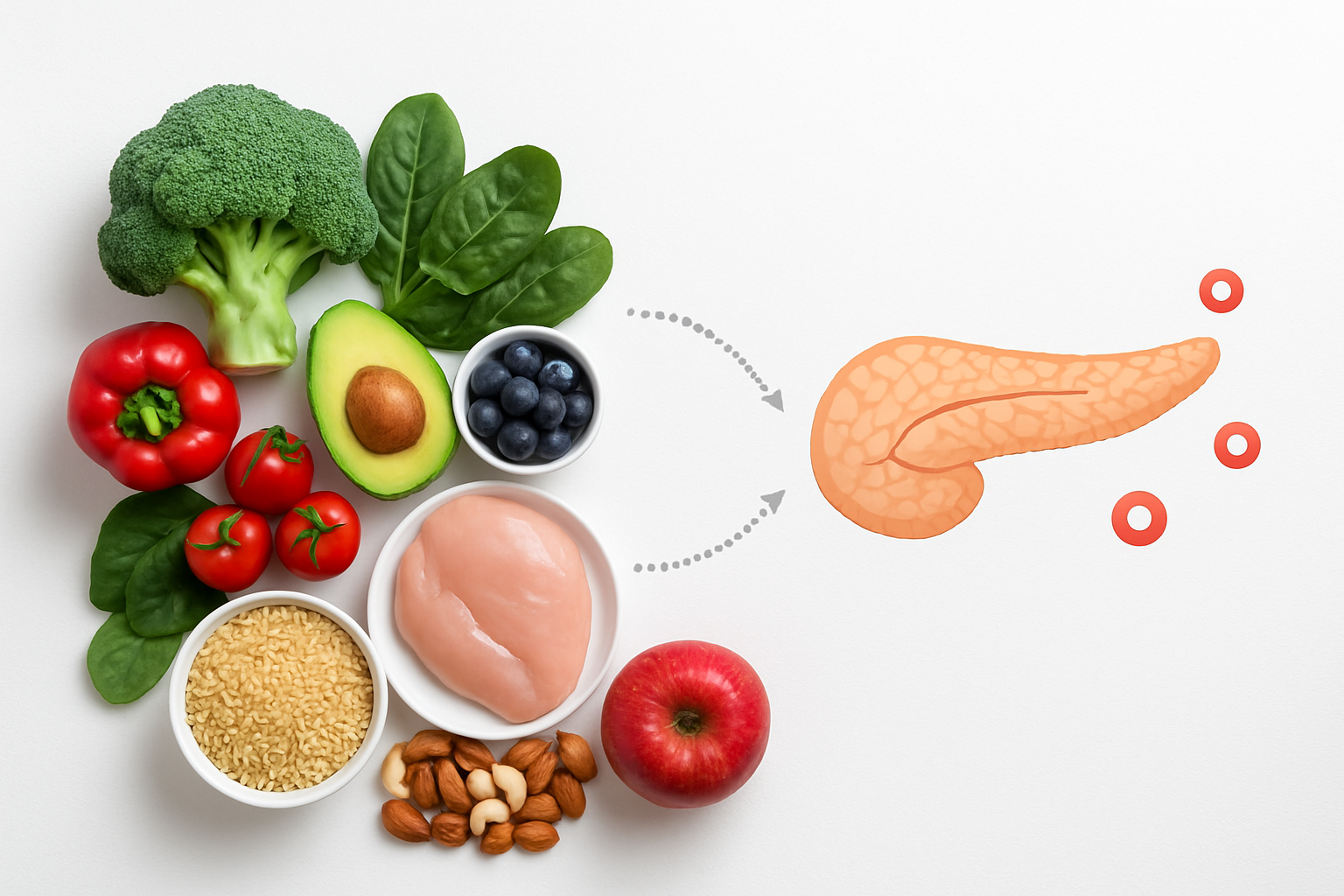
How Blood Sugar Levels Impact Diabetes Risk
Your body works like a finely tuned machine when it comes to managing blood sugar. After you eat, glucose enters your bloodstream, triggering your pancreas to release insulin. This hormone acts like a key, unlocking your cells so glucose can enter and provide energy. When this system runs smoothly, your blood sugar stays within a healthy range of 70-100 mg/dL when fasting.
Problems start when your blood sugar consistently spikes too high. Frequent blood sugar surges force your pancreas to work overtime, pumping out more and more insulin. Over time, this constant demand can wear down your pancreas’s ability to produce adequate insulin. Meanwhile, your cells may start ignoring insulin’s signals, creating a dangerous cycle.
Research shows that people with consistently elevated blood sugar levels – even those not yet diabetic – face a dramatically higher risk of developing type 2 diabetes. The American Diabetes Association identifies prediabetes as fasting blood sugar levels between 100-125 mg/dL. At this stage, your risk of developing full-blown diabetes within 10 years jumps to nearly 50%.
What you eat directly influences these blood sugar patterns. Foods high in refined carbohydrates and added sugars cause rapid spikes, while fiber-rich whole foods promote gradual, manageable rises. Understanding this connection gives you real power to influence your diabetes risk through daily food choices.
The Role of Insulin Resistance in Disease Development
Insulin resistance sits at the heart of type 2 diabetes development. Think of insulin as a delivery driver trying to drop off glucose packages to your cells. When insulin resistance develops, it’s like your cells have changed their locks – the insulin key no longer works properly.
Your body doesn’t give up easily. When cells resist insulin’s signals, your pancreas responds by producing even more insulin, hoping to force the glucose delivery. This creates higher insulin levels in your bloodstream, a condition called hyperinsulinemia. For a while, this compensation works, keeping blood sugar levels relatively normal despite the underlying problem.
Several factors contribute to insulin resistance development:
- Excess abdominal fat: Fat cells around your midsection release inflammatory chemicals that interfere with insulin signaling
- Physical inactivity: Muscles that don’t get regular use become less responsive to insulin
- Chronic inflammation: Ongoing inflammation disrupts the cellular pathways insulin uses
- Sleep deprivation: Poor sleep quality affects hormones that regulate blood sugar
The scary part? Insulin resistance can develop silently for years before blood sugar levels become obviously elevated. Many people already have significant insulin resistance by the time they receive a prediabetes diagnosis. This explains why focusing on prevention through diet and lifestyle changes matters so much, even when your blood sugar tests still look normal.
Key Dietary Factors That Influence Metabolic Health
Several dietary patterns and specific nutrients play crucial roles in either protecting against or promoting diabetes risk. Understanding these factors helps you make informed choices every time you eat.
Carbohydrate Quality Makes All the Difference
Not all carbs are created equal. The glycemic index measures how quickly foods raise blood sugar. High-glycemic foods like white bread, sugary drinks, and processed snacks cause rapid blood sugar spikes. Low-glycemic options like oatmeal, beans, and vegetables provide steady energy without dramatic glucose surges.
Fiber: Your Metabolic Protector
Soluble fiber slows glucose absorption, preventing blood sugar spikes. It also feeds beneficial gut bacteria, which produce compounds that improve insulin sensitivity. Aim for 25-35 grams of fiber daily from sources like:
- Whole grains (oats, quinoa, brown rice)
- Legumes (beans, lentils, chickpeas)
- Vegetables (especially leafy greens)
- Fruits (berries, apples with skin)
Healthy Fats Support Insulin Function
Monounsaturated and omega-3 fats help maintain cell membrane health, improving insulin sensitivity. Mediterranean-style eating patterns rich in olive oil, nuts, and fatty fish consistently show protective effects against diabetes development.
Protein’s Stabilizing Effect
Adequate protein intake helps stabilize blood sugar and maintains muscle mass, which acts as a glucose disposal system. Including protein with meals and snacks helps blunt blood sugar rises from carbohydrates.
Timing and Meal Patterns
Regular meal timing helps maintain steady blood sugar levels. Skipping meals often leads to overeating later and blood sugar swings. Some research suggests intermittent fasting may improve insulin sensitivity, though more studies are needed to establish clear guidelines.
Power Foods That Combat Diabetes Risk

Fiber-rich vegetables and their blood sugar benefits
Vegetables packed with fiber work like natural blood sugar regulators. When you eat fiber-rich vegetables, they slow down how quickly your body absorbs sugar from your meal. Think of fiber as a traffic controller that prevents sugar from rushing into your bloodstream all at once.
Dark leafy greens like spinach, kale, and Swiss chard deliver impressive amounts of soluble fiber while keeping calories low. Broccoli and Brussels sprouts provide both fiber and compounds that help your cells use insulin more effectively. Artichokes stand out as fiber superstars, containing more than 10 grams per medium artichoke.
Non-starchy vegetables like bell peppers, cauliflower, and zucchini offer another advantage – they fill you up without spiking blood sugar. The fiber in these vegetables also feeds beneficial gut bacteria, which research shows plays a role in glucose metabolism.
Whole grains that stabilize glucose levels
Switching from refined grains to whole grains makes a real difference in blood sugar control. Whole grains contain their original fiber, which creates a slower, steadier release of glucose into your bloodstream.
Oats contain beta-glucan, a special type of fiber that forms a gel-like substance in your digestive system. This gel slows sugar absorption and can lower cholesterol levels too. Steel-cut oats provide more fiber than instant varieties.
Quinoa brings complete protein along with fiber, making it excellent for steady energy. Brown rice offers three times more fiber than white rice, while wild rice provides even more nutrients and fiber. Barley contains high levels of beta-glucan and adds hearty texture to soups and salads.
| Whole Grain | Fiber per Cup (cooked) | Special Benefits |
|---|---|---|
| Oats | 4g | Beta-glucan for cholesterol control |
| Quinoa | 5g | Complete protein profile |
| Brown Rice | 4g | Magnesium for insulin function |
| Barley | 6g | High beta-glucan content |
Lean proteins for sustained energy
Protein helps stabilize blood sugar by slowing digestion and preventing rapid glucose spikes after meals. Unlike carbohydrates, protein doesn’t directly raise blood sugar, making it a reliable foundation for diabetes prevention.
Fish like salmon, mackerel, and sardines provide high-quality protein plus omega-3 fatty acids that reduce inflammation. Chicken breast and turkey offer versatile, lean protein options that pair well with vegetables and whole grains.
Plant-based proteins deserve special attention. Lentils, chickpeas, and black beans combine protein with fiber, creating a double benefit for blood sugar control. Greek yogurt provides protein along with probiotics that support gut health and may improve glucose metabolism.
Eggs deliver complete protein and can help you feel satisfied longer. Research shows people who eat eggs for breakfast tend to have better blood sugar control throughout the day compared to those eating high-carb breakfast foods.
Healthy fats that improve insulin sensitivity
Not all fats are created equal when it comes to diabetes prevention. Healthy fats actually help your cells respond better to insulin, which is key for maintaining normal blood sugar levels.
Monounsaturated fats found in olive oil, avocados, and nuts help reduce inflammation that can interfere with insulin function. Extra virgin olive oil contains compounds that may directly improve how your body processes glucose.
Omega-3 fatty acids from fatty fish, walnuts, and flaxseeds fight inflammation and may help prevent insulin resistance. These fats also support heart health, which is important since people with diabetes have higher cardiovascular risks.
Nuts and seeds provide healthy fats along with protein and fiber. Almonds, walnuts, and chia seeds make excellent snacks that won’t spike blood sugar. Avocados offer creamy texture and satisfying fats that help you absorb fat-soluble vitamins from other foods.
The key is replacing saturated and trans fats with these healthier options rather than simply adding more fat to your diet. This swap can improve insulin sensitivity and reduce inflammation throughout your body.
Foods and Ingredients to Limit or Avoid
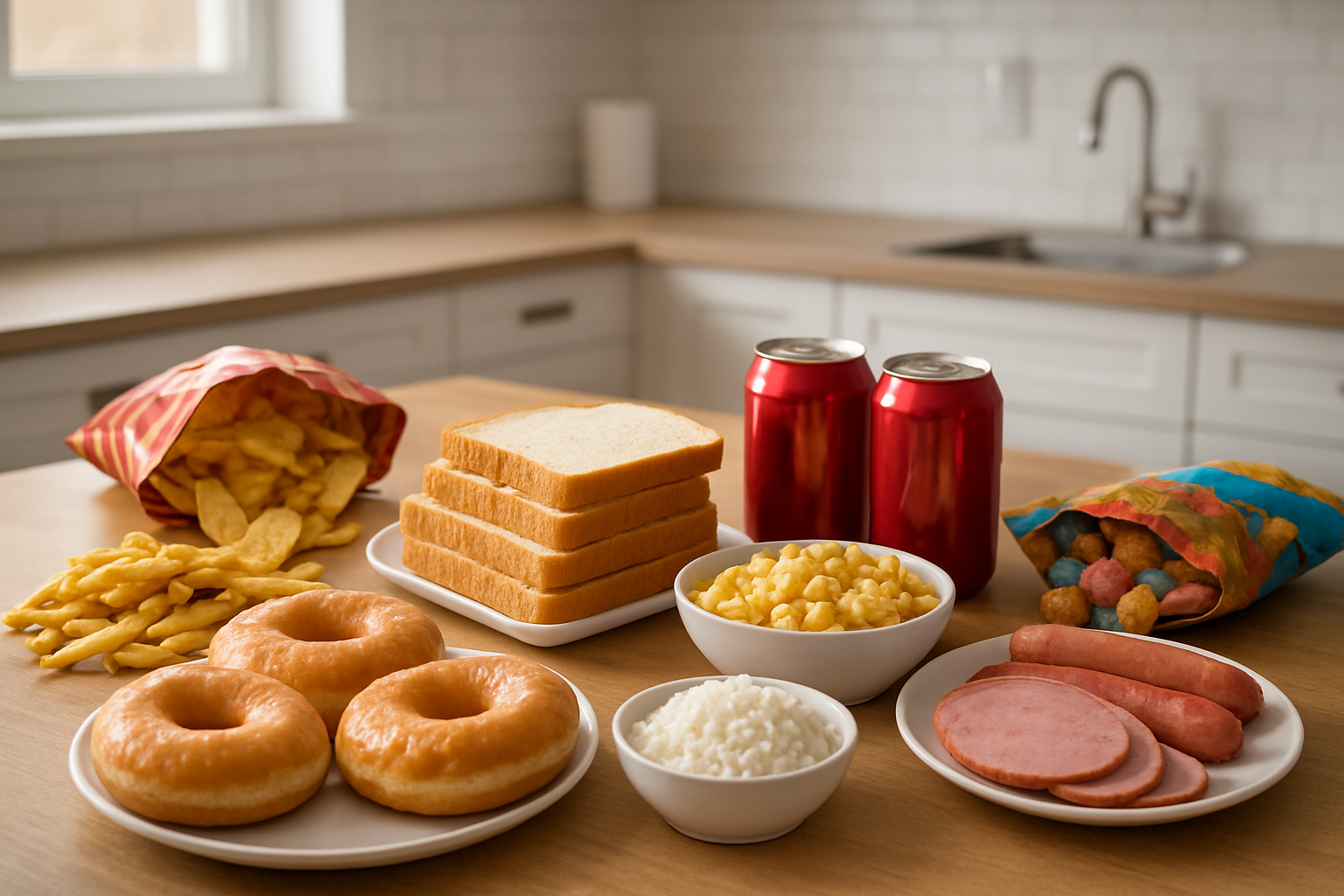
Refined Sugars and Their Hidden Sources
Table sugar isn’t the only culprit when it comes to blood sugar spikes. High fructose corn syrup lurks in countless products, from bread to salad dressings. This sweetener gets processed differently by your liver and can lead to insulin resistance faster than regular sugar. Check ingredient labels for sneaky names like agave nectar, brown rice syrup, and coconut sugar – your body treats them all similarly.
Flavored yogurts pack up to 20 grams of added sugar per serving, while seemingly healthy granola bars often contain more sugar than candy bars. Even “no sugar added” fruit juices concentrate natural sugars into blood glucose bombs. Sports drinks, energy drinks, and fancy coffee beverages deliver massive sugar loads that your pancreas struggles to handle.
| Hidden Sugar Source | Sugar Content | Better Alternative |
|---|---|---|
| Flavored yogurt | 15-20g per cup | Plain Greek yogurt with berries |
| Granola bar | 8-12g per bar | Nuts and seeds mix |
| Pasta sauce | 6-8g per ½ cup | Fresh tomato with herbs |
| Dried cranberries | 29g per ¼ cup | Fresh cranberries |
Processed Foods That Spike Blood Glucose
Ultra-processed foods create perfect storms for blood sugar chaos. White bread, instant rice, and sugary cereals get digested so quickly they flood your bloodstream with glucose within minutes. Your insulin system can’t keep up with these rapid-fire sugar rushes.
Packaged snacks like crackers, pretzels, and rice cakes might seem innocent, but they’re made from refined grains that behave like sugar in your body. The manufacturing process strips away fiber and nutrients, leaving behind fast-acting carbohydrates that spike blood glucose levels.
Frozen meals deserve special attention for their blood sugar dangers. They typically combine refined starches with hidden sugars and sodium, creating a triple threat. Even “healthy” frozen dinners often pack 30-40 grams of carbohydrates from processed sources.
Trans Fats and Their Metabolic Dangers
Trans fats don’t just clog arteries – they actively sabotage your body’s ability to use insulin effectively. These artificial fats, created through hydrogenation, interfere with cell membrane function and make it harder for glucose to enter cells where it belongs.
Partially hydrogenated oils show up in margarine, shortening, and countless baked goods. Even small amounts of trans fats increase inflammation throughout your body, which directly contributes to insulin resistance. Restaurant fried foods often use oils loaded with trans fats, making that crispy chicken sandwich a double metabolic hit.
Recent research shows trans fats alter the way your liver processes glucose and fats, creating a cascade of metabolic problems. They reduce your body’s sensitivity to insulin while increasing harmful belly fat storage. Reading labels becomes crucial since “0 grams trans fat” can still mean up to 0.5 grams per serving – and those small amounts add up quickly when you eat multiple servings or processed foods throughout the day.
Meal Planning Strategies for Diabetes Prevention
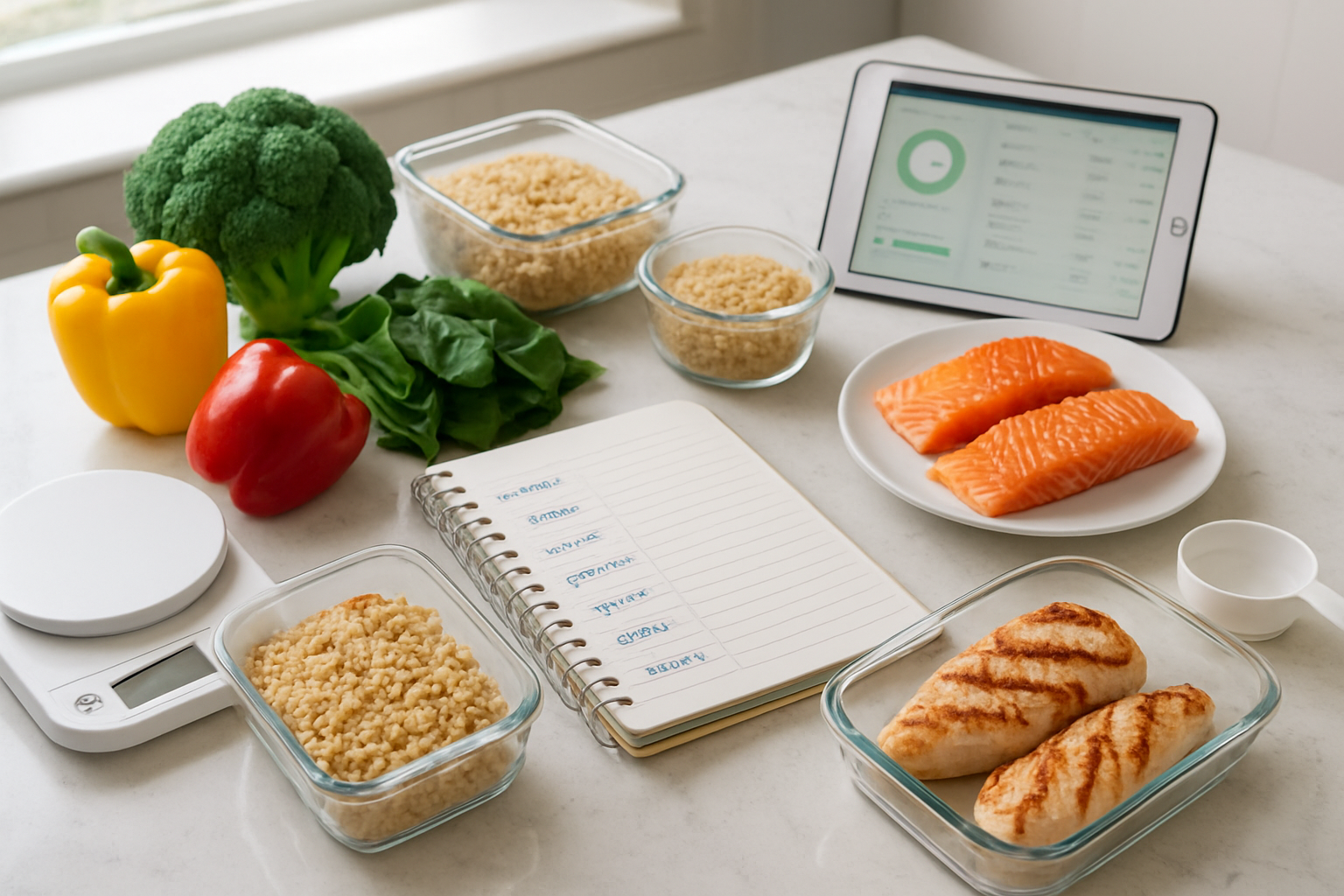
Portion Control Techniques That Work
The plate method stands as one of the most practical approaches to managing portions without weighing every ingredient. Fill half your plate with non-starchy vegetables like broccoli, spinach, or bell peppers. Reserve one quarter for lean protein sources such as grilled chicken, fish, or tofu, and the remaining quarter for complex carbohydrates like quinoa or sweet potatoes.
Visual cues make portion control simple and sustainable. Your palm represents a protein serving, your cupped hand equals one serving of grains or starches, and your thumb measures healthy fats like nuts or olive oil. These natural measuring tools travel with you everywhere, making restaurant dining and social events manageable.
Pre-portioning meals and snacks removes guesswork and prevents overeating. Invest in glass containers or portion-control plates with built-in measurements. When you cook large batches, immediately divide leftovers into single servings before storing them in the refrigerator or freezer.
Timing Meals for Optimal Blood Sugar Control
Consistent meal timing helps regulate your body’s natural insulin response and prevents dangerous blood sugar spikes. Eating every 3-4 hours maintains steady glucose levels and reduces the likelihood of making poor food choices due to extreme hunger.
Starting your day with a balanced breakfast within two hours of waking sets a positive tone for blood sugar management. Include protein, healthy fats, and complex carbohydrates to provide sustained energy without rapid glucose fluctuations.
Evening meals deserve special attention since your body’s insulin sensitivity naturally decreases later in the day. Finish dinner at least 3 hours before bedtime to allow proper digestion and prevent overnight blood sugar elevation. If you need an evening snack, choose protein-rich options like Greek yogurt or a small handful of nuts.
Weekend schedules don’t need to derail your progress. Plan for irregular social events by adjusting meal times gradually rather than skipping meals entirely. When dining out, eat a small protein snack beforehand to prevent overeating.
Creating Balanced Plates with Proper Macronutrient Ratios
The ideal diabetes-prevention plate contains specific macronutrient proportions that work together to stabilize blood sugar. Aim for 45-50% of calories from complex carbohydrates, 20-25% from lean proteins, and 25-30% from healthy fats. This balance provides sustained energy while minimizing glucose spikes.
Fiber-rich carbohydrates slow digestion and glucose absorption, making them superior choices for blood sugar control. Choose whole grains, legumes, and vegetables over refined options. Pair carbohydrates with protein or healthy fats to further slow their impact on blood glucose levels.
| Food Category | Recommended Portions | Examples |
|---|---|---|
| Non-starchy vegetables | 50% of plate | Broccoli, spinach, cucumbers |
| Lean protein | 25% of plate | Fish, chicken breast, beans |
| Complex carbs | 25% of plate | Brown rice, quinoa, sweet potato |
| Healthy fats | 1-2 servings | Avocado, olive oil, nuts |
Protein quality matters as much as quantity. Complete proteins containing all essential amino acids support muscle maintenance and provide lasting satiety. Combine incomplete proteins like beans and rice to create complete amino acid profiles in plant-based meals.
Smart Snacking Choices Between Meals
Strategic snacking prevents blood sugar dips that trigger cravings for high-sugar foods. The best diabetes-prevention snacks combine protein with fiber or healthy fats to provide 4-6 hours of sustained energy. Keep portion sizes between 100-200 calories to avoid interfering with main meals.
Prepare grab-and-go options in advance to avoid vending machine temptations. Cut vegetables and pair them with hummus, portion nuts into small containers, or prepare hard-boiled eggs for the week. Having healthy options readily available makes good choices effortless.
Timing snacks strategically can improve your overall eating pattern. Mid-morning snacks work well if you eat breakfast early, while afternoon snacks help bridge the gap between lunch and dinner. Listen to your hunger cues rather than eating out of habit or boredom.
Smart snack combinations include apple slices with almond butter, Greek yogurt with berries, or whole grain crackers with cheese. These pairings provide sustained energy while supporting stable blood sugar levels throughout the day.
Lifestyle Integration Tips for Long-term Success

Making gradual dietary changes that stick
Small changes create big victories when you’re working toward diabetes prevention. Start by swapping one processed snack for a handful of nuts or replacing sugary drinks with sparkling water infused with fresh fruit. Your taste buds need time to adjust, so give yourself 2-3 weeks to adapt to each new change before adding another.
Focus on adding nutritious foods before removing favorites. Load your plate with colorful vegetables, lean proteins, and whole grains first, then see how much room remains for less healthy options. This approach feels less restrictive and helps you discover delicious alternatives naturally.
Track your progress with a simple food journal or smartphone app. Write down what you eat and how you feel afterward. This creates awareness without judgment and helps identify patterns that work best for your body and schedule.
Reading food labels effectively
The ingredient list tells the real story – ingredients appear in order by weight, so the first few items make up most of the product. Watch for hidden sugars with names like high fructose corn syrup, dextrose, maltose, or anything ending in “-ose.”
Pay attention to serving sizes, which can be surprisingly small. That bag of crackers might contain three servings, tripling the sugar and sodium content if you eat the whole package.
Look for products with:
- Less than 6 grams of added sugar per serving
- At least 3 grams of fiber
- Minimal sodium (less than 140mg per serving for low-sodium options)
- Recognizable ingredients you could find in your kitchen
Nutrition claims like “natural,” “multigrain,” or “made with real fruit” can be misleading. A product labeled “multigrain” might still use refined flours, while “made with real fruit” could mean just a tiny amount mixed with lots of sugar.
Dining out strategies for healthy choices
Restaurant meals often contain 2-3 times more calories, sodium, and sugar than home-cooked versions. Before you go out, check the menu online and decide what you’ll order. Many restaurants now provide nutrition information that can guide your choices.
Start with a salad or broth-based soup to help control portions of your main dish. Ask for dressings and sauces on the side – you’ll use much less when you control the amount. Request grilled, baked, or steamed preparations instead of fried options.
Share entrees or immediately box half your meal for tomorrow’s lunch. Restaurant portions have grown significantly over the past decades, and what’s served as one meal could easily feed two people.
Don’t hesitate to make special requests. Most restaurants will accommodate simple modifications like:
- Steaming vegetables instead of sautéing in butter
- Serving fish or chicken grilled instead of breaded
- Substituting side salad for fries
- Preparing dishes without added sugar or extra salt
Building sustainable eating habits for life
Create consistent meal and snack times to help regulate blood sugar and prevent extreme hunger that leads to poor food choices. Your body thrives on routine, and regular eating patterns support stable energy levels throughout the day.
Prepare grab-and-go options for busy moments. Cut vegetables on Sunday, portion nuts into small containers, or prepare overnight oats for quick breakfasts. When healthy choices are convenient, you’re more likely to reach for them during stressful times.
Build flexibility into your approach. If you eat well 80% of the time, the occasional indulgence won’t derail your progress. Plan for special occasions, holidays, and social events by eating lighter earlier in the day or adding extra physical activity.
Connect with others who share similar health goals. Join cooking classes, community gardens, or online support groups. Having accountability partners and recipe exchange opportunities makes the journey more enjoyable and sustainable.
Practice mindful eating by eliminating distractions during meals. Put away phones, turn off the TV, and focus on flavors, textures, and hunger cues. This simple practice helps prevent overeating and increases meal satisfaction.
Keep learning about nutrition without becoming obsessive. Follow one or two trusted sources for new recipes and health information, but avoid the temptation to constantly chase the latest diet trends. Consistency with proven strategies beats perfection with complicated approaches every time.

Small changes in your eating habits can make a big difference when it comes to preventing type 2 diabetes. Focus on filling your plate with whole grains, lean proteins, healthy fats, and plenty of vegetables while cutting back on processed foods, sugary drinks, and refined carbs. Planning your meals ahead of time helps you stay consistent and makes healthy choices feel automatic rather than overwhelming.
The best part about these dietary changes is that they don’t require a complete life overhaul. Start with one or two changes that feel manageable, like swapping white rice for brown rice or adding more vegetables to your favorite dishes. Remember that preventing diabetes is a marathon, not a sprint, so find strategies that fit your lifestyle and preferences. Your future self will thank you for taking these steps today to protect your health.