Fennel tea has gained popularity as a natural remedy with impressive health benefits, but many people don’t know how to prepare it properly or understand its potential side effects. This aromatic herbal tea, made from fennel seeds, offers digestive support and other wellness advantages that have been recognized for centuries.
This guide is perfect for health-conscious individuals, tea enthusiasts, and anyone curious about adding natural remedies to their daily routine. We’ll explore the proven health benefits of fennel tea, including its ability to soothe digestive issues and support overall wellness. You’ll also learn about potential risks and side effects to watch for, plus get easy step-by-step preparation methods that help you brew the perfect cup every time.
Understanding Fennel Tea and Its Origins
What is fennel tea and its botanical background
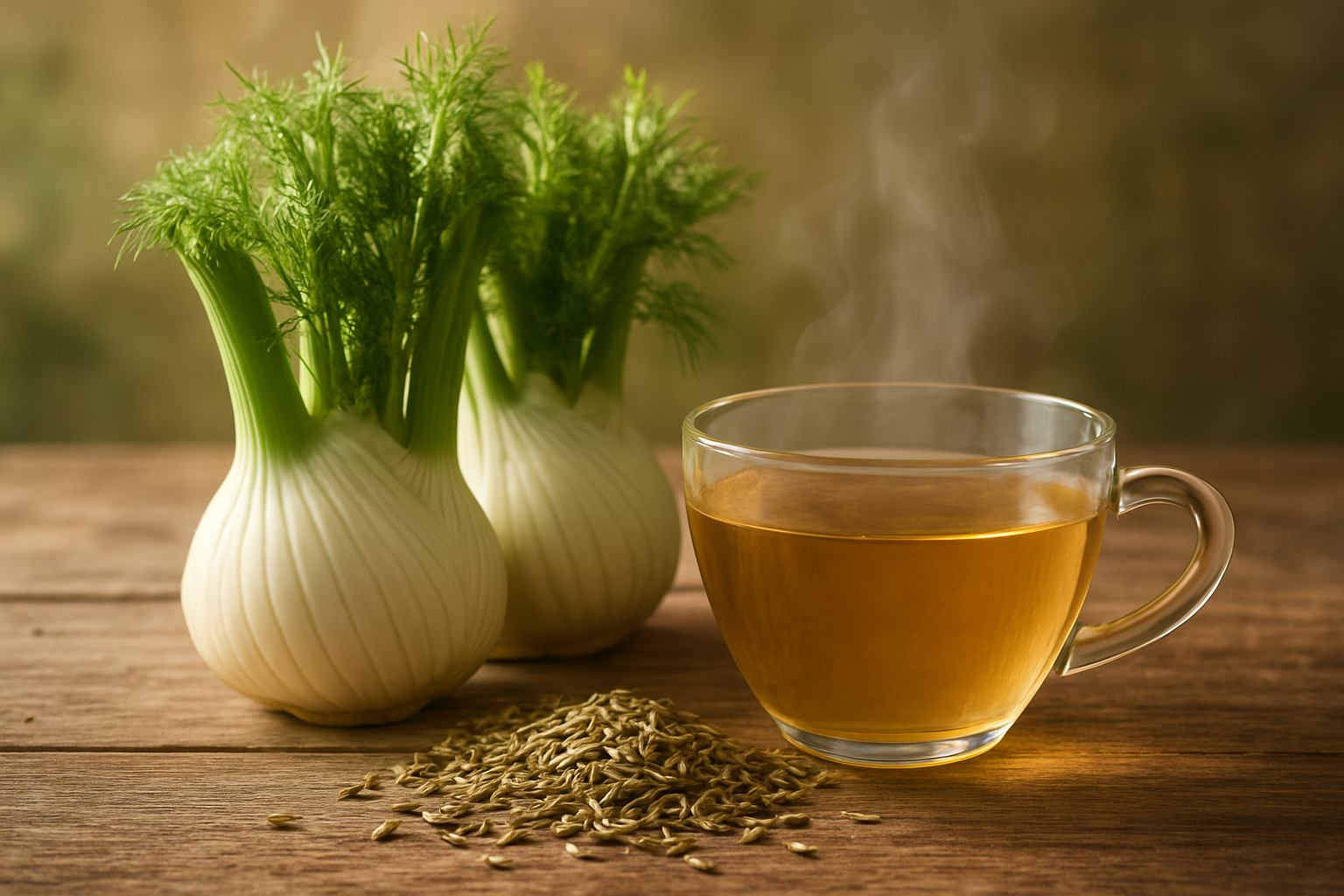
Fennel tea comes from the seeds of Foeniculum vulgare, a flowering plant that belongs to the carrot family. This aromatic herb grows wild across the Mediterranean region and has been cultivated for thousands of years. The plant produces feathery, thread-like leaves and umbrella-shaped clusters of tiny yellow flowers that eventually develop into the oval-shaped seeds we use for tea.
You’ll find two main varieties of fennel: sweet fennel (F. vulgare var. dulce) and bitter fennel (F. vulgare var. vulgare). Sweet fennel seeds create a milder, more pleasant-tasting tea, while bitter fennel produces a stronger, more medicinal brew. The seeds themselves are small, ribbed, and greenish-brown, releasing their distinctive licorice-like aroma when crushed.
What makes fennel seeds perfect for tea-making is their volatile oil content, which ranges from 2-6% depending on the variety and growing conditions. These oils contain the compounds that give fennel tea its characteristic flavor and therapeutic properties.
Traditional uses across different cultures
Ancient civilizations recognized fennel’s medicinal value long before modern science could explain why it worked. Egyptian papyrus scrolls from 1500 BCE mention fennel as a digestive aid, while Roman soldiers carried fennel seeds to combat hunger during long marches.
Greek mythology tells us that Prometheus used a fennel stalk to steal fire from the gods, highlighting the plant’s sacred status in ancient culture. Greek physicians like Hippocrates prescribed fennel for nursing mothers to increase milk production, a practice that continues in many cultures today.
Traditional Chinese Medicine classifies fennel as a warming herb that strengthens the digestive system. Chinese practitioners have used it for over 2,000 years to treat stomach pain, nausea, and intestinal gas. They often combine fennel with other herbs like ginger and cardamom for enhanced digestive benefits.
In India, fennel seeds (known as saunf) are commonly chewed after meals to freshen breath and aid digestion. Indian mothers traditionally give fennel water to colicky babies, while Ayurvedic medicine uses it to balance the three doshas, particularly vata and pitta.
European folk medicine embraced fennel for treating everything from eye infections to snake bites. Medieval herbalists called it “marathon” after the Greek battlefield where fennel grew wild, believing it gave warriors strength and courage.
Key active compounds that provide health benefits
Fennel seeds contain a complex mixture of bioactive compounds that work together to create their therapeutic effects. The most important group is the volatile oils, which make up the essential oil fraction of the seeds.
Primary volatile compounds include:
- Anethole (50-70%): The main component responsible for fennel’s sweet, licorice-like taste and many of its digestive benefits
- Fenchone (10-20%): Contributes to the herb’s antispasmodic and anti-inflammatory properties
- Estragole (2-5%): Adds to the complex flavor profile and provides antimicrobial effects
- Limonene (1-3%): Offers antioxidant and mood-enhancing properties
Beyond essential oils, fennel seeds pack impressive amounts of flavonoids, including quercetin, kaempferol, and rutin. These compounds act as powerful antioxidants, protecting your cells from free radical damage and supporting overall health.
The seeds also contain phenolic acids like rosmarinic acid and chlorogenic acid, which contribute to fennel’s anti-inflammatory and antimicrobial properties. These compounds work synergistically with the volatile oils to create fennel tea’s wide range of health benefits.
Minerals present in significant amounts include potassium, calcium, magnesium, and iron, while vitamins A and C add to the nutritional profile. This rich chemical composition explains why fennel tea has maintained its reputation as a healing beverage across cultures and centuries.
Proven Health Benefits of Fennel Tea
Digestive Health Improvement and Bloating Relief
Fennel tea works like a gentle massage for your digestive system, offering relief when your stomach feels uncomfortable or distended. The active compounds in fennel seeds, particularly anethole and fenchone, help relax the smooth muscles in your digestive tract, reducing spasms that cause cramping and bloating.
When you drink fennel tea after meals, it stimulates the production of digestive enzymes and bile, making it easier for your body to break down food efficiently. This natural digestive aid prevents food from sitting too long in your stomach, which often leads to that uncomfortable bloated feeling.
Fennel tea also acts as a carminative, meaning it helps expel trapped gas from your intestines. The warm liquid combined with fennel’s natural properties encourages the release of gas bubbles that cause pressure and discomfort. Many people find that sipping fennel tea slowly after heavy meals provides almost immediate relief from digestive distress.
The anti-inflammatory properties in fennel can soothe irritated intestinal walls, making it particularly helpful for people with sensitive digestive systems or conditions like irritable bowel syndrome (IBS). Regular consumption may help establish better digestive patterns and reduce the frequency of uncomfortable episodes.
Hormonal Balance Support for Women
Women have turned to fennel tea for centuries to help manage hormonal fluctuations and related symptoms. The plant contains phytoestrogens, which are natural compounds that can mimic estrogen’s effects in the body, though in a much gentler way than synthetic hormones.
During menstruation, fennel tea may help reduce the intensity of cramps by relaxing uterine muscles. The antispasmodic properties that help with digestive issues work similarly on reproductive organs, potentially easing the sharp pains many women experience during their cycles.
For women going through menopause, fennel tea might offer some relief from hot flashes and mood swings. The phytoestrogens can help bridge the gap when natural estrogen levels drop, though the effects are typically mild and vary from person to person.
New mothers often use fennel tea to support milk production during breastfeeding. The galactagogue properties in fennel seeds may help increase milk supply, though nursing mothers should consult healthcare providers before adding fennel tea to their routine, as it can pass through breast milk to babies.
Women with polycystic ovary syndrome (PCOS) sometimes find fennel tea helpful for managing symptoms related to insulin sensitivity and hormonal imbalances, though more research is needed to fully understand these benefits.
Antioxidant Protection Against Cellular Damage
Fennel tea delivers a powerful dose of antioxidants that help protect your cells from oxidative stress caused by free radicals. These unstable molecules can damage cell membranes, DNA, and proteins, contributing to premature aging and various health problems.
The tea contains flavonoids like quercetin and kaempferol, which neutralize free radicals before they can cause cellular harm. These compounds also support your body’s natural antioxidant systems, enhancing your overall defense against oxidative damage.
Vitamin C present in fennel tea works alongside other antioxidants to boost immune function and support collagen production for healthy skin. The combination of different antioxidant compounds creates a synergistic effect, providing more comprehensive protection than any single antioxidant could offer alone.
Regular consumption of fennel tea may help reduce inflammation markers in the body, which is important because chronic inflammation is linked to many serious health conditions. The antioxidants help calm inflammatory responses and support cellular repair processes.
Some studies suggest that the antioxidant activity in fennel may help protect against certain types of cellular mutations, though more human research is needed to confirm these protective effects.
Respiratory Health and Congestion Relief
Fennel tea acts as a natural expectorant, helping loosen mucus and phlegm that can clog your respiratory system. When you’re dealing with a cold, allergies, or respiratory congestion, the warm steam from fennel tea provides immediate relief while the active compounds work to clear your airways.
The antimicrobial properties in fennel may help fight respiratory infections by targeting bacteria and viruses that cause upper respiratory symptoms. Drinking fennel tea regularly during cold season might help reduce the severity and duration of respiratory illnesses.
Anethole, the primary compound responsible for fennel’s licorice-like taste, has bronchodilator effects that can help open up airways. This makes breathing easier when you’re dealing with chest congestion or mild respiratory restrictions.
The anti-inflammatory effects of fennel tea can reduce swelling in nasal passages and throat tissues, providing relief from stuffiness and soreness. Many people find that gargling with cooled fennel tea helps soothe throat irritation and reduce coughing.
For people with seasonal allergies, fennel tea might help manage symptoms by reducing inflammatory responses to allergens. The natural antihistamine properties can provide gentle relief without the drowsiness associated with some over-the-counter medications.
Potential Risks and Side Effects

Pregnancy and Breastfeeding Considerations
Pregnant and breastfeeding women should approach fennel tea with caution. The herb contains compounds called phytoestrogens, which can mimic estrogen in the body and potentially affect hormonal balance during these critical periods. Some studies suggest that high concentrations of fennel’s active compounds might stimulate uterine contractions, which could pose risks during pregnancy.
The estragole content in fennel has raised particular concerns among healthcare professionals. This compound, while present in small amounts, has shown potential carcinogenic properties in laboratory studies when consumed in large quantities over extended periods. Pregnant women are typically advised to limit their exposure to estragole-containing substances.
During breastfeeding, fennel tea presents a complex situation. While some cultures have traditionally used fennel to support milk production, the evidence remains mixed. The herb can pass through breast milk to the infant, potentially causing digestive upset or allergic reactions in sensitive babies. Nursing mothers should consult their healthcare provider before incorporating fennel tea into their routine, especially if consumed regularly or in large amounts.
Drug Interactions and Medical Contraindications
Fennel tea can interact with several medications, making it important to discuss its use with healthcare providers. The herb may enhance the effects of anticoagulant medications like warfarin, potentially increasing bleeding risks. People taking blood thinners should monitor their clotting times more closely if they choose to drink fennel tea regularly.
Individuals with hormone-sensitive conditions need special consideration. Fennel’s phytoestrogenic properties can potentially interfere with hormone replacement therapy or birth control pills. Women with conditions like breast cancer, ovarian cancer, endometriosis, or uterine fibroids should be particularly cautious, as the herb might stimulate hormone-sensitive tissues.
The herb can also affect blood sugar levels, which creates concerns for people with diabetes who take glucose-lowering medications. Fennel might amplify the hypoglycemic effects of diabetes drugs, leading to dangerously low blood sugar levels. Regular monitoring becomes essential for diabetic individuals who want to include fennel tea in their diet.
People with epilepsy or seizure disorders should avoid fennel tea entirely. The herb contains compounds that can potentially trigger seizures in susceptible individuals, particularly when consumed in concentrated forms or large quantities.
Allergic Reactions and Sensitivity Symptoms
Fennel allergies, while not extremely common, can range from mild to severe. People with existing allergies to plants in the carrot family (Apiaceae) face higher risks of cross-reactivity with fennel. This family includes celery, carrots, dill, coriander, and parsley. If you’ve experienced reactions to any of these foods, approach fennel tea with extra caution.
Initial signs of fennel sensitivity often appear as digestive symptoms. These might include nausea, stomach cramping, diarrhea, or bloating after consuming the tea. Some people experience mouth tingling or throat irritation, particularly when drinking strong preparations of fennel tea.
More serious allergic reactions can involve skin symptoms like hives, rashes, or eczema flare-ups. Respiratory symptoms including wheezing, difficulty breathing, or chest tightness require immediate medical attention. In rare cases, fennel can trigger anaphylaxis, a life-threatening allergic reaction that demands emergency treatment.
Contact dermatitis can occur in sensitive individuals who handle fresh fennel or even come into contact with concentrated fennel preparations. The skin reaction typically appears as redness, itching, or small blisters where contact occurred.
People with known allergies to birch pollen might also experience oral allergy syndrome when consuming fennel tea. This condition causes mouth and throat itching due to cross-reactive proteins between the pollen and the herb.
Step-by-Step Preparation Methods
Selecting Quality Fennel Seeds or Tea Bags
High-quality fennel seeds make all the difference in your tea’s flavor and health benefits. Look for seeds that are plump, uniform in size, and display a fresh green or yellowish-brown color. Avoid seeds that appear dull, shriveled, or have dark spots, as these indicate age or poor storage conditions. Fresh fennel seeds should have a sweet, licorice-like aroma when crushed between your fingers.
When buying whole seeds, organic varieties from reputable spice merchants or health food stores typically offer the best quality. Seeds sold in bulk bins allow you to inspect them closely before purchasing. For convenience, pre-packaged fennel tea bags are available, but check the ingredient list to ensure they contain pure fennel without unnecessary additives or artificial flavors.
Store-bought fennel tea bags vary significantly in quality. Premium brands often use whole or coarsely crushed seeds, while cheaper options may contain fennel dust or heavily processed material that lacks potency. Read reviews and choose brands that specify the source and processing methods of their fennel.
Proper Brewing Techniques for Maximum Potency
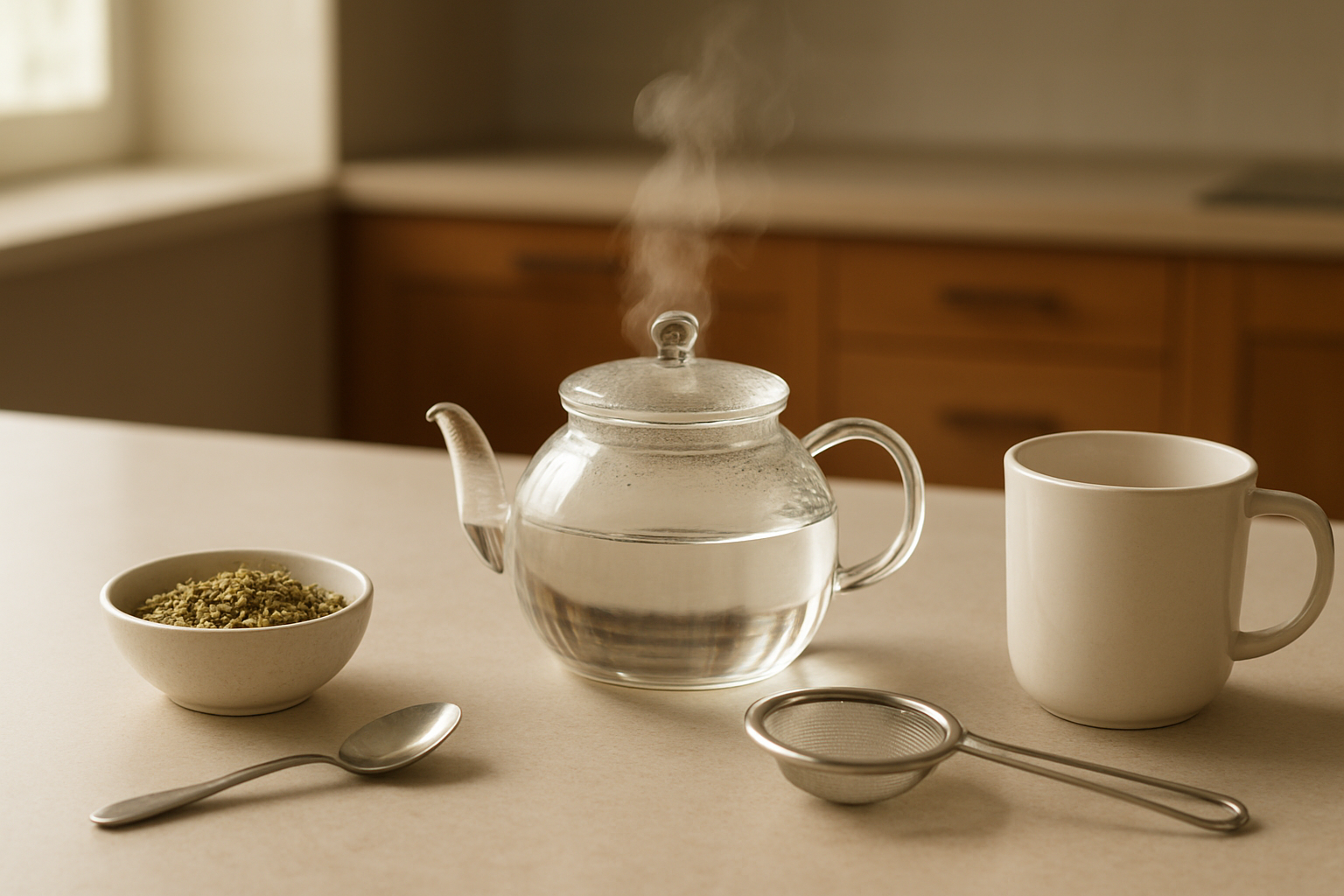
The secret to extracting fennel’s beneficial compounds lies in proper brewing technique. Use one teaspoon of crushed fennel seeds per cup of water, or adjust to taste preference. Crushing the seeds lightly with the flat side of a knife or mortar and pestle releases essential oils more effectively than using whole seeds.
Bring water to a rolling boil, then remove from heat and add the crushed fennel seeds. Cover the container immediately to prevent volatile oils from escaping through steam. Steep for 10-15 minutes for optimal extraction of both flavor and therapeutic compounds. Longer steeping times intensify the tea’s potency but may introduce slight bitterness.
For tea bags, use the same steeping time but gently press the bag against the cup’s side during the final minutes to extract remaining essence. Never squeeze aggressively, as this can release tannins that create unwanted bitterness.
Cold brewing offers an alternative method that produces a milder flavor profile. Combine fennel seeds with room temperature water and refrigerate for 6-8 hours, then strain before serving.
Optimal Serving Temperature and Timing
Fennel tea delivers maximum benefits when consumed at specific temperatures and times. Serve the tea hot but not scalding – around 140-160°F (60-71°C) provides the perfect balance of comfort and compound absorption. This temperature range preserves heat-sensitive nutrients while remaining pleasant to drink.
Timing your fennel tea consumption strategically enhances its effects:
- After meals: Drink 20-30 minutes post-meal to support digestion and reduce bloating
- Between meals: Mid-morning or mid-afternoon servings can curb appetite and provide gentle energy
- Evening: A warm cup 1-2 hours before bedtime may promote relaxation and better sleep quality
- Morning: Start your day with fennel tea on an empty stomach for detoxifying benefits
Avoid drinking fennel tea immediately before meals, as it may interfere with nutrient absorption. Space your tea consumption at least 30 minutes away from taking medications or supplements to prevent potential interactions.
Storage Tips to Maintain Freshness
Proper storage preserves fennel’s essential oils and prevents deterioration. Store whole fennel seeds in airtight glass containers away from direct sunlight, heat, and moisture. A cool, dry pantry or spice cabinet works perfectly. Glass containers prevent flavor contamination better than plastic, which can absorb and transfer odors.
Whole seeds maintain their potency for 2-3 years when stored correctly, while ground fennel loses its strength within 6-12 months. Label containers with purchase dates to track freshness. Pre-made tea bags should remain in their original packaging until use, then transfer to airtight containers if the original packaging doesn’t seal properly.
Refrigeration isn’t necessary for dried fennel seeds and may actually introduce moisture that degrades quality. However, if you live in an extremely humid climate, storing seeds in the refrigerator in airtight containers can prevent mold growth.
Check your fennel supply regularly for signs of deterioration: faded color, musty odors, or visible moisture indicate it’s time to replace your stock. Fresh fennel should smell sweet and aromatic – if the scent is weak or absent, the seeds have lost their potency and therapeutic value.
Maximizing Your Fennel Tea Experience
Best Times of Day to Drink for Specific Benefits
The timing of your fennel tea consumption can significantly impact its effectiveness for different health goals. For digestive support, drink a warm cup 20-30 minutes after meals to help reduce bloating, gas, and indigestion. The carminative compounds in fennel work best when they can interact with food already in your digestive system.
Morning consumption on an empty stomach offers different advantages. A cup first thing in the morning can help kickstart your metabolism and provide gentle detoxification support. The tea’s mild diuretic properties make morning the ideal time for those seeking to reduce water retention.
For sleep-related benefits, enjoy fennel tea 1-2 hours before bedtime. The herb’s natural relaxation properties, combined with its ability to ease digestive discomfort, can promote better sleep quality. Avoid drinking it too close to bedtime if you’re sensitive to its diuretic effects.
Women experiencing menstrual discomfort should consider drinking fennel tea throughout the day during their cycle, with particular emphasis on mid-afternoon when cramping often peaks. The phytoestrogens in fennel seeds can help balance hormones and reduce menstrual pain.
Recommended Daily Dosage Guidelines
Safe fennel tea consumption varies based on individual tolerance and health goals. Most adults can safely consume 1-3 cups daily without adverse effects. Each cup should be brewed using 1-2 teaspoons of crushed fennel seeds steeped for 10-15 minutes.
For digestive issues, start with one cup after your largest meal and gradually increase to two cups if needed. Those using fennel tea for hormonal support should limit intake to 2 cups daily, as excessive consumption of phytoestrogens may disrupt natural hormone balance.
Pregnant women should consult healthcare providers before regular consumption, as fennel contains compounds that may stimulate uterine contractions. Nursing mothers can typically enjoy 1-2 cups daily, as fennel traditionally supports milk production, but moderation remains key.
Children over 12 can safely consume diluted fennel tea (half the adult concentration) in smaller quantities. Always introduce new herbal teas gradually to monitor for any allergic reactions or sensitivities.
Flavor Enhancement with Natural Additions
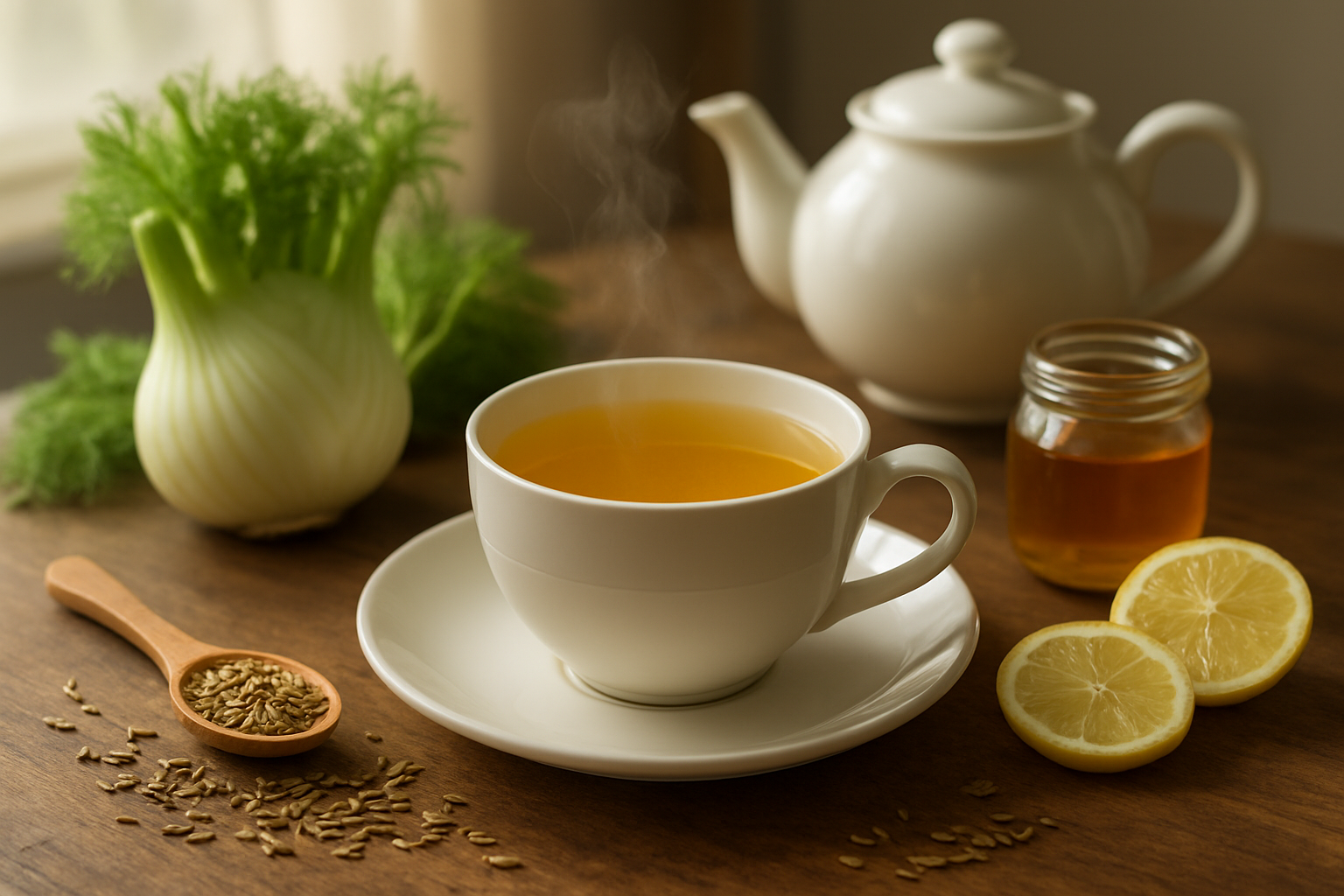
Fennel’s naturally sweet, licorice-like flavor pairs beautifully with various complementary ingredients. Honey remains the most popular sweetener, as its antimicrobial properties enhance fennel’s digestive benefits while mellowing any bitter notes.
Citrus additions create refreshing variations. Fresh lemon juice brightens the flavor profile and adds vitamin C, while orange peel contributes natural oils that complement fennel’s aromatic compounds. Grated fresh ginger transforms fennel tea into a powerful digestive aid with warming properties perfect for cold weather.
Mint leaves create a cooling, refreshing blend that’s particularly enjoyable iced. The combination works exceptionally well for digestive comfort and breath freshening. For a more complex flavor profile, try adding cardamom pods or cinnamon sticks during brewing.
Creative combinations include chamomile for enhanced relaxation benefits, or green tea for antioxidant power. Rose petals add floral notes and additional antioxidants, creating an elegant evening tea. Always add delicate ingredients like herbs during the final minutes of steeping to prevent bitter flavors from over-extraction.
Fennel tea offers a wonderful blend of flavor and health benefits that make it worth adding to your daily routine. From supporting digestion and reducing bloating to potentially helping with menstrual discomfort and respiratory issues, this aromatic herbal tea has earned its place in traditional medicine for good reason. The antioxidants and anti-inflammatory compounds in fennel can contribute to your overall wellness when enjoyed regularly.
While fennel tea is generally safe for most people, remember to start with small amounts if you’re new to it, especially if you’re pregnant, breastfeeding, or taking medications. The beauty of fennel tea lies in its simplicity – just steep the seeds in hot water for 5-10 minutes and you’re ready to enjoy. Try different preparation methods and find what works best for your taste preferences. Give fennel tea a try and see how this gentle, natural remedy can support your health goals while providing a soothing, flavorful experience.