Going gluten-free can feel overwhelming at first, but with the right guidance, it becomes second nature. This comprehensive guide to going gluten-free is designed for anyone newly diagnosed with celiac disease, those with gluten sensitivity, or people simply wanting to explore a gluten-free lifestyle for health reasons.
You’ll learn what gluten actually is and why avoiding it matters for your health. We’ll walk you through the essential first steps of your gluten-free journey, from cleaning out your pantry to reading food labels like a pro. You’ll also discover how to navigate grocery shopping with confidence, master gluten-free cooking techniques, and tackle common challenges that trip up beginners.
The heart of this guide features a complete 7-day gluten-free meal plan with breakfast, lunch, dinner, and snack ideas that actually taste great. No more wondering what to eat or worrying about accidentally consuming gluten – you’ll have everything you need to start your gluten-free journey successfully.
Understanding Gluten and Why People Avoid It
What gluten is and where it’s commonly found
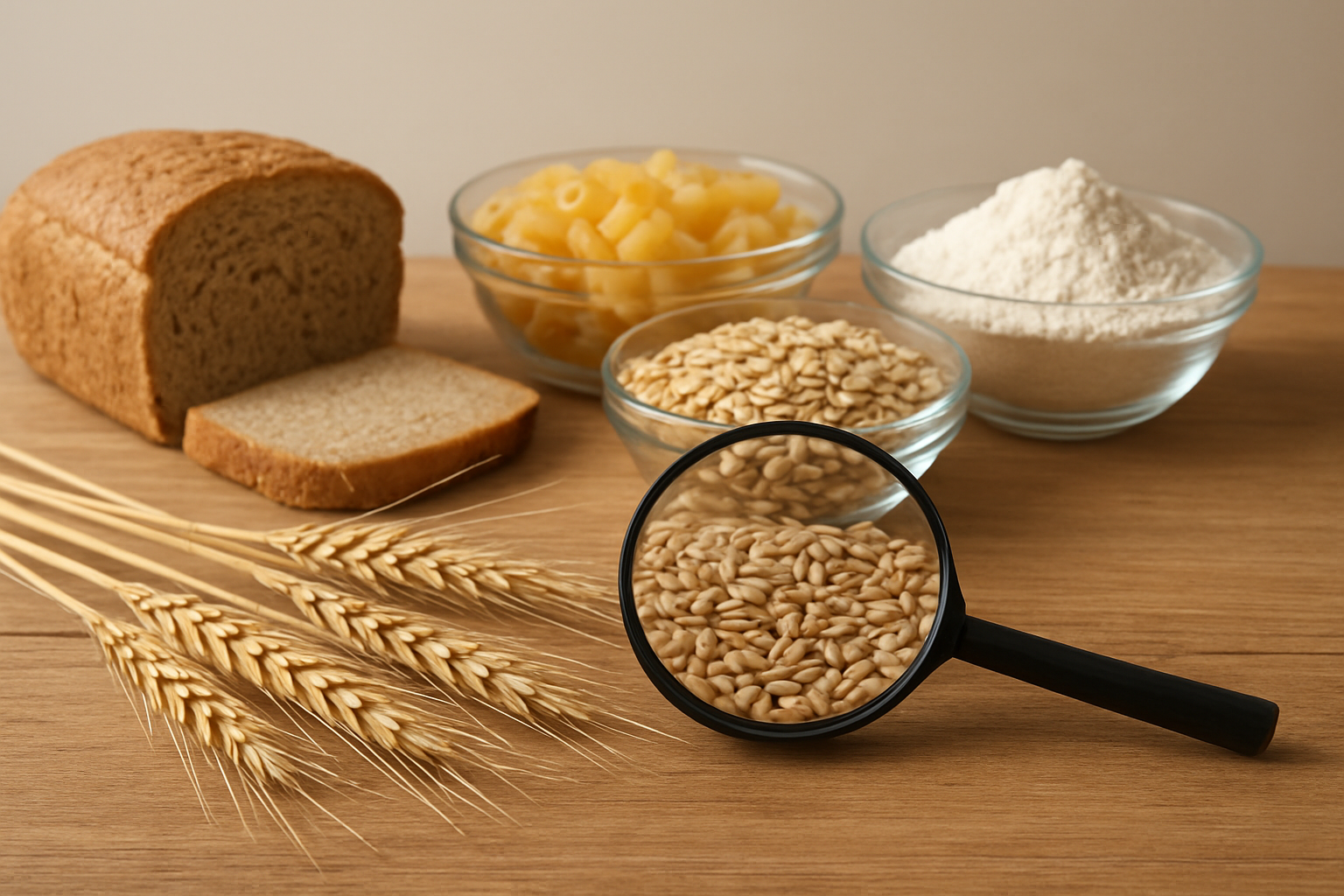
Gluten is a group of proteins found naturally in wheat, barley, rye, and triticale (a cross between wheat and rye). These proteins act like glue, giving bread and other baked goods their stretchy, chewy texture. When you knead bread dough and feel it becoming elastic, that’s gluten working its magic.
You’ll find gluten hiding in more foods than you might expect. Obviously, bread, pasta, pizza, and cereals contain gluten, but it also appears in:
- Soy sauce and salad dressings
- Beer and some alcoholic beverages
- Processed meats like hot dogs and deli meats
- Soups and soup mixes
- Candy and chocolate bars
- Seasoning blends and spice mixes
- Imitation seafood and meat substitutes
Many processed foods use wheat flour as a thickener or filler, making gluten surprisingly common in packaged foods. Even oats can contain gluten through cross-contamination during processing, unless specifically labeled gluten-free.
Medical reasons for going gluten-free
The most serious medical reason to avoid gluten is celiac disease, an autoimmune condition affecting about 1% of the population. When people with celiac disease eat gluten, their immune system attacks the small intestine’s lining, causing damage that prevents proper nutrient absorption. Symptoms include digestive issues, fatigue, weight loss, and skin problems.
Non-celiac gluten sensitivity affects another 6% of people. These individuals experience similar symptoms to celiac disease—bloating, stomach pain, headaches, and brain fog—but without the intestinal damage. The symptoms typically improve when gluten is removed from their diet.
Wheat allergy is different from both conditions. People with wheat allergies have an immune response specifically to wheat proteins, which can cause hives, difficulty breathing, or even anaphylaxis in severe cases.
Potential benefits for non-celiac individuals
Some people without celiac disease or gluten sensitivity report feeling better on a gluten-free diet. These potential benefits might include:
- Improved digestion: Reducing processed foods often means eating more whole foods, which can ease digestive discomfort
- Increased energy: Some people experience less fatigue when avoiding gluten-containing processed foods
- Better focus: Eliminating foods that cause inflammation might help with mental clarity
- Weight management: Gluten-free diets often lead to eating fewer processed snacks and refined carbohydrates
However, these benefits might come from eating a cleaner diet overall rather than avoiding gluten specifically. Many gluten-containing foods are highly processed, so removing them naturally leads to healthier food choices.
Common misconceptions about gluten-free diets
Several myths surround gluten-free eating that can mislead people starting this lifestyle:
“Gluten-free automatically means healthier” – This isn’t true. Many gluten-free products are highly processed and contain more sugar, fat, and calories than their gluten-containing counterparts. A gluten-free cookie is still a cookie.
“Gluten-free foods help with weight loss” – Weight loss happens when you eat fewer calories than you burn, regardless of gluten content. Some people lose weight because they cut out processed foods, not because they avoided gluten.
“Everyone should go gluten-free” – For people without celiac disease or gluten sensitivity, whole grains containing gluten provide important nutrients like fiber, B vitamins, and iron.
“Gluten-free diets are naturally nutritious” – Without careful planning, gluten-free diets can lack fiber, iron, and B vitamins typically found in fortified wheat products.
“Cross-contamination isn’t a big deal” – For people with celiac disease, even tiny amounts of gluten can trigger symptoms and intestinal damage. This makes reading labels and avoiding cross-contamination crucial.
Understanding these facts helps you make informed decisions about whether a gluten-free diet is right for your situation and health goals.
Essential Steps to Start Your Gluten-Free Journey
Getting Proper Medical Testing Before Making the Switch
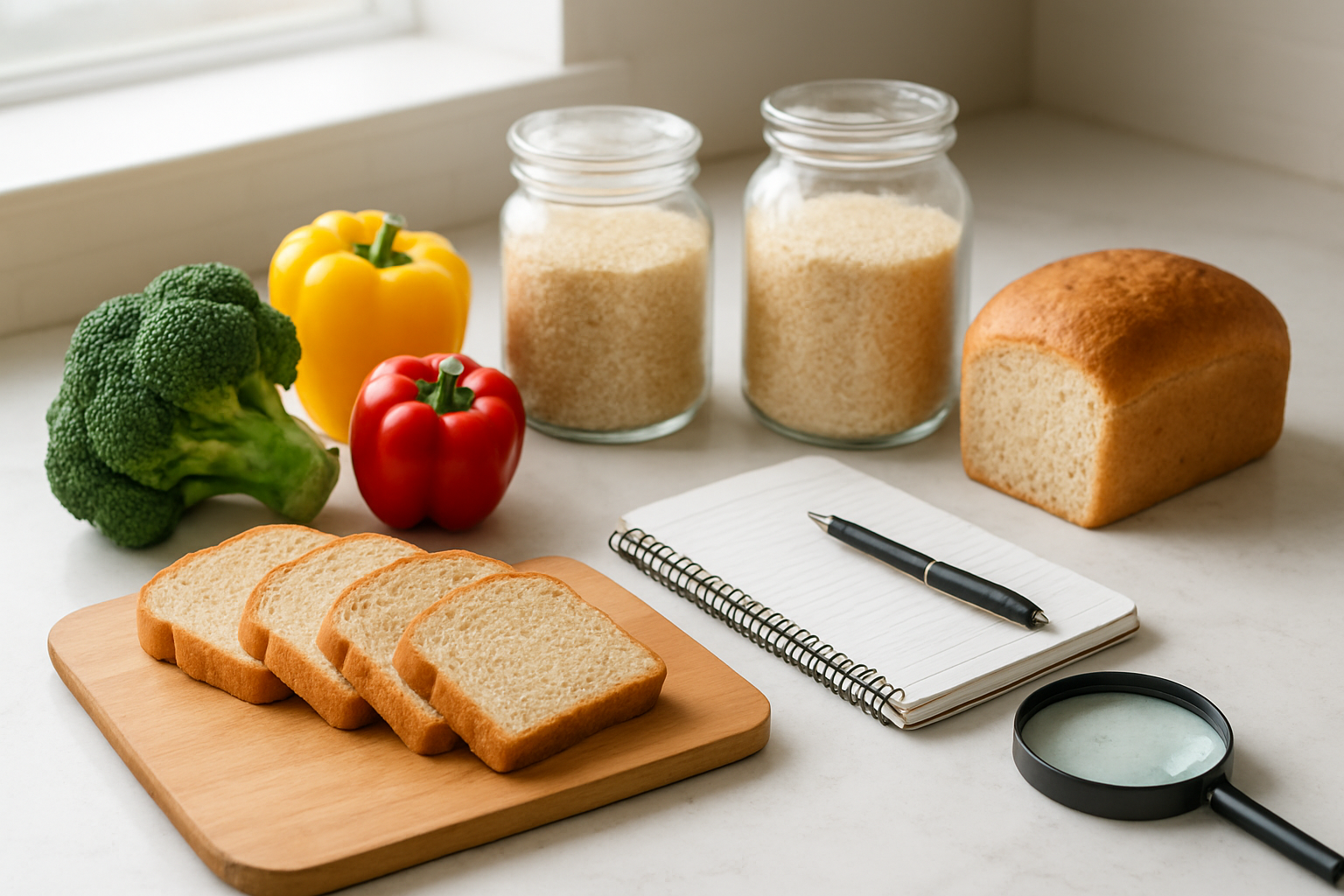
Before diving headfirst into gluten-free living, getting proper medical testing should be your first priority. If you suspect celiac disease or non-celiac gluten sensitivity, testing while you’re still eating gluten gives doctors the most accurate results. Blood tests looking for specific antibodies and genetic markers work best when gluten is actively present in your system.
The gold standard for celiac diagnosis involves both blood work and an intestinal biopsy. Your doctor will check for elevated levels of tissue transglutaminase antibodies (tTG-IgA) and other markers. If these come back positive, they’ll likely recommend an endoscopic biopsy to examine your small intestine for damage.
Don’t go gluten-free before testing – this can lead to false negatives and make diagnosis nearly impossible. You’ll need to consume gluten regularly for at least 6-8 weeks before testing to ensure accurate results. This waiting period feels frustrating when you’re experiencing symptoms, but getting a proper diagnosis affects your long-term health management and helps you understand whether you need strict avoidance or can handle occasional exposure.
Even if tests come back negative for celiac disease, you might still have non-celiac gluten sensitivity. While there’s no definitive test for this condition, working with a healthcare provider or registered dietitian can help you determine if gluten elimination improves your symptoms through a structured elimination diet.
Learning to Read Food Labels Effectively
Food label reading becomes second nature once you know what to look for, but the learning curve can feel steep at first. The FDA requires manufacturers to clearly label wheat as one of the top eight allergens, making it easier to spot obvious gluten sources. However, gluten hides in many ingredients beyond wheat, so you’ll need to become familiar with its various forms.
Start by scanning the allergen statement at the bottom of ingredient lists. If it says “Contains: Wheat,” you know to avoid that product. But don’t stop there – barley, rye, and triticale aren’t required allergen disclosures, so you’ll need to read the full ingredient list carefully.
Look for these red flag ingredients that contain gluten:
- Wheat flour, wheat starch, wheat protein
- Barley malt, malt extract, malt flavoring
- Rye flour or rye bread
- Brewer’s yeast (unless specifically gluten-free)
- Wheat germ, wheat bran, bulgur
- Semolina, durum, spelt, kamut
The safest approach involves looking for products with certified gluten-free labels. These undergo third-party testing and must contain less than 20 parts per million of gluten. Many major brands now offer gluten-free versions of popular products, from pasta and bread to cookies and crackers.
Identifying Hidden Sources of Gluten in Everyday Products
Gluten sneaks into products you’d never suspect, making detective work an essential skill for successful gluten-free living. Beyond obvious sources like bread and pasta, gluten appears in seasonings, sauces, medications, and even personal care products that might end up in your mouth.
Soy sauce traditionally contains wheat, though tamari offers a gluten-free alternative. Many salad dressings use wheat as a thickener, and flavored chips often contain malt flavoring derived from barley. Even medications and vitamins can use gluten-containing fillers or binding agents.
Cross-contamination presents another major challenge. Oats naturally don’t contain gluten, but conventional oats often get contaminated during growing, harvesting, or processing alongside wheat. Always choose certified gluten-free oats to stay safe.
Restaurant dining requires extra vigilance. French fries might seem safe, but many restaurants use shared fryers or add wheat flour for crispiness. Grilled items can pick up gluten from shared cooking surfaces, and even naturally gluten-free foods like rice can become contaminated through preparation methods.
Personal care products deserve attention too. Lipstick, lip balm, and toothpaste sometimes contain gluten-derived ingredients. While topical exposure through shampoo or lotion typically doesn’t cause issues for most people with celiac disease, products that might be ingested require careful checking.
Create a mental database of trusted brands and products. Many companies maintain gluten-free product lists on their websites, making shopping easier once you know which brands prioritize clear labeling and safe manufacturing practices.
Navigating Gluten-Free Shopping and Food Choices
Best Gluten-Free Alternatives for Bread, Pasta, and Grains
Finding great substitutes for your favorite wheat-based foods doesn’t have to be overwhelming. For bread lovers, almond flour and coconut flour breads offer rich flavors and satisfying textures. Many people swear by sourdough made from gluten-free flours, which provides that tangy taste you miss from traditional bread. Cauliflower bread has gained popularity for those watching carbs, while rice-based breads work well for sandwiches.
Pasta alternatives have come a long way from the mushy options of the past. Brown rice pasta closely mimics traditional wheat pasta and holds sauces beautifully. Chickpea and lentil pastas pack extra protein and fiber, making meals more nutritious. For a lighter option, zucchini noodles or spaghetti squash create satisfying bases for your favorite sauces.
Quinoa stands out as a complete protein grain substitute, perfect for salads and side dishes. Wild rice adds nutty flavor and chewy texture to meals. Buckwheat, despite its name, contains no wheat and makes excellent pancakes and porridge. Millet works wonderfully in both sweet and savory dishes, while amaranth can be popped like tiny popcorn for a crunchy snack.
Naturally Gluten-Free Whole Foods to Prioritize
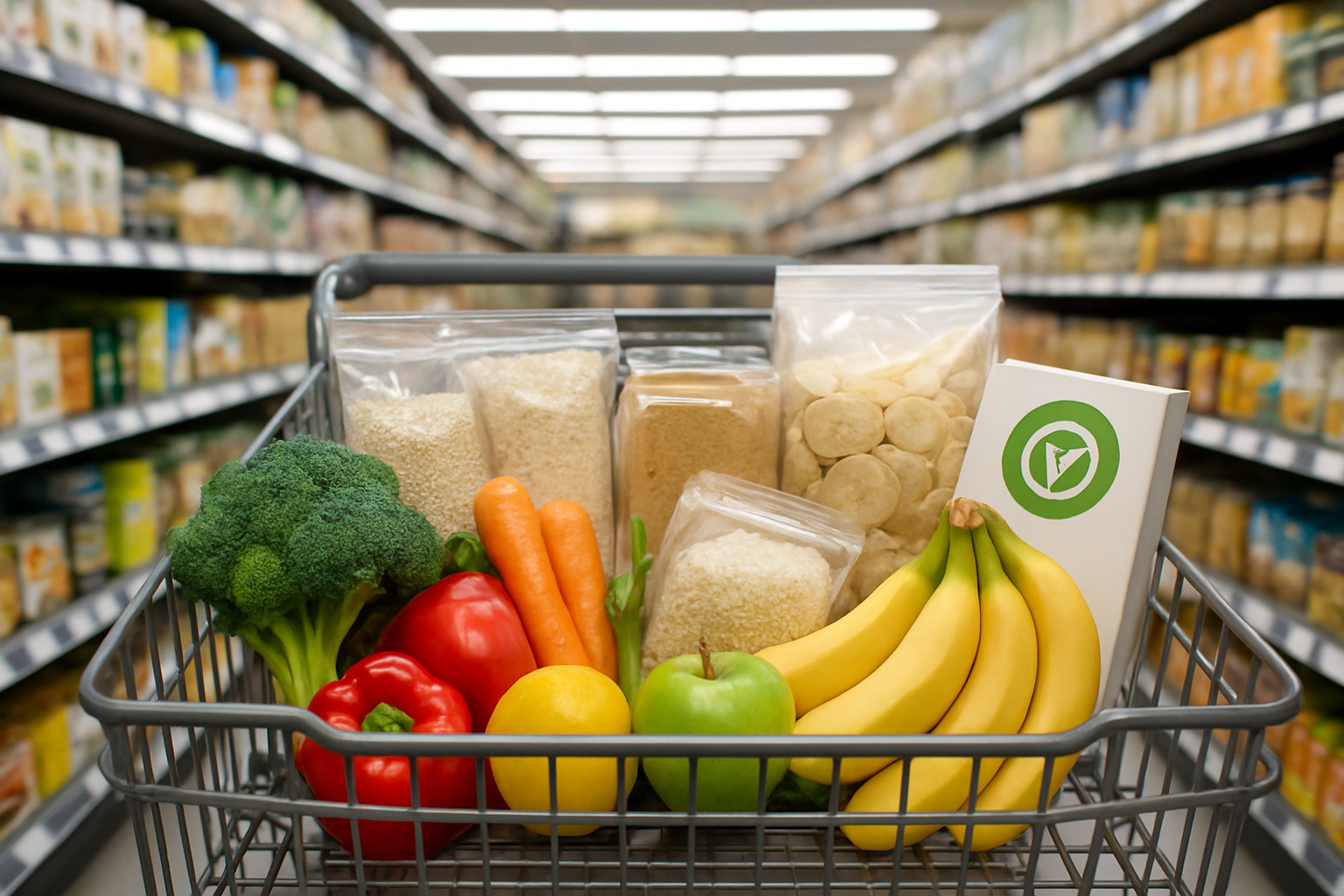
Building your diet around naturally gluten-free whole foods makes shopping simpler and meals more nutritious. Fresh fruits and vegetables should form the foundation of your gluten-free lifestyle. These powerhouse foods provide essential vitamins, minerals, and fiber without any worry about hidden gluten.
Lean proteins like chicken, fish, beef, and turkey are naturally gluten-free and versatile for countless recipes. Eggs serve as both protein sources and binding agents in gluten-free baking. Nuts and seeds offer healthy fats and protein – almonds, walnuts, chia seeds, and flaxseeds can be ground into flours for baking or enjoyed as snacks.
Dairy products like milk, cheese, and plain yogurt are safe choices, though always check flavored varieties for gluten-containing additives. Legumes including beans, lentils, and chickpeas provide plant-based protein and fiber while being budget-friendly staples.
| Food Category | Top Choices | Benefits |
|---|---|---|
| Proteins | Chicken, fish, eggs | Complete amino acids |
| Grains | Quinoa, rice, millet | Energy and B vitamins |
| Vegetables | Leafy greens, root vegetables | Vitamins, minerals, fiber |
| Fruits | Berries, apples, citrus | Antioxidants, vitamin C |
Trusted Gluten-Free Brands and Product Recommendations
Several brands have earned loyal followings for their consistent quality and taste. King Arthur Baking Company offers reliable gluten-free flour blends that work well in most recipes. Their measure-for-measure flour can replace all-purpose flour in many traditional recipes without major adjustments.
Canyon Bakehouse produces some of the best gluten-free breads available, with options ranging from white to multigrain. Their products stay fresh longer than many competitors and don’t require freezing immediately after purchase. Tinkyada brown rice pasta consistently receives praise for its texture and ability to hold up during cooking.
For snacks, Mary’s Gone Crackers creates satisfying options made from whole grains and seeds. Simple Mills offers almond flour crackers and baking mixes that taste remarkably close to conventional versions. Enjoy Life specializes in allergy-friendly products, making them perfect for people with multiple food sensitivities.
Bob’s Red Mill provides an extensive range of gluten-free flours, oats, and baking ingredients. Their products are clearly labeled and rigorously tested for gluten contamination. Ancient Harvest offers quinoa-based products including pasta, hot cereals, and quinoa flakes for baking.
Smart Grocery Shopping Strategies and Budget Tips
Shopping gluten-free on a budget requires strategy, but it’s absolutely doable. Buy naturally gluten-free whole foods in bulk – rice, quinoa, dried beans, and nuts cost less per pound when purchased in larger quantities. Many stores offer bulk bins where you can buy exactly what you need while saving money.
Generic store brands now offer quality gluten-free options at lower prices than name brands. Trader Joe’s, Whole Foods 365, and Target’s Good & Gather lines provide affordable alternatives without sacrificing taste or safety. Always compare prices per ounce rather than package prices to find the best deals.
Stock up during sales and use manufacturer coupons, which many gluten-free brands offer on their websites. Join store loyalty programs that offer special discounts on gluten-free products. Some grocery stores designate certain days for additional discounts on specialty diet items.
Focus your spending on versatile ingredients that work in multiple recipes. A good gluten-free flour blend, rice, quinoa, and basic seasonings can create countless meals. Frozen vegetables and fruits cost less than fresh and work perfectly in soups, stir-fries, and smoothies.
Plan meals around seasonal produce and sale items. Batch cooking saves both time and money – prepare large portions of soups, stews, and casseroles that freeze well for busy weeks ahead.
Mastering Gluten-Free Cooking and Meal Preparation
Essential gluten-free flours and their uses
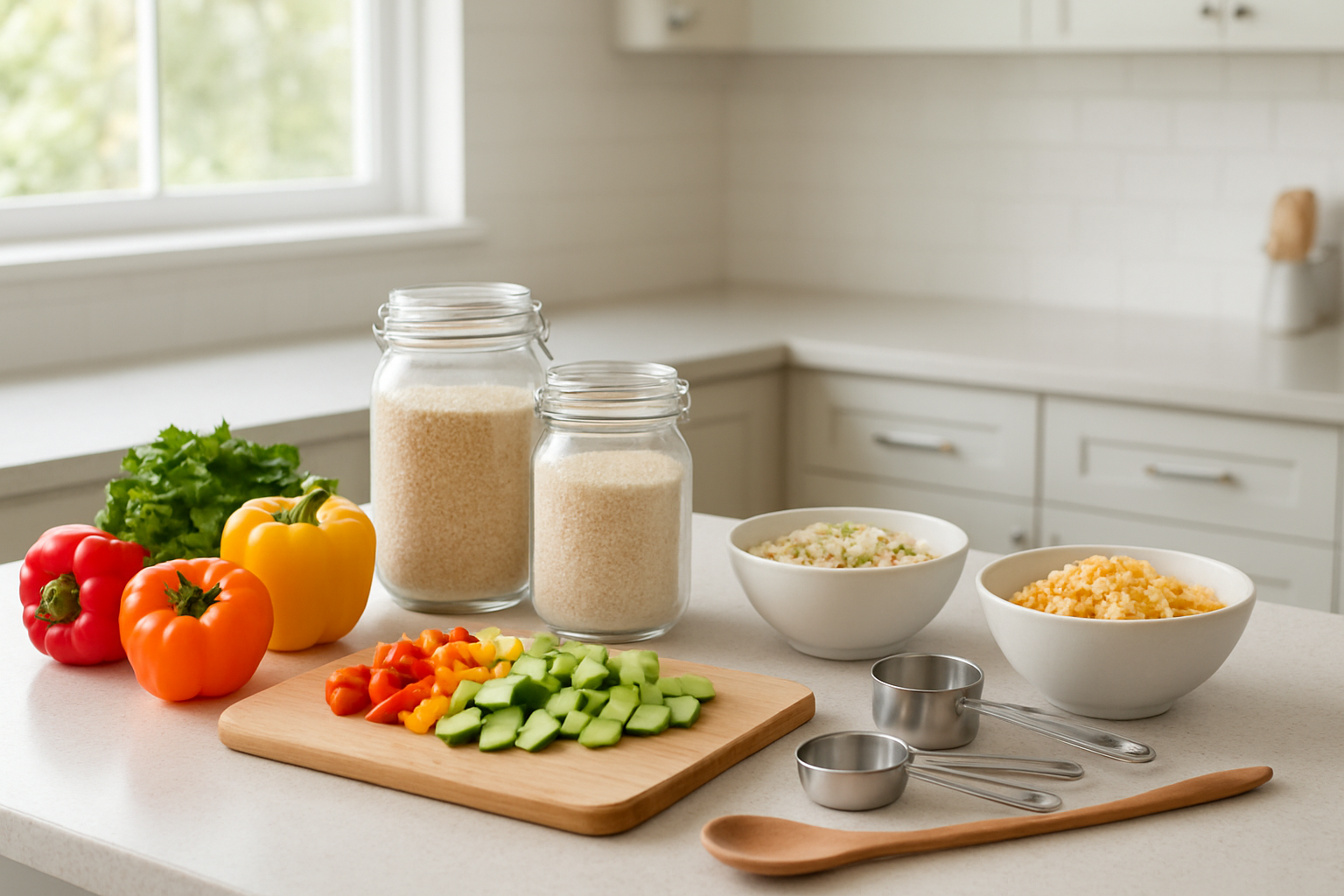
The world of gluten-free flours can feel overwhelming at first, but understanding the basics makes all the difference in your cooking success. Rice flour serves as the most versatile foundation – white rice flour works perfectly for light, crispy coatings and delicate baked goods, while brown rice flour adds nutty depth to heartier recipes like muffins and pancakes.
Almond flour brings moisture and richness to your baking, making it ideal for cookies, cakes, and bread recipes where you want that tender crumb. Coconut flour absorbs liquid like a sponge, so you’ll need less of it – typically just one-quarter the amount compared to wheat flour. This makes it perfect for dense, moist treats like brownies or quick breads.
For binding power, tapioca starch and potato starch work wonders. They create that stretchy, chewy texture you miss in gluten-free breads and help thicken sauces beautifully. Chickpea flour (also called besan) brings protein and a slightly nutty flavor that works brilliantly in savory applications like fritters, flatbreads, or as an egg replacer in vegan recipes.
| Flour Type | Best Uses | Key Properties |
|---|---|---|
| Rice Flour (White) | Tempura batter, delicate cakes | Light, neutral flavor |
| Rice Flour (Brown) | Hearty breads, muffins | Nutty, more fiber |
| Almond Flour | Cookies, macarons, coating | Moist, rich, protein-packed |
| Coconut Flour | Dense cakes, pancakes | Highly absorbent, sweet |
| Tapioca Starch | Bread, thickening | Chewy texture, clear |
| Chickpea Flour | Savory pancakes, binding | High protein, earthy |
Cross-contamination prevention in your kitchen
Creating a safe gluten-free kitchen environment requires some strategic thinking and organization. Start by designating separate storage areas for your gluten-free ingredients – even a dedicated shelf or cabinet section works well. Store gluten-free flours and grains in airtight containers clearly labeled to avoid mix-ups.
Your cooking tools need attention too. Wooden spoons, cutting boards, and porous surfaces can harbor gluten particles, so invest in separate sets for gluten-free cooking. Plastic containers that previously held gluten-containing foods should be replaced, as they can retain traces even after washing.
The toaster presents one of the biggest contamination risks in most kitchens. Crumbs from regular bread stick around and will contaminate your gluten-free toast. Get a separate toaster or use toaster bags designed for gluten-free bread. Similarly, shared condiment jars become contaminated when knives that touched regular bread dip back in – squeeze bottles eliminate this problem entirely.
Deep fryer oil that’s been used for breaded items needs to be changed before cooking gluten-free foods. For stovetop frying, use fresh oil in clean pans. When cooking for mixed households, always prepare gluten-free items first, then move on to gluten-containing foods.
Clean surfaces thoroughly with soap and water before starting gluten-free meal prep. While you don’t need special cleaners, a fresh sponge or paper towels work better than potentially contaminated dishcloths.
Simple recipe modifications for favorite dishes
Converting your beloved family recipes to gluten-free versions often requires just a few smart substitutions. For basic wheat flour replacement, start with a 1:1 gluten-free flour blend that already contains xanthan gum – this saves you from calculating binding agents yourself.
Pasta dishes translate easily using the growing variety of gluten-free pasta options. Rice-based pastas work well in hearty sauces, while chickpea or lentil pastas add extra protein and pair beautifully with lighter, vegetable-based sauces. Cook gluten-free pasta in plenty of salted water and watch the timing carefully – they can go from perfect to mushy quickly.
For crispy coatings on chicken, fish, or vegetables, crushed gluten-free crackers, panko breadcrumbs, or a mixture of rice flour and cornmeal creates that satisfying crunch. Season your coating mixture well, as gluten-free alternatives can taste bland without proper seasoning.
Thickening soups and sauces becomes simple once you know the alternatives. Cornstarch mixed with cold water creates smooth, glossy sauces, while rice flour works well for cream-based soups. Arrowroot powder gives the clearest finish for fruit sauces and glazes.
Baking requires more precision, but basic muffin and quick bread recipes adapt well. Add an extra egg or egg white for structure, increase liquid slightly to compensate for absorption, and don’t skip the xanthan gum if your flour blend doesn’t include it. Start checking baked goods about 5 minutes earlier than the original recipe suggests, as gluten-free items often bake faster.
For yeast breads, expect a stickier dough and plan for one rise instead of two. The texture will be different from wheat bread, but with good flavor and proper technique, you’ll create satisfying results that make the effort worthwhile.
Complete 7-Day Gluten-Free Meal Plan
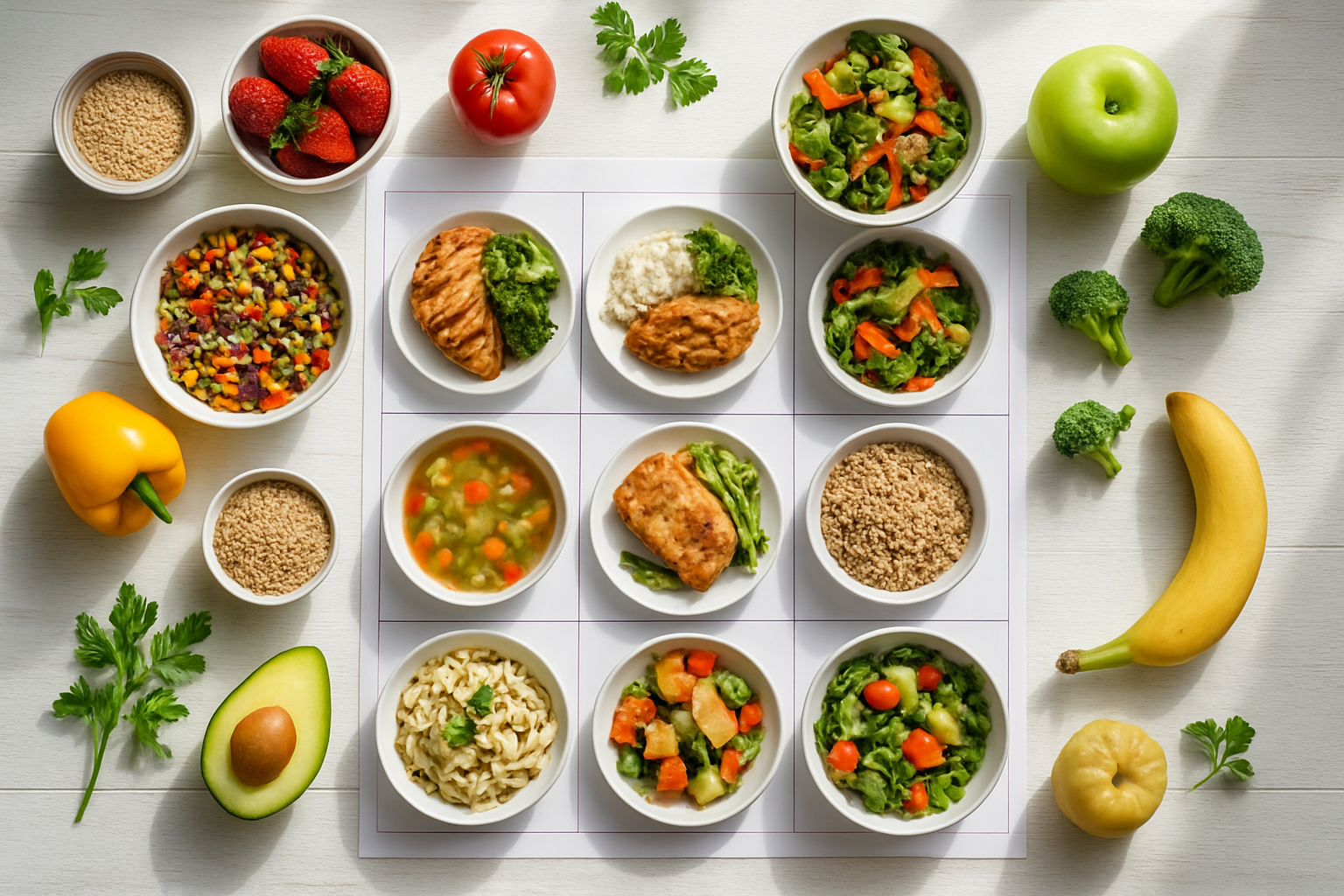
Breakfast Options for Each Day of the Week
Monday: Gluten-Free Oatmeal Power Bowl
Start your week with steel-cut oats topped with sliced banana, chopped walnuts, and a drizzle of honey. Add a sprinkle of cinnamon and chia seeds for extra nutrition. Make sure to use certified gluten-free oats to avoid cross-contamination.
Tuesday: Veggie Scramble with Sweet Potato Hash
Dice sweet potatoes and cook until crispy, then set aside. Scramble eggs with bell peppers, spinach, and mushrooms. Serve the scramble over the sweet potato hash and top with fresh herbs like chives or parsley.
Wednesday: Greek Yogurt Parfait
Layer plain Greek yogurt with fresh berries and gluten-free granola. Add a tablespoon of almond butter between layers for protein and healthy fats. Choose yogurt brands that clearly state they’re gluten-free.
Thursday: Avocado Toast on Gluten-Free Bread
Toast gluten-free bread and top with mashed avocado, a poached egg, cherry tomatoes, and everything bagel seasoning. Squeeze fresh lemon juice over the top for brightness.
Friday: Smoothie Bowl
Blend frozen berries, banana, spinach, and almond milk. Pour into a bowl and top with coconut flakes, hemp seeds, and fresh fruit slices. This portable option works great for busy mornings.
Saturday: Weekend Pancakes
Make fluffy pancakes using gluten-free flour blend, eggs, milk, and vanilla. Serve with fresh berries and pure maple syrup. Double the batch and freeze extras for weekday breakfasts.
Sunday: Breakfast Quinoa Bowl
Cook quinoa in almond milk with cinnamon, then top with diced apples, pecans, and a dollop of Greek yogurt. This protein-rich option keeps you full all morning.
Satisfying Lunch Ideas with Prep Instructions
Mason Jar Salads
Layer ingredients in mason jars starting with dressing at the bottom, then hard vegetables, proteins, and greens on top. Popular combinations include:
- Mediterranean: olive oil dressing, chickpeas, cucumber, feta, mixed greens
- Mexican: lime vinaigrette, black beans, corn, bell peppers, lettuce
- Asian: sesame dressing, edamame, carrots, cabbage, spinach
Grain-Free Buddha Bowls
Replace traditional grains with cauliflower rice or spiralized vegetables. Top with roasted vegetables, grilled chicken or tofu, avocado, and tahini dressing. Prep all components on Sunday for quick assembly during the week.
Lettuce Wrap Sandwiches
Use large butter lettuce leaves as wraps filled with turkey, cucumber, sprouts, and hummus. These stay fresh when wrapped tightly in parchment paper and provide a satisfying crunch without bread.
Soup and Salad Combo
Make a big batch of gluten-free vegetable soup (check that broth is gluten-free) and pair with different salads throughout the week. Soups like lentil, tomato basil, or chicken vegetable work perfectly.
Prep Tips:
- Wash and chop all vegetables on Sunday
- Cook proteins in bulk and store in portions
- Keep dressings separate until ready to eat
- Invest in quality food storage containers
Dinner Recipes Featuring Diverse Cuisines
Italian: Zucchini Lasagna
Replace pasta sheets with thin zucchini slices. Layer with ricotta, marinara sauce (check it’s gluten-free), ground turkey, and mozzarella. Bake until bubbly and golden. Serve with a side of roasted vegetables.
Mexican: Chicken Enchilada Stuffed Peppers
Hollow out bell peppers and stuff with shredded chicken, black beans, corn, and cheese. Top with enchilada sauce and bake. Serve with cilantro lime rice made with certified gluten-free ingredients.
Asian: Teriyaki Salmon with Cauliflower Rice
Marinate salmon in gluten-free teriyaki sauce, then bake until flaky. Serve over cauliflower rice stir-fried with broccoli, snap peas, and carrots. Garnish with sesame seeds and green onions.
American: Herb-Crusted Chicken with Roasted Vegetables
Season chicken breasts with herbs and bake alongside root vegetables like carrots, potatoes, and Brussels sprouts. This one-pan meal makes cleanup easy and provides leftovers for lunch.
Mediterranean: Greek Chicken Bowls
Marinate chicken in lemon, garlic, and oregano. Serve over cucumber, tomato, and quinoa salad with tzatziki made from Greek yogurt, cucumber, and dill.
Indian: Curry Coconut Chicken
Simmer chicken in coconut milk with curry spices, bell peppers, and onions. Serve over basmati rice with a side of roasted cauliflower. Use fresh spices for the best flavor.
Thai: Pad Thai with Rice Noodles
Stir-fry rice noodles with shrimp or chicken, bean sprouts, eggs, and a homemade sauce using fish sauce, lime juice, and tamarind paste. Top with crushed peanuts and fresh herbs.
Healthy Snack Suggestions Between Meals
Energy Bites
Mix dates, almond butter, gluten-free oats, and dark chocolate chips. Roll into balls and refrigerate. These provide sustained energy and satisfy sweet cravings naturally.
Veggie and Hummus Plates
Cut colorful vegetables like carrots, bell peppers, cucumber, and cherry tomatoes. Pair with store-bought or homemade hummus for protein and fiber.
Apple Slices with Nut Butter
Choose organic apples and pair with almond, peanut, or sunflower seed butter. Sprinkle with cinnamon for extra flavor without added sugar.
Greek Yogurt with Berries
Plain Greek yogurt provides probiotics and protein. Top with fresh or frozen berries and a handful of nuts or seeds for crunch.
Hard-Boiled Eggs with Avocado
Prep hard-boiled eggs at the beginning of the week. Slice and serve with avocado slices and a sprinkle of sea salt and black pepper.
Rice Cakes with Toppings
Choose brown rice cakes and top with:
- Avocado and cherry tomatoes
- Almond butter and sliced banana
- Cottage cheese and cucumber
Trail Mix
Make your own mix with nuts, seeds, and dried fruit. Avoid pre-made versions that might contain gluten-containing ingredients.
Shopping List for the Entire Week
Proteins
- Chicken breasts (3 lbs)
- Ground turkey (1 lb)
- Salmon fillets (4 pieces)
- Eggs (2 dozen)
- Greek yogurt (32 oz container)
- Almond butter
- Hummus
Vegetables
- Sweet potatoes (3 large)
- Bell peppers (6 mixed colors)
- Zucchini (4 medium)
- Spinach (2 bags)
- Mixed salad greens (2 containers)
- Avocados (6 ripe)
- Cherry tomatoes (2 containers)
- Cucumber (3 large)
- Broccoli (2 heads)
- Carrots (2 lbs)
- Onions (3 medium)
Fruits
- Bananas (1 bunch)
- Apples (6 medium)
- Mixed berries (3 containers)
- Lemons (4 whole)
- Limes (4 whole)
Pantry Staples
- Certified gluten-free oats
- Quinoa (2 lbs)
- Brown rice
- Rice noodles
- Gluten-free bread
- Coconut milk (3 cans)
- Olive oil
- Coconut oil
- Gluten-free flour blend
Seasonings and Condiments
- Sea salt and black pepper
- Garlic powder
- Cinnamon
- Dried herbs (oregano, basil, thyme)
- Gluten-free tamari or soy sauce
- Apple cider vinegar
- Honey
- Pure maple syrup
Dairy and Alternatives
- Almond milk
- Cheese (mozzarella, feta)
- Cottage cheese
Always double-check labels for hidden gluten sources, especially in sauces, seasonings, and processed foods. When in doubt, choose whole foods that are naturally gluten-free.
Overcoming Common Gluten-Free Challenges
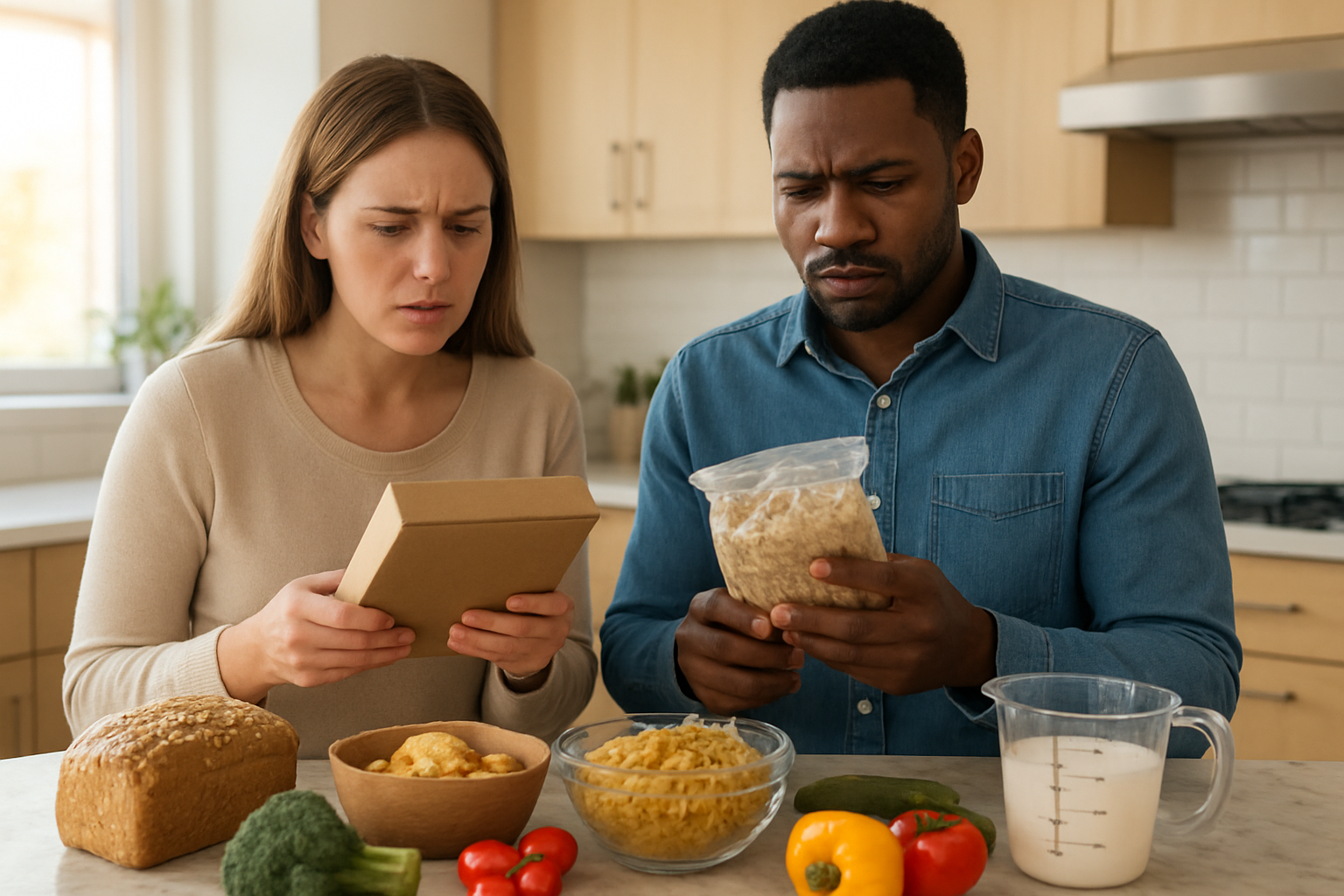
Dining Out Strategies and Restaurant Communication
Eating at restaurants doesn’t have to be stressful when you’re gluten-free. The key is preparation and clear communication with restaurant staff. Before heading out, research restaurants online to check their gluten-free options and read reviews from other gluten-free diners. Many establishments now clearly mark gluten-free items on their menus or maintain separate gluten-free menus.
When you arrive, speak directly with your server about your dietary needs. Don’t just say you’re “avoiding gluten” – explain that you have celiac disease or severe gluten sensitivity if that’s the case. This helps staff understand the seriousness of cross-contamination prevention. Ask about preparation methods, shared cooking surfaces, and whether they use separate fryers for gluten-free items.
Smart ordering strategies:
- Choose naturally gluten-free dishes like grilled meats, fish, and vegetables
- Ask for sauces and dressings on the side
- Request modifications like lettuce wraps instead of buns
- Verify that seasonings and marinades are gluten-free
Chain restaurants often have better protocols for handling gluten-free orders, but don’t assume anything. Always double-check with staff, even at familiar places, since recipes and procedures can change.
Managing Social Situations and Family Meals
Social eating situations can feel overwhelming at first, but with the right approach, you can enjoy gatherings without compromising your health. When invited to dinner parties or family events, communicate your needs ahead of time. Most hosts appreciate knowing about dietary restrictions in advance and are happy to accommodate.
Offer to bring a gluten-free dish that everyone can enjoy. This ensures you have something safe to eat while introducing others to delicious gluten-free options. Popular crowd-pleasers include quinoa salads, roasted vegetables, or naturally gluten-free desserts like flourless chocolate cake.
Family meal strategies:
- Designate gluten-free cooking areas and utensils
- Use squeeze bottles for condiments to prevent cross-contamination
- Prepare gluten-free versions of family favorites
- Keep gluten-free snacks readily available
For potluck events, arrive early to serve yourself before serving utensils get mixed up. Bring your own serving spoons if needed. Don’t be embarrassed to ask questions about ingredients – your health comes first.
Dealing with Cravings and Finding Satisfying Substitutes
Missing your favorite gluten-containing foods is completely normal. The good news is that gluten-free alternatives have improved dramatically and can satisfy most cravings. Start by identifying what you miss most and focus on finding quality replacements for those specific items.
Top substitute recommendations:
| Craving | Best Alternatives |
|---|---|
| Bread | Gluten-free sourdough, almond flour bread |
| Pasta | Rice noodles, chickpea pasta, zucchini noodles |
| Pizza | Cauliflower crust, almond flour crust |
| Cookies | Almond flour cookies, coconut macaroons |
| Beer | Gluten-free beer, hard cider |
Experiment with different brands since taste and texture vary significantly. Some people prefer corn-based products while others favor rice or almond flour alternatives. Stock up on your favorites when you find them.
Creating satisfying meals often means focusing on naturally gluten-free foods that don’t need substitution. Build meals around proteins, vegetables, and naturally gluten-free grains like quinoa and rice. This approach feels less restrictive and often leads to discovering new favorite foods.
When cravings hit hard, remember that they typically decrease over time as your taste preferences adapt. Keep emergency snacks on hand and don’t hesitate to treat yourself to high-quality gluten-free versions of comfort foods when needed.
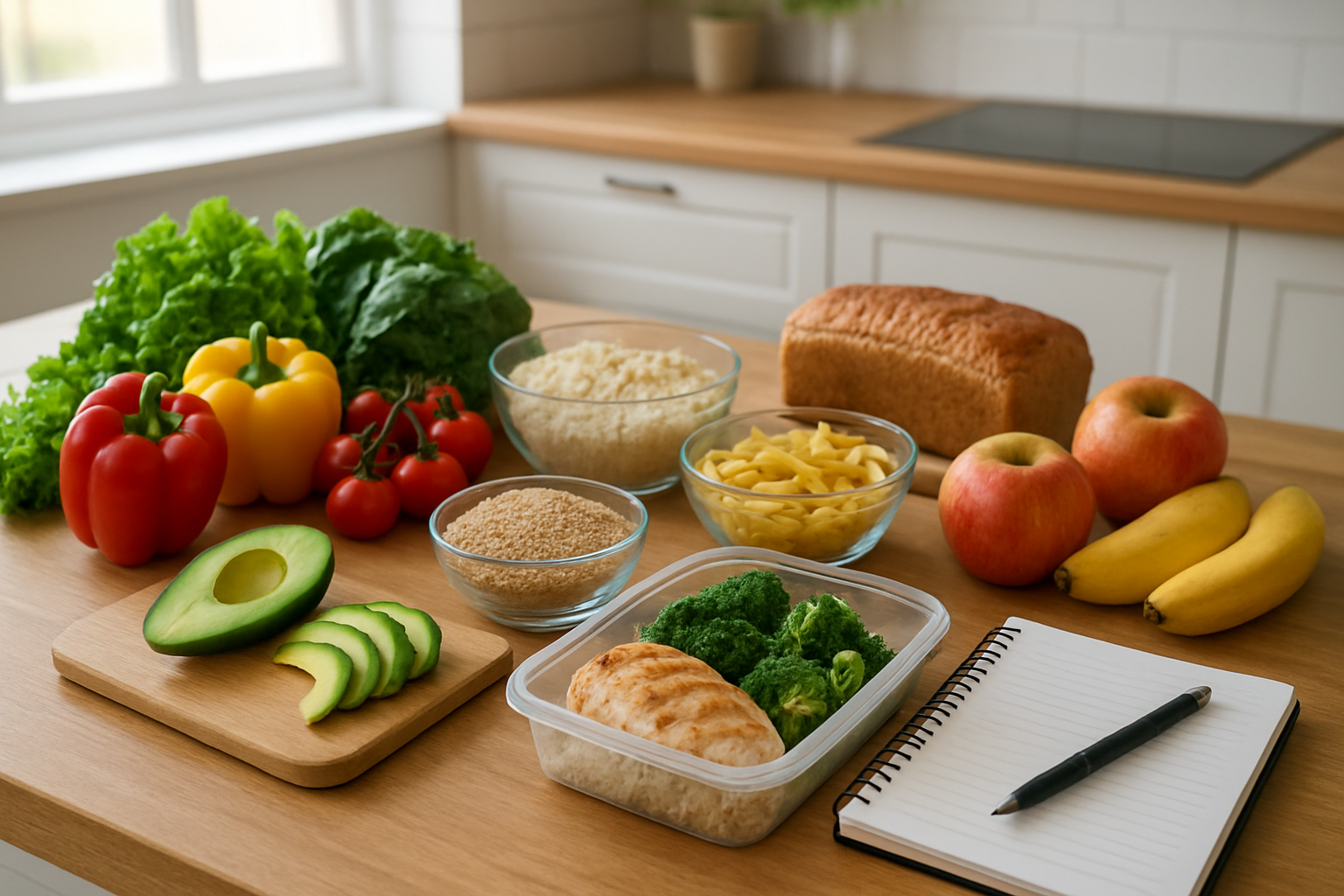
Making the switch to gluten-free eating doesn’t have to feel overwhelming when you break it down into manageable steps. From understanding what gluten actually is to learning how to shop smart and cook delicious meals, you now have the tools to start your gluten-free journey with confidence. The 7-day meal plan gives you a solid foundation to build from, showing that gluten-free meals can be both satisfying and full of flavor.
Remember that everyone’s gluten-free experience is different, and it’s okay to face some bumps along the way. Start small, be patient with yourself as you learn to read labels and discover new favorite foods, and don’t be afraid to experiment in the kitchen. With time and practice, gluten-free living will become second nature, and you’ll wonder why you ever thought it would be so difficult.