Hyssop tea has been gaining attention as a natural remedy with impressive health benefits, but like any herbal treatment, it comes with both advantages and potential risks you should know about. This guide is perfect for health-conscious individuals, herbal tea enthusiasts, and anyone curious about adding this Mediterranean herb to their wellness routine.
We’ll explore how hyssop tea can support your respiratory health and boost your immune system naturally. You’ll also learn about the possible side effects and safety considerations to keep in mind before brewing your first cup. By the end, you’ll have a clear understanding of whether hyssop tea is right for you and how to use it safely.
Understanding Hyssop Tea and Its Key Components
What Makes Hyssop Tea Unique Among Herbal Beverages
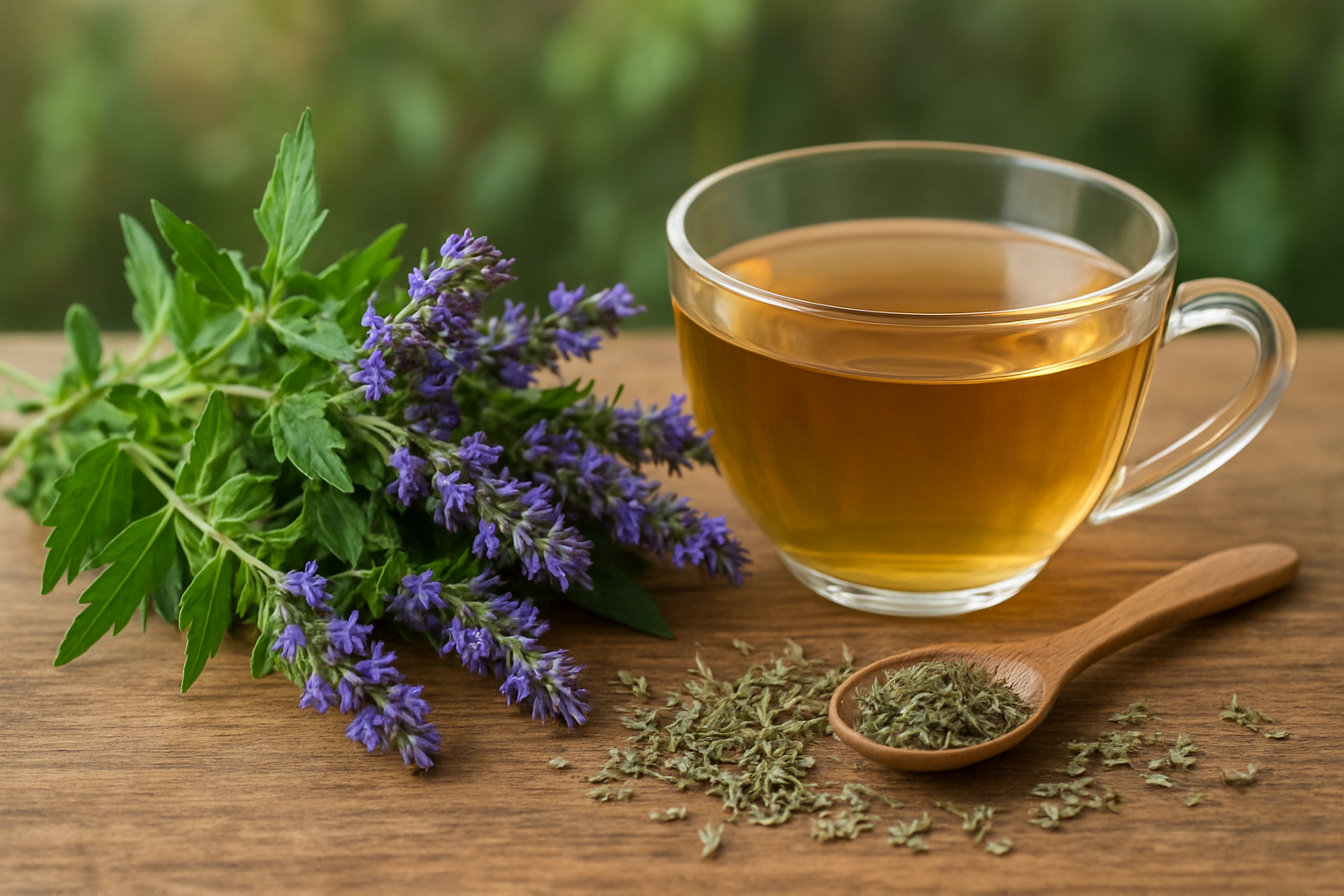
Hyssop tea stands out in the crowded world of herbal beverages thanks to its distinctive minty, slightly bitter flavor profile that carries hints of anise and camphor. Unlike milder herbal teas such as chamomile or peppermint, hyssop delivers a robust, almost medicinal taste that reflects its potent therapeutic properties. The tea’s unique character comes from the Hyssopus officinalis plant, a member of the mint family that has been carefully cultivated for its concentrated essential oils and bioactive compounds.
What really sets hyssop tea apart is its dual nature as both a flavorful beverage and a powerful herbal remedy. While many herbal teas focus on either taste or therapeutic benefits, hyssop successfully bridges both worlds. The plant’s volatile oils create an aromatic experience that’s both refreshing and invigorating, making each cup a sensory journey that engages smell, taste, and even the respiratory system through its natural vapors.
The preparation process also differs from typical herbal teas. Hyssop requires careful attention to steeping time and water temperature to extract its beneficial compounds without overwhelming bitterness. This attention to detail in preparation reflects the tea’s serious medicinal heritage and separates it from more casual herbal blends designed primarily for relaxation or mild wellness support.
Active Compounds That Drive Health Benefits
The therapeutic power of hyssop tea comes from its rich concentration of bioactive compounds that work together to create significant health benefits. The most important group consists of volatile essential oils, particularly pinocamphone, isopinocamphone, and β-pinene. These compounds make up roughly 0.7-2% of the dried herb and are responsible for many of hyssop’s respiratory and antimicrobial effects.
Flavonoids represent another crucial category of active compounds in hyssop tea. The plant contains notable amounts of diosmin, hesperidin, and quercetin – powerful antioxidants that help protect cells from oxidative stress and support immune function. These flavonoids also contribute to hyssop’s anti-inflammatory properties and may help reduce the severity of respiratory conditions.
The phenolic acids found in hyssop, including rosmarinic acid and caffeic acid, add another layer of therapeutic value. These compounds work as natural preservatives in the plant while providing antimicrobial and anti-inflammatory benefits when consumed. Rosmarinic acid, in particular, has been studied for its ability to reduce allergic reactions and support respiratory health.
Tannins in hyssop tea contribute to its slightly astringent taste while offering antiseptic properties. These compounds help tighten tissues and can be particularly beneficial for digestive health and wound healing. The combination of all these active compounds creates a synergistic effect where the whole becomes greater than the sum of its parts.
Traditional Uses Throughout History
Hyssop carries one of the longest medicinal histories among herbs, with documented use spanning over 2,000 years across multiple cultures and continents. Ancient Egyptian priests used hyssop in purification ceremonies and considered it sacred for its cleansing properties. They understood something modern science has confirmed – hyssop’s natural antimicrobial compounds make it effective for both spiritual and physical cleansing rituals.
Greek and Roman physicians, including Hippocrates and Dioscorides, prescribed hyssop preparations for respiratory ailments, particularly chest congestion and chronic coughs. Roman soldiers carried dried hyssop on long campaigns, using it to treat wounds and prevent infection. These early military applications highlight the herb’s antiseptic properties, which remain relevant in modern herbal medicine.
Medieval European monasteries cultivated hyssop extensively in their medicinal gardens. Monks used the herb to treat everything from digestive problems to melancholy, and many monastery records describe detailed preparations for different conditions. The famous Benedictine liqueur Chartreuse still contains hyssop as one of its 130 herbal ingredients, connecting modern consumers to this ancient tradition.
Traditional Chinese Medicine incorporated hyssop under the name “niu xi cao” for treating respiratory conditions and promoting circulation. Native American tribes in regions where hyssop grows naturally used it for ceremony and healing, particularly for respiratory complaints and digestive issues. This cross-cultural adoption across different healing traditions speaks to the plant’s reliable therapeutic effects and universal appeal as a healing herb.
Respiratory Health Benefits of Hyssop Tea
Natural Relief for Cough and Congestion
Hyssop tea works as a natural expectorant, helping your body clear mucus and phlegm from the respiratory tract. The herb contains compounds like marrubiin and volatile oils that help loosen stubborn mucus, making it easier to cough up and expel. When you’re dealing with a persistent cough or chest congestion, sipping warm hyssop tea can provide gentle yet effective relief.
The antispasmodic properties in hyssop help calm the smooth muscles in your bronchial tubes, reducing those harsh, uncontrollable coughing fits. This makes it particularly helpful for dry, hacking coughs that leave your throat raw and irritated. Many people find that drinking hyssop tea before bedtime helps quiet nighttime coughs, leading to better sleep quality during illness recovery.
Support for Bronchial Health and Clear Airways
Your bronchial passages benefit significantly from hyssop tea’s therapeutic compounds. The herb contains flavonoids and tannins that help strengthen the delicate tissues lining your airways while promoting healthy mucus production. This balanced mucus production keeps your airways properly moisturized without creating excessive buildup that leads to congestion.
Regular consumption of hyssop tea may help maintain optimal bronchial function by supporting the natural cleansing mechanisms of your respiratory system. The tea’s warming properties help increase circulation to the chest area, bringing more oxygen and nutrients to bronchial tissues while helping remove metabolic waste products that can contribute to inflammation.
For people who work in dusty environments or live in areas with poor air quality, hyssop tea serves as a protective measure for bronchial health. The antioxidants in the tea help neutralize harmful particles and pollutants that enter your respiratory system daily.
Anti-inflammatory Properties for Lung Function
The anti-inflammatory compounds in hyssop tea, including rosmarinic acid and caffeic acid, target inflammation throughout the respiratory system. These natural compounds work by inhibiting inflammatory pathways that can cause swelling and irritation in lung tissues. When inflammation decreases, your lungs can function more efficiently, improving oxygen exchange and overall breathing capacity.
Chronic inflammation in the lungs can lead to reduced lung function over time. Hyssop tea’s anti-inflammatory effects may help protect against this gradual decline by keeping inflammatory responses in check. The tea also contains compounds that support the production of surfactant, a substance that helps keep your lung’s tiny air sacs (alveoli) open and functioning properly.
People with conditions that cause lung inflammation often report improved breathing and reduced chest tightness after incorporating hyssop tea into their daily routine. The tea’s gentle anti-inflammatory action works gradually, making it a suitable long-term supportive therapy.
Seasonal Allergy Management
Seasonal allergies trigger inflammatory responses in your respiratory system, leading to symptoms like sneezing, congestion, and breathing difficulties. Hyssop tea acts as a natural antihistamine, helping reduce your body’s overreaction to environmental allergens like pollen, dust, and mold spores.
The quercetin and other flavonoids in hyssop help stabilize mast cells, which are responsible for releasing histamine during allergic reactions. By keeping these cells more stable, hyssop tea can help prevent or reduce the severity of allergy symptoms before they start.
Many allergy sufferers find that starting hyssop tea consumption a few weeks before their typical allergy season helps build up their natural defenses. The tea’s anti-inflammatory properties also help reduce the swelling in nasal passages and sinuses that makes breathing difficult during high pollen days.
Unlike some pharmaceutical antihistamines that can cause drowsiness, hyssop tea provides allergy relief without sedating effects, making it a practical choice for daytime symptom management.
Digestive System Support Through Hyssop Tea
Improved Digestion and Nutrient Absorption
Hyssop tea works like a gentle nudge for your digestive system, encouraging your body to break down food more efficiently. The herb contains bitter compounds and volatile oils that stimulate digestive enzyme production, helping your stomach and intestines process meals with greater ease. When you sip hyssop tea about 30 minutes before eating, these active compounds prepare your digestive tract for incoming food.
The antispasmodic properties in hyssop help relax the smooth muscles lining your digestive tract, reducing cramping and allowing food to move through your system at the right pace. This smooth flow prevents the sluggish digestion that often leads to discomfort after meals. People who drink hyssop tea regularly often notice they feel less heavy and more energized after eating.
Your body also absorbs nutrients better when your digestive system functions optimally. Hyssop tea supports the production of bile and other digestive juices that break down fats, proteins, and carbohydrates into smaller molecules your intestines can easily absorb. This means you get more nutritional value from the same foods you’re already eating.
Natural Relief from Bloating and Gas
Trapped gas and bloating can turn any day uncomfortable, but hyssop tea offers natural relief without harsh medications. The carminative properties in hyssop help break up gas bubbles in your digestive tract and encourage their gentle release. Unlike some remedies that force gas out quickly, hyssop works gradually to restore balance.
The tea’s anti-inflammatory compounds reduce swelling in your intestinal walls, which often contributes to that tight, bloated feeling. When inflammation decreases, your digestive tract has more room to function normally, and trapped air can escape more easily. Many people find that drinking a warm cup of hyssop tea after meals prevents bloating before it starts.
Hyssop also helps regulate the gut bacteria that produce gas during digestion. While some gas production is normal, an overgrowth of certain bacteria can create excessive bloating. The antimicrobial properties in hyssop tea help maintain a healthier balance of gut flora, reducing the fermentation that causes uncomfortable gas buildup.
Gentle Detoxification for Better Gut Health
Your digestive system handles more than just food – it processes toxins, environmental pollutants, and metabolic waste every day. Hyssop tea supports your body’s natural detoxification processes without the harsh effects of dramatic cleanses. The herb gently stimulates liver function, encouraging the production of enzymes that neutralize harmful substances.
The mucilaginous compounds in hyssop create a protective coating along your intestinal walls, helping to bind toxins and waste products for easier elimination. This gentle action prevents harmful substances from being reabsorbed into your bloodstream while protecting delicate intestinal tissues from damage.
Regular consumption of hyssop tea also promotes healthy bowel movements by encouraging proper muscle contractions in your colon. This natural rhythm helps prevent the buildup of waste that can harbor harmful bacteria and create inflammation. When waste moves through your system efficiently, your gut maintains a cleaner, healthier environment that supports beneficial bacteria growth.
The mild diuretic properties of hyssop tea help your kidneys flush out water-soluble toxins, reducing the overall toxic load on your digestive system. This coordinated detoxification effort between your liver, intestines, and kidneys creates an environment where healthy digestion can thrive.
Immune System Strengthening Properties

Antioxidant Protection Against Free Radicals
Hyssop tea contains powerful antioxidant compounds including rosmarinic acid, caffeic acid, and various flavonoids that actively combat free radicals in your body. These unstable molecules constantly damage your cells through oxidative stress, weakening your immune defenses over time. When you drink hyssop tea regularly, these antioxidants neutralize free radicals before they can cause significant cellular damage.
The phenolic compounds in hyssop tea work particularly well at protecting your white blood cells, which are your body’s primary immune defenders. Research shows that people who consume antioxidant-rich beverages like hyssop tea have better immune cell function and can respond more effectively to threats like viruses and bacteria.
Your body produces free radicals naturally through normal metabolic processes, but environmental factors like pollution, stress, and poor diet can dramatically increase their numbers. Hyssop tea helps restore balance by providing a steady supply of protective antioxidants that support your immune system’s ability to stay strong and responsive.
Natural Antimicrobial Defense Mechanisms
The essential oils in hyssop tea, particularly pinocamphone and isopinocamphone, demonstrate strong antimicrobial properties against various pathogens. These natural compounds can help your body fight off harmful bacteria, viruses, and fungi that might otherwise compromise your immune system.
Studies have shown that hyssop extracts are effective against common respiratory pathogens, including strains of bacteria that cause bronchitis and other upper respiratory infections. When you drink hyssop tea, these antimicrobial compounds circulate through your system, creating an internal environment that’s less hospitable to harmful microorganisms.
The antimicrobial action of hyssop tea works differently from synthetic antibiotics. Rather than targeting specific bacterial strains, the plant’s natural compounds create broad-spectrum protection while supporting your body’s own immune responses. This makes it particularly valuable for maintaining general immune health and preventing minor infections from taking hold.
Enhanced Recovery from Minor Illnesses
Hyssop tea can significantly speed up your recovery time from common colds, flu, and other minor respiratory ailments. The herb’s natural compounds support your immune system’s healing processes while reducing inflammation that often prolongs illness.
The anti-inflammatory properties of hyssop tea help reduce the severity of symptoms like congestion, sore throat, and general malaise. When your inflammatory response is better controlled, your immune system can focus more energy on eliminating pathogens rather than managing excessive inflammation.
Many people find that drinking hyssop tea during the early stages of illness helps prevent symptoms from becoming more severe. The herb’s expectorant properties also help clear mucus from your respiratory system, allowing your lungs to function more effectively and reducing the risk of secondary bacterial infections.
Your recovery process benefits from hyssop tea’s ability to support lymphatic drainage, which helps remove toxins and waste products from your tissues. This cleansing action allows your immune cells to work more efficiently and helps restore normal function more quickly.
Stress Reduction for Better Immune Function
Chronic stress significantly weakens your immune system by elevating cortisol levels and disrupting normal immune cell communication. Hyssop tea contains compounds that help regulate your stress response and promote relaxation, indirectly supporting better immune function.
The herb’s mild sedative properties can help calm your nervous system without causing drowsiness during the day. When you’re less stressed, your immune system operates more effectively because it doesn’t have to compete with stress hormones for resources.
Regular consumption of hyssop tea before bedtime can improve your sleep quality, which is essential for immune system recovery and maintenance. During deep sleep, your body produces more infection-fighting cells and releases growth hormones that help repair damaged tissues.
The ritual of preparing and drinking warm hyssop tea itself provides stress-relieving benefits. Taking time to slow down and enjoy a calming beverage signals to your nervous system that it’s safe to relax, triggering the parasympathetic response that supports immune function and overall healing.
Potential Side Effects and Safety Considerations
Common Mild Reactions and How to Avoid Them
Most people tolerate hyssop tea well, but some individuals may experience mild side effects when first introducing it into their routine. The most frequently reported reactions include stomach upset, nausea, and mild headaches. These symptoms typically occur when consuming large amounts or drinking the tea on an empty stomach.
Skin sensitivity can also develop in some people, particularly those with existing allergies to plants in the mint family. If you notice any unusual skin reactions, rashes, or digestive discomfort after drinking hyssop tea, reduce your intake or temporarily stop consumption.
To minimize the risk of adverse reactions, start with small amounts – about half a cup daily – and gradually increase your intake over several days. Always consume hyssop tea with food or after meals to reduce stomach irritation. Quality matters too; choose organic, properly dried hyssop from reputable sources to avoid potential contaminants that could cause unwanted reactions.
Drug Interactions and Medical Contraindications
Hyssop tea can interact with certain medications and medical conditions, making professional medical advice essential before regular consumption. The herb contains compounds that may affect blood sugar levels, potentially interfering with diabetes medications. People taking insulin or other blood glucose-lowering drugs should monitor their levels closely when adding hyssop tea to their diet.
Blood pressure medications may also interact with hyssop, as the herb can have mild hypotensive effects. This combination could lead to excessively low blood pressure in some individuals. Anticoagulant medications warrant special attention, as hyssop may enhance their blood-thinning effects.
Pregnant and breastfeeding women should avoid hyssop tea entirely. The herb contains compounds that could stimulate uterine contractions and potentially affect fetal development. People with epilepsy or seizure disorders should also steer clear, as certain constituents in hyssop may trigger neurological symptoms.
Individuals with kidney or liver disease need medical clearance before consuming hyssop tea regularly, as these organs process the herb’s active compounds.
Proper Dosage Guidelines for Safe Consumption
Safe hyssop tea consumption varies based on individual factors, but general guidelines can help prevent adverse effects. For healthy adults, one to two cups daily represents a reasonable starting point. Each cup should contain approximately one teaspoon of dried hyssop leaves steeped in hot water for 5-10 minutes.
Timing plays a role in safe consumption. Drinking hyssop tea between meals rather than on an empty stomach reduces the likelihood of digestive upset. Spacing out consumption throughout the day, rather than drinking multiple cups at once, allows your body to process the herb’s compounds more effectively.
Duration of use matters as much as daily dosage. While short-term use (2-4 weeks) is generally considered safe for most people, extended consumption requires breaks. Consider cycling your intake – use hyssop tea for two weeks, then take a one-week break before resuming.
Children, elderly individuals, and those with compromised immune systems should use significantly smaller amounts. For these populations, half the standard adult dosage serves as a safer starting point. Always observe how your body responds during the first few days of consumption, and adjust your intake accordingly.
Best Practices for Preparing and Consuming Hyssop Tea
Optimal Brewing Methods for Maximum Benefits
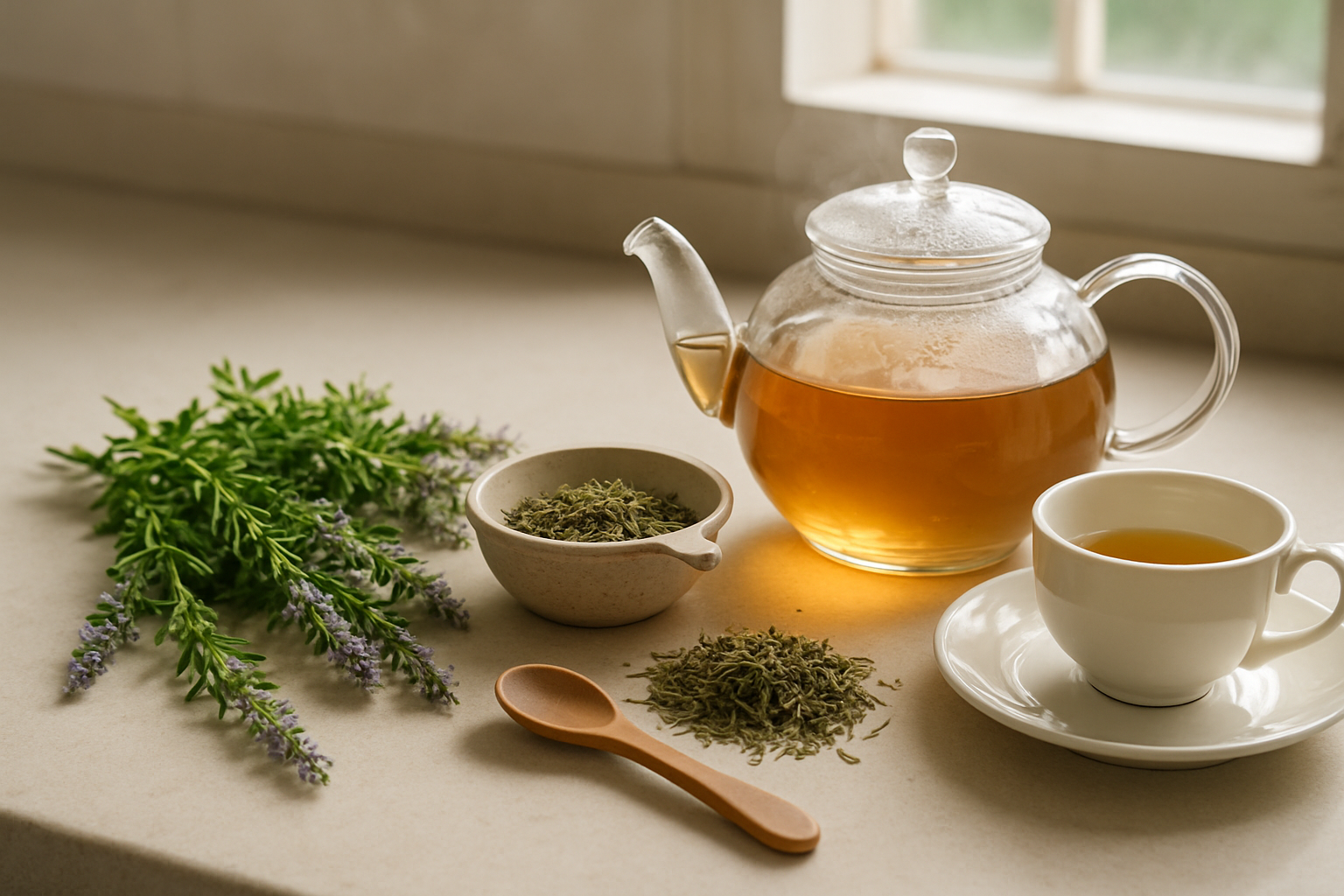
Start with one teaspoon of dried hyssop leaves per cup of water, or double that amount if you’re using fresh leaves. Bring water to a rolling boil, then pour it over the hyssop in your teapot or cup. Cover immediately to prevent the essential oils from escaping – this step makes a huge difference in potency.
Steep for 5-10 minutes depending on your taste preference and desired strength. Longer steeping extracts more beneficial compounds but can create a slightly bitter flavor. Strain the leaves completely before drinking to avoid any grittiness.
Water temperature matters more than you might think. Use water that’s just off the boil (around 200°F) rather than actively boiling water, which can destroy some of the delicate therapeutic compounds. If you don’t have a thermometer, let boiling water sit for about 30 seconds before pouring.
Recommended Daily Intake Amounts
Most herbalists recommend 1-3 cups of hyssop tea daily for general wellness benefits. Start with just one cup to see how your body responds, especially if you’re new to herbal teas. You can gradually increase to 2-3 cups spread throughout the day.
Each cup should contain about 1 teaspoon of dried herb, which provides a therapeutic dose without overwhelming your system. Pregnant women, nursing mothers, and children should avoid hyssop tea entirely due to its potent compounds.
People taking medications or those with chronic health conditions should stick to no more than one cup daily and consult their healthcare provider first. The concentrated nature of hyssop means a little goes a long way.
Timing Your Tea Consumption for Best Results
Morning consumption works best for respiratory support – drink a warm cup about 30 minutes after breakfast to help clear congestion and support lung function throughout the day. The warming properties help kickstart your respiratory system.
For digestive benefits, sip hyssop tea 15-20 minutes before meals. This timing allows the bitter compounds to stimulate digestive juices and prepare your stomach for food. Avoid drinking it immediately with meals as it may dilute stomach acid.
Evening consumption should be limited since hyssop can be mildly stimulating for some people. If you do drink it in the evening, have it at least 2-3 hours before bedtime. The tea’s warming nature can interfere with your body’s natural cooling process that promotes sleep.
During illness, you can increase frequency to every 3-4 hours while symptoms persist, but return to normal dosing once you feel better.
Quality Selection and Storage Tips
Look for organic, dried hyssop leaves that retain their green color and strong, minty-camphor aroma. Brown or faded leaves indicate age and reduced potency. Whole leaves generally maintain their essential oils better than powdered forms.
Store your hyssop in an airtight container away from light, heat, and moisture. A cool pantry or cupboard works perfectly. Glass jars with tight lids or sealed tin containers preserve freshness better than plastic bags or cardboard boxes.
Fresh hyssop should be used within a week of purchase and stored in the refrigerator wrapped in damp paper towels. Dried hyssop maintains its potency for about one year when stored properly, but replace it sooner if the aroma fades significantly.
Always buy from reputable herb suppliers who can verify the botanical name (Hyssopus officinalis) and origin. Avoid hyssop that smells musty or shows any signs of mold, which can develop in poorly stored herbs.
Hyssop tea offers a range of impressive health benefits, from supporting your respiratory system and easing digestive issues to boosting your immune defenses. The natural compounds found in this herbal tea make it a valuable addition to your wellness routine, especially during cold and flu season or when dealing with stomach troubles.
Like any herbal remedy, hyssop tea isn’t right for everyone. Pregnant women, nursing mothers, and people with certain medical conditions should skip this tea or talk to their doctor first. When you do enjoy hyssop tea, stick to moderate amounts and pay attention to how your body responds. Start with one cup a day and see how you feel before making it a regular part of your routine.