Rosemary oil has been nature’s multitasking marvel for thousands of years, and today’s science proves our ancestors knew what they were doing. This ancient Mediterranean herb offers powerful benefits that modern research continues to validate, from boosting hair growth to sharpening mental focus.
This guide is perfect for anyone ready to ditch expensive commercial products and embrace natural wellness solutions. You’ll learn how to choose high-quality rosemary oil that actually works and discover safe application methods that maximize results without harmful side effects.
We’ll explore how rosemary oil can transform your hair care routine by promoting scalp health and encouraging new growth. You’ll also discover its impressive anti-aging properties for skin and learn simple techniques to boost mental clarity and concentration naturally. By the end, you’ll have practical knowledge to make rosemary oil a game-changing addition to your daily wellness routine.
Discover the Rich History of Rosemary Oil

Ancient Mediterranean civilizations and rosemary’s sacred uses
The story of rosemary oil begins thousands of years ago along the sun-drenched shores of the Mediterranean. Ancient Egyptians treasured this aromatic herb so deeply they placed sprigs in the tombs of pharaohs, believing it would help guide souls to the afterlife. The distinctive pine-like scent wasn’t just pleasant – it represented eternal remembrance and divine protection.
Greek mythology wove rosemary into stories of love and memory. The herb was sacred to Aphrodite, goddess of love, who supposedly emerged from the sea wrapped in rosemary foam. Ancient Greeks burned rosemary as incense in their temples, believing the smoke carried prayers directly to the gods. Students wore rosemary wreaths while studying, trusting the herb to sharpen their minds and enhance memory retention.
Greek and Roman beauty and medicinal traditions
Greek physicians like Dioscorides documented rosemary’s healing powers in their medical texts, prescribing it for everything from digestive issues to mental fatigue. The Romans elevated rosemary to new heights, incorporating it into elaborate bathing rituals that wealthy citizens enjoyed daily. Roman women discovered that rosemary-infused oils made their hair lustrous and prevented premature graying.
The Roman Empire’s expansion spread rosemary cultivation across Europe, with Roman soldiers carrying the herb as a protective talisman. They believed rosemary oil could heal wounds faster and ward off disease during long military campaigns. Roman households burned rosemary regularly, not just for its pleasant aroma but to purify the air and protect against illness.
Medieval monastery gardens and healing practices
When the Roman Empire fell, European monasteries became guardians of herbal wisdom. Benedictine monks cultivated rosemary in their medicinal gardens, carefully documenting distillation techniques that produced potent essential oils. These monastic communities treated rosemary as both medicine and spiritual tool, using it in religious ceremonies and healing practices.
Medieval herbalists recognized rosemary’s remarkable preservative qualities, adding it to medicines to extend shelf life. Monastery infirmaries relied on rosemary oil for treating headaches, joint pain, and mental exhaustion. The famous medieval text “The English Physician” described rosemary as a cure-all that could “comfort the brain, memory, and inward senses.”
| Medieval Use | Purpose | Preparation Method |
|---|---|---|
| Memory enhancement | Improve concentration | Fresh sprigs worn as crowns |
| Wound healing | Prevent infection | Oil applied directly |
| Respiratory relief | Clear congestion | Steam inhalation |
| Food preservation | Extend shelf life | Dried herb addition |
Renaissance royalty’s secret beauty formulas
The Renaissance period witnessed rosemary oil’s transformation into a luxury beauty ingredient coveted by European nobility. Queen Elizabeth I of England was known to use a special rosemary-based hair tonic that kept her locks healthy well into her later years. Hungarian Queen Elisabeth created the famous “Hungary Water” – a rosemary-dominant perfume and beauty elixir that reportedly kept her looking youthful into her seventies.
French court ladies guarded their rosemary beauty recipes like state secrets, mixing the oil with precious ingredients like pearls and gold dust. These elaborate formulations promised to erase wrinkles, brighten complexions, and maintain youthful vitality. Italian Renaissance women discovered that rosemary oil could stimulate hair growth and add incredible shine to dark tresses.
The period’s alchemists experimented with different distillation methods, creating increasingly concentrated rosemary oils. These royal beauty laboratories produced formulas so effective that recipes were passed down through generations of aristocratic families, each adding their own refinements to achieve perfect results.
Master the Art of Selecting Quality Rosemary Oil

Essential vs carrier oil differences for maximum benefits
Rosemary essential oil packs incredible potency in tiny bottles. These concentrated plant extracts contain volatile compounds that deliver therapeutic benefits, but they’re too powerful to use directly on your skin. Think of essential oil as the concentrated essence of the rosemary plant – just a few drops carry the same power as handfuls of fresh herbs.
Carrier oils serve as the perfect delivery system for rosemary essential oil. Popular choices include jojoba, sweet almond, or coconut oil. These oils dilute the essential oil to safe concentrations while helping it absorb into your skin effectively. The typical ratio ranges from 2-5 drops of rosemary essential oil per tablespoon of carrier oil.
Some products blend rosemary oil with carrier oils already, which offers convenience but less control over concentration. Pure essential oil gives you flexibility to create custom blends for different uses – stronger concentrations for hair masks, gentler ratios for daily skincare.
| Oil Type | Concentration | Best Uses | Safety Notes |
|---|---|---|---|
| Essential Oil | 100% concentrated | Custom blends, aromatherapy | Always dilute before skin contact |
| Pre-mixed Oil | 1-10% dilution | Ready-to-use applications | Check concentration levels |
| Carrier Oil | Pure base oil | Diluting essentials, moisturizing | Generally safe for direct use |
Steam distillation markers that guarantee purity
Authentic rosemary oil comes from steam distillation, where plant materials meet pressurized steam to extract essential compounds. This traditional method preserves the oil’s therapeutic properties without harsh chemicals or solvents. Quality producers proudly display “steam distilled” on their labels because this process creates the purest form of rosemary oil.
Look for bottles that specify the botanical name Rosmarinus officinalis and mention steam distillation explicitly. Cheaper extraction methods like solvent extraction or CO2 processing can alter the oil’s chemical composition and reduce its effectiveness. Steam distillation produces oil with the characteristic fresh, herbaceous scent that true rosemary oil should possess.
Check the origin country on quality oils. Mediterranean regions like Spain, Morocco, and Tunisia produce exceptional rosemary oil due to ideal growing conditions. The label should also include harvest and distillation dates, giving you insight into freshness. Fresh rosemary oil maintains its potency for 2-3 years when stored properly.
Beware of synthetic rosemary oils that mimic the scent but lack therapeutic benefits. These artificial versions often smell slightly off or too perfumey compared to the clean, sharp aroma of genuine steam-distilled oil.
Organic certification importance for skin safety
Organic certification protects you from pesticide residues and synthetic chemicals that can irritate sensitive skin. Rosemary plants grown conventionally may contain traces of herbicides, fungicides, and other agricultural chemicals that concentrate during the distillation process. These residues can trigger allergic reactions or skin sensitivities, especially with regular use.
USDA Organic, ECOCERT, or similar certifications require strict standards for growing, harvesting, and processing. Certified organic rosemary oil comes from plants grown without synthetic pesticides, fertilizers, or GMOs. The certification process also monitors distillation facilities to prevent contamination from cleaning chemicals or other products.
Organic rosemary oil often delivers superior therapeutic benefits because healthy soil produces plants with higher concentrations of beneficial compounds. Plants stressed by chemicals may have lower levels of the active ingredients that make rosemary oil effective for hair growth and skin health.
Price differences between organic and conventional oils reflect the extra care required for organic production. Organic certification costs money, organic farming yields tend to be lower, and producers must maintain separate facilities to prevent contamination. The investment pays off in purity and potency that your skin will appreciate.
Read labels carefully, as some products claim to be “natural” without organic certification. Natural doesn’t guarantee pesticide-free growing practices or chemical-free processing methods.
Unlock Powerful Hair Growth and Scalp Health Benefits
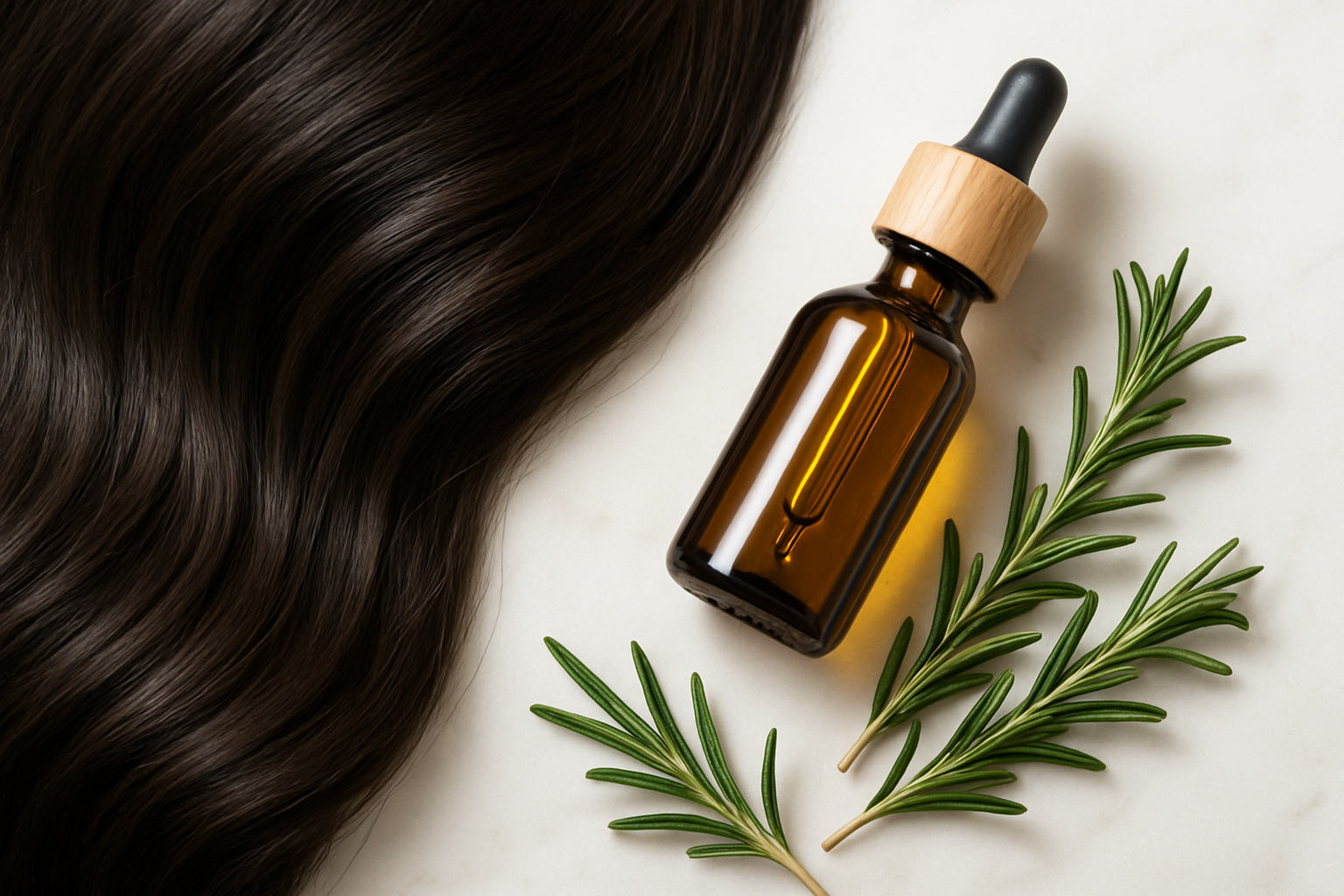
Stimulate Dormant Hair Follicles with Targeted Massage
Rosemary oil works like a wake-up call for sleeping hair follicles. The secret lies in its ability to boost circulation to your scalp, bringing oxygen and nutrients directly to hair roots that may have gone dormant. When you massage rosemary oil into your scalp using gentle circular motions, you’re essentially giving each follicle a personal training session.
The most effective technique involves diluting 3-4 drops of rosemary oil in a carrier oil like jojoba or sweet almond oil. Work this mixture into your scalp with your fingertips for 5-10 minutes, focusing on areas where hair feels thinner or growth seems sluggish. The massage itself is just as important as the oil – it physically stimulates blood flow while the rosemary penetrates deep into follicles.
Studies show that rosemary oil can be as effective as minoxidil for promoting hair growth, but without the harsh side effects. Regular scalp massages with rosemary oil three times per week can reactivate follicles that have been inactive for months or even years.
Combat Dandruff and Itchy Scalp Conditions Naturally
Your scalp’s microbiome plays a huge role in overall hair health, and rosemary oil acts like a natural peacekeeper for this delicate ecosystem. Its antimicrobial properties target the fungi and bacteria that cause dandruff, seborrheic dermatitis, and that annoying scalp itch that makes you want to scratch all day.
Unlike harsh chemical treatments that can strip your scalp’s natural protective barrier, rosemary oil gently rebalances your scalp’s pH levels while reducing inflammation. Mix 6 drops of rosemary oil with 2 tablespoons of coconut oil for a soothing pre-shampoo treatment. Leave this on for 20 minutes before washing to calm irritated skin and reduce flaking.
The anti-inflammatory compounds in rosemary oil, particularly rosmarinic acid, work to soothe redness and irritation while preventing the overgrowth of malassezia yeast – the primary culprit behind most dandruff cases. Regular use can break the cycle of itching and scratching that often makes scalp conditions worse.
Strengthen Weak Hair Strands from Root to Tip
Rosemary oil doesn’t just help hair grow – it makes existing strands stronger and more resilient. The oil penetrates the hair shaft and helps repair damage from heat styling, chemical treatments, and environmental stressors. Think of it as physical therapy for damaged hair.
The antioxidants in rosemary oil protect hair proteins from breaking down, while its moisturizing properties prevent the dryness that leads to breakage and split ends. Hair that’s been treated regularly with rosemary oil becomes noticeably thicker, shinier, and more manageable.
Create a strengthening hair mask by combining:
- 8 drops rosemary oil
- 2 tablespoons argan oil
- 1 tablespoon honey
- 1 egg yolk
Apply this mixture from mid-length to ends, avoiding the scalp. Cover with a shower cap and leave for 30 minutes before shampooing out. This treatment rebuilds damaged cuticles and adds elasticity back to brittle strands.
Create DIY Scalp Treatments for Dramatic Results
The beauty of working with rosemary oil is that you can customize treatments based on your specific hair concerns. Here are three powerful DIY formulas that deliver professional-level results at home:
Growth-Boosting Serum:
- 10 drops rosemary oil
- 5 drops peppermint oil
- 2 tablespoons castor oil
- 1 teaspoon vitamin E oil
Store in a dark glass bottle and apply to scalp 2-3 times weekly. This combination supercharges circulation while nourishing follicles.
Anti-Dandruff Treatment:
- 8 drops rosemary oil
- 4 drops tea tree oil
- 3 tablespoons olive oil
- 1 teaspoon apple cider vinegar
Massage into scalp and leave overnight for maximum effectiveness against stubborn flakes.
Damage Repair Mask:
- 6 drops rosemary oil
- 2 tablespoons coconut oil
- 1 mashed avocado
- 1 tablespoon aloe vera gel
This deep conditioning treatment rebuilds severely damaged hair while promoting healthy new growth.
Apply these treatments consistently for 6-8 weeks to see significant improvements in hair thickness, growth rate, and overall scalp health. The key is patience and regular application – your hair didn’t get damaged overnight, and healing takes time.
Transform Your Skin with Anti-Aging Properties
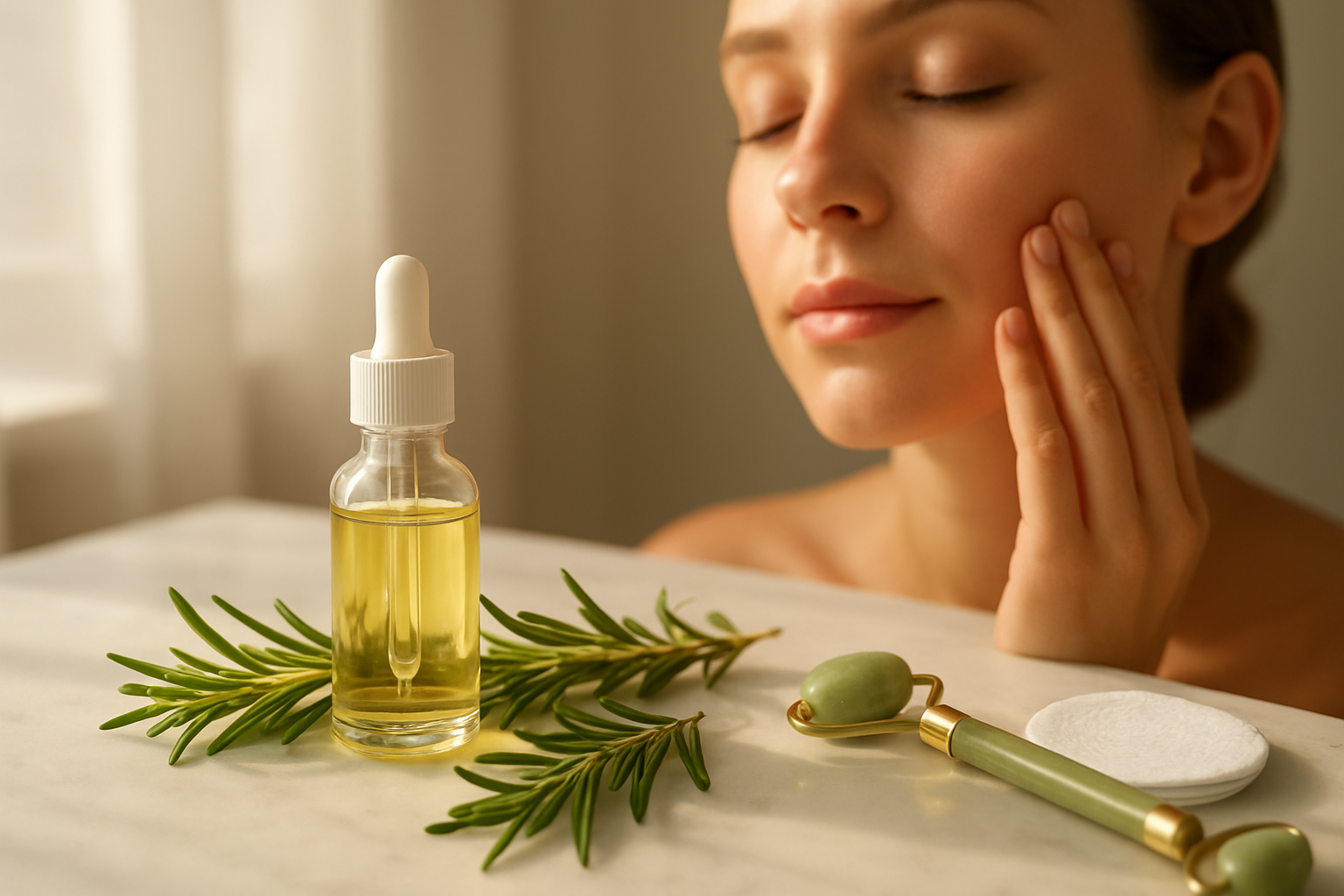
Boost circulation for youthful glow and firmness
Rosemary oil works like a gentle wake-up call for your skin’s circulation system. When you massage this aromatic oil into your face, it dilates the tiny blood vessels beneath the surface, bringing fresh oxygen and nutrients right where your skin needs them most. This increased blood flow creates that coveted natural glow that no highlighter can replicate.
The improved circulation doesn’t just stop at appearance benefits. Better blood flow means your skin cells receive more of the building blocks they need to produce collagen and elastin – those crucial proteins that keep your skin bouncy and firm. Think of it as giving your skin cells a first-class delivery service for all their essential nutrients.
Regular use creates a noticeable difference in skin texture and tone. Many people report seeing a reduction in dullness within just a few weeks of consistent application. The key is gentle, upward circular motions during application, which helps maximize the circulation-boosting effects while avoiding any irritation.
Reduce fine lines with antioxidant protection
Rosemary oil packs a serious antioxidant punch thanks to compounds like rosmarinic acid and carnosic acid. These powerful molecules act like tiny bodyguards for your skin cells, neutralizing the free radicals that cause premature aging and those pesky fine lines around your eyes and mouth.
Free radicals come at your skin from all directions – UV rays, pollution, stress, even normal cellular processes. Without proper protection, they break down collagen fibers and damage skin cells faster than your body can repair them. Rosemary oil’s antioxidants step in to interrupt this damage cycle.
The beauty of rosemary oil lies in its ability to penetrate deeply into skin layers, delivering protection where it’s needed most. Unlike some topical antioxidants that only work on the surface, rosemary oil’s molecular structure allows it to reach the dermis, where collagen production happens. This deeper action means more effective prevention of new lines and gradual softening of existing ones.
For best results, apply diluted rosemary oil to clean skin before your moisturizer. The oil creates a protective barrier while the antioxidants get to work beneath the surface.
Clear acne and blemishes using antimicrobial power
Rosemary oil’s natural antimicrobial properties make it a game-changer for anyone dealing with stubborn breakouts or recurring blemishes. The oil contains compounds that target the bacteria responsible for acne, particularly Propionibacterium acnes, without the harsh side effects of many commercial acne treatments.
What sets rosemary oil apart from other acne treatments is its ability to fight bacteria while simultaneously reducing inflammation. Many acne products either dry out your skin completely or irritate it to the point where your skin produces even more oil to compensate. Rosemary oil works more intelligently – it kills harmful bacteria while supporting your skin’s natural healing processes.
The oil also helps regulate sebum production, which is often at the root of acne problems. When your skin produces too much oil, it clogs pores and creates the perfect environment for bacteria to multiply. Rosemary oil helps balance this production, reducing the likelihood of future breakouts.
For spot treatment, dilute rosemary oil with a carrier oil like jojoba or sweet almond oil. Apply directly to blemishes using a cotton swab, avoiding the surrounding healthy skin. You’ll often see improvements within 24-48 hours as the antimicrobial compounds get to work reducing both the size and redness of breakouts.
Enhance Mental Clarity and Focus Naturally

Improve Memory Retention Through Aromatherapy
Rosemary oil’s impact on memory comes from its active compound, 1,8-cineole, which crosses the blood-brain barrier and influences neurotransmitter activity. When you inhale rosemary’s aromatic molecules, they travel through your olfactory system directly to the limbic brain, where memory formation occurs.
Research shows that people exposed to rosemary aroma score 15% higher on memory tasks compared to control groups. The scent triggers the release of acetylcholine, a neurotransmitter crucial for learning and recall. Students using rosemary during study sessions report better retention of complex information and improved test performance.
To harness these benefits, add 3-4 drops of pure rosemary oil to a diffuser during study or work sessions. Alternatively, place a drop on your wrists and inhale periodically while reviewing material. The key is consistent exposure rather than overwhelming intensity.
Combat Brain Fog with Energizing Scent Therapy
Brain fog manifests as mental fatigue, poor concentration, and cloudy thinking. Rosemary oil acts as a natural cognitive stimulant, increasing circulation to the brain and oxygenating neural pathways. Its camphor-like aroma provides an immediate mental jolt similar to smelling salts but gentler and more sustained.
The herb’s rosmarinic acid and carnosic acid compounds work synergistically to reduce inflammation in brain tissue while promoting neuroplasticity. This dual action helps clear mental cobwebs and sharpens cognitive function within minutes of inhalation.
Create a personal inhaler by adding 10 drops of rosemary oil to a cotton wick in a small inhaler tube. Use this whenever mental clarity drops, typically mid-afternoon or during mentally demanding tasks.
Reduce Stress and Anxiety for Better Concentration
Chronic stress floods the brain with cortisol, impairing focus and decision-making abilities. Rosemary oil’s adaptogenic properties help regulate the hypothalamic-pituitary-adrenal axis, reducing stress hormone production and promoting mental calmness without sedation.
The oil’s β-pinene and camphene compounds activate the parasympathetic nervous system, shifting your body from fight-or-flight mode to rest-and-digest. This transition creates optimal conditions for sustained concentration and creative thinking.
Blend rosemary with lavender in equal parts for a balanced stress-relief formula. Diffuse this mixture during high-pressure situations or apply diluted to pulse points before important meetings or exams.
Create Productive Workspace Atmospheres
Your environment significantly influences cognitive performance, and scent plays a powerful role in workspace productivity. Rosemary oil transforms any area into a focus-enhancing zone by stimulating alertness while reducing mental fatigue.
Office workers exposed to rosemary aroma show increased typing speed, improved accuracy, and better problem-solving capabilities. The scent masks distracting odors while creating positive psychological associations with productivity and mental sharpness.
| Application Method | Duration | Concentration Level |
|---|---|---|
| Desktop Diffuser | 30-45 minutes | 2-3 drops |
| Room Spray | As needed | 10 drops per 4 oz water |
| Personal Inhaler | 2-3 breaths | 8-10 drops total |
Position a small ultrasonic diffuser near your workspace, running 15-minute cycles throughout the day. This prevents olfactory fatigue while maintaining consistent cognitive benefits.
Morning Rituals for Sustained Mental Energy
Starting your day with rosemary oil sets a foundation for sustained mental clarity. Morning cortisol levels naturally peak, making this the ideal time to introduce cognitive enhancers that work with your body’s rhythm rather than against it.
A simple morning ritual involves adding 2 drops of rosemary oil to your shower floor, allowing steam to carry the aroma throughout your bathroom. This gentle introduction primes your nervous system for optimal performance without overwhelming your senses.
Alternatively, create a morning blend by mixing rosemary with peppermint and lemon oils. Apply one drop to each temple after your morning routine, massaging gently in circular motions. This combination provides immediate alertness while supporting sustained energy throughout the morning hours.
The key to lasting mental energy lies in consistency rather than intensity. Regular, moderate exposure to rosemary oil trains your brain to associate the scent with peak performance states, creating a natural trigger for enhanced cognitive function whenever you encounter the aroma.
Apply Safe Usage Techniques for Maximum Results
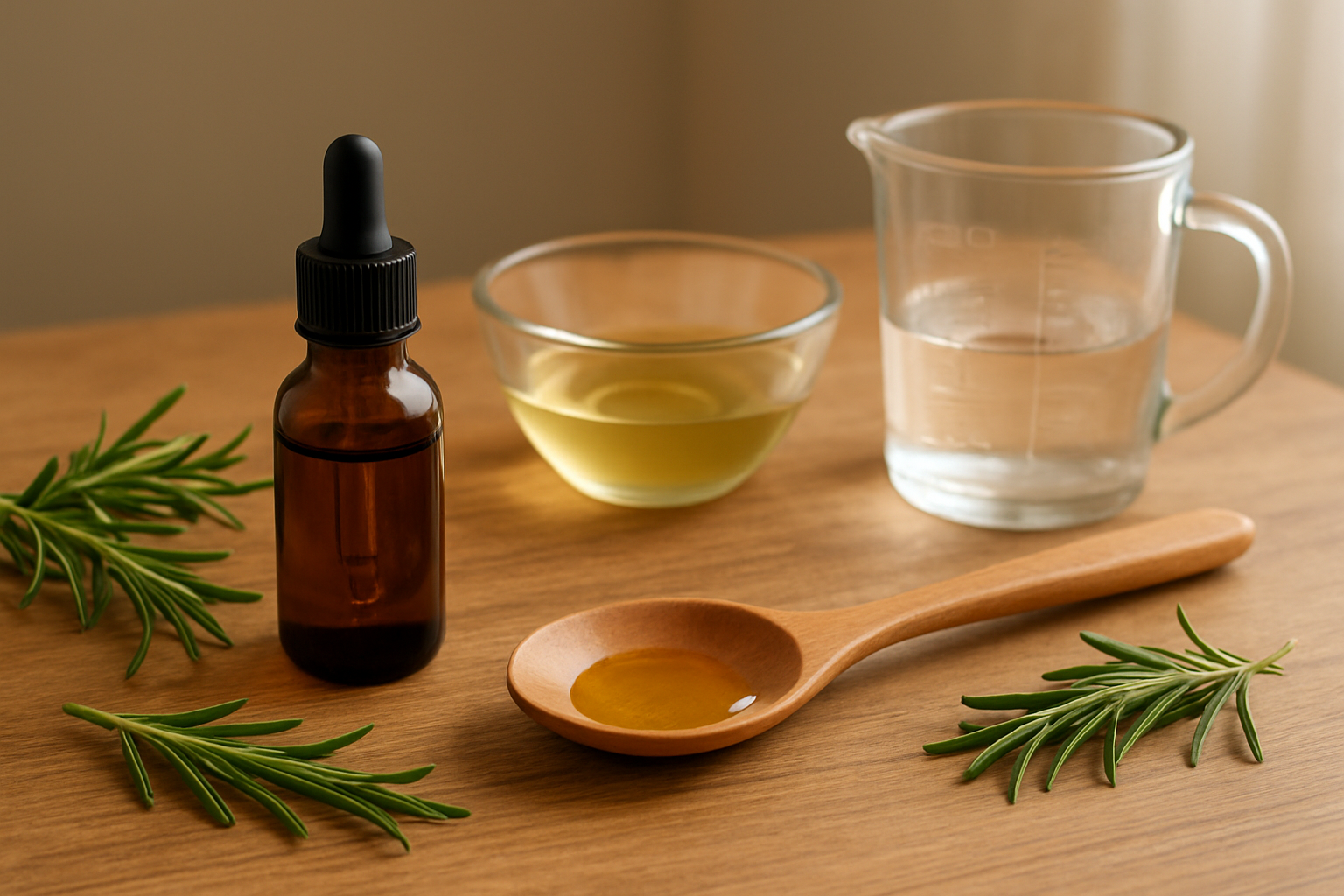
Proper Dilution Ratios to Prevent Skin Irritation
Rosemary oil packs serious punch, so treating it with respect means never applying it neat to your skin. The golden rule is dilution – always mix it with a carrier oil before application. For most adults, a 2-3% dilution works perfectly for topical use. This translates to about 12-18 drops of rosemary oil per ounce of carrier oil like jojoba, sweet almond, or fractionated coconut oil.
Starting with a weaker concentration makes sense, especially if you have sensitive skin. Begin with a 1% dilution (6 drops per ounce of carrier oil) and gradually increase if your skin tolerates it well. For facial applications, stick to 1% or less since facial skin is typically more delicate.
| Application Area | Dilution Ratio | Drops per 1 oz Carrier Oil |
|---|---|---|
| Face/Scalp | 0.5-1% | 3-6 drops |
| Body | 2-3% | 12-18 drops |
| Foot massage | 3-5% | 18-30 drops |
Children require even gentler dilutions. For kids over 6, use 0.5-1% maximum. Avoid using rosemary oil on children under 6 years old entirely, as their skin barrier isn’t fully developed and their nervous systems are more sensitive to essential oil compounds.
Patch Testing Protocols Before First Use
Smart rosemary oil users always patch test before diving into full applications. This simple step can save you from uncomfortable reactions and help you determine your personal tolerance level.
Choose a small area of skin that’s typically less sensitive – the inside of your forearm works great. Apply a small amount of your diluted rosemary oil mixture to a quarter-sized area and cover with a bandage if possible. Wait 24-48 hours and watch for any reactions.
Red flags include redness, swelling, itching, burning sensations, or any unusual skin changes. If you experience any of these symptoms, wash the area immediately with soap and water and avoid using rosemary oil. Mild tingling is normal initially, but persistent discomfort signals you should either dilute further or skip rosemary oil altogether.
Don’t rush this process. Even if you’ve used other essential oils without problems, each oil has unique properties. Rosemary oil contains compounds like camphor and 1,8-cineole that some people react to more strongly than others.
Pregnancy and Medication Interaction Warnings
Pregnancy changes everything about essential oil safety. Rosemary oil contains camphor, which can stimulate uterine contractions and potentially affect fetal development. Pregnant women should avoid rosemary oil entirely during the first trimester and use extreme caution afterward – if at all.
Breastfeeding mothers should also exercise caution, as essential oil compounds can pass through breast milk. When in doubt, consult your healthcare provider before using any essential oils during pregnancy or nursing.
Rosemary oil can interact with certain medications, particularly those affecting blood pressure and blood clotting. If you take blood thinners like warfarin, blood pressure medications, or diabetes medications, talk with your doctor before using rosemary oil regularly. The oil may enhance or interfere with these medications’ effects.
People with epilepsy or seizure disorders should avoid rosemary oil completely. The camphor content can potentially trigger seizures in susceptible individuals. Similarly, those with high blood pressure should use caution, as rosemary oil may cause blood pressure spikes in some people.
Always inform your healthcare providers about your essential oil use, especially before surgeries or medical procedures.
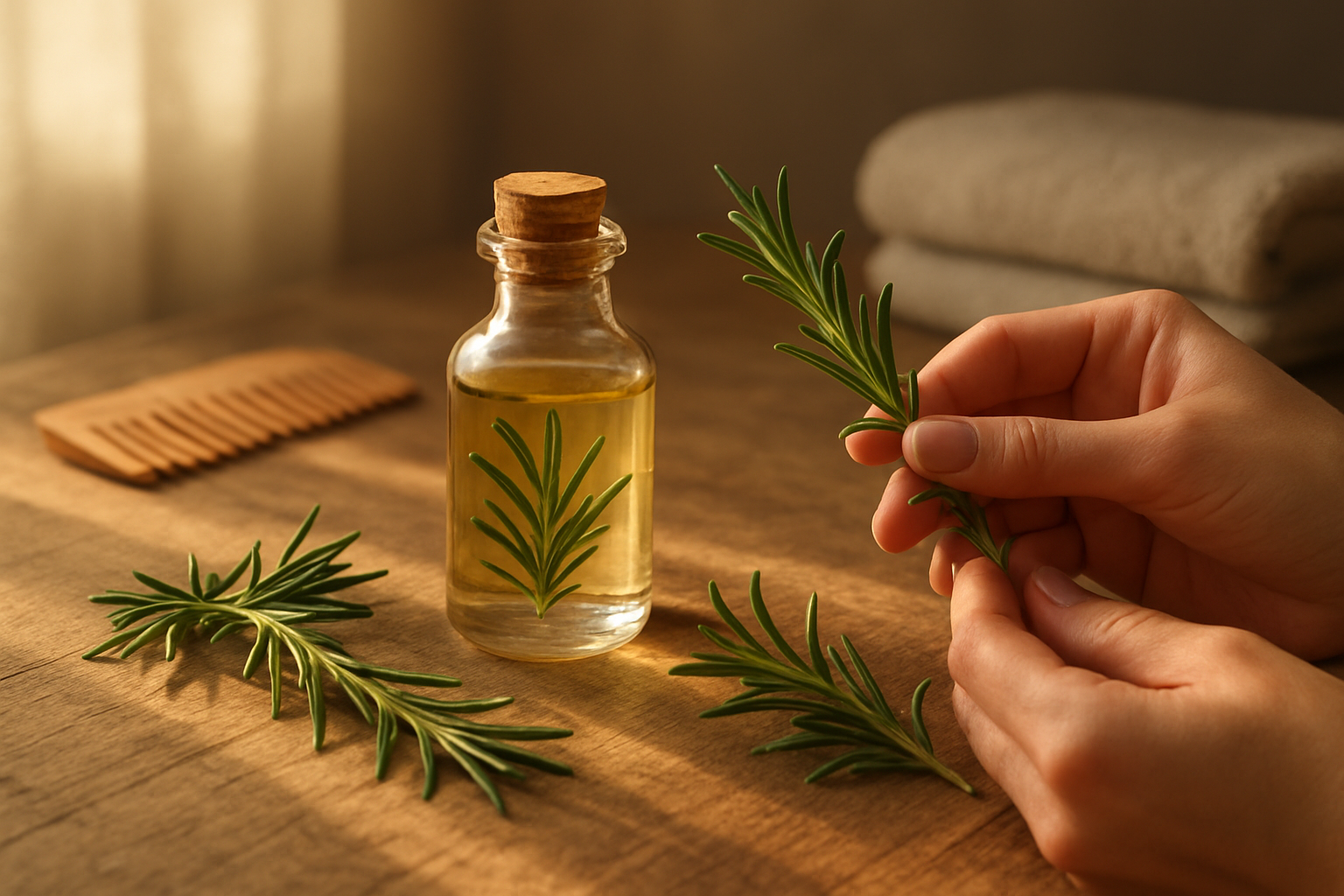
Rosemary oil has proven itself as a timeless remedy that bridges ancient wisdom with today’s wellness needs. From boosting hair growth and improving scalp health to sharpening mental focus and fighting signs of aging, this powerful essential oil offers benefits that modern science continues to validate. The key lies in choosing high-quality oil and applying it safely through proper dilution and patch testing.
Ready to make rosemary oil part of your daily routine? Start small with one application—maybe adding a few drops to your shampoo or creating a simple scalp massage blend. Pay attention to how your body responds, and gradually explore other uses like aromatherapy for mental clarity or diluted applications for skin care. With patience and consistency, you’ll discover why people have trusted this fragrant herb for thousands of years to enhance their health and well-being.