Malnutrition and deficiency affect millions of people worldwide, from busy professionals skipping meals to seniors struggling with appetite loss. This comprehensive guide is designed for anyone concerned about getting proper nutrition—whether you’re a parent worried about your child’s eating habits, an adult experiencing unexplained fatigue, or someone simply wanting to optimize their health through better nutrition.
Poor nutrition doesn’t just mean not eating enough. It includes getting too little of essential vitamins and minerals your body needs to function properly. Even people who eat regularly can develop serious nutrient deficiencies that lead to health problems.
We’ll explore the most common nutrient deficiencies that millions face today, including iron, vitamin D, and B vitamins that can leave you feeling tired and run down. You’ll also learn how to recognize the early warning signs your body sends when it’s not getting what it needs, plus proven strategies to prevent and reverse nutritional deficiencies before they impact your long-term health.
Understanding Malnutrition and Its Impact on Your Health

Recognize the difference between undernutrition and overnutrition
Malnutrition comes in two distinct forms that many people don’t realize exist side by side. Undernutrition happens when your body doesn’t get enough essential nutrients to function properly. This includes not eating enough calories, protein, vitamins, or minerals your body needs to stay healthy. You might picture someone who looks extremely thin, but undernutrition can affect people of any size.
Overnutrition, on the other hand, occurs when you consume too much of certain nutrients, particularly calories, fats, sugars, or sodium. This form of malnutrition often leads to obesity and related health problems like diabetes and heart disease. What makes this tricky is that someone can be overweight yet still be undernourished if they’re eating lots of calories but missing key vitamins and minerals.
Both types create serious health challenges. Someone with undernutrition might experience constant fatigue, frequent infections, and slow wound healing. People dealing with overnutrition face increased risks of chronic diseases, joint problems, and metabolic disorders. The key difference lies in quantity versus quality – undernutrition typically involves not enough food, while overnutrition involves too much of the wrong foods.
Identify how malnutrition affects your immune system
Your immune system acts like your body’s security team, and malnutrition basically leaves the gates wide open for trouble. When you don’t get proper nutrition, your white blood cells can’t multiply effectively or fight off infections as they should. This creates a dangerous cycle where you get sick more often, which then makes it harder for your body to absorb nutrients properly.
Protein deficiency hits your immune system particularly hard since antibodies are made from protein. Without enough protein, your body struggles to produce the infection-fighting molecules it needs. Vitamin deficiencies also play a major role – vitamin C helps wounds heal and supports immune cell function, while vitamin D helps regulate immune responses. Zinc deficiency can reduce the number of infection-fighting cells your body produces.
Children with malnutrition face especially serious immune problems. Their developing immune systems never get the chance to build proper defenses, making them vulnerable to diseases that well-nourished children easily fight off. Even mild nutrient deficiencies can increase how long you stay sick and how severe your symptoms become. Recovery from illness takes longer when your body lacks the building blocks needed to repair damaged tissue and replace lost immune cells.
Discover the long-term consequences on physical development
Physical development takes a serious hit when malnutrition enters the picture, especially during childhood and teenage years. Growth stunting becomes one of the most visible signs – children who don’t get adequate nutrition simply don’t reach their full height potential. This isn’t just about being shorter; stunted growth often signals that the brain and other organs haven’t developed properly either.
Bone development suffers tremendously from poor nutrition. Without enough calcium, vitamin D, and protein during growing years, bones remain weak and brittle throughout life. This sets people up for fractures and osteoporosis later on. Muscle development also gets compromised – inadequate protein intake means smaller, weaker muscles that affect everything from daily activities to athletic performance.
The timing of malnutrition matters enormously. The first 1,000 days of life (pregnancy through age two) represent a critical window where nutritional damage can become permanent. Poor nutrition during pregnancy affects birth weight and organ development. During early childhood, malnutrition can delay milestones like walking and talking. Teenage malnutrition during growth spurts can result in adults who never reach their genetic potential for height, strength, and physical capacity.
Learn about cognitive impairment risks
Your brain needs consistent, high-quality fuel to work at its best, and malnutrition disrupts this process in serious ways. Iron deficiency, one of the most common nutritional problems worldwide, directly impacts attention span, memory, and learning ability. Children with iron deficiency often struggle in school, have trouble concentrating, and may be misdiagnosed with attention disorders.
Brain development depends heavily on proper nutrition during early life. Severe malnutrition during pregnancy or infancy can cause permanent cognitive damage, affecting IQ, problem-solving skills, and academic achievement throughout life. Even moderate malnutrition can slow brain development and reduce cognitive function.
Specific nutrients play crucial roles in brain health. Omega-3 fatty acids support brain cell communication and memory formation. B vitamins help produce neurotransmitters that regulate mood and thinking. Vitamin D deficiency has been linked to depression and cognitive decline. When these nutrients are missing, the brain literally can’t build and maintain the connections needed for optimal thinking.
Adults aren’t immune to these effects either. Chronic malnutrition can lead to brain fog, difficulty making decisions, and increased risk of mental health problems. The good news is that many cognitive effects can improve with proper nutrition, though the earlier malnutrition occurs in life, the more challenging recovery becomes.
Common Nutrient Deficiencies That Affect Millions

Prevent iron deficiency anemia through proper nutrition
Iron deficiency anemia affects over 1.6 billion people worldwide, making it the most common nutritional disorder globally. Your body needs iron to produce healthy red blood cells that carry oxygen throughout your system. When iron stores run low, you’ll experience fatigue, weakness, pale skin, and cold hands and feet.
Women face higher risks due to menstruation, pregnancy, and breastfeeding. Heavy periods can deplete iron stores faster than your body can replenish them. Vegetarians and vegans also need extra attention since plant-based iron (non-heme iron) is harder for your body to absorb than iron from meat sources (heme iron).
Boost your iron intake by including these foods in your meals:
- Red meat, poultry, and fish – provide easily absorbed heme iron
- Legumes – lentils, chickpeas, and beans pack significant iron amounts
- Dark leafy greens – spinach, kale, and Swiss chard offer plant-based iron
- Fortified cereals – check labels for added iron content
- Pumpkin seeds and quinoa – excellent vegetarian iron sources
Enhance iron absorption by pairing iron-rich foods with vitamin C sources like citrus fruits, bell peppers, or tomatoes. Avoid drinking tea or coffee with iron-rich meals, as these beverages contain compounds that block iron absorption.
Combat vitamin D deficiency for stronger bones
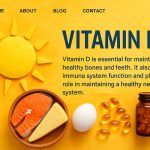
Nearly one billion people worldwide have insufficient vitamin D levels, creating a silent health crisis. Your body produces vitamin D when skin is exposed to sunlight, but modern indoor lifestyles and geographic location can severely limit this natural process. Vitamin D deficiency weakens bones, increases fracture risk, and may contribute to muscle weakness and immune system problems.
People living in northern climates, those with darker skin tones, older adults, and individuals who spend most time indoors face the highest risks. Office workers, healthcare professionals working night shifts, and people who cover their skin for religious or cultural reasons often develop deficiencies without realizing it.
Your body needs vitamin D to absorb calcium effectively. Without adequate levels, you might consume plenty of calcium but still develop weak bones because your intestines can’t absorb it properly.
Natural sources of vitamin D include:
| Food Source | Vitamin D Content (IU per serving) |
|---|---|
| Salmon (3.5 oz) | 360-700 |
| Sardines (3.5 oz) | 270 |
| Egg yolks (1 large) | 20-40 |
| Fortified milk (1 cup) | 100-140 |
| Fortified cereals (1 cup) | 40-100 |
Aim for 10-15 minutes of midday sun exposure several times per week, exposing arms and legs when possible. However, many people need supplements to maintain optimal levels, especially during winter months.
Address vitamin B12 deficiency for better nerve function
Vitamin B12 deficiency creeps up slowly, often taking years to develop noticeable symptoms. This essential vitamin supports nerve function, red blood cell formation, and DNA synthesis. Your body can store B12 for several years, which explains why deficiency symptoms appear gradually and can be mistaken for normal aging or stress.
Adults over 50 face increased risk because stomach acid production decreases with age, making it harder to extract B12 from food. People taking certain medications like proton pump inhibitors or metformin may also develop deficiencies. Vegans and strict vegetarians have the highest risk since B12 occurs naturally only in animal products.
Early warning signs include persistent fatigue, weakness, constipation, and loss of appetite. As deficiency progresses, you might experience numbness in hands and feet, difficulty walking, memory problems, and depression. Left untreated, B12 deficiency can cause irreversible nerve damage.
Best food sources for B12:
- Shellfish – clams provide the highest concentration
- Fish – salmon, tuna, and sardines
- Meat – beef liver contains exceptional amounts
- Dairy products – milk, cheese, and yogurt
- Eggs – particularly the yolks
- Fortified nutritional yeast – ideal for vegetarians
People following plant-based diets should take B12 supplements or consume fortified foods regularly. Don’t wait for symptoms to appear – ask your doctor about testing B12 levels if you’re at risk. Early detection and treatment can prevent permanent nerve damage and restore energy levels effectively.
Spotting Warning Signs Before It’s Too Late

Recognize Physical Symptoms of Nutritional Deficiencies
Your body sends clear signals when it’s missing essential nutrients. Brittle nails that chip easily often point to biotin or protein deficiency, while white spots on nails might indicate zinc shortage. Slow-healing wounds and frequent bruising suggest vitamin C deficiency, as your body struggles to produce collagen properly.
Pay attention to your vision changes too. Night blindness or difficulty adjusting to darkness could signal vitamin A deficiency. Muscle cramps, especially in your legs at night, often indicate magnesium or potassium shortages. Persistent headaches paired with dizziness might mean you’re low on B vitamins or iron.
Joint pain without injury, frequent infections, and bleeding gums are red flags worth investigating. These symptoms don’t always mean malnutrition, but they’re your body’s way of asking for help.
Identify Behavioral Changes Linked to Poor Nutrition
Nutritional deficiencies don’t just affect your body – they dramatically impact your mind and behavior. Iron deficiency often triggers irritability and difficulty concentrating, making simple tasks feel overwhelming. You might notice increased anxiety or mood swings when B vitamins run low, particularly B12 and folate.
Poor nutrition can make you feel foggy and forgetful. Omega-3 deficiencies link to depression and cognitive decline, while low protein intake affects neurotransmitter production, leading to mood instability.
Watch for changes in appetite patterns. Sudden food aversions, unusual cravings for ice or starch, or complete loss of appetite can signal underlying deficiencies. Some people develop pica – craving non-food items like dirt or cornstarch – which often indicates iron or zinc deficiency.
Sleep disturbances, increased stress sensitivity, and social withdrawal are behavioral red flags that shouldn’t be ignored.
Monitor Growth Patterns in Children and Adolescents
Children’s growth patterns tell a powerful story about their nutritional status. Regular height and weight measurements help identify problems early. Stunted growth – when children fall below expected height for their age – often indicates chronic malnutrition or protein deficiency.
Watch for delayed developmental milestones. Late tooth eruption, delayed puberty, or slower cognitive development can signal various nutrient shortages. Growth charts from pediatric visits reveal trends more clearly than single measurements.
Adolescents face unique risks during growth spurts. They need extra calories, protein, calcium, and iron but often make poor food choices. Girls especially need monitoring for iron deficiency as menstruation begins.
School performance can reflect nutritional status. Difficulty learning, poor memory, or behavioral problems sometimes improve with better nutrition. Teachers often notice these changes before parents do.
Watch for Fatigue and Weakness Indicators
Persistent tiredness despite adequate sleep deserves serious attention. Iron deficiency anemia causes overwhelming fatigue that rest doesn’t fix. You might feel breathless climbing stairs or notice your heart racing during normal activities.
Different types of fatigue point to specific deficiencies:
- Morning exhaustion: Often indicates B vitamin deficiencies
- Afternoon crashes: May suggest unstable blood sugar or chromium deficiency
- Muscle weakness: Could mean vitamin D, potassium, or magnesium shortage
- Mental fatigue: Might indicate omega-3 or B12 deficiency
Physical weakness shows up in everyday activities. Struggling to open jars, carry groceries, or climb stairs when you previously managed fine could signal protein deficiency or muscle-wasting conditions.
Pay attention to exercise tolerance changes. If your usual workout suddenly feels impossible or recovery takes much longer, your body might be missing key nutrients needed for energy production and muscle repair.
Detect Skin and Hair Changes Signaling Deficiencies
Your skin and hair serve as external indicators of internal nutritional health. Dry, scaly skin often points to essential fatty acid deficiency or vitamin A shortage. Eczema-like rashes, particularly around the mouth and nose, frequently indicate B vitamin deficiencies.
Hair tells its own story. Thinning hair or excessive shedding might signal iron, protein, or biotin deficiency. Premature graying sometimes indicates B12 or copper shortage, while dry, brittle hair often means essential fatty acid deficiency.
Watch for these specific skin changes:
| Symptom | Likely Deficiency |
|---|---|
| Cracked mouth corners | B vitamins, iron, zinc |
| Rough, bumpy skin on arms | Vitamin A, essential fatty acids |
| Easy bruising | Vitamin C, vitamin K |
| Slow wound healing | Vitamin C, zinc, protein |
| Dark patches on skin | Niacin (B3) deficiency |
Pale nail beds, especially when pressed, often indicate iron deficiency. Yellow-tinged skin might suggest beta-carotene excess or liver issues related to poor nutrition absorption.
Enter Your Heading
Risk Factors That Increase Your Vulnerability

Understand how poverty limits access to nutritious foods
Economic hardship creates a devastating cycle where people struggle to afford nutrient-dense foods. Fresh fruits, vegetables, lean proteins, and whole grains typically cost more per calorie than processed, high-calorie options. Families living paycheck to paycheck often choose filling foods that stretch their dollars – think ramen noodles, white bread, and sugary snacks – rather than expensive superfoods.
Food deserts compound this problem. Low-income neighborhoods frequently lack full-service grocery stores, leaving residents dependent on convenience stores and fast-food chains. These locations rarely stock fresh produce or healthy options. Even when available, fresh foods spoil quickly, making them risky purchases for families uncertain about their next paycheck.
The stress of financial insecurity also affects eating patterns. People experiencing poverty may skip meals to save money or eat irregularly due to work schedules involving multiple jobs. This feast-or-famine pattern disrupts metabolism and makes nutritional deficiencies more likely.
Recognize age-related absorption problems
Your body’s ability to absorb and process nutrients changes dramatically as you age. Stomach acid production decreases significantly after age 50, making it harder to extract vitamin B12, iron, and calcium from foods. This explains why older adults often develop B12 deficiency despite eating meat regularly.
The intestinal lining becomes less efficient at absorbing nutrients over time. Digestive enzymes decline, making protein breakdown more difficult. Many seniors also take medications that interfere with nutrient absorption – proton pump inhibitors block B12 absorption, while some blood pressure medications can deplete potassium and magnesium.
Kidney function naturally declines with age, affecting how the body processes vitamin D. Since vitamin D helps absorb calcium, this creates a domino effect leading to bone weakness. Additionally, taste and smell changes make food less appealing, often resulting in reduced food intake overall.
Address medical conditions that impair nutrient uptake
Several health conditions directly interfere with your body’s ability to absorb nutrients, even when you eat well. Celiac disease damages the small intestine’s lining, preventing proper absorption of iron, calcium, vitamins D and B12, and folate. Crohn’s disease and ulcerative colitis create similar problems by inflaming digestive tissues.
Diabetes affects nutrient absorption in multiple ways. High blood sugar levels increase urination, flushing out water-soluble vitamins and minerals. Diabetic medications can also deplete vitamin B12 and other nutrients. Meanwhile, liver disease impairs the storage and conversion of vitamins A, D, E, and K.
Thyroid disorders mess with your metabolism, affecting how efficiently your body uses nutrients. Hyperthyroidism speeds up metabolism so much that you may need significantly more calories and nutrients than normal. Hypothyroidism slows everything down, potentially leading to weight gain and reduced nutrient needs.
Kidney disease prevents proper vitamin D activation and phosphorus regulation. Heart failure medications often deplete potassium, magnesium, and thiamine. Even common conditions like acid reflux, when treated with acid-blocking medications, can lead to B12, iron, and magnesium deficiencies.
Identify dietary restrictions that may cause imbalances
Well-intentioned dietary choices can sometimes create nutritional gaps. Strict vegetarian and vegan diets require careful planning to avoid deficiencies in vitamin B12, iron, zinc, omega-3 fatty acids, and vitamin D. Plant-based iron doesn’t absorb as easily as iron from meat sources, making iron deficiency anemia more common among vegetarians.
Gluten-free diets, whether medically necessary or by choice, can lead to deficiencies in B vitamins, fiber, and iron if people rely heavily on processed gluten-free products instead of naturally gluten-free whole foods. These specialty products are often less fortified than their wheat-based counterparts.
Extreme low-carb or ketogenic diets may cause electrolyte imbalances, particularly sodium, potassium, and magnesium deficiencies. The rapid water loss during the initial phase of these diets flushes out essential minerals. Without proper supplementation and food choices, followers may experience fatigue, cramping, and heart rhythm problems.
Food allergies and intolerances create additional challenges. People avoiding dairy due to lactose intolerance often struggle to get enough calcium and vitamin D. Those with severe food allergies may have such restricted diets that meeting all nutritional needs becomes difficult without professional guidance.
Proven Strategies to Prevent and Reverse Deficiencies

Create balanced meal plans for optimal nutrition
Building a balanced meal plan starts with understanding the plate method – fill half your plate with colorful vegetables and fruits, one quarter with lean proteins, and one quarter with whole grains. This simple approach ensures you’re getting a variety of nutrients throughout the day.
Focus on including foods from all major nutrient groups at each meal. For breakfast, combine protein-rich eggs with vitamin C-packed berries and whole grain toast. Lunch might feature leafy greens, lean chicken, quinoa, and avocado for healthy fats. Dinner could include salmon for omega-3s, roasted vegetables for antioxidants, and sweet potato for beta-carotene.
Planning ahead makes all the difference. Spend 20 minutes each week mapping out your meals and creating a shopping list. This prevents last-minute unhealthy choices and ensures you have nutrient-dense ingredients on hand.
| Nutrient | Best Food Sources | Daily Goal |
|---|---|---|
| Vitamin C | Citrus fruits, bell peppers, strawberries | 75-90mg |
| Iron | Spinach, lean beef, lentils | 8-18mg |
| Calcium | Dairy, leafy greens, sardines | 1000-1200mg |
| Vitamin D | Fatty fish, fortified foods | 600-800 IU |
Choose the right supplements when diet isn’t enough
Not all supplements are created equal, and timing matters. Take iron supplements on an empty stomach with vitamin C to boost absorption, but calcium with meals to reduce stomach upset. Water-soluble vitamins like B-complex and vitamin C can be taken anytime, while fat-soluble vitamins (A, D, E, K) need to be consumed with healthy fats.
Quality matters more than price. Look for third-party tested supplements with certifications from organizations like NSF or USP. These ensure the product contains what the label claims and is free from harmful contaminants.
Common supplementation needs include:
- Vitamin D: Especially for those with limited sun exposure
- B12: Critical for vegetarians and older adults
- Omega-3: For those who don’t eat fish regularly
- Magnesium: Often depleted by stress and processed foods
- Probiotics: To support digestive health and nutrient absorption
Start with one supplement at a time and give it 4-6 weeks to assess effectiveness. Keep a simple log of how you feel, sleep quality, and energy levels to track improvements.
Improve nutrient absorption through proper food combinations
Your body absorbs nutrients better when you pair foods strategically. Iron from plant sources becomes more available when combined with vitamin C – think spinach salad with strawberries or lentils with bell peppers. Adding a small amount of healthy fat to vegetables helps absorb fat-soluble vitamins, so drizzle olive oil on your salad or add avocado to your smoothie.
Avoid certain combinations that block absorption. Coffee and tea can inhibit iron absorption, so wait at least an hour after meals before having your caffeine fix. Calcium can interfere with iron uptake, so don’t take these supplements together.
Cooking methods also impact nutrient availability. Lightly steaming vegetables preserves more vitamins than boiling, while raw foods provide enzymes that aid digestion. Fermented foods like yogurt, kefir, and sauerkraut introduce beneficial bacteria that improve overall nutrient absorption.
Meal timing plays a role too. Eating smaller, more frequent meals keeps your digestive system working efficiently. Your body can only absorb so much at once, so spreading nutrients throughout the day maximizes uptake.
Establish healthy eating habits for long-term success
Small changes compound over time to create lasting results. Start by adding one nutrient-dense food to each meal rather than overhauling your entire diet overnight. Replace refined grains with whole grains, add a serving of vegetables to breakfast, or choose nuts over processed snacks.
Mindful eating transforms your relationship with food. Slow down during meals, chew thoroughly, and pay attention to hunger and fullness cues. This simple practice improves digestion and helps prevent overeating.
Create supportive environments by keeping healthy foods visible and accessible. Wash and chop vegetables when you get home from grocery shopping, keep a bowl of fruit on the counter, and pack nutritious snacks for busy days.
Track your progress with a simple food diary or smartphone app. You don’t need to count every calorie, but noting what you eat helps identify patterns and areas for improvement. Many people discover they’re missing entire food groups or eating the same few foods repeatedly.
Build flexibility into your approach. The 80/20 rule works well – aim for nutritious choices 80% of the time while allowing room for occasional treats. This prevents the all-or-nothing mindset that leads to diet cycling and nutrient deficiencies.
When to Seek Professional Help for Nutritional Issues

Find Qualified Healthcare Providers for Assessment
Your primary care doctor serves as the best starting point for addressing nutritional concerns. They can evaluate your symptoms, review your dietary habits, and determine whether you need specialized care. If your regular physician lacks expertise in nutrition, they’ll refer you to appropriate specialists.
Registered dietitians (RDs) and registered dietitian nutritionists (RDNs) hold the gold standard for nutritional expertise. These professionals complete rigorous education requirements and maintain certification through continuing education. They can assess your eating patterns, identify deficiencies, and create personalized meal plans that address your specific needs.
Endocrinologists specialize in hormonal disorders that often connect to nutritional problems. They’re particularly valuable when dealing with diabetes, thyroid issues, or metabolic conditions that affect nutrient absorption. Gastroenterologists become essential when digestive problems contribute to malnutrition, such as celiac disease, Crohn’s disease, or other conditions affecting the gut.
When choosing a provider, verify their credentials through professional licensing boards. Look for practitioners who stay current with research and use evidence-based approaches. Ask about their experience with your specific concerns and their approach to treatment. Good providers will explain their reasoning, involve you in decision-making, and coordinate care with your other healthcare team members.
Understand Diagnostic Tests for Nutrient Deficiencies
Blood tests reveal most nutrient deficiencies through measuring specific vitamins, minerals, and biomarkers. A comprehensive metabolic panel provides baseline information about your overall health status. Specific tests include vitamin B12 and folate levels, vitamin D (25-hydroxyvitamin D), iron studies (including ferritin, transferrin, and total iron-binding capacity), and vitamin levels for A, C, and E.
Your doctor might order specialized tests based on your symptoms and risk factors. Methylmalonic acid testing offers more accurate B12 deficiency detection than standard B12 blood levels alone. Homocysteine levels help identify folate and B12 deficiencies. Zinc levels require careful timing since they fluctuate throughout the day.
| Test Type | What It Measures | Normal Range | Preparation Needed |
|---|---|---|---|
| Vitamin D | 25-hydroxyvitamin D | 30-50 ng/mL | None |
| B12 | Cobalamin levels | 300-900 pg/mL | 12-hour fast recommended |
| Iron Panel | Ferritin, transferrin | Varies by age/sex | Morning draw preferred |
| Folate | Serum folate | 3-17 ng/mL | None |
Some nutrients require tissue biopsies or functional tests. Magnesium deficiency shows better through red blood cell magnesium rather than serum levels. Your healthcare provider will explain which tests they recommend and why certain ones provide more accurate results for your situation.
Learn About Treatment Options and Recovery Timelines
Treatment approaches vary dramatically depending on the severity of deficiency and underlying causes. Mild deficiencies often respond well to dietary changes and over-the-counter supplements. Severe deficiencies may require prescription-strength supplements or even intravenous treatments in hospital settings.
Oral supplementation works for most people with functional digestive systems. Your healthcare provider will recommend specific doses, timing, and duration based on your test results. Some nutrients absorb better with food, while others work best on empty stomachs. Vitamin D pairs well with calcium, while iron supplements should avoid calcium, coffee, and tea within two hours of taking them.
Recovery timelines depend on several factors including the severity of deficiency, your body’s ability to absorb nutrients, and whether underlying conditions interfere with treatment. Most people see improvements in energy and basic symptoms within 2-4 weeks of starting appropriate supplementation. Complete restoration of nutrient stores typically takes 3-6 months.
Expected Recovery Timelines:
- Iron deficiency: 2-3 months for blood levels, 6 months for iron stores
- Vitamin B12: 2-8 weeks for symptom improvement, 3-6 months for complete recovery
- Vitamin D: 6-8 weeks for blood levels, 3-4 months for optimal status
- Folate: 1-4 weeks for blood levels, 1-4 months for tissue stores
Your healthcare team will monitor progress through follow-up testing and symptom tracking. They’ll adjust dosages as needed and identify any barriers to recovery. Some people require long-term supplementation due to absorption problems or dietary restrictions, while others can maintain adequate levels through improved nutrition alone.

Malnutrition and nutrient deficiencies don’t discriminate – they can affect anyone, regardless of age or background. The warning signs are often subtle at first, but learning to recognize them early can make all the difference in your health journey. From fatigue and hair loss to more serious complications, your body has ways of telling you when something’s missing from your diet.
The good news is that most deficiencies are preventable and reversible with the right approach. Simple changes like eating a varied diet, understanding your personal risk factors, and staying aware of your body’s signals can go a long way. If you’re experiencing persistent symptoms or have concerns about your nutritional status, don’t wait – reach out to a healthcare professional who can guide you toward better health through proper nutrition and targeted interventions.