Walnuts pack a powerful nutritional punch that can transform your health in surprising ways. This guide is perfect for health-conscious individuals, fitness enthusiasts, and anyone curious about adding more nutrient-dense foods to their diet.
We’ll explore the impressive nutritional profile of walnuts and how these brain-shaped nuts earn their superfood status. You’ll discover how walnuts support heart health and cardiovascular function, plus learn about their remarkable ability to boost brain function and cognitive performance. We’ll also cover how these versatile nuts can help with weight management and provide strong anti-inflammatory benefits that may protect against chronic diseases.
Essential Nutritional Profile of Walnuts
High Omega-3 Fatty Acid Content for Optimal Health
Walnuts pack more omega-3 fatty acids than any other tree nut, delivering approximately 2.5 grams of alpha-linolenic acid (ALA) per ounce. This essential fat transforms into EPA and DHA in your body, the same heart-healthy compounds found in fatty fish. While the conversion rate varies among individuals, walnuts provide a reliable plant-based source for people who don’t consume fish regularly.
Your body can’t produce omega-3s naturally, making dietary sources critical. The ALA in walnuts supports cellular membrane function, reduces inflammation markers, and helps regulate blood pressure. Research shows that people who eat walnuts regularly have better omega-3 status than those who don’t, even without consuming fish oil supplements.
The omega-3 profile in walnuts also influences prostaglandin production, chemical messengers that control inflammation and blood vessel function. Just a handful of walnuts daily can significantly boost your omega-3 intake, contributing to better cardiovascular health and reduced inflammatory responses throughout your body.
Complete Protein Source with All Essential Amino Acids
Walnuts contain all nine essential amino acids your body needs but cannot synthesize independently, making them a complete protein source. Each ounce provides roughly 4 grams of protein with a particularly strong amino acid profile that includes high levels of arginine and glutamic acid.
The protein quality in walnuts rivals that of many animal sources when evaluated using the Protein Digestibility Corrected Amino Acid Score (PDCAAS). Arginine, abundant in walnuts, serves as a precursor to nitric oxide, which helps relax blood vessels and improve circulation. Glutamic acid supports neurotransmitter function and plays a role in cognitive processes.
| Essential Amino Acid | Amount per oz (mg) | % Daily Value |
|---|---|---|
| Lysine | 278 | 13% |
| Methionine | 236 | 16% |
| Threonine | 295 | 17% |
| Tryptophan | 170 | 61% |
The protein in walnuts digests easily and provides sustained energy release, making them excellent for muscle maintenance and recovery. Unlike some plant proteins that lack certain amino acids, walnuts offer complete nutritional support for protein synthesis and cellular repair processes.
Rich Mineral Complex Including Magnesium and Copper
Walnuts deliver an impressive array of essential minerals, with copper and magnesium leading the pack. A single ounce provides about 50% of your daily copper needs and 11% of magnesium requirements. Copper functions as a cofactor for numerous enzymes involved in iron metabolism, collagen synthesis, and antioxidant defense systems.
Magnesium in walnuts supports over 300 enzymatic reactions in your body, including energy production, protein synthesis, and blood glucose control. This mineral also helps regulate heart rhythm and supports healthy bone formation. People with higher magnesium intake often have better sleep quality and reduced muscle tension.
The mineral profile extends beyond these two powerhouses:
- Phosphorus: Supports bone health and cellular energy storage
- Manganese: Essential for bone development and wound healing
- Zinc: Boosts immune function and supports protein synthesis
- Iron: Carries oxygen throughout your bloodstream
The bioavailability of these minerals from walnuts remains high due to the nut’s natural fat content, which enhances absorption of fat-soluble nutrients and minerals that require dietary fat for optimal uptake.
Abundant Antioxidants and Vitamin E Protection
Walnuts contain one of the highest antioxidant concentrations among tree nuts, with a total antioxidant capacity that exceeds many fruits and vegetables. The antioxidant powerhouse includes vitamin E, melatonin, and various polyphenolic compounds that work synergistically to combat oxidative stress.
Vitamin E in walnuts exists primarily as gamma-tocopherol, a form that’s particularly effective at neutralizing nitrogen-based free radicals. This differs from most supplements, which contain alpha-tocopherol. The gamma form offers unique protective benefits for cellular membranes and DNA integrity.
Melatonin, naturally occurring in walnuts, provides antioxidant protection while supporting healthy sleep cycles. The concentration varies but typically ranges from 3-4 nanograms per gram, making walnuts one of the richest dietary sources of this compound.
The polyphenolic profile includes:
- Ellagic acid: Protects against cellular damage and supports immune function
- Catechins: Improve blood vessel function and reduce inflammation
- Anthocyanins: Provide protective benefits for brain and heart health
- Quercetin: Offers anti-inflammatory and antihistamine properties
These antioxidants work together to protect your cells from environmental toxins, UV radiation, and metabolic byproducts that can accelerate aging and disease development. The combination creates a protective shield that supports long-term health and vitality.
Heart Health and Cardiovascular Benefits

Lower Cholesterol Levels Through Daily Consumption
Walnuts pack a powerful punch when it comes to managing cholesterol levels. The key players here are the omega-3 fatty acids, particularly alpha-linolenic acid (ALA), which makes up about 13% of a walnut’s total fat content. When you eat walnuts regularly, these healthy fats work to reduce low-density lipoprotein (LDL) cholesterol – the “bad” kind that clogs arteries.
Multiple clinical studies show that eating just one ounce of walnuts daily can decrease LDL cholesterol by 5-15%. The polyunsaturated fats in walnuts actually replace saturated fats in your diet, creating a double benefit. Your body also gets a boost of plant sterols from walnuts, which block cholesterol absorption in your intestines.
What’s really impressive is how walnuts specifically target the small, dense LDL particles that are most dangerous for heart health. These tiny cholesterol particles penetrate artery walls more easily, but regular walnut consumption shifts your LDL profile toward larger, less harmful particles.
Improved Blood Pressure and Arterial Function
Your blood vessels love walnuts, and the science backs this up beautifully. The omega-3 fatty acids in walnuts help your arteries stay flexible and responsive, which translates to better blood pressure control. When your arteries can expand and contract properly, your heart doesn’t have to work as hard to pump blood throughout your body.
Research demonstrates that people who eat walnuts regularly experience measurable improvements in endothelial function – that’s how well the inner lining of your blood vessels works. Healthy endothelial function means better blood flow and lower blood pressure naturally.
The magnesium content in walnuts also plays a supporting role here. This mineral helps relax blood vessel walls, contributing to the overall blood pressure-lowering effect. Studies show that including walnuts in your diet can reduce systolic blood pressure by 2-3 mmHg, which might seem small but translates to meaningful cardiovascular protection over time.
Reduced Risk of Heart Disease and Stroke
The cardiovascular protection walnuts offer goes beyond just improving individual risk factors – they actually reduce your overall risk of developing heart disease and experiencing strokes. Large population studies tracking people over decades show that those who eat nuts regularly, especially walnuts, have a 30-50% lower risk of heart disease.
The anti-inflammatory compounds in walnuts deserve credit here too. Chronic inflammation damages artery walls and promotes plaque formation, but walnuts contain powerful antioxidants like vitamin E and polyphenols that fight this inflammation. When inflammation stays under control, your arteries stay healthier longer.
Walnuts also improve several markers that predict cardiovascular events. They help reduce C-reactive protein levels, improve insulin sensitivity, and support healthy blood clotting function. The combination of all these benefits creates a protective shield around your cardiovascular system.
| Cardiovascular Benefit | Improvement with Regular Walnut Consumption |
|---|---|
| LDL Cholesterol | 5-15% reduction |
| Blood Pressure | 2-3 mmHg decrease in systolic |
| Heart Disease Risk | 30-50% lower risk |
| Stroke Risk | 20-25% reduction |
Brain Function and Cognitive Enhancement
Enhanced Memory and Learning Capabilities
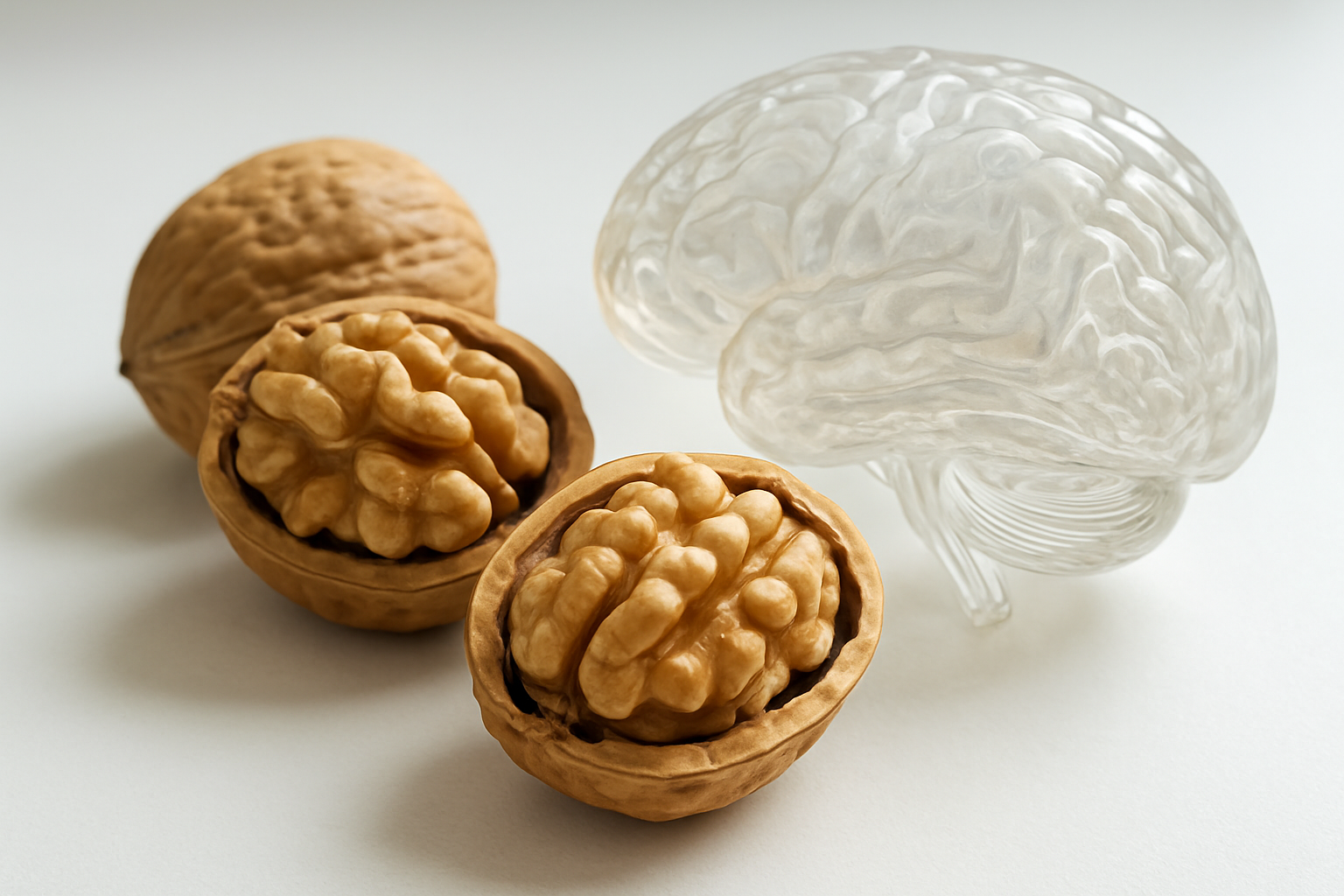
Walnuts pack a serious punch when it comes to boosting your brain’s memory and learning power. The secret lies in their rich concentration of omega-3 fatty acids, particularly alpha-linolenic acid (ALA), which makes up about 2.5 grams per ounce. These healthy fats directly support the brain’s ability to form new memories and retrieve stored information.
Research shows that people who regularly eat walnuts perform better on memory tests and demonstrate improved working memory capacity. The brain uses these omega-3s to build and maintain neural pathways that are essential for learning new skills and retaining information. Students who include walnuts in their diet often report better focus during study sessions and enhanced recall during exams.
The vitamin E content in walnuts also plays a crucial role in memory formation. This powerful antioxidant protects brain cells from oxidative stress that can interfere with memory consolidation. Just a handful of walnuts daily provides enough vitamin E to support optimal brain function and memory retention.
Protection Against Age-Related Cognitive Decline
Your brain naturally changes as you age, but walnuts can help slow down this process significantly. The combination of antioxidants, healthy fats, and protein in walnuts creates a protective shield around brain cells, preventing the damage that typically leads to cognitive decline.
Studies involving older adults show that those who consume walnuts regularly maintain better cognitive function compared to those who don’t. The polyphenols in walnuts, including ellagic acid and catechins, actively fight against the cellular damage that contributes to age-related memory loss and confusion.
The magnesium in walnuts supports healthy brain aging by maintaining proper nerve function and preventing the buildup of harmful proteins that can interfere with cognitive processes. Regular walnut consumption has been linked to slower rates of cognitive decline and better preservation of executive function skills like planning and decision-making.
Support for Mental Clarity and Focus
Brain fog and difficulty concentrating can seriously impact your daily productivity. Walnuts provide the nutrients your brain needs to maintain sharp focus and clear thinking throughout the day. The protein content helps stabilize blood sugar levels, preventing the energy crashes that often lead to mental fatigue.
The B vitamins in walnuts, particularly B6 and folate, support neurotransmitter production. These chemical messengers are responsible for maintaining focus, alertness, and mental clarity. When your brain has adequate B vitamins, you experience better concentration and sustained attention spans.
Walnuts also contain melatonin, which helps regulate sleep cycles. Better sleep quality directly translates to improved daytime focus and mental clarity. People who eat walnuts often report feeling more alert and mentally sharp during their waking hours.
Reduced Risk of Neurodegenerative Diseases
The protective compounds in walnuts may help prevent serious brain diseases like Alzheimer’s and Parkinson’s. The omega-3 fatty acids reduce inflammation in the brain, which is a key factor in the development of neurodegenerative conditions. Regular consumption creates a protective environment that helps maintain healthy brain tissue over time.
Research suggests that the antioxidants in walnuts can slow the accumulation of harmful proteins like amyloid beta, which are associated with Alzheimer’s disease. The combination of vitamin E, melatonin, and polyphenols works together to neutralize free radicals that damage brain cells and contribute to disease progression.
Population studies consistently show that people who include nuts, especially walnuts, in their regular diet have lower rates of cognitive impairment and neurodegenerative diseases. The neuroprotective effects appear to be most pronounced when walnut consumption begins early and continues consistently over many years.
Weight Management and Metabolic Advantages

Increased Satiety and Appetite Control
Walnuts pack a powerful punch when it comes to keeping you full and satisfied between meals. The combination of protein, healthy fats, and fiber creates the perfect storm for appetite control. When you snack on walnuts, you’re getting about 4 grams of protein and 2 grams of fiber per ounce, which work together to signal your brain that you’re satisfied.
The high omega-3 content in walnuts plays a particularly interesting role in hunger regulation. These fatty acids help optimize the production of hormones like leptin and ghrelin, which control your feelings of hunger and fullness. Research shows that people who include walnuts in their diet report feeling more satisfied after meals and are less likely to reach for unhealthy snacks later.
What makes walnuts especially effective is their crunch factor. The act of chewing these nuts triggers satiety signals in your brain faster than soft foods. Studies indicate that people who eat whole walnuts feel fuller than those consuming walnut butter or oil with the same calorie content.
The timing of walnut consumption matters too. Eating a small handful before meals can reduce overall calorie intake by 10-15% without leaving you feeling deprived. This natural appetite suppression makes walnuts an excellent tool for portion control.
Boosted Metabolism and Fat Burning
Walnuts can give your metabolism a notable boost through several fascinating mechanisms. The high protein content requires more energy to digest compared to carbohydrates or fats – a process called the thermic effect of food. Your body burns approximately 20-30% of the calories from protein just to process it.
The omega-3 fatty acids in walnuts, particularly alpha-linolenic acid (ALA), play a crucial role in metabolic enhancement. These healthy fats help improve insulin sensitivity, which means your body becomes more efficient at using glucose for energy instead of storing it as fat. Better insulin sensitivity also supports the production of hormones that promote fat burning.
Research reveals that regular walnut consumption can increase resting metabolic rate by up to 8% over a 12-week period. This means you’re burning more calories even when you’re sitting still or sleeping. The magnesium content in walnuts supports over 300 enzymatic reactions in your body, many of which are directly involved in energy production and fat metabolism.
Walnuts also contain compounds that may help convert white fat (which stores energy) into brown fat (which burns energy). This process, called “browning,” can significantly impact your body’s ability to burn calories throughout the day.
Stable Blood Sugar Levels
Blood sugar stability is where walnuts really shine as a metabolic ally. Despite containing natural sugars, walnuts have a very low glycemic index, meaning they won’t cause rapid spikes in your blood glucose levels. The fiber and healthy fats slow down the absorption of any carbohydrates you eat alongside them.
When you pair walnuts with higher-carb foods like fruit or whole grains, they act as a natural buffer against blood sugar spikes. The healthy fats help slow gastric emptying, which means nutrients enter your bloodstream more gradually. This steady release prevents the rollercoaster effect of energy crashes that often lead to cravings and overeating.
Studies show that adding just one ounce of walnuts to a meal can reduce the post-meal blood sugar response by up to 25%. This benefit extends beyond the immediate meal – regular walnut consumption has been linked to improved long-term blood sugar control and reduced risk of developing type 2 diabetes.
The magnesium in walnuts also plays a vital role in glucose metabolism. Many people don’t get enough magnesium, and this deficiency can lead to insulin resistance and unstable blood sugar. Just one serving of walnuts provides about 12% of your daily magnesium needs, supporting healthy glucose regulation throughout the day.
Anti-Inflammatory and Disease Prevention Properties
Powerful Antioxidant Protection Against Cell Damage
Walnuts pack a serious antioxidant punch that puts them at the top of the tree nut hierarchy. These powerhouse nuts contain more antioxidants than any other common tree nut, delivering compounds like vitamin E, melatonin, and polyphenols that actively combat free radicals throughout your body. The outer skin of walnuts holds most of these protective compounds, so eating them with the skin intact maximizes their benefits.
The antioxidant activity in walnuts specifically targets oxidative stress, which occurs when harmful molecules damage your cells faster than your body can repair them. This cellular damage accelerates aging and contributes to various chronic diseases. Research shows that just one ounce of walnuts daily can significantly boost your blood antioxidant levels within hours of consumption.
Reduced Chronic Inflammation Throughout the Body
Chronic inflammation acts like a slow-burning fire in your body, contributing to heart disease, diabetes, and arthritis. Walnuts contain alpha-linolenic acid (ALA), an omega-3 fatty acid that directly reduces inflammatory markers in your bloodstream. Studies demonstrate that people who regularly eat walnuts show lower levels of C-reactive protein and interleukin-6, two key indicators of systemic inflammation.
The anti-inflammatory effects become particularly noticeable after consistent consumption for several weeks. Your body begins producing fewer inflammatory compounds while simultaneously increasing anti-inflammatory substances. This shift helps reduce joint pain, improve blood vessel function, and decrease your risk of inflammatory-related conditions.
Cancer Risk Reduction and Immune System Support
Walnuts demonstrate impressive cancer-fighting properties across multiple studies. The combination of antioxidants, omega-3 fatty acids, and phytosterols in walnuts helps protect against breast, prostate, and colorectal cancers. These compounds work by preventing DNA damage, reducing tumor growth, and enhancing your body’s natural ability to eliminate abnormal cells.
Your immune system gets a significant boost from regular walnut consumption. The nuts support the production of beneficial bacteria in your gut, which plays a crucial role in immune function. They also provide gamma-tocopherol, a form of vitamin E that specifically enhances immune cell activity and helps your body respond more effectively to potential threats.
Enhanced Skin Health and Anti-Aging Benefits
Your skin reflects your internal health, and walnuts deliver nutrients that promote a youthful, radiant complexion. The high concentration of omega-3 fatty acids helps maintain skin barrier function, keeping moisture in and irritants out. This natural protection reduces dryness, flakiness, and premature aging signs.
The vitamin E and selenium in walnuts protect your skin from UV damage and environmental pollutants. These nutrients work together to maintain collagen production, the protein responsible for skin elasticity and firmness. Regular walnut consumption can help minimize fine lines, improve skin texture, and give you that healthy glow that comes from proper nutrition.
Improved Digestive Health and Gut Microbiome
Your gut microbiome thrives when you regularly include walnuts in your diet. These nuts act as prebiotics, feeding the beneficial bacteria in your digestive system and promoting a healthy microbial balance. Studies show that eating walnuts increases populations of good bacteria like Bifidobacterium and Lactobacillus while reducing harmful microorganisms.
A healthier gut microbiome translates to better digestion, improved nutrient absorption, and enhanced immune function. The fiber content in walnuts also supports regular bowel movements and helps maintain optimal digestive health. People who eat walnuts regularly often report less bloating, improved energy levels, and better overall digestive comfort.
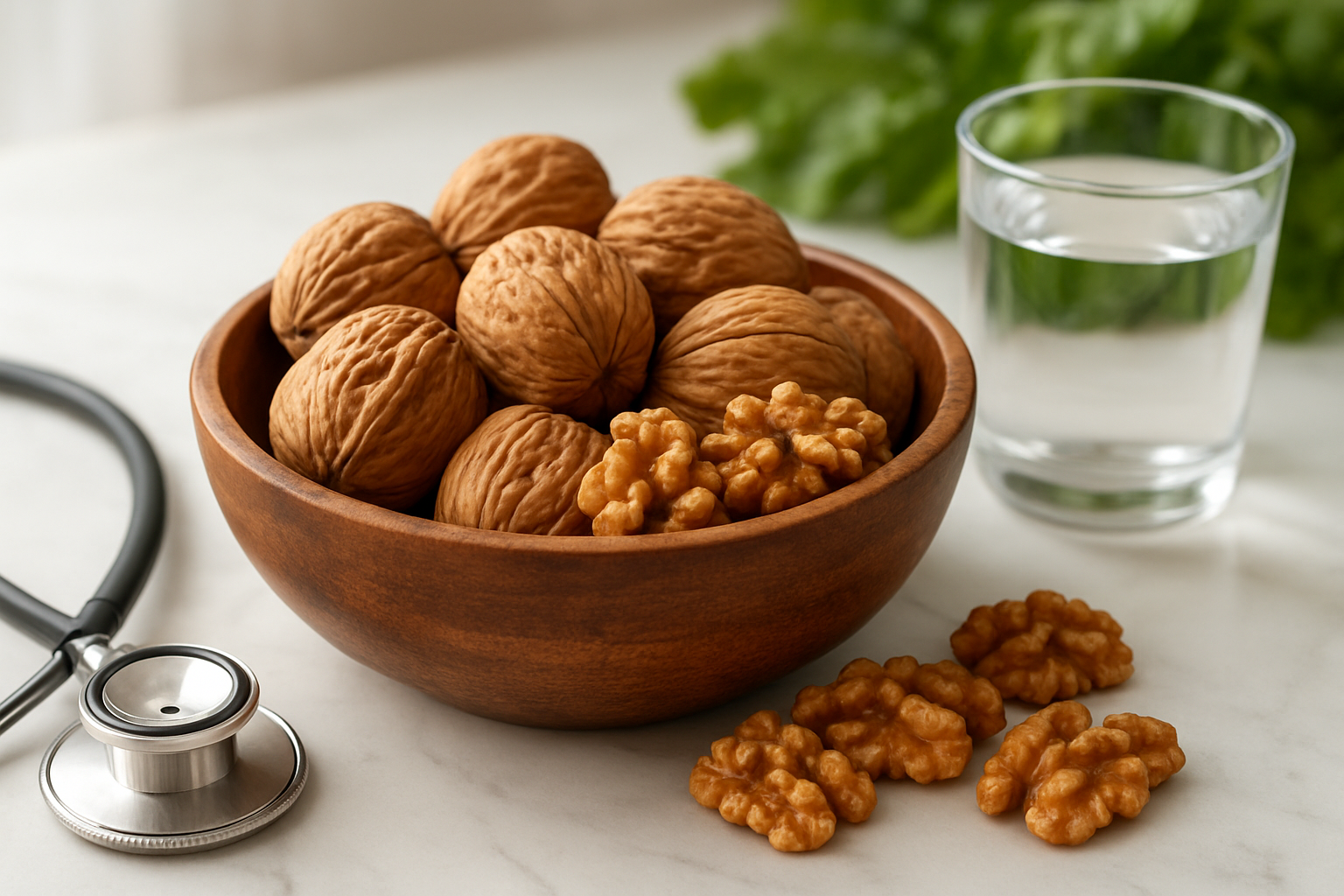
Walnuts pack an impressive nutritional punch that goes far beyond their satisfying crunch. From their rich omega-3 fatty acids that support heart health and sharpen brain function to their protein and fiber content that helps with weight management, these nuts offer benefits that touch nearly every aspect of your wellbeing. Their anti-inflammatory properties work behind the scenes to protect against chronic diseases, making them a simple yet powerful addition to your daily routine.
Adding a handful of walnuts to your meals doesn’t require a complete diet overhaul. Toss them into your morning oatmeal, sprinkle them over salads, or enjoy them as an afternoon snack. Your heart, brain, and waistline will thank you for making this small but meaningful change to support your long-term health.