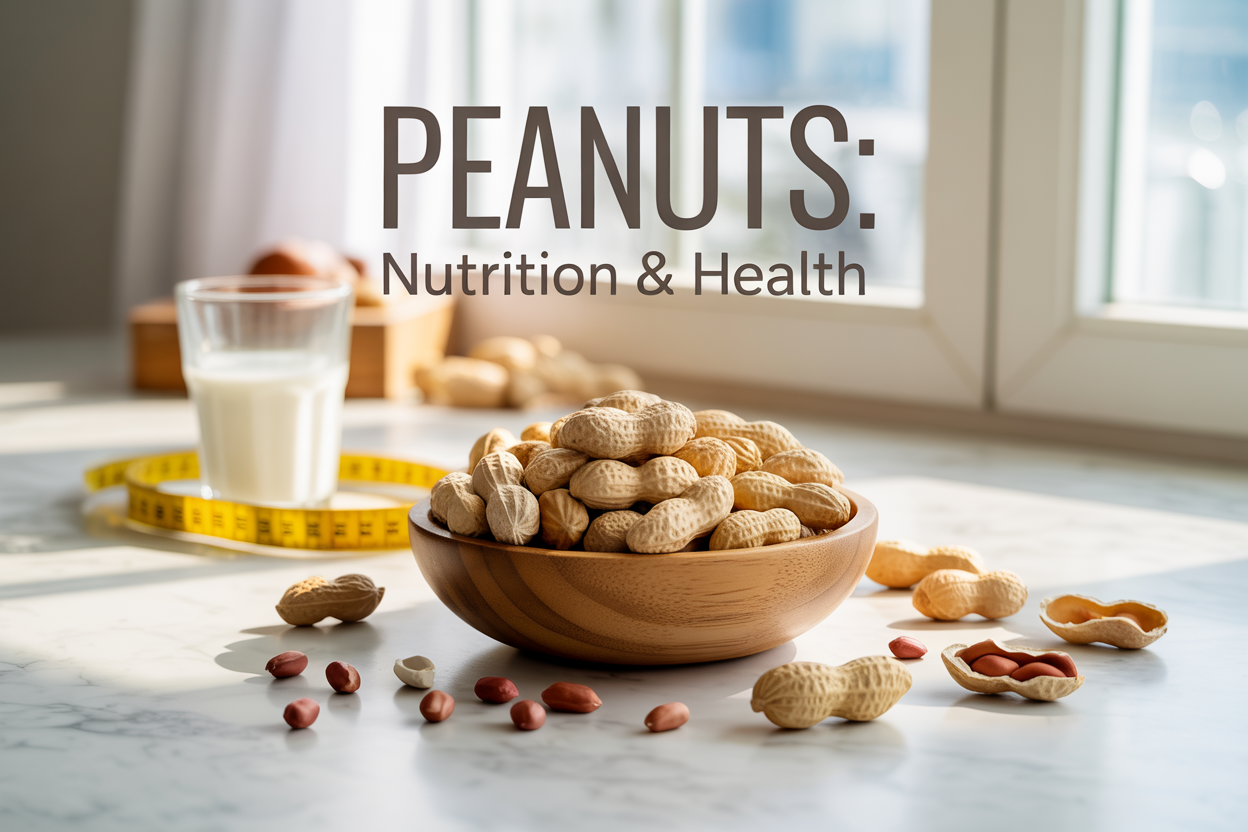
Peanuts pack serious nutritional punch despite their small size. These crunchy legumes offer protein, healthy fats, and essential vitamins that can boost your health in surprising ways.
This guide targets health-conscious individuals, fitness enthusiasts, and anyone curious about adding more nutritious foods to their diet. Parents looking for healthy snack options for their families will also find valuable insights here.
We’ll explore peanuts’ impressive nutritional profile, including their protein content and heart-healthy fats. You’ll discover how peanuts can support weight management goals and help maintain steady blood sugar levels. We’ll also cover safe consumption tips and address common concerns about allergies and portion control.
Essential Nutritional Profile of Peanuts
Macronutrient Breakdown for Optimal Energy
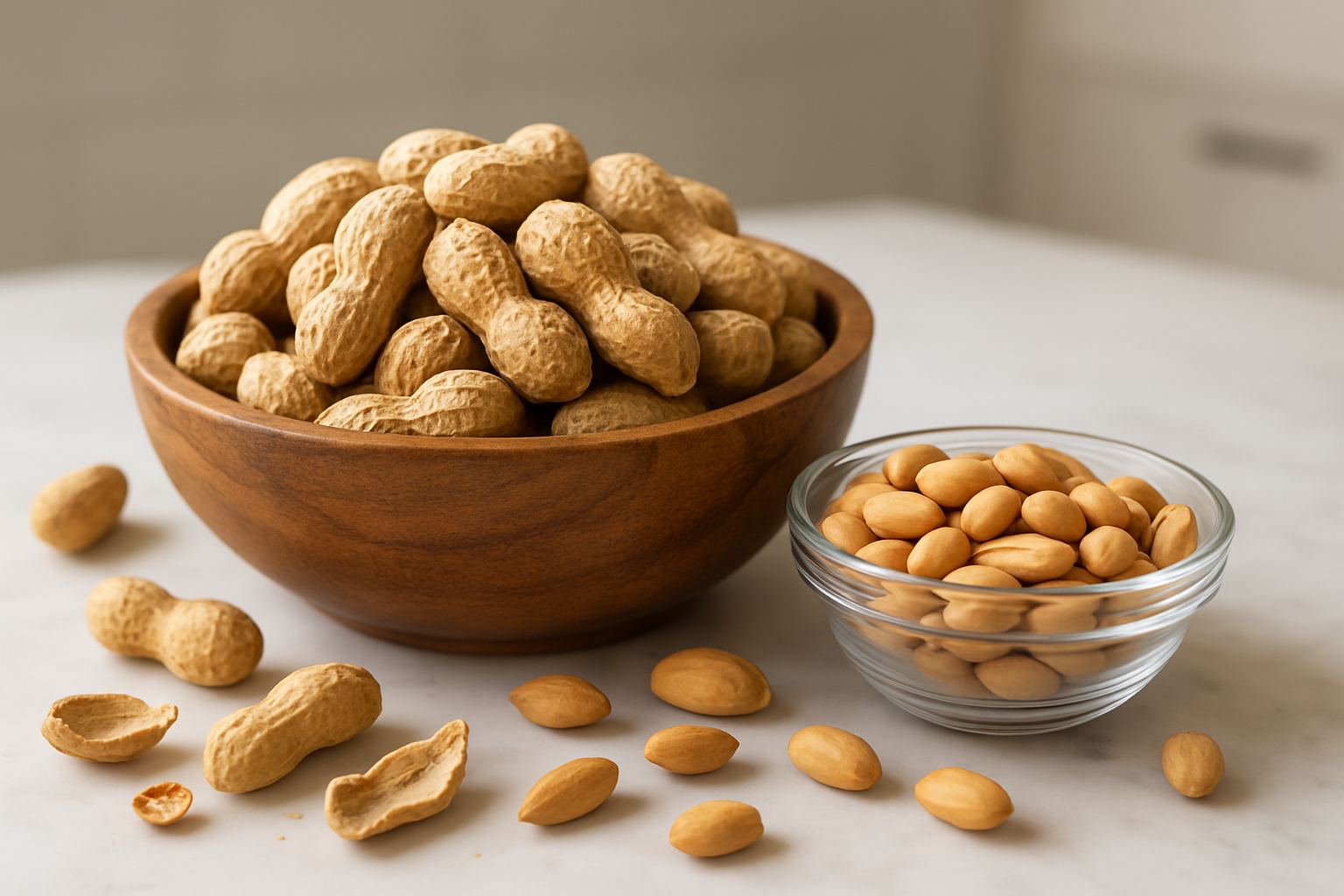
Peanuts pack a serious nutritional punch in a small package. A single ounce (about 28 grams) contains approximately 161 calories, making them an energy-dense snack that keeps you satisfied. The macronutrient profile breaks down to roughly 14 grams of fat, 7 grams of protein, and 6 grams of carbohydrates.
The protein content stands out as particularly impressive for a plant-based food. Peanuts provide all essential amino acids, though they’re slightly lower in lysine compared to animal proteins. This makes them an excellent protein source for vegetarians and vegans looking to meet their daily requirements.
The carbohydrate content comes primarily from fiber (2.4 grams per ounce) and natural sugars. The high fiber content helps slow digestion, preventing blood sugar spikes and promoting sustained energy release throughout the day.
Vitamin Content That Powers Your Body
Peanuts deliver a robust vitamin profile that supports multiple bodily functions. Niacin (vitamin B3) leads the pack with 3.8 mg per ounce, representing nearly 25% of the daily recommended intake. This B-vitamin plays a crucial role in energy metabolism and brain function.
Folate content reaches 68 micrograms per ounce, making peanuts valuable for pregnant women and anyone supporting healthy cell division. The folate works alongside vitamin B6 (0.1 mg per ounce) to support nervous system health and red blood cell formation.
Vitamin E provides antioxidant protection at 2.4 mg per ounce, helping shield cells from oxidative damage. Other B-vitamins present include thiamine, riboflavin, and pantothenic acid, all contributing to energy metabolism and nervous system function.
Mineral Density for Strong Bones and Organs
The mineral profile of peanuts supports bone health, muscle function, and organ systems. Magnesium content reaches 48 mg per ounce, supporting over 300 enzymatic reactions in the body and contributing to bone strength.
Phosphorus works alongside calcium to maintain bone structure, with peanuts providing 105 mg per ounce. Potassium content (200 mg per ounce) helps regulate blood pressure and supports proper muscle and nerve function.
Zinc contributes to immune function and wound healing at 0.9 mg per ounce. Iron content (0.6 mg per ounce) supports oxygen transport throughout the body, while manganese aids in bone formation and metabolism.
| Mineral | Amount per ounce | % Daily Value |
|---|---|---|
| Magnesium | 48 mg | 12% |
| Phosphorus | 105 mg | 15% |
| Potassium | 200 mg | 6% |
| Zinc | 0.9 mg | 8% |
Healthy Fat Composition for Heart Protection
The fat profile of peanuts deserves special attention for its heart-healthy composition. Monounsaturated fats make up about 50% of the total fat content, primarily oleic acid – the same beneficial fat found in olive oil. These fats help reduce LDL (bad) cholesterol while maintaining HDL (good) cholesterol levels.
Polyunsaturated fats account for roughly 30% of the fat content, including essential omega-6 fatty acids that the body cannot produce on its own. The remaining 20% consists of saturated fats, which, while present, don’t pose the same cardiovascular risks when consumed as part of a balanced diet rich in unsaturated fats.
This favorable fat composition contributes to peanuts’ reputation as a heart-healthy food, supporting cardiovascular wellness when consumed in moderation as part of a diverse diet.
Heart Health Benefits from Regular Peanut Consumption
Lower Cholesterol Levels Through Natural Compounds
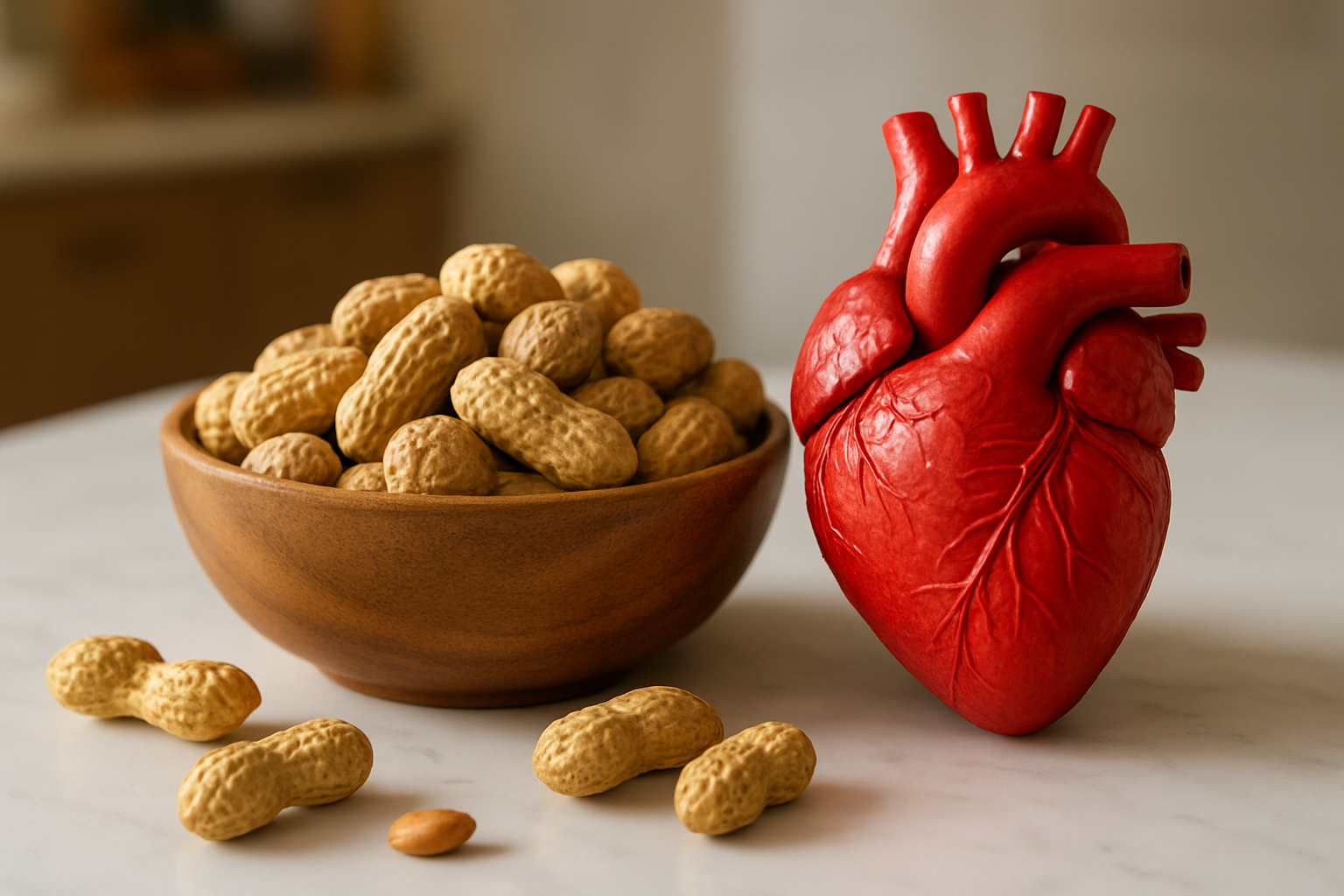
Peanuts pack a powerful punch when it comes to managing cholesterol naturally. These humble legumes contain monounsaturated and polyunsaturated fats that actively work to reduce harmful LDL cholesterol while maintaining or even boosting beneficial HDL cholesterol levels. The oleic acid found in peanuts plays a particularly important role here, acting as the same heart-protective compound that makes olive oil so renowned for cardiovascular health.
What makes peanuts especially effective is their unique combination of plant sterols, compounds that block cholesterol absorption in the digestive tract. Research shows that consuming just 1.5 ounces of peanuts daily can lead to measurable improvements in cholesterol profiles within weeks. The niacin content in peanuts also contributes to this effect, helping the body process fats more efficiently and reducing overall cholesterol production in the liver.
Reduced Risk of Cardiovascular Disease
Studies spanning decades have consistently shown that regular peanut consumption correlates with significantly lower rates of heart disease. The PREDIMED study, involving over 7,000 participants, found that those who ate nuts including peanuts at least three times per week had a 39% lower risk of cardiovascular mortality compared to those who rarely consumed them.
The protective effects come from multiple mechanisms working together. Peanuts provide resveratrol, the same antioxidant found in red wine that helps prevent arterial damage. The arginine amino acid in peanuts supports healthy blood vessel function by promoting nitric oxide production, which keeps arteries flexible and prevents dangerous plaque buildup.
Anti-inflammatory compounds in peanuts, including magnesium and various polyphenols, help reduce chronic inflammation that contributes to heart disease development. Regular peanut eaters show lower levels of C-reactive protein, a key marker of cardiovascular inflammation.
Blood Pressure Regulation Properties
The magnesium content in peanuts makes them natural allies in blood pressure management. Just one ounce provides about 12% of the daily magnesium requirement, and this mineral directly helps blood vessels relax and maintain healthy pressure levels. People with adequate magnesium intake consistently show lower blood pressure readings than those who are deficient.
Peanuts also contain potassium, which works with magnesium to balance sodium levels and prevent hypertension. The fiber in peanuts supports this process by helping the kidneys eliminate excess sodium more effectively.
The L-arginine in peanuts deserves special mention for blood pressure control. This amino acid helps produce nitric oxide, a compound that signals blood vessels to relax and widen. Clinical trials have shown that regular arginine intake can reduce systolic blood pressure by an average of 5-6 mmHg in people with elevated readings.
Weight Management Support Through Peanut Intake

Protein-Rich Satiety for Appetite Control
Peanuts pack an impressive protein punch with about 25-30 grams per 100 grams, making them one of the highest protein sources among nuts. This protein content works wonders for keeping hunger at bay. When you eat protein-rich foods like peanuts, your body releases hormones that signal fullness to your brain, helping you feel satisfied for longer periods.
The protein in peanuts is particularly effective at reducing ghrelin, the hormone that makes you feel hungry. Studies show that people who include peanuts in their meals experience significantly less hunger between eating sessions compared to those consuming lower-protein snacks. This natural appetite suppression can lead to reduced overall calorie intake without the constant battle against cravings.
Unlike simple carbohydrates that cause quick energy spikes and crashes, peanut protein provides steady energy release. This stable energy helps prevent the afternoon slumps that often lead to unhealthy snacking choices.
Healthy Fats That Boost Metabolism
The monounsaturated and polyunsaturated fats in peanuts actually support your metabolic rate rather than slowing it down. These healthy fats require more energy to digest and process compared to refined carbohydrates, creating a slight boost in calorie burning known as the thermic effect of food.
Peanuts contain about 50% fat by weight, with oleic acid being the primary monounsaturated fat. This same fat found in olive oil has been linked to improved fat oxidation – your body’s ability to burn stored fat for energy. Regular consumption of these healthy fats can help shift your metabolism toward using fat as fuel rather than storing it.
The fat content also plays a crucial role in hormone production. Your body needs adequate healthy fats to produce hormones that regulate metabolism, including thyroid hormones and leptin, which controls energy balance and fat storage.
Fiber Content for Digestive Health
With approximately 8-9 grams of fiber per 100 grams, peanuts provide substantial digestive support that directly impacts weight management. This fiber content helps slow down digestion, leading to more gradual nutrient absorption and extended feelings of fullness.
The fiber in peanuts acts like a natural appetite suppressant by expanding in your stomach and triggering stretch receptors that send satiety signals to your brain. This mechanical fullness, combined with the slower digestion process, means you’re likely to eat less at subsequent meals.
Fiber also supports healthy gut bacteria, which play an increasingly recognized role in weight regulation. A healthy gut microbiome helps optimize nutrient absorption, reduces inflammation, and may even influence how your body stores and burns calories. The prebiotic properties of peanut fiber feed beneficial bacteria, promoting a digestive environment that supports weight management goals.
Smart Portion Control for Sustained Results
The key to using peanuts for weight management lies in mindful portion control. A standard serving size of 1 ounce (about 28 grams or roughly 28 peanuts) provides around 160 calories while delivering significant nutritional benefits.
Pre-portioned servings help prevent the common problem of mindless eating. When you grab a handful directly from a large container, it’s easy to consume 3-4 servings without realizing it. Using small bowls or purchasing single-serving packages creates natural stopping points.
Timing your peanut consumption strategically can maximize weight management benefits. Eating a small portion of peanuts 30 minutes before meals can help reduce overall meal intake due to their satiating properties. As a mid-afternoon snack, they provide sustained energy that prevents the evening overeating cycle many people experience.
Pairing peanuts with low-calorie, high-volume foods like apple slices or celery creates satisfying snacks that feel more substantial while keeping calories controlled. This combination provides the perfect balance of protein, healthy fats, fiber, and additional nutrients that support long-term weight management success.
Brain Function Enhancement with Peanut Nutrients
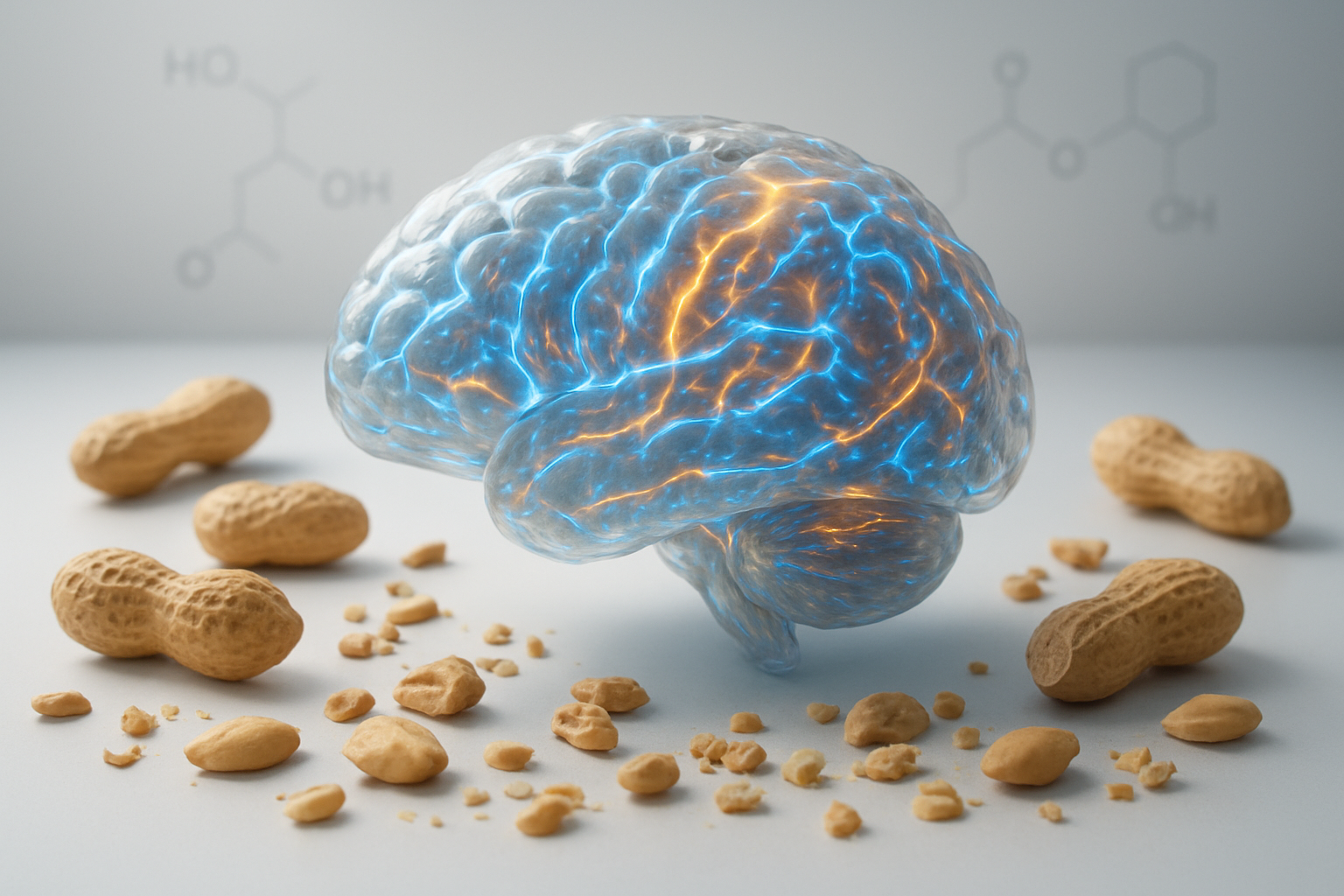
Memory Improvement Through Essential Fatty Acids
Peanuts pack a powerful punch of essential fatty acids that directly support memory formation and retention. The monounsaturated fats in peanuts, particularly oleic acid, help maintain the structural integrity of brain cell membranes. These healthy fats create optimal conditions for neurotransmitter production and signal transmission between neurons.
Research shows that regular consumption of foods rich in monounsaturated fats correlates with better working memory performance. Peanuts contain approximately 24 grams of monounsaturated fats per 100 grams, making them an excellent dietary source. These fats also support the production of acetylcholine, a neurotransmitter crucial for learning and memory processes.
The omega-6 fatty acids in peanuts, specifically linoleic acid, play a vital role in brain development and cognitive function. While the body cannot produce these essential fats on its own, peanuts provide a convenient way to meet daily requirements without relying on expensive supplements.
Cognitive Performance Boost from B Vitamins
Peanuts deliver an impressive array of B vitamins that directly impact cognitive performance and mental clarity. Niacin (vitamin B3) supports proper blood flow to the brain, ensuring optimal oxygen and nutrient delivery to neural tissues. A single ounce of peanuts provides about 3.8 mg of niacin, representing roughly 24% of the daily recommended value.
Folate, another B vitamin abundant in peanuts, plays a critical role in neurotransmitter synthesis and DNA repair within brain cells. Low folate levels have been linked to cognitive decline and memory problems, making peanuts a valuable addition to any brain-healthy diet.
The vitamin B6 content in peanuts supports the production of several important neurotransmitters, including serotonin, dopamine, and GABA. These chemical messengers regulate mood, focus, and overall cognitive function. Regular peanut consumption helps maintain steady B6 levels, supporting consistent mental performance throughout the day.
Neuroprotective Compounds for Long-term Brain Health
Peanuts contain several potent neuroprotective compounds that guard against age-related cognitive decline and neurodegenerative diseases. Resveratrol, the same antioxidant found in red wine, exists in significant concentrations in peanut skins. This compound crosses the blood-brain barrier and helps protect neurons from oxidative damage.
The vitamin E content in peanuts serves as a powerful antioxidant shield for brain cells. Alpha-tocopherol, the most active form of vitamin E, prevents lipid peroxidation in neural membranes, maintaining cellular integrity and function. Studies suggest that adequate vitamin E intake may slow cognitive decline and reduce the risk of Alzheimer’s disease.
Peanuts also contain p-coumaric acid and other phenolic compounds that demonstrate anti-inflammatory properties in brain tissue. Chronic inflammation contributes to many neurodegenerative conditions, so these natural compounds offer valuable protection. The magnesium in peanuts supports over 300 enzymatic reactions in the body, many of which directly impact brain health and neural communication.
Blood Sugar Control Benefits for Diabetic Management
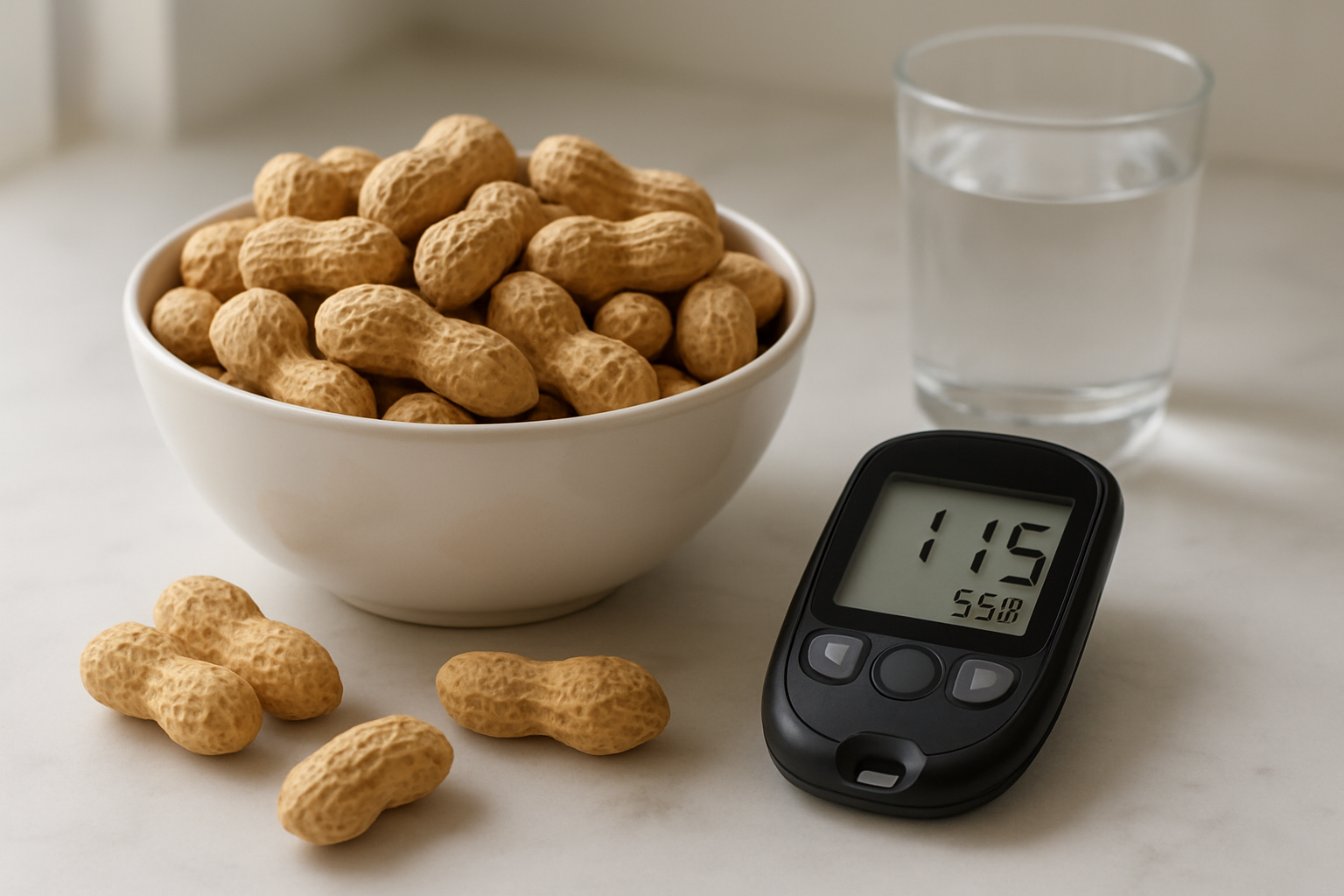
Low Glycemic Index for Stable Energy Levels
Peanuts pack a glycemic index of just 14, placing them firmly in the low GI category. This means they cause a slow, steady rise in blood sugar rather than the sharp spikes that high-glycemic foods create. When you snack on peanuts, your blood glucose levels remain remarkably stable for hours.
The combination of protein, healthy fats, and fiber in peanuts works together to slow down carbohydrate absorption. This creates a sustained energy release that keeps you feeling satisfied while preventing those dramatic blood sugar swings that can wreak havoc on diabetes management.
Research shows that people with type 2 diabetes who include peanuts in their diet experience better overall glucose control throughout the day. The slow-burning energy from peanuts helps prevent the afternoon crashes that often lead to poor food choices and overeating.
Magnesium Content for Insulin Sensitivity
Every ounce of peanuts delivers about 48 milligrams of magnesium, a mineral that plays a starring role in glucose metabolism. Magnesium acts as a cofactor in over 300 enzymatic reactions, including those responsible for insulin function and glucose uptake by cells.
People with diabetes often have lower magnesium levels than those without the condition. This deficiency can worsen insulin resistance, making blood sugar control even more challenging. Regular peanut consumption helps bridge this nutritional gap.
Studies demonstrate that adequate magnesium intake improves insulin sensitivity by up to 10%. The mineral helps insulin work more effectively at moving glucose from the bloodstream into cells where it’s needed for energy. This improved efficiency means your body requires less insulin to maintain healthy blood sugar levels.
| Magnesium Benefits | Impact on Diabetes |
|---|---|
| Enhanced insulin sensitivity | Better glucose uptake |
| Improved glucose metabolism | Stable blood sugar |
| Reduced inflammation | Lower diabetes complications |
Protein Power for Glucose Regulation
Peanuts contain about 7 grams of protein per ounce, making them an excellent choice for blood sugar management. Protein has minimal impact on blood glucose levels while providing sustained satiety that prevents overeating.
When you eat protein alongside carbohydrates, it slows down the digestion and absorption of sugars. This buffering effect helps prevent post-meal glucose spikes that can be particularly problematic for people with diabetes. The amino acids in peanut protein also stimulate the release of incretin hormones, which help regulate insulin secretion in response to meals.
The high-quality protein in peanuts supports muscle maintenance, which is vital for glucose regulation. Muscle tissue acts as a glucose sink, actively taking up sugar from the bloodstream during and after physical activity. People with more lean muscle mass typically have better insulin sensitivity and glucose control.
Adding peanuts to meals or snacks creates a more balanced macronutrient profile that supports steady blood sugar levels. The protein content helps you feel full longer, reducing the likelihood of reaching for high-sugar snacks that can sabotage diabetes management efforts.
Safe Consumption Guidelines and Potential Concerns

Recommended Daily Serving Sizes
The sweet spot for peanut consumption sits at about one to two ounces daily, which translates to roughly 28-56 peanuts or 2-4 tablespoons of peanut butter. This portion provides substantial nutritional benefits without overwhelming your caloric intake, as peanuts pack approximately 160 calories per ounce.
Your individual needs may vary based on activity level, overall diet, and health goals. Athletes or highly active individuals can typically handle larger portions, while those watching their weight should stick closer to the lower end. Children need smaller amounts – about half an ounce for younger kids and three-quarters of an ounce for older children works well.
| Age Group | Daily Serving | Equivalent Amount |
|---|---|---|
| Children 3-6 | 0.5 oz | 14 peanuts or 1 tbsp peanut butter |
| Children 7-12 | 0.75 oz | 21 peanuts or 1.5 tbsp peanut butter |
| Adults | 1-2 oz | 28-56 peanuts or 2-4 tbsp peanut butter |
Allergy Awareness and Prevention Tips
Peanut allergies rank among the most serious food allergies, affecting roughly 1% of the population. Unlike tree nuts, peanuts grow underground and belong to the legume family, but cross-reactions can occur with tree nuts in some people.
Early introduction may help prevent allergies. Recent research shows that introducing peanut products to infants between 4-6 months old, especially those at high risk for allergies, can actually reduce the likelihood of developing peanut allergies later in life. Check with your pediatrician before introducing peanuts to babies.
Warning signs of peanut allergies include:
- Skin reactions like hives or eczema
- Digestive issues such as nausea or stomach pain
- Breathing difficulties or wheezing
- Swelling of lips, tongue, or throat
People with peanut allergies must read labels carefully, as peanuts hide in unexpected places like sauces, baked goods, and even cosmetics. Cross-contamination in facilities that process multiple nuts poses additional risks.
Quality Selection for Maximum Benefits
Choosing high-quality peanuts makes a real difference in both taste and nutritional value. Raw or dry-roasted peanuts without added oils or excessive salt offer the cleanest option. Avoid peanuts with artificial colors, high sodium content, or unnecessary additives that can mask the natural flavor.
Fresh peanuts should feel firm and heavy for their size, with shells that don’t rattle when shaken. The nuts inside should have a pleasant, nutty aroma without any musty or rancid smells. Store peanuts in airtight containers in cool, dry places to maintain freshness and prevent mold growth.
When buying peanut butter, look for products with minimal ingredients – ideally just peanuts and maybe a touch of salt. Natural peanut butter separates, which is normal and actually indicates fewer processing steps. Organic options reduce exposure to pesticides commonly used in conventional peanut farming.
Avoid products with:
- Hydrogenated oils or trans fats
- Excessive added sugars
- Artificial preservatives
- High sodium levels above 140mg per serving
Quality peanuts provide better flavor, superior nutrition, and fewer health concerns compared to heavily processed alternatives.
Peanuts pack an impressive nutritional punch that extends far beyond their satisfying crunch. From supporting heart health and brain function to helping manage weight and blood sugar levels, these affordable legumes offer remarkable health benefits that make them worth including in your daily routine. The protein, healthy fats, and essential nutrients in peanuts work together to support your body’s most important functions while keeping you feeling satisfied and energized.
Like any food, moderation is key when enjoying peanuts, especially if you have allergies or specific health conditions. Start by adding a small handful to your snacks or meals and pay attention to how your body responds. With their versatility and proven health benefits, peanuts can be a simple yet powerful addition to a balanced diet that supports your long-term wellness goals.