Peppermint tea has been a go-to drink for centuries, and there’s good reason why people keep coming back to this refreshing brew. If you’re someone dealing with digestive issues, stress, or just looking for a natural way to feel better, peppermint tea might be exactly what you need.
This soothing drink offers more than just a pleasant taste. We’ll explore how peppermint tea can calm your stomach and improve your digestive health, plus how it helps clear mental fog while reducing stress levels. You’ll also discover how this simple tea supports your breathing and acts as a natural pain reliever for common aches.
Digestive Health Benefits
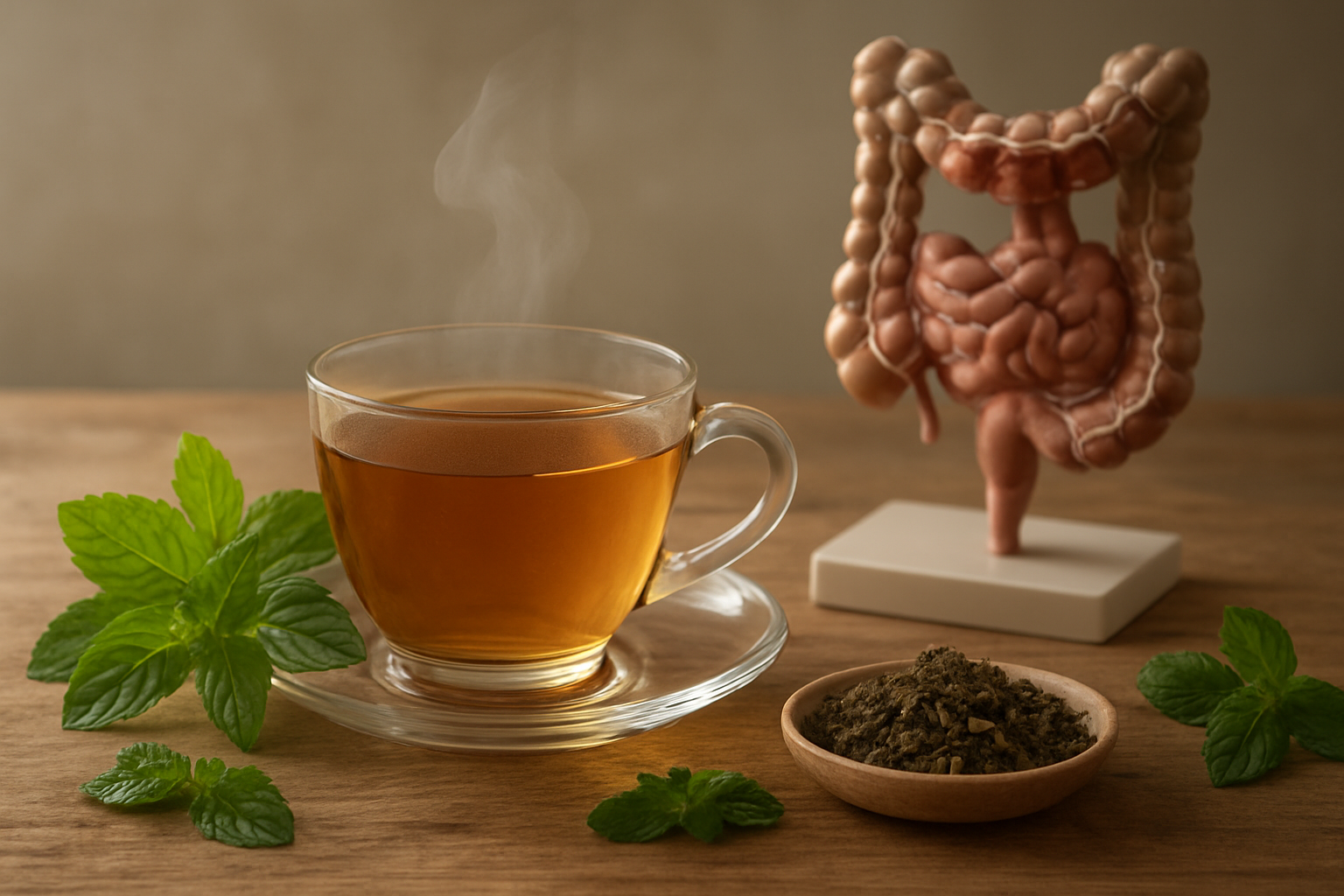
Soothes Stomach Discomfort and Indigestion
Peppermint tea works like a gentle, natural remedy for upset stomachs. The menthol in peppermint leaves helps relax the smooth muscles in your digestive tract, creating a calming effect that eases cramping and discomfort. When you sip warm peppermint tea after a heavy meal, you’re giving your stomach the support it needs to process food more efficiently.
The antispasmodic properties of peppermint target the root cause of digestive pain by reducing muscle contractions that can lead to stomach cramps. This makes it particularly helpful for people who experience regular indigestion or those dealing with conditions like irritable bowel syndrome (IBS).
Reduces Bloating and Gas
That uncomfortable feeling of being overly full or gassy often disappears with regular peppermint tea consumption. The herb naturally stimulates bile flow, which helps break down fats more effectively and prevents the buildup of gas in your intestines.
Peppermint’s carminative properties specifically target trapped gas, helping it move through your system more easily. Drinking a cup of peppermint tea can provide relief within 15-30 minutes, making it an excellent after-dinner drink when you’re feeling uncomfortably bloated.
Relieves Nausea and Motion Sickness
Peppermint tea serves as a powerful ally against nausea, whether it’s from morning sickness, motion sickness, or general stomach upset. The menthol creates a cooling sensation that helps settle your stomach and reduces the queasy feeling that often accompanies digestive distress.
Many people find that keeping peppermint tea bags handy during travel helps prevent motion sickness before it starts. The aroma alone can provide relief, while drinking the tea offers longer-lasting protection against nausea.
Supports Healthy Bowel Movements
Regular peppermint tea consumption can help maintain digestive regularity without the harsh effects of artificial laxatives. The herb gently stimulates digestive processes while maintaining the natural balance of your gut microbiome.
The anti-inflammatory properties of peppermint help reduce irritation in the intestinal lining, promoting smoother digestion and more comfortable bowel movements. This makes it particularly beneficial for people dealing with constipation or irregular digestive patterns.
Mental Clarity and Stress Relief
Enhances Focus and Concentration
Peppermint tea works like a natural brain booster, sharpening your mental edge when you need it most. The menthol in peppermint increases blood flow to the brain, delivering more oxygen and nutrients to your neurons. This enhanced circulation creates the perfect environment for improved cognitive function.
When you sip peppermint tea, the aromatic compounds travel through your olfactory system directly to your brain’s limbic region, which controls attention and alertness. Research shows that even the scent of peppermint can boost performance on memory tasks by up to 15%. The cooling sensation also stimulates neurotransmitter activity, particularly dopamine and norepinephrine, which are crucial for sustained attention and mental clarity.
Many students and professionals swear by drinking peppermint tea during study sessions or before important meetings. The caffeine-free nature means you get mental stimulation without the jitters or crash associated with coffee. Your mind stays sharp and focused for hours, making it easier to tackle complex tasks and maintain productivity throughout the day.
Reduces Anxiety and Promotes Relaxation
The calming properties of peppermint tea make it a powerful ally against daily stress and anxiety. Unlike stimulants that can heighten nervous tension, peppermint works as a natural muscle relaxant, easing both physical and mental tension. The menthol acts on your nervous system’s GABA receptors, which are responsible for promoting feelings of calm and relaxation.
Drinking peppermint tea triggers your body’s parasympathetic nervous system – the “rest and digest” response that counteracts stress hormones like cortisol. This shift helps slow your heart rate, reduce blood pressure, and ease the tight feeling in your chest that often accompanies anxiety. The warm liquid itself provides comfort, while the gentle steam carries volatile oils that signal your brain to unwind.
People dealing with social anxiety or work stress often find that a cup of peppermint tea before challenging situations helps them feel more centered and composed. The ritual of preparing and drinking the tea also creates a mindful moment that breaks the cycle of anxious thoughts.
Improves Mood and Emotional Balance
Peppermint tea acts as a natural mood elevator, helping to stabilize emotions and promote a more positive outlook. The essential oils in peppermint influence your brain’s emotional processing centers, particularly the hypothalamus and limbic system. These regions control mood regulation and emotional responses, making peppermint tea an effective tool for managing daily emotional ups and downs.
The refreshing taste and invigorating aroma trigger the release of endorphins – your body’s natural “feel-good” chemicals. This gentle mood boost happens without artificial additives or synthetic compounds. Regular peppermint tea drinkers often report feeling more emotionally resilient and better equipped to handle life’s challenges.
The anti-inflammatory properties of peppermint also play a role in mood improvement. Chronic inflammation can contribute to depression and mood disorders, so reducing inflammation naturally supports better emotional health. The antioxidants in peppermint tea protect brain cells from oxidative stress, which can negatively impact mood and cognitive function over time.
Respiratory System Support
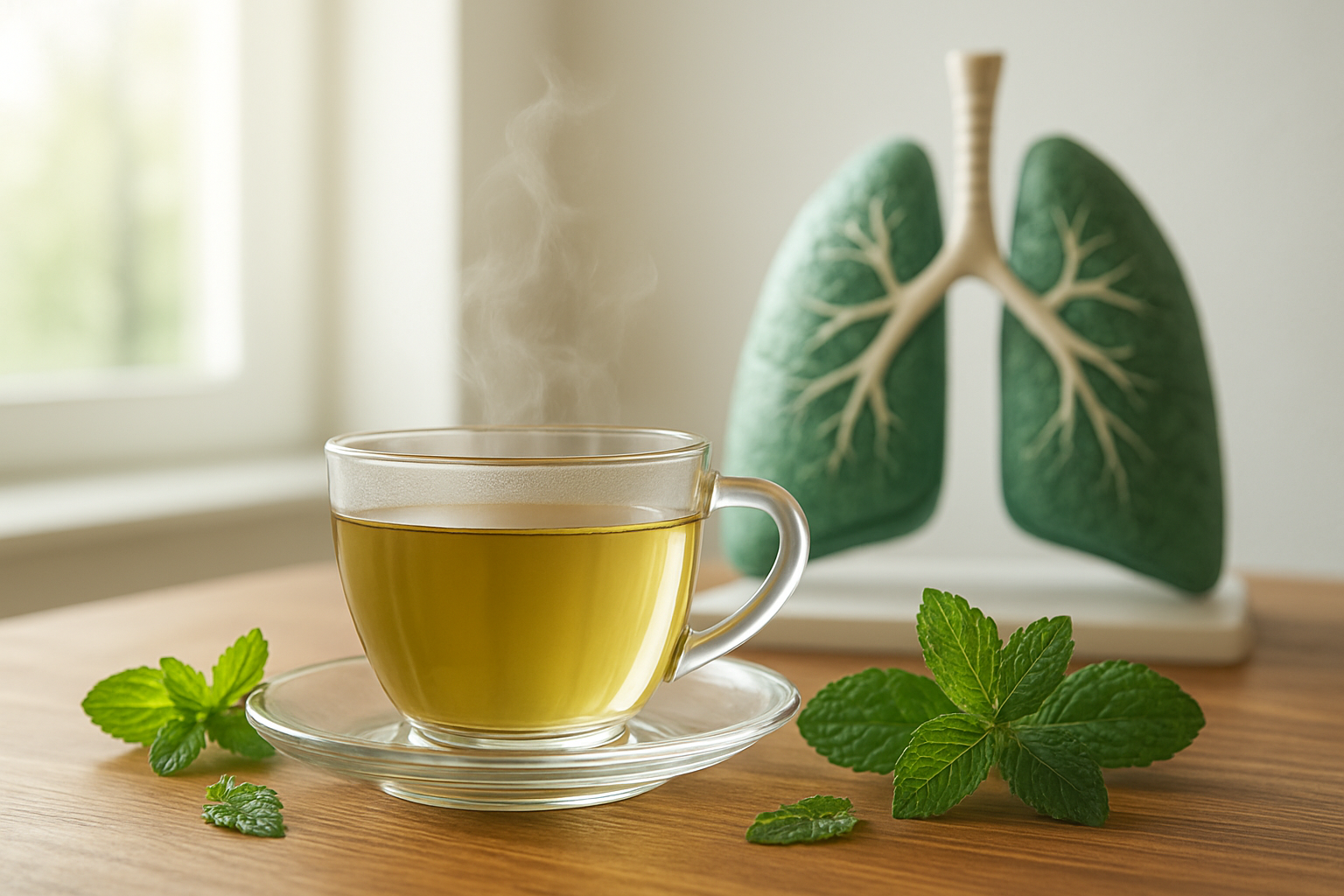
Clears Congested Airways Naturally
Peppermint tea acts as a natural decongestant thanks to its high menthol content. When you breathe in the steam from a hot cup, the menthol vapors travel directly into your nasal passages and respiratory tract, helping to loosen mucus buildup. This cooling compound works by stimulating cold-sensitive receptors in your airways, creating a sensation of increased airflow even when your passages aren’t fully clear.
The anti-inflammatory properties of peppermint help reduce swelling in your respiratory tissues, making it easier for trapped mucus to drain naturally. Regular consumption can keep your airways more open and comfortable, especially during allergy seasons or when dealing with environmental irritants.
Reduces Cough and Throat Irritation
The menthol in peppermint tea provides a cooling, soothing effect that calms irritated throat tissues. This natural anesthetic quality helps suppress the urge to cough by numbing nerve endings in your throat and respiratory tract. Unlike harsh cough suppressants, peppermint works gently without causing drowsiness or other side effects.
The tea’s antimicrobial properties also help fight off bacteria and viruses that might be causing throat inflammation. Warm peppermint tea coats your throat as you drink it, providing immediate relief from scratchiness and rawness. The combination of warmth and menthol creates a protective barrier that can last for hours after drinking.
Supports Easier Breathing During Colds
When cold symptoms strike, peppermint tea becomes your respiratory system’s best friend. The menthol acts as a natural expectorant, helping to thin mucus so your body can expel it more easily. This makes coughing more productive rather than just irritating, speeding up your recovery process.
The warming effect of hot tea helps increase circulation to your respiratory tissues, bringing more immune cells to fight infection while reducing inflammation. Many people find that drinking peppermint tea before bed during a cold helps them breathe more easily throughout the night, leading to better rest and faster healing.
Alleviates Sinus Pressure and Headaches
Sinus pressure often triggers painful headaches that can make your entire day miserable. Peppermint tea tackles this problem from multiple angles. The menthol helps open blocked sinus passages, allowing trapped fluid to drain and reducing the pressure that causes pain.
The tea’s muscle-relaxing properties help ease tension in your head and neck muscles, which often contribute to sinus headaches. The anti-inflammatory compounds work to reduce swelling in sinus tissues, while the warm liquid helps thin mucus secretions. Many people experience noticeable relief within 15-20 minutes of drinking peppermint tea during a sinus episode.
Natural Pain Management

Relieves Tension Headaches and Migraines
Peppermint tea works like a natural aspirin for your head. The menthol in peppermint creates a cooling sensation that helps relax the muscles around your temples and forehead. When you sip on a warm cup, you’re giving your blood vessels a chance to dilate properly, which often reduces the throbbing pain that comes with tension headaches.
The anti-inflammatory compounds in peppermint also target the root causes of headache pain. Many people find that drinking peppermint tea at the first sign of a headache can prevent it from escalating into a full-blown migraine. The aroma alone can help – just breathing in the steam while you drink provides immediate relief through your nasal passages and sinuses.
Reduces Muscle Pain and Soreness
Your muscles love peppermint tea’s natural muscle-relaxing properties. The menthol acts as a mild analgesic, numbing pain receptors and providing relief from post-workout soreness or general muscle tension. Athletes and fitness enthusiasts often reach for peppermint tea after intense training sessions because it helps speed up recovery time.
The antispasmodic effects of peppermint work from the inside out. When you drink the tea, these compounds travel through your bloodstream and help reduce muscle spasms and cramping. People who sit at desks all day frequently notice less neck and shoulder tension when they make peppermint tea part of their daily routine.
Eases Menstrual Cramps and Discomfort
Peppermint tea shines when it comes to managing period pain. The natural muscle relaxants in peppermint specifically target the smooth muscle contractions that cause cramping. Many women discover that drinking 2-3 cups throughout their cycle significantly reduces the intensity of their cramps.
The warming effect of hot peppermint tea also increases blood flow to the pelvic area, which helps ease the tight, cramped feeling that comes with menstruation. The menthol provides a soothing sensation that competes with pain signals, giving your body a break from discomfort. Some women start drinking peppermint tea a few days before their period begins as a preventive measure.
Sleep Quality Enhancement

Promotes deeper and more restful sleep
Peppermint tea works as a natural muscle relaxant, helping your body unwind after a long day. The menthol in peppermint has a cooling effect that soothes tension throughout your body, making it easier to slip into deeper sleep phases. Unlike caffeine-containing teas that keep you wired, peppermint is naturally caffeine-free, so you can sip it right before bed without worrying about staying awake.
The antispasmodic properties of peppermint help relax the smooth muscles in your digestive tract, preventing uncomfortable bloating or indigestion that might otherwise keep you tossing and turning. When your stomach feels settled, your entire body can focus on rest and recovery. Many people find that drinking peppermint tea about 30 minutes before bedtime creates the perfect window for relaxation to set in.
Helps establish healthy bedtime routines
Creating a consistent bedtime ritual signals to your brain that it’s time to wind down. Making peppermint tea part of your nightly routine gives you a mindful activity that naturally slows your pace. The simple act of brewing tea forces you to pause, breathe, and transition from the chaos of daily life to a calmer state of mind.
The aromatic steam rising from your cup engages your senses in a gentle, pleasant way. This sensory experience becomes a cue for your circadian rhythm, training your body to recognize when sleep time approaches. Regular tea drinkers often report that just the smell of their evening tea begins to make them feel drowsy.
Setting aside 15-20 minutes for tea also creates a technology-free zone in your evening. Instead of scrolling through your phone or watching TV right before sleep, you’re giving your eyes a break from blue light and your mind a chance to process the day’s events peacefully.
Reduces nighttime restlessness
Restless legs, racing thoughts, and general fidgeting can sabotage even the most tired person’s sleep. Peppermint tea’s natural compounds help calm your nervous system, reducing the physical and mental agitation that keeps you awake. The magnesium and potassium found in peppermint leaves support proper nerve function and muscle relaxation.
When anxiety or stress make your mind spin at bedtime, the ritual of slowly sipping warm tea provides a focal point for your attention. This mindful drinking acts like informal meditation, pulling your thoughts away from tomorrow’s worries and back to the present moment. The warmth of the tea also raises your core body temperature slightly, and as it naturally drops afterward, this temperature change signals sleepiness.
For people who wake up frequently during the night, keeping a thermos of cooled peppermint tea by the bedside can help. A few sips of the cool tea can soothe minor digestive discomfort or dry throat that might otherwise lead to extended middle-of-the-night wake periods.

Peppermint tea offers a simple yet powerful way to support your overall well-being. From soothing digestive issues and clearing your mind to helping you breathe easier and managing pain naturally, this herbal remedy packs quite a punch. The added bonus of better sleep quality makes it an all-around winner for anyone looking to feel their best.
Ready to give peppermint tea a try? Start with one cup after dinner to help with digestion, or sip it during stressful moments to calm your mind. Your body will thank you for choosing this natural, caffeine-free option that delivers real results. Keep some peppermint tea bags handy – you never know when you’ll need this gentle yet effective health boost.