Constipation affects millions of people, leaving you uncomfortable and searching for gentle solutions that won’t disrupt your daily routine. If you’re dealing with irregular bowel movements and want to avoid harsh medications, safe and natural remedies for constipation can provide the relief you need using simple ingredients and methods you likely already have at home.
This guide is perfect for anyone experiencing occasional or chronic constipation who prefers natural approaches over pharmaceutical options. Whether you’re a busy parent, health-conscious individual, or someone with sensitive digestion, these remedies work with your body’s natural processes.
We’ll explore dietary changes that get things moving again, including fiber-rich foods and hydration strategies that make a real difference. You’ll also discover powerful kitchen ingredients like prunes, flaxseeds, and olive oil that act as gentle laxatives. Finally, we’ll cover specific herbal solutions and essential oils that have helped people find digestive relief for centuries.
Understanding Constipation and Its Common Causes
Recognize the Warning Signs and Symptoms
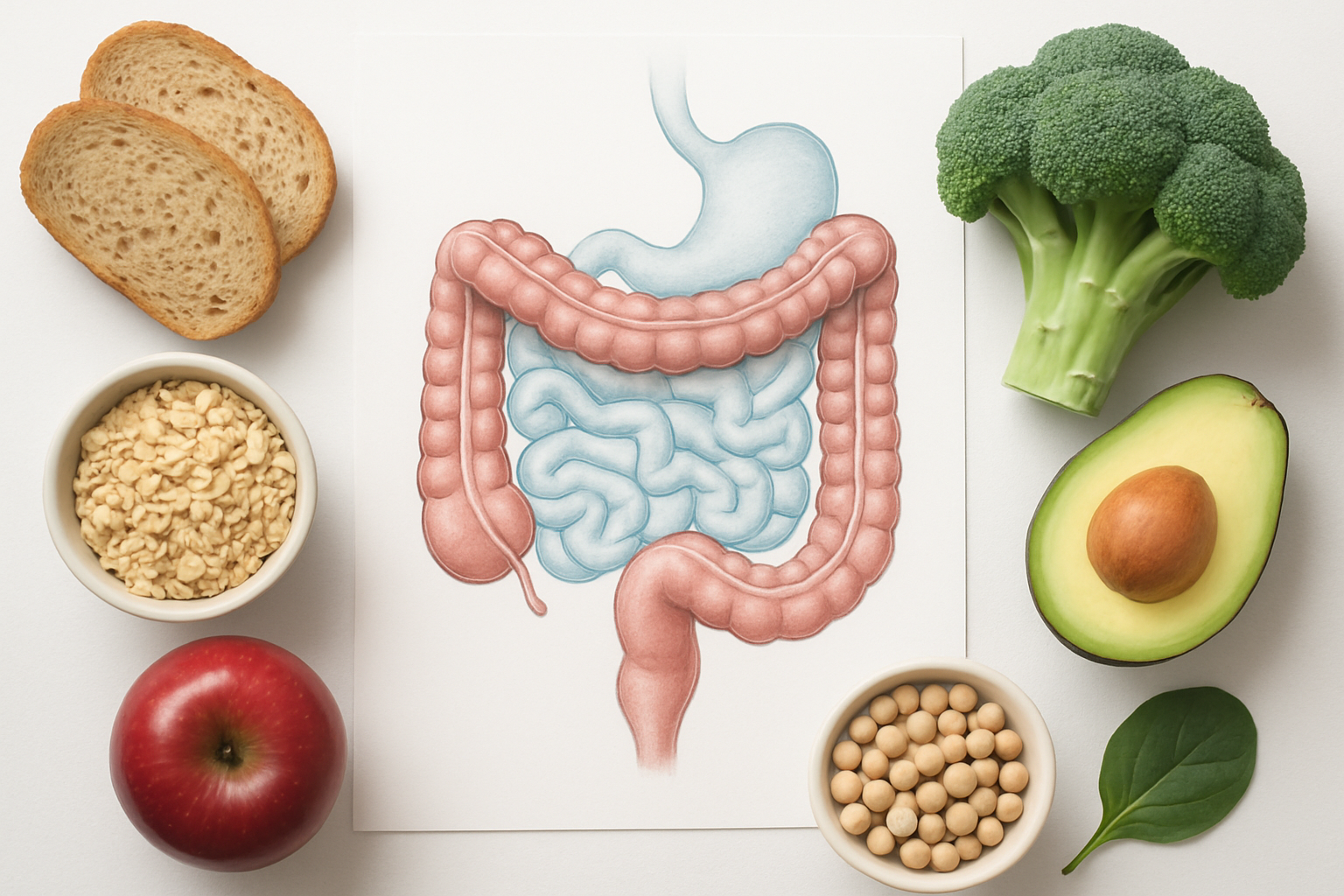
Constipation affects millions of people worldwide, yet many don’t recognize the early warning signs. The most obvious symptom is having fewer than three bowel movements per week, but the picture is more complex than simple frequency. Hard, dry stools that are difficult to pass signal your digestive system needs attention. You might find yourself straining during bathroom visits or feeling like you haven’t completely emptied your bowels.
Other telltale signs include abdominal bloating, cramping, and a general feeling of fullness or discomfort in your lower belly. Some people experience nausea, loss of appetite, or even back pain when constipation becomes severe. Your stools may appear small, pellet-like, or unusually hard compared to your normal pattern.
Pay attention to changes in your usual routine. If you typically have daily bowel movements and suddenly go several days without one, your body is sending a clear message. The Bristol Stool Chart can help you identify healthy versus problematic stool consistency – aim for types 3 and 4, which resemble sausages or snakes with smooth surfaces.
Identify Lifestyle Factors That Contribute to Digestive Issues
Modern life creates perfect conditions for constipation to develop. Sedentary behavior tops the list of culprits – spending hours at desks, in cars, or on couches slows down your digestive tract significantly. Your intestines need movement to function properly, and physical inactivity literally stops things from moving along.
Chronic stress wreaks havoc on your digestive system through the gut-brain connection. When you’re constantly stressed, your body redirects energy away from digestion, leading to sluggish bowel movements. Poor sleep patterns compound this problem, as your body performs many digestive functions during rest periods.
Dehydration is another major factor that people often overlook. Your colon absorbs water from waste material, and insufficient fluid intake results in hard, difficult-to-pass stools. Travel disrupts normal routines, changes in time zones affect your body’s natural rhythms, and unfamiliar foods can throw off your digestive balance.
Certain medications can slow down bowel movements, including pain medications, antidepressants, iron supplements, and some blood pressure medications. Ignoring the urge to go when nature calls trains your body to hold onto waste longer than necessary, making future movements more difficult.
Understand How Diet Affects Bowel Movements
What you eat directly impacts how well your digestive system functions. Processed foods, which dominate many people’s diets, lack the fiber needed to keep things moving smoothly. White bread, refined cereals, fast food, and packaged snacks provide little nutritional support for healthy digestion.
Fiber comes in two forms, and both play important roles. Soluble fiber absorbs water and forms a gel-like substance that softens stools, while insoluble fiber adds bulk and helps food move through your intestines faster. Most people consume far less than the recommended 25-35 grams of fiber daily.
Dairy products can be problematic for many individuals, especially those with lactose intolerance. Cheese, milk, and ice cream may slow down digestion and contribute to constipation. Red meat takes considerable energy to digest and can sit heavily in your system when consumed frequently.
On the flip side, certain foods act as natural laxatives. Prunes contain sorbitol, a sugar alcohol that draws water into your intestines. Berries, apples with skin, leafy greens, and beans provide excellent fiber sources. Adequate water intake is just as important as fiber – without enough fluids, even high-fiber foods can worsen constipation.
Learn When to Seek Medical Attention
While occasional constipation is normal, persistent problems warrant professional evaluation. Seek medical attention if you haven’t had a bowel movement for more than three days, especially if you’re experiencing severe abdominal pain, cramping, or bloating.
Blood in your stool, whether bright red or dark and tarry, requires immediate medical attention. This could indicate hemorrhoids, anal fissures, or more serious conditions that need proper diagnosis and treatment. Sudden changes in bowel habits lasting more than a few weeks should also be evaluated by a healthcare provider.
Severe abdominal pain accompanied by vomiting, fever, or the inability to pass gas may signal a bowel obstruction – a medical emergency requiring immediate treatment. Unexplained weight loss combined with constipation could indicate underlying health conditions that need investigation.
Chronic constipation lasting several months might be a symptom of conditions like irritable bowel syndrome, thyroid disorders, or neurological problems. If lifestyle changes and natural remedies haven’t provided relief after a reasonable trial period, professional guidance can help identify underlying causes and develop an effective treatment plan.
Dietary Changes That Promote Regular Bowel Movements

Increase Fiber Intake Through Whole Foods
Adding more fiber to your diet acts like nature’s broom, sweeping through your digestive system and keeping things moving smoothly. Soluble fiber, found in oats, beans, and apples, forms a gel-like substance that softens stool and makes it easier to pass. Insoluble fiber from vegetables, whole grains, and nuts adds bulk to your stool and speeds up transit time through your colon.
Start your day with a bowl of oatmeal topped with berries and ground flaxseed. This combination delivers both types of fiber while tasting delicious. Replace white bread and pasta with whole grain versions, and snack on fresh fruits with their peels intact whenever possible. Legumes like lentils, chickpeas, and black beans pack serious fiber power – try adding them to soups, salads, or making hearty bean-based dishes.
Gradually increase your fiber intake over several weeks to avoid gas and bloating. Your gut bacteria need time to adjust to processing more fiber-rich foods. Aim for 25-35 grams of fiber daily, but build up slowly from your current intake.
Stay Properly Hydrated Throughout the Day
Water works hand-in-hand with fiber to prevent constipation. When you don’t drink enough fluids, your colon absorbs more water from waste material, creating hard, dry stools that are difficult to eliminate. Think of fiber as a sponge – without enough water, it can actually make constipation worse.
Drink water consistently throughout the day rather than chugging large amounts at once. Start each morning with a glass of warm water to jumpstart your digestive system. Herbal teas, especially those containing ginger or peppermint, count toward your daily fluid intake while providing additional digestive benefits.
Room temperature or warm beverages often work better than ice-cold drinks for digestive health. Many people find that drinking a cup of warm water with lemon first thing in the morning helps stimulate bowel movements naturally.
| Daily Fluid Recommendations | Amount |
|---|---|
| Adults (general) | 8-10 glasses (64-80 oz) |
| High fiber diet | Add 2-3 extra glasses |
| Physical activity | Additional 12-16 oz per hour |
Add Probiotic-Rich Foods to Your Meals
Your gut contains trillions of bacteria that play a crucial role in digestion and bowel regularity. Probiotic foods introduce beneficial bacteria that help maintain a healthy gut microbiome, which can improve stool consistency and frequency.
Yogurt with live active cultures makes an excellent breakfast or snack option. Look for varieties containing multiple strains of beneficial bacteria like Lactobacillus and Bifidobacterium. Kefir, a fermented milk drink, contains even more diverse probiotic strains than regular yogurt.
Fermented vegetables like sauerkraut, kimchi, and pickles (made without vinegar) provide probiotics along with fiber. Miso soup, kombucha, and tempeh offer additional ways to incorporate beneficial bacteria into your daily routine. Start with small portions of fermented foods and gradually increase to avoid digestive upset.
Eliminate Foods That Worsen Constipation
Certain foods can slow down your digestive system and contribute to constipation. Processed foods high in fat and low in fiber take more energy to digest and move slowly through your intestines. Fast food, fried foods, and packaged snacks often fall into this category.
Dairy products cause constipation in some people, especially those with lactose intolerance. If you suspect dairy affects your bowel movements, try eliminating it for a week and notice any changes.
Red meat requires significant digestive effort and lacks fiber, potentially slowing intestinal transit time. While you don’t need to eliminate it completely, balance meat consumption with plenty of vegetables and whole grains.
Refined grains like white bread, white rice, and regular pasta have had their fiber removed during processing. These foods can contribute to sluggish digestion compared to their whole grain counterparts. Bananas, particularly unripe green ones, contain high levels of starch that can worsen constipation in some individuals.
Natural Remedies Using Kitchen Ingredients
Harness the Power of Warm Lemon Water
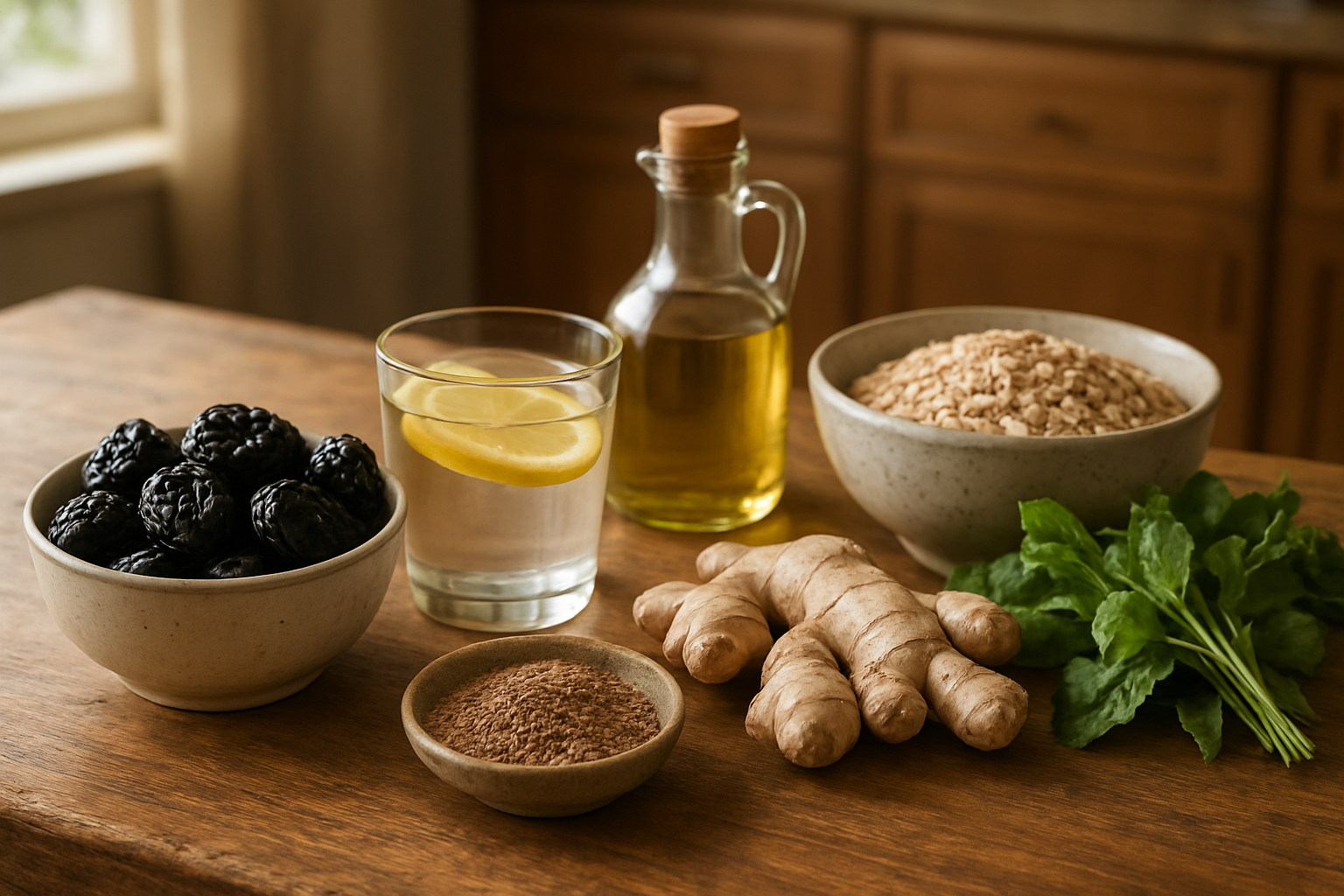
Starting your morning with a glass of warm lemon water can work wonders for your digestive system. The combination of warm water and fresh lemon juice acts as a natural stimulant that gets your bowels moving. Lemons contain citric acid, which helps break down food in your stomach and stimulates the production of digestive juices.
The warm temperature is key here – hot water helps relax your intestinal muscles and increases blood flow to your digestive organs. This creates the perfect environment for a natural bowel movement. Many people find that drinking this mixture first thing in the morning, about 30 minutes before eating, produces the best results.
To prepare this remedy, squeeze half a fresh lemon into a cup of warm (not boiling) water. You can add a pinch of sea salt or a teaspoon of honey if you prefer, but the basic combination is effective on its own. The vitamin C in lemons also supports overall digestive health and helps your body absorb nutrients more efficiently.
Use Olive Oil as a Gentle Digestive Lubricant
Extra virgin olive oil serves as a natural lubricant for your digestive tract, making it easier for waste to pass through your intestines. This Mediterranean staple contains healthy fats that stimulate bile production, which helps break down food and promotes regular bowel movements.
Taking one tablespoon of olive oil on an empty stomach can provide gentle relief within a few hours. The oil coats the intestinal walls and softens stool, making elimination more comfortable. You can take it straight or mix it with a small amount of lemon juice to make it more palatable.
| Method | Timing | Expected Results |
|---|---|---|
| 1 tbsp straight | Morning, empty stomach | 2-6 hours |
| Mixed with lemon | Before breakfast | 2-4 hours |
| In warm water | Evening | Next morning |
Some people prefer mixing olive oil with warm water or herbal tea. Start with smaller amounts if you’re not used to consuming oil this way, as too much can cause stomach upset.
Incorporate Apple Cider Vinegar into Your Routine
Raw, unfiltered apple cider vinegar contains beneficial enzymes and probiotics that support healthy digestion. The acetic acid in apple cider vinegar helps balance stomach pH levels and encourages the growth of good bacteria in your gut.
Mix one to two tablespoons of apple cider vinegar with a glass of water and drink it before meals. This practice can help improve overall digestion and prevent constipation from occurring in the first place. The vinegar stimulates digestive enzymes and increases stomach acid production, which helps your body process food more effectively.
Choose apple cider vinegar with the “mother” – those cloudy strands you see floating in unfiltered versions. This contains the most beneficial compounds for digestive health. You can also add a teaspoon of honey to make the taste more appealing, especially if you’re new to drinking apple cider vinegar.
Regular use of apple cider vinegar can help maintain healthy gut bacteria and improve your body’s ability to absorb nutrients from food. Many people notice improvements in their digestive regularity within a week of consistent use.
Herbal Solutions for Gentle Relief
Discover the benefits of senna leaf tea
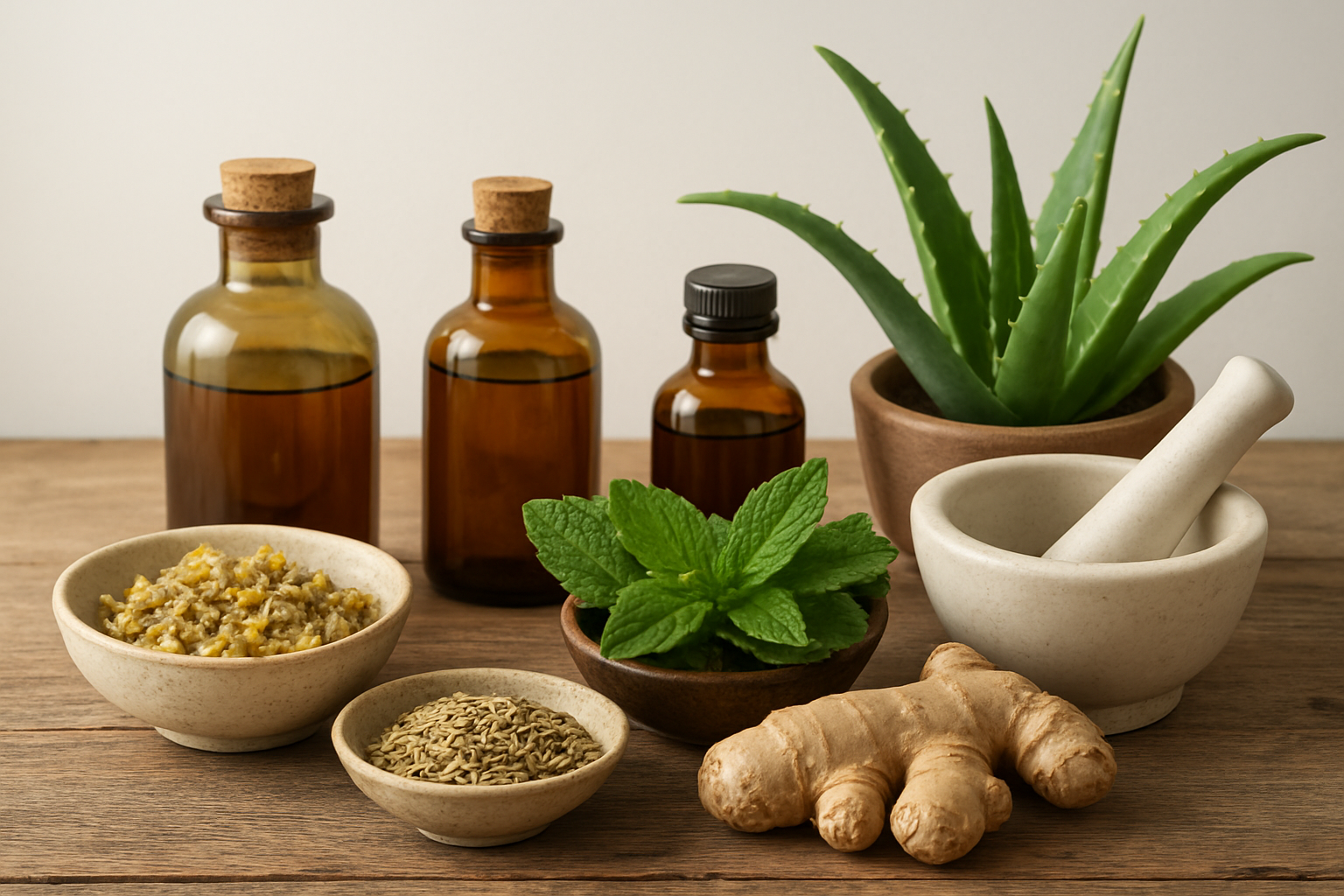
Senna leaf has been nature’s gentle nudge for centuries, working as a natural stimulant laxative that gets things moving when you’re feeling backed up. The active compounds called sennosides help trigger muscle contractions in your intestinal walls, encouraging your digestive system to push waste through more effectively.
You can find senna tea at most health food stores, or brew your own using dried senna leaves. Start with a weak tea – about half a teaspoon of dried leaves steeped in hot water for 5-10 minutes. Drink it before bedtime since it typically takes 6-12 hours to work its magic. The timing works perfectly for a morning bowel movement.
Keep in mind that senna is powerful stuff. Stick to using it for short periods only, maybe 3-7 days max. Your body can become dependent on it if you use it too frequently. Pregnant women and people with certain digestive conditions should skip this remedy entirely.
Try psyllium husk for added bulk
Psyllium husk works differently than senna – it’s all about adding healthy bulk to your stool while making it softer and easier to pass. This fiber powerhouse absorbs water like a sponge, creating a gel-like substance that helps normalize bowel movements naturally.
Mix one tablespoon of psyllium husk powder into a large glass of water, stir quickly, and drink it right away before it thickens up. Follow with another glass of water to prevent it from getting stuck anywhere. You can also sprinkle it over yogurt, blend it into smoothies, or mix it into oatmeal.
The beauty of psyllium is that it works for both constipation and loose stools – it’s like a digestive system balancer. Start with a smaller amount (maybe a teaspoon) and gradually increase to avoid bloating or gas. Give it a few days to show results since it works by naturally bulking up your stool rather than forcing things along.
Use ginger to stimulate digestion
Ginger brings warmth and movement to your entire digestive system, helping speed up gastric emptying and encouraging regular bowel movements. This spicy root contains compounds called gingerols that stimulate digestive muscles and help food move through your system more efficiently.
Fresh ginger tea works wonders – slice a thumb-sized piece of fresh ginger root and simmer it in water for 10-15 minutes. You can also grate fresh ginger into warm water with a squeeze of lemon and a touch of honey. Drinking this mixture first thing in the morning can help wake up your digestive system.
If fresh ginger isn’t available, ground ginger works too. Add it to smoothies, sprinkle it on fruits, or mix it into warm milk before bed. Some people find that chewing on crystallized ginger pieces helps, though these contain sugar so use them sparingly. Start with small amounts since too much ginger can cause heartburn in sensitive people.
Explore the soothing effects of chamomile
Chamomile brings calm to stressed digestive systems while gently encouraging regular bowel movements. This flower has natural anti-inflammatory properties that can help relax intestinal muscles and reduce digestive discomfort that sometimes comes with constipation.
Brew chamomile tea using dried flowers or convenient tea bags, letting it steep for 5-7 minutes to extract the beneficial compounds. Drink a warm cup after meals or before bedtime to help your digestive system relax and function better. The gentle nature of chamomile makes it safe for daily use.
Chamomile works especially well for people whose constipation seems connected to stress or anxiety. The herb’s calming properties help break the cycle where stress slows digestion, which causes discomfort, which creates more stress. Adding chamomile essential oil to a warm bath can provide additional relaxation benefits that support healthy digestion.
Consider dandelion root for liver support
Dandelion root tackles constipation from a different angle by supporting liver function and bile production. Better bile flow means improved fat digestion and smoother waste elimination. This common “weed” has been used traditionally to support digestive health for generations.
Dandelion root tea has a slightly bitter taste that actually helps stimulate digestive juices. You can buy pre-made tea bags or simmer dried dandelion root for 10-15 minutes to make your own brew. Some people mix it with other herbs like peppermint to improve the flavor.
The root also acts as a natural diuretic, helping reduce water retention that can sometimes contribute to feeling bloated and uncomfortable. Young dandelion greens can be added to salads for additional digestive support, though they’re quite bitter so start with small amounts mixed with milder greens.
Physical Activities and Movement Techniques
Practice specific yoga poses for digestive health
Several yoga poses can work wonders for your digestive system by massaging internal organs and encouraging natural peristalsis. The Wind-Relieving Pose (Pawanmuktasana) targets abdominal compression directly – lie on your back, pull one knee to your chest, hold for 30 seconds, then switch sides. This gentle pressure helps move trapped gas and waste through your system.
Cat-Cow stretches activate your core muscles while creating rhythmic movement in your spine and abdomen. Start on hands and knees, alternate between arching your back (cow) and rounding it (cat) for 10-15 repetitions. The twisting motion helps stimulate digestion and can provide relief within minutes.
Seated spinal twists are perfect for desk workers. Sit cross-legged, place your right hand behind you, and twist gently to the right while breathing deeply. Hold for 30 seconds, then repeat on the left side. These twists massage your internal organs and promote healthy gut function.
Child’s pose with knees wide apart creates gentle abdominal pressure while calming your nervous system. This stress-reducing position helps activate your parasympathetic nervous system, which controls digestion and elimination.
Take regular walks to stimulate bowel function
Walking ranks as one of the most effective and accessible remedies for constipation. This low-impact exercise creates natural abdominal contractions that help move waste through your digestive tract. Even a gentle 10-minute stroll after meals can make a significant difference in your regularity.
The key lies in consistency rather than intensity. A brisk 20-30 minute walk daily helps maintain healthy bowel movements by encouraging peristalsis – the wave-like muscle contractions that push food through your intestines. Morning walks prove especially beneficial as they help establish your body’s natural elimination rhythm.
Walking also reduces stress hormones like cortisol, which can slow down digestion. When you’re stressed, your body diverts energy away from digestive processes. Regular walking helps rebalance your nervous system, allowing your gut to function optimally.
Try incorporating walking into your daily routine by taking the stairs instead of elevators, parking farther from store entrances, or walking during phone calls. These small changes add up to significant digestive benefits without requiring dedicated workout time.
Try abdominal massage techniques
Self-massage can provide immediate relief by mechanically encouraging waste movement through your colon. The clockwise circular motion follows your colon’s natural path, making this technique particularly effective.
Start by lying down comfortably with your knees slightly bent. Place your right hand flat on your lower right abdomen, near your hip bone. Apply gentle but firm pressure and make slow, circular motions clockwise around your entire abdomen. Spend 2-3 minutes moving from your right side, up across the top, down the left side, and back across the bottom.
Focus extra attention on areas that feel tender or bloated – these spots often indicate where waste has become stuck. Use your fingertips to apply deeper pressure in small circles on these problem areas, but never push so hard that it causes pain.
The “I Love U” massage technique targets specific parts of your colon. Start with the “I” stroke on your left side, moving from ribcage to hip bone. The “L” stroke goes across the top and down the left side. The “U” stroke traces a full horseshoe shape around your entire abdomen.
Learn proper squatting positions for elimination
Your elimination posture significantly affects how easily waste moves through your system. The modern toilet position, while convenient, isn’t anatomically ideal for complete bowel emptying. Your puborectalis muscle, which wraps around your rectum, only fully relaxes when your knees are higher than your hips.
A squatting position straightens the anorectal angle, allowing waste to pass more easily and completely. You can achieve this beneficial angle by placing a footstool under your feet while sitting on the toilet, raising your knees above hip level.
If you’re new to this position, start by elevating your feet just a few inches and gradually increase the height as your body adapts. Some people find that leaning slightly forward while in this elevated position provides additional relief.
Practice deep breathing while in position, as tension can counteract the benefits of proper posture. Inhale slowly through your nose, allowing your belly to expand, then exhale gently. This breathing pattern activates your parasympathetic nervous system and helps your pelvic floor muscles relax naturally.
Consider the timing of your bathroom visits too. Your body has natural elimination urges, often strongest in the morning after coffee or meals. Don’t ignore these signals – responding promptly to your body’s cues prevents waste from becoming harder and more difficult to pass.