Senna tea is a natural herbal remedy that’s gained popularity for its powerful laxative effects and potential digestive benefits. Made from the leaves and pods of the senna plant, this tea has been used for centuries to address constipation and support digestive health.
This guide is perfect for anyone considering senna tea as a natural solution for digestive issues, those curious about herbal remedies, or people wanting to understand the safety profile before trying it.
We’ll explore the proven health benefits of senna tea and walk you through proper dosage and preparation methods to help you use it safely. You’ll also learn about important safety considerations and potential risks, so you can make an informed decision about whether this herbal tea is right for your needs.
What Is Senna Tea and How It Works

Natural laxative properties of senna leaves
Senna comes from the Cassia angustifolia plant, commonly known as Alexandrian senna, and Cassia acutifolia, called Tinnevelly senna. These plants belong to the legume family and grow naturally in parts of Africa and India. The leaves contain powerful compounds that work specifically on your large intestine to encourage bowel movements.
When you drink senna tea, the active ingredients travel through your digestive system largely unchanged until they reach your colon. There, beneficial bacteria break them down into their active form, which then stimulates the intestinal walls. This process typically takes 6-12 hours, which explains why senna tea is often consumed before bedtime for morning relief.
Active compounds that stimulate digestive system
The magic behind senna’s effectiveness lies in compounds called anthraquinone glycosides, primarily sennosides A and B. These molecules act as natural irritants to the colon lining, causing the smooth muscles in your intestinal walls to contract more forcefully and frequently than normal.
Sennosides also affect water absorption in your intestines. They prevent your colon from reabsorbing too much water from waste material, keeping stools softer and easier to pass. This dual action – increased muscle contractions plus retained moisture – creates the powerful laxative effect senna is known for.
The concentration of these compounds varies depending on the quality of the senna leaves, growing conditions, and processing methods. Higher-grade senna typically contains 2.5-3% sennosides, making it more potent than lower-quality preparations.
Traditional medicinal uses across cultures
Senna has been a trusted remedy for constipation for over 1,000 years. Ancient Egyptian physicians used senna leaves as early as the 9th century, calling it “the blessed plant.” Arabic traders later introduced it to Europe, where it became a staple in medieval medicine chests.
Traditional Chinese Medicine incorporates senna under the name “fan xie ye,” primarily for clearing heat from the intestines and treating stubborn constipation. Ayurvedic practitioners in India have long valued senna for balancing the body’s doshas, particularly when digestive sluggishness affects overall health.
In many African cultures, senna tea serves not just as medicine but as part of cleansing rituals. Traditional healers often combine it with other herbs to create comprehensive digestive tonics. Native American tribes also discovered senna’s benefits independently, using it for similar digestive purposes.
How senna tea differs from other herbal teas
Unlike gentle digestive teas such as chamomile or peppermint, senna tea produces definitive, measurable results. While most herbal teas work subtly to support your body’s natural processes, senna actively forces change in your digestive system.
Regular herbal teas can be consumed daily without concern, but senna tea requires careful timing and dosage. You can’t casually sip senna tea throughout the day like you would with green tea or ginger tea. Its powerful effects demand respect and planning.
The taste also sets senna apart. Most people find it quite bitter and unpalatable compared to pleasant-tasting herbal blends. Many commercial preparations add flavoring agents like cinnamon or citrus to mask senna’s naturally harsh flavor.
Proven Health Benefits of Senna Tea

Effective Relief from Constipation
Senna tea stands as one of the most reliable natural remedies for constipation, backed by decades of clinical research and traditional use. The active compounds in senna, called sennosides, work directly on the large intestine to stimulate muscle contractions and promote bowel movements. Most people experience relief within 6-12 hours of consumption, making it significantly faster than many other natural laxatives.
Clinical studies have shown senna’s effectiveness in treating both occasional and chronic constipation. A randomized controlled trial published in the American Journal of Gastroenterology found that senna provided relief in 93% of participants with chronic constipation, compared to just 15% in the placebo group. The herb works by increasing the production of prostaglandins, which enhance intestinal muscle activity and accelerate the movement of stool through the colon.
Support for Healthy Bowel Movements
Regular consumption of senna tea helps establish predictable bowel movement patterns for people struggling with irregularity. The herb doesn’t just provide one-time relief – it can help retrain the colon to function more efficiently. Many users report that after a short course of senna tea, their natural bowel rhythm improves even after discontinuing use.
The sennosides in senna also increase the secretion of water and electrolytes into the intestinal tract, which softens stool and makes elimination easier and more comfortable. This dual action of stimulating muscle contractions while improving stool consistency makes senna particularly effective for people whose constipation involves both slow transit and hard, dry stools.
Potential Weight Management Aid
While senna tea shouldn’t be considered a primary weight loss tool, it can support weight management efforts in several ways. The most immediate effect comes from eliminating accumulated waste and reducing bloating, which can result in a flatter appearance and improved comfort. Some users report losing 2-3 pounds of water weight and waste material after using senna tea.
The temporary appetite suppression that some people experience with senna may also contribute to reduced caloric intake. However, any weight loss from senna tea is largely temporary and related to water loss and waste elimination rather than fat burning. The herb should never replace a balanced diet and exercise program for sustainable weight management.
Colon Cleansing Properties
Senna tea offers natural colon cleansing benefits by helping remove built-up waste material from the intestinal tract. The increased bowel activity stimulated by sennosides can help clear out old fecal matter that may have been sitting in the colon for extended periods. This thorough evacuation can leave people feeling lighter and more energetic.
Many people use senna tea as preparation for medical procedures like colonoscopies, where a clean colon is essential for accurate results. Some healthcare providers recommend senna-based preparations because they’re gentler than synthetic laxatives while still providing reliable cleansing action. The natural compounds work systematically through the entire large intestine, providing comprehensive cleansing rather than just stimulating the rectum like some other laxatives.
Common Uses and Applications

Short-term Constipation Relief
Senna tea serves as a go-to remedy for occasional constipation when dietary changes and increased water intake aren’t enough. The tea typically produces bowel movements within 6-12 hours after consumption, making it particularly useful for people experiencing temporary digestive slowdowns due to travel, stress, or changes in routine.
Most healthcare providers recommend using senna tea for no more than one week at a time for constipation relief. The herb’s stimulant laxative properties work by irritating the intestinal lining, which triggers muscle contractions that push waste through the colon. This mechanism makes it more potent than bulk-forming laxatives but also means it shouldn’t become a daily habit.
People often find senna tea helpful after periods of reduced physical activity, such as recovering from illness or surgery, when normal bowel function may be disrupted. The tea can also provide relief during hormonal changes that affect digestion, though pregnant and breastfeeding women should avoid it entirely.
Pre-medical Procedure Preparation
Medical facilities frequently recommend senna tea as part of bowel preparation protocols before colonoscopies, certain surgeries, and diagnostic procedures. The tea helps ensure the intestinal tract is completely clear, allowing doctors to perform procedures safely and get accurate results.
Colonoscopy preparation typically involves drinking senna tea the evening before the procedure, often combined with other cleansing agents. This timing allows the bowel to empty overnight while the patient can rest at home. Some medical centers prefer senna over synthetic laxatives because many patients tolerate the herbal option better, experiencing fewer side effects like severe cramping.
Before hemorrhoid surgery, rectal procedures, or lower abdominal operations, doctors may prescribe senna tea to prevent post-operative straining. The goal is to keep the bowel movements soft and regular during the healing period, reducing pressure on surgical sites.
Detoxification Programs
Many detox programs incorporate senna tea as a component of their cleansing protocols, though the scientific evidence supporting these uses remains limited. Proponents believe the tea helps remove accumulated waste from the colon, potentially improving overall digestive health and energy levels.
Commercial detox teas often contain senna alongside other herbs like dandelion, ginger, or peppermint. These blends aim to support liver function, reduce bloating, and promote regular elimination. However, users should approach these programs with caution, as extended use of senna can lead to dependency and electrolyte imbalances.
Some alternative health practitioners recommend short-term senna tea use during seasonal cleanses or after periods of poor dietary choices. They suggest the tea helps “reset” the digestive system, though mainstream medicine emphasizes that healthy kidneys and liver naturally detoxify the body without additional interventions.
The appeal of senna in detox programs often stems from its rapid, noticeable effects. People typically see results within hours, which can feel satisfying compared to gradual lifestyle changes. However, true detoxification happens through consistent healthy habits rather than quick fixes involving laxative teas.
Proper Dosage and Preparation Methods
Recommended serving sizes for adults
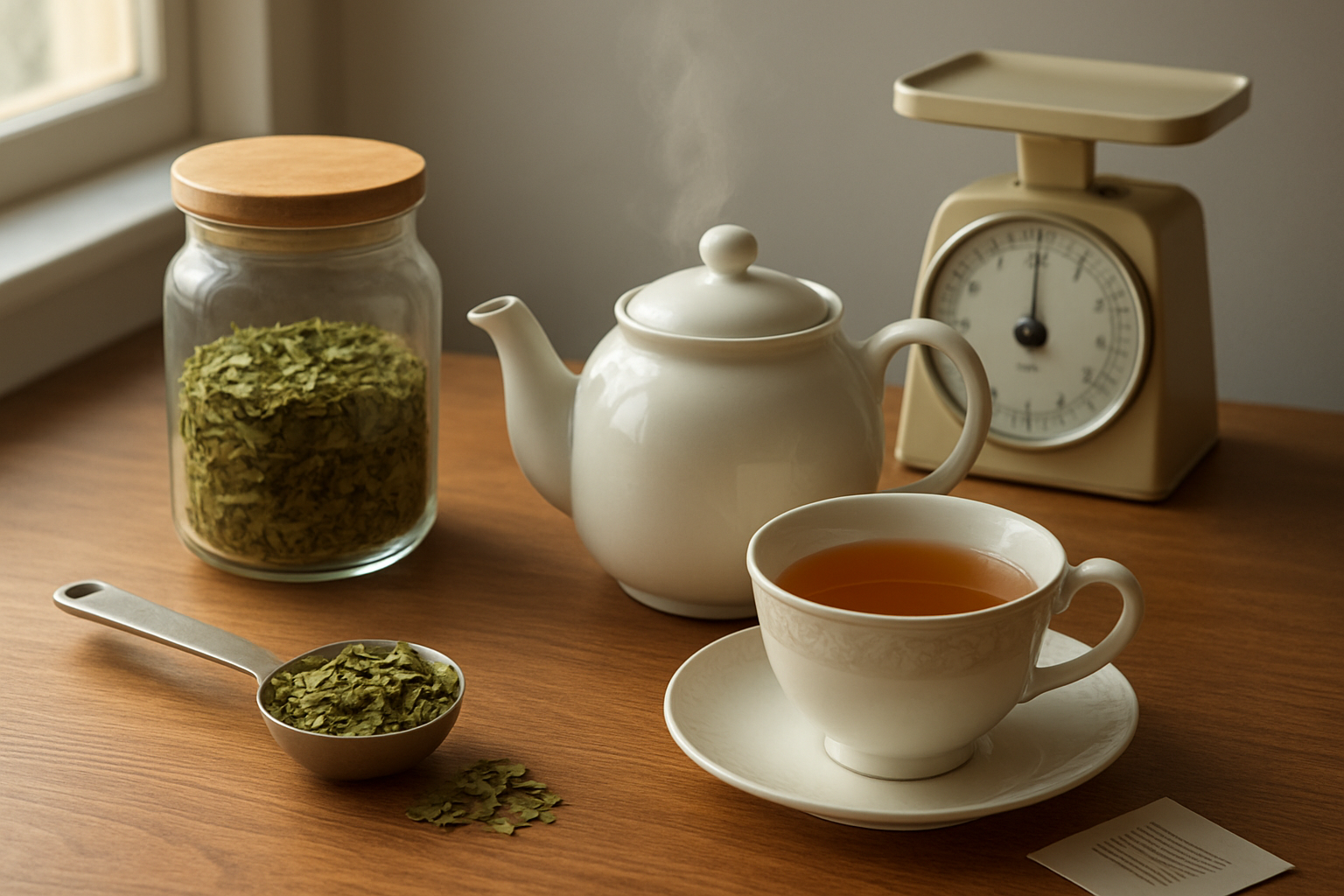
The standard dosage for senna tea varies depending on the form you’re using and your individual tolerance. For loose senna leaves or tea bags, steep 1-2 teaspoons (roughly 2-4 grams) in hot water. Most commercial senna tea bags contain about 1 gram of dried senna, so one to two bags per cup works well for beginners.
Start with the lower end of the dosage range, especially if you’re new to senna tea. Your body needs time to adjust, and going too strong right away can lead to uncomfortable cramping or excessive bowel movements. After a few days of monitoring your response, you can gradually increase the amount if needed.
| User Experience Level | Recommended Amount | Frequency |
|---|---|---|
| First-time users | 1 tsp (1-2g) | Once daily |
| Regular users | 1-2 tsp (2-4g) | Once daily |
| Maximum safe dose | 2 tsp (4g) | Once daily |
Correct brewing techniques for maximum effectiveness
Water temperature plays a key role in extracting senna’s active compounds called sennosides. Heat your water to around 200-212°F (just at or near boiling point). Pour the hot water over your senna leaves or tea bag and let it steep for 10-15 minutes. This longer steeping time allows the sennosides to fully dissolve into the water.
Cover your cup while steeping to prevent the volatile compounds from escaping with the steam. The tea will develop a golden-brown color and a slightly bitter taste – both signs that you’re extracting the beneficial compounds properly.
Avoid adding milk or cream, as dairy can interfere with absorption. Honey or lemon can help mask the bitter flavor without reducing effectiveness. Some people find that adding a small amount of ginger helps reduce potential stomach discomfort.
Timing guidelines for optimal results
Senna tea works best when consumed on an empty stomach, typically before bedtime. The laxative effects usually kick in 6-12 hours after drinking, making evening consumption ideal for morning bowel movements that won’t disrupt your daily routine.
Avoid drinking senna tea with meals or shortly after eating, as food can slow down absorption and delay results. If you need to take it during the day, wait at least 2 hours after your last meal and 1 hour before your next one.
Plan your schedule carefully when starting senna tea. Stay close to bathroom facilities for the first 12-24 hours after consumption, as the effects can be quite strong and somewhat unpredictable until you understand how your body responds.
Duration limits for safe consumption
Senna tea should only be used as a short-term solution – never exceed 7-10 consecutive days of use. Your digestive system can become dependent on senna’s stimulating effects, leading to a condition where your bowels won’t function normally without it.
After completing a short course of senna tea, take a break of at least one week before considering another round. This prevents your body from developing tolerance and maintains the tea’s effectiveness for future use when needed.
If you find yourself needing senna tea regularly for more than two weeks total in a month, consult with a healthcare provider. Chronic constipation often requires addressing underlying causes rather than relying on stimulant laxatives like senna.
Safety Considerations and Potential Risks
Side effects and adverse reactions
Senna tea can cause several uncomfortable side effects, especially when you’re just starting to use it. The most common reactions include stomach cramping, nausea, and diarrhea. These symptoms happen because senna stimulates your intestinal muscles quite aggressively. Some people also experience bloating, gas, and general abdominal discomfort.
Your body might feel dehydrated after using senna tea since it pulls water into your intestines. This can lead to dizziness, headaches, and fatigue. The cramping can range from mild to severe, and you might notice your bowel movements become watery or urgent.
Long-term use brings more serious concerns. Your colon can become dependent on senna’s stimulation, making natural bowel movements difficult without it. The constant irritation may also cause changes in your intestinal lining and electrolyte imbalances that affect your heart rhythm and muscle function.
Drug interactions to avoid
Senna tea can interfere with several medications in ways that might surprise you. Blood-thinning drugs like warfarin become less predictable when combined with senna because the rapid transit through your intestines affects how well your body absorbs these medications.
Birth control pills pose another concern. Senna can speed up digestion so much that hormonal contraceptives don’t have enough time to be fully absorbed, potentially reducing their effectiveness.
| Medication Type | Interaction Risk | Potential Effect |
|---|---|---|
| Blood thinners | High | Reduced absorption, unpredictable effects |
| Birth control | Moderate | Decreased effectiveness |
| Heart medications | High | Dangerous electrolyte changes |
| Diuretics | High | Excessive fluid loss |
| Diabetes drugs | Moderate | Blood sugar fluctuations |
Heart medications, especially digoxin, become dangerous when mixed with senna. The electrolyte imbalances from senna use can make your heart more sensitive to these drugs, potentially causing irregular heartbeats.
Medical conditions that require caution
People with inflammatory bowel diseases like Crohn’s disease or ulcerative colitis should avoid senna tea completely. The herb’s stimulating effects can worsen inflammation and trigger painful flare-ups that might require medical intervention.
Kidney disease patients face serious risks because senna affects electrolyte balance. When your kidneys can’t properly regulate minerals like potassium and sodium, senna’s effects can become dangerous quickly.
Heart conditions require special attention. If you have arrhythmias, heart failure, or take heart medications, senna’s impact on electrolytes can trigger serious complications. The dehydration that often accompanies senna use puts additional strain on an already compromised cardiovascular system.
Pregnancy and breastfeeding mothers should stay away from senna tea. The stimulating compounds can trigger uterine contractions and may pass through breast milk to nursing babies.
Signs of overuse or dependency
Your body will send clear signals if you’re using senna tea too frequently or in excessive amounts. The most obvious sign is needing increasingly larger amounts to achieve the same effect. What started as one cup might gradually become three or four cups just to have a bowel movement.
Physical symptoms of overuse include persistent abdominal pain, chronic diarrhea, and weakness from constant dehydration. You might notice your natural bowel movements become infrequent or stop entirely when you don’t use senna.
Watch for these warning signs:
- Inability to have bowel movements without senna
- Severe cramping that doesn’t subside
- Persistent nausea or vomiting
- Dizziness or fainting spells
- Muscle weakness or irregular heartbeat
- Dark-colored urine indicating dehydration
Psychological dependency can develop too. You might feel anxious about missing a dose or worry constantly about when your next bowel movement will occur. This mental preoccupation with bowel function often indicates that senna use has moved beyond therapeutic into problematic territory.
If you notice any combination of these symptoms, stop using senna tea immediately and consult your healthcare provider. Recovery from senna dependency takes time, and your digestive system may need weeks or months to return to normal function.
Who Should Avoid Senna Tea

Pregnant and Breastfeeding Women
Expectant mothers should stay away from senna tea completely. The active compounds in senna can trigger uterine contractions, which might lead to premature labor or miscarriage. These same stimulant properties that make senna effective for constipation can also cause complications during pregnancy.
Breastfeeding women need to be equally cautious. Senna compounds pass through breast milk and can reach nursing babies, potentially causing severe diarrhea, dehydration, and electrolyte imbalances in infants. Since babies’ digestive systems are still developing, even small amounts of senna can be harmful.
If you’re pregnant or breastfeeding and dealing with constipation, safer alternatives include increasing fiber intake, drinking more water, gentle exercise, and consulting your healthcare provider for pregnancy-safe options.
Children and Elderly Individuals
Children under 12 years old shouldn’t use senna tea. Their digestive systems are more sensitive, and the potent laxative effects can quickly lead to dehydration and electrolyte loss. Kids also have a higher risk of developing dependency on stimulant laxatives.
Elderly individuals face increased risks when using senna tea. Age-related changes in kidney function mean they’re more vulnerable to dehydration and electrolyte imbalances. Older adults often take multiple medications, creating potential for dangerous drug interactions. Their bodies also process senna more slowly, increasing the chance of side effects.
Seniors dealing with constipation should explore gentler options like dietary changes, adequate hydration, regular movement, and probiotic foods before considering any stimulant laxative.
People with Specific Digestive Disorders
Several digestive conditions make senna tea dangerous or counterproductive. People with inflammatory bowel disease (IBD), including Crohn’s disease and ulcerative colitis, should avoid senna completely. The stimulant action can worsen inflammation and trigger painful flare-ups.
Those with intestinal blockages, appendicitis, or severe abdominal pain need immediate medical attention, not laxatives. Senna can make these conditions worse and potentially life-threatening.
Individuals with irritable bowel syndrome (IBS) often find that senna triggers symptoms like cramping, bloating, and unpredictable bowel movements. The harsh stimulant action can disrupt the already sensitive digestive system.
People with eating disorders shouldn’t use senna tea, as it’s commonly misused for weight loss purposes, leading to dangerous cycles of laxative abuse and serious health complications including severe dehydration and heart problems.
Senna tea stands out as a powerful natural remedy with well-documented benefits for digestive health and constipation relief. The key is understanding how to use it properly – following recommended dosages, preparing it correctly, and respecting its potent laxative effects. While senna offers genuine therapeutic value, it’s not a casual herbal tea you can sip throughout the day.
The safety considerations can’t be overlooked. Short-term use under proper guidance is generally safe for most adults, but long-term consumption or inappropriate dosing can lead to serious complications. If you’re pregnant, nursing, taking medications, or have underlying health conditions, check with your healthcare provider before trying senna tea. When used wisely and responsibly, senna tea can be an effective addition to your wellness routine – just remember that natural doesn’t always mean risk-free.