Star anise, the distinctive eight-pointed spice, offers impressive health benefits and culinary versatility that have made it a staple in kitchens and medicine cabinets worldwide. This comprehensive guide is perfect for home cooks, health enthusiasts, and anyone curious about natural remedies who wants to understand how to use this powerful spice safely and effectively.
You’ll discover the science-backed health benefits of star anise, from its antiviral properties to digestive support. We’ll also explore practical ways to incorporate this aromatic spice into your cooking and daily wellness routine. Most importantly, we’ll cover essential safety guidelines and potential risks, so you can enjoy star anise’s benefits while avoiding common mistakes that could cause harm.
Understanding Star Anise and Its Origins
What makes star anise unique among spices
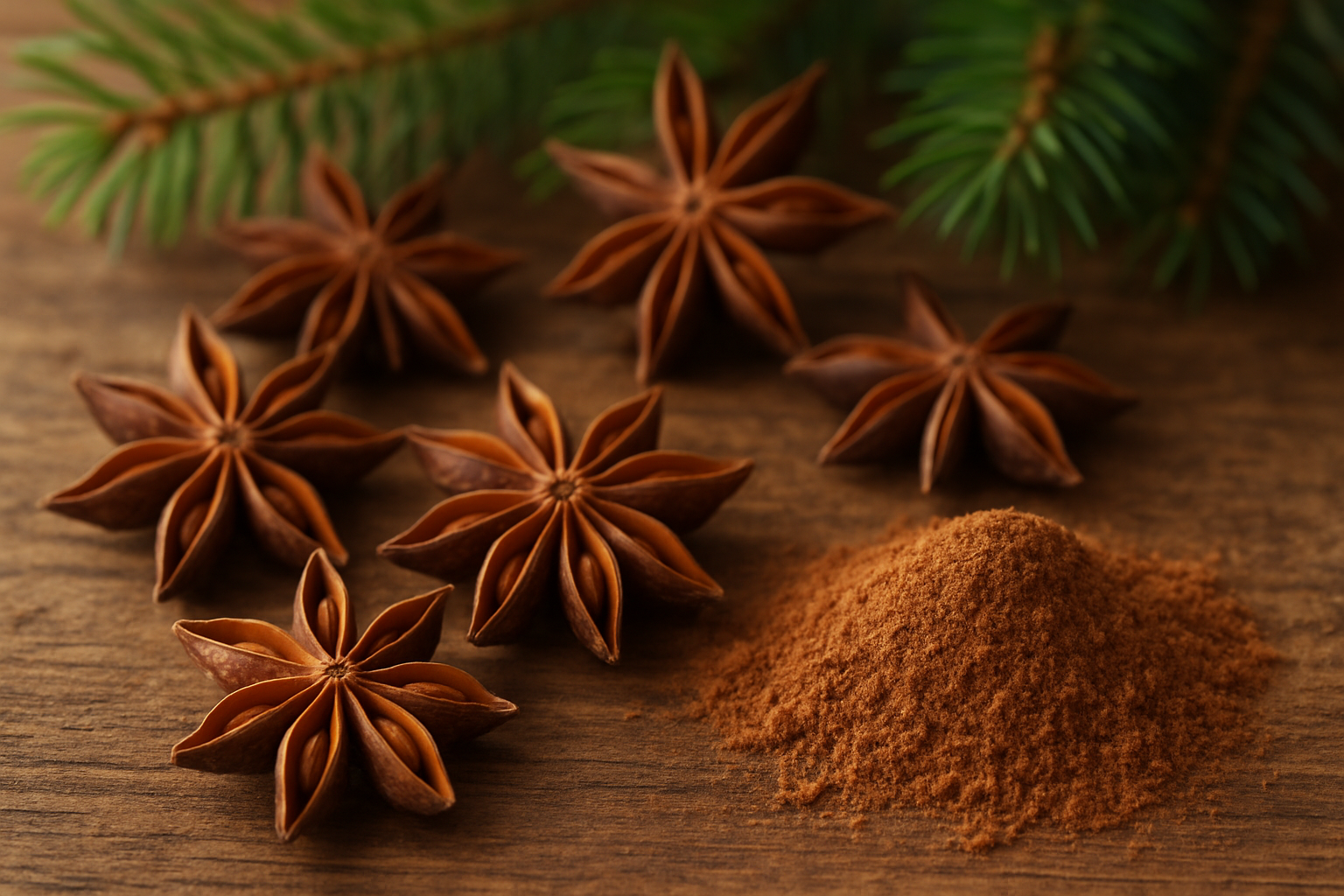
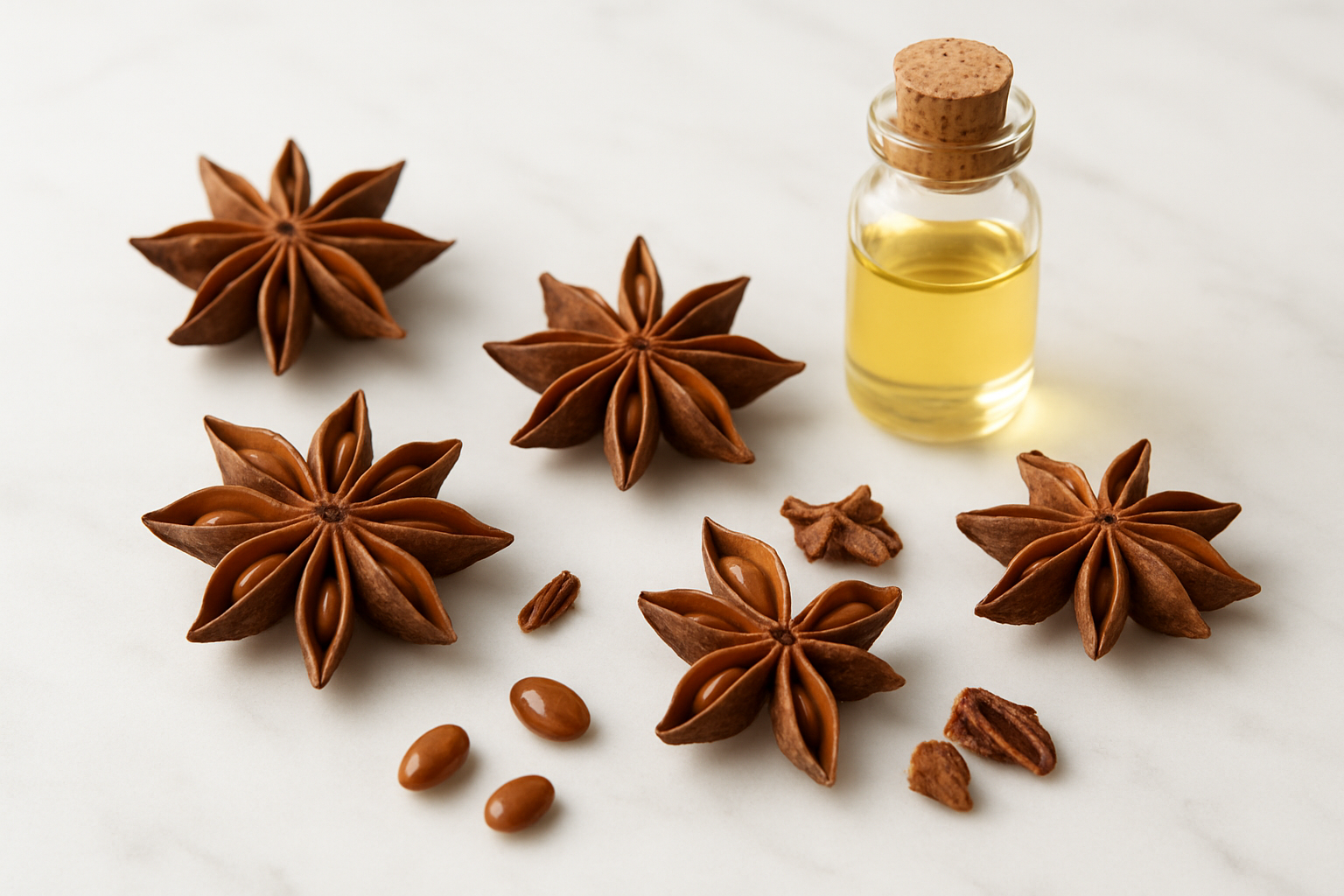
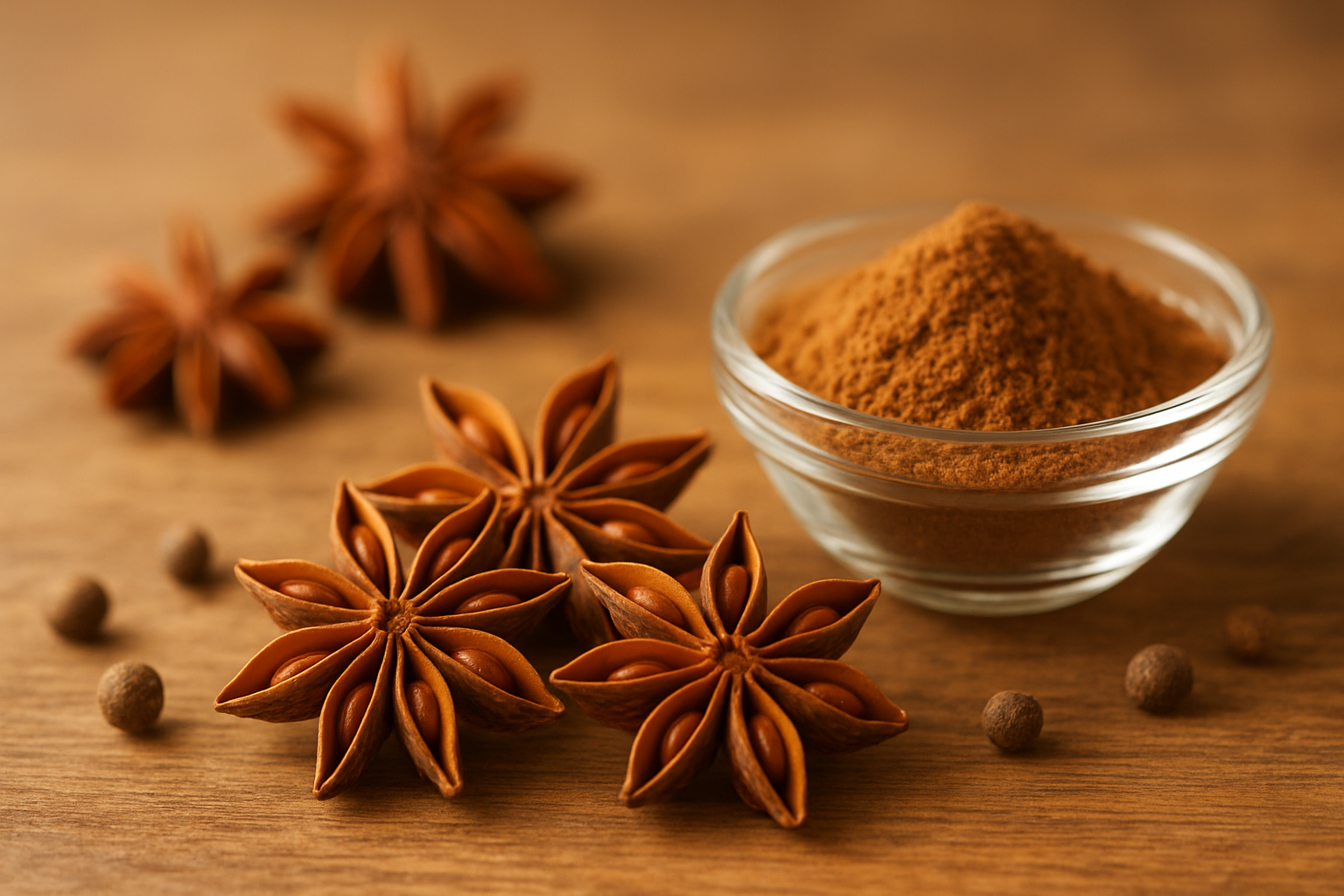
Star anise stands out in the spice world with its distinctive eight-pointed star shape that looks almost too perfect to be natural. Each point contains a glossy brown seed that holds concentrated flavor compounds. Unlike regular anise, which comes from a completely different plant family, star anise delivers a more intense licorice flavor with warm, sweet undertones and subtle hints of clove.
The spice’s uniqueness extends beyond appearance to its chemical composition. Star anise contains shikimic acid, a rare compound that serves as the primary ingredient in Tamiflu, the antiviral medication. This makes star anise one of the few culinary spices with proven pharmaceutical applications.
What really sets star anise apart is its dual nature – it works equally well in sweet and savory dishes. While most spices lean heavily toward one flavor profile, star anise bridges the gap effortlessly. You’ll find it perfuming Chinese five-spice powder, Vietnamese pho broth, Indian biryanis, and European mulled wines with equal success.
Traditional cultivation methods and geographic regions
Star anise grows exclusively in specific mountainous regions of Northeast Vietnam and Southwest China, where the climate and soil conditions create the perfect environment for these evergreen trees. The trees take 6-8 years to mature before producing their first harvest, making star anise a patience-demanding crop.
Traditional farmers still hand-pick the star-shaped pods just before they ripen, when the essential oil content peaks. This timing requires generations of knowledge passed down through farming families. The pods are harvested while still green and sun-dried until they turn their characteristic rust-brown color.
The main growing regions include:
- Guangxi Province, China – Produces about 80% of the world’s supply
- Lang Son Province, Vietnam – Known for premium quality pods
- Cao Bang Province, Vietnam – Traditional cultivation methods preserved
- Yunnan Province, China – Higher altitude growing for intense flavor
These regions maintain traditional processing methods where farmers spread the pods on bamboo mats for natural sun-drying. This slow process, taking 3-4 days, develops the complex flavor profile that machine drying simply can’t replicate.
Nutritional composition and active compounds
Star anise packs impressive nutritional density into its small pods. The spice contains essential minerals including calcium, iron, magnesium, potassium, and zinc. It also provides B-vitamins, particularly vitamin B6 and riboflavin, along with small amounts of vitamin C.
The real power lies in star anise’s active compounds:
| Compound | Percentage | Primary Benefits |
|---|---|---|
| Anethole | 85-90% | Antimicrobial, digestive support |
| Shikimic acid | 2-7% | Antiviral properties |
| Limonene | 1-3% | Antioxidant effects |
| Linalool | 0.5-2% | Anti-inflammatory |
Anethole gives star anise its signature licorice flavor and provides most of its antimicrobial benefits. This compound has shown effectiveness against various bacteria and fungi in laboratory studies.
Essential oils make up 8-15% of the pod’s weight, with concentrations varying based on growing conditions and harvest timing. These oils contain over 20 different aromatic compounds that work together to create star anise’s complex flavor and therapeutic properties.
The fiber content, while small per serving, contributes to digestive health benefits. Star anise also contains flavonoids like quercetin and kaempferol, which provide antioxidant protection against cellular damage.
Proven Health Benefits of Star Anise
Powerful Antioxidant Properties for Cellular Protection
Star anise packs an impressive punch when it comes to antioxidant activity. The spice contains compounds like shikimic acid, gallic acid, and quercetin that work together to neutralize harmful free radicals in your body. These antioxidants help protect your cells from oxidative stress, which can lead to premature aging and various health issues.
Research shows that star anise extract demonstrates significant antioxidant capacity, comparable to well-known antioxidant-rich foods. The phenolic compounds in star anise help maintain cellular integrity by preventing damage to cell membranes and DNA. This protective effect may contribute to reduced inflammation throughout the body and support overall wellness.
Natural Antimicrobial Effects Against Bacteria and Fungi
Star anise has been used for centuries as a natural preservative, and modern science backs up its antimicrobial reputation. The essential oils in star anise, particularly trans-anethole, show strong antibacterial and antifungal properties against various pathogens.
Studies have demonstrated that star anise extract can effectively inhibit the growth of harmful bacteria like E. coli and Staphylococcus aureus. The spice also shows promise against certain fungal infections, making it valuable for both food preservation and potential therapeutic applications. These antimicrobial properties make star anise a natural ally in supporting your body’s defense systems.
Digestive Health Support and Stomach Comfort
Traditional medicine has long valued star anise for its digestive benefits, and these uses have scientific support. The spice contains compounds that can help soothe digestive discomfort and promote healthy gut function. Star anise tea is commonly used to ease stomach cramps, bloating, and gas.
The essential oils in star anise may help stimulate digestive enzymes, making it easier for your body to break down food efficiently. Some people find that consuming star anise after meals helps reduce feelings of fullness and digestive sluggishness. The spice’s carminative properties help expel gas from the intestines, providing relief from uncomfortable bloating.
Respiratory System Relief and Congestion Reduction
Star anise shines as a natural respiratory support remedy. The spice contains shikimic acid, which serves as a precursor for manufacturing the antiviral medication Tamiflu. While star anise itself isn’t a cure for flu, it does offer respiratory benefits through different mechanisms.
The warming properties of star anise can help loosen mucus and phlegm, making it easier to clear congestion. Many people use star anise tea or steam inhalation with star anise essential oil to help open airways and ease breathing difficulties. The spice’s natural expectorant qualities may help reduce coughing and chest tightness associated with respiratory conditions.
Star anise also contains compounds that may help reduce inflammation in the respiratory tract, providing additional comfort during seasonal challenges or when dealing with minor respiratory irritation.
Culinary and Practical Uses in Daily Life
Essential ingredient in Asian cooking and flavor profiles
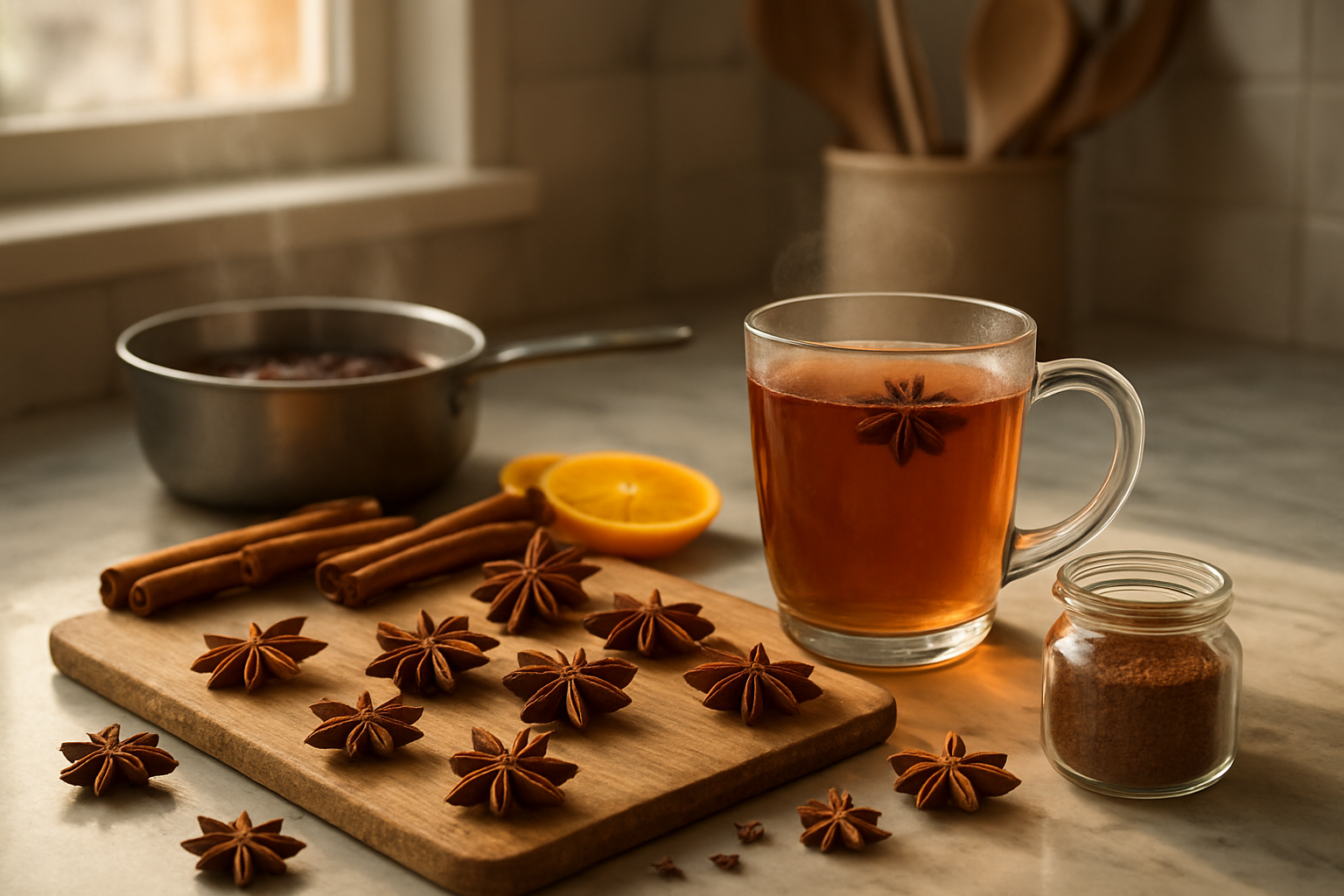
Star anise holds a special place in Asian kitchens, particularly in Chinese, Vietnamese, and Indian cuisines. This eight-pointed spice delivers a complex flavor that combines licorice-like sweetness with warm, aromatic notes. Chinese five-spice powder wouldn’t exist without star anise, where it pairs beautifully with fennel seeds, cinnamon, cloves, and Sichuan peppercorns.
Vietnamese pho relies heavily on star anise to create that distinctive broth flavor that makes the soup so memorable. The spice infuses the stock with depth and warmth that complements beef or chicken perfectly. Chinese red-cooked dishes also depend on star anise, where meats slowly braise in soy sauce, rice wine, and aromatic spices.
Indian biryanis and masala chai blends often include star anise for its ability to enhance other spices without overwhelming them. The pods work especially well in slow-cooked curries and rice dishes where they have time to release their essential oils gradually.
When cooking with star anise, use whole pods rather than ground versions for better flavor control. Remove the pods before serving since they’re quite hard and not meant to be eaten whole.
Natural food preservation methods
Star anise contains shikimic acid and other antimicrobial compounds that make it useful for food preservation. Traditional preservation methods in Asia have long relied on star anise to extend the shelf life of pickled vegetables and preserved meats.
Pickling brines benefit from adding 2-3 star anise pods, which help prevent harmful bacteria growth while adding flavor. The spice works particularly well with pickled cabbage, radishes, and cucumbers. Asian-style pickled eggs often include star anise in the brine for both preservation and taste enhancement.
Spice blends for curing meats frequently incorporate ground star anise. The antimicrobial properties help create safer preserved products while contributing to the overall flavor profile. Homemade jerky and dried sausages can benefit from small amounts of star anise powder.
For pantry storage, placing whole star anise pods in containers with grains or legumes can help deter insects and maintain freshness. The natural oils act as a mild repellent while adding a subtle fragrance to stored foods.
Homemade tea blends and warming beverages
Star anise creates wonderfully aromatic teas that provide both flavor and potential health benefits. A simple star anise tea requires just 1-2 pods steeped in hot water for 5-7 minutes. The resulting brew has a naturally sweet taste that doesn’t require additional sweeteners.
Blending star anise with other warming spices creates complex tea mixtures perfect for cold weather. Try combining star anise with cinnamon sticks, cardamom pods, and fresh ginger for a homemade chai-style blend. Green or black tea leaves can be added for caffeine content.
Mulled wine and cider recipes often feature star anise as a key ingredient. The pods infuse alcoholic beverages with warmth and complexity that makes them perfect for holiday gatherings. Hot chocolate also benefits from a single star anise pod added during heating.
For non-alcoholic options, star anise pairs well with apple juice, orange peels, and cloves to create festive warming drinks. Herbal tea blends combining star anise with chamomile or peppermint offer soothing evening beverages.
DIY skincare applications and beauty treatments
Star anise essential oil and tea preparations can be incorporated into homemade skincare routines. The antimicrobial properties make it useful for treating minor skin issues, though proper dilution is essential since the essential oil is quite potent.
Facial steam treatments using star anise tea can help open pores and provide aromatherapy benefits. Brew a strong tea using 4-5 pods in hot water, then lean over the bowl with a towel covering your head to trap the steam. The warm, spiced steam can help with congestion while potentially benefiting skin health.
Hair rinses made with cooled star anise tea may help add shine and manageability to hair. The tea should be strained thoroughly before use and can be mixed with other herbal infusions like rosemary or nettle for enhanced benefits.
Bath soaks using star anise pods create relaxing, aromatic experiences. Add 5-6 pods directly to bathwater or make a strong tea and strain it into the tub. The warm water releases the essential oils, creating a spa-like atmosphere at home.
Always perform patch tests before applying any star anise preparations to skin, as some people may experience sensitivities to the essential oils.
Safe Consumption Guidelines and Dosage
Recommended Daily Intake Amounts for Adults
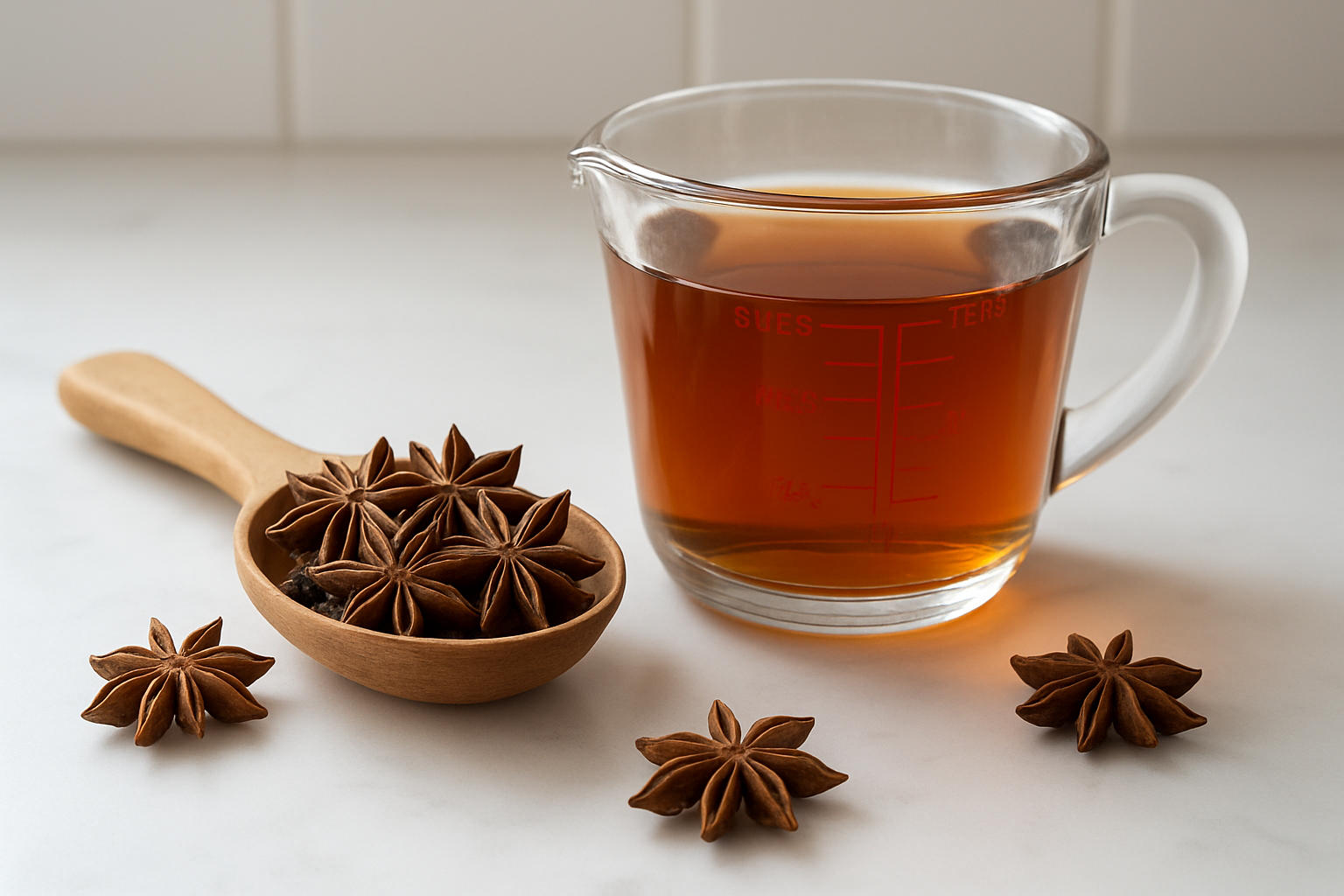
Star anise should be used sparingly as both a culinary spice and therapeutic remedy. For healthy adults, consuming 1-2 whole star anise pods per day when used in cooking is generally safe. When using ground star anise, limit intake to approximately 1/4 to 1/2 teaspoon daily.
For therapeutic purposes, such as making tea or extracts, start with smaller amounts. A single star anise pod steeped in hot water once daily provides adequate benefits without risking overconsumption. Those using star anise essential oil should exercise extreme caution – never exceed 1-2 drops mixed with a carrier oil or diluted in beverages.
Pregnant and breastfeeding women should avoid medicinal doses entirely, though occasional culinary use remains safe. Children under 12 shouldn’t consume star anise in medicinal quantities due to the risk of neurological side effects from compounds like safrole.
People taking blood-thinning medications need to monitor their intake carefully, as star anise can enhance anticoagulant effects. Always consult healthcare providers before using star anise regularly for health purposes, especially if you have existing medical conditions or take prescription medications.
Proper Preparation Methods for Maximum Benefits
The preparation method significantly impacts star anise’s potency and safety profile. For tea preparation, use one whole pod per 8 ounces of water. Steep for 5-10 minutes in water heated to 200°F – not boiling, which can destroy beneficial compounds and concentrate potentially harmful elements.
When cooking with star anise, add whole pods during the last 15-20 minutes of cooking time. This preserves the volatile oils while preventing the release of excessive amounts of anethole and other concentrated compounds that might cause digestive upset.
For grinding dried pods, remove the seeds and grind only the outer husks using a spice grinder. Fresh grinding releases maximum flavor and beneficial compounds compared to pre-ground varieties that lose potency over time.
Creating tinctures requires careful attention to ratios. Use a 1:5 ratio of star anise to alcohol (40-50% alcohol content), steeping for 2-4 weeks in a dark location. Strain thoroughly before use and start with just a few drops to assess tolerance.
Never boil star anise for extended periods or use extremely hot water, as this can concentrate toxic compounds naturally present in the spice.
Quality Selection Tips for Purchasing Star Anise
High-quality star anise displays a rich, reddish-brown color with eight pointed pods arranged in a perfect star shape. Each pod should feel firm and heavy, indicating good essential oil content. Avoid pods that appear dull, broken, or lightweight, as these have likely lost their potency.
The aroma test provides the best quality indicator. Fresh star anise releases a strong, sweet licorice scent when gently crushed between your fingers. Weak or musty odors suggest old or improperly stored products.
Always purchase from reputable suppliers who can verify the source. Chinese star anise (Illicium verum) is the safe variety for consumption, while Japanese star anise (Illicium anisatum) is toxic and should never be consumed. Reliable vendors clearly label their products and provide origin information.
Whole pods maintain quality longer than ground versions. Look for airtight packaging that protects against light and moisture. Organic certification ensures the product is free from harmful pesticides and additives.
Store purchased star anise in airtight containers away from direct sunlight and heat sources. Properly stored whole pods retain their potency for 2-3 years, while ground star anise should be used within 6-12 months for optimal benefits and safety.
Important Safety Warnings and Potential Risks
Dangerous confusion with Japanese star anise toxicity
The most serious safety concern involves the deadly mix-up between Chinese star anise (Illicium verum) and Japanese star anise (Illicium anisatum). Japanese star anise contains powerful neurotoxins that can cause seizures, vomiting, and even death. These two plants look nearly identical, making proper identification critical for safety.
Several documented cases show people accidentally consuming Japanese star anise, believing it was the culinary variety. The symptoms hit fast and hard – nausea, vomiting, seizures, and respiratory problems can develop within hours. Children are especially vulnerable to these toxic effects.
Always buy star anise from reputable suppliers who can guarantee the source. Avoid collecting wild star anise unless you’re absolutely certain of the identification. When purchasing whole pods, look for the characteristic eight-pointed shape and sweet licorice smell that distinguishes safe Chinese star anise.
Pregnancy and breastfeeding precautions
Pregnant women should avoid star anise supplements and limit culinary use to occasional small amounts. The concentrated compounds in star anise can potentially stimulate uterine contractions and affect hormone levels during pregnancy.
Star anise contains estragole, a compound that raises safety concerns during pregnancy when consumed in large quantities. While cooking with small amounts occasionally appears safe, medicinal doses could pose risks to developing babies.
Breastfeeding mothers should also exercise caution. Star anise can pass into breast milk and may cause irritability or digestive upset in nursing infants. Some traditional practices use star anise tea for colic, but this should only be done under medical supervision due to potential toxicity risks.
Drug interactions with blood thinners and medications
Star anise can amplify the effects of blood-thinning medications like warfarin, creating dangerous bleeding risks. The spice contains compounds that naturally thin blood, so combining it with anticoagulant drugs can push clotting times to unsafe levels.
People taking diabetes medications should monitor blood sugar closely when using star anise regularly. The spice can lower blood glucose levels, potentially causing hypoglycemia when combined with diabetes drugs.
Star anise may also interact with:
- Tamoxifen and other hormone-sensitive medications
- Sedatives and sleep aids
- Blood pressure medications
- Seizure medications
Always inform your doctor about star anise consumption, especially if you take multiple medications or have chronic health conditions.
Allergic reactions and sensitivity symptoms
Allergic reactions to star anise range from mild skin irritation to severe anaphylaxis. People allergic to other members of the Apiaceae family (fennel, anise seed, celery) face higher risk of star anise sensitivity.
Common allergic symptoms include:
- Skin rashes, hives, or eczema flare-ups
- Swelling of lips, tongue, or throat
- Difficulty breathing or wheezing
- Digestive upset, cramping, or diarrhea
- Headaches or dizziness
Contact dermatitis can develop from handling star anise pods directly. Some people experience photosensitivity reactions where skin becomes more sensitive to sunlight after star anise exposure.
Stop using star anise immediately if any allergic symptoms appear. Severe reactions require emergency medical attention. People with known spice allergies should introduce star anise gradually in very small amounts to test tolerance levels.
Star anise brings together the best of both worlds – a fragrant spice that can transform your cooking and a natural remedy packed with health benefits. From boosting your immune system and improving digestion to adding that distinctive licorice-like flavor to your favorite dishes, this star-shaped wonder has earned its place in kitchens and medicine cabinets around the globe. The antioxidants, antimicrobial properties, and digestive support it offers make it a valuable addition to your wellness routine.
Remember to start small when incorporating star anise into your diet, and always buy from trusted sources to avoid any mix-ups with toxic varieties. Pregnant women, nursing mothers, and people on certain medications should check with their healthcare provider before using star anise regularly. When used mindfully and in moderation, this aromatic spice can safely enhance both your meals and your health for years to come.