Tea tree oil uses for health and beauty have made this Australian native extract a must-have in natural wellness routines. This powerful essential oil offers proven benefits for anyone dealing with skin issues, hair problems, or looking for chemical-free beauty solutions.
Perfect for natural health enthusiasts, DIY beauty lovers, and people with sensitive skin seeking gentle alternatives to harsh products, tea tree oil delivers real results when used correctly.
We’ll explore how tea tree oil’s antibacterial and antimicrobial properties can transform your skin health, clearing up acne and treating common skin conditions. You’ll also discover effective hair and scalp treatment solutions that tackle dandruff, itchy scalp, and promote healthier hair growth. Finally, we’ll cover safe application methods and proper dilution guidelines to help you get maximum benefits without irritation.
Antibacterial and Antimicrobial Properties for Skin Health
Treat Acne and Prevent Breakouts
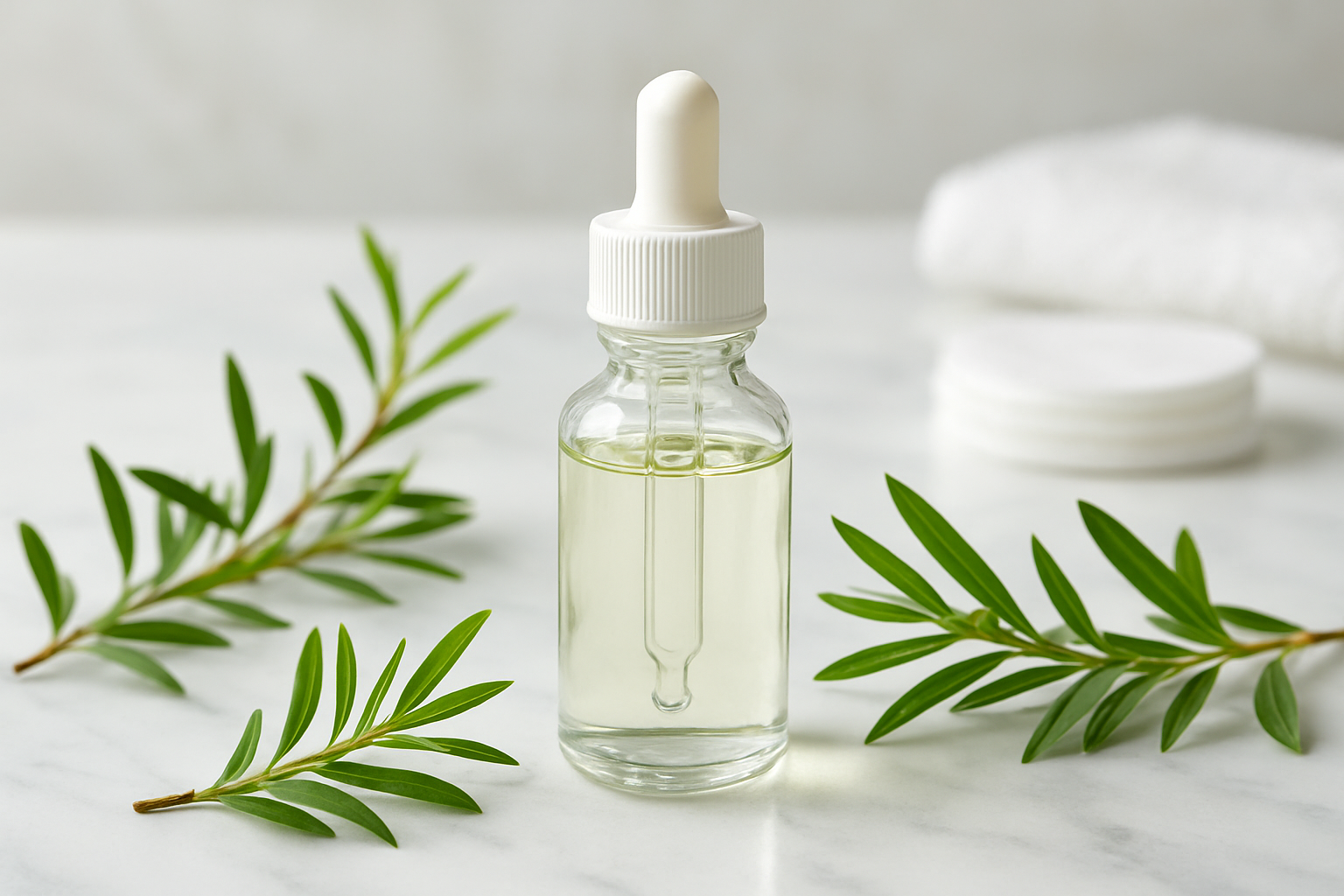
Tea tree oil’s powerful antimicrobial compounds make it a game-changer for acne-prone skin. The oil contains terpinen-4-ol, which penetrates pores to eliminate Propionibacterium acnes, the bacteria responsible for inflammatory acne. Clinical studies show that a 5% tea tree oil gel reduces acne lesions by up to 40% within 12 weeks, matching the effectiveness of benzoyl peroxide without the harsh side effects.
The oil works by reducing sebum production and preventing clogged pores. Unlike aggressive chemical treatments, tea tree oil maintains your skin’s natural moisture barrier while fighting breakouts. Apply diluted tea tree oil directly to blemishes using a cotton swab, or mix a few drops into your regular face wash for daily prevention.
Heal Minor Cuts and Wounds
Natural wound healing gets a significant boost from tea tree oil’s antiseptic properties. The oil creates an inhospitable environment for harmful bacteria while promoting faster tissue regeneration. Its anti-inflammatory compounds reduce swelling and redness around minor cuts, scrapes, and burns.
For optimal healing, clean the wound thoroughly and apply a diluted tea tree oil solution using a sterile cloth. The oil forms a protective barrier that prevents infection while allowing the skin to breathe. Many people find that cuts treated with tea tree oil heal with less scarring compared to traditional antiseptics.
Combat Fungal Infections
Tea tree oil excels at treating stubborn fungal conditions like athlete’s foot, nail fungus, and ringworm. The oil’s antifungal compounds disrupt fungal cell membranes, effectively stopping growth and spread. Research demonstrates that tea tree oil shows comparable results to prescription antifungal medications for many common skin fungi.
Apply the diluted oil directly to affected areas twice daily. For nail fungus, soak affected nails in a tea tree oil foot bath for 15-20 minutes. The oil penetrates deep into infected tissue, reaching areas that topical creams often miss.
Reduce Skin Irritation and Inflammation
Tea tree oil’s anti-inflammatory properties provide relief from various skin irritations including eczema flare-ups, insect bites, and contact dermatitis. The oil contains natural compounds that calm overactive immune responses in the skin, reducing redness and itching.
Mix tea tree oil with a carrier oil like coconut or jojoba oil for gentle application to irritated skin. The cooling sensation provides immediate comfort while the active compounds work to reduce inflammation at the cellular level. Regular use can help strengthen your skin’s natural defenses against future irritation.
Hair and Scalp Treatment Solutions
Eliminate Dandruff and Dry Scalp
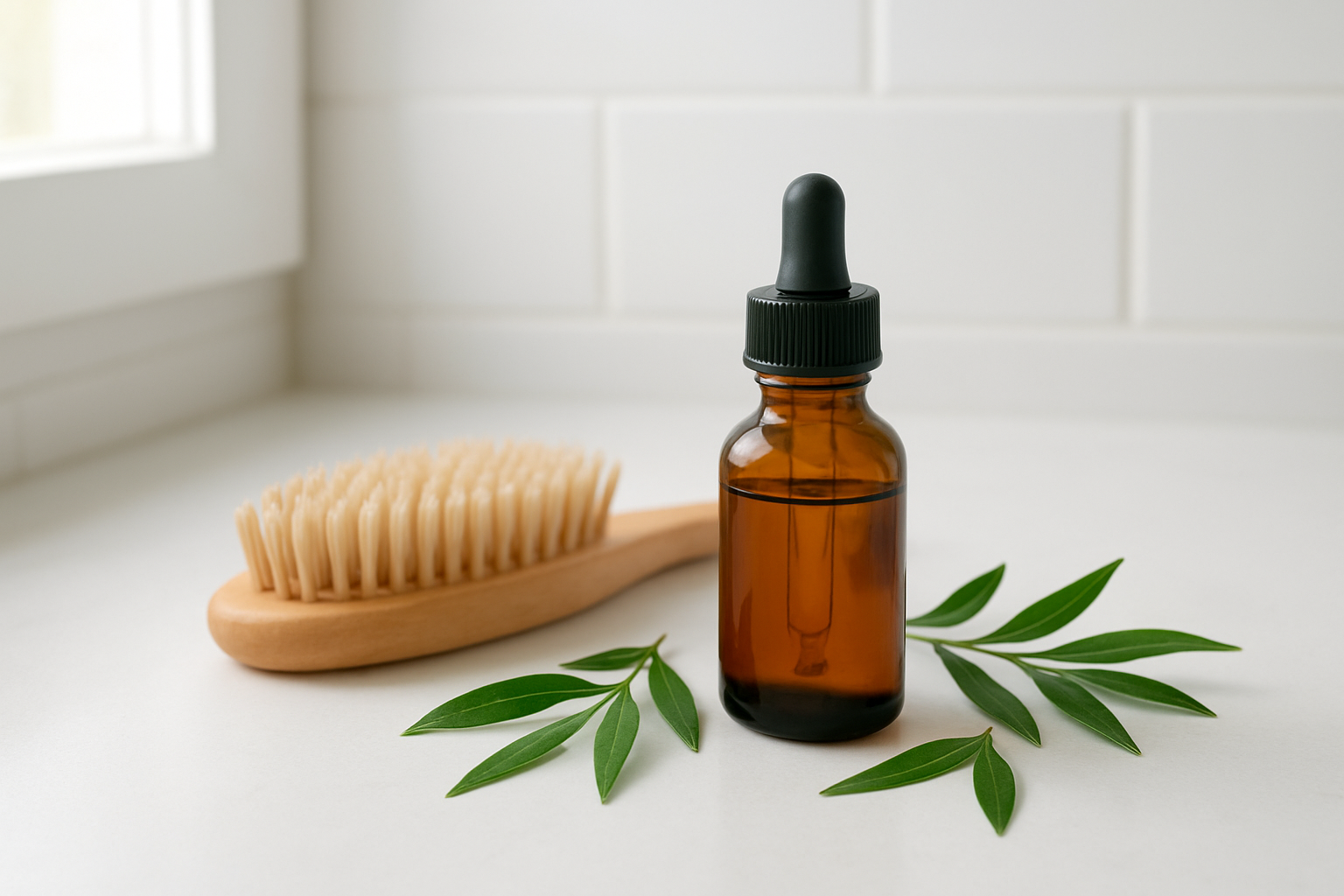
Tea tree oil works like magic on flaky, irritated scalps. The antifungal properties tackle Malassezia, the yeast that often causes dandruff, while its anti-inflammatory effects soothe the redness and itching that drives you crazy. Mix 5-10 drops of tea tree oil with a tablespoon of carrier oil like coconut or jojoba, then massage it into your scalp about 30 minutes before shampooing. You can also add a few drops directly to your regular shampoo for ongoing maintenance.
For stubborn dandruff, create a weekly treatment by combining tea tree oil with honey and olive oil. The honey acts as a natural humectant, drawing moisture to dry areas, while the olive oil provides deep nourishment. Leave this mixture on for 20 minutes before washing out with a gentle shampoo. Many people notice improvement within just a few uses, with flakes becoming less noticeable and scalp irritation calming down significantly.
Control Oily Hair and Sebum Production
Greasy roots plague many people, especially those with fine hair or hormonal fluctuations. Tea tree oil helps regulate sebaceous glands without stripping your scalp completely. Its astringent properties reduce excess oil production while maintaining the natural balance your scalp needs to stay healthy.
Add 2-3 drops of tea tree oil to your shampoo every other wash, focusing on massaging it into the roots rather than the lengths of your hair. For an intensive treatment, mix tea tree oil with witch hazel and spray it onto clean, damp roots. This combination works particularly well because witch hazel also has natural astringent qualities that complement tea tree oil’s sebum-controlling effects.
Weekly clay masks with tea tree oil can help reset oily scalps. Bentonite clay draws out impurities and excess oils, while the tea tree oil prevents bacterial buildup that can occur when oil sits on the scalp too long.
Treat Scalp Infections and Folliculitis
Bacterial and fungal scalp infections create painful bumps, pustules, and sometimes even hair loss. Tea tree oil’s broad-spectrum antimicrobial action makes it effective against both types of infections. For folliculitis (infected hair follicles), dilute tea tree oil with a gentle carrier oil and apply directly to affected areas twice daily.
The key is consistent application rather than high concentration. A 5% dilution often works better than stronger mixtures because it’s less likely to cause additional irritation while still delivering therapeutic benefits. If you’re dealing with recurring infections, adding tea tree oil to your regular hair care routine can prevent future outbreaks.
For severe infections, alternate between tea tree oil treatments and gentle, medicated shampoos. The oil helps reduce inflammation and fight infection, while medicated products target specific pathogens. Always patch test before applying tea tree oil to broken or severely irritated skin, as it can sting initially.
Natural Antiseptic for Common Health Issues
Soothe Insect Bites and Stings
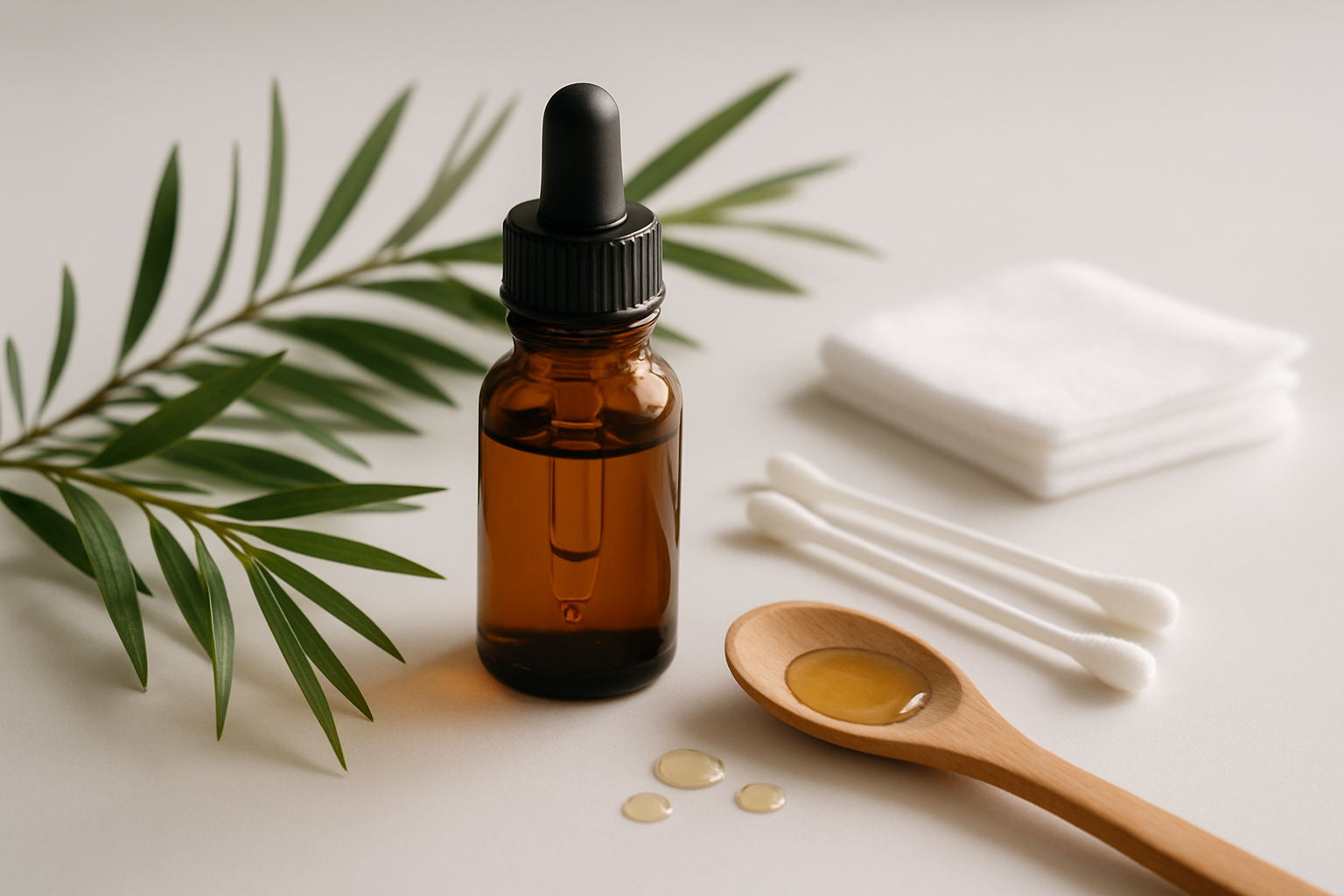
Tea tree oil works wonders when mosquitoes, bees, or other insects leave you with itchy, inflamed bumps. The oil’s anti-inflammatory compounds help reduce swelling and redness while its cooling sensation provides immediate relief from that maddening itch. Mix 2-3 drops of tea tree oil with a teaspoon of carrier oil like coconut or jojoba, then dab it directly onto the affected area. You’ll notice the irritation starts to calm down within minutes.
For multiple bites, add 5-6 drops of tea tree oil to a cool bath and soak for 15-20 minutes. This method works particularly well for children who’ve been exploring outdoors and come home covered in mosquito bites. The antimicrobial properties also help prevent secondary infections that can occur from scratching.
Treat Athlete’s Foot and Nail Fungus
Fungal infections thrive in warm, moist environments, making your feet prime real estate for these stubborn conditions. Tea tree oil’s potent antifungal properties make it a natural enemy of athlete’s foot and nail fungus. Research shows that tea tree oil can be as effective as some over-the-counter antifungal treatments.
Create a foot soak by adding 10-15 drops of tea tree oil to a basin of warm water. Soak your feet for 10-15 minutes daily, making sure to dry them thoroughly afterward. For nail fungus, apply a diluted tea tree oil solution directly to the affected nails twice daily using a cotton swab.
| Application Method | Concentration | Frequency |
|---|---|---|
| Foot soak | 10-15 drops per basin | Daily |
| Direct nail application | 25% dilution | Twice daily |
| Between-toe treatment | 10% dilution | After showering |
Relieve Cold Sore Symptoms
Cold sores can be both painful and embarrassing, but tea tree oil offers a natural approach to managing these viral outbreaks. The oil’s antiviral properties help slow down the replication of the herpes simplex virus while reducing inflammation and pain. Apply a heavily diluted solution (5% concentration) to the cold sore using a clean cotton swab at the first sign of tingling.
The key is catching the outbreak early. Many people feel that characteristic tingle before a cold sore fully develops, and that’s your window of opportunity. Tea tree oil can help reduce the severity and duration of the outbreak when applied promptly. Never apply undiluted tea tree oil to this sensitive area, as it can cause severe irritation.
Support Oral Hygiene and Gum Health
Your mouth harbors hundreds of bacterial species, and while many are beneficial, some can cause gum disease, bad breath, and tooth decay. Tea tree oil’s antimicrobial properties make it an excellent addition to your oral care routine. Add 1-2 drops to your regular toothpaste or create a mouth rinse by mixing 3-4 drops with a cup of warm water.
For inflamed or bleeding gums, tea tree oil can help reduce bacterial load and inflammation. Swish the diluted solution around your mouth for 30 seconds, then spit it out. Never swallow tea tree oil, as it can be toxic when ingested. Many people notice fresher breath and healthier-feeling gums within a week of regular use.
Address Respiratory Congestion
When stuffiness hits, tea tree oil can help clear your airways naturally. The oil’s expectorant properties help loosen mucus while its antimicrobial action fights respiratory infections. Steam inhalation is the most effective method for respiratory relief.
Add 3-5 drops of tea tree oil to a bowl of steaming hot water, then lean over the bowl with a towel draped over your head to trap the steam. Breathe deeply for 5-10 minutes. This method works especially well for sinus congestion, chest colds, and bronchitis symptoms. You can also add a few drops to your diffuser or humidifier to maintain clear airways throughout the day.
For chest congestion, create a vapor rub by mixing tea tree oil with a carrier oil and gently massaging it into your chest and throat area before bedtime.
Beauty Enhancement and Skincare Benefits
Minimize Pore Appearance and Control Oil
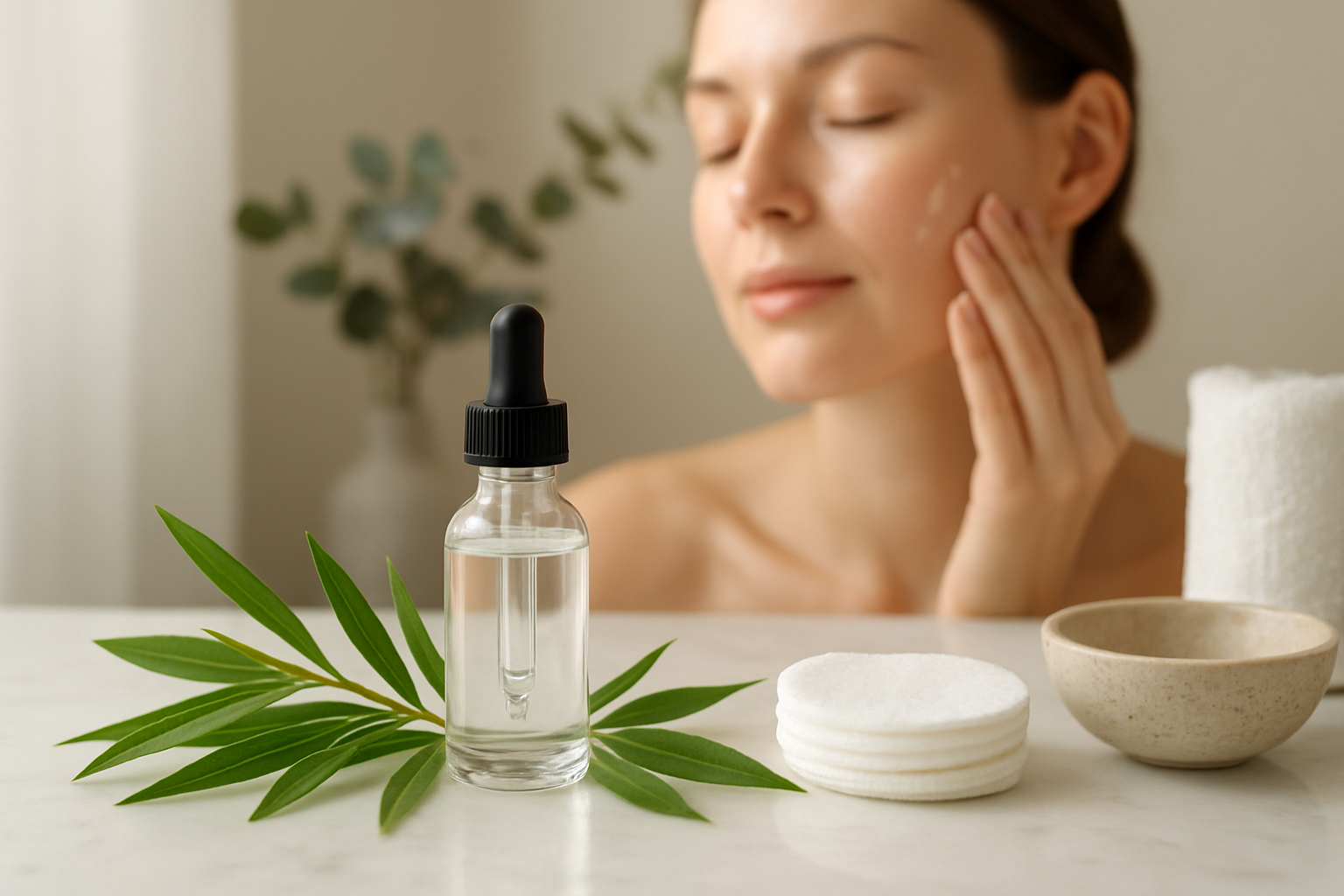
Tea tree oil works like a natural astringent, helping to tighten the appearance of enlarged pores while regulating excess sebum production. The oil’s antimicrobial compounds penetrate deep into pores, removing buildup of dead skin cells, bacteria, and excess oil that can make pores appear larger and more noticeable.
For daily pore control, mix 2-3 drops of tea tree oil with your regular toner or create a simple pore-minimizing spray by combining 10 drops with 100ml of witch hazel. Apply this mixture to clean skin using a cotton pad, focusing on areas where pores appear most prominent – typically the T-zone, nose, and chin.
The oil’s natural drying properties help balance oily skin without stripping away essential moisture. Regular use can lead to a more refined skin texture and reduced shine throughout the day. Many people notice visible improvements in pore appearance within 2-3 weeks of consistent use.
| Skin Type | Dilution Ratio | Application Frequency |
|---|---|---|
| Oily | 5-10 drops per 30ml carrier | Twice daily |
| Combination | 3-5 drops per 30ml carrier | Once daily |
| Normal | 2-3 drops per 30ml carrier | Every other day |
Create DIY Face Masks for Problem Skin
Tea tree oil transforms basic ingredients into powerful problem-solving face masks. These homemade treatments target specific skin concerns while being gentler and more affordable than commercial alternatives.
Acne-Fighting Clay Mask: Combine 2 tablespoons bentonite clay with 1 tablespoon water and 3-4 drops tea tree oil. This mask draws out impurities while the tea tree oil prevents bacterial growth. Apply for 10-15 minutes until dry, then rinse with lukewarm water.
Soothing Oatmeal Mask: Blend 1⁄4 cup oatmeal into a fine powder, add 2 tablespoons honey, 1 tablespoon plain yogurt, and 2-3 drops tea tree oil. This gentle mask reduces inflammation while providing moisture to irritated skin.
Brightening Egg White Mask: Whisk one egg white with 1 teaspoon lemon juice and 2 drops tea tree oil. This combination tightens pores, removes excess oil, and promotes a brighter complexion.
Always patch test new mask recipes on a small skin area before full application. Use these masks 1-2 times weekly for best results without over-drying the skin.
Strengthen Nail Health and Cuticles
Tea tree oil’s antifungal properties make it excellent for maintaining healthy nails and cuticles. The oil penetrates nail beds to prevent fungal infections while softening tough cuticle skin for easier maintenance.
Create a nourishing cuticle oil by mixing 5 drops tea tree oil with 1 tablespoon jojoba oil or sweet almond oil. Massage this blend into cuticles daily before bedtime to keep them soft and prevent hangnails. The antibacterial properties also help prevent infections around the nail area.
For stronger nails, add 2-3 drops of tea tree oil to your regular nail strengthening treatment or base coat. This creates a protective barrier that helps prevent splitting and breaking while promoting healthy nail growth.
Weekly nail soaks provide deep conditioning benefits. Add 5-6 drops tea tree oil to a bowl of warm water and soak nails for 10 minutes. This treatment softens cuticles, strengthens nail plates, and creates an environment hostile to fungal growth.
People dealing with nail fungus can benefit from direct application of diluted tea tree oil (1:1 ratio with carrier oil) to affected areas twice daily. The antifungal compounds work gradually to restore nail health over several months of consistent use.
Safe Application Methods and Dilution Guidelines
Proper Mixing Ratios for Different Uses
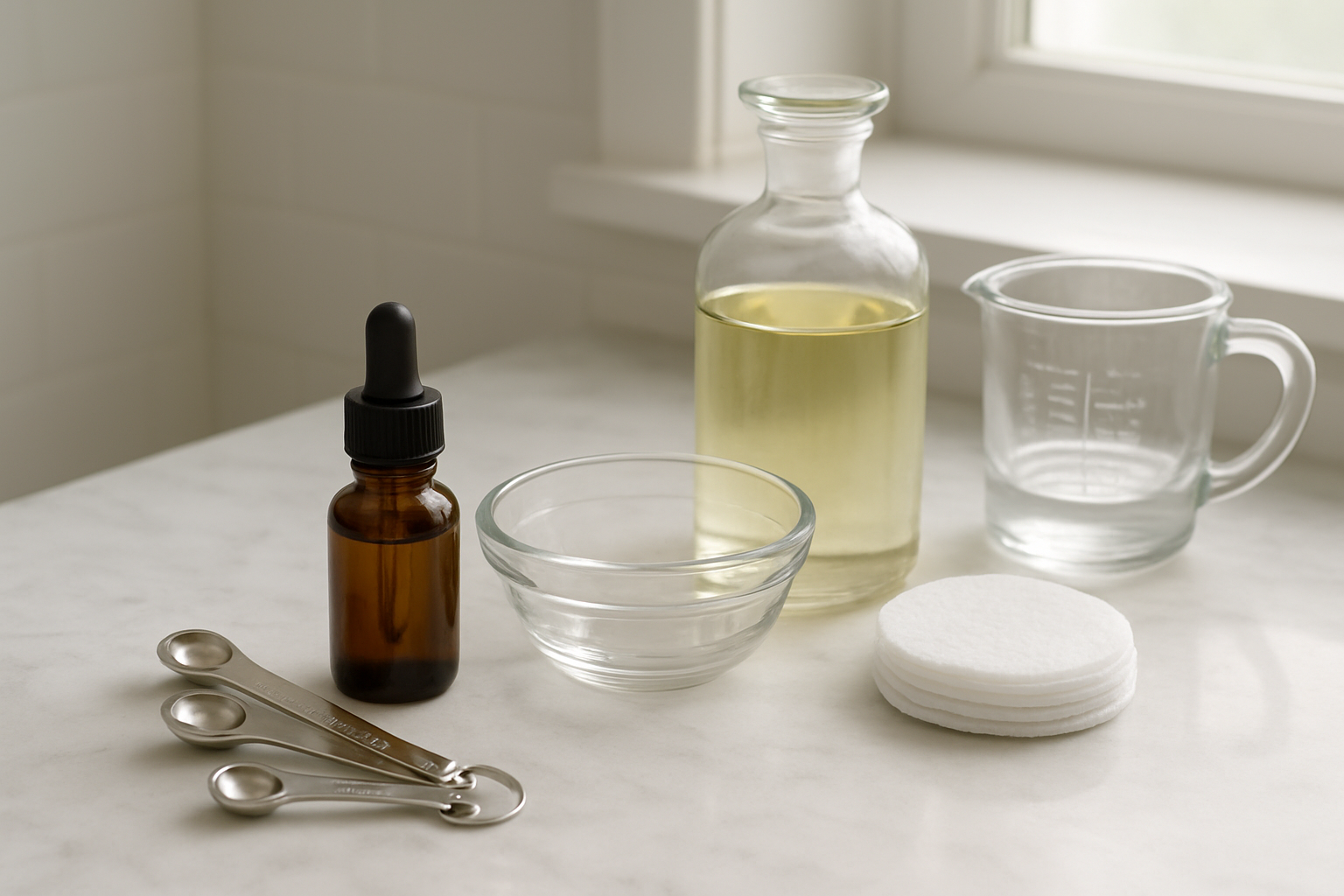
Tea tree oil is incredibly potent and should never be applied undiluted to the skin. The concentration you use depends entirely on what you’re treating and how sensitive your skin is. For general skincare and acne treatment, start with a 5-10% dilution – that means mixing 1-2 drops of tea tree oil with every teaspoon of carrier oil. This ratio works well for spot treatments and daily facial applications.
Hair and scalp treatments can handle slightly stronger concentrations, typically 5-15%. Add 3-5 drops to a tablespoon of your regular shampoo or mix with a carrier oil for a pre-wash treatment. For dandruff or scalp irritation, stick to the lower end of this range initially.
Household cleaning applications allow for higher concentrations, around 10-20%, but these mixtures should never touch your skin directly. When treating minor cuts or wounds, keep it gentle with a 2-5% solution to avoid irritation while still getting antimicrobial benefits.
| Use Case | Dilution Ratio | Tea Tree Oil Drops | Carrier Amount |
|---|---|---|---|
| Facial acne treatment | 5-10% | 1-2 drops | 1 teaspoon carrier oil |
| Body skin issues | 10-15% | 3-5 drops | 1 teaspoon carrier oil |
| Scalp treatment | 5-15% | 3-5 drops | 1 tablespoon shampoo |
| Minor wound care | 2-5% | 1 drop | 1 teaspoon carrier oil |
Patch Testing and Sensitivity Precautions
Before using tea tree oil anywhere on your body, always do a patch test. Mix your intended dilution and apply a small amount to the inside of your wrist or behind your ear. Wait 24-48 hours and watch for any redness, swelling, itching, or burning sensations. If you experience any reaction, either reduce the concentration or avoid tea tree oil altogether.
Some people are naturally more sensitive to tea tree oil, especially those with eczema, rosacea, or very dry skin. Pregnant and breastfeeding women should consult their healthcare provider before use. Children under 12 should only use heavily diluted solutions (1-2%) and always under adult supervision.
Watch out for these warning signs: persistent redness, blistering, severe itching, or any reaction that gets worse over time. Stop using tea tree oil immediately if these occur. Never use tea tree oil near your eyes, inside your nose, or on broken skin unless properly diluted and approved by a healthcare professional.
People with tree nut allergies sometimes react to tea tree oil, even though it comes from a different plant family. If you have multiple allergies, be extra cautious with your patch testing.
Carrier Oil Options for Sensitive Skin
Choosing the right carrier oil makes all the difference for sensitive skin types. Jojoba oil is your best friend here – it’s technically a wax ester that closely mimics your skin’s natural sebum, making it non-comedogenic and perfect for all skin types, including acne-prone skin. It absorbs quickly without leaving a greasy residue.
Sweet almond oil offers gentle moisturizing properties and works beautifully for both face and body applications. It’s rich in vitamin E and has anti-inflammatory benefits that complement tea tree oil’s properties. Fractionated coconut oil is another excellent choice – it’s lightweight, odorless, and has a long shelf life.
For extremely sensitive or reactive skin, consider rosehip seed oil or argan oil. Both contain natural anti-inflammatory compounds that can help counteract any potential irritation from tea tree oil. Grapeseed oil is budget-friendly and absorbs quickly, making it perfect for larger body areas.
Avoid heavy oils like olive oil or castor oil for facial applications, as they can clog pores and feel too greasy. If you have oily skin, stick with lighter options like jojoba or fractionated coconut oil. Dry skin types can handle slightly heavier oils like sweet almond or argan oil.
Always choose cold-pressed, unrefined carrier oils when possible, as they retain more beneficial nutrients and are less likely to cause reactions.
Tea tree oil proves itself as a versatile natural remedy that can transform both your health and beauty routines. From fighting acne and treating scalp issues to serving as a gentle antiseptic for minor cuts and infections, this powerful essential oil offers science-backed benefits that go beyond typical skincare products. Its antibacterial and antimicrobial properties make it a smart addition to anyone’s wellness toolkit.
Remember that proper dilution is key to getting the most from tea tree oil while avoiding skin irritation. Start with small amounts, always mix it with a carrier oil, and test it on a small patch of skin first. With the right approach, you can harness tea tree oil’s natural healing power to address everything from stubborn dandruff to blemish-prone skin, giving you a chemical-free alternative that actually works.