Rose oil offers powerful skincare, wellness, and hair benefits that have made it a favorite among beauty enthusiasts and natural health advocates. This fragrant essential oil can help reduce signs of aging, calm stressed skin, boost your mood, and even strengthen your hair.
If you’re curious about adding rose oil to your beauty routine or wellness practice, this guide covers everything you need to know. We’ll explore the top benefits for your skin, mental health, and hair, plus share essential safety tips to help you use rose oil without irritation or adverse reactions.
You’ll discover proven ways rose oil can transform your skincare game and learn the proper application methods that maximize results while keeping you safe. Whether you’re dealing with dry skin, stress, or lackluster hair, rose oil might be the natural solution you’ve been searching for.
Powerful Skin Benefits of Rose Oil
Anti-aging properties that reduce fine lines and wrinkles
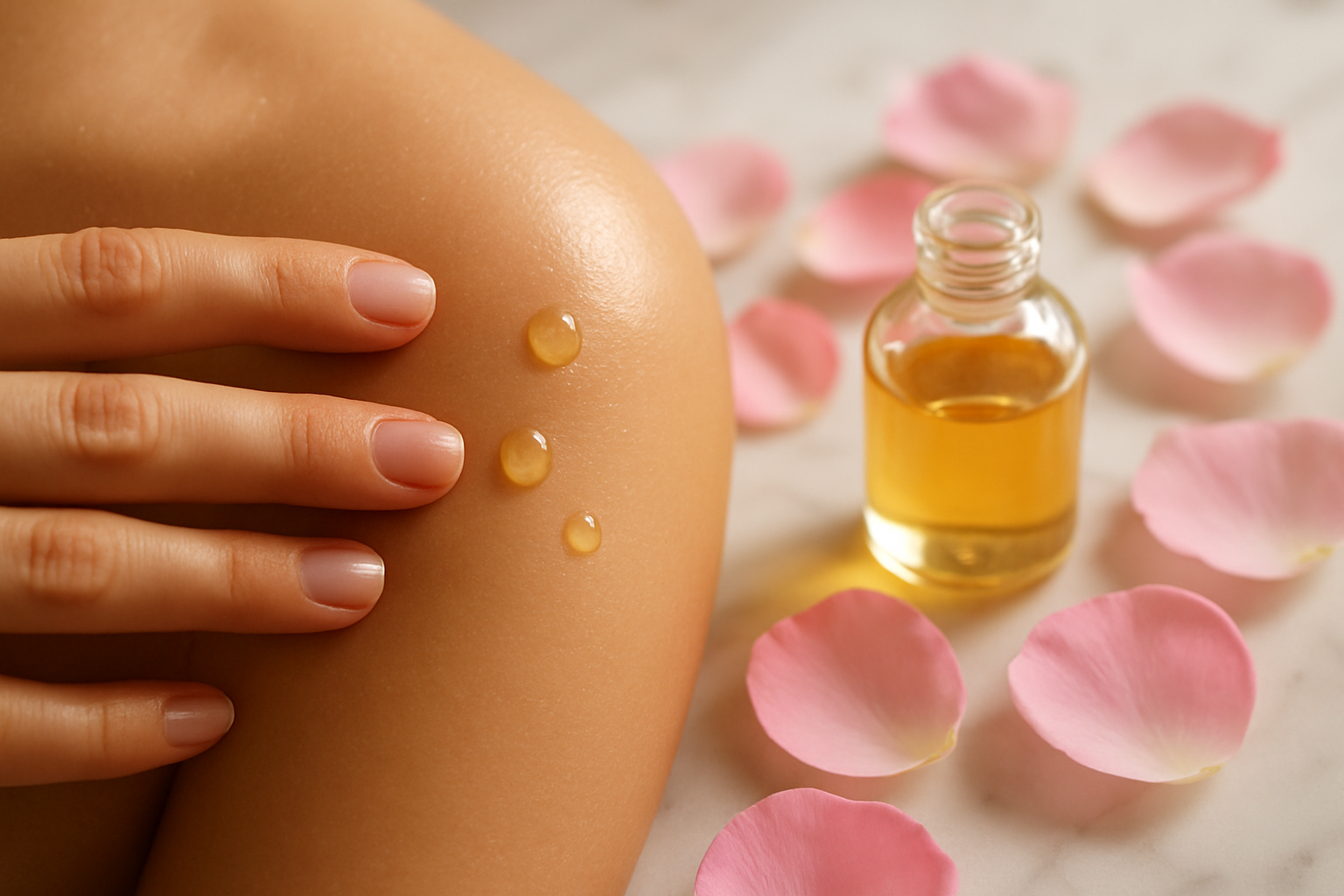
Rose oil contains powerful compounds that naturally fight the signs of aging. The oil’s high concentration of antioxidants, particularly vitamin C and lycopene, helps protect your skin from free radical damage that causes premature aging. These antioxidants work together to stimulate collagen production, which keeps your skin firm and elastic.
Regular application of rose oil can significantly reduce the appearance of fine lines around your eyes and mouth. The oil penetrates deep into your skin layers, promoting cellular regeneration and repair. This process helps smooth out existing wrinkles while preventing new ones from forming. Many users notice visible improvements in their skin texture and firmness within just a few weeks of consistent use.
The natural astringent properties in rose oil also help tighten loose skin, giving you a more youthful appearance. Unlike harsh chemical treatments, rose oil works gently with your skin’s natural processes to restore elasticity and reduce sagging.
Deep moisturizing effects for dry and damaged skin
Rose oil acts as an exceptional moisturizer that penetrates deeply without leaving a greasy residue. The oil contains essential fatty acids that mirror your skin’s natural lipid barrier, making it incredibly effective at locking in moisture. This creates a protective layer that prevents water loss throughout the day.
For severely dry or damaged skin, rose oil provides intense hydration that helps repair the skin barrier. The oil’s molecular structure allows it to reach deeper skin layers where it can restore moisture from within. This deep hydration helps heal cracked, flaky, or rough patches of skin.
People with conditions like eczema or dermatitis often find relief with rose oil because it soothes inflammation while providing essential moisture. The oil doesn’t clog pores, making it suitable for all skin types, including combination skin that needs hydration without excess oil.
Natural healing for scars and blemishes
Rose oil’s regenerative properties make it excellent for treating various types of skin imperfections. The oil contains compounds that speed up cell turnover, helping fade acne scars, age spots, and other discoloration. This natural healing process gradually evens out your skin tone without harsh chemical peels or treatments.
For fresh wounds or blemishes, rose oil’s antimicrobial properties help prevent infection while promoting faster healing. The oil creates an optimal environment for skin repair, reducing the likelihood of permanent scarring. Many people see significant improvement in old scars after several months of consistent application.
The oil also helps regulate oil production, which can prevent future breakouts. Its gentle nature means you can use it on active blemishes without causing irritation or worsening inflammation.
Gentle treatment for sensitive and irritated skin
Rose oil’s naturally gentle composition makes it perfect for sensitive skin that reacts poorly to other products. The oil has anti-inflammatory properties that calm redness, irritation, and burning sensations. Unlike products with synthetic fragrances or harsh chemicals, pure rose oil rarely causes allergic reactions.
For skin conditions like rosacea or general sensitivity, rose oil provides soothing relief without triggering flare-ups. The oil’s pH level closely matches healthy skin, making it compatible with your skin’s natural balance. This compatibility reduces the risk of adverse reactions while still delivering therapeutic benefits.
The cooling effect of rose oil also helps relieve sunburn, razor burn, and other forms of skin irritation. Its natural compounds work to reduce inflammation while supporting your skin’s healing processes.
Mental and Emotional Wellness Advantages

Stress Reduction and Anxiety Relief Through Aromatherapy
Rose oil contains powerful compounds that directly impact your nervous system, making it one of nature’s most effective stress-busters. When you inhale rose oil’s delicate fragrance, it triggers the release of endorphins and serotonin in your brain – the same feel-good chemicals that help you naturally calm down and feel more centered.
The magic happens through your olfactory system, which connects directly to your limbic brain where emotions and stress responses live. Clinical studies show that people using rose oil aromatherapy experience a significant drop in cortisol levels, the hormone responsible for that overwhelming feeling when life gets chaotic.
You can harness this power in several ways:
- Diffusion: Add 3-5 drops to your diffuser during stressful periods
- Direct inhalation: Place a drop on your wrists and breathe deeply
- Aromatherapy jewelry: Apply to lava stone bracelets for all-day benefits
- Room sprays: Mix with distilled water for instant atmosphere changes
The beauty of rose oil lies in its gentle yet profound effect. Unlike synthetic fragrances that can feel overwhelming, rose oil works with your body’s natural rhythms to restore balance without causing drowsiness or mental fog.
Improved Sleep Quality and Relaxation
Your bedroom can become a sanctuary of rest with rose oil’s natural sedative properties. The oil contains compounds like citronellol and geraniol that help slow down your heart rate and ease muscle tension, creating the perfect conditions for deep, restorative sleep.
Many people struggle with racing thoughts at bedtime, but rose oil helps quiet that mental chatter. When you use it as part of your nighttime routine, your brain begins to associate the scent with sleep, creating a powerful sleep cue that gets stronger over time.
Nighttime Application Methods:
| Method | How to Use | Best For |
|---|---|---|
| Pillow spray | 2-3 drops mixed with water | Light sleepers |
| Bath soak | 5-6 drops with carrier oil | Full-body relaxation |
| Temple massage | 1 drop diluted in carrier oil | Quick wind-down |
| Bedroom diffuser | 4-5 drops before bed | Whole room ambiance |
The key is consistency. Start your rose oil routine about 30 minutes before you want to fall asleep. This gives your nervous system time to respond and shift into rest mode naturally.
Enhanced Mood and Emotional Balance
Rose oil acts like a gentle emotional reset button, helping you navigate daily ups and downs with more grace and stability. The oil’s molecular structure allows it to cross the blood-brain barrier, where it influences neurotransmitter production and helps regulate mood swings.
Women going through hormonal changes often find rose oil particularly helpful during PMS or menopause, as it helps smooth out emotional turbulence. The oil doesn’t mask emotions but rather helps you process them more calmly and clearly.
Daily Mood Support Techniques:
- Morning intention: Apply diluted rose oil to pulse points while setting daily intentions
- Midday reset: Keep a personal inhaler for stressful moments at work
- Evening reflection: Use during journaling or meditation practices
- Social situations: Apply before gatherings to feel more confident and centered
The emotional benefits build over time, creating a foundation of inner calm that helps you handle whatever life throws your way. Regular use can help break cycles of emotional reactivity and replace them with more thoughtful, balanced responses.
Hair and Scalp Health Benefits
Strengthening weak and brittle hair strands
Rose oil works wonders for damaged hair that breaks easily or feels fragile to the touch. The oil contains essential fatty acids and vitamins that penetrate deep into the hair shaft, rebuilding weakened protein structures from the inside out. When hair lacks moisture and nutrients, it becomes prone to snapping and splitting, but rose oil’s rich composition helps restore elasticity and resilience.
The antioxidants in rose oil, particularly vitamin C and vitamin E, protect hair from environmental damage while supporting the natural repair process. These compounds neutralize free radicals that can weaken hair bonds over time. Regular application creates a protective barrier around each strand, shielding it from heat styling tools, UV rays, and pollution that contribute to brittleness.
Rose oil also helps balance the hair’s natural pH levels, which can become disrupted by chemical treatments or harsh shampoos. When pH levels are restored, the hair cuticles lay flat, reducing breakage and creating stronger, more manageable strands.
Promoting healthy scalp circulation
Good blood flow to the scalp creates the foundation for strong, healthy hair growth. Rose oil naturally stimulates circulation when massaged into the scalp, bringing oxygen and nutrients directly to hair follicles. This increased blood flow helps nourish the roots and can even encourage dormant follicles to become active again.
The warming properties of rose oil create a gentle heating effect that dilates blood vessels near the surface of the scalp. This dilation allows more blood to reach the hair follicles, delivering essential nutrients like iron, zinc, and B vitamins that support healthy hair production.
Massaging rose oil into the scalp also helps remove buildup of dead skin cells and excess sebum that can clog follicles and impede growth. The oil’s antimicrobial properties keep the scalp environment clean and balanced, reducing inflammation that can interfere with healthy circulation.
Adding natural shine and softness to hair
Rose oil creates gorgeous, natural shine without weighing hair down or leaving greasy residue. Unlike synthetic shine products that simply coat the hair surface, rose oil actually smooths the hair cuticle, allowing light to reflect evenly for a healthy, glossy appearance. This smoothing effect also reduces frizz and flyaways that can make hair look dull and unkempt.
The moisturizing properties of rose oil help restore softness to dry, coarse, or chemically treated hair. The oil’s molecular structure allows it to penetrate the hair shaft rather than just sitting on top, providing deep conditioning that lasts between washes. Hair feels silky and manageable without that heavy, greasy feeling that some oils can leave behind.
Rose oil also helps seal the hair cuticle, locking in moisture and preventing humidity from causing frizz. This sealing action maintains shine and softness even in challenging weather conditions, keeping hair looking polished throughout the day.
Essential Safety Guidelines for Rose Oil Use
Proper Dilution Ratios for Different Applications
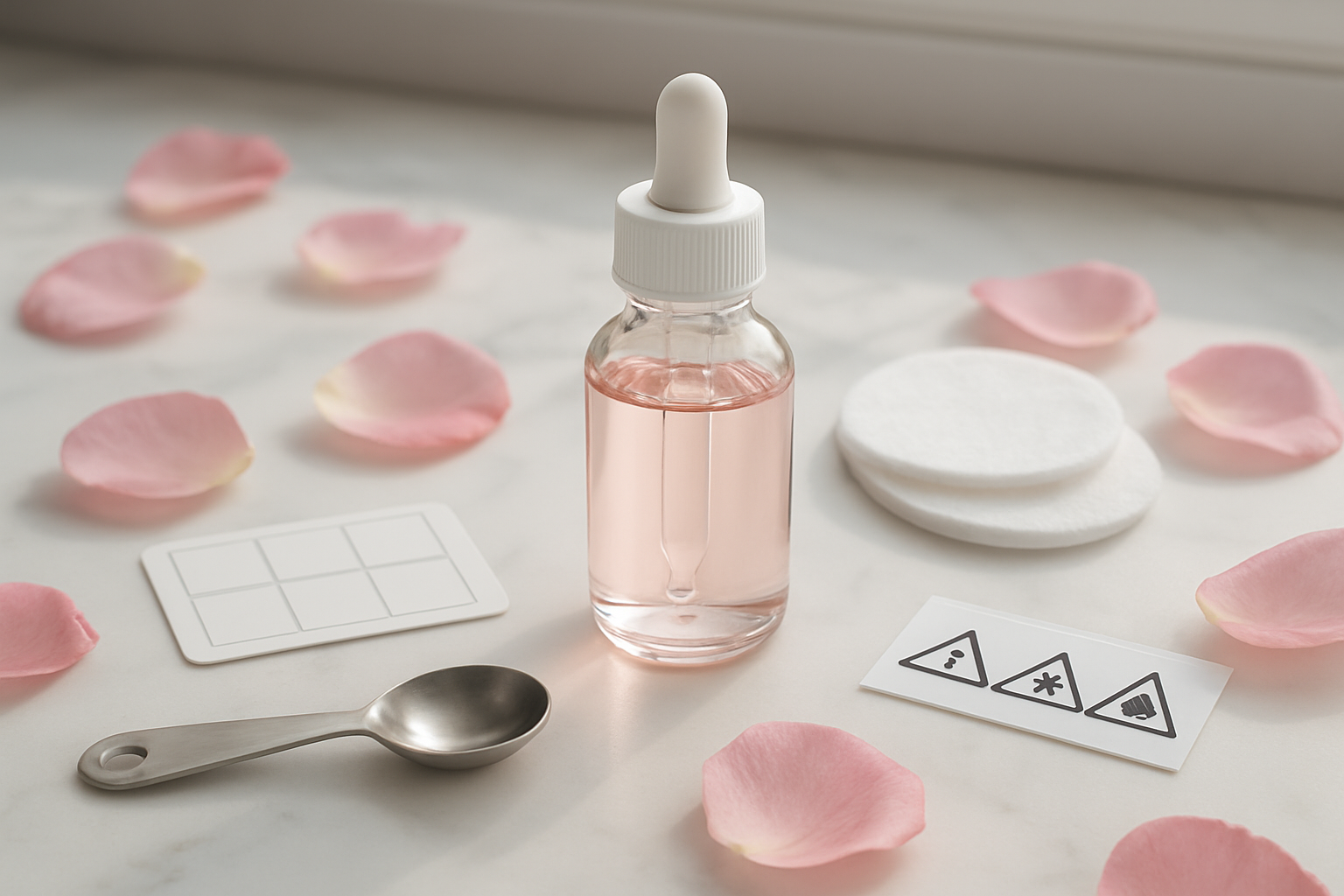
Rose oil is incredibly potent and should never be applied directly to your skin without dilution. For facial applications, mix one to two drops of rose oil with a tablespoon of carrier oil like jojoba, rosehip, or sweet almond oil. This creates a safe 1-2% dilution that provides benefits without irritation.
Body applications can handle slightly stronger concentrations. Blend three to five drops of rose oil with a tablespoon of carrier oil for massage or moisturizing purposes. For aromatherapy baths, add no more than six drops of rose oil mixed with a dispersing agent like milk or honey before adding to bathwater.
| Application Type | Rose Oil Drops | Carrier Oil Amount | Dilution Percentage |
|---|---|---|---|
| Facial use | 1-2 drops | 1 tablespoon | 1-2% |
| Body application | 3-5 drops | 1 tablespoon | 2-3% |
| Bath blend | 4-6 drops | 1 teaspoon carrier + dispersant | Variable |
When creating larger batches of rose oil blends, maintain these ratios consistently. A 1-ounce bottle of carrier oil should contain no more than 18 drops of rose oil for general body use.
Patch Testing to Avoid Allergic Reactions
Before using any new rose oil product, perform a patch test at least 24 hours before full application. Choose a small area of skin, typically behind your ear or on your inner wrist, and apply a tiny amount of your diluted rose oil blend.
Clean the test area thoroughly and apply a drop of your prepared mixture. Cover with a small bandage if desired, but ensure the area can breathe. Monitor the spot for any signs of reaction including redness, itching, burning, swelling, or rash development.
Some people experience delayed reactions, so wait the full 24-hour period before proceeding with broader use. If any irritation occurs, wash the area immediately with soap and water and avoid using rose oil products. Those with known allergies to roses or other botanical products should exercise extra caution and consult healthcare providers before use.
Storage Requirements to Maintain Potency
Rose oil degrades quickly when exposed to light, heat, and air, so proper storage protects your investment and ensures safety. Store rose oil in dark glass bottles, preferably amber or cobalt blue, and keep them in cool, dry places away from direct sunlight.
Refrigeration extends rose oil’s shelf life significantly, though the oil may solidify at cold temperatures. Simply warm the bottle in your hands before use. Avoid storing rose oil in plastic containers, as the oil can break down the plastic and become contaminated.
Always replace caps tightly after use to minimize air exposure. Pure rose oil can last two to three years when stored properly, while diluted blends should be used within six months to one year. Label your bottles with preparation dates and check regularly for any changes in color, smell, or consistency that might indicate deterioration.
Effective Application Methods and Techniques

Topical Skin Application for Maximum Absorption
The key to getting the most from rose oil on your skin lies in proper preparation and application timing. Always dilute rose oil with a carrier oil like jojoba, sweet almond, or argan oil at a ratio of 1-2 drops of rose oil per teaspoon of carrier oil. Apply to slightly damp skin right after showering when your pores are open and receptive to absorption.
Gently massage the oil blend into your skin using upward circular motions, paying special attention to areas prone to dryness or aging like your face, neck, and décolletage. For facial application, start with just one drop of rose oil mixed with your regular moisturizer or facial oil. The molecular structure of rose oil allows it to penetrate deeply, so a little goes a long way.
Aromatherapy Diffusion for Respiratory Benefits
Diffusing rose oil creates an atmosphere of calm while supporting respiratory wellness. Add 3-5 drops to your essential oil diffuser with water and run for 30-60 minutes at a time. The gentle floral molecules help open airways and promote deeper breathing patterns.
For targeted respiratory support, try the steam inhalation method. Add 2-3 drops of rose oil to a bowl of hot water, cover your head with a towel, and breathe deeply for 5-10 minutes. This direct approach delivers concentrated benefits to your respiratory system while providing immediate stress relief.
Hair and Scalp Massage Techniques
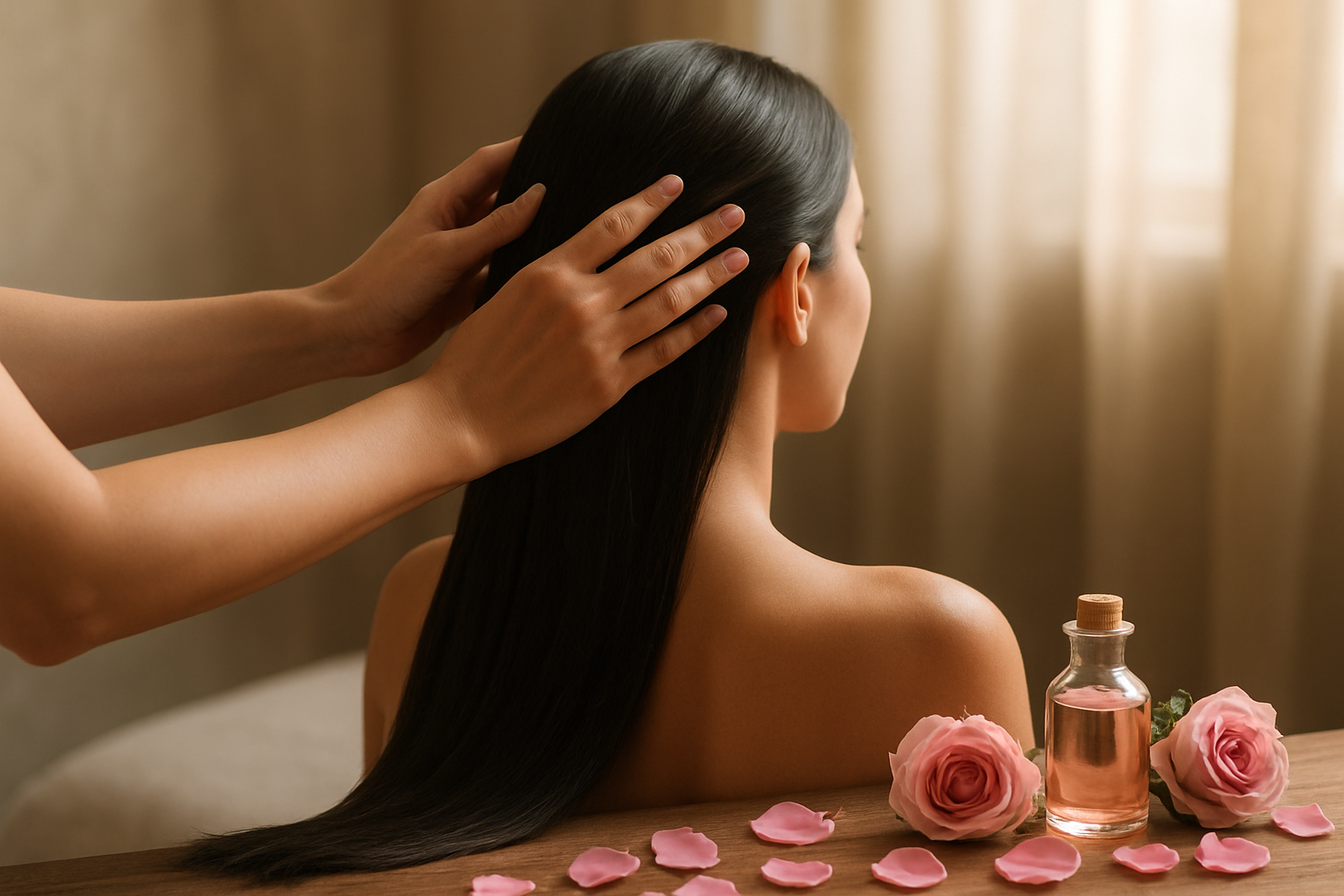
Transform your hair care routine by incorporating rose oil into scalp massages. Mix 2-3 drops with a tablespoon of coconut or jojoba oil and warm the blend slightly between your palms. Starting at your temples, use firm but gentle pressure to massage the oil into your scalp using small circular motions.
Work your way across your entire scalp, spending extra time on areas that feel tense or dry. The massage action stimulates blood flow to hair follicles while the rose oil nourishes both scalp and hair strands. Leave the treatment on for at least 30 minutes or overnight for deeper conditioning, then shampoo as usual.
Adding to Bath Water for Full-Body Benefits
Create a luxurious spa experience at home by adding rose oil to your bath. Since essential oils don’t mix well with water alone, first combine 5-8 drops of rose oil with a tablespoon of carrier oil, Epsom salts, or milk before adding to your bathwater. This ensures even distribution and prevents skin irritation.
Soak for 15-20 minutes to allow the aromatic compounds to work their magic on both your skin and your mood. The warm water opens your pores, allowing maximum absorption while the steam carries the beneficial molecules to your respiratory system.
Blending with Carrier Oils for Enhanced Results
Creating custom blends with carrier oils amplifies rose oil’s benefits while making it safer for regular use. Different carrier oils offer unique properties that complement rose oil beautifully.
| Carrier Oil | Best For | Blend Ratio |
|---|---|---|
| Jojoba Oil | All skin types, daily use | 1-2 drops per tsp |
| Sweet Almond Oil | Dry, sensitive skin | 1-2 drops per tsp |
| Argan Oil | Anti-aging, mature skin | 1 drop per tsp |
| Rosehip Seed Oil | Scars, hyperpigmentation | 1 drop per tsp |
Store your blends in dark glass bottles away from heat and light to preserve potency. Label each blend with the date and ingredients for safety tracking.
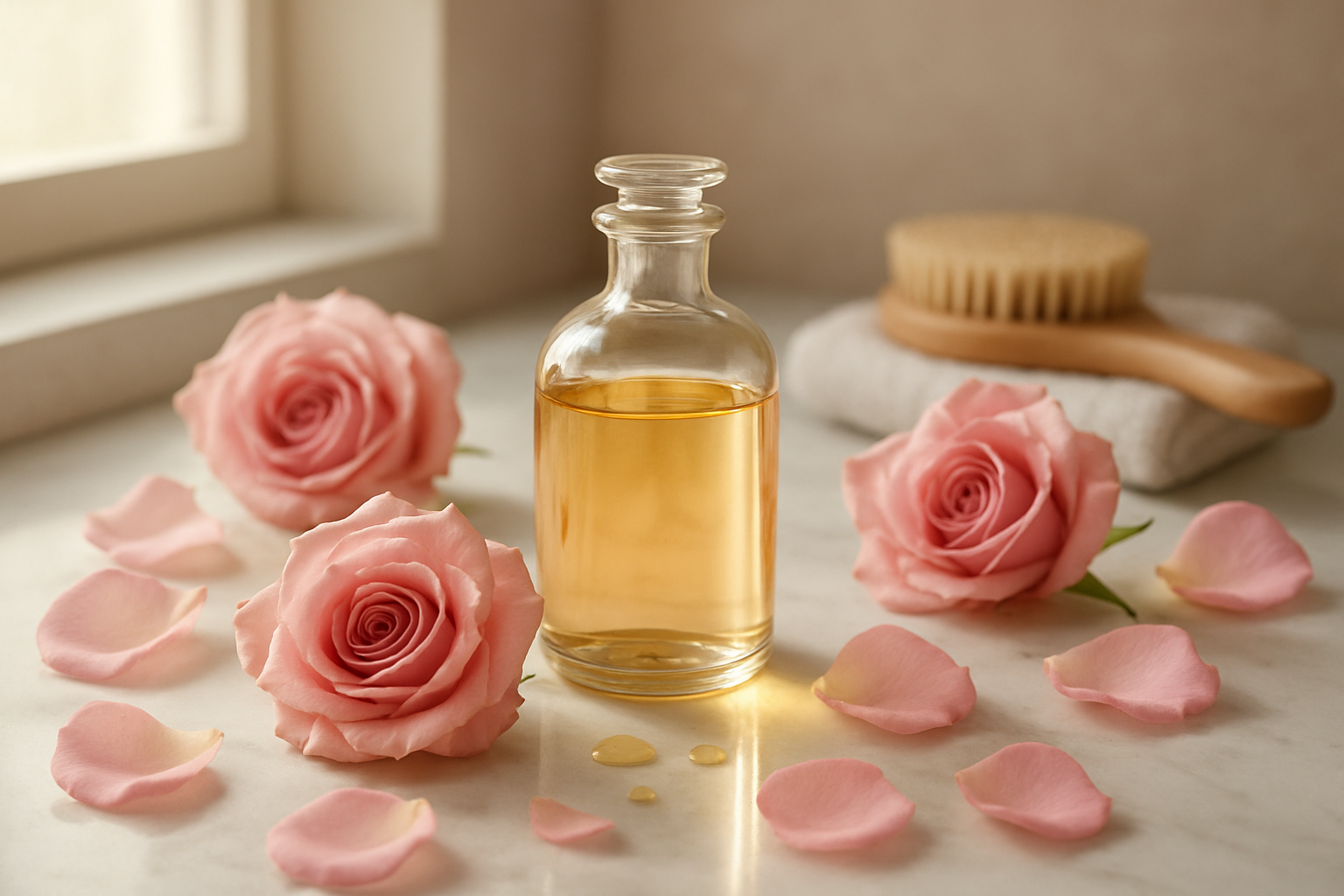
Rose oil proves to be one of nature’s most versatile beauty and wellness essentials. From giving your skin a healthy glow and reducing signs of aging to calming your mind after stressful days, this fragrant oil offers real benefits that go beyond just smelling amazing. Your hair gets extra nourishment, your scalp stays healthier, and your overall well-being gets a natural boost when you add rose oil to your routine.
Start small and always dilute rose oil properly before applying it to your skin or hair. Test it on a small area first, especially if you have sensitive skin, and remember that a little goes a long way. With the right approach and quality oil, you can enjoy all these incredible benefits while keeping your skin and body safe. Give rose oil a try and see how this simple addition can transform your daily self-care routine.