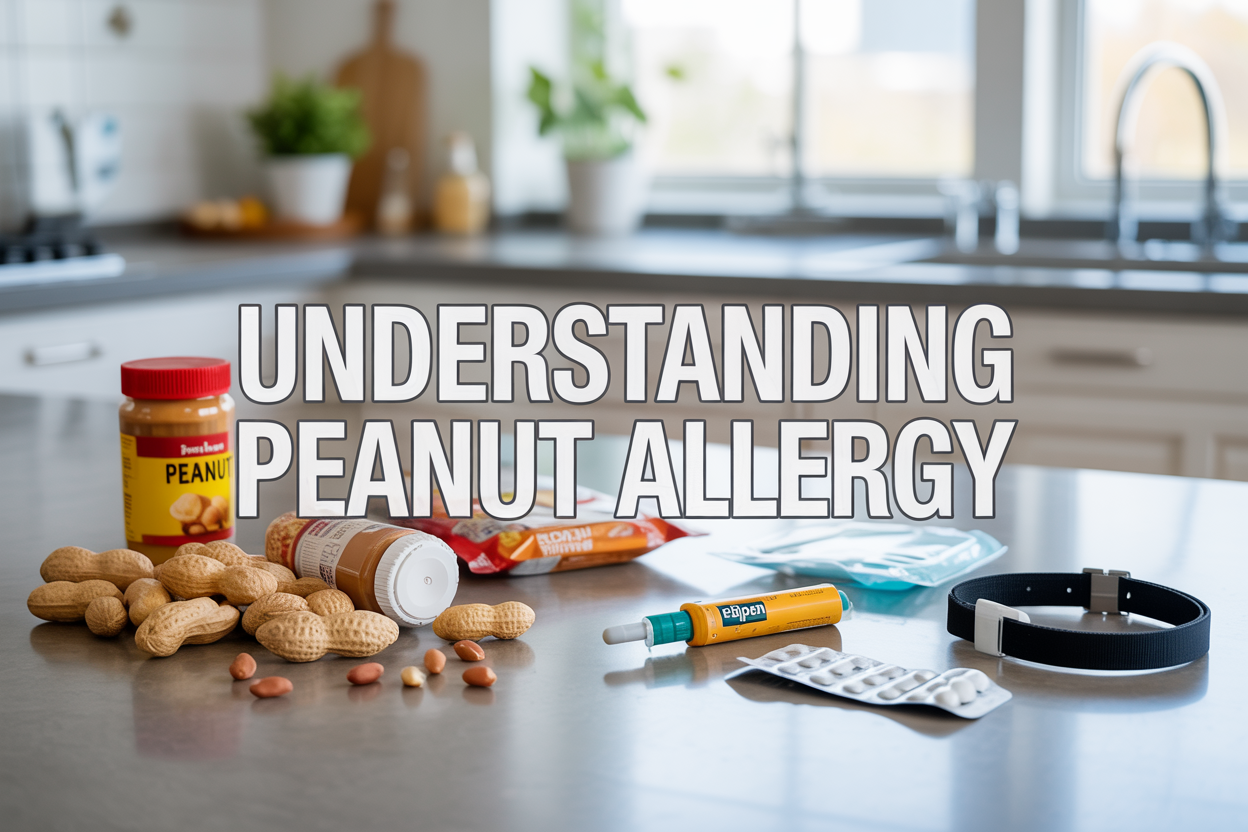
Peanut allergy affects millions of people worldwide and can trigger life-threatening reactions within minutes of exposure. This guide is for parents of children with suspected or confirmed peanut allergies, adults who’ve developed new food sensitivities, and anyone wanting to better understand this serious condition.
We’ll walk you through recognizing the warning signs and symptoms that signal an allergic reaction, from mild skin irritation to severe anaphylaxis. You’ll also learn about the root causes behind peanut allergies and why some people develop them while others don’t. Finally, we’ll cover the diagnostic process and what to expect when working with medical professionals to confirm a peanut allergy diagnosis.
Recognizing Peanut Allergy Symptoms and Reactions

Identifying mild to moderate allergic reactions
Mild to moderate peanut allergy reactions typically show up within minutes to two hours after exposure. The most common early signs include skin reactions like hives, red patches, or itchy bumps that can appear anywhere on the body. Many people also experience facial swelling, particularly around the lips, eyes, or cheeks.
Gastrointestinal symptoms are equally telling. You might notice stomach cramps, nausea, vomiting, or diarrhea shortly after eating peanuts or peanut-containing foods. These digestive issues can range from mild discomfort to more intense cramping that interferes with daily activities.
Respiratory symptoms at this level include a runny or stuffy nose, sneezing, and mild coughing. Some people develop a scratchy throat or feel like their throat is slightly tight, though breathing remains manageable.
Other moderate reactions include:
- Tingling or itching in the mouth
- Red, watery eyes
- General feeling of unease or anxiety
- Mild dizziness
- Localized swelling of hands or feet
Understanding severe anaphylactic symptoms
Anaphylaxis represents a medical emergency requiring immediate intervention. This severe reaction can develop rapidly, sometimes within seconds of peanut exposure, and affects multiple body systems simultaneously.
The most dangerous respiratory symptoms include severe difficulty breathing, wheezing, or a feeling that your airway is closing. Your throat may feel like it’s swelling shut, and you might make high-pitched sounds when trying to breathe.
Cardiovascular signs are equally critical. Your pulse may become rapid and weak, or you might feel faint and dizzy. Blood pressure can drop dramatically, leading to shock. Some people experience chest pain or feel like their heart is racing uncontrollably.
Skin reactions during anaphylaxis are often more widespread and severe than moderate reactions. You might develop full-body hives, intense itching, or your skin might turn pale or blue, especially around the lips and fingernails.
Gastrointestinal symptoms can include severe vomiting, diarrhea, and intense abdominal cramping. Mental symptoms like confusion, anxiety, or a sense of impending doom are also common.
Key anaphylactic warning signs:
- Swelling of tongue, lips, or throat
- Severe drop in blood pressure
- Loss of consciousness
- Weak, rapid pulse
- Severe whole-body reaction
Distinguishing peanut allergy from food intolerance
Peanut allergies and food intolerances create different reactions in your body, and understanding these differences can help you get proper treatment. Peanut allergies involve your immune system launching an attack against peanut proteins, treating them as dangerous invaders.
Food intolerance, on the other hand, typically involves digestive issues without immune system involvement. If you have a peanut intolerance, you might experience bloating, gas, stomach pain, or diarrhea, but you won’t develop hives, breathing problems, or other allergic symptoms.
| Peanut Allergy | Food Intolerance |
|---|---|
| Immune system reaction | Digestive system issue |
| Can be life-threatening | Uncomfortable but not dangerous |
| Small amounts trigger reactions | Usually dose-dependent |
| Rapid onset (minutes to 2 hours) | Slower onset (hours) |
| Includes skin, respiratory symptoms | Primarily digestive symptoms |
| Requires complete avoidance | May tolerate small amounts |
Timing also helps distinguish between the two. Allergic reactions happen relatively quickly after peanut exposure, while intolerance symptoms might not appear for several hours and tend to be less severe overall.
Recognizing delayed versus immediate reactions
Most peanut allergic reactions happen immediately or within two hours of exposure, but some people experience delayed reactions that can be tricky to identify and connect to peanut consumption.
Immediate reactions are the most common and easiest to recognize. These typically begin within minutes of eating peanuts and reach peak intensity quickly. You’ll usually know right away that something is wrong, and the connection to peanut exposure is obvious.
Delayed reactions can occur anywhere from 4 to 24 hours after peanut exposure, making them harder to trace back to the source. These reactions tend to be milder but can still be significant. Common delayed symptoms include:
- Eczema flare-ups
- Persistent digestive issues
- Fatigue or feeling generally unwell
- Headaches
- Joint pain or stiffness
Some people experience biphasic reactions, where initial symptoms improve but then return 4 to 12 hours later, sometimes with increased severity. This pattern makes it especially important to seek medical attention even after symptoms seem to resolve.
Children often show different timing patterns than adults. Their reactions might develop more gradually, and parents should watch for changes in behavior, eating habits, or sleep patterns following potential peanut exposure.
Keeping a detailed food and symptom diary helps identify delayed reaction patterns and provides valuable information for your healthcare provider when developing management strategies.
Discovering the Root Causes of Peanut Allergies

Understanding genetic predisposition factors
Your family tree plays a huge role in determining whether you’ll develop a peanut allergy. If one parent has any type of food allergy, your child faces about a 40% chance of developing food allergies themselves. When both parents have allergies, that risk jumps to around 70%.
Scientists have identified several genes that make some people more susceptible to peanut allergies. The HLA genes, which control immune system responses, show particular patterns in people with food allergies. Variations in genes like IL-4, IL-13, and STAT6 also increase the likelihood of developing allergic reactions to peanuts.
Interestingly, having other allergic conditions like eczema, asthma, or hay fever creates what doctors call the “allergic march.” Children with severe eczema in infancy are significantly more likely to develop food allergies later. This connection shows how different allergic conditions share common genetic pathways.
Race and ethnicity also influence peanut allergy rates. African American and Asian children show higher rates of peanut allergies compared to Caucasian children, suggesting genetic differences between populations affect allergy development.
Exploring environmental triggers and exposure timing
When and how you first encounter peanuts can dramatically impact whether you develop an allergy. The “dual allergen exposure hypothesis” suggests that early skin exposure to peanut proteins through damaged skin barriers (like eczema) promotes allergy development, while early oral consumption actually prevents it.
Living in highly sanitized environments might increase allergy risk through the “hygiene hypothesis.” Children exposed to fewer bacteria and pathogens early in life may develop oversensitive immune systems that react to harmless proteins like those in peanuts.
Geographic location matters too. Urban environments with higher pollution levels correlate with increased food allergy rates. Air pollutants can damage respiratory and skin barriers, making it easier for allergens to trigger immune responses.
Delayed introduction of peanuts also plays a role. The LEAP study revolutionized thinking by showing that introducing peanuts between 4-11 months of age actually reduces allergy risk by up to 81% in high-risk infants.
Examining the role of immune system development
Your immune system’s maturity when it first encounters peanuts shapes your body’s long-term response. In early infancy, the immune system favors tolerance-building responses. Missing this critical window can lead to allergy-promoting immune patterns instead.
The gut microbiome serves as a crucial training ground for immune development. Babies born via C-section, treated with antibiotics, or formula-fed often have altered gut bacteria compositions that may increase allergy susceptibility. Beneficial bacteria help train immune cells to distinguish between harmful pathogens and harmless food proteins.
Vitamin D deficiency during pregnancy and early childhood correlates with higher food allergy rates. This vitamin helps regulate immune responses and promotes tolerance development. Similarly, omega-3 fatty acid intake during pregnancy may reduce children’s allergy risk.
The timing of infections also matters. Early-life respiratory infections can either protect against or promote food allergies, depending on the specific pathogens and timing. Some infections help mature the immune system appropriately, while others during critical periods may increase allergy risk.
Stress hormones from maternal stress during pregnancy can also influence fetal immune development, potentially increasing the child’s likelihood of developing food allergies later in life.
Getting Properly Diagnosed by Medical Professionals

Preparing for Allergy Testing Appointments
Schedule your appointment with a board-certified allergist who specializes in food allergies rather than a general practitioner. Before your visit, compile a detailed food diary covering at least two weeks, noting every reaction you’ve experienced, including the timing, severity, and foods consumed. Document any medications you’re currently taking, especially antihistamines, which can interfere with test results and should typically be stopped 3-7 days before testing.
Bring a comprehensive list of questions about your symptoms, family history of allergies, and specific concerns about peanut exposure. Consider bringing a trusted family member or friend who can help remember important details discussed during the appointment. Wear comfortable, loose-fitting clothing that allows easy access to your arms and back for potential skin testing.
Understanding Skin Prick and Blood Test Results
Skin prick tests involve placing tiny amounts of peanut protein extract on your skin, usually on your forearm or back, then pricking the surface to allow the allergen to enter. Positive reactions appear as raised, red welts (wheals) within 15-20 minutes, with larger wheals generally indicating stronger sensitivities.
Blood tests measure specific IgE antibodies to peanut proteins. Results are reported in numerical values:
| IgE Level (kU/L) | Interpretation |
|---|---|
| 0.35-0.69 | Low sensitivity |
| 0.70-3.49 | Moderate sensitivity |
| 3.50-17.4 | High sensitivity |
| >17.5 | Very high sensitivity |
Remember that test results don’t always correlate directly with reaction severity. Some people with high numbers experience mild reactions, while others with lower numbers may have severe responses.
Learning About Oral Food Challenge Procedures
Oral food challenges represent the gold standard for peanut allergy diagnosis when other tests provide unclear results. This procedure takes place in a controlled medical setting with emergency equipment readily available. You’ll consume gradually increasing amounts of peanut protein every 15-30 minutes while medical staff monitor you closely for any reaction signs.
The process typically starts with tiny amounts – sometimes just 1/1000th of a peanut – and increases systematically. Medical professionals watch for symptoms like hives, swelling, breathing difficulties, or digestive issues. If you develop any concerning symptoms, the challenge stops immediately and appropriate treatment begins.
These challenges can take several hours and require you to remain in the medical facility for observation even after completion. While the procedure carries inherent risks, it’s conducted under strict safety protocols with trained medical staff prepared to handle severe reactions.
Interpreting Test Accuracy and Limitations
No single allergy test provides 100% accuracy, which is why doctors often combine multiple testing methods with your medical history. Skin prick tests can produce false positives in people with sensitive skin or those taking certain medications. They may also show positive results for proteins you can actually tolerate in normal amounts.
Blood tests can remain elevated even after you’ve outgrown an allergy, potentially showing positive results years after your immune system has actually changed. Additionally, both testing methods can miss allergies to specific peanut protein components while detecting others.
Cross-reactivity with other legumes like soybeans or tree nuts can complicate results, showing reactions that don’t translate to real-world food sensitivities. Your allergist will interpret results within the context of your actual symptoms and eating history, not just the numbers or physical reactions from tests.
Component testing, which examines your reaction to specific peanut proteins like Ara h 1, Ara h 2, and Ara h 3, can provide more detailed information about your allergy profile and potential severity. This advanced testing helps doctors better predict whether you might experience severe reactions or potentially outgrow your allergy over time.
Managing Daily Life with Peanut Allergies

Reading food labels effectively and safely
Food labels become your lifeline when managing peanut allergies. Start by checking the ingredient list first – peanuts can hide behind names like groundnuts, monkey nuts, or arachis oil. The “may contain” warnings aren’t just legal protection; they signal real cross-contamination risks that could trigger reactions.
Look for certification symbols like “peanut-free facility” or third-party allergen testing seals. These provide extra assurance beyond basic labeling. When shopping, stick to brands you trust and avoid bulk bins or bakery items where cross-contamination runs high.
Keep a magnifying glass handy for tiny print, and don’t assume similar products from the same brand share identical ingredients. Manufacturers change formulations regularly, so recheck labels even on familiar items. If ingredients seem unclear, contact the company directly – most have allergen hotlines staffed by knowledgeable representatives.
Navigating restaurants and social dining situations
Restaurant dining requires advance planning and clear communication. Call ahead to discuss your allergy with managers, not just servers. Ask specific questions about cooking oils, shared fryers, and kitchen protocols. Many restaurants now train staff on allergen safety, but you’re still your best advocate.
Carry restaurant cards that clearly explain your allergy in multiple languages if needed. These cards remove guesswork and provide written documentation for kitchen staff. Choose restaurants with simple menus over complex fusion cuisines where ingredients blend unpredictably.
At social gatherings, offer to bring your own food or suggest potluck-style events where you control at least one safe dish. Don’t feel awkward about asking hosts detailed questions about ingredients – most people appreciate your proactive approach over dealing with an emergency later.
Creating peanut-free environments at home and work
Transform your living spaces into safe havens through systematic allergen elimination. Start with a thorough kitchen cleaning, replacing cutting boards, wooden utensils, and porous containers that might harbor peanut proteins. Designate specific shelves and storage areas for safe foods only.
Educate household members about cross-contamination risks. Simple actions like washing hands after eating peanut products and using separate preparation surfaces prevent accidental exposure. Consider peanut-free policies for shared spaces, especially if children are involved.
At work, communicate your needs to HR and facilities management. Request accommodation for severe allergies, which might include asking colleagues to avoid bringing peanut products to shared spaces. Many workplaces now implement allergy-friendly policies that protect employees while respecting everyone’s needs.
Communicating allergies to family, friends, and caregivers
Open, honest conversations about your allergy severity prevent misunderstandings that could prove dangerous. Explain the difference between food preferences and life-threatening allergies – many people don’t grasp that even tiny amounts can trigger severe reactions.
Teach close contacts to recognize early symptoms and how to use your epinephrine auto-injector. Practice scenarios together so they feel confident responding during emergencies. Provide written emergency action plans that outline step-by-step responses, including when to call 911.
For children with allergies, work with teachers, coaches, and other caregivers to establish safety protocols. Share medical action plans and ensure multiple people know proper emergency procedures. Regular communication builds the support network essential for safe daily activities.
Traveling safely with severe food allergies
Travel preparation starts weeks before departure. Research destination food cultures, common ingredients, and local emergency medical facilities. Learn key phrases in local languages to communicate your allergy clearly to restaurant staff and medical personnel.
Pack extra medications in carry-on luggage, including multiple epinephrine auto-injectors and antihistamines. Bring prescription letters from your doctor and consider medical alert jewelry for international travel. Airlines accommodate special dietary needs with advance notice, though bringing your own food provides the safest option.
Book accommodations with kitchenettes when possible, giving you control over meal preparation. Research grocery stores near your destination and identify safe food brands available locally. Download translation apps and locate the nearest hospitals before exploring unfamiliar areas.
Emergency Preparedness and Treatment Options

Proper use and storage of epinephrine auto-injectors
Epinephrine auto-injectors are your lifeline during severe allergic reactions, and knowing how to use them correctly can mean the difference between life and death. The most common brands include EpiPen, Auvi-Q, and generic versions, all designed for quick, easy administration even under stress.
When using an auto-injector, remove the safety cap and firmly press the device against the outer thigh muscle for 3 seconds. The injection can go through clothing, so don’t waste precious time removing pants or shorts. After injection, massage the area for 10 seconds to help distribute the medication. Never inject into veins, buttocks, or hands, as this can cause serious complications.
Storage requirements are critical for maintaining medication effectiveness. Keep auto-injectors at room temperature between 68-77°F, never in hot cars, direct sunlight, or freezing temperatures. Check expiration dates monthly and replace devices before they expire. The liquid inside should be clear – if it appears cloudy, discolored, or contains particles, replace it immediately.
Always carry two auto-injectors, as severe reactions may require a second dose if symptoms persist or worsen after 5-15 minutes. Place them in easily accessible locations: one in your purse or backpack, another at work or school. Consider wearing a medical alert bracelet and inform close friends, family, and coworkers about your allergy and auto-injector locations.
Creating comprehensive emergency action plans
A well-crafted emergency action plan serves as your roadmap during allergic reactions when clear thinking becomes difficult. This document should be detailed, accessible, and shared with everyone in your support network.
Start by listing your specific allergens, typical reaction symptoms, and severity patterns. Include emergency contacts with names, relationships, and multiple phone numbers. Document your medications, including epinephrine auto-injector locations, dosages, and backup prescriptions.
Create location-specific plans for different environments. Your home plan should include family member responsibilities, nearest hospital information, and medication storage locations. School or workplace plans need additional details about who’s trained to help, where medications are stored, and building evacuation procedures if needed.
Key elements to include:
- Personal information and emergency contacts
- Detailed allergy information and trigger foods
- Step-by-step reaction response procedures
- Medication locations and administration instructions
- Hospital preferences and insurance information
- Alternative transportation options
Share copies with family members, close friends, teachers, employers, and babysitters. Review and update plans every six months or after any significant reaction. Practice emergency scenarios with family members so everyone knows their role when seconds count.
Understanding when to seek immediate medical attention
Recognizing when to call 911 can save your life, as peanut allergies can escalate from mild symptoms to life-threatening anaphylaxis within minutes. Don’t second-guess yourself – when in doubt, seek emergency care immediately.
Call emergency services if you experience any combination of these severe symptoms: difficulty breathing, rapid pulse, dizziness, widespread hives, swelling of face or throat, severe stomach cramping, or loss of consciousness. These signs indicate anaphylaxis, which requires immediate professional medical intervention.
After using an epinephrine auto-injector, always seek emergency medical care, even if symptoms improve. The medication’s effects typically last 15-20 minutes, and reactions can return with renewed intensity. Emergency room staff can monitor your condition, provide additional treatments, and ensure you’re stable before discharge.
Situations requiring immediate emergency care:
- Any use of epinephrine auto-injector
- Breathing difficulties or wheezing
- Rapid progression of symptoms
- Multiple body system involvement
- Previous history of severe reactions
- Symptoms not responding to antihistamines
Don’t drive yourself to the hospital during a reaction. Call 911 or have someone else drive while you monitor your symptoms and prepare to use your auto-injector if needed.
Exploring immunotherapy and emerging treatments
Oral immunotherapy (OIT) represents the most promising advancement in peanut allergy treatment, offering hope for reducing reaction severity and increasing tolerance thresholds. This treatment involves consuming tiny, gradually increasing amounts of peanut protein under strict medical supervision over months or years.
Clinical trials show that OIT can help many patients tolerate larger amounts of peanut protein before experiencing reactions. However, the treatment carries risks, including potential severe reactions during the buildup phase. Patients must commit to daily dosing and regular medical monitoring throughout the process.
Palforzia, the FDA-approved peanut allergy treatment, provides a standardized approach to oral immunotherapy. This prescription medication contains carefully measured peanut protein amounts, allowing for consistent dosing and monitoring. Treatment typically begins with extremely small amounts and gradually increases over several months.
Emerging treatment options include:
- Epicutaneous immunotherapy (patch therapy)
- Modified peanut proteins for safer desensitization
- Combination therapies with anti-IgE antibodies
- Probiotic treatments to modify immune responses
These treatments don’t cure peanut allergies but can reduce reaction severity and increase the amount of accidental exposure needed to trigger symptoms. Candidates must undergo extensive evaluation, and treatment requires ongoing commitment to daily medication and regular medical visits. Always discuss these options with board-certified allergists who specialize in food allergy treatment.

Peanut allergies affect millions of people and can range from mild discomfort to life-threatening reactions. The key to living safely with this condition lies in understanding the symptoms, getting a proper medical diagnosis, and learning how to manage daily situations where peanut exposure might happen. From reading food labels carefully to carrying emergency medications, every precaution matters when it comes to protecting yourself or a loved one.
Knowledge truly becomes your best defense against peanut allergies. Talk to your doctor about testing if you suspect an allergy, create an emergency action plan with clear steps for severe reactions, and make sure family members, friends, and coworkers know how to help in a crisis. With the right preparation and awareness, people with peanut allergies can live full, active lives while staying safe and healthy.