Many people confuse vegan and vegetarian diets, but these two plant-focused eating styles have important differences that can impact your health, lifestyle, and grocery shopping.
This guide is for anyone considering a plant-based diet change, current vegetarians thinking about going vegan, or people who want to understand these popular dietary choices better.
We’ll break down the core differences between vegan vs vegetarian diets, compare their nutritional profiles and health benefits, and share practical tips for successfully adopting either eating style. You’ll learn which approach might work best for your goals and how to make the transition smoothly.
Understanding Core Dietary Philosophies
Define vegetarianism and its plant-based focus
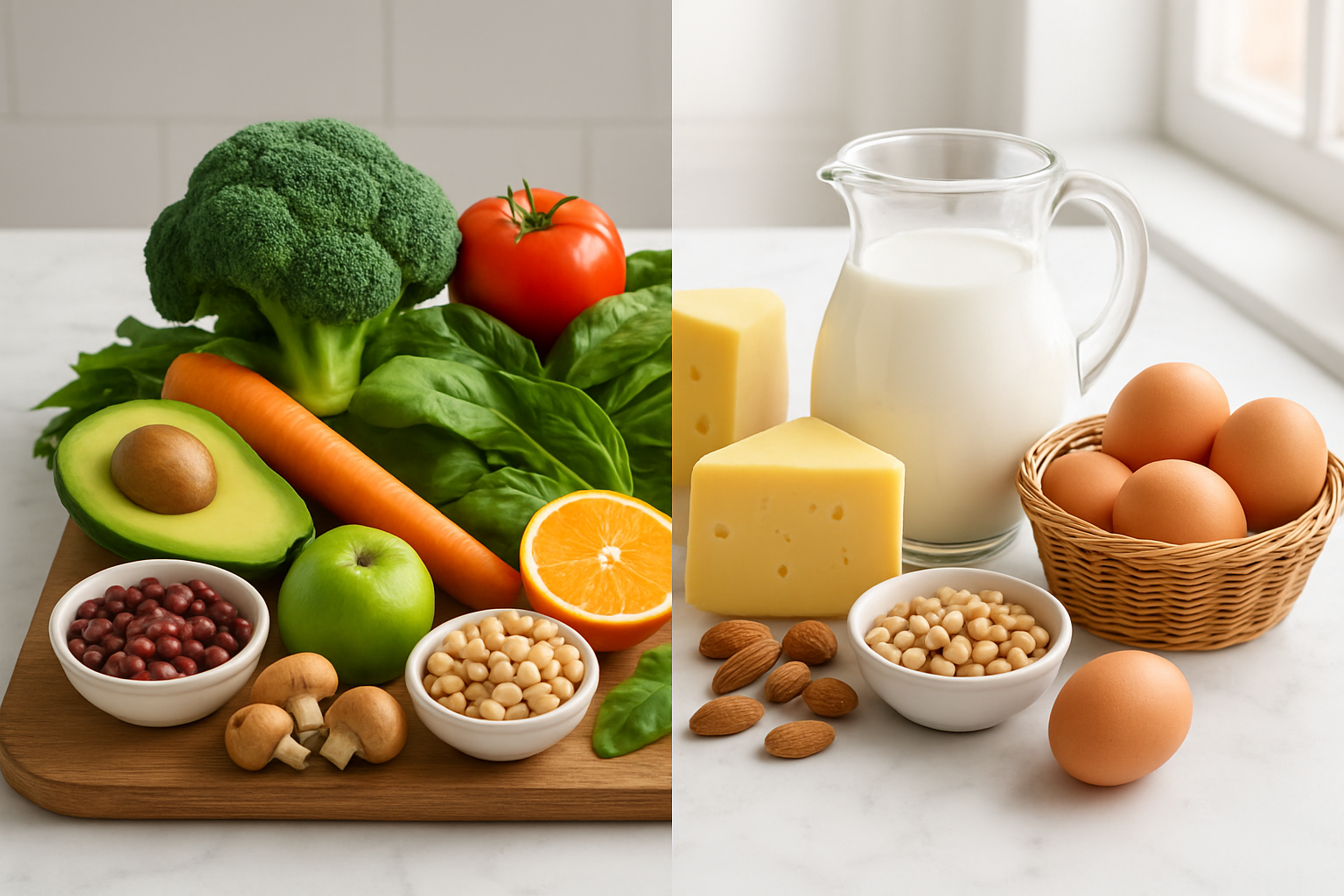
Vegetarianism centers on eliminating meat, poultry, and fish from your diet while keeping dairy products and eggs on the table. This dietary approach draws a clear line between animal flesh and other animal-derived products, creating a middle ground that many find approachable and sustainable.
The spectrum of vegetarian eating includes several variations that cater to different comfort levels and beliefs. Lacto-ovo vegetarians enjoy both dairy and eggs, while lacto-vegetarians stick to dairy but skip the eggs. Ovo-vegetarians do the opposite, embracing eggs while avoiding dairy products. Each variation allows people to customize their plant-based journey according to their preferences, health needs, and ethical boundaries.
Plant foods take center stage in vegetarian meals, with fruits, vegetables, grains, legumes, nuts, and seeds forming the foundation of daily nutrition. Many vegetarians discover a whole new world of ingredients they never explored before, from quinoa and tempeh to nutritional yeast and tahini.
Explore veganism as a complete animal product elimination
Veganism takes the plant-based approach several steps further by removing all animal products from both diet and lifestyle. This means saying goodbye to obvious items like meat and dairy, but also to hidden animal ingredients that pop up in unexpected places.
Beyond the dinner plate, veganism extends into clothing choices, personal care products, and household items. Leather shoes, wool sweaters, and silk scarves get replaced with plant-based or synthetic alternatives. Even products like certain wines, which use animal-derived fining agents, or some sugar processed with bone char, fall outside vegan guidelines.
The vegan pantry relies heavily on whole foods, but also includes specially developed alternatives that mimic traditional animal products. Plant-based milks made from oats, almonds, or soy provide creamy textures, while cashew-based cheeses and bean-based burgers satisfy familiar flavor cravings. These innovations make the transition smoother for people attached to certain tastes and textures.
Discover the ethical foundations driving each lifestyle
Animal welfare concerns drive many people toward both vegetarian and vegan lifestyles, though the depth of concern often differs between the two approaches. Vegetarians typically focus on preventing the slaughter of animals for meat while accepting that dairy and egg production can exist without directly harming the animals involved.
Vegans take a broader view of animal exploitation, recognizing that dairy cows and laying hens face their own forms of suffering within industrial agriculture systems. They point to practices like forced separation of calves from mothers, repeated pregnancies to maintain milk production, and the eventual slaughter of dairy cows when their production declines.
Both groups share common ground in rejecting factory farming practices that confine animals in cramped conditions, deny natural behaviors, and prioritize profit over welfare. Many choose smaller-scale, more humane operations when animal products remain part of their diet, seeking out labels like “pasture-raised” or “free-range” that suggest better living conditions.
The ethical framework extends beyond individual animal suffering to broader questions about human relationships with other species and our responsibility as consumers to make choices that align with our values.
Learn about environmental motivations behind both choices
Climate change concerns push many people toward plant-based eating as they learn about animal agriculture’s environmental footprint. Livestock production generates significant greenhouse gas emissions, particularly methane from cattle, while also requiring vast amounts of water, land, and feed crops.
Both vegetarian and vegan diets dramatically reduce environmental impact compared to omnivorous eating patterns. Eliminating meat cuts out the most resource-intensive food production, while going fully vegan provides additional benefits by removing dairy and egg production from the equation.
Water usage becomes a major consideration when comparing different protein sources. Producing a pound of beef requires roughly 1,800 gallons of water, while the same amount of plant protein might need only 200-300 gallons. Dairy production also demands substantial water resources for maintaining pastures and processing facilities.
Land use efficiency strongly favors plant-based eating. Growing crops directly for human consumption uses far less agricultural land than growing feed crops for livestock, which then convert only a fraction of those calories into human food. This efficiency gap becomes especially important as global populations grow and arable land becomes scarcer.
Deforestation links closely to animal agriculture, particularly cattle ranching in sensitive ecosystems like the Amazon rainforest. Both vegetarian and vegan choices help reduce demand for these environmentally destructive practices.
Key Differences in Food Choices
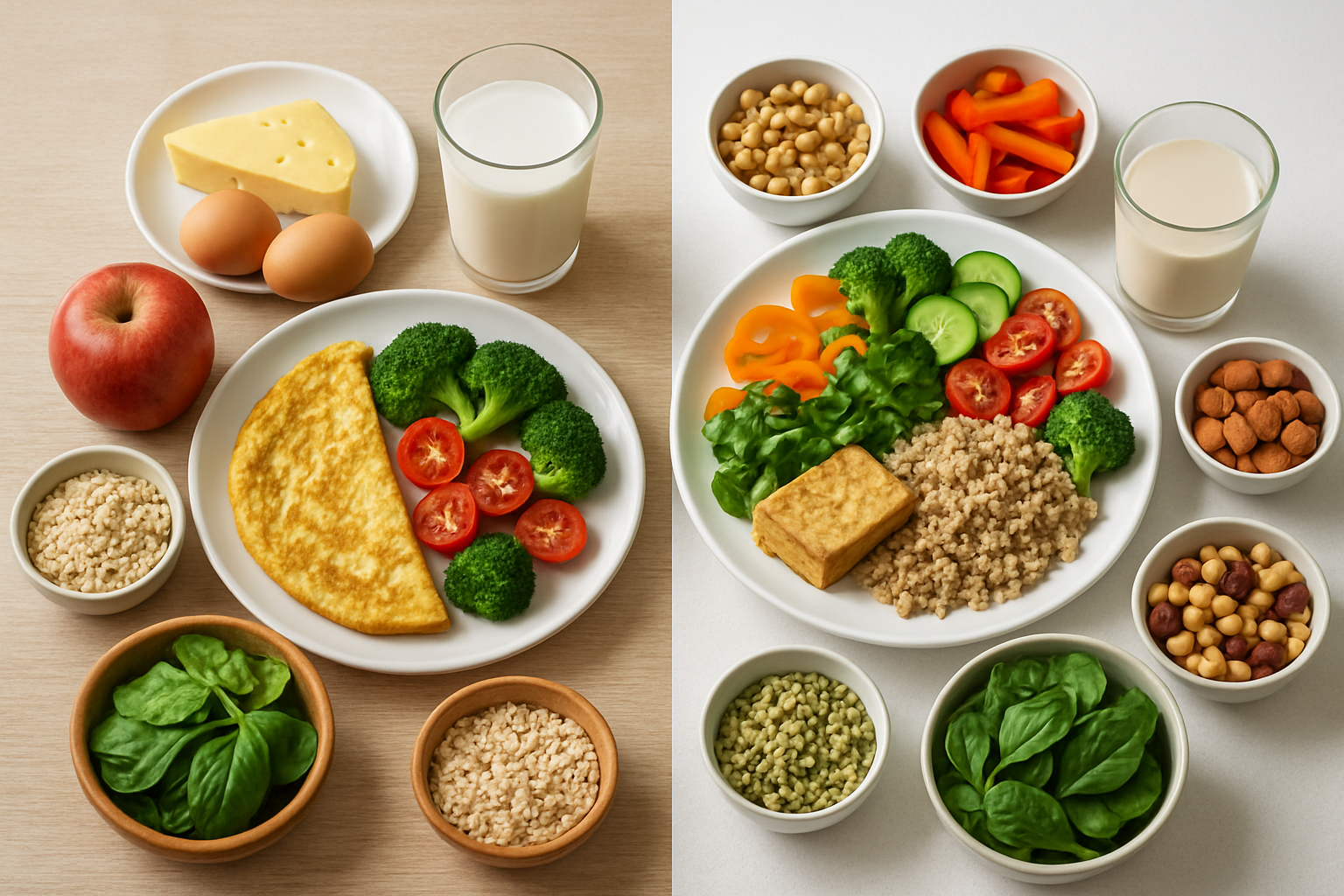
Compare allowed and restricted foods for vegetarians
Vegetarians have several dietary approaches, with lacto-ovo vegetarians being the most common type. These individuals can enjoy dairy products like milk, cheese, yogurt, and butter, along with eggs from chickens, ducks, or other birds. Their plates often feature grains, legumes, fruits, vegetables, nuts, and seeds as primary protein and nutrient sources.
The main restriction for vegetarians involves all meat products. This means no beef, pork, lamb, poultry, or game meats. Fish and seafood are also off-limits, including shellfish like shrimp, crab, and lobster. Some vegetarians also avoid gelatin since it comes from animal bones and connective tissue.
Pescatarians represent a subset who include fish and seafood but still avoid land animal meat. Meanwhile, lacto-vegetarians consume dairy but skip eggs, while ovo-vegetarians eat eggs but avoid dairy products.
Identify comprehensive vegan dietary restrictions
Vegans follow the most restrictive plant-based diet, eliminating all animal-derived products. Beyond meat, poultry, and seafood, vegans also avoid dairy products, eggs, and honey. This extends to less obvious animal products that many people don’t consider.
The restrictions go deeper than whole foods. Vegans must avoid animal-based cooking fats like lard and duck fat. Many processed foods contain milk powder, whey protein, or egg whites, making careful label reading essential. Even some wines and beers use animal-derived clarifying agents during production.
Personal care and household products also fall under scrutiny for committed vegans. They often choose cosmetics, soaps, and cleaning products that weren’t tested on animals and don’t contain animal-derived ingredients.
Understand hidden animal ingredients to avoid
Reading ingredient labels becomes crucial for both vegetarians and vegans because animal products often hide in unexpected places. Gelatin appears in marshmallows, gummy candies, and many capsule medications. Rennet, used in cheese production, comes from calf stomach lining, making many cheeses unsuitable for strict vegetarians.
| Hidden Ingredient | Found In | Animal Source |
|---|---|---|
| Carmine/Cochineal | Red food coloring, lipstick | Crushed beetles |
| Isinglass | Beer, wine | Fish bladder |
| L-Cysteine | Bread, bagels | Duck feathers or human hair |
| Casein | Non-dairy products, protein bars | Milk protein |
| Albumin | Wine, baked goods | Egg whites |
Some surprising foods contain animal products. Many breads use L-cysteine as a dough conditioner, often sourced from duck feathers. Worcestershire sauce typically contains anchovies. Even some orange juices are fortified with vitamin D3 derived from sheep’s wool.
Restaurant dining requires extra attention since dishes may be prepared with butter, chicken stock, or fish sauce without clear menu indication. Cross-contamination during cooking can also be a concern for strict practitioners.
Nutritional Benefits and Considerations
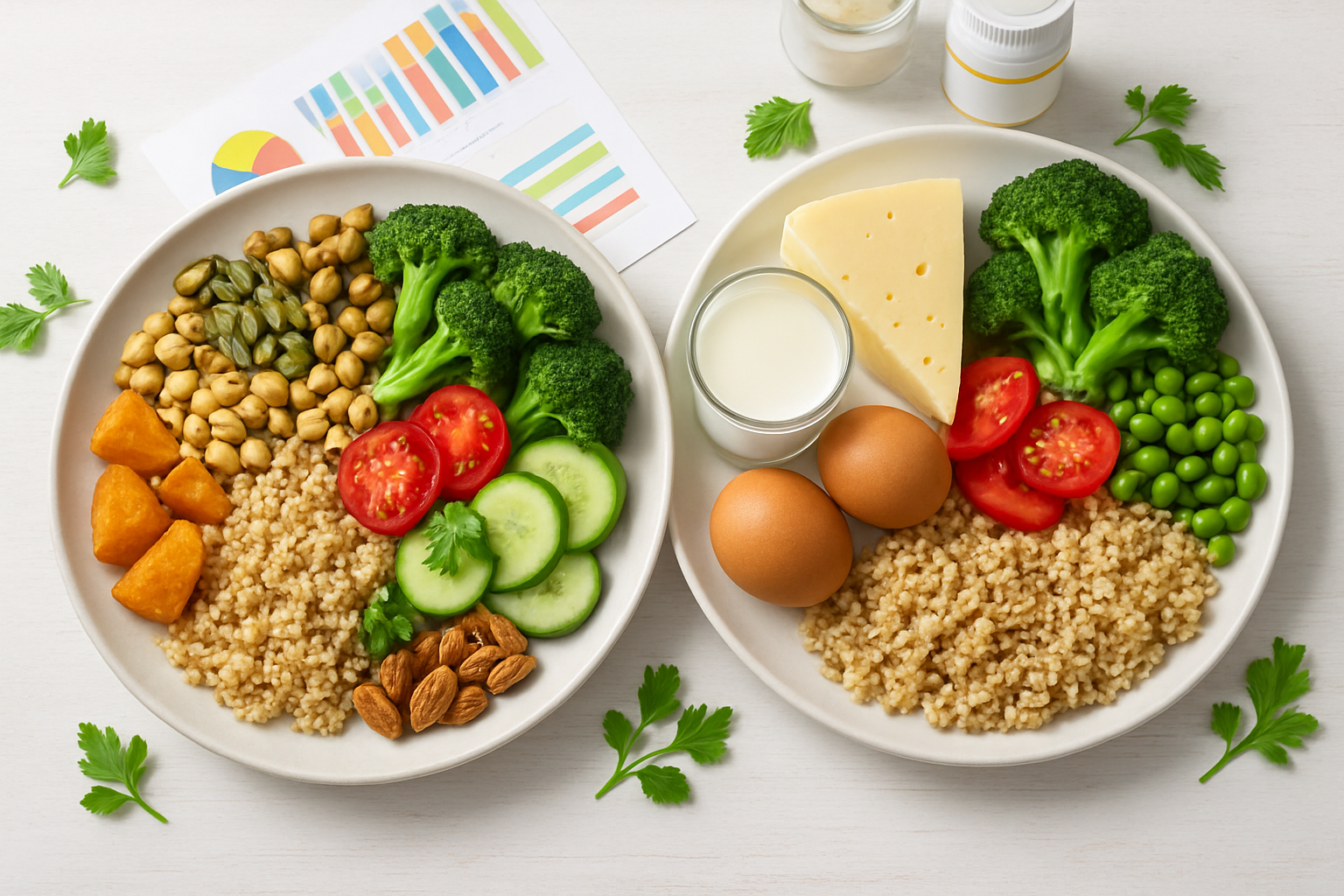
Evaluate protein sources available in each diet
Vegetarians have access to a wider variety of complete protein sources compared to vegans. Eggs and dairy products like Greek yogurt, cottage cheese, and milk provide all essential amino acids your body needs. Fish-eating vegetarians (pescatarians) can also rely on salmon, tuna, and other seafood for high-quality protein.
Vegans need to be more strategic with protein combining. Quinoa, buckwheat, chia seeds, and hemp seeds are complete proteins, but most plant proteins are incomplete. The classic rice and beans combination works perfectly – legumes provide lysine while grains offer methionine. Tofu, tempeh, and seitan are excellent protein-dense options that can anchor meals.
| Protein Source | Vegetarian | Vegan | Protein per 100g |
|---|---|---|---|
| Eggs | ✓ | ✗ | 13g |
| Greek Yogurt | ✓ | ✗ | 10g |
| Lentils | ✓ | ✓ | 9g |
| Quinoa | ✓ | ✓ | 4.4g |
| Tofu | ✓ | ✓ | 8g |
Assess vitamin B12 and other nutrient requirements
B12 is the big one everyone talks about, and for good reason. This vitamin only comes from animal products naturally, so vegans absolutely need supplements or fortified foods. Many vegetarians think they’re covered because of dairy and eggs, but these sources contain less B12 than meat, so supplementation is often smart for them too.
Vegans should also watch out for vitamin D, iron, zinc, and iodine. Vitamin D comes mainly from fortified dairy products and fatty fish, so plant-based eaters need fortified plant milks or supplements. Iron from plants (non-heme iron) absorbs less efficiently than iron from meat, but pairing it with vitamin C helps – think spinach with strawberries or lentils with bell peppers.
Vegetarians generally have fewer nutrient gaps to worry about, but they still need to pay attention to iron intake, especially women of childbearing age.
Compare calcium and iron absorption strategies
Getting enough calcium without dairy requires some planning for vegans. Dark leafy greens like kale, collard greens, and bok choy are excellent sources. Fortified plant milks, tofu made with calcium sulfate, tahini, and almonds all contribute significant amounts. The key is eating calcium-rich foods throughout the day since your body can only absorb about 500mg at once.
For iron absorption, timing matters more than total intake. Avoid coffee, tea, and calcium supplements within two hours of iron-rich meals – they block absorption. Instead, pair iron sources with vitamin C foods:
- Spinach salad with orange segments
- Lentil curry with tomatoes
- Hummus with red bell peppers
- Fortified cereal with strawberries
Vegetarians eating eggs and dairy have easier access to well-absorbed iron and calcium, but they can still benefit from these pairing strategies.
Discover omega-3 fatty acid alternatives
Fish provides EPA and DHA omega-3s that are tough to replace on plant-based diets. Vegetarians who eat fish are set, but those who don’t face the same challenge as vegans. Your body can convert ALA (found in plants) to EPA and DHA, but the conversion rate is pretty low – maybe 5-10%.
The best plant sources of ALA include:
- Ground flaxseed (not whole – you can’t digest them)
- Chia seeds
- Walnuts
- Hemp seeds
- Algae oil supplements
Algae oil is the game-changer for vegans since it provides EPA and DHA directly, just like fish oil but from the original source. Many vegetarians also choose algae oil to avoid the fishy taste and potential contaminants in fish oil supplements.
Learn about meal planning for optimal nutrition
Smart meal planning prevents nutrient gaps before they happen. Vegans benefit from tracking their intake for a week or two to identify patterns. Apps like Cronometer show exactly which nutrients you’re hitting and missing.
Build meals around protein first, then add colorful vegetables and whole grains. A typical day might include:
Breakfast: Oatmeal with ground flaxseed, berries, and fortified plant milk
Lunch: Quinoa bowl with chickpeas, roasted vegetables, and tahini dressing
Dinner: Lentil curry with brown rice and steamed broccoli
Snacks: Hummus with vegetables, handful of walnuts
Vegetarians have more flexibility but should still plan balanced meals. Batch cooking proteins like hard-boiled eggs, cooked beans, or marinated tofu saves time during busy weeks. Keep frozen vegetables and canned legumes stocked for quick, nutritious additions to any meal.
Both diets work best when you prep ahead and have backup options ready. Nobody makes perfect food choices when they’re hungry and unprepared.
Health Impact Comparison
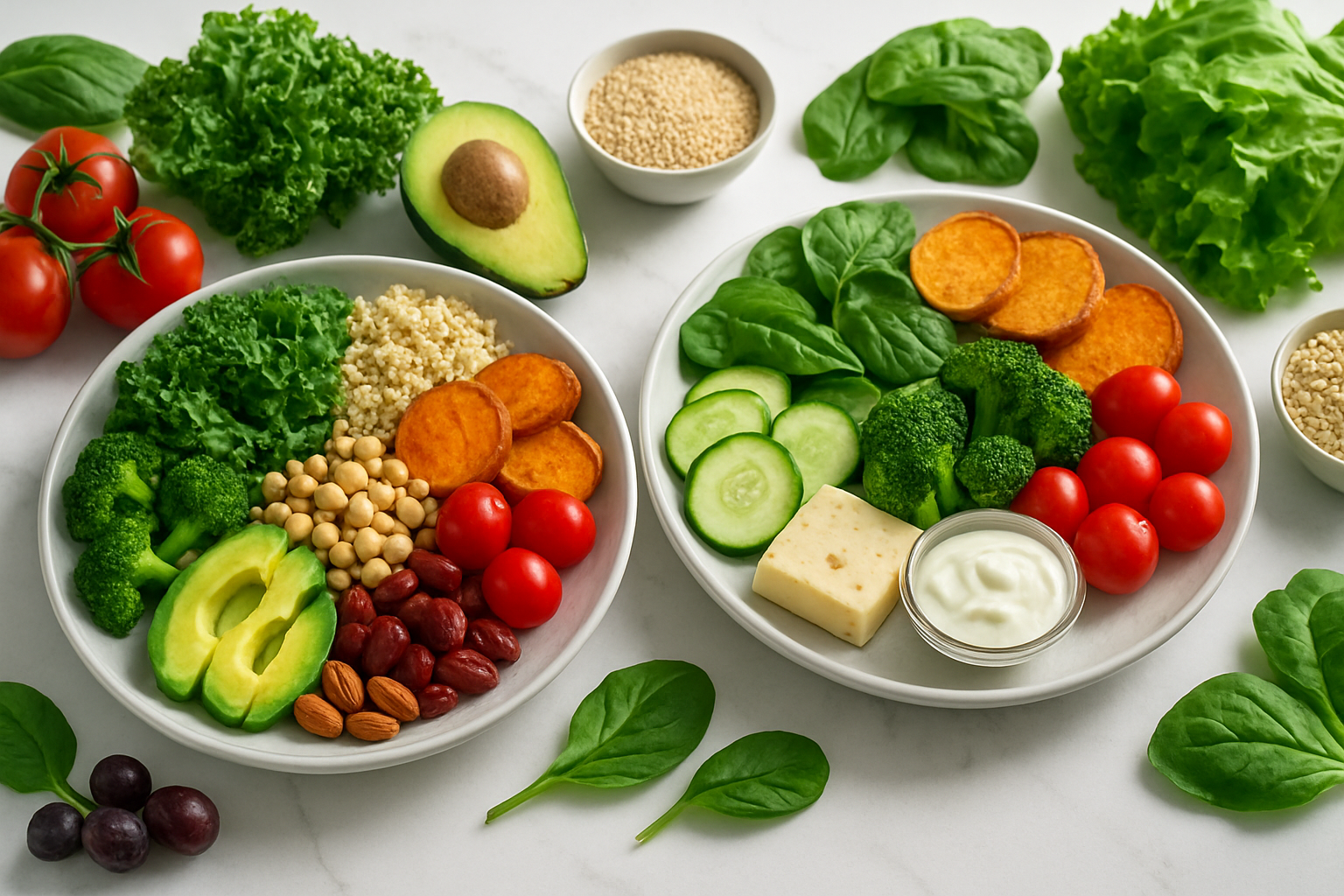
Cardiovascular Health Benefits of Both Diets
Both vegan and vegetarian diets pack a powerful punch when it comes to heart health, though they take slightly different paths to get there. Plant-based eating patterns naturally reduce saturated fat intake while boosting fiber, antioxidants, and heart-protective compounds found in fruits, vegetables, and whole grains.
Vegans typically see more dramatic improvements in cholesterol levels since they completely eliminate all animal products, including dairy and eggs. Studies show vegans often have total cholesterol levels 20-30% lower than omnivores. Their LDL (bad) cholesterol drops significantly, while maintaining healthy HDL levels through nuts, seeds, and avocados.
Vegetarians who include dairy and eggs still experience substantial cardiovascular benefits, though slightly less pronounced than their vegan counterparts. The key difference lies in the saturated fat content of dairy products, which can moderate some of the cholesterol-lowering effects.
| Diet Type | Average Cholesterol Reduction | Blood Pressure Benefits | Heart Disease Risk Reduction |
|---|---|---|---|
| Vegan | 25-35% lower total cholesterol | Significant reduction in both systolic/diastolic | Up to 42% lower risk |
| Vegetarian | 15-25% lower total cholesterol | Moderate reduction | Up to 32% lower risk |
Both diets naturally increase potassium intake while reducing sodium, creating an ideal environment for healthy blood pressure. The abundance of nitrates in leafy greens helps dilate blood vessels, improving circulation and reducing strain on the heart.
Weight Management Potential
The weight management advantages of both diets stem from their emphasis on nutrient-dense, lower-calorie foods. Vegetables, fruits, legumes, and whole grains provide bulk and satisfaction while delivering fewer calories per bite compared to animal products.
Vegans often experience more significant weight loss, particularly in the first year of adoption. The complete elimination of high-calorie animal products like cheese, butter, and meat creates a natural caloric deficit. Plant proteins require more energy to digest, slightly boosting metabolism through the thermic effect of food.
Vegetarians typically see steady, sustainable weight loss, though at a more gradual pace. The inclusion of dairy products can sometimes slow progress if portions aren’t monitored, but the overall shift toward plant foods still creates favorable conditions for weight management.
Key factors contributing to weight success:
- Higher fiber intake increases satiety and reduces overall calorie consumption
- Lower energy density of plant foods allows larger portion sizes with fewer calories
- Improved insulin sensitivity from reduced saturated fat intake
- Better gut health promoting efficient metabolism
Research indicates both diets help people maintain weight loss long-term more effectively than conventional dieting approaches. The focus on whole foods rather than processed alternatives makes a significant difference in sustainable results.
Digestive Health Improvements
The transformation in digestive health represents one of the most immediate and noticeable benefits of adopting either diet. The dramatic increase in fiber intake – often doubling or tripling previous amounts – creates a thriving environment for beneficial gut bacteria.
Vegans typically consume 50-80 grams of fiber daily compared to the standard American intake of just 15 grams. This abundance feeds good bacteria, promoting the production of short-chain fatty acids that nourish colon cells and reduce inflammation throughout the body.
Vegetarians experience similar digestive benefits, though dairy consumption can sometimes complicate the picture for those with lactose sensitivity. The removal of meat still eliminates many inflammatory compounds while providing substantial fiber increases.
Common digestive improvements include:
- More regular, comfortable bowel movements
- Reduced bloating and digestive discomfort
- Better nutrient absorption
- Stronger immune function through improved gut health
- Reduced risk of colorectal cancer
The diversity of plant foods also increases gut microbiome diversity, which correlates strongly with overall health markers. Different types of fiber from various sources create a more robust and resilient digestive ecosystem.
Longevity and Disease Prevention Outcomes
Long-term studies reveal compelling evidence that both dietary approaches significantly impact lifespan and disease risk. The Adventist Health Studies, following vegetarians for decades, show consistent patterns of increased longevity and reduced chronic disease rates.
Vegans demonstrate the strongest protective effects against type 2 diabetes, with risk reductions of up to 78% compared to omnivores. Their plant-exclusive diet optimizes insulin sensitivity and glucose metabolism while eliminating dietary cholesterol entirely.
Vegetarians show substantial disease prevention benefits, with particular strength in cancer prevention. The combination of increased antioxidants, reduced processed meat consumption, and higher phytonutrient intake creates multiple layers of cellular protection.
Disease prevention comparison:
- Cancer risk: Both diets reduce overall cancer risk by 10-15%, with strongest effects on colorectal and breast cancers
- Diabetes prevention: Vegans show 78% risk reduction, vegetarians 61% reduction
- Kidney disease: Both diets reduce progression of existing kidney disease and lower risk of developing kidney stones
- Cognitive decline: Higher antioxidant intake in both diets correlates with better brain aging and reduced dementia risk
The anti-inflammatory nature of plant-focused eating appears to slow cellular aging processes. Higher levels of antioxidants, polyphenols, and other protective compounds found abundantly in plants help combat oxidative stress that accelerates aging and disease development.
Practical Implementation Strategies

Navigate grocery shopping for each dietary approach
Shopping for vegan and vegetarian diets requires different strategies and awareness levels. Vegetarians can focus on the dairy and egg sections while avoiding meat, making their shopping trips relatively straightforward. Look for clear “vegetarian” labels on processed foods, and remember that many items like pasta, bread, and snacks naturally fit this lifestyle.
Vegans need sharper detective skills since animal products hide in unexpected places. Bread might contain eggs or milk, wine could be filtered with egg whites, and seemingly innocent items like certain sugars are processed using bone char. Download apps like HappyCow or Is It Vegan to scan barcodes quickly.
Both groups should master reading ingredient lists. Words like casein, whey, and albumin indicate dairy or egg derivatives. Stock up on versatile staples: legumes, grains, nuts, seeds, and seasonal produce form the foundation of both diets.
Shop the perimeter first – fresh fruits, vegetables, and bulk bins offer the best value and nutrition. The frozen section provides convenient backup options year-round. Many stores now feature dedicated plant-based sections, making discovery easier.
Plan meals around sales and seasonal produce to keep costs manageable. Batch cooking grains and legumes saves time and money throughout the week.
Master dining out with dietary restrictions
Restaurant dining presents unique challenges for both dietary approaches, but preparation makes the experience enjoyable rather than stressful. Vegetarians generally find more options at most establishments, with many restaurants offering dedicated vegetarian sections or clearly marked items.
Call restaurants ahead of busy dining times to discuss options. Most chefs accommodate dietary needs when given advance notice. Apps like HappyCow, Vanilla Bean, and OpenTable help identify plant-friendly restaurants in your area.
Learn key phrases for different cuisines. Italian restaurants offer pasta with marinara or aglio e olio. Mexican spots provide bean burritos, veggie fajitas, and guacamole. Indian restaurants typically have extensive vegetarian sections, while Middle Eastern cuisine offers hummus, falafel, and vegetable dishes.
Vegans should ask about cooking methods since vegetables might be prepared with butter or chicken stock. Request modifications confidently – most kitchens can prepare simple dishes like steamed vegetables, salads with oil and vinegar, or grain bowls.
Build relationships with local restaurants. Regular customers often receive better accommodation and custom preparations. Some establishments will even add items to their regular menu based on frequent requests.
Don’t hesitate to suggest restaurants to friends and family. Taking initiative in choosing venues ensures everyone has options while reducing the burden on others to research suitable places.
Build supportive community networks
Finding like-minded people strengthens your commitment and provides practical support for maintaining your chosen diet. Online communities offer 24/7 access to advice, recipes, and encouragement. Facebook groups, Reddit communities, and specialized forums connect you with people sharing similar experiences and challenges.
Local meetup groups provide face-to-face interaction and often organize potluck dinners, restaurant outings, and cooking classes. Search platforms like Meetup.com or check community boards at natural food stores and yoga studios.
Join cooking classes focused on plant-based cuisine. Community colleges, cooking schools, and even some restaurants offer these programs. You’ll learn new techniques while meeting others on similar journeys.
Volunteer at animal sanctuaries, environmental organizations, or food banks that align with your values. These activities connect you with people who share your motivations while giving back to causes you care about.
Consider starting your own group if none exist in your area. Begin with simple potluck gatherings or recipe swaps. Social media makes organizing easier than ever, and many people appreciate someone taking the initiative.
Workplace connections matter too. Start or join a company lunch group, suggest plant-based options for catered meetings, or organize group orders from vegetarian-friendly restaurants.
Handle social situations and family dynamics
Family gatherings and social events can feel overwhelming when dietary choices differ from the norm. Communication and preparation prevent awkward situations and hurt feelings.
Offer to bring dishes that fit your diet and appeal to others. This ensures you have something to eat while introducing friends and family to delicious plant-based options. Popular crowd-pleasers include veggie lasagna, colorful salads, and creative dips with vegetables.
Educate without preaching. Answer questions honestly but avoid turning social gatherings into debates about dietary choices. Share your personal reasons when asked, but respect others’ decisions and focus on enjoying time together.
Host your own gatherings where you control the menu. Invite people to experience how satisfying and delicious plant-based meals can be. Many omnivores discover new favorite dishes this way.
Prepare responses to common questions or comments. Simple, positive responses work best: “I feel great eating this way” or “I love exploring new foods.” Avoid lengthy explanations unless someone genuinely wants to learn more.
Address family concerns with patience and facts. Share reputable resources about nutritional adequacy and health benefits. Some family members worry about your wellbeing, while others might feel judged by your choices.
Travel requires extra planning. Research destinations ahead of time, pack appropriate snacks, and communicate needs to hosts or tour operators. Many cultures have traditional plant-based dishes that make traveling easier than expected.
Remember that consistency in your choices, combined with a positive attitude, often influences others more effectively than arguments or pressure.
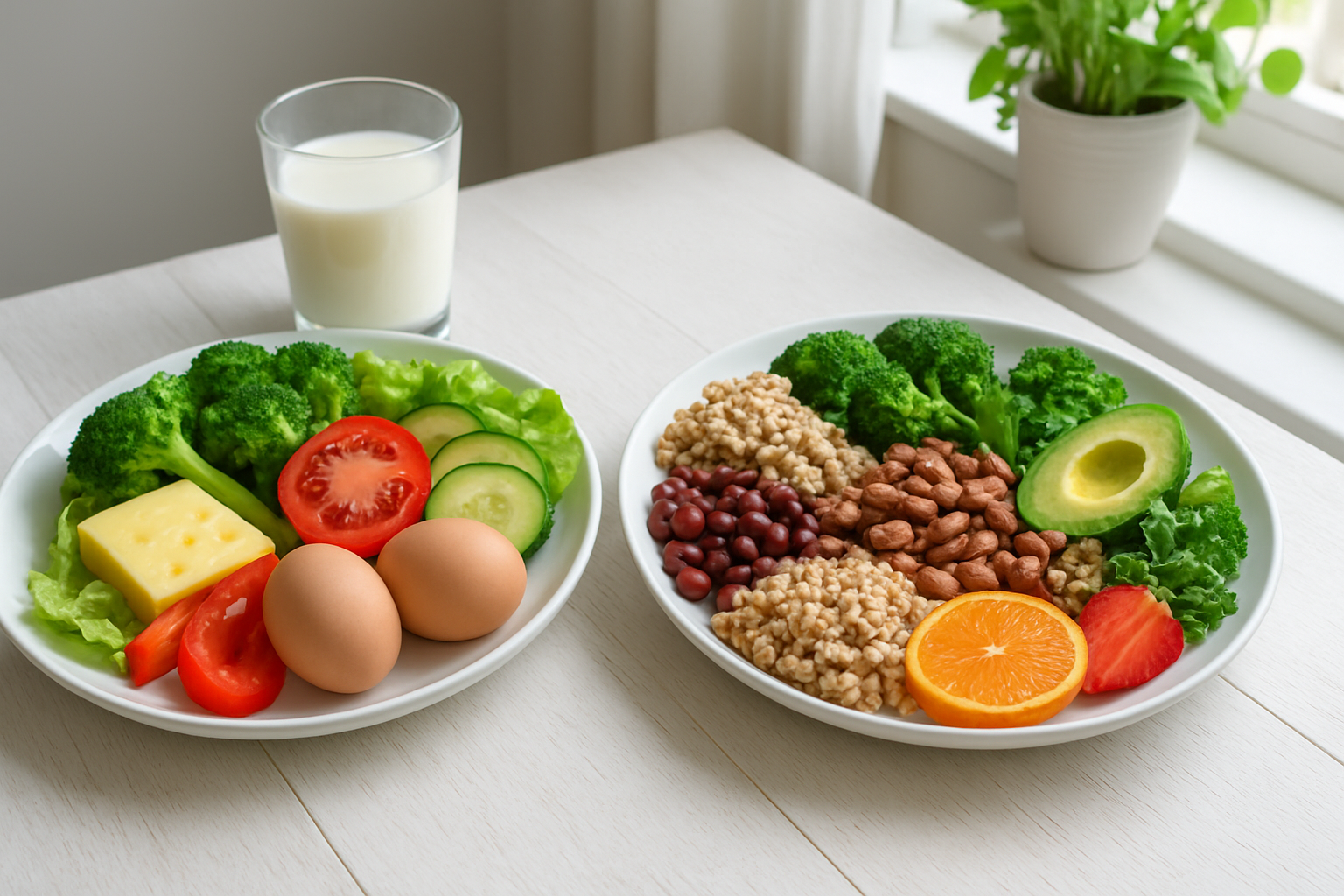
Choosing between vegan and vegetarian lifestyles comes down to your personal values, health goals, and practical needs. Both diets offer significant health benefits like reduced risk of heart disease and better weight management, but vegans need to pay extra attention to getting enough B12, iron, and protein from plant sources. Vegetarians have a bit more flexibility with dairy and eggs, making the transition easier for many people.
The best approach is to start where you feel comfortable and gradually make changes that stick. Whether you go fully vegan, embrace vegetarianism, or simply add more plant-based meals to your week, you’re making a positive impact on your health and the environment. Listen to your body, plan your meals thoughtfully, and remember that any step toward more plant-based eating is a step in the right direction.