A vegetarian diet nutrition guide can transform your health when you know which nutrients to prioritize and how to get them from plant-based sources. This comprehensive guide is designed for new vegetarians making the transition, experienced plant-eaters wanting to optimize their nutrition, and anyone curious about the health benefits of meat-free eating.
Getting proper nutrition on a vegetarian diet isn’t complicated, but it does require some planning and knowledge about key nutrients your body needs. We’ll explore the essential vitamins and minerals every vegetarian should monitor, from vitamin B12 and iron to omega-3 fatty acids and zinc. You’ll also discover the best plant-based protein sources that can easily meet your daily requirements, plus practical meal planning strategies that make balanced eating simple and sustainable.
We’ll also cover how to prevent the most common nutritional gaps that trip up many vegetarians and provide special guidance for different life stages, including pregnancy, childhood, and active lifestyles.
Essential Nutrients Every Vegetarian Needs to Thrive
Complete Protein Sources and Amino Acid Combinations
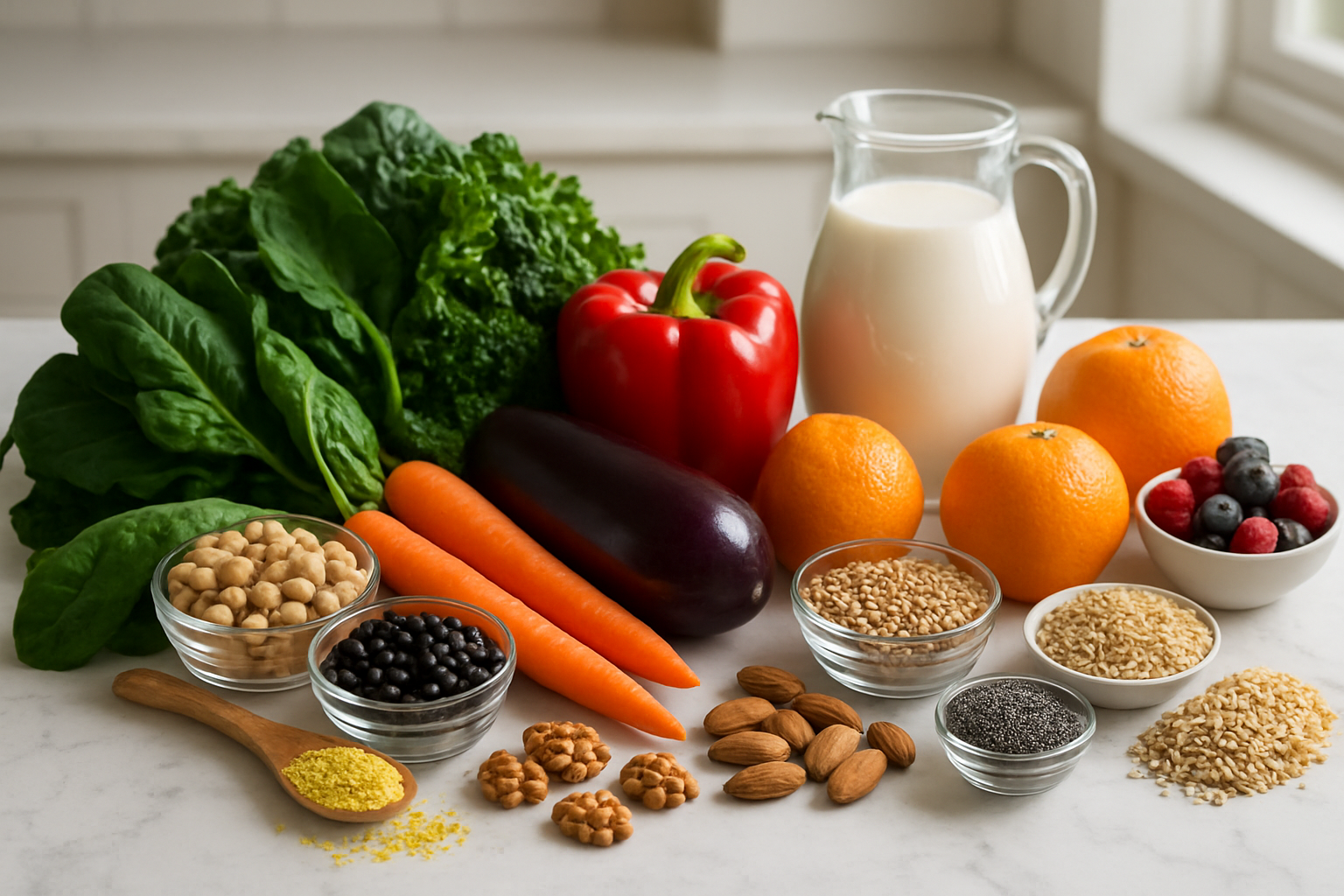
Vegetarians can easily meet their protein needs by combining different plant foods throughout the day. While animal proteins contain all essential amino acids, most plant proteins are missing one or more. The good news? You don’t need to stress about creating perfect combinations at every meal.
Complete plant proteins include:
- Quinoa
- Buckwheat
- Chia seeds
- Hemp seeds
- Spirulina
- Soy products (tofu, tempeh, edamame)
Effective amino acid combinations:
- Rice + beans or lentils
- Peanut butter + whole grain bread
- Hummus + pita bread
- Nuts + seeds
Your body maintains an amino acid pool, so eating a variety of protein sources throughout the day naturally creates complete proteins. Aim for 0.8-1.2 grams of protein per kilogram of body weight daily.
Iron-Rich Foods That Maximize Absorption
Plant-based iron (non-heme iron) requires strategic eating to boost absorption. Unlike meat-based iron, plant iron needs help crossing into your bloodstream.
Top vegetarian iron sources:
- Lentils (6.6mg per cup)
- Spinach (6.4mg per cup cooked)
- Tofu (6.6mg per cup)
- Dark chocolate (7mg per ounce)
- Pumpkin seeds (4.2mg per ounce)
Absorption boosters:
- Vitamin C-rich foods: citrus fruits, bell peppers, strawberries, tomatoes
- Cast iron cooking
- Soaking and sprouting grains and legumes
Absorption blockers to avoid with iron-rich meals:
- Coffee and tea (wait 1 hour after eating)
- Calcium supplements
- Whole grains (phytates)
Pair your iron-rich spinach salad with strawberries, or squeeze lemon on your lentil soup. These simple tweaks can double your iron absorption.
Vitamin B12 Supplementation Strategies
B12 deficiency poses the biggest nutritional risk for vegetarians since this vitamin exists almost exclusively in animal products. Your body stores B12 for years, but once depleted, deficiency symptoms include fatigue, nerve damage, and anemia.
Supplementation options:
- Daily: 250-1000 mcg
- Weekly: 2500 mcg
- Bi-weekly: 5000 mcg
Food sources for vegetarians:
- Nutritional yeast (fortified varieties)
- Plant milks (fortified)
- Breakfast cereals (fortified)
- Marmite/Vegemite
Choose cyanocobalamin over methylcobalamin for supplements – it’s more stable and research-backed. Sublingual tablets work well, but regular pills are equally effective when taken with food.
Get your B12 levels tested annually. Look for serum B12 levels above 400 pg/mL, though some experts recommend 500+ pg/mL for optimal health.
Calcium Sources Beyond Dairy Products
Vegetarians can easily meet calcium needs without dairy products. Many plant foods provide highly absorbable calcium, sometimes better than dairy sources.
| Food Source | Calcium per serving | Absorption rate |
|---|---|---|
| Bok choy (1 cup) | 158mg | 50-60% |
| Collard greens (1 cup) | 268mg | 50-60% |
| Tahini (2 tbsp) | 126mg | 20-30% |
| Fortified plant milk (1 cup) | 300mg | 30-40% |
| Almonds (1 oz) | 76mg | 20-30% |
Daily calcium strategies:
- Start your day with fortified plant milk
- Add sesame seeds or tahini to meals
- Include dark leafy greens daily
- Snack on figs and almonds
- Choose calcium-set tofu over nigari-set varieties
Absorption enhancers:
- Vitamin D (sunlight or supplements)
- Magnesium-rich foods
- Weight-bearing exercise
Absorption inhibitors:
- Excessive sodium
- Caffeine in large amounts
- Oxalates (spinach, rhubarb) – though these foods still contribute useful calcium
Aim for 1000-1200mg daily, spread throughout the day for optimal absorption.
Plant-Based Protein Powerhouses for Optimal Health
Legumes and Bean Varieties for Maximum Nutrition
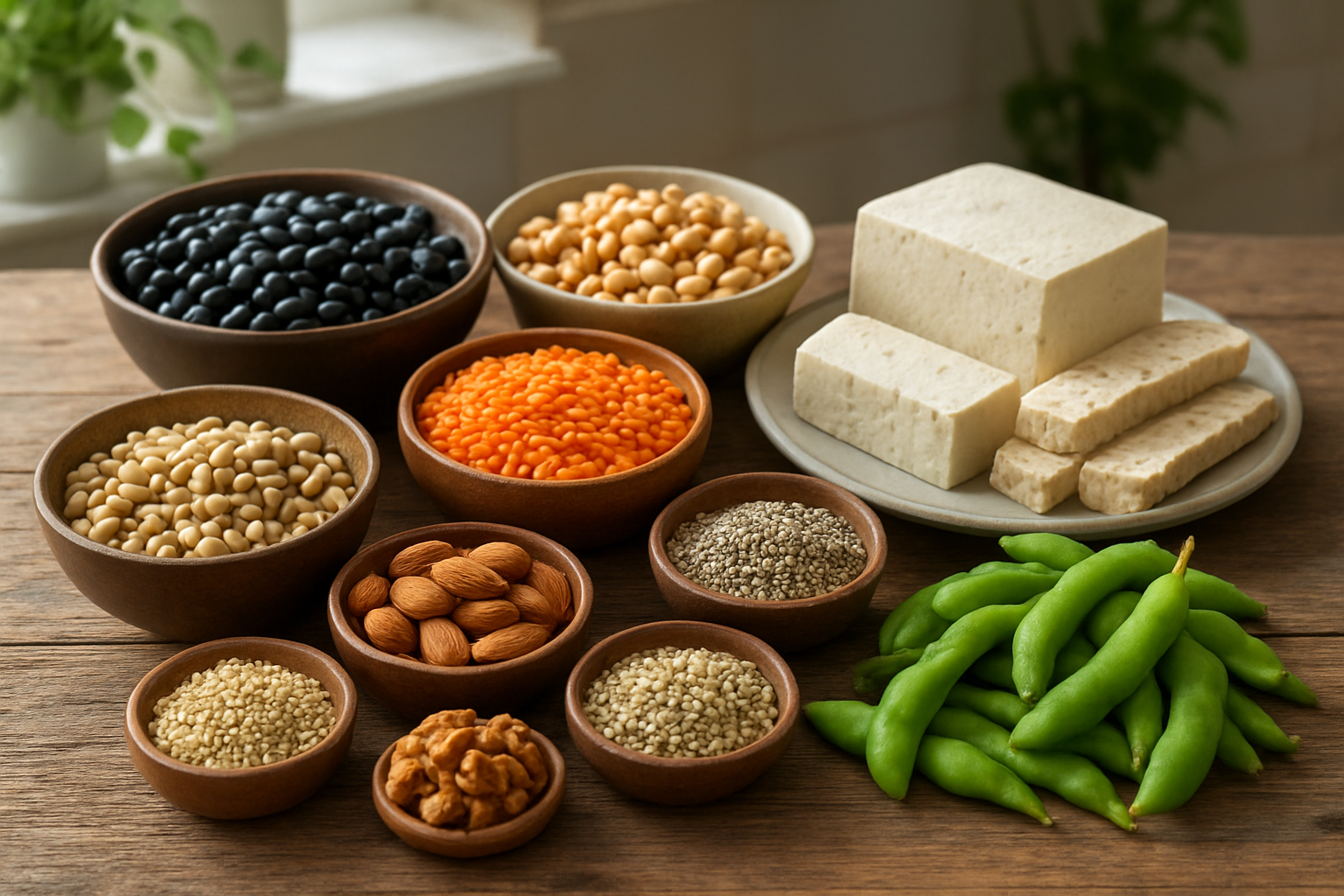
Black beans, chickpeas, lentils, and kidney beans pack serious nutritional punch that rivals any animal protein source. A single cup of cooked lentils delivers 18 grams of protein along with folate, iron, and fiber that keeps you satisfied for hours. Split peas contain nearly 16 grams of protein per cup and cook faster than most other legumes, making them perfect for busy weeknight dinners.
Different bean varieties offer unique nutritional profiles. Chickpeas provide excellent amounts of manganese and folate, while black beans shine with their high antioxidant content. Navy beans contain impressive levels of fiber and magnesium. Kidney beans offer substantial amounts of protein and potassium that supports heart health.
Preparation methods can boost nutrient absorption significantly. Soaking dried beans overnight reduces cooking time and makes nutrients more bioavailable. Adding a strip of kombu seaweed while cooking beans increases mineral content and aids digestion. Sprouting legumes before cooking creates additional vitamins and makes proteins easier to digest.
| Bean Type | Protein (per cup) | Key Nutrients | Best Uses |
|---|---|---|---|
| Lentils | 18g | Iron, Folate | Soups, curries |
| Chickpeas | 15g | Manganese, Fiber | Hummus, salads |
| Black Beans | 15g | Antioxidants, Magnesium | Burritos, bowls |
Quinoa and Ancient Grains as Complete Proteins
Quinoa stands out as nature’s perfect protein package, containing all nine essential amino acids your body can’t produce on its own. This ancient grain from South America provides 8 grams of complete protein per cooked cup, making it comparable to eggs in protein quality. The versatile seed adapts to both sweet and savory dishes while delivering magnesium, phosphorus, and manganese.
Amaranth offers another complete protein option with 9 grams per cooked cup. This tiny powerhouse contains high levels of lysine, an amino acid often limited in plant foods. Buckwheat, despite its name, contains no wheat and provides all essential amino acids along with heart-healthy rutin.
Ancient grains like spelt, kamut, and teff bring substantial protein content with unique flavors and textures. Spelt contains 11 grams of protein per cooked cup and offers a nutty taste that works beautifully in baked goods. Teff, traditional to Ethiopian cuisine, packs 10 grams of protein per cup along with significant amounts of calcium and iron.
These grains cook similarly to rice but benefit from toasting before adding liquid. Rinse quinoa thoroughly to remove bitter saponins. Batch cooking these grains saves time and creates ready-to-use protein bases for multiple meals throughout the week.
Nuts and Seeds for Healthy Fats and Protein
Hemp seeds contain all essential amino acids and provide 10 grams of protein in just three tablespoons. These tiny seeds blend seamlessly into smoothies, yogurt, or oatmeal without altering taste. Pumpkin seeds deliver 9 grams of protein per ounce along with zinc, magnesium, and healthy fats that support brain function.
Almonds provide 6 grams of protein per ounce plus vitamin E and healthy monounsaturated fats. Raw almonds can be soaked overnight to improve digestibility and nutrient absorption. Walnuts offer omega-3 fatty acids crucial for vegetarians who don’t consume fish, along with 4 grams of protein per ounce.
Chia seeds expand when mixed with liquid, creating pudding-like textures while providing 5 grams of protein per ounce. These ancient seeds also deliver omega-3s and fiber that promotes digestive health. Flax seeds require grinding for optimal nutrient absorption and provide lignans that may support hormonal balance.
Nut and seed butters concentrate these nutrients into convenient forms. Two tablespoons of almond butter provide 7 grams of protein, while tahini (sesame seed butter) offers 5 grams along with calcium. Choose varieties without added oils or sugars to maximize nutritional benefits.
Rotation prevents overconsumption of any single variety while ensuring diverse nutrient intake. Raw nuts and seeds retain more nutrients than roasted versions, though light roasting can improve digestibility for some people.
Preventing Common Vegetarian Nutritional Deficiencies
Zinc Sources and Bioavailability Enhancement
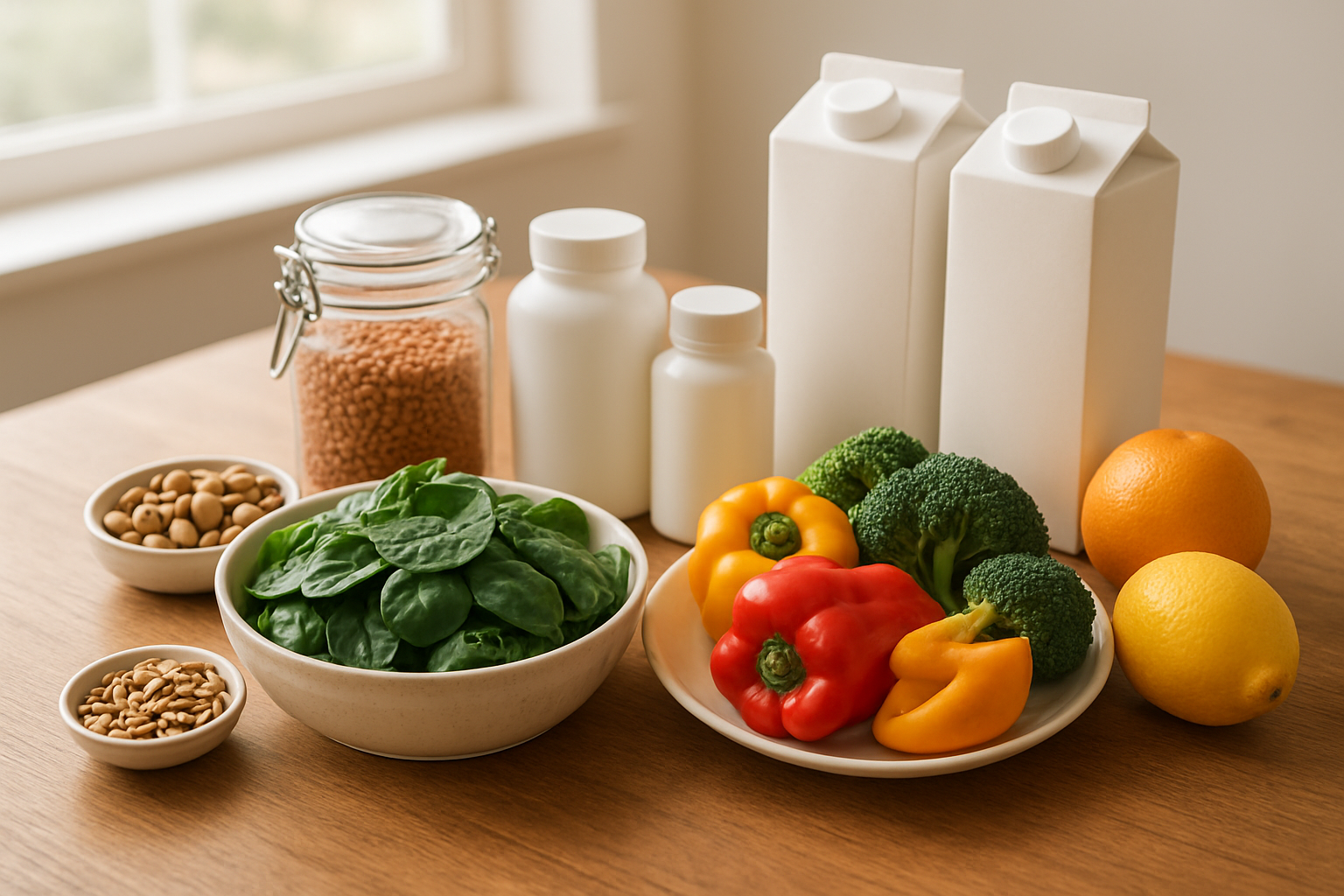
Plant-based foods contain plenty of zinc, but your body doesn’t absorb it as easily as zinc from animal products. The good news? You can boost absorption with smart food choices and preparation methods.
Top Plant-Based Zinc Sources:
- Pumpkin seeds (1 oz = 2.2mg)
- Hemp seeds (3 tbsp = 3mg)
- Chickpeas (1 cup cooked = 2.5mg)
- Cashews (1 oz = 1.6mg)
- Quinoa (1 cup cooked = 2.8mg)
- Fortified cereals (varies by brand)
Absorption Boosters:
- Soak beans and grains overnight before cooking
- Sprout seeds and legumes when possible
- Pair zinc-rich foods with protein
- Add lemon juice or vinegar to meals
- Choose fermented foods like tempeh and miso
Avoid drinking coffee or tea with zinc-rich meals, as these beverages can interfere with absorption.
Omega-3 Fatty Acids from Plant Sources
Your brain and heart need omega-3s, but fish isn’t your only option. Plant sources provide ALA (alpha-linolenic acid), which your body converts to EPA and DHA – though not as efficiently as getting them directly.
Best Plant Sources:
- Flaxseeds (ground): 2 tbsp daily
- Chia seeds: 1-2 tbsp daily
- Walnuts: 1 oz (about 14 halves)
- Hemp seeds: 3 tbsp daily
- Algae oil supplements (direct DHA/EPA source)
Maximizing Conversion:
- Grind flaxseeds fresh or buy pre-ground
- Store seeds in the refrigerator
- Limit omega-6 oils (corn, soybean, sunflower)
- Consider algae-based DHA supplements
- Eat omega-3 rich foods daily, not just occasionally
Vitamin D Optimization Through Diet and Supplements
Vitamin D is tricky for everyone, but vegetarians have fewer food sources to work with. Most of your vitamin D should come from sunlight and supplements rather than food alone.
Limited Food Sources:
- Fortified plant milks (soy, almond, oat)
- Fortified cereals
- UV-exposed mushrooms
- Nutritional yeast (some brands)
Practical Strategies:
- Get 10-30 minutes of midday sun exposure (depending on skin tone and location)
- Take a D3 supplement (2,000-4,000 IU daily for most adults)
- Choose lichen-derived D3 for a plant-based option
- Get blood levels tested annually
- Consider higher doses in winter months
Don’t rely on food alone for vitamin D – even omnivores struggle to get enough through diet.
Iron Deficiency Prevention and Treatment
Iron deficiency is common among vegetarians, but it’s completely preventable with the right approach. Plant iron (non-heme) needs a little help to be absorbed well.
Iron-Rich Plant Foods:
- Lentils (1 cup cooked = 6.6mg)
- Spinach (1 cup cooked = 6.4mg)
- Tofu (1/2 cup = 3.4mg)
- Dark chocolate (1 oz = 3.9mg)
- Fortified cereals (varies)
- Pumpkin seeds (1 oz = 4.2mg)
Absorption Enhancers:
- Vitamin C foods: citrus, berries, tomatoes, bell peppers
- Cook in cast iron cookware
- Eat iron-rich foods with meals containing meat substitutes
- Avoid tea and coffee with iron-rich meals
- Don’t take calcium supplements with iron-rich meals
Warning Signs:
- Fatigue and weakness
- Pale skin or nail beds
- Cold hands and feet
- Brittle or spoon-shaped nails
- Restless leg syndrome
Maintaining Healthy B-Vitamin Levels
B-vitamins work together as a team, and vegetarians need to pay special attention to B12, B6, and folate. Each plays a crucial role in energy production and nervous system health.
Vitamin B12 (Essential Supplement):
- Take 250-500 mcg daily or 2,500 mcg weekly
- Choose cyanocobalamin or methylcobalamin forms
- Don’t rely on nutritional yeast alone
- Get blood levels checked every 2-3 years
Other Important B-Vitamins:
| Vitamin | Best Sources | Daily Target |
|---|---|---|
| B6 | Chickpeas, potatoes, bananas | 1.3-1.7mg |
| Folate | Lentils, asparagus, spinach | 400mcg |
| Riboflavin | Almonds, mushrooms, fortified foods | 1.1-1.3mg |
| Thiamine | Sunflower seeds, nutritional yeast | 1.1-1.2mg |
Smart Combinations:
- Add nutritional yeast to popcorn, pasta, and soups
- Eat a variety of whole grains daily
- Include legumes in most meals
- Choose fortified plant milks and cereals
- Consider a B-complex supplement if you’re often tired
Meal Planning Strategies for Balanced Vegetarian Nutrition
Creating Nutrient-Dense Daily Meal Templates
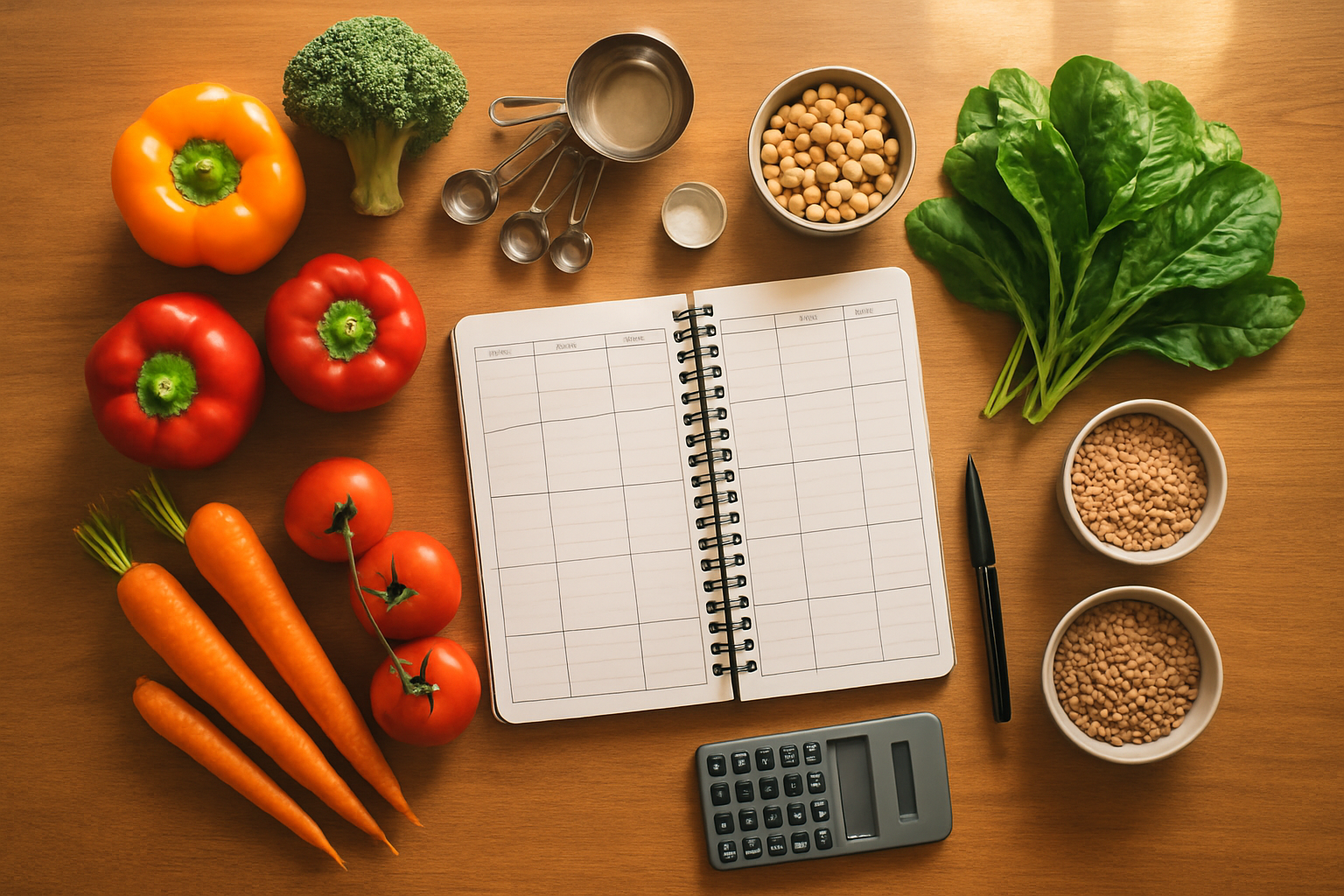
Building effective meal templates starts with understanding your nutritional needs and creating flexible frameworks that ensure balanced intake throughout the day. A well-designed template includes protein sources at every meal, combines complementary proteins for complete amino acid profiles, and incorporates a variety of colorful vegetables and fruits.
Start your day with a protein-rich breakfast template that might include options like overnight oats with chia seeds and nuts, tofu scramble with vegetables, or Greek yogurt with hemp seeds and berries. For lunch, focus on legume-based dishes paired with whole grains – think quinoa bowls with black beans, lentil soups with whole grain bread, or chickpea salads with brown rice.
Dinner templates should emphasize variety and include at least three different colored vegetables. Create rotation systems with base ingredients like tempeh, beans, or nuts paired with seasonal vegetables and different cooking methods. Keep backup options ready for busy days, such as bean and vegetable pasta or quick stir-fries with pre-cooked grains.
Design your templates to include healthy fats at each meal through sources like avocados, nuts, seeds, or olive oil. This approach ensures better nutrient absorption and sustained energy levels throughout the day.
Seasonal Eating for Maximum Vitamin Content
Eating seasonally maximizes both nutritional value and flavor while supporting your body’s changing needs throughout the year. Fresh, in-season produce contains higher vitamin and mineral concentrations compared to out-of-season alternatives that have traveled long distances or been stored for extended periods.
Spring vegetables like asparagus, spinach, and peas provide folate and vitamin K that support energy after winter months. Summer brings vitamin C-rich tomatoes, peppers, and berries that help with iron absorption – particularly important for vegetarians. Fall squashes and root vegetables offer beta-carotene and complex carbohydrates that prepare your body for colder months.
Winter calls for hearty vegetables like kale, Brussels sprouts, and citrus fruits that provide immune-supporting vitamins C and A. Root vegetables and stored grains become staples, offering sustained energy during shorter daylight hours.
Create seasonal meal rotations that take advantage of peak nutrient content. Shop at farmers markets when possible, as locally grown produce is typically harvested at optimal ripeness. Preserve seasonal abundance through freezing, dehydrating, or fermenting to extend nutritional benefits year-round.
Batch Cooking Techniques for Busy Lifestyles
Batch cooking transforms your vegetarian meal prep from overwhelming to manageable by preparing large quantities of versatile base ingredients that can be mixed and matched throughout the week. Focus on cooking grains, legumes, and roasted vegetables in large batches rather than complete meals.
Cook 2-3 different grains weekly – brown rice, quinoa, and farro work well – storing them in separate containers for easy access. Prepare large batches of different legumes like lentils, chickpeas, and black beans that can be used in salads, soups, or grain bowls. Roast sheet pans of mixed vegetables using different seasoning profiles to create variety.
Prepare versatile sauces and dressings that can transform simple ingredients into exciting meals. Make tahini dressing, pesto, curry sauce, or chimichurri in larger quantities. These flavor enhancers turn basic grain and vegetable combinations into satisfying meals.
Use freezer-friendly cooking methods for items like vegetarian chili, curry bases, or soup stocks. Portion these into single-serving containers for quick reheating. Prepare snack components like energy balls, roasted chickpeas, or cut vegetables with hummus to avoid reaching for less nutritious options when hunger strikes between meals.
Special Considerations for Different Life Stages
Vegetarian Nutrition During Pregnancy and Breastfeeding
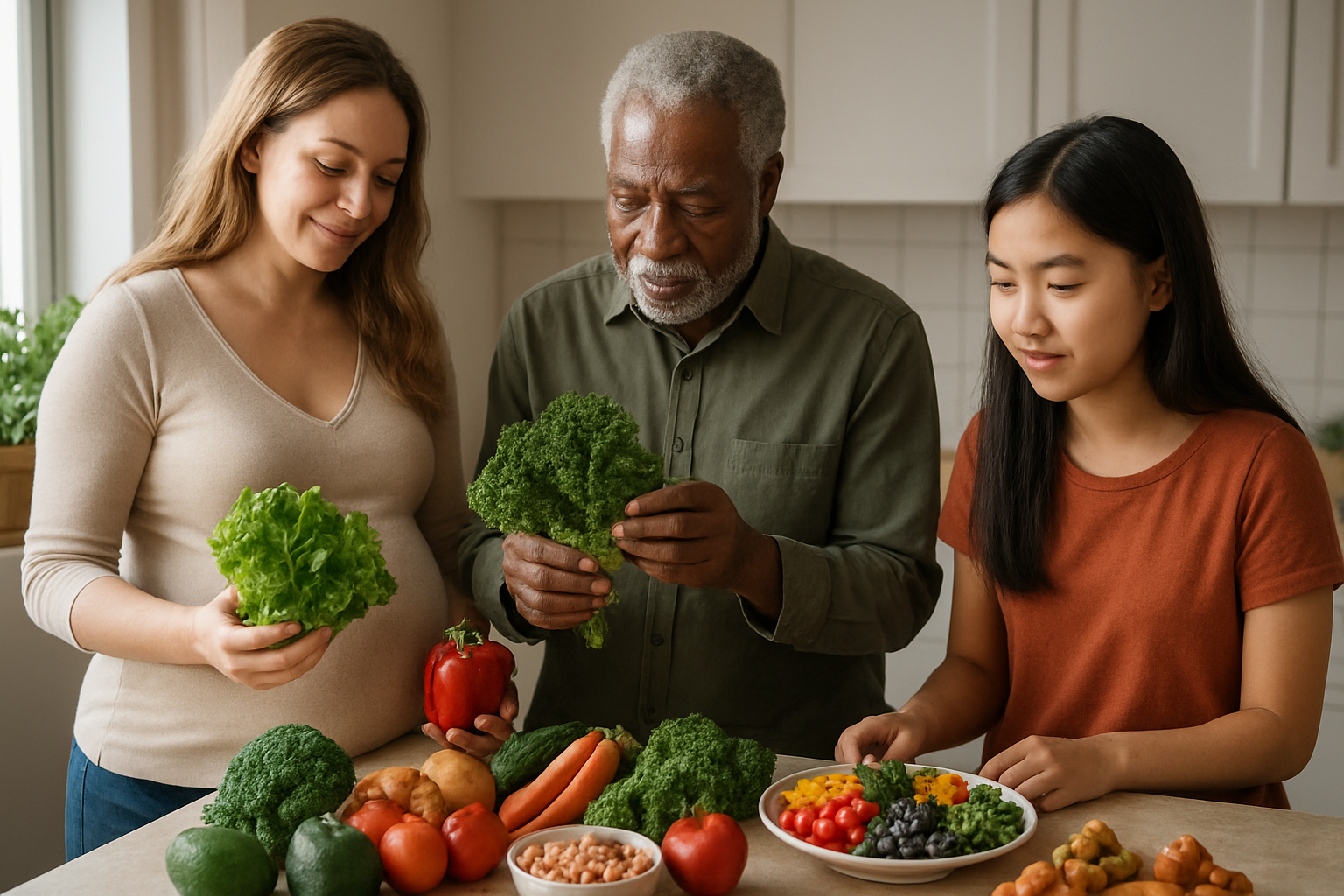
Pregnancy and breastfeeding bring unique nutritional challenges that vegetarian mothers can absolutely meet with proper planning. The body needs extra protein, iron, folate, vitamin B12, and omega-3 fatty acids during these critical periods.
Protein requirements jump to about 71 grams daily during pregnancy and 75 grams while breastfeeding. Combining legumes with whole grains creates complete proteins – think quinoa with black beans or whole wheat bread with hummus. Greek yogurt, eggs, and nuts provide high-quality protein that supports both baby’s development and mom’s health.
Iron needs double during pregnancy, making iron-rich foods essential. Dark leafy greens, lentils, pumpkin seeds, and fortified cereals help meet these demands. Pairing iron sources with vitamin C foods like bell peppers, strawberries, or citrus fruits boosts absorption significantly.
Folate prevents neural tube defects, so focus on fortified cereals, dark greens, and legumes. Prenatal vitamins containing folic acid provide extra insurance. Vitamin B12 supplementation becomes non-negotiable since deficiency can cause serious developmental problems.
DHA omega-3s support brain development. Algae-based supplements offer a vegetarian source, while flaxseeds, chia seeds, and walnuts provide ALA omega-3s that the body converts to DHA, though less efficiently.
| Nutrient | Daily Need | Best Vegetarian Sources |
|---|---|---|
| Protein | 71-75g | Quinoa, lentils, Greek yogurt, nuts |
| Iron | 27mg | Spinach, pumpkin seeds, fortified cereals |
| Folate | 600mcg | Dark greens, fortified grains, legumes |
| B12 | 2.6-2.8mcg | Supplements, fortified foods |
Meeting Growing Children’s Nutritional Needs
Children on vegetarian diets can grow strong and healthy when parents pay attention to key nutrients that support rapid development. Growing bodies need adequate calories, protein, iron, calcium, vitamin D, and vitamin B12 to reach their full potential.
Protein needs vary by age, but toddlers need about 13 grams daily while teenagers may need 50+ grams. Offer variety throughout the day: scrambled eggs for breakfast, almond butter sandwich for lunch, and bean-based pasta for dinner. Dairy products, if included, provide complete proteins plus calcium.
Iron deficiency can impact cognitive development and energy levels. Serve iron-rich foods like fortified cereals, tofu, and dried fruits. Avoid giving milk or tea with iron-rich meals since these can block absorption. Instead, offer orange slices or tomatoes to boost iron uptake.
Calcium builds strong bones during peak growth years. Dairy products provide obvious sources, but sesame seeds, almonds, and fortified plant milks work too. Many kids love smoothies made with fortified soy or oat milk, which sneaks in extra nutrition.
Vitamin B12 deficiency can cause irreversible nerve damage in children, making supplementation crucial. Many pediatricians recommend B12 drops or chewable tablets designed for kids. Regular blood tests help monitor levels and catch deficiencies early.
Energy-dense foods help active children maintain healthy weight. Nuts, seeds, avocados, and whole grains provide concentrated calories that fuel busy days without filling up tiny stomachs too quickly.
Active Lifestyle and Athletic Performance Requirements
Athletic vegetarians can absolutely compete at the highest levels with strategic nutrition planning. Plant-based diets may even offer performance advantages through reduced inflammation and improved recovery times.
Protein timing matters more than total amount for athletes. Aim for 20-25 grams within 30 minutes after workouts to maximize muscle protein synthesis. Chocolate soy milk provides an ideal recovery drink with the right carb-to-protein ratio. Hemp seeds, spirulina, and protein powders made from peas or rice can boost daily protein intake.
Carbohydrate needs skyrocket for endurance athletes – sometimes 6-10 grams per kilogram of body weight. Quinoa, sweet potatoes, oats, and fruits provide sustained energy. Pre-workout meals should emphasize easily digestible carbs while post-workout nutrition should include both carbs and protein.
Iron deficiency affects many female athletes regardless of diet, but vegetarians face higher risks. Regular blood testing helps catch low levels early. Combining iron sources with vitamin C while avoiding calcium-rich foods during iron-heavy meals optimizes absorption.
Creatine supplementation may benefit vegetarian athletes since plant foods contain minimal amounts. This compound helps with explosive movements and short bursts of high intensity. Most research uses 3-5 grams daily for maintenance after a loading phase.
Hydration and electrolyte balance become even more critical during intense training. Natural options like coconut water provide potassium, while adding a pinch of sea salt to water helps replace sodium lost through sweat.
Senior Health and Age-Related Nutritional Changes
Aging brings changes in metabolism, appetite, and nutrient absorption that require adjustments to vegetarian eating patterns. Seniors often need fewer calories but more concentrated nutrition to maintain health and independence.
Muscle mass naturally declines after age 30, accelerating after 50. Protein needs actually increase with age – about 1.2 grams per kilogram of body weight compared to 0.8 grams for younger adults. Easy-to-chew options like Greek yogurt, soft tofu, and protein smoothies work well for those with dental issues.
Vitamin B12 absorption decreases dramatically with age due to reduced stomach acid production. Many seniors need higher doses or sublingual forms that bypass the digestive system. Regular monitoring becomes essential since deficiency can mimic dementia symptoms.
Calcium and vitamin D work together for bone health, becoming increasingly important as osteoporosis risk rises. Fortified foods help, but supplements often become necessary. Weight-bearing exercise amplifies benefits from adequate nutrition.
Appetite changes can lead to unintentional weight loss and nutrient deficiencies. Smaller, frequent meals often work better than traditional three-meal patterns. Adding healthy fats like olive oil, nuts, and avocados increases calorie density without requiring large portions.
Medication interactions become more complex with age. Some blood pressure medications affect potassium levels, while others interact with vitamin K from leafy greens. Working with healthcare providers helps navigate these challenges while maintaining nutritious vegetarian eating patterns.
Digestive changes may require softer textures and easier-to-digest options. Cooked vegetables often work better than raw ones, while soups and smoothies provide nutrition in gentler forms.
Getting all the nutrients you need as a vegetarian isn’t complicated once you know what to focus on. By including protein-rich plants like beans, lentils, and quinoa in your meals, keeping an eye on key nutrients like B12 and iron, and planning your meals thoughtfully, you can easily meet all your nutritional needs. The key is variety – the more colorful and diverse your plate, the better your chances of getting everything your body craves.
Remember that your nutritional needs might change as you go through different stages of life, so stay flexible and adjust your eating habits accordingly. Start small by swapping one or two meals a week with vegetarian options, and gradually build from there. Your body will thank you for the extra fiber, antioxidants, and plant power – and you might just discover some amazing new flavors along the way.