Vitamin K1 plays a crucial role in blood clotting and bone health, yet many people don’t get enough of this essential nutrient in their daily diet. This guide is for anyone wanting to understand how vitamin K1 supports their body and how to make sure they’re getting adequate amounts.
We’ll explore the key health benefits of vitamin K1, including how it helps your blood clot properly and supports strong bones. You’ll also learn to spot the warning signs of vitamin K1 deficiency and discover which foods pack the biggest nutritional punch. Finally, we’ll cover smart supplementation strategies to help you maintain optimal vitamin K1 levels for better overall health.
Understanding Vitamin K1 and Its Essential Role in Your Health
What makes Vitamin K1 different from other vitamins
Vitamin K1, scientifically known as phylloquinone, belongs to the fat-soluble vitamin family alongside vitamins A, D, and E. Unlike water-soluble vitamins that your body flushes out regularly, K1 gets stored in your liver and fatty tissues, creating a reserve you can tap into when dietary intake falls short.
The “K” stands for “koagulation,” the German word for coagulation, which hints at its primary role in blood clotting. What sets K1 apart from its cousin, vitamin K2, lies in its molecular structure and biological activity. K1 features a phytyl side chain that makes it the predominant form found in green plants, while K2 contains menaquinone structures typically produced by bacteria.
Your body treats these two forms quite differently. K1 primarily handles blood coagulation duties, while K2 focuses more on bone and cardiovascular health. This specialization means you can’t simply substitute one for the other and expect identical results.
Another distinctive feature of K1 is its rapid turnover rate. Your body uses and recycles K1 much faster than other fat-soluble vitamins, which explains why deficiency can develop relatively quickly despite its fat-soluble nature. This unique recycling process, called the vitamin K cycle, allows your body to maximize every molecule of K1 you consume.
How your body processes and utilizes Vitamin K1
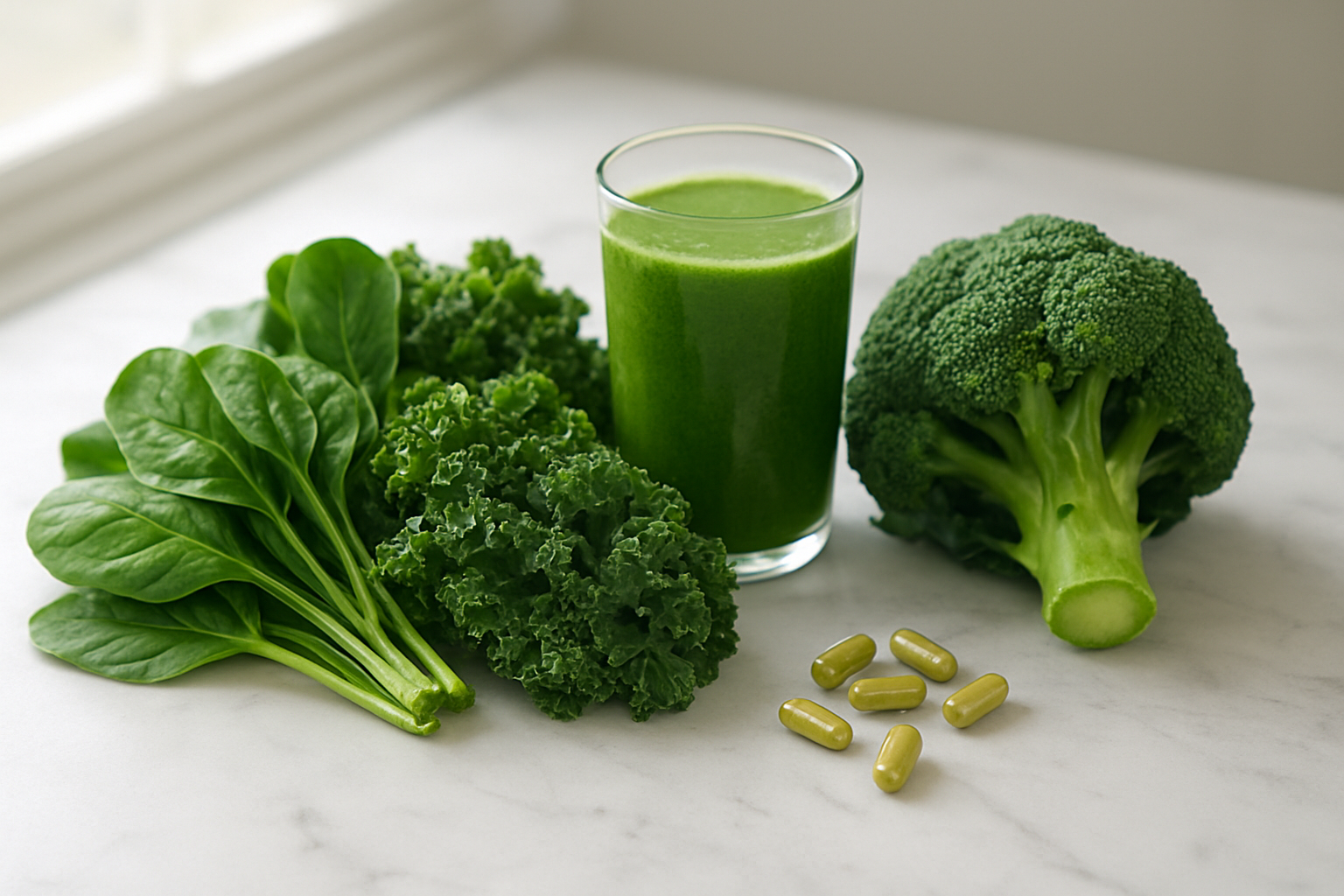
When you eat K1-rich foods like spinach or broccoli, your digestive system breaks down the food matrix to release the vitamin. Since K1 is fat-soluble, it needs dietary fats for proper absorption. This process happens in your small intestine, where bile acids help create micelles that package the vitamin for transport.
Once absorbed, K1 travels through your lymphatic system before entering your bloodstream. Your liver acts as the primary storage depot, holding about 90% of your body’s K1 reserves. From there, your body distributes K1 to tissues that need it most urgently.
The magic happens at the cellular level through a process called gamma-carboxylation. K1 serves as a cofactor for the enzyme gamma-glutamyl carboxylase, which activates specific proteins by adding carbon dioxide groups to glutamic acid residues. This activation transforms inactive precursor proteins into fully functional forms.
During this process, K1 gets oxidized to vitamin K epoxide, which then gets recycled back to its active form through the vitamin K cycle. This recycling system is incredibly efficient, allowing your body to reuse the same K1 molecules multiple times. However, some K1 gets lost during each cycle, which is why you need regular dietary intake to maintain adequate levels.
Why Vitamin K1 is crucial for optimal health
K1’s most critical job involves activating clotting factors II, VII, IX, and X, plus proteins C and S, which regulate the entire blood coagulation cascade. Without adequate K1, your blood can’t form proper clots, leading to excessive bleeding from even minor cuts. This function becomes life-threatening during surgery or traumatic injuries.
Beyond blood clotting, K1 plays supporting roles in bone metabolism by activating osteocalcin, a protein that binds calcium to bone matrix. While K2 handles most bone health duties, K1 contributes to this process, especially when K2 levels run low.
Recent research reveals K1’s involvement in cellular energy production and antioxidant protection. Some studies suggest K1 may help protect against oxidative stress in brain cells, potentially supporting cognitive function as you age.
K1 also influences insulin sensitivity and glucose metabolism, though the mechanisms remain under investigation. Some evidence points to K1’s role in activating proteins involved in energy metabolism, which could impact blood sugar control.
During pregnancy and infancy, K1 becomes especially critical. Newborns have limited K1 stores and immature gut bacteria that can’t produce adequate amounts, making them vulnerable to vitamin K deficiency bleeding (VKDB), a potentially fatal condition.
The science behind Vitamin K1’s unique properties
The molecular structure of K1 determines its biological activity and absorption characteristics. Its quinone ring system allows it to participate in electron transfer reactions, while the phytyl tail anchors it in cellular membranes. This structure makes K1 particularly effective at activating proteins involved in blood coagulation.
K1’s absorption rate varies dramatically based on food matrix and preparation methods. Raw leafy greens provide only 5-15% bioavailability, while chopped, cooked greens with added fats can reach 40-50% absorption. This happens because cooking breaks down cell walls and fiber that trap K1, while fats enhance the formation of absorption-promoting micelles.
The vitamin K antagonist warfarin works by blocking the vitamin K cycle, preventing K1 recycling and creating a functional deficiency even when dietary intake appears adequate. This mechanism explains why people taking blood thinners need careful monitoring of their K1 intake.
Genetic variations in the VKORC1 gene affect how efficiently your body recycles K1. Some people need higher K1 intakes due to less efficient recycling, while others maintain adequate status with lower intakes. These genetic differences help explain why vitamin K requirements vary significantly between individuals.
Storage and stability present unique challenges for K1. Light exposure rapidly degrades the vitamin, which is why K1-rich vegetables lose potency when stored improperly. Freezing generally preserves K1 content better than prolonged refrigeration, making frozen vegetables a reliable source during off-seasons.
Discover the Life-Changing Health Benefits of Vitamin K1

Strengthen your bones and prevent fractures naturally
Vitamin K1 plays a crucial role in bone metabolism by activating osteocalcin, a protein that binds calcium to your bone matrix. Without adequate K1, your bones can’t properly utilize the calcium you consume, leading to weaker bone structure and increased fracture risk. Research shows that people with higher K1 intake have significantly better bone density and reduced hip fracture rates.
Your body uses K1 to produce gamma-carboxylated osteocalcin, which acts like cement for your bones. When K1 levels are low, osteocalcin remains inactive, creating gaps in bone mineralization. This is particularly important for older adults, as K1 deficiency combined with age-related bone loss can accelerate osteoporosis development.
Studies demonstrate that increasing K1 intake can slow bone loss by up to 50% in postmenopausal women. The vitamin works synergistically with calcium and vitamin D, creating a powerful trio for bone health. Regular K1 consumption helps maintain the delicate balance between bone formation and breakdown throughout your lifetime.
Support healthy blood clotting and wound healing
Vitamin K1 earned its name from the German word “koagulation” because of its essential role in blood clotting. Your liver converts K1 into the active form that produces clotting factors II, VII, IX, and X. These proteins work together to form blood clots that stop bleeding when you’re injured.
Without sufficient K1, your blood loses its ability to clot properly, leading to excessive bleeding from minor cuts or internal bleeding that won’t stop. This can be life-threatening during surgery or traumatic injuries. K1 also activates proteins that regulate clot breakdown once healing is complete, preventing dangerous blood clots from forming in your circulation.
The vitamin accelerates wound healing by supporting the formation of new blood vessels and tissue repair. K1 helps activate proteins involved in cell growth and regeneration, making cuts heal faster and reducing scar formation. Your skin’s repair mechanisms depend heavily on adequate K1 levels to function optimally.
Protect your heart and cardiovascular system
Beyond bone health, K1 plays a protective role for your cardiovascular system by preventing calcium buildup in your arteries. The vitamin activates matrix Gla protein (MGP), which acts as a calcium regulator, directing calcium to your bones rather than allowing it to accumulate in soft tissues like arteries.
When K1 levels are inadequate, calcium deposits form in artery walls, creating rigid, narrow passages that restrict blood flow. This arterial calcification significantly increases your risk of heart disease, stroke, and high blood pressure. Studies show that people with higher K1 intake have more flexible arteries and better cardiovascular health markers.
K1 also supports healthy blood vessel function by maintaining the integrity of arterial walls. The vitamin helps produce proteins that keep blood vessels elastic and responsive to changes in blood flow. Regular K1 consumption has been linked to reduced cardiovascular mortality and lower rates of coronary heart disease across multiple population studies.
Boost your immune system function
Recent research reveals that K1 supports immune system function through several mechanisms. The vitamin helps regulate inflammatory responses, preventing excessive inflammation that can damage healthy tissues while maintaining the body’s ability to fight infections effectively.
K1 influences immune cell development and function, particularly in the production of certain white blood cells. The vitamin supports the maturation of immune cells in bone marrow and helps maintain their proper functioning throughout the body. This creates a more robust immune response to pathogens and foreign substances.
The anti-inflammatory properties of K1 help reduce chronic inflammation, which can weaken immune function over time. By controlling inflammatory markers, K1 allows your immune system to focus its energy on fighting actual threats rather than dealing with ongoing internal inflammation.
Maintain healthy skin and reduce aging signs
Your skin contains significant amounts of K1, which supports cellular repair and regeneration processes. The vitamin helps maintain skin elasticity by supporting collagen production and preventing the breakdown of existing collagen fibers. This keeps your skin firm, smooth, and youthful-looking.
K1 also plays a role in reducing dark circles under your eyes by strengthening capillary walls and improving blood circulation. Poor circulation and fragile blood vessels contribute to the appearance of dark circles, while adequate K1 helps maintain healthy blood flow in these delicate areas.
The vitamin’s anti-inflammatory properties benefit skin health by reducing redness, irritation, and inflammatory skin conditions. K1 helps speed up healing of minor skin injuries and may reduce the appearance of scars and blemishes. Some skincare products now include K1 specifically for its healing and anti-aging properties.
Recognize and Address Vitamin K1 Deficiency Before It’s Too Late

Warning signs your body needs more Vitamin K1
Bruising easily is often the first red flag that your body is crying out for more vitamin K1. If you notice purple marks appearing after minor bumps or find yourself developing bruises without remembering how they got there, your blood clotting system might be compromised. Small cuts that take unusually long to stop bleeding also signal potential deficiency.
Your gums can reveal a lot about your vitamin K1 status. Bleeding when you brush or floss, even with gentle pressure, often indicates insufficient levels. Nosebleeds that happen frequently or last longer than normal are another warning sign your body shouldn’t ignore.
Heavy menstrual bleeding that suddenly becomes more severe or prolonged can point to vitamin K1 deficiency. Women who experience flooding or clotting during their cycles should consider their vitamin K1 intake as a potential factor.
Bone-related symptoms develop more subtly. Frequent fractures from minor falls, persistent bone pain, or osteoporosis diagnosed at a younger age than expected can all connect to inadequate vitamin K1 levels affecting bone metabolism.
Blood tests revealing elevated INR (International Normalized Ratio) values without anticoagulant medication use indicate poor clotting function. Your doctor might notice prolonged PT (Prothrombin Time) results during routine lab work.
Who faces the highest risk of deficiency
Newborn babies top the list of those vulnerable to vitamin K1 deficiency. Their immature digestive systems lack the beneficial bacteria needed to produce vitamin K, and breast milk contains relatively low amounts. This is why vitamin K injections are standard practice in hospitals worldwide.
People with fat malabsorption disorders face significant challenges getting enough vitamin K1. Celiac disease, Crohn’s disease, ulcerative colitis, and cystic fibrosis all interfere with the body’s ability to absorb fat-soluble vitamins like K1. Those who’ve had gastric bypass surgery or portions of their small intestine removed also struggle with absorption.
Individuals taking certain medications walk a tightrope with vitamin K1 levels. Long-term antibiotic use destroys gut bacteria that produce vitamin K, while cholesterol-lowering medications can reduce absorption. People on warfarin or other blood thinners need careful monitoring since their medication directly opposes vitamin K1’s clotting functions.
Elderly adults often develop deficiency due to multiple factors converging. Poor appetite, limited food variety, medication interactions, and age-related digestive changes create perfect storm conditions. Those living in nursing homes or with limited access to fresh vegetables are particularly vulnerable.
People following extremely restrictive diets, including those avoiding all green vegetables or following certain weight-loss programs, may inadvertently cut out their primary vitamin K1 sources.
How deficiency impacts your long-term health
Severe vitamin K1 deficiency sets the stage for life-threatening bleeding episodes. Internal hemorrhaging can occur spontaneously, particularly dangerous in the brain where even small bleeds can cause strokes or permanent neurological damage. Gastrointestinal bleeding may develop gradually, leading to anemia and weakness before becoming apparent.
Bone health deteriorates significantly with chronic vitamin K1 inadequacy. Without sufficient vitamin K1, your body cannot properly activate osteocalcin, the protein responsible for binding calcium to bone matrix. This leads to weaker bone structure, increased fracture risk, and accelerated bone loss that mimics osteoporosis.
Cardiovascular consequences unfold over years of deficiency. Vitamin K1 activates matrix Gla protein, which prevents calcium from depositing in arteries. Without adequate activation, calcium builds up in blood vessel walls, contributing to atherosclerosis and increasing heart disease risk. This process happens silently until symptoms like chest pain or shortness of breath appear.
The immune system suffers when vitamin K1 levels remain low. White blood cell function becomes impaired, making you more susceptible to infections that healthy individuals would easily fight off. Wound healing slows dramatically, with cuts and surgical incisions taking weeks longer to close properly.
Cognitive function may decline with prolonged deficiency. Research suggests vitamin K1 plays roles in brain metabolism and myelin sheath formation. Some studies link low vitamin K status to increased dementia risk and cognitive decline in older adults, though more research is needed to establish definitive connections.
Top Food Sources to Maximize Your Vitamin K1 Intake

Leafy Greens That Pack the Most Nutritional Punch
Kale stands as the undisputed champion of vitamin K1 sources, delivering an impressive 684 micrograms per cup of raw leaves – that’s over 500% of your daily needs. Dark, curly varieties contain the highest concentrations, making them your best bet for maximizing intake. Spinach comes in as a close second, providing 145 micrograms per cup when raw, though cooking actually increases bioavailability by breaking down cell walls.
Swiss chard offers a colorful alternative with 299 micrograms per cup, while collard greens provide 184 micrograms. Don’t overlook arugula, which packs 22 micrograms per cup and adds a peppery kick to salads. Romaine lettuce might seem mild, but it contributes 48 micrograms per cup – perfect for those who prefer gentler flavors.
The key is variety and freshness. Younger leaves typically contain higher vitamin K1 concentrations than older, tougher ones. Store your greens properly by keeping them dry and refrigerated, as vitamin K1 degrades when exposed to light and air.
Vegetables and Herbs Rich in Vitamin K1
Beyond leafy greens, several vegetables and herbs serve as excellent vitamin K1 sources. Broccoli delivers 92 micrograms per cup, making it a family-friendly option that even picky eaters might enjoy. Brussels sprouts provide 156 micrograms per cup when cooked, and their naturally sweet flavor develops beautifully when roasted.
Green beans contribute 20 micrograms per cup, while asparagus offers 56 micrograms. Cabbage, often overlooked, provides 22 micrograms per cup and works wonderfully in slaws and stir-fries.
Fresh herbs deserve special attention for their concentrated vitamin K1 content:
| Herb | Vitamin K1 (per tablespoon) |
|---|---|
| Parsley | 62 micrograms |
| Basil | 22 micrograms |
| Cilantro | 16 micrograms |
| Chives | 8 micrograms |
Green onions (scallions) add 19 micrograms per quarter-cup, while celery provides 7 micrograms per stalk. Even cucumber contributes 4 micrograms per cup, making it easy to add vitamin K1 to your daily routine through simple snacks.
Smart Meal Planning Strategies for Optimal Absorption
Vitamin K1 is fat-soluble, meaning your body absorbs it best when consumed with healthy fats. Drizzle olive oil over your kale salad, add avocado to your spinach smoothie, or sauté your greens in coconut oil. Even a small amount of fat – just a teaspoon – significantly improves absorption rates.
Timing matters too. Spreading your vitamin K1 intake throughout the day allows for better utilization than consuming large amounts at once. Add spinach to your morning omelet, enjoy a mixed greens salad at lunch, and include steamed broccoli with dinner.
Meal prep becomes your secret weapon here. Wash and chop your greens immediately after shopping, storing them in airtight containers with paper towels to absorb moisture. Pre-made salad mixes stay fresh longer and remove the excuse of not having time to prepare nutritious meals.
Raw versus cooked presents an interesting consideration. While cooking can reduce some vitamin K1 content, it also makes nutrients more bioavailable and easier to digest. Light steaming or sautéing represents the sweet spot – enough heat to break down tough fibers without destroying the vitamin.
Consider pairing vitamin K1-rich foods strategically. Tomatoes contain compounds that enhance nutrient absorption, making them perfect partners for leafy greens. Lemon juice not only adds flavor but also provides vitamin C, which supports overall nutrient uptake.
Batch cooking soups and stews with multiple vitamin K1 sources creates convenient, nutrient-dense meals you can portion and freeze. One pot might include kale, Swiss chard, and fresh herbs, delivering multiple servings of concentrated nutrition.
Optimize Your Vitamin K1 Supplementation Strategy
When supplements become necessary for your health
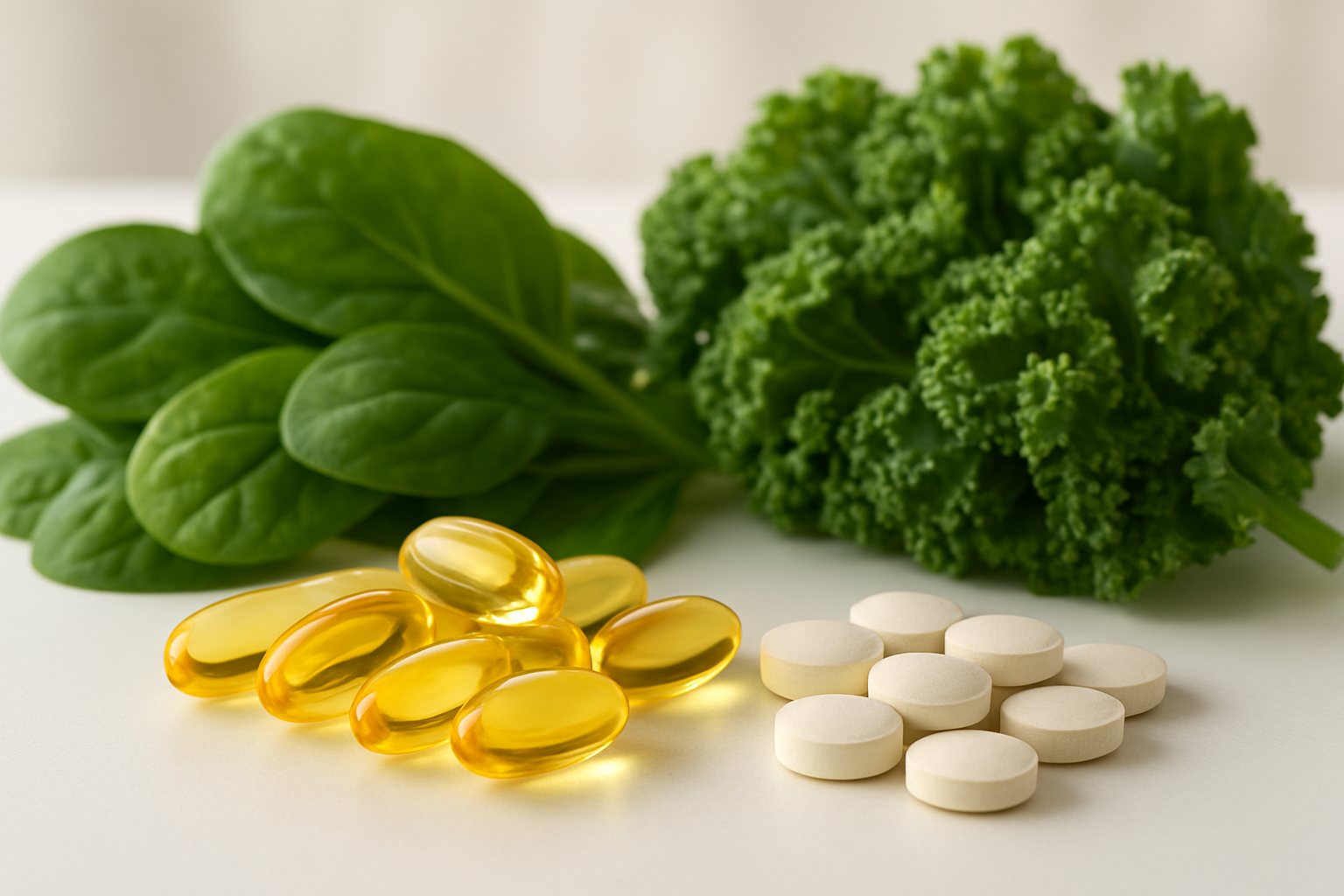
Most people can get enough vitamin K1 through a balanced diet rich in leafy greens. But several situations make supplementation the smarter choice. If you’re taking blood-thinning medications like warfarin, your doctor might actually recommend controlled vitamin K1 supplementation to maintain consistent levels rather than avoiding it entirely. This approach helps stabilize your medication’s effectiveness.
Malabsorption issues create another clear need for supplements. Conditions like celiac disease, Crohn’s disease, or liver disorders can prevent your body from properly absorbing fat-soluble vitamins, including K1. People who’ve had gastric bypass surgery often fall into this category too.
Antibiotic use wipes out gut bacteria that help produce vitamin K, making temporary supplementation valuable during and after treatment. Newborns routinely receive vitamin K1 injections because they’re born with low levels and breast milk doesn’t provide enough.
If you follow a strict diet that eliminates most vegetables, struggle with severe food allergies, or have chronic digestive problems, supplements become essential rather than optional.
Choose the right dosage for your specific needs
The adequate intake for vitamin K1 varies significantly by age and gender. Adult men need about 120 micrograms daily, while women require 90 micrograms. Pregnant and breastfeeding women should stick to these same amounts unless their healthcare provider suggests otherwise.
Most vitamin K1 supplements come in doses ranging from 100 to 500 micrograms. For general health maintenance, 100-200 micrograms daily typically covers your needs without going overboard. People with malabsorption issues might need higher doses, sometimes 1,000-5,000 micrograms, but this requires medical supervision.
| Situation | Typical Daily Dose | Notes |
|---|---|---|
| General health | 100-200 mcg | Covers dietary gaps |
| Malabsorption | 1,000-5,000 mcg | Requires monitoring |
| Blood thinner users | As prescribed | Doctor-determined only |
Start with lower doses and gradually increase if needed. Your body stores vitamin K1 in the liver, so you don’t need massive amounts. Taking too much won’t hurt you directly since K1 has low toxicity, but it can interfere with other nutrients and medications.
Avoid dangerous interactions with medications
Vitamin K1’s most serious interaction happens with anticoagulant medications, particularly warfarin (Coumadin). These drugs work by blocking vitamin K’s role in blood clotting, so adding K1 supplements can reduce their effectiveness. This doesn’t mean you should avoid vitamin K1 entirely – inconsistent intake causes more problems than steady, moderate consumption.
If you take warfarin, work closely with your doctor to establish a consistent vitamin K1 routine. Many doctors now recommend maintaining steady vitamin K1 levels rather than restricting them completely. This approach leads to more stable blood clotting times and easier medication management.
Antibiotics can reduce vitamin K1 levels by killing beneficial gut bacteria, but they don’t directly interact with supplements. Some seizure medications and cholesterol-lowering drugs can affect vitamin K1 absorption, potentially increasing your supplement needs.
Always inform your healthcare provider about vitamin K1 supplements, especially before surgeries or when starting new medications. Blood tests can monitor your clotting times and help adjust dosages appropriately.
Timing your supplements for maximum effectiveness
Take vitamin K1 supplements with meals containing some fat for optimal absorption. This fat-soluble vitamin needs dietary fat to move from your intestines into your bloodstream effectively. A small amount of healthy fat – like nuts, avocado, or olive oil – is enough to boost absorption.
Morning or evening timing doesn’t matter much for vitamin K1, but consistency does. Taking supplements at the same time daily helps maintain steady blood levels, which is especially important if you’re on blood-thinning medications.
Space vitamin K1 apart from calcium and vitamin E supplements by at least two hours. These nutrients can compete for absorption, potentially reducing vitamin K1’s effectiveness. Vitamin D actually works well with K1, as they support each other’s functions in bone health.
If you take multiple doses throughout the day, spread them evenly rather than taking everything at once. This approach maintains more consistent blood levels and reduces the chance of overwhelming your absorption capacity.

Vitamin K1 plays a crucial role in keeping your blood clotting properly and your bones strong throughout your life. From supporting wound healing to protecting against fractures, this nutrient works behind the scenes to maintain your body’s most vital functions. The good news is that getting enough vitamin K1 doesn’t have to be complicated – leafy greens like spinach and kale, along with other vegetables, can easily meet your daily needs.
If you’re concerned about your vitamin K1 levels or have noticed signs of deficiency, don’t wait to take action. Talk to your healthcare provider about testing and whether supplementation makes sense for your situation. Remember, small changes in your diet can make a big difference – adding more green vegetables to your meals is one of the simplest ways to boost your vitamin K1 intake and support your long-term health.