White pepper might look like common table salt, but this aromatic spice packs serious flavor and surprising health benefits. Made from fully ripened peppercorns with their outer layer removed, white pepper offers a milder heat than black pepper while delivering unique culinary and wellness advantages.
This guide is perfect for home cooks wanting to expand their spice knowledge, health-conscious individuals exploring natural remedies, and anyone curious about white pepper’s safety profile.
We’ll explore white pepper’s impressive health benefits, from digestive support to anti-inflammatory properties. You’ll also learn about potential side effects and discover safe usage guidelines to help you enjoy this versatile spice without worry.
Understanding White Pepper and Its Origins
What Makes White Pepper Different from Black Pepper
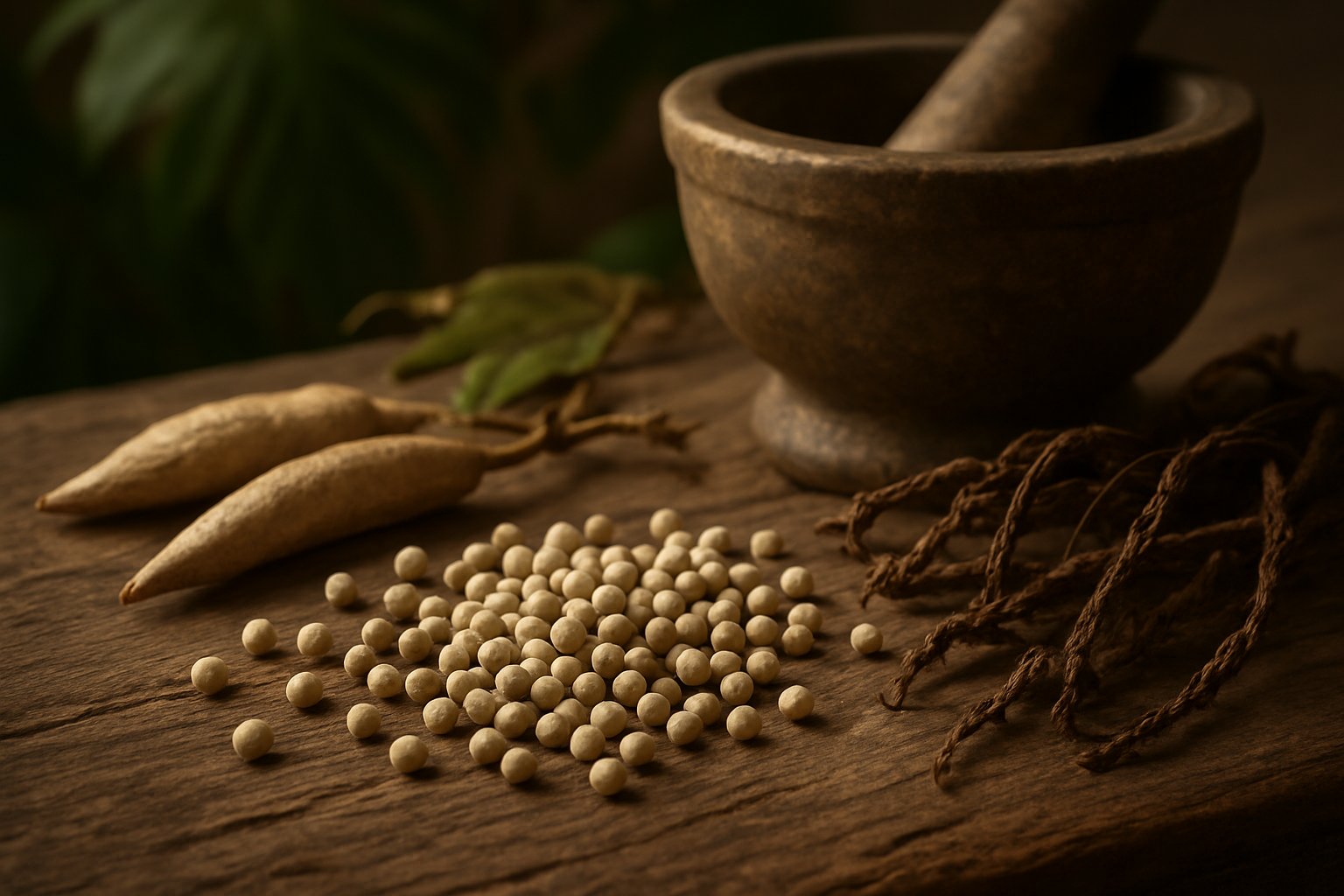
White pepper comes from the exact same plant as black pepper – Piper nigrum – but the magic happens in how it’s processed. While black pepper gets its characteristic dark color and robust flavor from being dried with the outer pericarp intact, white pepper takes a completely different journey.
The key difference lies in the ripening and processing stages. White pepper berries are allowed to fully ripen on the vine until they turn red, then they’re soaked in water for several days. This soaking process softens and removes the outer hull, revealing the pale, cream-colored inner seed that becomes white pepper.
| Characteristic | Black Pepper | White Pepper |
|---|---|---|
| Harvest timing | Unripe, green berries | Fully ripe, red berries |
| Processing method | Dried with hull | Hull removed after soaking |
| Flavor profile | Sharp, pungent, complex | Milder, earthier, less bite |
| Appearance | Dark brown/black | Cream to light gray |
| Heat level | More intense | Gentler warmth |
White pepper delivers a more subtle heat compared to its black counterpart. The flavor is often described as earthy, musty, and less sharp, with some detecting hints of barnyard or fermented notes. This unique taste profile makes white pepper particularly popular in European cuisine, especially in cream-based sauces where black specks would be visually unappealing.
Traditional Harvesting and Processing Methods
The traditional production of white pepper is a labor-intensive process that has remained largely unchanged for centuries. In major producing regions like Indonesia, Malaysia, and Vietnam, farmers still rely on time-honored techniques passed down through generations.
Harvesting begins when the pepper berries reach full maturity and turn bright red. This timing is critical – harvest too early, and the berries won’t have developed their full flavor potential. Harvest too late, and they may fall from the vine or become overripe.
The traditional soaking method involves several steps:
- Initial soaking: Fresh red berries are submerged in flowing water or large baskets placed in streams for 7-10 days
- Hull removal: The softened outer skin is rubbed off by hand or trampled underfoot
- Cleaning: Berries are repeatedly washed to remove all traces of the hull
- Drying: The clean white seeds are spread on mats and sun-dried for several days
Some regions use alternative methods like the “dry process,” where ripe berries are dried first, then mechanically hulled. While faster, this method often produces a different flavor profile compared to water-processed white pepper.
The fermentation that occurs during water soaking creates distinctive flavor compounds that give traditional white pepper its characteristic earthy, slightly funky taste that spice enthusiasts prize.
Global Production and Quality Variations
White pepper production centers around Southeast Asia, with Indonesia leading global output, followed by Malaysia, Vietnam, and Brazil. Each region produces white pepper with distinct characteristics influenced by climate, soil conditions, and processing variations.
Indonesian white pepper, particularly from Bangka and Muntok islands, is considered the gold standard. These peppers are known for their:
- Clean, bright appearance
- Mild, refined flavor
- Consistent quality due to strict processing standards
Malaysian white pepper from Sarawak offers a different profile:
- Slightly more pungent than Indonesian varieties
- Distinctive earthy undertones
- Often preferred by European markets
Vietnamese white pepper has gained recognition for:
- Good value-to-quality ratio
- Robust processing infrastructure
- Growing export market presence
Quality variations depend on multiple factors including berry maturity at harvest, soaking duration, drying conditions, and storage methods. Premium white pepper should have a uniform cream color, be free from dark specks or foreign matter, and possess a clean, characteristic aroma without musty or off-odors.
Processing standards also vary globally. Some producers use chlorinated water during processing to achieve whiter appearance, while others rely purely on traditional water soaking. These differences significantly impact the final product’s flavor, appearance, and market value.
Storage and transportation conditions further influence quality, as white pepper is more susceptible to moisture and contamination than black pepper due to its exposed inner structure.
Culinary Applications and Flavor Enhancement
Best Cooking Methods for Maximum Flavor Impact
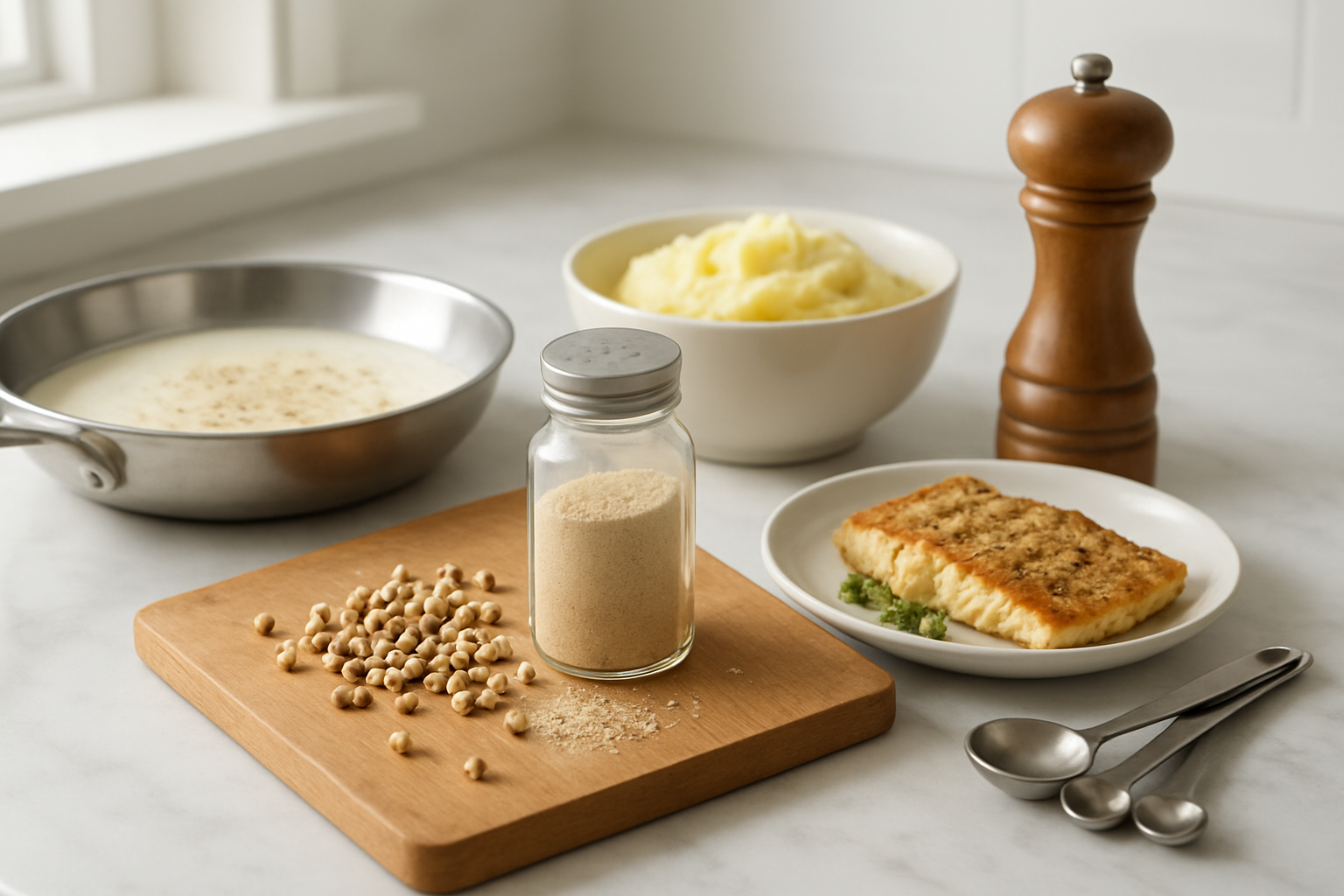
White pepper shines brightest when added at the right moment during cooking. Unlike black pepper, which can handle extended heat, white pepper’s delicate compounds break down quickly under high temperatures. Add it during the final minutes of cooking or just before serving to preserve its complex, earthy notes.
For soups and stews, incorporate white pepper about 5-10 minutes before the dish finishes cooking. This timing allows the flavor to meld without becoming bitter or losing its distinctive punch. When making cream-based sauces, stir in freshly ground white pepper after removing the pan from heat.
Dry-roasting whole white peppercorns for 2-3 minutes in a hot pan awakens their essential oils and creates a deeper, more aromatic profile. Grind them immediately after roasting for maximum impact. This technique works particularly well for Asian stir-fries and spice blends.
Perfect Food Pairings and Recipe Integration
White pepper forms exceptional partnerships with creamy dishes where its subtle heat won’t overpower delicate flavors. Classic French white sauces, including béchamel and velouté, rely on white pepper’s clean taste that won’t create dark specks in pale presentations.
Seafood dishes benefit tremendously from white pepper’s mineral undertones. It complements fish without masking their natural flavors, making it perfect for poached salmon, crab bisques, and delicate shellfish preparations. The spice also enhances chicken and pork dishes, particularly those prepared with light-colored sauces.
| Food Category | Best Applications | Flavor Contribution |
|---|---|---|
| Dairy-based dishes | Alfredo, quiche, cheese sauces | Warm heat without visual contrast |
| Light meats | Chicken, fish, pork | Enhances natural flavors |
| Asian cuisine | Hot and sour soup, dim sum | Traditional authentic taste |
| Vegetables | Cauliflower, potatoes, cabbage | Brightens mild flavors |
Professional Chef Techniques and Tips
Restaurant chefs often create white pepper oil by gently heating neutral oil with cracked white peppercorns for 10-15 minutes, then straining. This infused oil delivers consistent flavor and works beautifully as a finishing touch for plated dishes.
Combining white pepper with complementary spices creates complex flavor profiles. Mix it with ginger and garlic for Asian-inspired dishes, or blend with thyme and bay leaves for European-style preparations. Professional kitchens often pre-mix these combinations to ensure consistency across multiple dishes.
Temperature control matters significantly when working with white pepper. Keep ground pepper away from direct heat sources and add it to hot liquids gradually while stirring to prevent clumping. Many chefs prefer using white pepper in marinades for proteins, as the extended contact time allows deeper flavor penetration.
Storage Methods to Preserve Potency
Whole white peppercorns maintain their potency for 3-4 years when stored properly, while ground white pepper loses its punch within 6-8 months. Store whole peppercorns in airtight containers away from light, heat, and moisture. Glass jars with tight-fitting lids work better than plastic containers, which can absorb and transfer flavors.
Freezing whole peppercorns extends their shelf life significantly without affecting quality. Place them in freezer-safe containers and grind directly from frozen – they’ll actually grind more easily when cold. Avoid storing ground white pepper in the refrigerator, as condensation can cause clumping and accelerate flavor loss.
Check your white pepper’s freshness by crushing a few peppercorns between your fingers. Fresh pepper releases immediate, sharp aromas, while stale pepper smells musty or has little scent at all. Replace your supply when the color fades from creamy white to dull gray.
Proven Health Benefits and Nutritional Value
Anti-Inflammatory Properties for Joint Health
White pepper packs a powerful punch when it comes to fighting inflammation throughout your body. The key player here is piperine, the compound that gives white pepper its distinctive bite. This natural anti-inflammatory agent works by blocking specific enzymes that trigger inflammatory responses, making it particularly beneficial for people dealing with joint pain and arthritis.
Regular consumption of white pepper can help reduce swelling and stiffness in joints, especially when combined with turmeric. The piperine actually enhances turmeric’s absorption by up to 2000%, creating a dynamic duo for joint health. Many people find that adding white pepper to their daily routine helps manage chronic pain conditions without relying solely on over-the-counter medications.
The anti-inflammatory effects extend beyond just joints. White pepper can help reduce muscle soreness after exercise and may even assist in managing inflammatory conditions like rheumatoid arthritis. The spice works gradually in your system, so consistent use tends to yield better results than sporadic consumption.
Digestive System Support and Gut Health
Your digestive system gets a significant boost from white pepper’s unique properties. The spice stimulates the production of hydrochloric acid in your stomach, which is essential for breaking down proteins and absorbing nutrients effectively. This increased acid production can help prevent common digestive issues like bloating, gas, and indigestion.
White pepper also acts as a natural carminative, meaning it helps expel gas from your intestines and reduces uncomfortable bloating. The warming properties of the spice increase blood flow to your digestive organs, improving their overall function and efficiency.
The antimicrobial properties of white pepper help maintain a healthy balance of gut bacteria by inhibiting harmful microorganisms while supporting beneficial flora. This balance is crucial for proper digestion, immune function, and even mental health. People who regularly include white pepper in their diet often report improved bowel regularity and reduced digestive discomfort after meals.
Antioxidant Power for Cellular Protection
White pepper serves as a potent source of antioxidants that protect your cells from damage caused by free radicals. These unstable molecules can accelerate aging, contribute to chronic diseases, and weaken your immune system. The antioxidants in white pepper, including flavonoids and vitamin C, neutralize these harmful compounds before they can cause significant damage.
The antioxidant activity of white pepper is particularly strong due to its concentration of piperine and other phenolic compounds. These substances help protect your DNA from oxidative stress, potentially reducing your risk of certain cancers and age-related diseases. Regular consumption may help maintain healthier skin, sharper cognitive function, and better overall cellular health.
Research shows that the antioxidant effects of white pepper are enhanced when consumed with other antioxidant-rich foods. This synergistic effect means that adding white pepper to meals containing vegetables, fruits, or other spices can amplify the protective benefits for your entire body.
Metabolism Boost and Weight Management Support
White pepper can give your metabolism a natural kick-start through its thermogenic properties. The piperine in white pepper increases your body’s heat production, which burns more calories even when you’re at rest. This process, called thermogenesis, can contribute to weight management when combined with a healthy diet and regular exercise.
The spice also helps improve insulin sensitivity, which means your body becomes more efficient at processing glucose and storing it properly rather than converting it to fat. This improved glucose metabolism can help prevent energy crashes and reduce cravings for sugary foods throughout the day.
White pepper supports weight management by enhancing the absorption of nutrients from other foods, ensuring your body gets the vitamins and minerals it needs to function optimally. When your nutritional needs are met, you’re less likely to experience hunger pangs or overeat. The spice also has mild appetite-suppressing effects, helping you feel satisfied with smaller portions.
Respiratory Health and Congestion Relief
The warming and expectorant properties of white pepper make it an excellent natural remedy for respiratory issues. When you consume white pepper, it helps thin mucus in your respiratory tract, making it easier to cough up and clear congestion from your lungs and sinuses.
White pepper’s antimicrobial properties also help fight respiratory infections by inhibiting the growth of bacteria and viruses that commonly cause colds, flu, and bronchitis. The spice can provide relief from coughing fits and help reduce the severity and duration of respiratory symptoms.
Many traditional medicine systems use white pepper in steam inhalations or warm beverages to open airways and provide immediate relief from congestion. The spice’s ability to improve circulation also helps deliver oxygen more efficiently throughout your body, supporting overall respiratory function and reducing feelings of breathlessness during illness.
Potential Side Effects and Health Risks
Digestive Irritation and Stomach Sensitivity
White pepper can trigger significant digestive discomfort, especially when consumed in larger quantities or by individuals with sensitive stomachs. The compound piperine, which gives white pepper its characteristic heat, acts as a gastric irritant that can increase stomach acid production and cause inflammation of the digestive tract lining.
Common digestive side effects include:
- Heartburn and acid reflux: The spice stimulates gastric acid secretion, potentially worsening existing reflux conditions
- Stomach pain and cramping: Direct irritation of the stomach lining can cause sharp, burning sensations
- Nausea and vomiting: Excessive consumption may trigger the body’s protective response to eliminate the irritant
- Diarrhea: White pepper’s heat can speed up digestive transit time, leading to loose stools
People with peptic ulcers, gastritis, or inflammatory bowel diseases should exercise particular caution. The irritating properties of white pepper can exacerbate these conditions and delay healing. Starting with very small amounts allows you to gauge your tolerance before incorporating larger quantities into your diet.
Skin Reactions and Allergic Responses
Direct contact with white pepper or its concentrated extracts can cause various skin reactions, ranging from mild irritation to severe allergic responses. The potent compounds in white pepper, particularly piperine and essential oils, can penetrate the skin and trigger inflammatory reactions.
Contact dermatitis symptoms include:
- Redness and swelling at the contact site
- Itching and burning sensations
- Blistering or rash formation
- Dry, flaky, or peeling skin
Allergic reactions may manifest as:
| Symptom Type | Mild Reactions | Severe Reactions |
|---|---|---|
| Skin | Localized rash, hives | Widespread swelling, severe blistering |
| Respiratory | Mild sneezing, runny nose | Difficulty breathing, wheezing |
| Systemic | Slight itching | Anaphylaxis, shock |
Individuals with spice allergies or sensitive skin should perform a patch test before using white pepper topically in any form. If you experience any allergic symptoms after consuming or handling white pepper, discontinue use immediately and seek medical attention if symptoms are severe or persistent.
Drug Interactions and Medication Concerns
White pepper contains piperine, a bioactive compound that significantly affects how your body processes medications. This interaction occurs because piperine inhibits certain liver enzymes responsible for drug metabolism, potentially altering medication effectiveness and increasing the risk of adverse reactions.
Medications with notable interactions include:
- Blood thinners (warfarin, aspirin): White pepper may enhance anticoagulant effects, increasing bleeding risk
- Diabetes medications: Can amplify blood sugar-lowering effects, potentially causing dangerous hypoglycemia
- Blood pressure medications: May enhance hypotensive effects, leading to dangerously low blood pressure
- Antidepressants: Piperine can increase drug absorption, potentially leading to toxic levels
- Anti-seizure medications: Altered metabolism may affect seizure control
The timing of white pepper consumption relative to medication intake matters significantly. Consuming white pepper within two hours of taking medications can maximize these interactions. People taking multiple medications face compounded risks, as white pepper can affect the entire medication regimen simultaneously.
If you’re on prescription medications, consult your healthcare provider before regularly incorporating white pepper into your diet. They can assess potential interactions based on your specific medication profile and adjust dosages if necessary. Never stop or modify medication doses without professional medical guidance.
Safe Usage Guidelines and Dosage Recommendations
Daily Consumption Limits for Adults
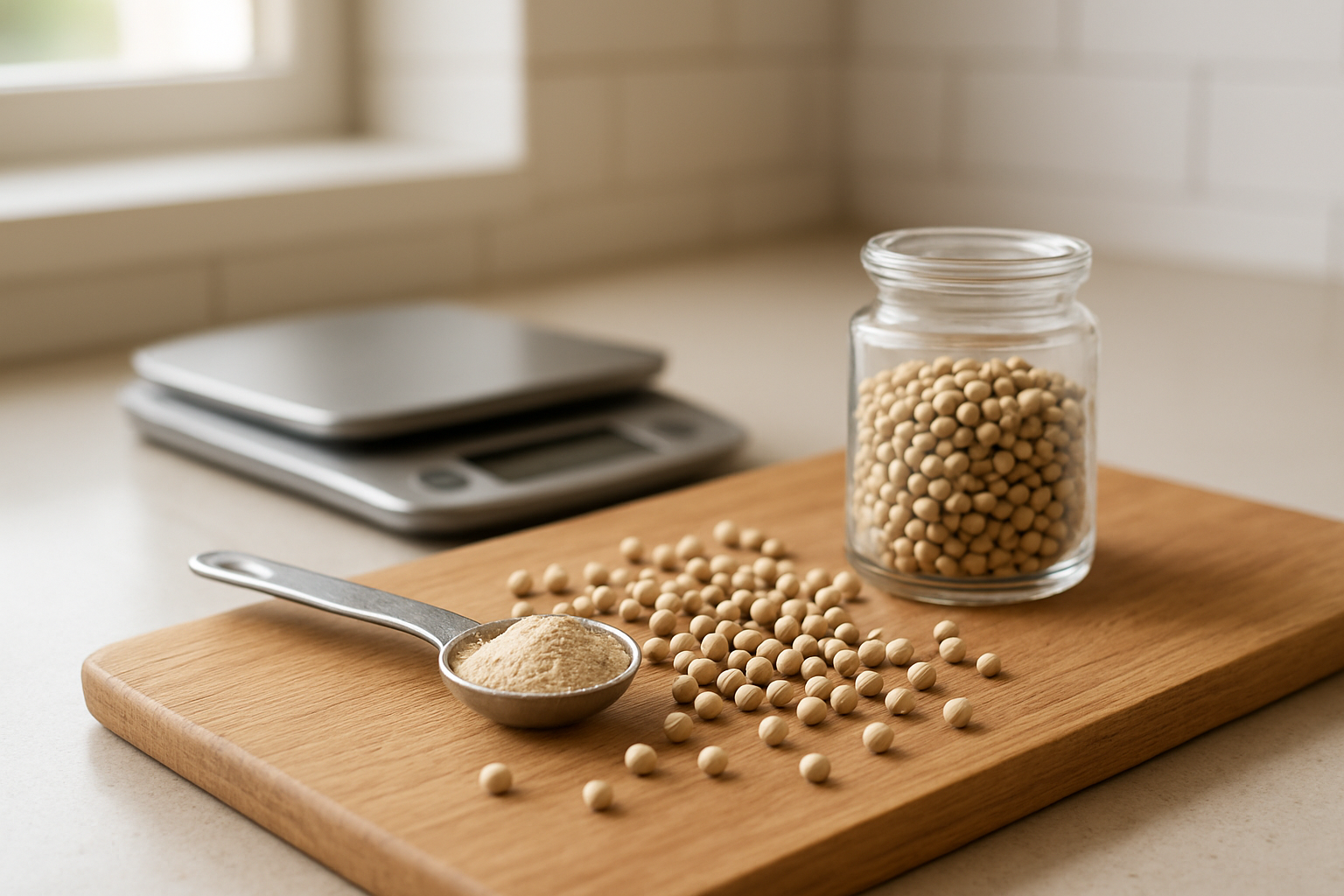
For most adults, consuming 1/4 to 1/2 teaspoon of white pepper daily is considered safe and beneficial. This translates to roughly 1-2 grams per day, which provides enough piperine to support digestive health without causing irritation. Culinary use typically keeps consumption well within these limits, as white pepper is used sparingly to season dishes.
People who take white pepper supplements should follow manufacturer guidelines strictly. Concentrated extracts can contain significantly higher levels of active compounds than ground pepper used in cooking. Start with smaller amounts to assess tolerance, especially if you have a sensitive stomach or existing digestive conditions.
Those with chronic health conditions or taking medications should consult healthcare providers before increasing white pepper intake beyond normal culinary amounts. The compound piperine can enhance absorption of certain medications, potentially altering their effectiveness.
Special Precautions for Pregnant and Nursing Women
Pregnant women can safely use white pepper in normal cooking amounts, but should avoid medicinal doses or concentrated supplements. During pregnancy, digestive sensitivity often increases, making women more prone to heartburn and stomach upset from spicy foods.
Large amounts of white pepper may stimulate uterine contractions, though this risk is primarily associated with concentrated extracts rather than culinary use. The safest approach involves sticking to flavor-enhancing quantities rather than therapeutic doses.
Nursing mothers should monitor their babies for signs of digestive discomfort when consuming white pepper. Some infants may experience fussiness or changes in sleep patterns if mothers consume significant amounts of spicy foods. Reducing intake usually resolves these issues quickly.
Women experiencing morning sickness might find white pepper helpful for nausea relief, but should use minimal amounts and discontinue if symptoms worsen.
Children Safety Guidelines and Age Restrictions
Children under two years should not consume white pepper in any form. Their digestive systems are too immature to handle the compound’s intensity, and even small amounts can cause significant discomfort or allergic reactions.
For children ages 2-6, introduce white pepper gradually and in tiny quantities. Start with a pinch in mild dishes and observe for reactions like stomach pain, excessive crying, or changes in bowel movements. Many children find white pepper too intense and prefer milder seasonings.
School-age children (7-12) can typically handle small amounts of white pepper in cooked dishes. Avoid giving them direct access to ground pepper, as children might inhale it accidentally, causing respiratory irritation or choking.
Teenagers can generally consume white pepper like adults, but should still practice moderation. Their taste preferences and digestive tolerance vary widely during this developmental period.
Never give white pepper supplements to children without pediatric supervision. The concentrated forms pose serious risks including severe digestive upset and potential toxicity.
Quality Selection Tips for Pure White Pepper
High-quality white pepper should appear uniformly cream-colored to pale yellow, without dark spots or debris. Avoid products with grayish tints, which often indicate poor processing or contamination with black pepper residue.
Fresh white pepper has a clean, sharp aroma without musty or stale odors. Pre-ground pepper loses potency quickly, so whole white peppercorns maintain flavor and medicinal properties longer. Grind them as needed for maximum benefit.
Purchase from reputable spice vendors who provide origin information. Vietnamese and Indonesian white peppers are generally considered premium quality. Look for organic certification to avoid pesticide residues, especially important since pepper readily absorbs chemicals during cultivation.
Check packaging dates and buy in small quantities. White pepper stays fresh for 2-3 years when stored properly in airtight containers away from light and heat. Glass containers work better than plastic for maintaining essential oils.
| Quality Indicator | Good Quality | Poor Quality |
|---|---|---|
| Color | Cream to pale yellow | Gray or mixed colors |
| Aroma | Sharp, clean scent | Musty or no smell |
| Texture | Uniform size | Uneven, debris present |
| Packaging | Airtight, dated | Loose, undated |
Avoid buying white pepper from bulk bins unless the store has high turnover. Extended exposure to air and light degrades both flavor and beneficial compounds significantly.
White pepper stands out as more than just a milder alternative to black pepper. Its unique flavor profile makes it perfect for light-colored dishes where you want heat without visible specks, while its impressive nutritional content delivers real health benefits. From supporting digestion and fighting inflammation to providing antioxidant protection, this spice packs a powerful punch in small doses.
Start small when adding white pepper to your cooking routine, especially if you’re new to it. A pinch goes a long way, and you can always add more. Keep your daily intake moderate, listen to your body, and talk to your doctor if you’re taking medications or have health concerns. With the right approach, white pepper can become a valuable addition to both your spice rack and your wellness routine.