Hazelnuts pack a powerful punch when it comes to boosting your health naturally. If you’re curious about adding more nutritious snacks to your diet or want to understand what makes these small nuts so special, you’re in the right place.
These crunchy tree nuts offer impressive benefits that go far beyond their rich, buttery taste. We’ll explore how hazelnuts support your heart health through their unique combination of healthy fats and antioxidants. You’ll also discover how these nuts can sharpen your brain function and help maintain cognitive performance as you age. Finally, we’ll look at how hazelnuts can fit into your weight management goals while providing essential minerals your bones need to stay strong.
Nutritional Profile of Hazelnuts
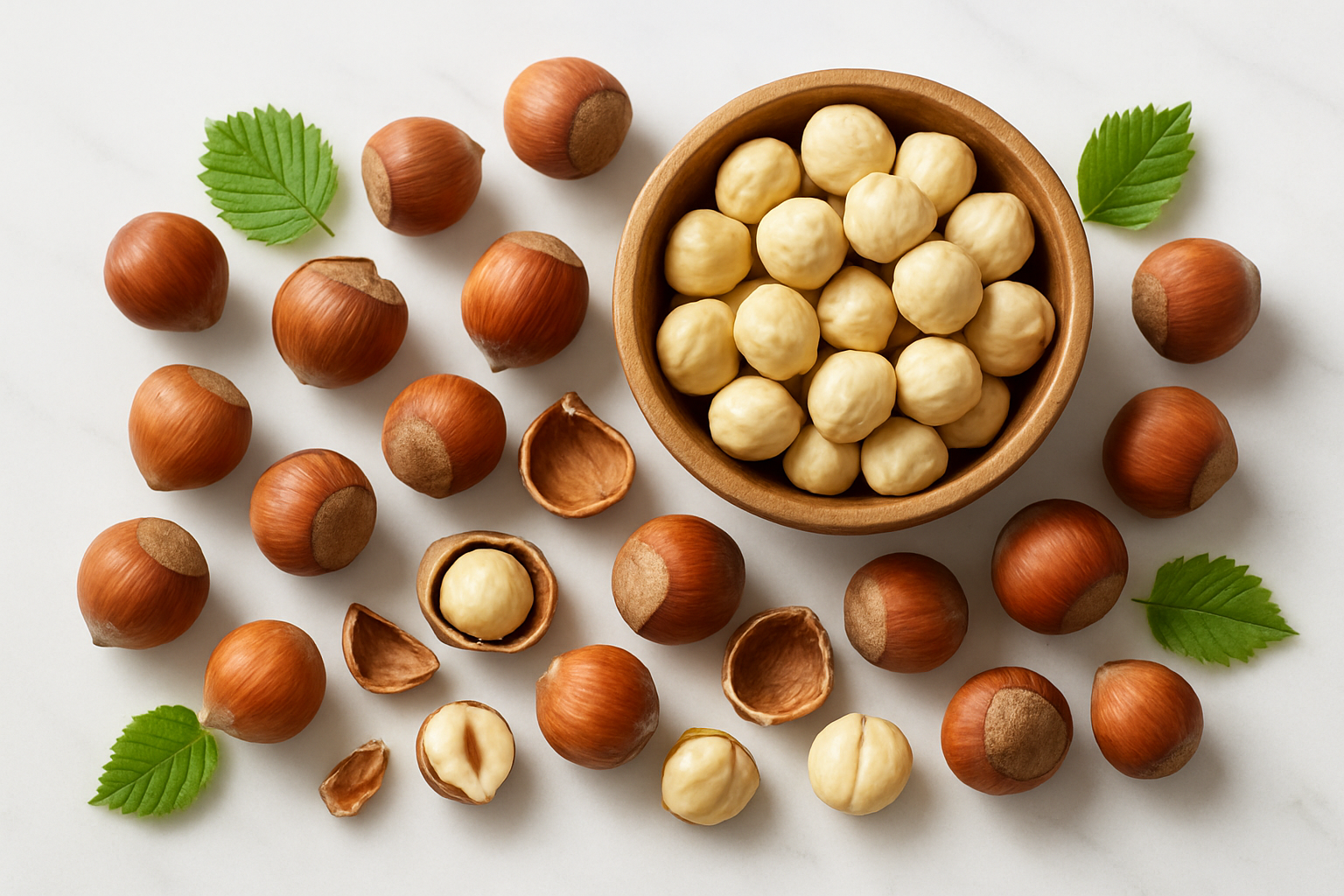
High in healthy monounsaturated fats
Hazelnuts pack an impressive amount of healthy fats, with about 78% of their total fat content coming from monounsaturated fats. These are the same heart-friendly fats found in olive oil and avocados. A single ounce of hazelnuts contains roughly 13 grams of fat, with the majority being oleic acid – a monounsaturated fatty acid that helps reduce inflammation and supports cardiovascular health.
What makes these fats so special? Unlike saturated fats that can raise cholesterol levels, monounsaturated fats actually help improve your cholesterol profile by increasing good HDL cholesterol while lowering harmful LDL cholesterol. Your body also uses these fats to build cell membranes and produce important hormones.
Rich in vitamin E and antioxidants
Hazelnuts are vitamin E powerhouses, delivering about 4.3 milligrams per ounce – that’s nearly 29% of your daily recommended intake. This fat-soluble vitamin acts as a powerful antioxidant, protecting your cells from damage caused by free radicals.
Beyond vitamin E, hazelnuts contain several other antioxidant compounds:
- Phenolic compounds that fight inflammation
- Flavonoids that support immune function
- Tocopherols that work alongside vitamin E
- Proanthocyanidins that protect blood vessels
These antioxidants work together to combat oxidative stress, which contributes to aging and chronic diseases. The vitamin E in hazelnuts is particularly effective at protecting fatty tissues and cell membranes throughout your body.
Good source of protein and fiber
Each ounce of hazelnuts provides about 4.2 grams of protein and 2.7 grams of dietary fiber. While nuts aren’t complete proteins like meat or eggs, hazelnuts contain several essential amino acids that your body needs for muscle repair and maintenance.
The fiber content in hazelnuts offers multiple benefits:
- Promotes healthy digestion
- Helps maintain stable blood sugar levels
- Supports feelings of fullness and satiety
- Feeds beneficial gut bacteria
This combination of protein and fiber makes hazelnuts an excellent snack choice for sustained energy and appetite control.
Contains essential minerals like magnesium and copper
Hazelnuts are mineral-rich, providing several nutrients that many people don’t get enough of in their diets. Here’s what you’ll find in a one-ounce serving:
| Mineral | Amount | % Daily Value |
|---|---|---|
| Copper | 0.5 mg | 55% |
| Magnesium | 46 mg | 11% |
| Manganese | 1.7 mg | 87% |
| Phosphorus | 82 mg | 8% |
| Potassium | 193 mg | 6% |
Copper plays a crucial role in iron absorption, collagen production, and immune system function. Magnesium supports muscle and nerve function, blood pressure regulation, and bone health. Manganese helps with metabolism and bone development, while phosphorus works with calcium to build strong bones and teeth.
These minerals work synergistically with the vitamins and healthy fats in hazelnuts to support overall health and proper body function.
Heart Health Benefits
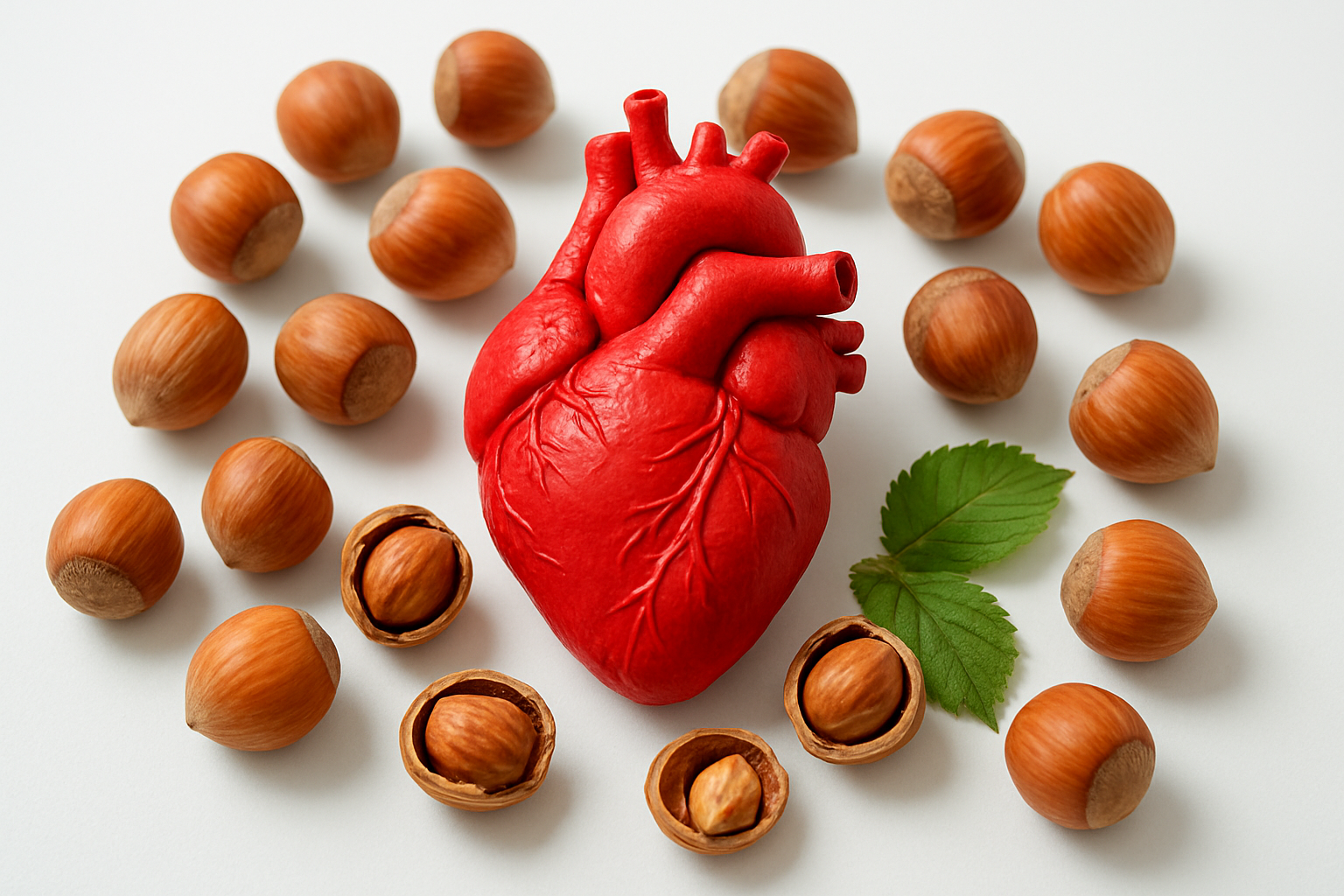
Reduces Bad Cholesterol Levels
Hazelnuts pack a powerful punch when it comes to managing cholesterol levels in your blood. These small nuts are loaded with monounsaturated fats, particularly oleic acid, which actively works to lower LDL (bad) cholesterol while maintaining or even boosting HDL (good) cholesterol levels. Studies show that people who regularly include hazelnuts in their diet experience significant reductions in total cholesterol and LDL cholesterol within just a few weeks.
The magic happens through the nuts’ unique combination of healthy fats, fiber, and plant sterols. Plant sterols naturally block cholesterol absorption in your digestive system, preventing it from entering your bloodstream. When you snack on a handful of hazelnuts daily, you’re essentially giving your body natural cholesterol-fighting compounds that work around the clock.
Research involving participants who ate about 1.5 ounces of hazelnuts daily showed LDL cholesterol drops of up to 27% within eight weeks. The fiber content also plays a crucial role by binding to cholesterol in your intestines and helping your body eliminate it before it can cause harm to your arteries.
Improves Blood Vessel Function
Your blood vessels need to stay flexible and responsive to maintain healthy circulation, and hazelnuts deliver exactly what they need. The high levels of vitamin E and magnesium in hazelnuts work together to support endothelial function – that’s the inner lining of your blood vessels that controls how well they expand and contract.
Magnesium acts as a natural calcium channel blocker, helping your blood vessels relax and maintain proper diameter. This relaxation reduces the workload on your heart and keeps blood flowing smoothly throughout your body. The antioxidants in hazelnuts, including vitamin E and various phenolic compounds, protect blood vessel walls from oxidative damage that can lead to stiffening and narrowing.
Clinical studies reveal that regular hazelnut consumption improves what doctors call “flow-mediated dilation” – essentially how well your arteries can widen when they need to accommodate increased blood flow. This improvement typically shows up within four to six weeks of consistent consumption and directly translates to better cardiovascular performance during both rest and physical activity.
Lowers Risk of Cardiovascular Disease
The combination of cholesterol management and improved blood vessel function creates a powerful defense against heart disease. People who eat nuts regularly, including hazelnuts, show significantly lower rates of heart attacks, strokes, and other cardiovascular events compared to those who rarely consume nuts.
Hazelnuts contribute to this protection through multiple pathways. Their anti-inflammatory properties help reduce chronic inflammation in blood vessels, which is a key driver of atherosclerosis – the buildup of plaque in arteries. The nuts also help regulate blood pressure through their potassium and magnesium content, both essential minerals for maintaining healthy blood pressure levels.
Long-term population studies tracking thousands of people over decades consistently show that those who include hazelnuts and other tree nuts in their regular diet have 20-30% lower risk of developing coronary heart disease. The protective effects become even more pronounced when hazelnuts replace less healthy snack foods like processed chips or sugary treats. Just replacing 150 calories of refined carbohydrates with hazelnuts can significantly improve your cardiovascular risk profile.
Brain Function and Cognitive Support

Enhances Memory and Concentration
Hazelnuts pack a powerful punch when it comes to boosting your brain’s performance. The secret lies in their rich vitamin E content – just one ounce delivers about 20% of your daily needs. This antioxidant works like a shield for your brain cells, protecting them from oxidative stress that can cloud your thinking and slow down mental processing.
The healthy fats in hazelnuts, particularly oleic acid, play a crucial role in maintaining the structure of brain cell membranes. When these membranes stay flexible and healthy, information flows more smoothly between neurons, leading to sharper focus and better memory retention. Studies show that people who regularly consume nuts like hazelnuts perform better on memory tests and demonstrate improved attention spans.
Magnesium, another key nutrient in hazelnuts, helps regulate neurotransmitter activity in your brain. This mineral supports the communication pathways that are essential for learning new information and recalling stored memories. Regular hazelnut consumption can help you stay mentally alert throughout the day and improve your ability to concentrate on demanding tasks.
Protects Against Age-Related Cognitive Decline
Your brain faces increasing challenges as you age, but hazelnuts offer impressive protection against cognitive deterioration. The combination of vitamin E, healthy fats, and antioxidants creates a defensive barrier against the inflammation and cellular damage that contribute to conditions like dementia and Alzheimer’s disease.
Research indicates that people who maintain higher levels of vitamin E in their diets show slower rates of cognitive decline over time. The alpha-tocopherol form of vitamin E found in hazelnuts is particularly effective at crossing the blood-brain barrier, where it can directly protect neural tissue from free radical damage.
The folate content in hazelnuts also supports brain health by helping maintain proper homocysteine levels. High homocysteine has been linked to increased risk of cognitive impairment and neurodegenerative diseases. By keeping these levels in check, hazelnuts help preserve your mental sharpness well into your golden years.
Supports Neurotransmitter Production
Hazelnuts contain several nutrients that your brain needs to produce important chemical messengers. The B vitamins, including thiamine and folate, work as cofactors in the synthesis of neurotransmitters like serotonin, dopamine, and acetylcholine. These chemicals regulate everything from your mood and sleep patterns to your ability to learn and remember information.
The protein in hazelnuts provides amino acids that serve as building blocks for these neurotransmitters. Tyrosine, found in hazelnuts, is particularly important for producing dopamine and norepinephrine – chemicals that keep you motivated, focused, and mentally energized.
Copper, a trace mineral present in hazelnuts, plays a vital role in the production of several neurotransmitters. It helps convert dopamine into norepinephrine and supports the formation of myelin, the protective coating around nerve fibers that ensures fast and efficient signal transmission throughout your nervous system.
Weight Management Advantages

Promotes Satiety and Reduces Hunger
Hazelnuts pack a powerful punch when it comes to keeping you satisfied between meals. These nutrient-dense nuts are loaded with healthy fats, protein, and fiber – a trifecta that works together to slow digestion and help you feel full longer. The combination of monounsaturated fats and protein triggers the release of hormones like cholecystokinin (CCK) and GLP-1, which signal your brain that you’ve had enough to eat.
A handful of hazelnuts (about 20-25 nuts) contains roughly 4 grams of protein and 3 grams of fiber. This fiber content is particularly important because it adds bulk to your meals without adding calories, and it takes more energy to digest. When you snack on hazelnuts, you’re likely to eat less at your next meal without even trying.
Research shows that people who include nuts like hazelnuts in their diet report feeling more satisfied and experience fewer cravings for processed snacks. The key is portion control – stick to about an ounce per serving to get the satiety benefits without overdoing the calories.
Boosts Metabolism Naturally
Your metabolism gets a nice boost from hazelnuts thanks to their unique nutrient profile. The magnesium content in hazelnuts plays a crucial role in over 300 enzymatic reactions in your body, many of which are directly involved in energy production and metabolism. Just one ounce of hazelnuts provides about 46 milligrams of magnesium, roughly 12% of your daily needs.
The protein in hazelnuts also contributes to metabolic benefits through something called the thermic effect of food. Your body actually burns calories to digest, absorb, and process protein – about 20-30% of the calories from protein are used up in this process. While hazelnuts aren’t as protein-dense as some other nuts, they still provide enough to give your metabolism a gentle nudge.
B vitamins found in hazelnuts, particularly thiamine and niacin, help convert the food you eat into usable energy. Without adequate B vitamins, your metabolism can become sluggish, making weight management more challenging.
Helps Maintain Healthy Body Composition
Regular hazelnut consumption can help you maintain lean muscle mass while supporting fat loss – the holy grail of body composition. The high-quality fats in hazelnuts help optimize hormone production, including hormones that regulate metabolism and body fat distribution.
Studies on nut consumption show that people who eat nuts regularly tend to have lower body weight and smaller waist circumferences compared to those who avoid nuts. This seems counterintuitive given their calorie density, but the satiety factor means people naturally compensate by eating less of other foods.
The vitamin E in hazelnuts supports muscle recovery after exercise, which is essential for maintaining lean muscle mass. Healthy muscles burn more calories at rest than fat tissue, so preserving muscle mass helps keep your metabolism humming along efficiently.
Hazelnuts also provide copper and manganese, minerals that support connective tissue health and may help maintain the structural integrity of muscles and bones as you age.
Skin and Anti-Aging Properties

Fights Free Radical Damage
Hazelnuts pack a powerful punch against oxidative stress thanks to their impressive antioxidant profile. These nuts contain high levels of vitamin E, particularly alpha-tocopherol, which acts as your skin’s natural shield against harmful free radicals. Free radicals are unstable molecules that attack healthy skin cells, breaking down collagen and elastin fibers that keep your skin looking youthful.
The phenolic compounds in hazelnuts, including proanthocyanidins and flavonoids, work alongside vitamin E to neutralize these damaging molecules before they can wreak havoc on your skin. Regular consumption of hazelnuts provides your body with a steady supply of these protective compounds, creating an internal defense system that helps maintain cellular integrity and prevents premature skin damage.
Promotes Collagen Production
Your skin’s structural foundation depends heavily on collagen, and hazelnuts contain several nutrients that support its synthesis. The copper content in hazelnuts plays a crucial role in collagen formation by activating lysyl oxidase, an enzyme essential for cross-linking collagen fibers. This process creates the strong, flexible network that gives skin its firmness and elasticity.
Vitamin C, though present in smaller amounts, works synergistically with other nutrients in hazelnuts to boost collagen production. The manganese content also contributes to this process by supporting the formation of procollagen, the precursor to mature collagen. This combination of minerals creates an environment where your skin can continuously repair and rebuild its structural proteins.
Maintains Skin Elasticity and Hydration
The healthy fats in hazelnuts, particularly oleic acid and linoleic acid, play vital roles in maintaining your skin’s barrier function. These fatty acids help preserve the lipid layer that keeps moisture locked in while preventing environmental irritants from penetrating deeper skin layers. A strong skin barrier translates to better hydration levels and improved elasticity.
Hazelnuts also provide magnesium, which helps regulate cellular water balance and supports the skin’s natural moisture-retention mechanisms. The vitamin E content works double-duty here, not only fighting oxidative damage but also helping maintain the integrity of cell membranes, which is essential for proper hydration and nutrient transport within skin cells.
Reduces Signs of Premature Aging
The anti-aging benefits of hazelnuts extend beyond basic nutrition. The selenium content helps protect skin from UV-induced damage, one of the primary causes of premature aging. This trace mineral works with vitamin E to form a protective antioxidant system that can slow down the formation of age spots, fine lines, and wrinkles.
Regular hazelnut consumption may help reduce inflammation at the cellular level, which contributes to the aging process. The anti-inflammatory compounds in these nuts help calm irritated skin and may reduce redness and puffiness. The zinc content supports wound healing and cell turnover, helping your skin shed old, damaged cells and replace them with healthy new ones more efficiently.
Bone Health and Mineral Support
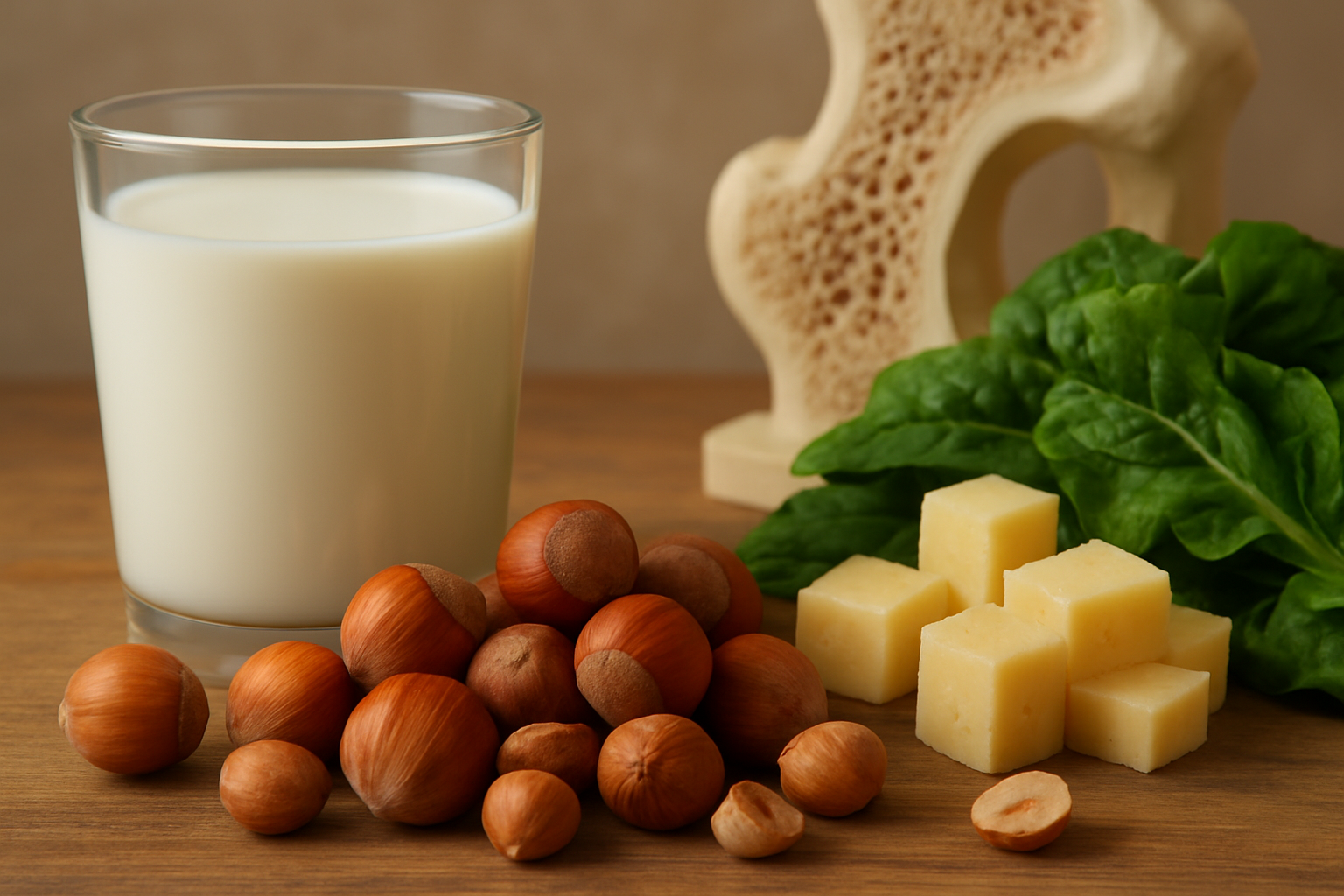
Strengthens bone density with magnesium
Magnesium plays a starring role in bone health, and hazelnuts pack an impressive punch with about 163 milligrams per 100 grams. This essential mineral works behind the scenes to convert vitamin D into its active form, which your bones desperately need to absorb calcium effectively. Without enough magnesium, your body can’t properly use the calcium you consume, leaving your bones vulnerable to weakening over time.
The magnesium in hazelnuts also activates over 300 enzymes involved in bone formation. These enzymes help create the protein matrix that gives bones their structure and strength. Research shows that people with higher magnesium intake have significantly denser bones, especially in the hip and spine areas where fractures commonly occur as we age.
Supports calcium absorption
While hazelnuts contain moderate amounts of calcium themselves (about 114 milligrams per 100 grams), their real superpower lies in helping your body absorb and use calcium from other sources. The magnesium content creates the perfect environment for calcium uptake in your intestines, while the healthy fats in hazelnuts help transport fat-soluble vitamins that support bone health.
Hazelnuts also contain phosphorus, another key player in calcium absorption. These two minerals work together to form calcium phosphate, the primary mineral compound that gives your bones their hardness and strength. The copper found in hazelnuts helps build collagen, the flexible framework that holds calcium deposits in place within your bone structure.
Prevents osteoporosis risk
Regular hazelnut consumption can be a smart strategy for preventing osteoporosis, especially for women approaching menopause. The combination of magnesium, phosphorus, and manganese in these nuts supports the bone remodeling process – the continuous cycle of breaking down old bone tissue and building new, stronger bone.
Studies suggest that people who eat nuts regularly have lower rates of osteoporotic fractures. The anti-inflammatory compounds in hazelnuts may also protect bone cells from damage caused by chronic inflammation, which can accelerate bone loss. Starting a habit of eating hazelnuts in your younger years builds a foundation of stronger bones that can better withstand the natural bone density decline that happens with aging.

Hazelnuts pack an impressive nutritional punch that goes way beyond their delicious taste. From supporting your heart and brain to helping with weight management and keeping your bones strong, these little nuts deliver benefits that touch nearly every aspect of your health. The healthy fats, vitamins, and minerals found in hazelnuts work together to protect your cardiovascular system, boost cognitive function, and even give your skin that natural glow we all want.
Adding a handful of hazelnuts to your daily routine is one of the easiest ways to upgrade your health game. Toss them in your morning oatmeal, snack on them between meals, or blend them into smoothies – however you choose to enjoy them, your body will thank you. Start small with just an ounce a day and watch how this simple change can make a real difference in how you feel and look.